
TRAVEL & TOURS
Why Choose Africa for Your Honeymoon?

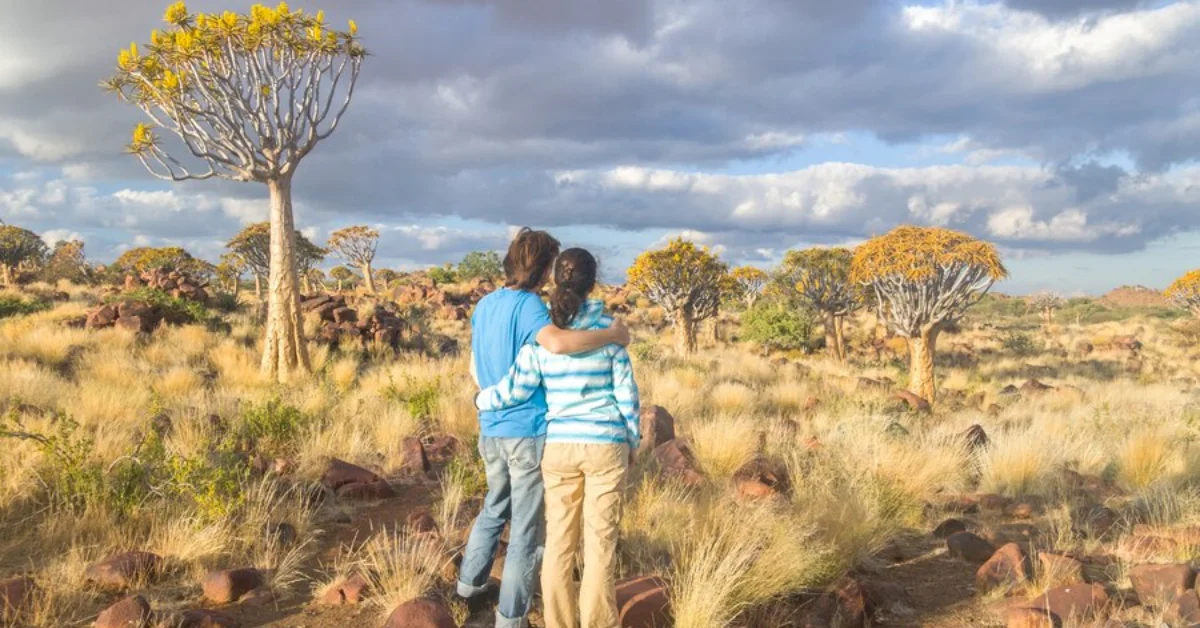
When selecting the perfect honeymoon destination, Africa stands out with its unique blend of breathtaking landscapes and unforgettable experiences. Opting for a honeymoon in Africa invites you to discover a continent where adventure meets serenity. This duality is ideal for couples seeking excitement and quiet reflection moments. Picture romantic sunrises over the savannas, followed by leisurely afternoons lounging on pristine beaches the diversity is astounding.
Beyond the vast plains and enticing coastlines, Africa has a rich array of wildlife, making for thrilling encounters in their natural habitats. Observing the majestic Big Five on safari is just one of this remarkable continent’s extraordinary experiences. Each adventure weaves together to create a memorable tapestry of memories, perfect for a honeymoon narrative that is as diverse and layered as love.
Romantic Destinations in Africa
Africa’s reputation for romance is well-earned, with stunning destinations like Mauritius and Seychelles offering exquisite settings for newlyweds. Here, azure waters, powdery sands, and luxury resorts create a paradisiacal escape that feels both secluded and exclusive. The slow-paced island life allows ample opportunity for couples to bask in each other’s company, delighting in sunset strolls along the shore or enjoying a candlelit dinner under the stars. For those intrigued by lesser-known gems, the Okavango Delta offers a blissful retreat into nature’s embrace. Explore its lush waterways and abundant wildlife, or delve into the cultural richness of Zanzibar, where vibrant history and idyllic beaches combine to tantalize the senses. These locations promise a romantic vacation away from the mundane, each unveiling unique narratives for the spirited traveler.
Adventure Awaits: Safari and Beyond
African honeymoons are not only about relaxation but also adventure. Safaris provide an exhilarating entry into a world teeming with life. Whether you opt for a guided walk on the safari or an exciting drive through the thick bush, both choices allow you to experience the area’s fantastic diversity in nature. These activities connect you with nature, encouraging you to value the plants and animals that inhabit this fantastic land.
Choosing the Best Safari Type
- Walking Safaris: Feel the pulse of nature as you tread quietly through the wilderness, led by knowledgeable guides who unravel the land’s secrets.
- Driving Safaris: Glide through expansive landscapes in search of the famed Big Five, marveling at their grandeur from the comfort and safety of your vehicle.
Other adventures, such as soaring in a hot air balloon over the Maasai Mara or trekking to observe Uganda’s endangered mountain gorillas, add further layers to what will undoubtedly be a honeymoon story like no other.
Cultural Encounters
The allure of Africa extends beyond nature and adventure; it is deeply rooted in its vibrant cultures and traditions. By participating in local crafts, savoring indigenous cuisines, or visiting ancestral sites, you gain invaluable perspectives that deepen your understanding of the continent. Engaging with local communities allows for immersive experiences, providing narratives that personalize and enrich your travel story. These cultural endeavors highlight the joy of discovery inherent in travel. Preconceptions are challenged, and understanding is broadened, making your African honeymoon as much an inward journey as an outward adventure.
Luxury Accommodations
After days of exploration, retreat to luxury accommodations designed to enhance romance and tranquility. Choices range from opulent lodges within nature’s cradle to sophisticated beach resorts offering unrivaled privacy and services. These havens are about luxury and sustainability, providing an eco-friendly departure without compromising comfort. Staying in these accommodations enhances your honeymoon experience, setting the scene for private celebrations and quiet reflection.
Planning Your African Honeymoon
Planning is crucial in ensuring your African honeymoon is smooth and enjoyable. Consider travel seasons carefully, as peak times differ across regions, influencing wildlife visibility and weather conditions. Plan a budget that balances splurging on luxuries with investing in unforgettable experiences.
Suggested Itineraries
- Classic Safari: Embark on a journey through Kenya and Tanzania, encountering diverse ecosystems and wildlife as you travel between renowned national parks.
- Beach and Wildlife: Mix thrilling game drives in South Africa’s renowned reserves with leisurely days spent on Mozambique’s pristine beaches.
Remember to prepare essential travel documents, organize necessary vaccinations, and consider travel insurance to safeguard your journey.
Tips for a Memorable Experience
Memorialize your adventures by capturing the beauty of your experiences through photos and diaries. Relive these vibrant memories as cherished mementos of your time together. Engage authentically with the local communities, enhancing your travels through meaningful interactions and shared stories. Incorporate both shared hobbies and personal passions to personalize your journey. Whether igniting culinary explorations or embarking on wildlife photography tours, these touches ensure your honeymoon remains deeply personal.
Crafting Lifetime Memories
An African honeymoon goes beyond providing shared experiences; it fosters intimate connections and encourages personal growth. Embrace both meticulously planned excursions and spontaneous escapades, making the most of every precious moment spent on this enchanting continent. These crafted memories enrich your life journey, influencing your adventures and views on the wider world. Treasure this extraordinary time, for it will resonate long after you return home, continuing to inspire and strengthen your bond.

Umrah is one of the main acts of Islam. It’s a flexible opportunity for Muslims to seek blessings from Allah SWT. Everyone, from children to older Muslims, desires to perform Umrah. You don’t have to worry about when you can make the Umrah journey into Makkah. Here, we will provide the best and most thorough guidance on how to perform Umrah.
Making an Umrah trip to Makkah refers to performing a religious act or duty. By involving in some specific rituals, you will complete Umrah.
This is how you can make Umrah: If we delve into making Umrahs, we should ensure how to perform it and attain the right Umrah 2024 Package.
The process of performing it is not very long, just including these simple steps:
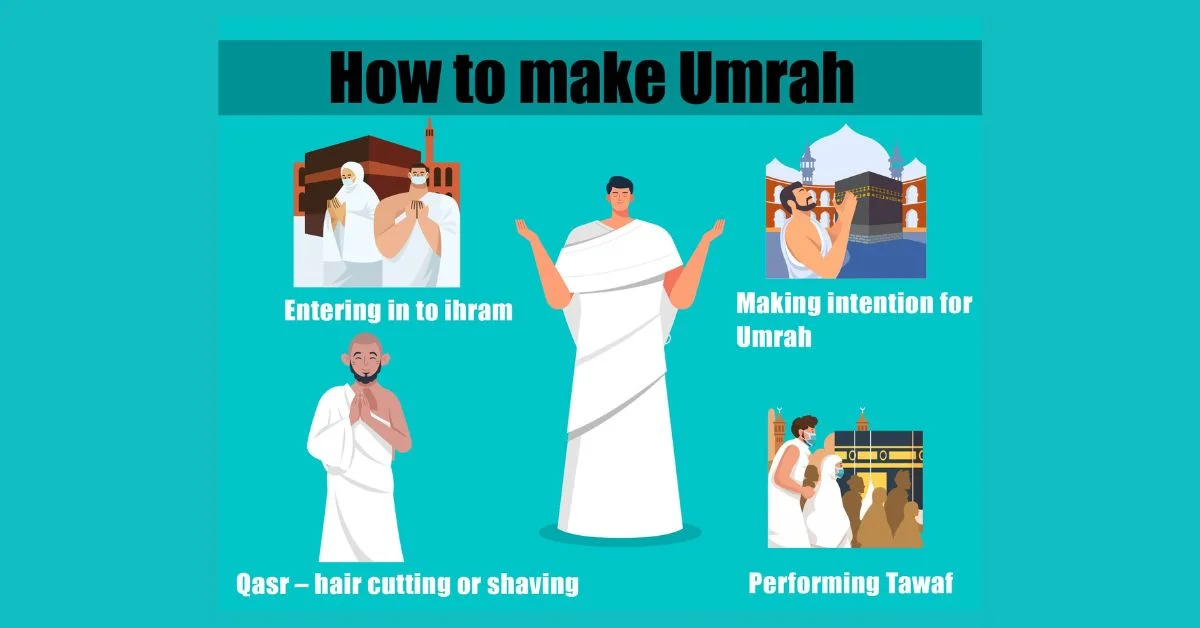
Entering into Ihram
Ihram is a first condition for performing Umrah. One must ensure this before conducting onward rituals. But how will you assume the state of Ihram? Ihram can be worn at any Meeqat point, specifically serving as a place to consider this condition.
This unique dress code isn’t the same for both genders, but its significance is the same for both. Males should wear two white sheets known as ‘Izar’ and ‘Rida’. The condition of the two white sheets isn’t for women; they can wear routine life dresses, including an Abaya (optional). Remember that Ihram is not just an attire; this condition also serves as a state of purity.
Making intention for Umrah
The intention is Niyyah, which is what you make to do a specific act. In the case of a pilgrimage, you must have proper intentions. Although your purpose and Niyyah are conducting a religious pilgrimage when you depart, making it through verbal words will be better and recommended. Please declare your Niyyah with a sincere heart and mind.
Performing Tawaf
Tawaf, a second ritual, is a compulsory step to make Umrahs. You will perform Tawaf around the Holy Kaaba seven times in an anticlockwise direction. A healthy and physically fit pilgrim can do it within 49 to 60 minutes, but it may take one and a half hours for others.
Sa’ee or Sa’i
Do you know what Sa’ee is? Well, this is the most significant ritual of Umrahs. Sometimes, it’s also considered to be the third important step. This crucial step is added in honour of Hajirah (A.S), the wife of Prophet Ibrahim (A.S), who was walking/running between the hills of Safa and Marwah in search of water. Hence, pilgrims will also conduct this ritual between these significant hills.
Qasr – hair cutting or shaving
You can also call this Halq and Taqsir. This is the final step of your Umrahs performance, and it will mark the completion of the pilgrimage. Halq, particularly for men, means shaving. On the other hand, Taqsir is for women to trim their hair shortly, usually equal to the fingertip.
That’s all about making Umrah inside Masjid al-Haram in Makkah. However, there are also some other factors that you should consider.
Make preparations such as reserving your Package for Umrah travel. Alternative preparations include getting physically, mentally, and spiritually ready for undertaking rituals.
Getting vaccinated against any severe disease and having an authorized health certificate. In advance, perform some respected spiritual practices, such as seeking forgiveness from Allah SWT, offering prayers, learning duas and supplications, etc.
Budget your trip realistically, considering all the logistics and selecting the Affordable Umrahs Package that can impact finances during the journey. It would be best to exchange the currency for SAR (Saudi Arabian Riyal).
Prepare a checklist of Umrah essentials. See below:
| Item name | Note/description |
| Ihram attire | Pack it to perform all the rituals. |
| Travel documents | Include all the required travel documents such as visa, passport, travel vouchers, etc. |
| Comfortable footwear | Need to walk in the holy cities! |
| Hygiene items | Toiletries such as brushes, shampoo, soaps, etc. |
| Medications | As usual medications such as pain killers, kit, etc. |
| Currency | Carry enough currency to utilize within your itinerary. |
| Electronics | Such as, mobile phone, charger, earphones, etc. |
| Small backpack | To carry small essential items. |
| Umrah guide | Need the knowledge about Umrah, isn’t that? |
| Sun protection items | Sunscreen, umbrella, sunglasses, hat, etc. |
| Contact list | Ensure to have important contact numbers. |
Getting Finalize This guide for making Umrah will significantly help you when you arrange a trip there. So, choose the best plan for you. Also, keep an eye on the Ministry’s new updates and decisions so you can do Umrah with satisfaction. May you have most of your Umrah!
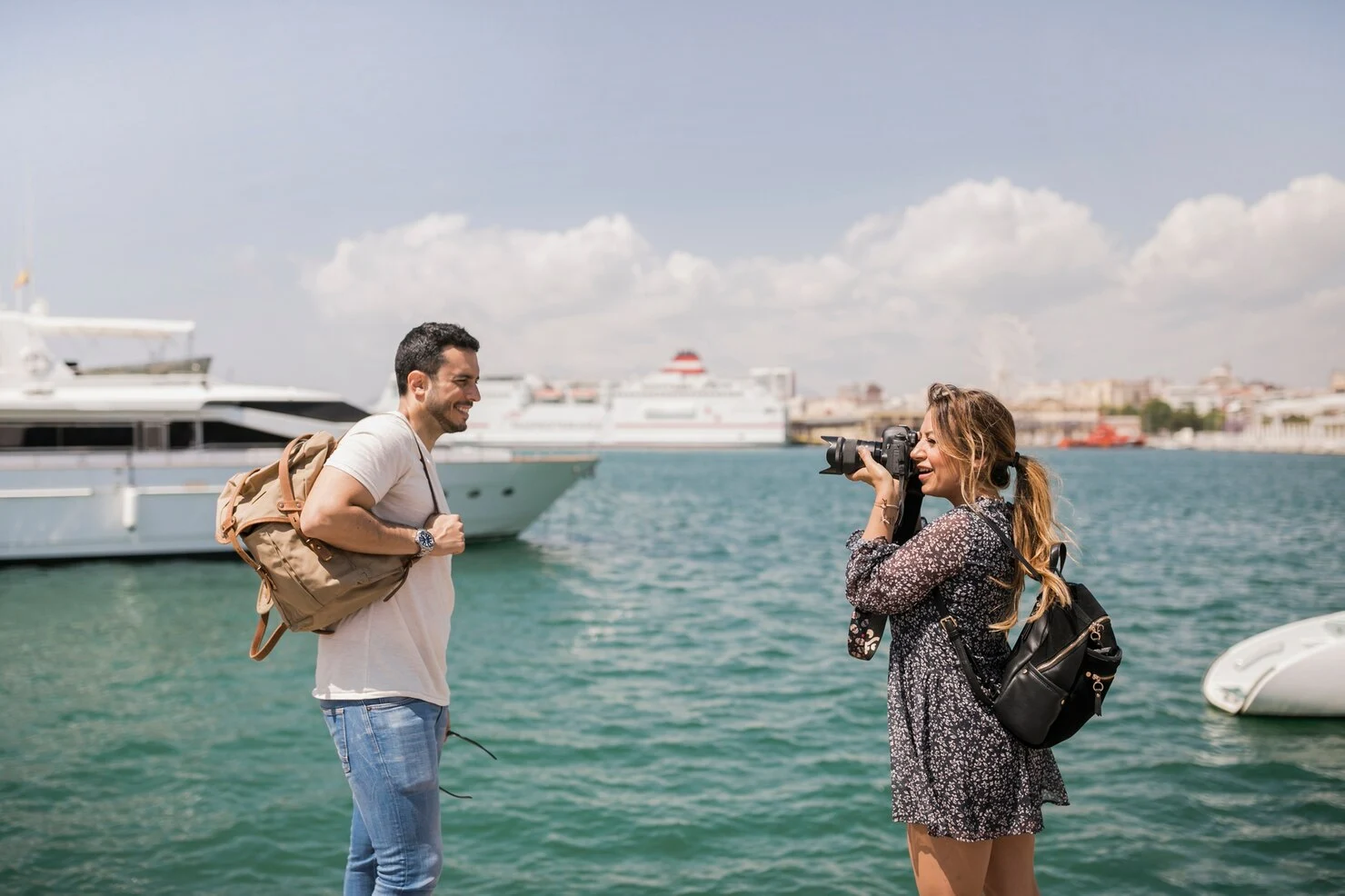
Miami, a city known for its vibrant culture, beautiful beaches, and stunning skyline, is the perfect playground for those seeking luxury and adventure.
And what better way to experience the magic of Miami than aboard a mega yacht?
From glamorous parties to secluded coves, mega yacht rental Miami opens up a world of possibilities for exploration and relaxation.
In this guide, we’ll take you through some of the best routes and destinations to explore when renting a mega yacht rental in Miami.
Cruising Along the Miami Coastline
One of the most popular routes for mega yacht rentals in Miami is cruising along the city’s picturesque coastline.
Start your journey in the heart of Miami Beach and set sail along the crystal-clear waters of Biscayne Bay. Admire the iconic skyline as you pass by towering skyscrapers and luxurious waterfront mansions.
As you make your way south, be sure to cruise past famous landmarks like Fisher Island, Star Island, and the Venetian Islands. These exclusive enclaves are home to some of Miami’s most lavish properties, offering a glimpse into the lifestyles of the rich and famous.
For a truly unforgettable experience, time your cruise to coincide with sunset and watch as the sky explodes with vibrant hues of orange, pink, and purple. There’s no better way to end a day of luxury than by sipping champagne on the deck of your mega yacht as the sun dips below the horizon.
Island-Hopping in the Florida Keys
For those seeking a more adventurous itinerary, a trip to the Florida Keys is a must-do when renting a mega yacht in Miami.
Just a short cruise south of the city lies a string of tropical islands renowned for their pristine beaches, crystal-clear waters, and vibrant marine life.
Begin your journey in Key Largo, the self-proclaimed “Dive Capital of the World,” and explore the stunning coral reefs and underwater ecosystems that lie just offshore. Then, set sail for Islamorada, known as the “Sportfishing Capital of the World,” and try your hand at reeling in the catch of the day.
Continue your island-hopping adventure as you make your way down the Overseas Highway, stopping at picturesque destinations like Marathon, Big Pine Key, and Key West along the way.
Whether you’re snorkeling in crystal-clear waters, lounging on sandy beaches, or sampling fresh seafood at waterfront restaurants, the Florida Keys offer endless opportunities for adventure and relaxation.
Discovering the Bahamas
For those looking to venture further afield, renting a mega yacht in Miami opens up the possibility of exploring the stunning islands of the Bahamas.
Just a short cruise across the Gulf Stream lies a tropical paradise renowned for its pristine beaches, turquoise waters, and laid-back atmosphere.
Begin your journey in Bimini, the closest Bahamian island to Miami, and explore its beautiful beaches, vibrant coral reefs, and rich cultural heritage. Then, set sail for the Exumas, a chain of 365 islands and cays known for their secluded anchorages, world-class diving spots, and swimming pigs.
Continue your island-hopping adventure as you make your way to Nassau, the bustling capital of the Bahamas, and explore its vibrant markets, historic landmarks, and lively nightlife scene.
Whether you’re snorkeling with tropical fish, swimming with dolphins, or simply soaking up the sun on a pristine beach, a trip to the Bahamas is sure to be an experience you’ll never forget.
Navigating the Intracoastal Waterway
For those seeking a more leisurely experience, renting a mega yacht in Miami offers the opportunity to explore the city’s intricate network of waterways known as the Intracoastal Waterway.
Stretching from Maine to Florida, this inland passage offers a scenic and tranquil alternative to ocean cruising.
Set sail from Miami Beach Marina and meander along the Intracoastal Waterway, passing by lush mangrove forests, waterfront mansions, and charming coastal towns. Look for wildlife, including dolphins, manatees, and a variety of bird species that call this unique ecosystem home.
Stop off at waterfront restaurants and bars to sample delicious seafood and refreshing cocktails, or drop anchor in secluded coves to swim, snorkel, and paddleboard in peace and privacy.
Whether you’re cruising past million-dollar homes or exploring hidden gems off the beaten path, navigating the Intracoastal Waterway is sure to be an unforgettable experience.
Final Words
Renting a mega yacht in Miami opens up a world of possibilities for exploration and adventure.
Whether you’re cruising along the city’s coastline, island-hopping in the Florida Keys, exploring the Bahamas, or navigating the Intracoastal Waterway, there’s something for everyone to enjoy when exploring Miami’s waterways aboard a luxury yacht.
So why wait? Start planning your dream yacht charter today and experience the magic of Miami in style!

Travel is not just about the places you visit; it’s about the experiences that stay with you long after you return home. Every journey offers an opportunity to create unforgettable memories, whether through the beauty of a sunset, the thrill of an adventure, or the warmth of new friendships.
Nestled in the United States, the Smoky Mountains epitomize the kind of destination that can transform ordinary trips into extraordinary stories. With its sweeping vistas, rich history, and vibrant local culture, this region invites travelers to immerse themselves fully in its unique charm.
Exploring the Smoky Mountains and their surroundings is about more than just taking in the stunning natural scenery; it’s about experiencing a way of life that is both deeply rooted in tradition and invitingly new. From the majestic heights of the mountain peaks to the cozy and culturally rich Gatlinburg chalets, every corner offers something special.
As you plan your trip, consider how each element—from local cuisine to spontaneous adventures, can contribute to a travel experience that is as rich and varied as the landscapes you’ll traverse.
Let’s explore how you can make each moment of your journey truly unforgettable.
Explore Unique Attractions with Local Flavor
When traveling to Tennessee, the Smoky Mountains not only showcase stunning scenery but also a host of attractions that offer a glimpse into local life. Staying in a Gatlinburg chalet is an excellent way to immerse yourself in this regional charm. Ideal for both romantic escapes and family gatherings, these chalets blend comfort with luxury.
You can choose from cozy honeymoon cabins to larger lodges equipped with modern amenities like high-speed internet, hot tubs, and game rooms with pool tables and arcades. Some even include home theaters. During the summer months, facilities expand to include access to swimming pools and tennis courts.
Alpine Chalet Rentals, a family-run business with over twenty years in the industry, provides these properties at affordable prices. Known for their commitment to customer service, they offer a seamless rental experience that allows guests to fully enjoy the beauty of the Smoky Mountains and explore its many attractions. Their chalets and cabins in both Pigeon Forge and Gatlinburg serve as a perfect base for visiting the diverse Smoky Mountain attractions, ensuring a comfortable stay with the comforts of home.
Capture Moments with Photography
Travel photography goes beyond simply capturing images. It’s about preserving the essence of a destination and the moments that make your trip unique. To make your travel photos stand out, focus on details that convey the story of your journey: the early morning mist over the Smokies, the vibrant colors of a local market, or the serene sunset from the balcony of your room. Remember, the best camera is the one you have with you; even smartphone photos can become cherished memories if taken with care and creativity.
Try the Local Cuisine
One of the most direct paths to a culture’s heart is through its food. In every region, certain flavors and dishes are not just food but a narrative of history and tradition. When traveling, venture out of the tourist spots and dine where the locals do. This might mean enjoying a barbecue in a small-town American eatery or savoring fresh seafood by a seaside shack. Each meal can offer insights into the local way of life and add an authentic taste to your travel experiences.
Engage with Locals
Engaging with locals can enrich your travel experience exponentially. Conversations with local residents can offer insights no guidebook can. They can tell you about hidden gems and the best local eateries and perhaps share stories that give you a deeper understanding of their culture and traditions. Whether it’s through a shared meal, a guided tour, or a casual chat at a local cafe, these interactions often leave lasting impressions and create meaningful connections.
Collect Souvenirs
Souvenirs are tangible memories, little pieces of a place that you can bring back home. Instead of opting for typical tourist trinkets, look for items that truly represent the local culture. Handcrafted goods, local art, or a book by a regional author can serve as meaningful reminders of your journey. By purchasing from local artisans and small businesses, you not only acquire a unique memento but also support the local economy, making your souvenir all the more special.
Plan a Mix of Activities
Creating an unforgettable travel experience often involves striking a balance between relaxation and adventure. Start by outlining a few must-see attractions or must-do activities, then leave room for spontaneous adventures. Incorporating a variety of activities caters to different interests and energy levels within your travel group and keeps everyone engaged throughout the trip.
Use Technology Wisely
In today’s digital age, technology can enhance your travel experience if used smartly. Apps can help navigate new cities, translate languages instantly, and uncover hidden gems suggested by locals. However, it’s crucial not to let screens dominate your travel experience. Use technology as a tool to facilitate exploration rather than a barrier that keeps you from fully engaging with your surroundings. For instance, using a map app to find a recommended local diner is great, but don’t forget to put the phone away to enjoy the meal and the company.
Keep a Travel Journal
Documenting your travel experiences in a journal helps preserve memories in a way that photos alone cannot. Writing down what you see, hear, and feel adds depth to your recollections and provides a personal account that you can look back on. It doesn’t have to be elaborate; simple notes or bullet points about your daily activities, the people you met, or how certain experiences made you feel can make for a meaningful journal. This practice not only enhances your memory of the trip but also serves as a wonderful keepsake that captures the spirit of your travels.
Respect Local Customs and Traditions
Being a responsible traveler means respecting the cultural norms and traditions of the places you visit. This respect shows not only in observing local customs but also in how you interact with the environment and the people. Simple gestures like learning a few phrases in the local language, dressing appropriately, and showing openness to local traditions can greatly enhance your interactions and acceptance in a new community.
Be Spontaneous
While planning is important, sometimes the most memorable parts of a trip are the unplanned ones. Allow yourself the flexibility to explore a random street that catches your eye or join a local festival that you stumbled upon. These spontaneous decisions often lead to the most authentic travel experiences and can provide a deeper sense of adventure and discovery. Embrace the unexpected, as it often brings joy and stories worth retelling.
Conclusion
Traveling is more than just visiting new places; it’s about creating memories that last a lifetime. By exploring unique attractions with a local flavor, capturing moments through photography, trying local cuisine, engaging with locals, collecting meaningful souvenirs, and balancing planned activities with spontaneous adventures, you truly enrich your travel experience. Additionally, using technology wisely, keeping a travel journal, respecting local customs, and embracing spontaneity help you connect deeply with both the place and its people.




 HOME IMPROVEMENT1 year ago
The Do’s and Don’ts of Renting Rubbish Bins for Your Next Renovation
- BUSINESS1 year ago
Exploring the Benefits of Commercial Printing
- HOME IMPROVEMENT10 months ago
Get Your Grout to Gleam With These Easy-To-Follow Tips

 HEALTH11 months ago
The Surprising Benefits of Weight Loss Peptides You Need to Know
- TECHNOLOGY1 year ago
Dizipal 608: The Tech Revolution Redefined
- HEALTH10 months ago
Your Guide to Shedding Pounds in the Digital Age
- BUSINESS1 year ago
Brand Visibility with Imprint Now and Custom Poly Mailers
- LAW2 years ago
7 Key Questions to Ask When Hiring a Criminal Lawyer







