LAW
Punitive Damages in Personal Injury Law: What is It All About?


When you hear about personal injury lawsuits, you probably think about compensation for medical bills, lost wages, or pain and suffering. But there is more type of damage you can claim: punitive damages.
Unlike compensatory damages that focus on covering your losses, punitive damages are meant to punish the wrongdoer and prevent future wrongdoing. If you’re wondering what punitive damages are and how they work in personal injury law, this post is for you.
Let’s get going:
What Are Punitive Damages?
Punitive damages are a specific kind of monetary award that a court gives to punish someone who has acted in a reckless or malicious way. They go beyond covering what was lost and aim to convey that such behavior is unacceptable. While compensatory damages focus on helping the victim recover from the injury, punitive damages are meant to hurt the wrongdoer’s wallet.
For example, if a company knowingly sells a dangerous product that harms people, the court might award punitive damages to show that such behavior will not be tolerated. Punitive damages are not as common in personal injury cases as compensatory damages, but they play a crucial role in cases involving severe misconduct. Lawyers for personal injury cases can assist you in understanding the concept better.
Punitive vs. Compensatory Damages
It’s easy to confuse punitive and compensatory damages, but they serve two purposes. Compensatory damages cover actual costs like medical expenses, lost income, and emotional distress. In short, they aim to make you whole again after an injury.
Punitive damages, on the other hand, do not concern the victim’s losses. Instead, they focus on punishing the person or company responsible for causing the injury. Think of them as a warning shot to deter future bad behavior. The goal is to prevent others from acting recklessly or maliciously, knowing there will be severe financial consequences.
When Are Punitive Damages Awarded?
Punitive damages are not handed out in every personal injury case. They are typically reserved for situations where the defendant’s behavior is harmful. For instance, punitive damages may be awarded if someone acts with gross negligence or intentional misconduct.
Some cases that often involve punitive damages include:
- Drunk driving accidents: If someone causes an accident while driving under the influence, a court may find their behavior reckless enough to justify punitive damages.
- Product liability: If a company sells a product they know could be dangerous, they could be held accountable through punitive damages.
- Medical malpractice: Punitive damages might apply if a healthcare provider knowingly ignores safety protocols or acts outrageously carelessly.
It’s important to note that state laws vary. Not all states allow punitive damages, and some may have strict limits on how much can be awarded.
The Purpose of Punitive Damages
The main goal of punitive damages is to punish and deter. Courts use them to message that certain unacceptable behaviors will have serious consequences. When someone behaves recklessly or maliciously, it isn’t enough to simply cover the costs of the victim’s injury. The wrongdoer should face extra punishment to prevent them—and others—from making the same mistake again.
Punitive damages also promote corporate responsibility. For example, if a company cuts corners on safety standards to increase profits, punitive damages can ensure they don’t get away with it. Holding companies accountable for these damages helps encourage safer business practices and better consumer protection.
Limitations and Controversies
While punitive damages can be essential in the legal system, some limitations and controversies surround them. One major issue is that many states cap punitive damages, meaning there’s a limit on how much the defendant has to pay. These caps prevent excessive awards, but critics argue they may allow bad actors to avoid full accountability.
Another controversy involves the potential for excessive penalties. Some believe that punitive damages can lead to substantial financial hits disproportionate to the harm done. While punitive damages are supposed to punish, there’s a debate about how far this punishment should go.
These cases compensated the victims and served as cautionary tales for companies and individuals.
Conclusion
Punitive damages are crucial in personal injury law, as they punish wrongdoers and send a message to others. They go beyond compensating victims and focus on stopping reckless or malicious behavior. Although they aren’t common in every case, punitive damages can make a huge difference in ensuring justice. By understanding the importance and purpose of punitive damages, you can better grasp how the legal system protects people from harmful actions.



Riding a motorcycle through Colorado offers breathtaking views and exhilarating experiences, but it also comes with a responsibility to understand and follow the state’s specific motorcycle laws. These regulations are designed to ensure the safety of riders, passengers, and others on the road. Whether you’re a resident or planning a ride through the Rocky Mountains, being informed about Colorado’s motorcycle laws can enhance your safety and prevent legal issues. This article covers essential legal guidelines every motorcyclist in Colorado should know, from helmet and eye protection requirements to lane splitting rules.
Helmet Laws in Colorado
In Colorado, riders and passengers under the age of 18 are required to wear DOT-approved helmets. While helmet use is optional for riders over 18, it is highly recommended as a critical safety measure. Studies consistently show that helmets significantly reduce the risk of head injuries and fatalities in accidents. Regardless of age, all motorcycle operators and riders should consider the safety benefits of wearing a helmet, as it is one of the simplest and most effective ways to protect themselves on the road.
Legal Support for Colorado Motorcyclists
Navigating the legal landscape can be complex for motorcyclists in Colorado. Should you find yourself needing legal assistance or representation after an incident, thankfully, it’s not difficult to find a law firm supporting Colorado motorcyclists. These firms understand the specific challenges and regulations motorcyclists face and can provide invaluable guidance and support, ensuring that your rights are protected and that you receive the best possible outcome in legal proceedings or insurance negotiations.
Eye Protection Requirements
Colorado law mandates that all motorcycle riders must wear eye protection while on the road. This can include safety glasses, goggles, or a visor attached to a helmet. Eye protection must be made of safety glass or plastic and should be free from scratches. This requirement is crucial as it protects riders from dust, debris, insects, and other particles that can impair vision and lead to accidents. Ensuring your eye protection is up to standard is a simple yet effective way to enhance your safety while riding.
Passenger Restrictions and Requirements
Colorado has specific laws regarding motorcycle passengers. First, the motorcycle must be designed to carry a passenger, which typically means it should have a dedicated passenger seat and footrests. Passengers must be seated behind the operator and are required to keep their feet on the footrests at all times while the motorcycle is in motion. These regulations ensure that the motorcycle is operated safely and that both the rider and passenger are adequately protected.
Lane Splitting and Sharing
Lane splitting, the practice of riding between lanes of slow-moving or stopped traffic, is illegal in Colorado. Motorcyclists must adhere to the same rules as other vehicles regarding lane use. However, Colorado does allow two motorcyclists to share a lane side by side, also known as lane sharing. This is legal and can be a safe way to ride with others, as long as both riders agree to it and it is done in a safe manner, without exceeding speed limits or weaving through traffic.
Motorcycle Insurance Requirements
In Colorado, all motorcyclists are required to carry a minimum amount of insurance to legally operate on the roads. This includes liability insurance, which covers bodily injury and property damage that you may cause to other people in an accident. The minimum coverage amounts are $25,000 for bodily injury per person, $50,000 for bodily injury per accident, and $15,000 for property damage. Carrying proof of insurance is mandatory, and failing to provide proof during a traffic stop can result in fines and further penalties.
Motorcycle Endorsement on Driver’s License
To legally operate a motorcycle in Colorado, riders must obtain a motorcycle endorsement on their driver’s license. This involves passing both a written exam and a skills test to demonstrate knowledge and competence in motorcycle operation. The Colorado Department of Motor Vehicles offers detailed information and resources to help riders prepare for these tests. Ensuring you have the proper endorsement not only keeps you compliant with the law but also equips you with essential riding skills.
Alcohol and Riding
Colorado enforces strict laws against operating a motorcycle under the influence of alcohol or drugs. The legal blood alcohol concentration (BAC) limit for motorcyclists is 0.08%, the same as for other vehicle drivers. However, impairment can begin at even lower levels, affecting judgment, reaction times, and overall ability to operate a motorcycle safely. Penalties for DUI/DWI are severe and can include heavy fines, license suspension, and even imprisonment.
Protective Clothing and Gear
While Colorado law mandates helmets for riders under 18 and eye protection for all riders, wearing additional protective gear is strongly advised for all motorcyclists. This includes gloves, durable jackets, pants, and over-the-ankle footwear. Protective gear can significantly reduce the severity of injuries in the event of an accident and provide protection from the elements, contributing to a safer and more comfortable ride.
Annual Inspections and Maintenance
Maintaining your motorcycle in good working condition is not only a best practice for safety but, in some cases, also a legal requirement. Regular maintenance checks can prevent mechanical failures that might lead to accidents. Although Colorado does not require annual vehicle safety inspections for motorcycles, staying proactive about your motorcycle’s maintenance is crucial. Regular check-ups include monitoring tire pressure and tread depth, brake pads, lights, and fluid levels.
Conclusion
Understanding and adhering to the motorcycle laws in Colorado is crucial for every rider’s safety and legal compliance. From wearing the right helmet and protective gear to knowing the ins and outs of insurance and endorsement requirements, each aspect plays a vital role in ensuring a safe riding experience. With the right preparation and respect for the laws, motorcyclists can fully enjoy the stunning views and exhilarating rides that Colorado has to offer. Remember, a responsible motorcyclist not only protects themselves but also respects other road users, contributing to safer roads for everyone. Whether you’re exploring mountain trails or cruising city streets, keep these guidelines in mind to make your journey both enjoyable and lawful.
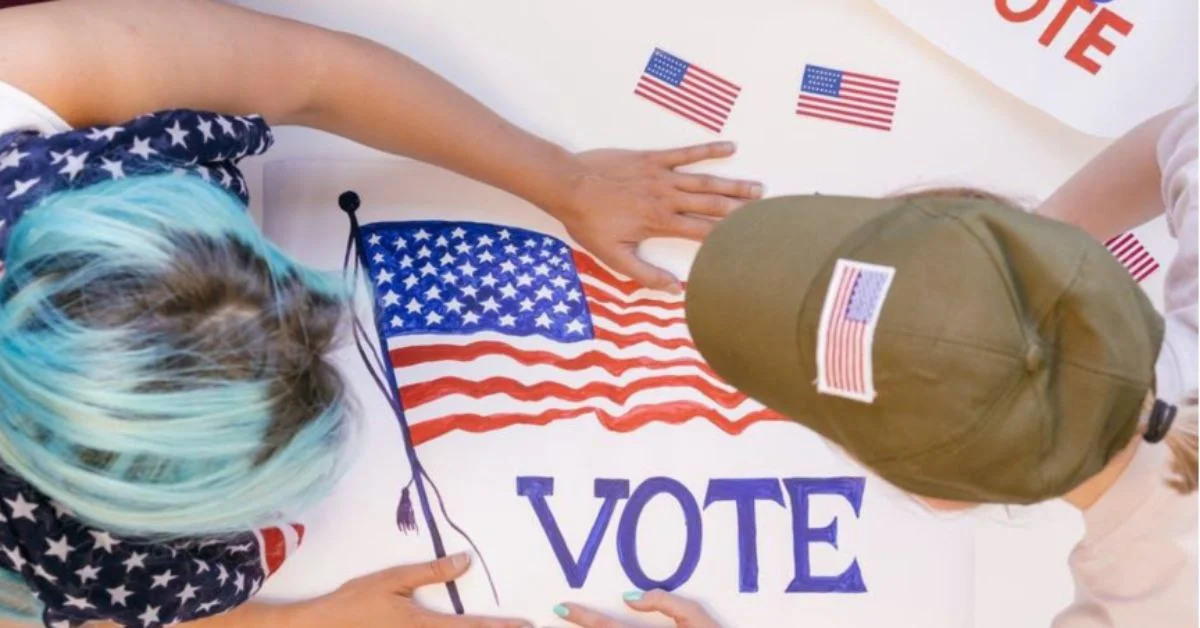
Can a single image sway an entire election? Political posters hold that power. These visual tools are more than just colorful additions to a campaign; they influence, inspire, and inform voters in ways no other medium can match.
The sight of a bold, eye-catching poster can make someone stop in their tracks and think about a candidate’s message. Political posters aren’t just decorations; they’re powerful tools for engagement. They shape public opinion and drive voter turnout, making them essential for any successful campaign.
In a world overflowing with information, these posters cut through the noise and deliver clear, impactful messages that stick with voters long after they’ve seen them.
Engaging Voters Through Visuals
Campaign visuals catch the eye and draw people in. When you walk past a striking political poster, you can’t help but take a moment to absorb its message.
This immediate connection makes posters a vital element in political advertising. With bold colors, compelling images, and clear messages, these posters speak volumes in a split second.
The Art of Poster Design
Effective poster design involves more than slapping a candidate’s face on a sheet of paper. It requires a keen understanding of graphic design, color theory, and marketing principles.
Great political posters balance aesthetics and information, delivering a message that’s both visually appealing and easy to understand. Good design can make or break a campaign.
Political Messaging at Its Best
Political messaging shines through in well-crafted posters. These materials boil complex ideas down into digestible snippets that resonate with voters.
Whether it’s a slogan, a promise, or a call to action, the message needs to be clear and impactful. Posters with strong political messaging stick in the minds of voters long after they’ve seen them.
Campaign Posters and Voter Motivation
Promotional posters do more than inform; they motivate. A well-placed, well-designed poster can inspire people to get involved, attend rallies, or even volunteer.
The visual impact of these posters stirs emotions and fosters a sense of urgency, which is crucial for driving voter turnout.
Election Materials and Their Versatility
Campaign materials come in various forms, but posters stand out due to their versatility. They can be placed almost anywhere. For instance, you can put them:
- On walls
- In windows
- At bus stops
This widespread visibility helps reinforce the campaign’s message across different locations, reaching a diverse audience.
Buying Political Campaign Supplies
To create effective posters, you need quality supplies. It’s crucial to source these materials from reliable vendors. You can buy political campaign supplies here to ensure your posters stand out and withstand the elements.
Good materials make a big difference in the final product’s appearance and durability.
The Lasting Influence of Political Posters
Political posters aren’t just temporary fixtures; they leave a lasting impression. They capture the essence of a campaign, engage voters, and drive political movements. In a world full of noise, these visual tools cut through and deliver powerful messages that resonate.
Get more compelling blog articles like this one by scrolling through the rest of this website!

Selling a home with a tax lien can be a challenging and stressful process for homeowners. A tax lien is a legal claim by the government against your property due to unpaid taxes, and it can complicate the sale of your home. However, with the right approach and understanding of your options, you can successfully navigate this situation and sell your Connecticut home efficiently. Here’s a guide to help you understand your options and take the necessary steps to sell your home with a tax lien.
1. Understand the Implications of a Tax Lien
Before you can effectively sell your home, it’s important to understand the implications of a tax lien. A tax lien must be resolved before the sale can proceed, as it encumbers the property and signals to potential buyers that there are unpaid debts associated with it. This lien can affect your credit score and complicate the transfer of the property’s title.
2. Determine the Amount Owed
The first step in dealing with a tax lien is to determine the exact amount owed. Contact the local tax authority or visit their website to find out the total amount due, including any interest and penalties. Having a clear understanding of your financial obligation will help you make informed decisions about how to proceed with the sale.
3. Explore Your Payment Options
There are several ways to address a tax lien, and your choice will depend on your financial situation and the specifics of your lien.
- Pay the Lien in Full: If you have the financial means, paying off the lien in full is the most straightforward solution. Once the lien is satisfied, you can proceed with selling your home without any encumbrances.
- Set Up a Payment Plan: If paying the lien in full is not feasible, you may be able to negotiate a payment plan with the tax authority. This arrangement allows you to make regular payments over time, but keep in mind that the lien will remain on the property until it is fully paid off.
- Seek a Lien Release: In some cases, you may be able to negotiate a partial payment or settlement with the tax authority in exchange for a lien release. This would allow the sale to proceed, with the remaining balance potentially being paid from the sale proceeds.
4. Selling the Property with the Lien in Place
If you’re unable to pay off the lien before selling, you can still sell your property, but the lien must be addressed during the sale process.
- Negotiate with Buyers: Be upfront with potential buyers about the tax lien. Some buyers, particularly real estate investors, may be willing to purchase the property and assume responsibility for resolving the lien. This may result in a lower sale price, but it allows you to proceed with the sale.
- Use the Sale Proceeds to Pay the Lien: If your property has sufficient equity, you can use the proceeds from the sale to pay off the lien at closing. This requires coordination with the escrow agent or closing attorney to ensure that the lien is satisfied from the sale proceeds before any remaining funds are disbursed to you.
5. Work with a Real Estate Agent Experienced in Distressed Sales
Navigating the sale of a property with a tax lien can be complex, and working with a real estate agent experienced in distressed sales can be invaluable. An experienced agent can help you understand your options, market your property effectively, and negotiate with buyers and the tax authority. They can also assist in coordinating the sale process to ensure that the lien is properly addressed at closing.
6. Consider a Short Sale
If your property’s market value is less than the amount owed on the mortgage and the tax lien, a short sale may be an option. In a short sale, the lender agrees to accept less than the total amount owed on the mortgage, and the tax authority may agree to release the lien in exchange for a portion of the sale proceeds. This process can be complex and time-consuming, requiring approval from both the lender and the tax authority, but it can provide a way to sell the property and resolve the lien.
7. Consult with a Tax Professional or Attorney
Given the legal and financial complexities involved in selling a property with a tax lien, consulting with a tax professional or real estate attorney is highly advisable. They can provide expert guidance on your specific situation, help negotiate with the tax authority, and ensure that all legal requirements are met during the sale process.
Conclusion
Selling a Connecticut home with a tax lien presents unique challenges, but it is possible with the right approach and resources. By understanding the implications of the lien, exploring payment options, negotiating with buyers, and working with experienced professionals, you can efficiently navigate the sale process. Whether you choose to pay off the lien, negotiate a settlement, or sell the property as-is, taking proactive steps will help you achieve a successful sale and resolve your tax obligations.




 HOME IMPROVEMENT1 year ago
The Do’s and Don’ts of Renting Rubbish Bins for Your Next Renovation
- BUSINESS1 year ago
Exploring the Benefits of Commercial Printing
- HOME IMPROVEMENT10 months ago
Get Your Grout to Gleam With These Easy-To-Follow Tips

 HEALTH10 months ago
The Surprising Benefits of Weight Loss Peptides You Need to Know
- TECHNOLOGY1 year ago
Dizipal 608: The Tech Revolution Redefined
- BUSINESS1 year ago
Brand Visibility with Imprint Now and Custom Poly Mailers
- HEALTH10 months ago
Your Guide to Shedding Pounds in the Digital Age

 HEALTH1 year ago
Happy Hippo Kratom Reviews: Read Before You Buy!