REAL ESTATE
Common Challenges in Pool Construction and How to Overcome Them

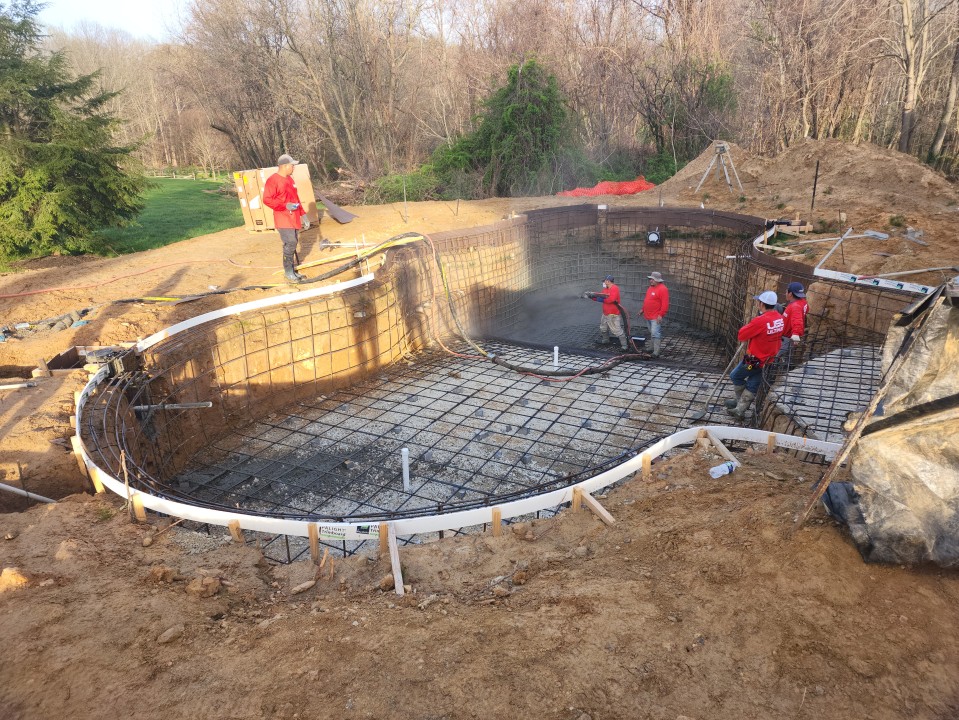
Building a swimming pool is a complex process that involves careful planning, skilled labor, and meticulous attention to detail. While the result can be a stunning addition to your home, the construction journey is often challenging. We will explore common challenges encountered during pool construction and provide practical solutions to help you overcome them, ensuring a smoother and more successful project. For more tips and resources on pool construction, you can visit our website.
Navigating the Pool Construction Journey
- Site Selection and Preparation
One of the initial challenges in pool construction is selecting and preparing the site. The chosen location must accommodate the pool’s dimensions and comply with local zoning laws and building codes. Factors such as soil type, slope, and proximity to utilities can impact the site’s feasibility.
To overcome these challenges, conduct a thorough site assessment with the help of a professional. This assessment should include soil testing to determine stability and drainage properties. Consulting with local authorities to understand zoning regulations and obtaining necessary permits early in the process can prevent legal and logistical issues. Proper site preparation, including clearing debris and leveling the ground, sets the foundation for a successful pool construction project.
- Budget Management
Managing the budget is a critical aspect of any construction project, and pool construction is no exception. Unexpected costs can arise from various factors, including changes in design, unforeseen site conditions, and delays. These can quickly inflate the budget and cause financial strain.
To manage the budget effectively, start with a detailed cost estimate that includes all potential expenses, from materials and labor to permits and landscaping. Set aside a contingency fund to cover unexpected costs. Regularly review the budget throughout the project and communicate openly with the contractor about any changes or issues that may affect costs. Maintaining a clear and flexible budget allows you to navigate financial challenges and keep the project on track.
- Design and Customization
Designing a pool that meets your aesthetic preferences and functional needs can be challenging. Custom features such as waterfalls, lighting, and unique shapes add complexity to the design process. Balancing creativity with practicality requires careful planning and collaboration with the contractor.
To overcome design challenges, work closely with a professional pool designer who can translate your vision into a workable plan. Use 3D modeling and visualization tools to see how different design elements look and function. Consider maintenance, safety, and usability factors when making design decisions. By investing time in the design phase, you can create a beautiful and functional pool.
- Weather and Environmental Factors
Weather and environmental factors can significantly impact the pool construction timeline. Rain, extreme temperatures, and unexpected weather events can cause delays and complicate the construction process. Environmental considerations such as protecting local wildlife and managing water runoff must also be addressed.
To mitigate weather-related challenges, plan the construction schedule around the local climate, choosing a time of year when weather conditions are most favorable. Implement weatherproofing measures, such as covering the site during rain, to protect materials and prevent delays. Address environmental concerns by working with an ecologist or environmental consultant to ensure the project complies with regulations and minimizes ecological impact.
- Excavation and Structural Integrity
Excavation is a critical phase in pool construction that can present several challenges. Unearthing unexpected obstacles such as rocks, tree roots, or underground utilities can delay the project and increase costs. Ensuring the structural integrity of the pool shell is also essential to prevent future issues.
To overcome excavation challenges, conduct a thorough site survey and use ground-penetrating radar or other technologies to identify potential obstacles before digging begins. Hire experienced excavators who can handle complex site conditions and adapt to unexpected findings. During the construction of the pool shell, use high-quality materials and adhere to engineering specifications to ensure durability and stability.
- Plumbing and Electrical Work
Installing plumbing and electrical systems is a complex and critical aspect of pool construction. Improper installation can lead to leaks, electrical hazards, and inefficient operation. Coordinating these systems with the overall pool design and ensuring they meet safety standards requires careful planning and execution.
To address plumbing and electrical challenges, hire licensed professionals experienced in pool installations. Ensure that all work complies with local building codes and safety regulations. Use high-quality materials and components to prevent future issues. Regularly inspect the work during installation to catch and address any problems early. Proper planning and professional installation are key to avoiding plumbing and electrical pitfalls.
- Permits and Inspections
Navigating the permit and inspection process can be daunting, with various local regulations and requirements to meet. Please obtain the necessary permits or pass inspections to avoid fines, delays, and even the need to redo project parts.
To successfully manage permits and inspections, thoroughly research local building codes and regulations. Work with a contractor who is familiar with the permitting process and can assist with the necessary paperwork—schedule inspections at appropriate stages of the construction to ensure compliance and address any issues promptly. Staying organized and proactive in managing permits and inspections can help keep the project on schedule.
- Communication and Project Management
Effective communication and project management are essential for the smooth execution of a pool construction project. Miscommunication between the homeowner, contractor, and subcontractors can lead to misunderstandings, errors, and delays.
Establish clear lines of communication from the outset to enhance communication and project management. Regularly scheduled meetings and updates help keep everyone informed and aligned. Use project management tools to track progress, document changes, and manage tasks. Address any concerns or issues as soon as they arise to prevent them from escalating. Strong communication and organization are key to overcoming project management challenges.
- Quality Control and Finishing Touches
Ensuring quality control throughout construction and paying attention to finishing touches are vital for a successful pool project. Overlooking small details can lead to significant problems, affecting the pool’s aesthetics and functionality.
To maintain quality control, conduct regular inspections and walkthroughs with the contractor to review the work. Address any deficiencies or deviations from the plan immediately. Pay attention to the finishing touches, such as tile work, coping, and landscaping, to ensure a polished and professional result. Focusing on quality and detail ensures a pool that meets your expectations and provides long-lasting enjoyment.
Conclusion: Achieving a Successful Pool Construction Project
Building a swimming pool involves various challenges, from site selection and budget management to design and quality control. Understanding these common obstacles and implementing practical solutions can ensure a smoother construction process and achieve a successful outcome. Thorough planning, professional collaboration, and proactive problem-solving are key to overcoming pool construction challenges, ultimately resulting in a beautiful and functional pool that enhances your outdoor living space.

REAL ESTATE
Exploring the Transformative Potential of Hoarding Construction: Enhancing Security and Productivity


The idea of hoarding building becomes a powerful tool in the field of contemporary urban planning, with the ability to change perceptions of both security and productivity. Hoarding construction weaves an inventive tapestry across the complex fabric of urban environments, strengthening the very pillars that support our dynamic cities. We set out on an expedition to explore the complex aspects of hoarding via a nuanced lens, shedding light on its significant influence on the urban environment.
Exposed: The True Nature of Hoarding Construction
Fundamentally, the creation of hoardings is a mutually beneficial partnership between structure and use, skilfully combining structural soundness with practicality. Holding on to the idea of inclosure and containment, hoarding buildings act as guardians, marking boundaries and securing priceless possessions from the whims of others. The heartbeat of production reverberates within these strongholds, creating a climate that is favourable to advancement and creativity.
Handling the Maze of Urban Dynamics
In the complex maze of urban dynamics, hoarding is used as a tactical tool to conduct a careful balance between development and preservation. The urban environment is always changing, and constructions act as keepers of continuity, retaining the character of the past in the face of modernization’s unrelenting advance. In addition, these frameworks act as catalysts for dynamic development, causing thriving centres full of life and potential to emerge.
Balancing Optimism with Security
Within the field of architectural discourse, the integration of security and aesthetics represents a persistent dilemma, characterised by opposing demands and paradigms. But hoarding building overcomes this contradiction by bringing together the human need for symmetry and beauty and the instinctive need for protection from a prehistoric standpoint. A sense of grandeur and fascination permeates the urban environment as hoarding constructions transform into true works of art via painstaking workmanship and imaginative design.
Promoting Cooperative Ecosystems
Building symbiotic connections between stakeholders and communities is at the heart of the hoarding building concept of cooperation. These buildings become physical manifestations of group effort and act as focal areas for social cohesiveness, fostering a feeling of pride and shared ownership. Moreover, the act of hoarding building creates an environment that is conducive to multidisciplinary discourse, which facilitates the exchange of ideas and stimulates the development of innovative solutions for intricate urban problems.
Driving Financial Well-being
Hoarding appears as a quiet indicator of economic wealth among the busy roads and tall buildings, creating the foundation for long-term growth and development. In addition to being ordinary infrastructure, these buildings act as channels for investment and entrepreneurship, spurring the development of thriving business districts and busy markets. Furthermore, delaying building sows the seeds of resilience and economic empowerment by promoting innovation and employment development.
The Complicated Nature of Hoarding Construction
The idea of hoarding building takes on an incredible intricacy in the occult world of architectural discourse, constructing a story that breaks free from conventional norms. Hoarding become mysterious objects that blur the boundaries between art and pragmatic as architects and urban planners struggle with the age-old problem of balancing form with utility. Hoarding reshapes the urban canvas and gives it a dynamic, intriguing air via a symphony of geometric accuracy and artistic ingenuity. Furthermore, since they capture the spirit of a time marked by change and flux, these buildings operate as platforms for social commentary.
Exchanging Architecture for Alchemy
The building of hoardings hides a tapestry of architectural alchemy behind the exterior of concrete and steel, where ordinary elements are transformed into emblems of urban rebirth. Hoarding buildings become works of beauty when they are skilfully crafted by talented craftsmen and creative designers, surpassing their original functional purpose. The story of the city is woven into each facade, creating a tapestry of ambition, history, and culture. A feeling of civic pride and ownership is also fostered by hoarding building, which sparks a rebirth of urban participation by allowing bystanders to participate in conversation with the built environment.
The Imperative of Evolution
As urban development progresses, hoarding building becomes a pivotal point for revolutionary change, pushing cities to new heights of resilience and inventiveness. Hoarding structures are messengers of development, signalling the birth of dynamic urban ecosystems full of promise and life as the urban environment continues its never-ending transformation. A paradigm change in urban planning is also sparked by hoarding building, as stakeholders embrace the idea of flexibility and adaptation in response to changing socioeconomic circumstances. Cities set out on a path of self-renewal by embracing the evolutionary imperative represented in hoarding building, paving the way for a future characterised by inclusion, sustainability, and prosperity.
Creating Urban Futures That Are Sustainable
The need for sustainable urban development is becoming more and more important at a time of ecological uncertainty and environmental problems. Herein lies the building industry’s revolutionary potential as hoarding becomes a sustainable leader, creating a tapestry of resourcefulness and resilience. By means of the incorporation of sustainable materials and creative design concepts, hoarding constructions transform into sustainable icons, paving the way for a more sustainable and just future for future generations.
Accepting the Prospects for Urban Innovation
The concept of hoarding building takes on new importance as we approach a new period in urban development, signalling a return to creativity and inventiveness. Hoarding beckon towards unknown frontiers where potential is king and creativity is unrestricted. These places are beyond the boundaries of tradition and convention. We set out on a journey of exploration, navigating the currents of change towards a better and more affluent urban future, by embracing the revolutionary potential of hoarding building.
Conclusion:
The hoarding construction domain presents itself as a melting pot of change, where efficiency and security combine and innovation melds with tradition. A new age of urban resilience and vibrancy is heralded by hoarding building, which defies conventional knowledge with its many features. As we manoeuvre through the maze of urban dynamics, let us welcome the possibility that hoarding building may serve as a catalyst for transformation, leading us towards a future characterised by safety, efficiency, and wealth.

In today’s digital age, social media has emerged as an effective method for marketing rental homes and reaching out to prospective renters. With millions of users on platforms such as Facebook, Instagram, and Twitter, landlords and property managers now have unparalleled opportunities to exhibit their rental properties to a large audience. In this post, we’ll look at X tactics for effectively promoting your rental house on social media, allowing you to attract quality renters and increase your property’s visibility in the competitive rental market.
1. High-Quality Visual Content: Capturing Attention with Stunning Imagery
Visuals rule the day on social media, therefore high-quality photography and videography are crucial components of your marketing plan. Invest in professional photography or videography to present your rental house in the best light. Highlight major features and facilities, such as big living rooms, contemporary kitchens, and beautiful vistas, to attract possible renters who are reading through their feeds. Use networks such as Instagram and Pinterest to promote visually attractive photographs and videos that highlight the distinct appeal of your rental home and entice people to learn more.
2. Compelling Property Descriptions: Crafting Persuasive Narratives
In addition to eye-catching graphics, captivating property descriptions are essential for communicating your rental home’s unique selling characteristics and convincing potential tenants to ask for more. Create compelling tales that showcase the advantages and lifestyle opportunities connected with living in your rental property. If you’re renting Euless TX apartments, then be sure to post compelling descriptions that will attract the right demographics interested in the beauty of the American South. Key elements include closeness to facilities, appealing neighborhood traits, and special amenities such as fitness centers or outdoor areas. Tailor your messaging to your target audience’s wants and tastes, whether they’re young professionals searching for convenience or families looking for a secure and welcoming atmosphere.
3. Targeted Advertising Campaigns: Reaching Your Ideal Tenant Demographic
Social media networks provide powerful advertising tools that enable you to target certain demographics and contact prospective renters who are most likely to be interested in your rental property. Use demographic targeting choices like age, geography, interests, and income level to narrow down your target audience and guarantee that your advertising are viewed by qualified leads. Experiment with various ad forms, including as carousel advertisements, video ads, and sponsored posts, to see which works best for your target demographic.
4. Engaging Social Media Content: Building Relationships and Trust
In addition to marketing your rental property, social media allows you to communicate with your target audience and create relationships that can lead to tenant inquiries and leases. Share informative articles on rental living, home repair advice, area highlights, and local events to establish yourself as a reliable resource and industry expert. Encourage connection and conversation by reacting quickly to comments and messages, answering questions and concerns, and cultivating a feeling of community among your followers.
5. User-Generated Content: Leveraging Tenant Testimonials and Reviews
Utilize the power of user-generated content by displaying testimonials and reviews from delighted renters who have stayed in your rental property. Encourage current and previous renters to post about their experiences on social media, whether through written reviews, images, or video testimonials. User-generated content provides true social evidence of your rental home’s quality and past occupants’ good experiences, assisting in the development of credibility and trust with new renters. Share user-generated material on your social media networks to increase its visibility and highlight the benefits of living in your rental home.
6. Metrics and Analytics: Monitoring Performance and Refining Your Strategy
To guarantee that your social media marketing efforts are effective, you must measure important indicators and review campaign results regularly. To assess the performance of your social media marketing campaigns, track metrics like reach, engagement, website traffic, and conversion rates. Use analytics tools supplied by social media networks or third-party applications to learn more about audience demographics, content preferences, and campaign efficacy.
In the modern era, landlords and property managers have unique chances to sell their rental homes and communicate with potential renters via social media. You may increase the exposure and attractiveness of your rental property on social media platforms by combining high-quality image assets, appealing property descriptions, targeted advertising campaigns, engaging social media content, user-generated content, and analytics data. Through planned and continuous efforts, you can attract eligible renters, generate inquiries and leases, and eventually succeed in the competitive rental market.

As you explore the dynamic real estate market of North Carolina, consider how crucial realtors are in navigating this complex terrain. With their finger on the pulse of both burgeoning and established markets, they’re not just agents but essential guides who enhance your investment acumen. They steer you through the intricacies of market timing and location choices, ensuring you’re poised to make well-informed decisions. Whether you’re a seasoned investor or a first-time homebuyer, understanding the role of realtors could significantly influence your strategy. What specific insights and strategies might they offer to tailor your investment decisions in North Carolina’s varied real estate landscape?
Emerging Markets in North Carolina
Within North Carolina, cities like Charlotte and Raleigh are rapidly emerging as hotspots for real estate investment, driven by robust economic growth and demographic shifts. You’ll find that urban revitalization efforts are making these areas increasingly attractive. In Charlotte, for instance, the focus on transforming historic neighborhoods into vibrant, modern hubs is reshaping the market. Economic indicators suggest a surge in both residential and commercial demand, signaling a strong return on investments here.
Raleigh, similarly, is experiencing a boom, fueled by its status as a tech and educational center. The influx of professionals and graduates is creating a demand that outstrips supply, pushing property values higher. Here, strategic investments in infrastructure and community amenities are proving to be key drivers.
Meanwhile, rural development isn’t lagging. Areas outside these urban centers are seeing growth due to improved connectivity and infrastructure. This expansion isn’t just about housing – it includes commercial properties and mixed-use developments. For you, this means diversified investment opportunities that could mitigate risks associated with urban market fluctuations.
Analyzing these trends, you’d be wise to consider how demographic changes and economic policies will continue to shape these markets. By staying informed, you can position yourself to capitalize on both urban and rural growth dynamics.
Role of Realtors in Market Dynamics
Realtors play a pivotal role in shaping the real estate markets and realtor in North Carolina, influencing both urban and rural investment trends through their strategic insights and data-driven approaches. You’ll find that their in-depth market knowledge and forecasting abilities are crucial in guiding both buyers and sellers to make informed decisions. They adeptly balance supply and demand dynamics, keeping the market fluid and responsive.
Using sophisticated data analytics, realtors identify emerging trends and opportunities. They’re not just selling homes; they’re advising on market timing, investment risks, and potential returns. This analytical approach ensures that investments are sound and timely. Realtor ethics also play a significant role here; their commitment to transparency and fairness boosts investor confidence and stabilizes the market.
Moreover, negotiation tactics employed by realtors refine the buying and selling process. They negotiate not only prices but also terms and conditions that align with their clients’ best interests. This skill set is vital in maintaining a dynamic market where values are upheld, and client satisfaction is prioritized. By mastering these tactics, realtors ensure the market remains both competitive and ethical, driving sustained investment and growth across North Carolina.
Investment Hotspots Across the State
Identifying investment hotspots across North Carolina, you’ll find strategic, data-driven insights revealing where the most promising real estate opportunities lie. Focusing on rental yields and coastal developments, let’s dive into the regions that are drawing savvy investors.
Firstly, the coastal areas of North Carolina, particularly around Wilmington and the Outer Banks, are experiencing a surge in demand. These locations not only offer high rental yields due to their popularity as vacation destinations but also present long-term appreciation prospects as the influx of new residents continues. You should consider properties that cater to both short-term vacationers and long-term residents to maximize your investment’s potential.
Moving inland, cities like Charlotte and Raleigh emerge as hotspots due to their robust economic growth and expanding job markets. The tech and finance sectors, in particular, are fueling population growth and, in turn, housing demand. Here, you might look at neighborhoods that are near major employment centers but still offer reasonable property prices, thus ensuring strong rental yields.
Analyzing historical data and future projections, it’s clear that these areas offer strategic opportunities for real estate investment. By aligning your investment strategy with these insights, you’re more likely to capitalize on the upward trends and secure substantial returns.
Strategies for First-Time Homebuyers
Navigating the real estate market as a first-time homebuyer requires a strategic approach to maximize both financial benefits and long-term satisfaction. Understanding your credit score is essential; it significantly impacts the mortgage options available to you. A higher credit score can lead to better interest rates, reducing your overall costs considerably over time. You’ll want to review your credit report meticulously, addressing any discrepancies before starting the home buying process.
Exploring various mortgage options is equally critical. Don’t just settle for the first offer you receive. Analyze different types of mortgages, such as fixed-rate, adjustable-rate, or government-backed loans like FHA, which might be more forgiving of lower credit scores and offer smaller down payments. It’s crucial to compare these based on your financial situation and long-term housing plans.
Trends in Commercial Real Estate
In recent years, the commercial real estate market in North Carolina has seen significant shifts, influenced by changing work patterns and economic factors. You’ve likely noticed the uptick in retail revitalization efforts across urban centers. This trend isn’t just cosmetic; it’s deeply strategic, tapping into consumer demand for experiential shopping that combines leisure with lifestyle. Data shows a consistent increase in foot traffic in revitalized areas, which has boosted property values and attracted a new wave of tenants keen on leveraging these bustling locales.
Industrial leases, on the other hand, are experiencing a different kind of evolution. With the rise of e-commerce, there’s been a surge in demand for warehouse spaces. This isn’t just about more square footage. It’s about strategically located properties that can support faster supply chains. As you look at the industrial lease data, you’ll see hotspots emerging near major transportation hubs. These areas are goldmines for savvy investors and businesses looking to optimize logistics and reduce delivery times to meet consumer expectations.
This analytical approach helps you understand where the market’s headed and where you should focus your investments or business strategies. Keep these trends in mind as you navigate North Carolina’s dynamic commercial real estate landscape.
Future Outlook for North Carolina Property
As you assess the future outlook for North Carolina property, remember that strategic locations and evolving economic patterns strongly influence market trajectories. You’ll find that the state’s anticipated population growth impact factors heavily into real estate valuations. With urban centers like Charlotte and Raleigh predicted to experience significant demographic shifts, there’s a direct correlation to enhanced property demand in these areas.
Economic forecasts indicate that North Carolina’s GDP is poised for robust growth, fueled by expansions in the tech and biotech sectors. This economic dynamism translates to a bullish outlook for both residential and commercial real estate markets. As employment opportunities burgeon, so does the influx of skilled workers seeking housing, thereby driving up property values and rental rates.
You should also consider the ripple effects of infrastructure developments and public policy changes. Upcoming transportation projects, for instance, are likely to boost property values in previously underconnected locales. Furthermore, any shifts in zoning laws or property taxes will be pivotal in shaping investment strategies.In strategic terms, positioning yourself now in emerging hotspots or areas slated for future development could yield significant returns. Monitoring these trends and aligning your investment portfolio accordingly isn’t just advisable; it’s essential to capitalize on North Carolina’s evolving real estate landscape.




 HOME IMPROVEMENT1 year ago
The Do’s and Don’ts of Renting Rubbish Bins for Your Next Renovation
- BUSINESS1 year ago
Exploring the Benefits of Commercial Printing
- HOME IMPROVEMENT10 months ago
Get Your Grout to Gleam With These Easy-To-Follow Tips

 HEALTH10 months ago
The Surprising Benefits of Weight Loss Peptides You Need to Know
- TECHNOLOGY1 year ago
Dizipal 608: The Tech Revolution Redefined
- BUSINESS1 year ago
Brand Visibility with Imprint Now and Custom Poly Mailers
- HEALTH10 months ago
Your Guide to Shedding Pounds in the Digital Age
- LAW2 years ago
7 Key Questions to Ask When Hiring a Criminal Lawyer