REAL ESTATE
Construction & Demolition Waste Removal Solutions in Orange County

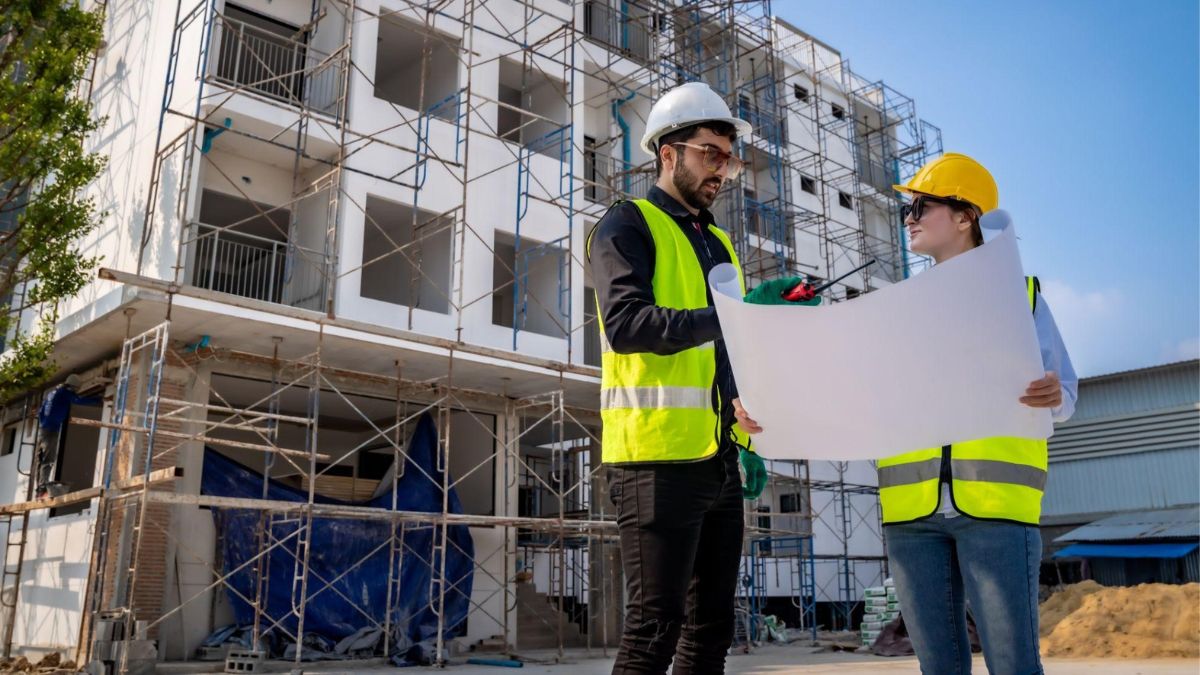
Construction and demolition (C&D) waste is a big issue in Orange County, California. The wastes produced from construction and demolition sites can be harmful to the environment and human beings if not disposed of properly. Fortunately, there are several Construction & Demolition waste removal options available in Orange County that can help keep waste in check. This article examines the terrain of construction & demolition waste removal in Orange County, focusing on the dumpster rental services in Orange County and emphasizing the need for responsible waste management practices.
What is C&D Waste and how is it generated?
The waste from construction and demolition (C&D) is described as a mix of different materials that include inert waste, non-inert waste, hazardous waste, and non-hazardous waste. Due to their nature, construction debris and demolition waste are categorized with the type of material and relevant methods of recycling, reusing, or in a local context.
The construction waste is generated during construction activities, including expendable, and temporary materials as well as scrap damaged or spoiled materials, which are not included in the final project and aids, packaging materials and waste generated by the workforce.
C&D waste often contain
- Glass, wood, plastic, metals
- Asphalt, cement, concrete, tiles, bricks, ceramics, and gypsum.
- Salvaged building components
- Paints and varnishes
- Adhesives and sealants
- Earth, as well as stumps, logs, and rock from clearing sites
Understanding the Challenge
The building and demolition activities greatly affect the waste stream, and they account for a high percentage of the items that are sent to the landfills. In Orange County where development projects are virtually everywhere, the importance of efficient waste disposal methods cannot be overemphasized. C&D waste is not only abundant but also composed of a wide variety of materials, with landfilling or incineration the most common methods of disposal among waste management authorities and construction companies.
Challenges faced by the CConstruction & Demolition Waste Removal
Volume and Composition
Dealing with the huge quantity and the varying composition of C&D waste is both a logistical and an environmental issue. Building sites produce a vast array of goods, involving concrete, woods, metal, plastics and hazardous materials, and each needs a different disposal method.
Environmental Impact
Poor management of Construction & Demolition waste can either lead to soil, air and water pollution or to habitat destruction and biodiversity loss. Landfills may release greenhouse gasses and leach contaminants into the environment, therefore, pollute the surrounding area.
Read More: REVOLUTIONIZING MODERN CONSTRUCTION
Regulatory Compliance
The environmental management and waste disposal requirements issued by the local, state, and federal authorities can be very complex and consume a lot of time for construction companies and waste managers.
Limited Infrastructure
Lacking infrastructure to process Construction & Demolition waste removal, including recycling factories and fill spaces, can hinder the process of removal and disposal of waste.
Cost Considerations
Waste transportation, dumping, and compliance costs associated with Construction & Demolition waste removal impose extra expenses on funding, thus holding back the investment in sustainable practices.
Public Awareness and Engagement
Public awareness and involvement concerning the C&D waste problem can block the process of promoting sustainable practices and getting community support.
The importance of Proper Waste Disposal.
Proper management and removal of Construction & Demolition waste is not only necessary for the environmental sustainability but also for the economic side and public health. If proper waste handling is not done, it can result in pollution, destruction of the habitat and at times can pose risks to human health. Hence, it is important to work on the strategies of ineffective removal of such wastes to minimize the negative consequences.
Here are some solutions we can consider for proper waste disposal.
- Creating a waste separation and recycling system will go a long way to simplify out at source handling of materials, that will definitely lead to proper waste disposal and maximized recovery resources.
- Adopting sustainable strategies like materials reprocessing, waste-to-energy technologies, and habitat restoration will help to reduce environmental degradation and ensure ecological services.
- Establishing partnerships with regulatory agencies, using best management practices, and allocating resources on training and education will secure the observance of regulations and lessen any legal issues.
- Investing in infrastructure, developing recycling facilities and processing, also encouraging the private sector will help in the reduction of infrastructure gaps and improve waste management.
- Utilizing cost-free tactics including waste minimization, material reuse, as well as bulk disposal discounts can lower overall costs and improve financial performance.
- Posting outreach campaigns, organizing educational workshops, and creating linkages with the community organizations all can help to create awareness, stimulate dialogue, and facilitate mobilization.
Construction & Demolition Wastes Removal
Besides the solutions previously stated, Orange County also offers OC Waste & Recycling C&D Program. The program gives information and resources to use for managing C&D waste management. The program contains a list of permitted franchise waste carriers for waste bin services to collect C&D solid waste. It also gives information and resources to help in the control of C&D waste.
The use of Dumpster rental services in Orange County
As an integral part of efficient collection of construction and demolition wastes, enough container types need to be available for waste collection. Dumpster rental services are very important in this aspect as they provide construction sites with containers and other necessary equipment for waste storage and collection. In Orange County the use of 40-yard dumpsters is a preferred choice simply because of their big capacity which makes them the best option to remove bulky debris and materials.
Benefits of Dumpster Rental in Orange County
Renting a dumpster in Orange County offers several advantages for construction projects and demolition activities for waste removal.
Convenience: Dumpster rental makes waste clearance more structured, thus relieving the construction staff to concentrate on their core job. Waste collection is no longer a headache.
Cost-effectiveness: Renting a dumpster is generally more cost-effective than the other waste removal methods, particularly the large scale projects that require regular waste removal occasions.
Compliance: Through working with renowned trash bin rental organizations, construction businesses take care of their activities of adhering to the local laws governing the disposal of waste. This reduces the risks of penalties and penalties which may result from unethical waste management systems.
Versatility: Dumpster rentals come in different sizes and can range from (3 yard dumpster to 40 yard dumpster) small for just home improvement projects to large for major construction renovations. Whether you are in a small-scale renovation or a large construction project, you need a container size that is just right for what you need.
Wrap Up
The right management of construction and demolition waste removal is key to the development of a sustainable environment in Orange County. Dumpster Rental Services e.g the 40-yard dumpster will help in the removal of construction waste with ease. Despite this, we must take up the responsibility and develop sustainable practices that will see the amount of production of waste reduced, encourage the recycling of containers, and promote the conservation of the environment which will address the issue of the problems that have been created by the C&D waste. Orange County can be the example of a green future by the use of dumpster rental & followed by adapting waste management altogether.



Introduction to Estate Agencia Hogo
Welcome to the world of real estate excellence with Estate Agencia Hogo. Whether you’re a first-time buyer, an investor seeking new opportunities, or someone looking to sell your property quickly and efficiently, this agency has something special for everyone. With its unwavering commitment to client satisfaction and a deep understanding of the market, Estate Agencia Hogo is redefining what it means to navigate the complex landscape of real estate. Let’s dive deeper into what makes this agency stand out from the rest and discover how they can help turn your property dreams into reality.
The History and Mission of Estate Agencia Hogo
Estate Agencia Hogo has a rich history rooted in passion and commitment to the real estate market. Established over a decade ago, it emerged from the vision of dedicated professionals who aimed to transform property transactions.
The mission is simple yet profound: to provide unparalleled service while fostering trust and transparency. Every client interaction reflects this philosophy, ensuring that individuals feel valued throughout their journey.
From humble beginnings, Estate Agencia Hogo has evolved into a reputable name in the industry. Its team combines local expertise with global insights, catering to diverse client needs. They understand that each property tells a unique story, and they strive to honor that narrative.
Community involvement remains at the heart of their operations. By supporting local initiatives, Estate Agencia Hogo reinforces its dedication not just as an agency but also as a responsible community partner devoted to making lasting impacts.
Services Offered by Estate Agencia Hogo
Estate Agencia Hogo offers a diverse range of services tailored to meet the needs of every client. Whether you’re buying, selling, or renting, their team provides expert guidance throughout the entire process.
Their market analysis service ensures clients receive accurate pricing information. This helps sellers position their properties competitively and buyers make informed decisions.
For those looking to invest in real estate, Estate Agencia Hogo’s investment consultancy stands out. They leverage local insights and market trends to identify lucrative opportunities for investors.
Additionally, property management services are available for landlords seeking peace of mind. From tenant screening to maintenance coordination, they handle it all with professionalism.
Customized marketing strategies set Estate Agencia Hogo apart in showcasing listings effectively across various platforms. With innovative techniques and stunning visuals, your property will attract attention immediately.
Unique Features of Estate Agencia Hogo
In a crowded marketplace, Estate Agencia Hogo distinguishes itself through a deeply personalized strategy, ensuring every client benefits from customized services designed around their specific goals and lifestyle.
One remarkable feature is the extensive local expertise. The team knows neighborhoods inside out, helping clients find not just houses but homes that resonate with their lifestyle.
Another distinctive aspect is their commitment to technology. Innovative tools streamline the buying and selling process, making it efficient for everyone involved.
The agency also emphasizes transparency throughout transactions. Clients are kept informed every step of the way, fostering trust and confidence in their decisions.
Estate Agencia Hogo boasts an impressive network of connections within the industry. This ensures access to exclusive listings and opportunities that others may miss.
Client Testimonials and Success Stories
Clients of Estate Agencia Hogo often share experiences that highlight the agency’s commitment to excellence. One recent client described their journey as seamless, praising the team for their responsiveness and attention to detail.
Another testimonial from a long-time collaborator emphasized how the agency transformed their vision into reality. This individual noted that every step was handled with professionalism, leading to a successful outcome beyond expectations.
Success stories abound, showcasing diverse projects from luxury estates to cozy homes. Each narrative reflects personalized service tailored to unique needs, reinforcing why clients return time and again.
The genuine satisfaction expressed in these testimonials illustrates not just transactions but lasting relationships forged through trust and expertise. Clients feel understood and valued throughout their real estate journey with Estate Agencia Hogo.
How to Get Started with Estate Agencia Hogo?
Getting started with Estate Agencia Hogo’s is simple and straightforward. First, visit their user-friendly website to explore the range of services offered.
Next, take advantage of the online resources available. You can find detailed listings, market insights, and guidance tailored to your needs.
If you prefer a personal touch, consider reaching out directly through their contact form or phone line. The team is eager to assist you in finding your perfect property or answering any questions.
Once you’ve connected with a representative, discuss your preferences and requirements. This collaborative approach ensures that every detail aligns with your vision.
After identifying potential properties or solutions, you’re ready to embark on an exciting journey in real estate with Estate Agencia Hogo’s by your side.
Conclusion
Estate Agencia Hogo’s stands out in the real estate landscape. With a rich history and a clear mission to provide exceptional service, it has carved a niche for itself. The diverse range of services offered caters to various client needs, ensuring that everyone finds what they are looking for.
The unique features of Estate Agencia Hogo’s make it an appealing choice for buyers and sellers alike. Client testimonials speak volumes about their satisfaction and success stories highlight the agency’s effectiveness.
Getting started is simple, making it easy for anyone to engage with their knowledgeable team. The next step towards finding your dream property or selling your home can begin today with Estate Agencia Hogo’s by your side. Explore the possibilities and experience excellence firsthand.
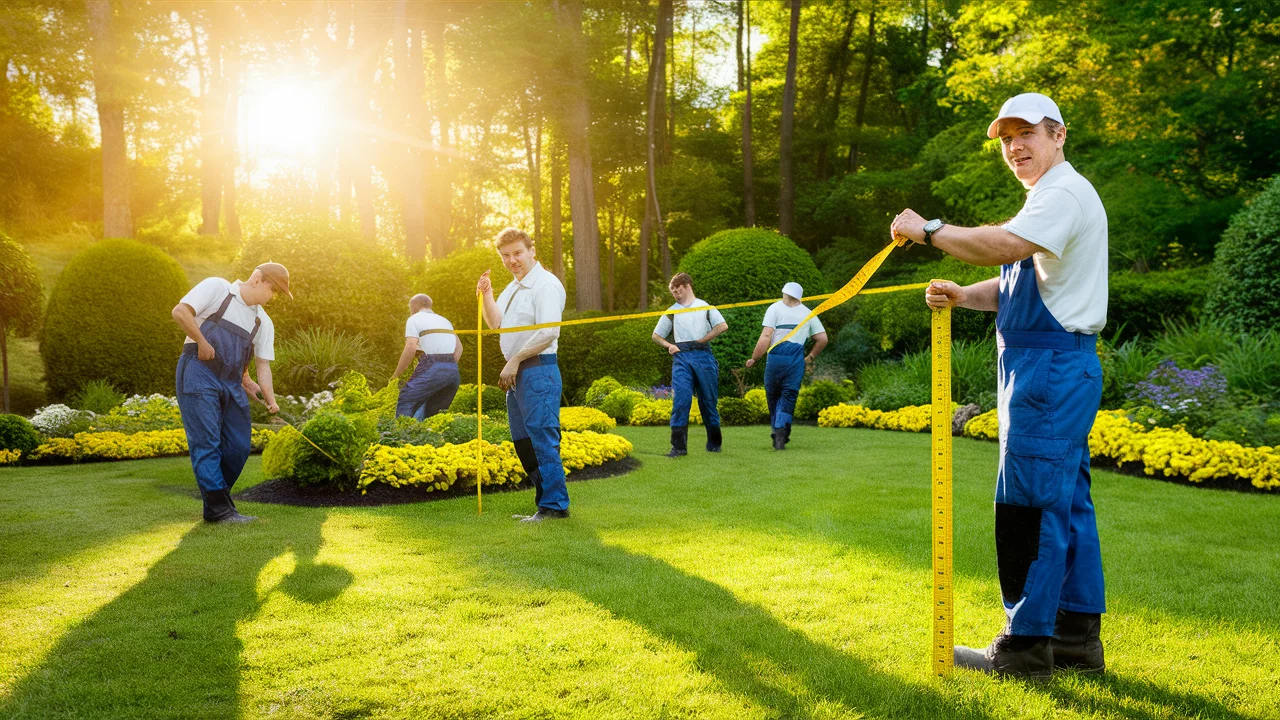
When it comes to enhancing the beauty and functionality of your outdoor space, choosing the right landscaping company is crucial. A well-designed and maintained landscape not only adds value to your property but also provides a serene environment for relaxation and enjoyment. With numerous landscaping companies vying for your attention, how do you identify the one that stands out from the rest? Here, we will guide you through the essential aspects of finding the best landscaper that aligns with your vision and needs and explain why RK Preferred Landscaping should be your go-to choice.
Essential aspects of finding the best landscaper company
Before searching for the best landscaper company, it’s important to clearly define your landscaping needs. Are you looking to revamp your entire garden, install a new irrigation system, or simply need regular maintenance services? Understanding your specific requirements will help you communicate effectively with potential landscapers and ensure that they have the expertise and resources to meet your expectations.
- Assessing Your Goals
Start by making a list of what you want to achieve with your landscaping project. Do you envision a lush, green lawn, a vibrant flower garden, or a tranquil water feature? Consider how you use your outdoor space and what elements would enhance your lifestyle. By having a clear vision, you can better articulate your goals to the landscaping company and evaluate their ability to bring your ideas to life.
- Setting a Budget
Another crucial aspect is setting a realistic budget. Landscaping projects can vary widely in cost, depending on the scope of work and materials used. Determine how much you are willing to invest in your outdoor space and discuss this with potential landscapers. A good landscaping company will provide you with a detailed estimate and help you prioritize your needs to fit within your budget.
Researching Landscaping Companies
Once you have a clear understanding of your needs and budget, it’s time to research potential landscaping companies. This step involves gathering information, reading reviews, and evaluating their previous work to ensure they are the best fit for your project.
- Online Research and Reviews
Begin by searching online for landscaping near me to find companies in your area. Websites, social media pages, and review platforms like Yelp and Google Reviews can provide valuable insights into a company’s reputation and customer satisfaction. Pay attention to both positive and negative reviews, and look for recurring themes that indicate the company’s strengths and weaknesses.
- Asking for Recommendations
Word-of-mouth recommendations can be incredibly valuable. Ask friends, family, and neighbors who have had landscaping work done about their experiences. Personal referrals can provide honest feedback and help you identify reputable companies that have delivered satisfactory results.
- Evaluating Portfolios
Most professional landscaping companies will have a portfolio showcasing their previous work. Take the time to review these portfolios to assess the quality and style of their projects. Look for designs that resonate with your vision and evaluate whether the company has experience with similar projects.
Key Qualities of the Best Landscaper Company
Identifying the best landscaper company involves looking beyond their portfolio and reviews. Several key qualities distinguish exceptional landscaping companies from the rest.
- Experience and Expertise
Experience matters in the landscaping industry. A company with a long history of successful projects is likely to have the skills and knowledge necessary to handle your project. Inquire about the company’s years in business and the qualifications of their team members. Certified professionals with specialized training in horticulture, landscape design, and installation can provide expert guidance and ensure high-quality results.
- Creativity and Innovation
The best landscaper company should demonstrate creativity and innovation in their designs. They should be able to offer fresh ideas and unique solutions tailored to your specific needs. During consultations, assess their ability to think outside the box and propose creative concepts that align with your vision.
- Reliability and Professionalism
Reliability and professionalism are essential qualities in any service provider. The best landscaper company will be responsive to your inquiries, punctual for appointments, and transparent in their communication. They should provide a detailed contract outlining the scope of work, timeline, and costs and adhere to these commitments throughout the project.
The Consultation Process
A thorough consultation process is a hallmark of the best landscaper company. This step allows you to gauge their understanding of your needs and their ability to deliver on their promises.
- Initial Meeting
The initial meeting is your opportunity to discuss your vision, goals, and budget with the landscaping company. Pay attention to how well they listen to your ideas and whether they ask insightful questions to clarify your needs. A good landscaper will take the time to understand your preferences and offer suggestions based on their expertise.
- Site Evaluation
A site evaluation is a critical part of the consultation process. The landscaper should visit your property to assess its current condition, identify potential challenges, and take measurements. This hands-on approach allows them to develop a realistic plan and provide an accurate estimate for the project.
- Design Proposal
After the site evaluation, the landscaping company should present a detailed design proposal. This proposal should include sketches, plans, and a breakdown of costs. Review the proposal carefully to ensure it aligns with your vision and budget. Don’t hesitate to ask for revisions or clarifications if needed.
Ensuring a Successful Project
Once you’ve selected the best landscaper company, there are several steps you can take to ensure a successful project from start to finish.
- Clear Communication
Maintaining open and clear communication with your landscaper is crucial. Establish regular check-ins to discuss progress, address any concerns, and make adjustments as needed. A good landscaper will keep you informed throughout the project and be responsive to your feedback.
- Monitoring Progress
While it’s important to trust your landscaper’s expertise, staying involved in the project is equally important. Monitor the progress regularly to ensure that the work is being carried out according to the agreed plan. This proactive approach can help identify and resolve any issues early on.
- Final Walkthrough and Evaluation
Once the project is completed, conduct a final walkthrough with your landscaper. Evaluate the finished work against the design proposal and ensure that all elements have been executed to your satisfaction. A reputable landscaping company will address any remaining concerns and make necessary adjustments to ensure you are happy with the results.
Transforming Your Outdoor Space
Finding the best landscaper company requires careful consideration and thorough research. By understanding your needs, evaluating potential companies, and focusing on key qualities such as experience, creativity, and professionalism, you can select a landscaper who will transform your outdoor space into a beautiful and functional oasis. With clear communication and active involvement, you can ensure a successful landscaping project that enhances the beauty and value of your property for years to come.

Selling a house can be a daunting task, but when you need to sell your house for cash in Baltimore, the process can be swift and stress-free. Whether you’re facing financial difficulties, relocating for a job, or simply wanting a quick sale, understanding the ins and outs of cash home sales in Baltimore can make a significant difference. Here, we will walk you through everything you need to know about selling your house for cash in Baltimore.
The Need for Speed
There are many reasons why homeowners might opt to sell their houses for cash. Perhaps you’re dealing with an urgent financial situation, such as foreclosure or medical expenses. Maybe you’re in the midst of a divorce and need to divide assets quickly. Or perhaps you’ve inherited a property that you don’t want to manage. Whatever your reason, when you need to sell your house for cash in Baltimore, it’s crucial to understand the process, the benefits, and how to navigate potential pitfalls.
Why Sell for Cash?
Selling your house for cash can offer numerous advantages, especially in a bustling city like Baltimore. Here are some key benefits:
- Speed of Transaction: Cash sales are typically much faster than traditional sales. Without the need for mortgage approvals and extensive inspections, the process can be completed in as little as a week.
- Certainty of Sale: With a cash sale, there’s no risk of financing falling through at the last minute. This can provide peace of mind and financial stability.
- As-Is Sales: Many cash buyers are willing to purchase properties in their current condition, saving you the time and expense of repairs and renovations.
- Reduced Stress: The streamlined process can reduce the stress and uncertainty often associated with traditional home sales.
Finding the Right Cash Buyer
Finding a reliable cash buyer is crucial to ensuring a smooth transaction. Here are some steps to help you identify reputable buyers:
- Research: Start by researching cash home-buying companies in Baltimore. Look for reviews and testimonials from previous clients.
- Verify Credentials: Ensure the buyer is legitimate by checking their credentials and any professional affiliations.
- Request Proof of Funds: A reputable cash buyer should be able to provide proof of funds to demonstrate their financial capability to purchase your property.
- Compare Offers: Don’t settle for the first offer you receive. Get multiple quotes to ensure you’re getting a fair price for your home.
Preparing Your Home for Sale
Even though many cash buyers purchase homes as-is, taking some steps to prepare your home can help you get a better offer:
- Clean and Declutter: A clean, clutter-free home appears more attractive to buyers. Spend some time tidying up and removing personal items.
- Minor Repairs: Addressing small repairs, such as fixing leaky faucets or patching holes in the walls, can make a positive impression.
- Curb Appeal: First impressions matter. Ensure the exterior of your home is well-maintained, including the lawn and any landscaping.
- Professional Appraisal: Consider getting a professional appraisal to understand the market value of your home. This can help you negotiate better offers.
The Selling Process
Once you’ve found a buyer and prepared your home, the selling process can move quickly. Here’s a general overview of what to expect:
- Receive an Offer: The buyer will make a cash offer, which you can accept, reject, or negotiate.
- Sign a Contract: Once an offer is accepted, both parties will sign a sales contract outlining the terms of the sale.
- Title Search and Escrow: The buyer will typically conduct a title search to ensure there are no liens or legal issues with the property. An escrow account may be set up to manage the transaction.
- Closing: Closing is the final step, where ownership is officially transferred, and you receive payment. This can often be completed within a few days of signing the contract.
Potential Pitfalls and How to Avoid Them
While selling your house for cash has many advantages, there are also potential pitfalls to be aware of:
- Low Offers: Cash buyers often offer less than market value. To avoid accepting a low offer, get multiple quotes and understand your home’s worth.
- Scams: Be cautious of scams and fraudulent buyers. Always verify credentials and request proof of funds before proceeding.
- Hidden Fees: Some buyers may charge hidden fees that can reduce your net profit. Clarify all costs upfront to avoid surprises.
- Emotional Decisions: Selling a home can be emotional, especially if you’re under financial pressure. Take your time to make informed decisions rather than rushing into a sale.
Legal Considerations
When selling your house for cash, it’s important to understand the legal implications:
- Disclosure Requirements: Even in an as-is sale, you’re still required to disclose known issues with the property. Failure to do so can result in legal consequences.
- Contract Review: Have a real estate attorney review the sales contract to ensure your interests are protected.
- Tax Implications: Be aware of any tax implications resulting from the sale. Consult a tax professional to understand your obligations.
When you need to sell your house for cash in Baltimore, being informed and prepared can make all the difference. By understanding the benefits, finding the right buyer, and navigating the process with care, you can achieve a quick and successful sale. Remember to do your research, seek professional advice, and take your time to make the best decision for your situation. Selling your house for cash doesn’t have to be stressful—with the right approach, it can be a smooth and rewarding experience.


 HOME IMPROVEMENT1 year ago
The Do’s and Don’ts of Renting Rubbish Bins for Your Next Renovation
- BUSINESS1 year ago
Exploring the Benefits of Commercial Printing
- HOME IMPROVEMENT10 months ago
Get Your Grout to Gleam With These Easy-To-Follow Tips

 HEALTH11 months ago
The Surprising Benefits of Weight Loss Peptides You Need to Know
- TECHNOLOGY1 year ago
Dizipal 608: The Tech Revolution Redefined
- HEALTH10 months ago
Your Guide to Shedding Pounds in the Digital Age
- BUSINESS1 year ago
Brand Visibility with Imprint Now and Custom Poly Mailers
- LAW2 years ago
7 Key Questions to Ask When Hiring a Criminal Lawyer