
GENERAL
Get Noticed: The Impact of Die Cut Stickers

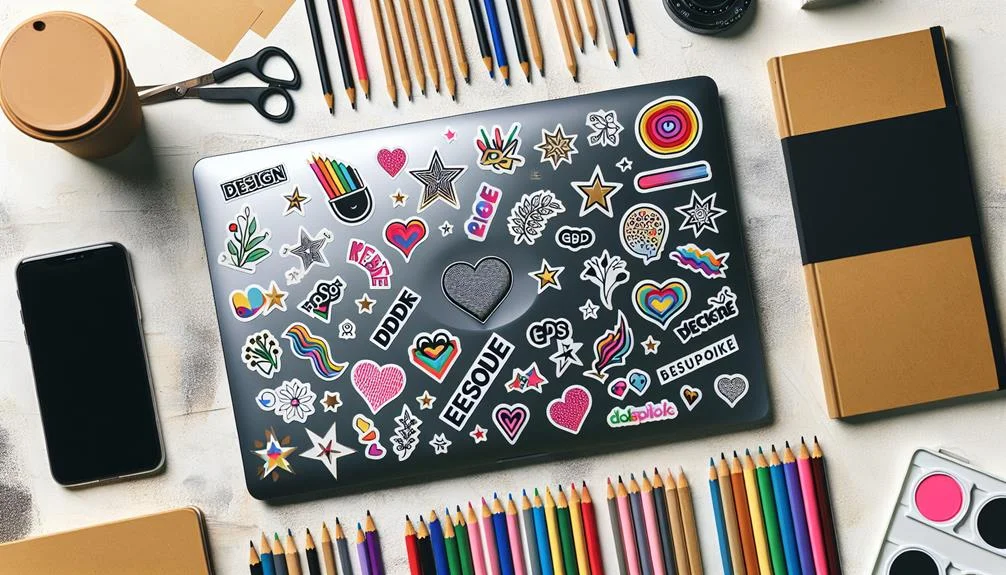
You’ve probably seen them on laptops, water bottles, and storefronts, but have you ever considered the power of die cut stickers for your own brand? These aren’t just simple promotional tools; they’re a direct reflection of your brand’s creativity and commitment to quality. With their custom shapes and vivid colors, die cut stickers grab attention in a way that standard stickers can’t match. As you explore the potential they hold, think about how they could serve as a game-changer in your marketing strategy. What could happen if you leveraged their unique appeal to capture and retain more customers?
What Are Die Cut Stickers?
Die cut stickers are custom-shaped adhesive labels tailored precisely to the contour of your design, offering a sleek and impactful branding tool. The production process begins with your unique design, which is then meticulously cut to shape using advanced cutting technology. This precision ensures that each sticker is a perfect match to your original vision, enhancing the overall aesthetic and effectiveness of your brand’s physical representation.
You’re not just limited to basic shapes; the technology allows for any intricate designs or logo outlines. This flexibility is pivotal in setting your brand apart in a crowded market. Choosing the right material is equally critical. You’ve got options ranging from durable vinyl to eco-friendly paper, each offering distinct benefits. Vinyl is weather-resistant, making it ideal for outdoor use, whereas paper offers a classic look and is perfect for indoor applications.
Understanding these material options enables you to strategically select the best fit for your specific marketing needs, ensuring longevity and effectiveness of your stickers in various environments. Opting for the right combination of design precision and material selection can significantly elevate your brand’s visibility and impact.
Customization Possibilities
Exploring the customization possibilities of die cut stickers allows you to tailor every aspect of your branding to meet specific marketing goals and audience preferences. By leveraging various material options and advanced printing techniques, you can create stickers that not only capture attention but also withstand environmental challenges. Whether you choose vinyl for its durability and weather resistance or opt for a matte finish to reduce glare and enhance readability, the right material enhances both the aesthetic and functional value of your stickers.
Moreover, the latest printing techniques open a world of color and design precision. Digital printing, for instance, offers vibrant color palettes and sharp graphics, ensuring your brand stands out in any crowd. You can experiment with holographic or metallic effects to add a unique touch that pops in different lighting conditions.
Strategically, this level of customization is invaluable. It enables you to align your visual communications with your brand identity seamlessly. Whether you’re aiming for subtle elegance or bold innovation, these choices in material and print quality give you the control to manifest your vision effectively, ensuring that every sticker placed is a true representation of your brand.
Cost-Effectiveness and ROI
Considering the cost-effectiveness of die cut stickers, you’ll find that they offer a high return on investment (ROI) by maximizing brand exposure at a minimal expense. Let’s delve into the specifics of why these tools are so financially advantageous for your business.
First, die cut stickers are remarkably affordable to produce, especially when ordered in bulk. Economies of scale play a significant role here; as production scales up, the cost per unit drops dramatically. This pricing structure allows you to obtain a large quantity of customized marketing materials without straining your budget. You’re not just saving money; you’re investing smartly by spreading your brand further for less.
Moreover, budget planning becomes more predictable and manageable with die cut stickers. Their production costs are straightforward and consistent, making it easier for you to allocate funds without fear of unexpected expenses. This reliability ensures that you can plan your marketing campaigns with precision, enhancing your overall financial strategy.
Incorporating die cut stickers into your promotional efforts isn’t just a creative choice but a strategic, cost-effective decision that boosts your marketing ROI. By understanding and leveraging these financial benefits, you’re positioning your business for greater success in a competitive market.
Enhancing Brand Visibility
Beyond their affordability, die cut stickers significantly amplify your brand’s visibility in the marketplace. When you integrate these unique, eye-catching tools into your marketing strategies, you’re not just distributing a product; you’re engaging an audience in a dynamic and memorable way. These stickers can serve as mini-billboards, traveling wherever the consumer takes them, broadcasting your brand to a wider audience than traditional advertising might reach.
Think about it: each sticker placed on a laptop, water bottle, or car bumper acts as a personal endorsement, one that’s seen by countless eyes throughout its lifetime. This isn’t just passive observation; it’s active consumer engagement. People don’t just see your brand; they interact with it, discuss it, and remember it. This continuous interaction builds familiarity and trust, escalating your brand’s profile in the competitive market.
Versatility Across Industries
Die cut stickers offer unparalleled flexibility, adapting seamlessly to various industries from retail to tech, enhancing brand engagement across diverse markets. You’ll find that their unique shapes and custom designs capture attention in a way standard stickers can’t compete with, making them a strategic tool for marketing campaigns and brand promotions.
The choice of material options plays a critical role in this versatility. Whether you’re looking for vinyl for its durability and weather resistance, or prefer eco-friendly materials to align with a green marketing strategy, die cut stickers can be tailored to meet these needs. This adaptability ensures that whether you’re in the food industry requiring biodegradable options, or in outdoor sports needing rugged performance, there’s a sticker to suit.
Moreover, the environmental impact of these stickers is now more important than ever. By selecting materials that are both sustainable and relevant to your industry’s standards, you not only enhance your brand’s reputation but also contribute to a larger movement towards environmental responsibility. This strategic choice boosts your brand’s image among eco-conscious consumers and sets you apart from competitors who may not prioritize these essential aspects.
Creative Design Tips
To maximize your brand’s impact, focus on crafting die cut stickers with innovative and memorable designs that resonate with your target audience. Leverage color psychology to evoke specific emotions and reactions. For example, red can energize your audience, creating urgency or excitement, while blue can convey trust and dependability. It’s crucial you choose colors that align with your brand’s identity and the message you want to send.
Next, stay ahead by integrating current pattern trends into your designs. This year, abstract and geometric patterns are in vogue, offering a modern and dynamic aesthetic that catches the eye. By blending these patterns with bold color contrasts, your stickers won’t just be functional; they’ll be a statement.
Durability and Quality
Consider how investing in high-quality, durable materials for your die cut stickers can significantly enhance your brand’s longevity and customer perception. When you choose superior materials, you’re not just creating a sticker; you’re crafting an experience that sticks (quite literally!) to your customers’ minds and belongings. Material choices play a pivotal role here. Opting for vinyl or polyester, for instance, offers you a robust foundation that resists fading, tearing, and water damage.
Weather resistance is another critical factor. If your stickers can withstand the elements—be it the scorching sun, heavy rains, or frost—they continue to carry your message effectively, no matter the climate. This resilience ensures that your brand remains visible and vibrant, consistently performing the job of drawing attention and conveying your message.
You’re investing in marketing tools that last longer and look better. This isn’t just about aesthetics; it’s about functionality and forming lasting impressions. Durable, high-quality stickers mean fewer replacements, reduced costs over time, and a sustained presence in the public eye. So, don’t cut corners. Prioritize durability and watch your brand stick around, rain or shine.
Real-World Application Examples
Now, let’s explore how businesses like yours are using high-quality die cut stickers to achieve remarkable branding success. By strategically placing these stickers on products, in storefronts, and on packaging, companies are creating powerful, visual brand reminders that are both effective and cost-efficient. Imagine your logo uniquely shaped and vividly printed, sticking on laptops, water bottles, and vehicles everywhere, constantly catching eyes and reinforcing brand recognition.
Analyzing the environmental impacts, it’s crucial you’re aware that the right materials can make a difference. Opting for biodegradable or recyclable sticker options not only minimizes your ecological footprint but also appeals to eco-conscious consumers. This strategic choice boosts your brand’s image as environmentally responsible, enhancing customer loyalty and potentially increasing market share among environmentally aware demographics.
Furthermore, consider the longevity and frequent visibility of die cut stickers as a low-cost advertising investment. Once placed, these stickers keep promoting your brand without ongoing costs, unlike digital ads that require continuous funding. This makes them a highly efficient tool in your marketing arsenal, ensuring ongoing exposure for a one-time expense. In this way, sticker placements aren’t just about aesthetics—they’re a strategic, sustainable choice for long-term brand visibility and consumer engagement.
Choosing the Right Provider
Selecting the right provider is crucial for maximizing the impact and quality of your die cut stickers. When you’re in the market for a sticker provider, don’t overlook the importance of provider reputation. This isn’t just about ensuring they can deliver a quality product; it’s about ensuring they understand your vision and can translate it into a tangible, impactful product. A reputable provider will have a portfolio of past projects and client testimonials—evidence that they can meet your specific needs and expectations.Next, consider the ordering process. It should be streamlined and user-friendly. You’re looking for a provider that offers customization options through a simple, intuitive platform. This means less hassle for you and a quicker transition from design to production. Moreover, transparent pricing and a clear timeline are essential components of the ordering process. You don’t want any surprises when it comes to costs or deadlines.


Introduction to GroonyGirls
Welcome to the vibrant world of GroonyGirls, where female empowerment flourishes and collaboration takes center stage. This innovative platform is more than just a community; it’s a movement dedicated to uplifting women from all walks of life. In an era where support systems are crucial for personal and professional growth, GroonyGirls offers a refreshing alternative to traditional competition. By fostering connections and nurturing talents, this initiative aims to redefine what it means to be empowered as a woman in today’s society. Join us as we explore how GroonyGirls is making waves and inspiring countless women across the globe!
The Mission and Values of GroonyGirls
At the heart of GroonyGirls lies a powerful mission: to uplift women and foster an environment where collaboration thrives. This initiative recognizes the unique challenges women face in today’s world. It aims to create pathways for success through unity and shared experiences.
GroonyGirls values authenticity, encouraging members to embrace their true selves without fear of judgment. By promoting openness, they cultivate trust among members, allowing genuine connections to flourish.
Another key value is resilience. GroonyGirls inspires women not just to rise but also to support one another during setbacks. Success isn’t only measured by individual achievements; it’s about lifting others along the way.
Inclusivity is paramount as well. Every woman deserves a voice and a platform that celebrates her uniqueness. Through these guiding principles, GroonyGirls empowers its community on both personal and collective levels.
How GroonyGirls Empowers Women:
GroonyGirls stands out by fostering a supportive community where women uplift each other. This environment encourages open dialogue, allowing members to share experiences and advice freely.
Collaboration is at the heart of GroonyGirls’ ethos. Instead of viewing one another as competitors, members work together on projects and initiatives that fuel their passions. This shift in mindset creates lasting partnerships and friendships.
Additionally, GroonyGirls provides an array of resources designed for personal growth. From workshops to mentorship programs, every woman has access to tools that inspire confidence and skill development.
Women within this network not only grow individually but collectively redefine what empowerment looks like today. The journey is about celebrating achievements big and small while learning from shared challenges along the way.
A. Creating a Supportive Community
At the heart of GroonyGirls is a vibrant and supportive community. Women come together to share their experiences, stories, and challenges. This connection fosters an atmosphere where everyone feels valued.
Members engage in meaningful conversations that inspire growth and understanding. They learn from one another’s journeys, building bonds that transcend competition.
Support goes beyond words; it manifests in actions. Whether through mentorship programs or collaboration projects, women uplift each other consistently.
Each voice matters within this community. Every member brings unique perspectives that enrich discussions and broaden horizons. The diversity of experiences creates a tapestry of empowerment.
GroonyGirls cultivates trust among its members, encouraging them to be authentic without fear of judgment. That sense of belonging can spark transformative change in personal lives and careers alike.
B. Encouraging Collaboration Over Competition
GroonyGirls champions the idea that collaboration is far more powerful than competition. Within this vibrant community, women are encouraged to lift each other up rather than tear one another down.
By fostering an environment where sharing ideas and resources thrives, GroonyGirls creates connections that lead to innovative projects. Members frequently collaborate on ventures, pooling their diverse talents for collective success.
This cooperative spirit transforms the traditional narrative of rivalry into one of mutual support. Women find strength in working together, discovering new perspectives along the way.
Through workshops and events focused on teamwork, GroonyGirls reinforces these values regularly. Here, every member understands that helping a fellow woman succeed ultimately enriches everyone’s journey toward empowerment and growth.
C. Providing Resources and Tools for Personal Growth
GroonyGirls understands that personal growth is a journey, not a destination. To support this journey, the platform offers an array of resources tailored to women’s unique needs.
From online workshops to expert-led webinars, members can access valuable knowledge on various topics. These sessions cover everything from career advancement to emotional well-being.
Additionally, GroonyGirls provides curated reading lists and toolkits designed for self-discovery. These materials encourage exploration and reflection.
Networking opportunities are also abundant within the community. Members connect with mentors who share wisdom and experience. This guidance fosters accountability and inspires progress.
With such extensive resources at their fingertips, women find themselves empowered to take bold steps in both their personal and professional lives. The emphasis on continuous learning reinforces the idea that growth knows no bounds within the GroonyGirls community.
Success Stories from GroonyGirls Members
Across the GroonyGirls community, remarkable stories unfold every day. Each member brings her unique journey, adding vibrancy to this empowering space.
Take Sarah, for example. She transformed her passion for photography into a thriving business after connecting with fellow members who offered valuable insights and encouragement.
Then there’s Mia, who once struggled with self-doubt. Through workshops and group discussions, she found the confidence to start public speaking. Now she inspires others as a motivational speaker.
These stories illustrate how collaboration fosters growth. Women uplift one another, sharing skills and experiences that lead to newfound opportunities.
Every success is celebrated within GroonyGirls. It’s not just about individual accomplishments; it’s about building each other up in a supportive environment where dreams become achievable goals.
Impact of GroonyGirls on Female Empowerment
GroonyGirls has swiftly emerged as a transformative force in the realm of female empowerment. By fostering a culture that values connection and support, it has created an environment where women feel safe to share their experiences.
The impact is evident in the number of women who have found their voices through this community. They engage actively, sharing insights and advice that encourage personal growth.
Moreover, GroonyGirls challenges traditional notions of competition. Instead of viewing each other as rivals, members celebrate one another’s successes—turning achievements into collective victories.
Through workshops and networking events, GroonyGirls equips women with essential tools to navigate their journeys confidently. Members leave with newfound knowledge, motivation, and friendships that extend beyond professional boundaries.
This sense of belonging transforms not just individual lives but also ripples out into communities. It cultivates a movement where empowerment becomes contagious among generations of women striving for equality.
Future Plans and Expansion for GroonyGirls
GroonyGirls is on an exciting path toward growth and innovation. With a vision to expand its reach, the organization aims to create chapters in various cities, fostering local support networks. This will empower women from different backgrounds to connect and collaborate.
In addition to geographical expansion, GroonyGirls plans to introduce online workshops that cater to diverse interests. These sessions will range from professional development to wellness practices, ensuring every member finds value.
The team is also exploring partnerships with brands that align with their mission. Collaborations could lead to exclusive events, resources, or even mentorship programs designed specifically for members.
With these initiatives on the horizon, GroonyGirls is set not only to elevate individual voices but also amplify collective strength within communities everywhere. The future looks bright as they continue redefining what it means for women to uplift each other in today’s world.
Conclusion
GroonyGirls is more than just a community; it’s a movement dedicated to redefining female empowerment through collaboration and support. By fostering an environment where women uplift each other, GroonyGirls is paving the way for personal and professional growth.
The mission of GroonyGirls centers on inclusivity, authenticity, and connection. Every member plays a vital role in creating this vibrant tapestry of shared experiences. The values are clear: empower one another and break down barriers that often exist in traditional settings.
Empowerment comes from the heart of GroonyGirls’ philosophy. Women connect within a supportive community that encourages open dialogue and genuine relationships. This nurturing atmosphere allows members to feel safe while sharing their aspirations as well as challenges.
Collaboration over competition rings true at GroonyGirls. Members celebrate each other’s successes rather than viewing them as threats. This shift creates an encouraging space where ideas flourish without fear or jealousy, driving innovation among women entrepreneurs.
Beyond support and collaboration, GroonyGirls provides valuable resources aimed at personal development. From workshops to mentorship programs, every tool available helps members grow both personally and professionally.
Success stories abound within the GroonyGirls network—transformative journeys filled with resilience, determination, and triumphs highlight what can happen when women unite under common goals. These narratives serve not only as inspiration but also proof of what is possible together.
The impact made by GroonyGirls resonates far beyond individual success; it contributes significantly to the broader conversation around female empowerment globally. As voices come together through shared experiences, they create ripples that encourage others to join in solidarity towards collective strength.
Looking ahead, exciting plans are underway for further expansion of the brand’s initiatives seeking new ways to engage more women across different platforms worldwide—ensuring no woman feels alone in her journey toward fulfillment.
As we reflect on everything that makes GroonyGirls unique—the friendships formed, dreams pursued boldly—it becomes clear: this isn’t just about being empowered alone but creating pathways for countless others along the way too!

Popcorn ceilings, also known as textured or acoustic ceilings, were once a popular choice for homes from the 1950s through the 1980s. They were favored for their ability to hide imperfections and provide soundproofing. However, their popularity has waned over the years, and many homeowners now seek to remove or repair these ceilings to achieve a more modern look. This comprehensive guide will cover everything you need to know about popcorn ceiling removal, construction, and repair, including the important steps of removing stucco finishes that are often found alongside popcorn textures.
Types and Categories
Popcorn Ceiling
Traditional Popcorn Texture
This refers to the classic bumpy texture applied using a spray-on technique that included materials like Styrofoam or vermiculite.
Removing Stucco
Stucco finishes, which are similar in texture to popcorn ceilings but are used on walls, also require special removal techniques due to their composition and application method.
Symptoms and Signs
Dated Appearance
Popcorn ceilings can make a room look outdated and may decrease the aesthetic appeal of a home.
Maintenance Challenges
These ceilings are difficult to clean and often trap dust and cobwebs, which can contribute to poor indoor air quality.
Asbestos Concerns
Many popcorn ceilings applied before the 1980s contain asbestos, posing serious health risks if disturbed.
Causes and Risk Factors
Environmental Factors
Asbestos Use
Asbestos was commonly used in building materials for its fire-resistant properties until it was banned in the late 1970s due to health concerns.
Lifestyle Factors
Modern Aesthetics
The trend towards sleek, modern interior design has led many homeowners to seek the removal of textured ceilings.
Diagnosis and Tests
Asbestos Testing
Before beginning any removal project, it is crucial to test for asbestos. This can be done with at-home kits or by hiring a professional.
Treatment Options
Popcorn Ceiling Removal
Safety Precautions
When removing a popcorn ceiling, especially if it contains asbestos, proper safety measures must be taken. These include wearing protective gear, ensuring proper ventilation, and isolating the work area.
Removing Stucco
Necessary Tools and Supplies
Tools for removing stucco finishes include scrapers, putty knives, and abrasives. Protective gear is also essential to avoid inhaling dust.
Preventive Measures
Asbestos Management
If asbestos is detected, professional removal is strongly recommended to avoid health risks.
Dust Control
Use plastic sheeting and painter’s tape to contain dust within the work area and protect furniture and flooring.
Personal Stories or Case Studies
Successful Popcorn Ceiling Removal
Jane Doe from Springfield shared her experience of successfully removing her popcorn ceiling using a DIY approach, emphasizing the importance of preparation and safety.
Professional Stucco Removal
John Smith from Riverdale opted for professional help in removing stucco from his living room walls, highlighting the benefits of hiring experts for complex tasks.
Expert Insights
Dr. Emily Green, Environmental Health Specialist
“Proper handling of asbestos-containing materials is crucial to prevent serious health issues. Always test and, if necessary, hire professionals.”
Michael Turner, Construction Expert
“DIY removal of textured finishes can be rewarding but requires careful planning and the right tools to avoid damage and ensure a smooth finish.”
Conclusion
Removing or repairing popcorn ceilings and stucco finishes can significantly improve the appearance and air quality of your home. Whether you choose to tackle the project yourself or hire professionals, understanding the process and taking appropriate safety measures is essential. By following this guide, you can achieve a modern, stylish look while ensuring the health and safety of your household. For more details on removing stucco ceilings, visit https://www.renovated-home.ca/stucco-ceiling-removal. Their expert team offers efficient, dust-minimized services, ensuring a smooth finish and adherence to safety standards, including asbestos assessment and eco-friendly disposal.

Introduction to Suffix with Louis and Jackson
Have you ever stumbled upon a crossword puzzle that left you scratching your head while trying to fill in the blanks for city names? If you’ve noticed certain patterns, you’re not alone. City name affixes can be intriguing little clues that enhance both our problem-solving skills and our knowledge of geography. Among these fascinating suffixes are “Louis” and “Jackson.” These two names may seem simple at first glance, but they carry historical significance and cultural weight that often gets overlooked. In this blog post, we will dive deep into the world of suffix with Louis and Jackson, exploring their origins, common usages in city names, and how they come into play when tackling puzzles. Whether you’re a seasoned puzzler or just curious about city nomenclature, there’s plenty to discover!
The Origin of Louis and Jackson as Suffixes in City Names
The suffixes “Louis” and “Jackson” have fascinating roots that trace back to prominent historical figures. St. Louis, named after King Louis IX of France, reflects the French colonial influence in North America during the 18th century. This city name signifies a blend of history and culture.
On the other hand, Jackson originates from President Andrew Jackson’s legacy. Cities like Jacksonville celebrate his impact on American politics and society in the 19th century.
These names evoke a sense of identity tied to their founders or influential leaders. They serve as reminders of local history while also enriching our understanding of geography.
Over time, these suffixes became synonymous with particular regions, each carrying unique stories that resonate through generations. Their usage has extended beyond just naming places; it encapsulates cultural narratives waiting to be explored further.
Common City Names with the Suffixes of Louis and Jackson
City names ending with “Louis” and “Jackson” carry a rich history. They often honor influential figures or celebrate local heritage.
One of the most recognized is St. Louis, Missouri. Nestled along the Mississippi River, it’s known for its iconic Gateway Arch and vibrant culture.
Then there’s Jackson, which appears in various states like Mississippi and Tennessee. Each city named Jackson has its unique charm, from music festivals to historical landmarks.
Other notable examples include Fort Worth’s Louisburg in North Carolina, a small yet significant locality steeped in tradition.
These suffixes not only add character but also tell stories about the people they commemorate and the places they inhabit. Exploring these cities can reveal fascinating insights into American history and geography.
How to Use City Name Affixes in Puzzles?
Using city name affixes like Louis and Jackson can add a fun twist to your puzzles. Start by familiarizing yourself with common suffixes that pair well with these names.
When crafting crossword clues, think about the associations people have with cities. For example, “City of Kings” hints at Louisville. This strategy makes your clues more engaging.
In word searches, you can incorporate various prefixes or suffixes related to famous cities. It challenges puzzlers to think critically as they connect terms.
Additionally, consider creating themed puzzles around specific regions or historical contexts tied to these names.
Make sure the difficulty level matches your audience’s skills so everyone can enjoy the challenge without feeling overwhelmed.
Benefits of Knowing City Name Affixes in Puzzles
Understanding city name affixes can significantly enhance your puzzling prowess. When you know that “Louis” and “Jackson” often appear at the end of certain city names, you’re better equipped to tackle crossword clues or word games.
Possessing this insight allows you to evaluate possible solutions with greater critical precision. Instead of struggling through vague hints, you can quickly zero in on possibilities based on familiar endings.
Moreover, recognizing these patterns boosts your confidence. As you solve more puzzles with this insight, you’ll likely find yourself tackling even tougher challenges with ease.
It also opens up a fun world of trivia related to geography and history. You might discover interesting facts about the cities themselves while searching for solutions, enriching both your puzzle-solving experience and general knowledge.
It makes puzzle-solving feel more like a game rather than just another task on your to-do list. Each clue becomes an opportunity for discovery and growth.
Other Common City Name Affixes
City name affixes extend beyond just “Louis” and “Jackson.” They add flavor to geographic identities, often hinting at local history or culture.
One common suffix is “-ville,” as seen in Nashville and Jacksonville. This term originates from the French word for town, showcasing its European roots.
Another popular suffix is “-ton,” found in places like Hamilton and Arlington. It typically indicates a homestead or settlement, reflecting community heritage.
Suffixes like “-burg” also appear frequently in city names such as Pittsburgh and Harrisburg. These derive from German origins, denoting fortified towns.
Each of these affixes carries its own significance and story. Recognizing them enriches our understanding of place names across different regions. It invites exploration into the cultural tapestry woven throughout these cities’ histories.
Conclusion
City name affixes, specifically the suffix with Louis and Jackson, play a significant role in enhancing our understanding of geographical names and their origins. By exploring how these suffixes are used in various city names, we can appreciate the cultural and historical significance they carry. Familiarity with these affixes not only aids puzzle enthusiasts but also enriches language skills and geographic knowledge.
As you engage with puzzles or simply expand your awareness of cities around you, recognizing the patterns formed by such suffixes will enhance both your enjoyment and expertise. The world of city names is vast, filled with stories waiting to be uncovered through their unique structures. Integrating this understanding unlocks fresh opportunities, enriching both your recreational puzzle habits and your ability to navigate complex geographical discussions.
Diving into the realm of city name affixes expands our horizons while making learning enjoyable.



 HOME IMPROVEMENT1 year ago
The Do’s and Don’ts of Renting Rubbish Bins for Your Next Renovation
- BUSINESS1 year ago
Exploring the Benefits of Commercial Printing
- HOME IMPROVEMENT10 months ago
Get Your Grout to Gleam With These Easy-To-Follow Tips

 HEALTH10 months ago
The Surprising Benefits of Weight Loss Peptides You Need to Know
- TECHNOLOGY1 year ago
Dizipal 608: The Tech Revolution Redefined
- BUSINESS1 year ago
Brand Visibility with Imprint Now and Custom Poly Mailers
- HEALTH10 months ago
Your Guide to Shedding Pounds in the Digital Age
- LAW1 year ago
7 Key Questions to Ask When Hiring a Criminal Lawyer







