
HEALTH
5 Ways to Enhance Your Neurofeedback Journey at Home


Training your brain at home sounds like something only Silicon Valley types would do—right up there with fasting retreats and cryotherapy pods. But neurofeedback has gone mainstream, and for good reason.
It’s science-backed, practical, and now incredibly accessible. No more booking appointments with practitioners who nod too much and charge even more. With a neurofeedback home setup, you can sharpen your mind while wearing slippers and sipping tea.
Of course, there’s a catch: you have to use the thing. Much like that elliptical collecting dust in the basement, a neurofeedback device is only as good as your commitment. And let’s be honest, “commitment” can feel like a foreign concept in a world where we abandon shows halfway through season two.
Still, the potential is undeniable. Neurofeedback can boost focus, lower stress, and help you improve cognitive performance—if you do it right. The trick is knowing how to make it stick, and that’s precisely where these tips come in handy.
Let’s break down five ways to maximize your efforts and avoid turning them into another forgotten project.
1. Pick the Right Neurofeedback Home Device
Training your brain at home is like something out of a sci-fi movie, but with a neurofeedback home device, you can achieve your goals—from stress reduction to cognitive enhancement.
Devices like Sens.ai use sensors to monitor your brain’s electrical activity and provide instant feedback to help you tune in to your mental performance. It’s like having a personal trainer for your brain – except it won’t make you do burpees.
These devices give you control over your brain health. A feedback loop guides your mind towards healthier patterns whether you want to improve focus, manage stress or enhance memory. They also have programs tailored to your needs, perfect for beginners and experts.
Consistency is key. Commit to regular sessions, create a distraction-free environment and be patient. These devices provide the framework; your effort brings the results. Together, they partner to take your neurofeedback to the next level.
2. Support Your Brain With Nootropic Supplements
Your brain is a high-maintenance guest – it needs attention, the right nutrients and a bit of pampering. Adding brain-supporting supplements to your routine can provide the nutritional foundation for effective neurofeedback.
Supplements like nootropics are becoming more popular for their ability to enhance neurobiology. But you don’t need a chemistry degree to start; the key is to choose well-researched options that support overall brain health.

Think of supplements as the soil that feeds your mental garden. Omega-3s, magnesium and vitamins like B6 and B12 are often associated with improved cognitive function. Nootropics, the so-called “smart drugs,” can also enhance mental clarity, but they’re not a one-size-fits-all solution. Consult a healthcare professional to tailor your choices to your needs.
Combining supplements with neurofeedback creates a symbiotic relationship: while the supplements enhance brain function from the inside out, the neurofeedback reinforces healthy brainwave patterns. Together, they can help you progress without relying on one method alone.
3. Consider Memory Building Software
Enhancing memory isn’t just about repetition—it’s about strategic repetition. Memory-building software like Dual N-Back has received considerable attention for improving working memory, which is key to multitasking, learning, and problem-solving. These programs work alongside neurofeedback to train your brain to hold and manipulate information better.

Dual N-Back is a cognitive game in which you have to remember and respond to patterns—it’s as fun as it is effective. The software doesn’t promise overnight genius but gradual improvement through daily practice. If neurofeedback is the conductor, memory-building tools are the orchestra, fine-tuning each section to play harmoniously.
Using memory software regularly can help solidify the gains from neurofeedback. It’s like cross-training for your brain—neurofeedback works on the underlying brain activity, while memory software works on applying those gains in real life.
4. Combine your Routine With other Neurotechnologies
If you’re serious about brain optimization, neurotechnology is a playground beyond neurofeedback. Cranial electrical stimulation (CES) is a noninvasive technique that delivers low-level electrical currents to stimulate brain activity. Sounds like science fiction? CES is backed by research that aims to reduce anxiety and improve focus.
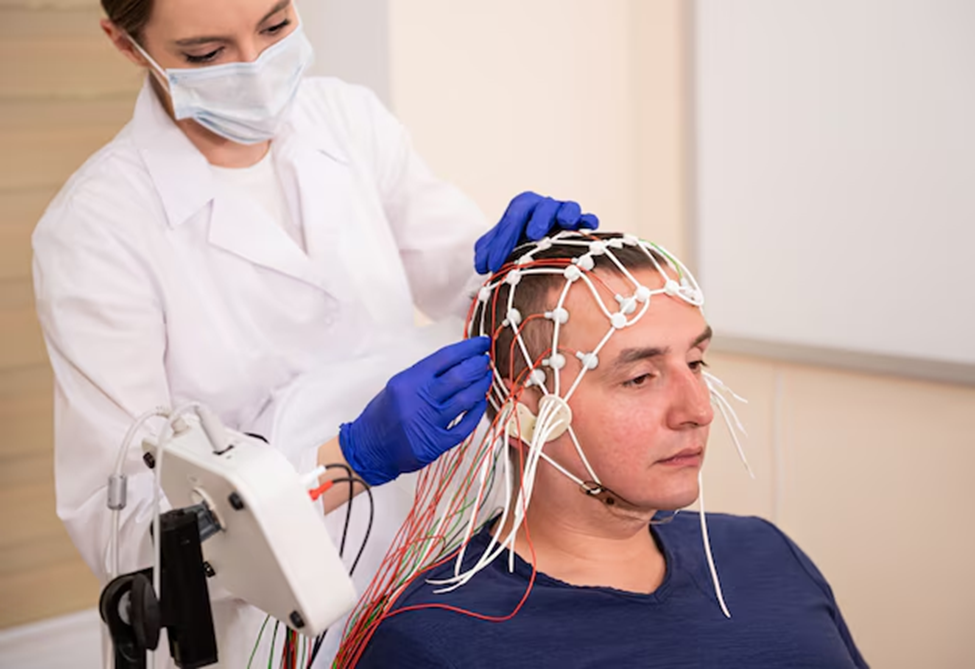
Using CES or similar technologies with neurofeedback is a multifaceted approach to brain health. CES sessions are short, 20-30 minutes, and easily fit your schedule. They are not a replacement for neurofeedback but a tool to complement the process.
Combining technologies can help address multiple areas of brain function simultaneously. Neurofeedback hones brainwave patterns, while CES and other tools target relaxation or stimulation, creating a well-rounded mental fitness regimen.
5. Track and Adjust Based on Your Progress
Tracking progress isn’t just satisfying; it’s essential. It’s the difference between wandering and getting somewhere. Use apps or journals to record your sessions, noting what works and what doesn’t.
Review your data weekly. Patterns often emerge, showing when you’re at your best or when external factors, like stress, derail you. Use this information to adjust your approach. For instance, switch to mornings if evening sessions leave you too wired to sleep.
Celebrate wins, no matter how small. Progress isn’t always linear, and setbacks are part of the process. Focusing on the bigger picture prevents you from getting bogged down in temporary frustrations. Remember, you’re not just training your brain—you’re learning how to thrive.
Conclusion
Enhancing your neurofeedback journey at home isn’t rocket science but requires intention and effort. With the right device, supplements, additional neurotechnology, and consistent tracking, you can unlock your brain’s potential from the comfort of your couch.
Your brain is your most valuable asset. Investing in its health isn’t just brilliant—it’s essential. So grab your device, stake out your space, and get to work. Your future self will thank you, preferably with fewer headaches and better focus.



Are you looking for the best way to keep your skin young and fresh?
With so many treatments available, it can be hard to know which one is right for you. In this guide, we will explore different anti aging facial treatments.
You will learn about their benefits and how they work. By the end, you will have all the information you need to make a smart choice.
Get ready to find the perfect treatment for your skin!
Understand Your Skin Type
Knowing your skin type is key to picking the right treatment. There are four main types: oily, dry, combination, and sensitive.
Oily skin gets shiny and may have large pores. Dry skin feels tight and might flake. Combination skin has both oily and dry spots. Sensitive skin can get red and irritated easily.
By knowing your type, you can choose a treatment that helps you get youthful skin. A good match will keep your skin looking fresh and glowing.
Research Ingredients
When choosing skincare products, it’s important to know what ingredients work best for your skin type. Look for products with retinol, which helps smooth fine lines, or hyaluronic acid, which keeps skin hydrated.
Vitamin C brightens and tones the skin. Avoid harsh chemicals that can cause irritation, especially if you have sensitive skin.
Read labels carefully and look for natural ingredients. This research will help you pick effective skincare products that support healthy, youthful skin.
Consult a Dermatologist
Before starting any anti aging treatment, it’s smart to talk to a dermatologist. They can check your skin and help you choose the best treatments. A dermatologist can recommend products and treatments that suit your specific skin type.
They also know about the latest techniques and can guide you in finding trusted botox experts if you’re interested in that option. By consulting a professional, you ensure that your skin gets the care and attention it needs to stay youthful and vibrant.
Read Reviews and Testimonials
Reading reviews and testimonials from others can help you find the best anti aging treatments. Look for feedback from people with similar skin types. They will give honest opinions about what worked for them and what didn’t.
Check multiple sources like skincare blogs, forums, and product websites. Pay attention to patterns in reviews, such as common praises or complaints. Doing this will save you time and money, and you’ll feel more confident choosing a treatment that others have found effective.
Start with a Patch Test
Before using any new skincare product, always do a patch test. Apply a small amount of the product on a tiny area of your skin, like behind your ear or on your wrist. Wait 24 hours to see if you get any reactions, such as redness or itching.
If your skin stays calm, you can use the product on your face. A patch test helps you avoid adverse reactions and ensures the product is safe for your skin type. This small step keeps your skin healthy and protected.
Find the Right Anti Aging Facial Treatment Today
Finding the right anti aging facial treatment requires some effort, but it’s worth it for youthful, glowing skin. Understand your skin type, check ingredients, consult a dermatologist, read reviews, and do a patch test.
These simple steps will guide you to a treatment that keeps your skin looking its best. Take action now for lasting beauty and confidence.
If you enjoyed this article please take the time to check out some of the other great content on our site.
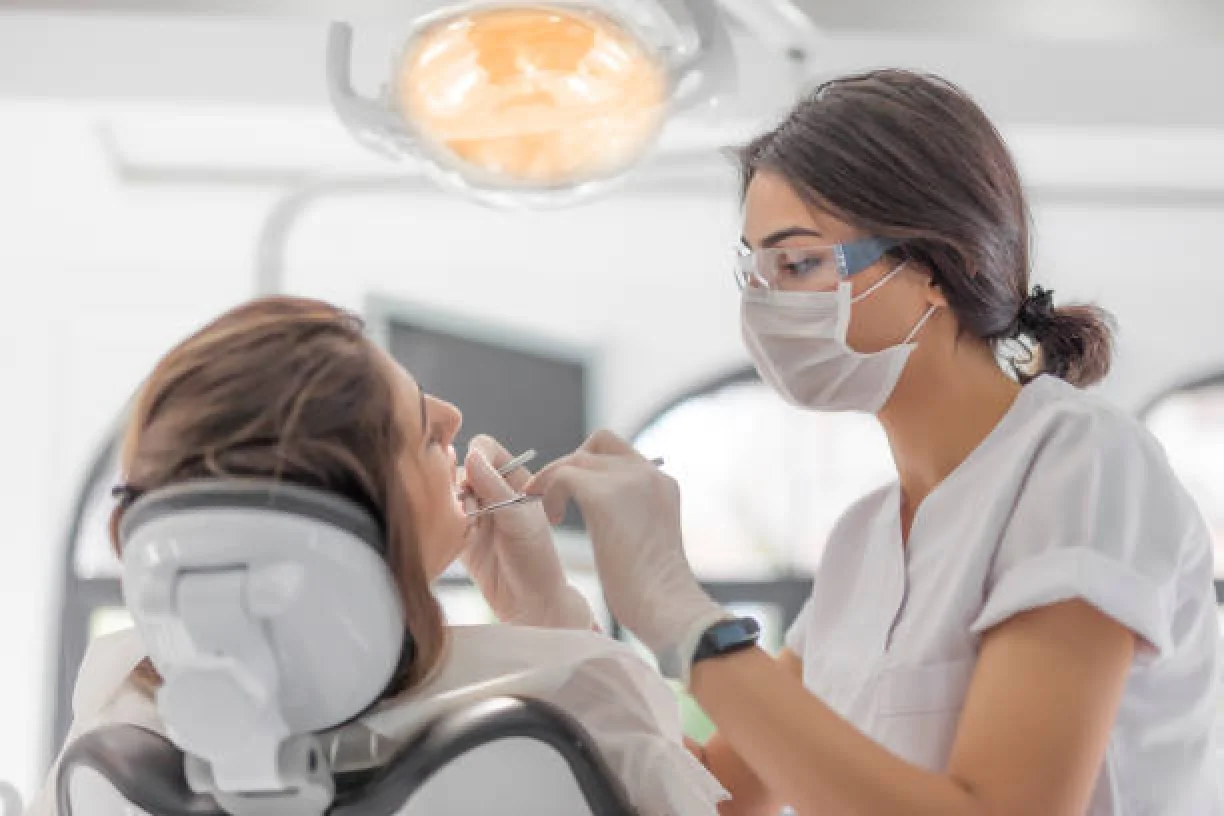
Wondering what a perfect smile can do for you? Regular orthodontist appointments could be the answer. But many people overlook these appointments.
Imagine a smile that lights up a room, leaving a lasting impression on others. That’s the power of healthy, straight teeth and the best orthodontists do just that.
Stick around as we delve into the benefits of routine visits to the orthodontist for your dental health. Ready? Let’s go!
Improved Oral Hygiene
When your teeth are crooked or misaligned, it can be challenging to clean them properly. This can lead to plaque buildup, which can eventually cause tooth decay and gum disease.
Regular orthodontic appointments can help correct these issues by straightening your teeth and aligning your bite. This makes it easier to brush and floss effectively, improving your overall oral hygiene.
Prevention of Dental Issues
Orthodontic treatments play a big role in preventing various dental issues. Misaligned teeth can cause abnormal wear on tooth enamel. This increases the risk of cavities and sensitive teeth.
Regular visits help to catch these problems early, saving you from extensive and costly treatments. Even the orthodontist assistant can guide you through these preventive measures.
This can help you maintain healthy teeth and gums, preventing more severe issues in the future.
Boosted Self-Confidence
A beautiful smile can do wonders for your self-confidence. When your teeth are straight and aligned correctly, you’ll feel more confident about showing them off.
This can lead to improved social interactions and even professional opportunities. By visiting the orthodontist office frequently, you can address any discomfort or concerns you have about your smile.
As a result, you’ll feel more confident and comfortable with your appearance.
Enhanced Aesthetic Appeal
Straight teeth can create a harmonious and balanced smile. An orthodontist can correct gaps and overcrowding, resulting in a neater appearance. It can also highlight your facial features, giving your face a more symmetrical look.
It can even make you appear more youthful! So to help you maintain these results, make sure to keep up with your orthodontist appointments.
Better Digestion
Properly aligned teeth help you chew food thoroughly. When food is chewed well, it breaks down into smaller pieces, making it easier for your stomach to digest.
Additionally, misaligned teeth can cause uneven chewing. This can lead to larger food particles being swallowed, which are harder for your stomach to process. This can result in digestive issues, such as indigestion and bloating.
Regular orthodontic treatment can help ensure that your teeth are properly aligned. This promotes better chewing and, consequently, improved digestion.
Personalized Dental Care
Personalized dental care means attention tailored to your unique needs. Each smile is different and an orthodontist will create special treatment plans just for you.
They will consider your dental history and current issues. This leads to more effective and efficient treatments. It also allows them to monitor your progress closely and make any necessary adjustments to your treatment plan.
However, achieving these benefits requires a commitment to your appointments and following the advice of your orthodontist. A dedicated professional, like this orthodontist in webster, New York, will work with you to ensure the best results possible.
Long-Term Savings with Regular Orthodontist Appointments
A regular orthodontist appointment offers numerous benefits for your dental health and overall well-being. Investing time in these meetings will save you from costly treatments in the future.
So don’t put off these appointments any longer! Reach out to a trusted orthodontist and start your journey towards a healthier, more confident smile today.
Interested in more content like this? Check out the rest of our blog now!
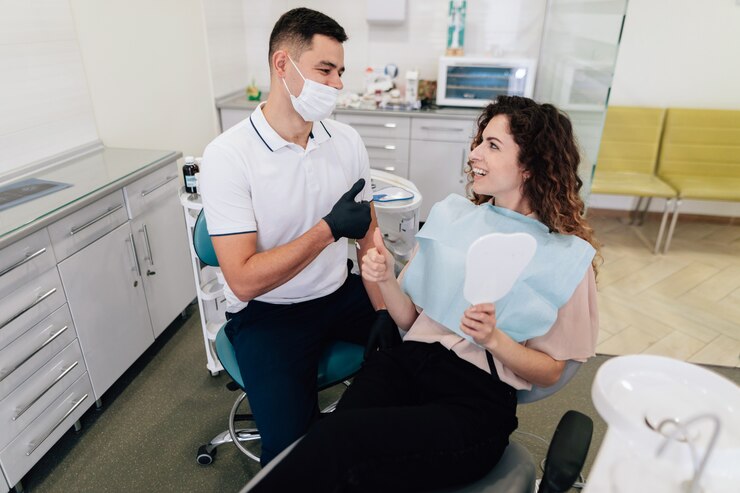
Dental care is a crucial aspect of overall health, involving the maintenance, diagnosis, treatment, and management of issues related to the oral cavity. A dentist plays a central role in ensuring the health of teeth, gums, and other structures within the mouth. We will explore the role of a dentist in Garland, TX, the types of dental services provided, the importance of regular dental visits, advancements in dental technology, preventive dental care, the connection between oral health and overall health, and how to choose a dental care provider.
The Role of a Dentist in Oral Health
Dentists are healthcare professionals trained to provide comprehensive care focused on the oral cavity, supporting structures, and the impact of oral health on the body. They perform various functions, from routine check-ups and cleanings to more complex procedures like root canals and oral surgery. Dentists also play a significant role in diagnosing conditions through physical exams and diagnostic imaging. They create tailored treatment plans to address individual needs and prevent future dental issues, emphasizing the importance of maintaining oral health and its effects on overall well-being.
Types of Dental Services
Dental services encompass a broad spectrum of treatments and procedures to maintain and restore oral health. These services include, but are not limited to, preventive services such as exams, X-rays, and cleanings designed to prevent disease. Restorative services repair damaged or decayed teeth; these include fillings, crowns, and bridges. Cosmetic procedures such as teeth whitening and veneers improve the appearance of the mouth and smile. Additionally, orthodontics, periodontics, and endodontics address specific oral health issues related to tooth alignment, gum diseases, and tooth pulp problems. Each service is vital for addressing the unique needs of patients at different stages of life.
Importance of Regular Dental Visits
Regular visits to the dentist are essential for maintaining oral health and catching potential issues before they develop into serious problems. Dentists recommend that individuals schedule visits at least twice yearly for cleanings and check-ups. These visits allow dentists to remove plaque build-up, a key factor in preventing tooth decay and gum disease. Regular check-ups also allow dentists to spot early signs of oral health issues such as cavities, early gum disease, and even some systemic conditions that manifest symptoms in the oral cavity, such as diabetes and certain heart diseases.
Advancements in Dental Technology
The field of dentistry has seen significant technological advancements that improve the efficiency, effectiveness, and comfort of dental treatments. Digital dentistry, including digital X-rays and 3D imaging, allows dentists to get a more detailed view of the oral cavity and plan treatments more effectively. Laser dentistry has made procedures less invasive, reducing discomfort and healing time. Innovations in materials used for fillings and prosthetics offer durability and aesthetics closer to natural teeth. These technological advancements enhance the patient experience and provide dentists with the tools to deliver higher-quality care.
Preventive Dental Care
Preventive care is a cornerstone of dental practice, focused on maintaining good oral hygiene and preventing disease before it occurs. This includes proper tooth brushing, flossing, and the use of mouthwashes that help reduce plaque and prevent tooth decay. Dentists also provide sealants and fluoride treatments, which offer additional protection against cavities, especially for children. Education on diet and its impact on oral health is also a crucial aspect of preventive care, as nutrition plays a significant role in the health of teeth and gums.
Connection Between Oral Health and Overall Health
Oral health is intrinsically linked to overall health. Conditions like gum disease have been associated with an increased risk of serious health issues, including heart disease, stroke, and poorly controlled diabetes. Infections within the mouth can also lead to systemic infections, affecting other body parts and overall health. Dentists, therefore, play a critical role in maintaining oral health and identifying and managing conditions that may have broader health implications.
Choosing a Dental Care Provider
Selecting a dental care provider involves considering several factors, including the range of services provided, the dentist’s qualifications and experience, and the quality of the clinic’s facilities. Accessibility, convenience, insurance, and payment options are also important. Personal comfort and trust in the dentist’s ability to communicate and respond to concerns should guide individuals in making a choice that ensures a long-term, successful partnership in managing their oral health.
Understanding the comprehensive scope of dental care and the critical role of dentists is essential for maintaining oral and overall health. By exploring the various aspects of dental services, recognizing the importance of advancements in dental technology, and acknowledging the connections between oral and general health, individuals can make informed decisions about their dental care needs. Regular visits and preventive care, facilitated by a trusted dental care provider, lay the foundation for a lifetime of healthy smiles and contribute significantly to overall well-being.




 HOME IMPROVEMENT1 year ago
The Do’s and Don’ts of Renting Rubbish Bins for Your Next Renovation
- BUSINESS1 year ago
Exploring the Benefits of Commercial Printing
- HOME IMPROVEMENT9 months ago
Get Your Grout to Gleam With These Easy-To-Follow Tips

 BUSINESS1 year ago
Brand Visibility with Imprint Now and Custom Poly Mailers
- TECHNOLOGY12 months ago
Dizipal 608: The Tech Revolution Redefined
- HEALTH9 months ago
Your Guide to Shedding Pounds in the Digital Age
- HEALTH9 months ago
The Surprising Benefits of Weight Loss Peptides You Need to Know
- LAW1 year ago
7 Key Questions to Ask When Hiring a Criminal Lawyer







