TRAVEL & TOURS
7 Unique Experiences to Elevate Your Cincinnati Trip

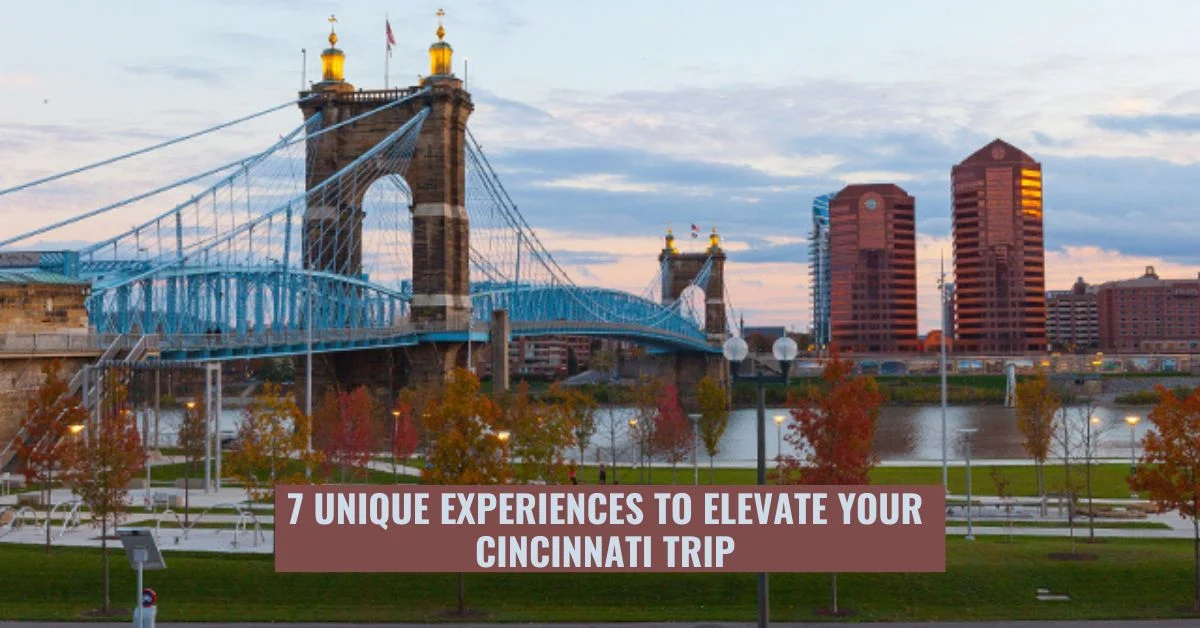
In the heart of the Midwest, Cincinnati, Ohio, holds a treasure trove of unique experiences ready to enrich any visitor’s trip. From the intriguing world of art tucked away beneath the city streets to the starlit heavens observed from a historic observatory, there are ample opportunities to experience the Queen City like never before.
Join us as we explore seven distinctively Cincinnati experiences that promise to elevate your journey, offering a taste of the city’s vibrant culture, rich history, and local flavors.
Exploring the Cincinnati Art Underground
Delving into the Cincinnati Art Underground offers an unparalleled opportunity to immerse oneself in the city’s vibrant and diverse art scene. This exploration is among the most intriguing things to do in Cincinnati, especially for those who desire freedom and a break from the mundane.
This unique experience is not just about appreciating aesthetics, but understanding the narratives and emotions passionately encapsulated by local artists. It’s a journey through time, exploring the city’s history and culture, transformed into tangible pieces of art. Despite being ‘underground’, the art scene in Cincinnati is far from hidden, one just needs the curiosity to look beyond the surface.
Visiting the Cincinnati Art Underground is more than a mere tourist activity; it’s an adventure that allows you to connect with the city on a deeper level. It’s about meeting the people, engaging in conversations, and embracing the local art culture. The art underground is where freedom of expression thrives, where creativity is embraced, and where every piece tells a story.
Dining at Local Hidden Gems
While the Cincinnati Art Underground feeds the soul, the city’s culinary scene, teeming with local hidden gems, promises to satiate the palate. Cincinnati boasts an eclectic mix of dining establishments that offer unique culinary experiences, appealing to both local residents and visitors in search of extraordinary gastronomic adventures.
One of these hidden gems is the family-owned, Sotto, tucked away in the heart of downtown Cincinnati. Known for its rustic Italian dishes, Sotto provides an intimate dining experience with its dimly lit ambiance and handcrafted pasta.
Another is the avant-garde Please in Over-the-Rhine, which serves a constantly changing menu based on locally sourced ingredients, tickling the taste buds with an array of avant-garde flavors and textures.
Lastly, no Cincinnati dining experience would be complete without a visit to Terry’s Turf Club, a quaint diner that serves some of the best burgers in town. Its neon-filled interior and quirky decor add to the charm and make it a standout among Cincinnati’s culinary hidden gems.
These unassuming establishments not only offer mouth-watering dishes but also a glimpse into Cincinnati’s vibrant culinary culture, making your trip truly unforgettable.
Roaming the Historic Over-the-Rhine District
After exploring Cincinnati’s culinary gems, a walk through the historic Over-the-Rhine District offers an enriching tour of the city’s architectural grandeur and rich cultural heritage. As one of the largest urban historic districts in the United States, Over-the-Rhine celebrates a unique blend of 19th-century German architecture and modern urban design. Revel in the freedom to roam the quaint cobblestone streets, where each corner reveals a story of the city’s past.
Discover the iconic Music Hall, a masterpiece of High Victorian Gothic architecture, standing as a testament to the city’s deep-rooted musical culture. Explore Findlay Market, Ohio’s oldest continuously operating public market, for a taste of local life. Art enthusiasts will appreciate the vibrant murals that adorn building facades, a colorful display of Cincinnati’s thriving arts scene.
A visit to Washington Park offers an oasis of calm amidst the city bustle. Year-round events, from outdoor concerts to seasonal festivals, foster an inviting community spirit.
In essence, delving into the Over-the-Rhine District presents an opportunity to soak in Cincinnati’s rich history while providing the freedom to create your own unique experience. It’s a step back in time and a leap into the city’s dynamic present.
Experiencing Cincinnati’s Craft Beer Scene
Moving from the historic streets of Over-the-Rhine, Cincinnati also offers an exciting journey into the world of craft beer, boasting a thriving scene that adds another layer to the city’s vibrant cultural tapestry. The city’s breweries are an eclectic mix of old and new, each with its unique blend of flavors and brewing techniques that caters to discerning palates and adventurous beer enthusiasts alike.
Breweries such as Rhinegeist, MadTree, and Taft’s Ale House have positioned Cincinnati as a craft beer haven, breathing life into the city’s industrial buildings with their innovative brews. Each brewery offers tours where visitors can delve into the art of beer-making, learn about its history, and of course, sample an array of craft beers.
Festivals like Cincinnati Beer Week and the Cincy Winter Beerfest further enrich the city’s beer culture, offering a platform for local brewers to showcase their creations while building a sense of community among beer lovers.
In a city filled with freedom and innovation, Cincinnati’s craft beer scene is an immersive experience that allows visitors to appreciate the city’s heritage while indulging in the pleasures of well-crafted brews. This is a taste of Cincinnati you wouldn’t want to miss.
Immersive Cincinnati Symphony Orchestra
Beyond the bustling breweries, the Cincinnati Symphony Orchestra offers an equally immersive cultural experience, with its stellar performances that resonate throughout the historic Music Hall. This orchestra, one of the oldest in the United States, provides a unique opportunity to appreciate the depth and diversity of classical music, performed by world-class musicians under the guidance of distinguished conductors.
The experience is not limited to the auditory scene; the grandeur of the orchestra’s home at Music Hall adds a visual treat to the evening. Built in 1878, this national historic landmark provides an elegant and intimate setting that amplifies the impact of each note played by the orchestra.
Whether you are a seasoned symphony-goer or a first-time attendee, the Cincinnati Symphony Orchestra offers a captivating journey through the world of music. The orchestra’s commitment to presenting a diverse range of works, including those from contemporary composers, ensures that each visit offers a fresh and exciting experience. It is indeed a destination that offers a break from the ordinary, embodying the freedom and creativity that the city of Cincinnati champions.
Navigating the Ohio River by Kayak
For those seeking a more adventurous exploration of Cincinnati, kayaking on the Ohio River offers an unrivaled perspective of the city’s stunning skyline and natural beauty. As you glide along the serene waterway, the urban landscape slowly unfolds, revealing architectural wonders like the John A. Roebling Suspension Bridge and the Paul Brown Stadium. The juxtaposition of nature’s tranquility and the city’s bustling energy creates an exciting harmony that is best experienced on a kayak.
Embark on a self-guided tour or join one of the group excursions organized by local outfitters, providing all necessary equipment and safety briefings. You can navigate the river at your own pace, taking in the sights and sounds of the city while enjoying the freedom of the open water. Opportunities for wildlife spotting abound, with chances to see a variety of birds, fish, and perhaps even a river otter or two.
This kayaking adventure is more than just a physical activity; it affirms the liberating spirit of travel, allowing you to break free from your routine and dive into a unique, immersive experience. It’s a journey that promises to elevate your Cincinnati trip, giving you unforgettable memories to cherish.
Stargazing at Cincinnati’s Observatory Center
Nestled in the heart of Cincinnati, the Observatory Center serves as a cosmic gateway, inviting visitors to explore the mysteries of the universe through its impressive telescopes. This historic establishment, dating back to 1842, has long been a beacon for astronomers and stargazers alike, offering a unique perspective on the cosmos that transcends the confines of the city’s urban sprawl.
The Observatory Center is not simply a place to gaze at distant galaxies, but a sanctuary of knowledge and discovery. Here, freedom seekers can liberate their minds from earthly concerns and immerse themselves in the grandeur of the cosmos. It offers a range of programs and events designed to engage the public in astronomy, from classes and workshops to special presentations and stargazing parties.
The center’s dedicated staff and volunteers are passionate about bringing the wonders of the universe to life for their guests. Their expertise and enthusiasm make each visit an enlightening experience, whether you’re a seasoned astronomer or a curious novice. With its blend of historical charm and scientific intrigue, the Observatory Center provides an unforgettable addition to any Cincinnati trip.
Conclusion
In conclusion, Cincinnati offers a multitude of unique things to do Cincinnati that transcend traditional tourism. The city’s vibrant art scene, hidden dining gems, historic districts, craft beer culture, symphony orchestra, outdoor activities, and space observatory provide a rich tapestry of cultural and recreational opportunities.
These experiences not only enrich the traveler’s journey but also offer a deeper understanding and appreciation of Cincinnati’s diverse heritage and contemporary lifestyle.

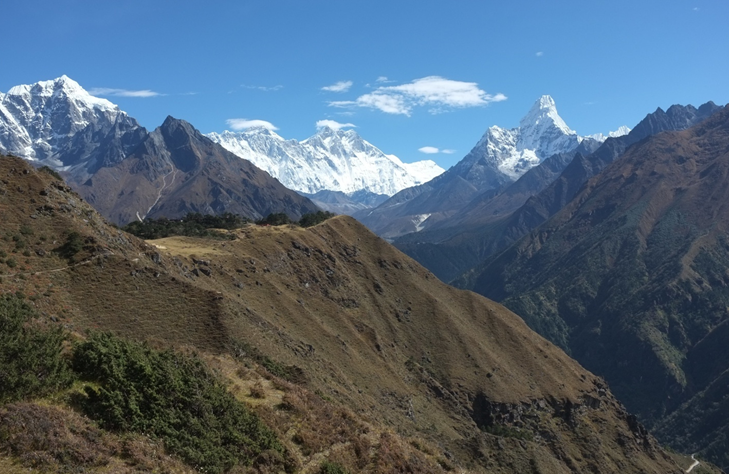
Placed with a few of the tall peaks of the Himalayas, Everest Base Camp is a lovely vacation spot for adventurers and nature explorers. For many folks, this adventure can be a once-in-a-lifetime experience – not simply to get the breathtaking mountain scenery of the mountains but also to explore more about the mountain lifestyle.
When it comes to reaching Everest Base Camp, trekkers ought to determine whether or not to choose the classic route or alternative much less traveled routes. Each route has its charms and challenges, which incorporate different tastes and abilities.
Comparing Classic Routes vs. Alternative Routes to Everest Base Camp
Eventually, the traditional classic route leading up to the small mountain city of Lukla and on to cute Sherpa villages like Namche Bazaar, home to colorful prayer flags that hang in the thin mountain air, Tengboche Monastery, an impressive, silent testimony of Sherpa spirituality.
The main attraction of this route is the climb to Kalapatthar, with panoramic vistas of Everest and nearby mountains covered with the golden light of the sun. However, this classic route comprises lots of hurdles. The altitude is difficult, requiring careful acclimatization to avoid altitude sickness. In addition, it comes with congested roads and limited accommodation.
However, the alternative, for example, the Gokyo Lake Walk, represents a high level of trekking enjoyment. Passes through the pristine terrain around Lake Gokyo and cross the Renzo La Pass to experience calmness and solitude in the majestic Himalayas.
As shown above, the alternative routes are not without challenges – long days of walking and more remote routes, often without the facility of proper tea houses. Whether you select the classic route or the alternative one to Everest Base Camp, the trek could be a memorable revel in, loaded with top-notch moments and unforgettable experiences.
Classic Route: The Everest Base Camp Trek via Lukla
The most popular way to get to Everest Base Camp, through the town of Lukla, is a legendary route that offers the hiker a journey through the most beautiful places on the planet. Below we will describe in detail what the hiker “encounters” along this classic route.
Major Highlights of Classic Route to Everest Base Camp
1. Flights from Kathmandu to Lukla:
The adventure starts with a flight from Kathmandu to Lukla. The small airport ahead of the Lukla is situated at the edge of a cliff. The short scenic trip provides you with fantastic views of the Himalayas and clear views of Mount Everest. Landing at Lukla is an enjoyment in itself, as the runway is considered one of the most dangerous ones in the world.
2. Entry Point into the Khumbu:
The trek into the Khumbu area, starting from Lukla at the base of some of the highest peaks in this part of the world. While walking, one would be listening to the sound of rivers flowing and surrounded by junipers, pines, and rhododendrons.
3. Namche Bazaar:
After some days of trekking, we reach Namche Bazaar; which serves as the capital of the Khumbu district. It looks like you’ve arrived at the center point of this location with the market hub, old-fashioned tea houses, and a wide-ranging view of Everest in addition to the nearby mountains.
4. Acclimatization:
This high-altitude town is an ideal place to get adapted to thin air before one starts climbing above this place. You can use this opportunity to explore around or even hike up to places such as Everest View Hotel or Khumjung Village so that you will enjoy fantastic mountain views and acclimatize further.
5. Tengboche Monastery:
The tour then heads towards Tengboche, which is famous for its beautiful monastery. This monastery is of great importance in this area. Tengboche Monastery is located on top of a hill with a clear view of Everest from all angles so there is calm meditation and contemplation.
6. Climbing Kala Patthar:
The main activity of the trek is the climb of Kala Patthar, the panoramic view of Everest Base Camp, and the summit of Kalapatthar. You will be rewarded with nearby peaks like Everest, and Lhotse, and enjoy the stunning Nuptse.
7. Everest Base Camp:
This trek ends at Everest Base Camp, a camping station at the foot of the highest mountain for trekkers who stand in front of Everest and are surrounded by massive glaciers and explore extraordinary awesomeness.
The Lukla to Everest Base Camp trek isn’t only a physical challenge—it’s also a cultural and religious adventure in the Himalayas that leaves an unforgettable memory for a lifetime.
Challenges you may face in classic routes to Everest Base Camp:
1. Altitude:
Trekking to Everest base camp through Lukla demands high altitude, the peak altitude on the Kala Pathar is 5,643 meters (18,514 ft). Climate is critical to protect yourself from the symptoms of altitude sickness.
2. Crowds:
The mode of travel is preferred by travel enthusiasts, especially during peak times, which has resulted in crowded roads, crowded tea houses, and a few shelters that have been an alternative in hard times.
3. Climate change:
Himalayan climates can be extremely erratic, with clear to moderate temperatures, unpredictable snowfall, and strong winds. Rapidly changing factors can make trek difficult to see and handle road conditions, especially at high altitudes.
4. Physical Activity:
Trekking to Everest Base Camp is a strenuous exercise. The trek takes hours over rough terrain and steep hills. Hikers should therefore be in excellent physical condition and be prepared for several consecutive days of exertion at high altitudes.
5. Health risks:
First Aid is important because clinical centers are not accessible and tourists may also face other fitness concerns such as becoming unwell at high elevations, which include dehydration, digestive problems, rock falls, and injuries. During catastrophic contamination, hikers must also get insurance coverage that consists of emergency assistance.
Alternative Route: The Everest Base Camp Trek Via Gokyo Lakes Trek
The Gokyo Lake Trail provides an exciting alternative to Everest Base Camp and offers trekkers a very unique and less traveled route through the breathtaking landscapes of the Everest region. Below we will describe in detail what the hiker “encounters” along this route.
Major Highlights of Alternative Routes to Everest Base Camp
1. Starting Points in Lukla:
Like the traditional route, the Gokyo Lake Trek starts with a scenic flight from Kathmandu to Lukla, giving the trekkers an awe-inspiring aerial view of the Himalayas before landing at Lukla airport.
2. Diverging Path:
From Lukla, the Namche Bazaar just like the classic route, trekkers on the Gokyo Lakes Trek get to the Dudh Koshi Valley, setting the background for a distinctive adventure altogether.
3. Magnificent forests and villages:
The route takes you through dense forests of rhododendrons and pine trees, followed by Sherpa villages including Fakding and Monjo. Along the way, travelers are welcomed and admire the places like prayer flags in the wind and the soothing music of mountain streams.
4. Getting around Namche Bazaar:
Like the traditional guide, the Gokyo Lake Trek includes some flexibility in Namche Bazaar. Travelers can explore colorful markets, visit the Sherpa Museum, and take in the breathtaking views of Everest and nearby mountains.
5. Climb Gokyo Lakes:
The highlight of the trip is Gokyo Lake, a series of silent snow lakes situated in the high Himalayas. Travelers climb to Gokyo Village, where they can be amazed at scenic views and the tranquility of the lake.
6. Crossing the Renzo La Pass:
This trek involves a steep climb through the Renzo La Pass, offering spectacular views of Everest, Cho Oyu, Makalu, and various Himalayan giants. The pass serves as an exciting high point of the trek, with awesome views of the surrounding mountains.
7. Gokyo Ri Summit:
Similar to Kala Patthar on the classic route, trekkers on the Gokyo Lakes Trek can ascend Gokyo Ri, a nearby hill imparting beautiful views of Everest and the encircling Himalayan panorama. The dawn view from Gokyo Ri is a spell-binding view you should never miss.
8. Return Journey:
After immersing in the local beauty of Gokyo Lake, hikers return to Lukla, along with unforgettable experiences on their journey as they pass through villages and even in familiar lands.
The Gokyo Lake Trek is an exciting opportunity for the alternative Everest Base Camp route, offering trekkers the chance to explore remote peaks, pristine lakes, and spectacular mountain views away from the crowds promising solitude, peace, and awe in the glory of the Himalayas.
Challenges you may face in alternative routes to Everest Base Camp:
1. Long walk:
The Gokyo Lake walk is longer and requires more days of walking compared to the old classic route through Lukala which requires good physical fitness and stamina.
2. Remote Terrain:
Parts of the Lake Gokyo trekking route cross remote and rugged terrain, where facilities including tea houses and hospitality may be prohibited.
3. Difficult hiking:
While the trails to Everest Base Camp are often well-marked, hiking can still be impossible, especially in critical weather or in areas where the trail is less well-defined. A map is required, GPS devices or guidebooks are the basic navigational weapons for travelers.
4. Increased Costs:
Trekking to Everest Base Camp, by traditional or other means, can be expensive due to the overall cost of the trek which includes permit fees, travel expenses, accommodation, food, luggage, and hiring guides or porters. Having the right budget and planning can help minimize the financial challenges of travel.
5. Environmental Impact:
The rise in popularity of trekking to Everest Base Camp has raised concerns about its environmental impact on the fragile Himalayan ecosystem. Overcrowding, improper waste disposal, and deforestation can degrade the surroundings and harm nearby flora and fauna.
Trekkers must adhere to Leave No Trace standards, reduce their carbon footprint, and support sustainable tourism practices to mitigate their impact on the area’s delicate atmosphere.
Choosing the Right Route for You: Classic Vs Alternative Route to Everest Base Camp
If you decide to trek to Everest Base Camp, it is important to pack your essentials, consider your physical abilities, and have enough food for the trek. The classic route through Lukla and the alternative route through the Gokyo Lake trek offer unique experiences, each with incredible, awesome, inspiring views and challenges.
The classic Lukla route is the most traveled and is famous for its breathtaking scenery and densely populated Sherpa villages. If you’re looking for a Everest base camp trek with ultimate luxury, chohose the classic route, and have breathtaking views of the region’s largest mountain, this route could be a good fit.
The adventure starts with an interesting flight from Kathmandu to Lukla, setting the adventure full of scenic vistas, colorful markets in Namche Bazaar, and non-secular moments at Tengboche Monastery. Ascending to Kala Patthar gives a panorama view of Everest and its surrounding Himalayas, making it adventurous.
Conversely, if you choose an extra serene and amazing path, the Gokyo Lakes Trek offers a charming opportunity. This route highlights the magnificence of the Himalayas, presenting calm lakes, remote valleys, and few humans. The adventure to Gokyo Village and its surrounding lakes gives a peaceful view from the hustle and bustle of more well-known trails.
Crossing Renjo La Pass rewards trekkers with panoramic vistas that rival the ones of Kala Patthar, offering unique scenes on the Himalayan landscape. After all, whether you opt for the classic route or the Gokyo Lake, each promises memories of Everest and unforgettable sights.
Each route has challenging conditions, from the heights they change to remote land treks, but the rewards are far beyond limits. Planning a trek to Everest Base Camp is not the ideal physical journey but a transformative pleasure that leaves an indelible mark on your soul.
The Final Wrap Up
It doesn’t matter at all whether you choose the classic route through Lukla or the alternative Gokyo Lakes Trek to reach Everest Base Camp. Each route heading to Everest Base Camp provides an awesome hiking trail for trekkers.
The classic route offers appealing views like Namche Bazaar and Kalapattar but can get crowded at some point during the best seasons, while the Gokyo Lake Hike gives serene and less-crowded views but requires lots of days of trekking and sightseeing.
Ultimately, Trekking depends on your choices, your fitness level, and your choice of travel. If you are looking for a basic Everest experience with Sherpa villages and panoramic views, the classic route will be perfect for you. But if you prefer a silent trek in pristine lakes and valleys, the Gokyo Lake Treks offers a fun adventure.
Whichever direction you pick out, a trip to Everest Base Camp is an entire life journey full of brilliant moments and unforgettable memories. So, get geared up with your boots, face the adverse situations, and head directly to the top of the world.


Planning a trip to Desert Safari Dubai in June 2024? June in Dubai marks the onset of the summer season, bringing intense heat and clear skies. Here’s a detailed weather forecast for June 2024 to ensure you’re well-prepared for your desert safari experience.
Typical Weather Conditions in June
June is one of the hottest months in Dubai, characterized by high temperatures and minimal rainfall.
Here’s what you can typically expect:
Temperatures Daytime: Temperatures in June can soar, with daytime highs typically ranging between 38°C (100°F) and 45°C (113°F).
Nighttime: Evenings and nights remain warm, with temperatures usually between 28°C (82°F) and 33°C (91°F). While it’s cooler than the daytime, it’s still relatively warm, making it essential to choose appropriate clothing.
Humidity Levels: Humidity in June varies but generally stays around 50-60%.
Rainfall
Precipitation: Rain is rare in June, with virtually no rainfall expected. The dry conditions make it ideal for outdoor activities, ensuring clear skies and uninterrupted adventures.
Wind
Winds: Mild to moderate winds are typical, providing some relief from the intense heat. However, occasional sandstorms can occur, so it’s wise to be prepared.
Preparing for Your Desert Safari
Given the harsh weather conditions in June, it’s crucial to plan and prepare adequately for your desert safari.
Light and Breathable:
Wear light, breathable fabrics like cotton or linen to stay cool. Loose-fitting clothes are ideal as they allow for better air circulation.
Sun Protection:
Long sleeves and pants can also shield your skin from direct sunlight. Footwear: Choose comfortable, closed-toe shoes suitable for walking on sand. Avoid flip-flops as they can make navigating the dunes challenging. Hydration
Keep Yourself Hydrated:
Drink lots of water on a regular basis to prevent dehydration. Drinks that replace electrolytes can also be advantageous. Steer Clear of Alcohol: It’s advisable to stay away from alcohol throughout your desert safari because it can cause dehydration. Time of Day
Morning and Evening Tours:
Opt for early morning or late afternoon tours when temperatures are relatively cooler. Midday safaris can be extremely hot and less comfortable. Duration: Shorter tours are advisable in June to minimize exposure to the extreme heat.
Safety Precautions
Sun Protection: Use sunscreen generously and reapply if needed. Seek shade whenever possible. Health Precautions: If you have any health conditions that could be exacerbated by heat, consult with a medical professional before planning your trip. Enjoying the Desert Safari Experience Despite the heat, a desert safari in Dubai offers unique experiences that make it worthwhile.
Conclusion
In Desert Safari, June 2024, For those who are brave and able to withstand the heat, Dubai guarantees hot and dry weather. You can have an unforgettable desert safari trip if you take the necessary safety steps and prepare ahead. Make sensible travel plans, drink enough water, and take in the breathtaking and thrilling scenery of Dubai’s desert terrain.
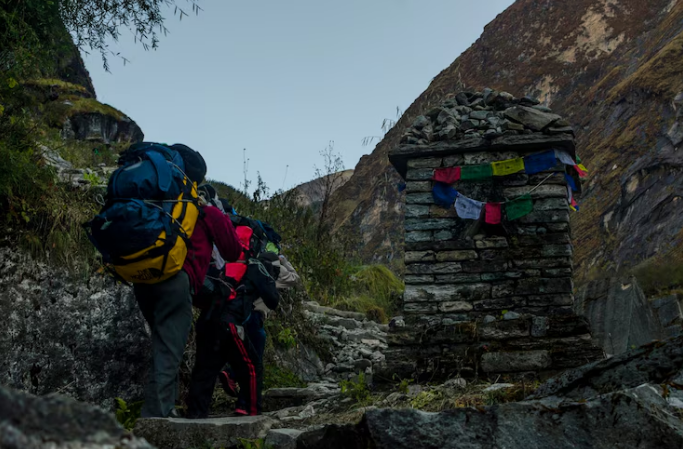
Embark on the adventure of a lifetime with a trek to Everest Base Camp (EBC), a journey that promises stunning landscapes, cultural immersion, and a sense of accomplishment as you stand in the shadow of the world’s highest peak. In this comprehensive guide, we will take you through everything you need to know to plan and prepare for the iconic Everest Base Camp trek, from choosing the right itinerary to acclimatization strategies and essential gear recommendations.
Choosing Your Route:
There are several routes to Everest Base Camp, but the most popular and classic route starts from Lukla and passes through Namche Bazaar, Tengboche, Dingboche, Lobuche, and Gorak Shep before reaching Base Camp. This route offers a perfect balance of scenic beauty, cultural experiences, and gradual acclimatization to the high altitude.
Acclimatization and Altitude:
One of the key challenges of the Short Everest Base Camp trek is acclimatizing to the high altitude to prevent altitude sickness. It is essential to take it slow, stay hydrated, and listen to your body. Acclimatization days in Namche Bazaar and Dingboche allow your body to adjust to the thin air and reduce the risk of altitude-related illnesses.
Permits and Regulations:
Before embarking on the Everest Base Camp trek, you will need to obtain the necessary permits. The Sagarmatha National Park Permit and the Khumbu Pasang Lhamu Rural Municipality Entry Permit are required for entry into the Everest region. Make sure to have these permits with you at all times during the trek.
packing Lists for Everest Base Camp Trek
Packing for the Everest Base Camp with Gokyo Lake Trek requires careful consideration of the varying terrain, weather conditions, and altitude challenges you will encounter along the way. Here’s a comprehensive packing list to ensure you have everything you need for a successful and comfortable trek:
Clothing:
1. Moisture-wicking base layers (tops and bottoms)
2. Insulating mid-layers (fleece jackets, down jackets)
3. Waterproof and windproof outer shell jacket and pants
4. Trekking pants/shorts
5. Thermal underwear
6. Long-sleeve and short-sleeve trekking shirts
7. Warm hat and gloves
8. Buff or scarf for neck protection
9. Hiking socks (wool or synthetic blend)
10. Comfortable hiking boots with good ankle support
11. Camp shoes or sandals for relaxing in the evenings
Gear and Equipment:
1. Backpack (35-40 liters)
2. Sleeping bag (rated for cold temperatures)
3. Sleeping pad or inflatable mattress
4. Trekking poles for stability and support
5. Headlamp or flashlight with extra batteries
6. Sunglasses with UV protection
7. Personal first aid kit with essential medications
8. Water purification tablets or filter
9. Reusable water bottle or hydration system
10. Durable duffel bag for porters to carry your gear
Accessories:
1. Sunscreen (high SPF)
2. Lip balm with SPF
3. Insect repellent
4. Toiletries (toothbrush, toothpaste, biodegradable soap, hand sanitizer)
5. Quick-dry towel
6. Trekking map and guidebook
7. Notebook and pen
8. Camera or smartphone for capturing memories
9. Power bank for recharging electronic devices
10. Portable oxygen canister (optional, for high altitude)
Miscellaneous:
1. Passport and necessary permits
2. Cash (local currency) for snacks, drinks, and tipping
3. Snacks and energy bars for the trail
4. Lightweight daypack for short excursions
5. Travel insurance documents
6. Emergency contact information
7. Lightweight and compact toiletry kit
8. Pack cover or waterproof bags for protecting gear from rain
Remember to pack light and only bring essential items to keep your backpack manageable during the trek. Layering your clothing is key to staying comfortable in changing weather conditions, and be prepared for cold temperatures at higher altitudes. With this packing list, you’ll be well-equipped for the Everest Base Camp with Gokyo Lake Trek and ready to take on the adventure of a lifetime.
Training and Fitness:
While the Everest Base Camp trek is achievable for most hikers with a good level of fitness, it is important to prepare physically and mentally for the challenges of trekking at high altitudes. Cardiovascular exercises, strength training, and hiking with a weighted backpack are excellent ways to build endurance and prepare for the trek.
Cultural Experiences:
One of the highlights of the Everest Base Camp trek is the opportunity to immerse yourself in the rich Sherpa culture of the Khumbu region. Visit monasteries, interact with locals, and learn about the traditions and way of life of the Sherpa people, who call this rugged terrain their home.
Safety Tips:
Safety should always be a top priority during the Everest Base Camp trek. Stay hydrated, protect yourself from the sun with sunscreen and sunglasses, and listen to your guide’s advice on acclimatization and altitude sickness. In case of an emergency, know the evacuation procedures and have travel insurance that covers high-altitude trekking.
Conclusion:
Trekking to Everest Base Camp is a bucket-list adventure that offers a perfect blend of natural beauty, cultural immersion, and personal achievement. With proper planning, preparation, and a positive attitude, you can conquer the challenges of the trek and create memories that will last a lifetime. So lace up your boots, breathe in the fresh mountain air, and get ready for an unforgettable journey to the roof of the world.




 HOME IMPROVEMENT1 year ago
The Do’s and Don’ts of Renting Rubbish Bins for Your Next Renovation
- BUSINESS1 year ago
Exploring the Benefits of Commercial Printing

 BUSINESS1 year ago
Brand Visibility with Imprint Now and Custom Poly Mailers
- HOME IMPROVEMENT9 months ago
Get Your Grout to Gleam With These Easy-To-Follow Tips
- TECHNOLOGY11 months ago
Dizipal 608: The Tech Revolution Redefined
- HEALTH9 months ago
Your Guide to Shedding Pounds in the Digital Age
- HEALTH9 months ago
The Surprising Benefits of Weight Loss Peptides You Need to Know

 HEALTH12 months ago
Happy Hippo Kratom Reviews: Read Before You Buy!