TRAVEL & TOURS
8 Challenges in Maritime Crew Management and How to Overcome Them


Managing a maritime crew is no small feat—it’s a high-stakes balancing act involving logistics, compliance, and human resource management, often amid unpredictable conditions. From ensuring proper training and certification to addressing the mental well-being of crew members isolated at sea, the challenges are as vast as the ocean itself. Moreover, with evolving regulations and technological advancements reshaping the maritime industry, crew management demands constant adaptability.
This article dives into the eight most pressing challenges faced in maritime crew management today, from recruitment woes to retention struggles, and explores practical strategies to overcome them. Whether you’re a shipowner, manager, or industry professional, understanding and tackling these issues is key to ensuring smooth operations and the well-being of your crew. Let’s dive in.
Recruitment Challenges
The maritime industry faces a talent shortage, with fewer young professionals entering the field. Recruitment is further complicated by the need for highly skilled workers with specific qualifications, such as STCW certifications. To address this, shipowners must adopt innovative hiring strategies, such as promoting the benefits of maritime careers and partnering with training institutions.
Retention is equally crucial—offering competitive salaries, career development opportunities, and fostering a positive work environment can improve loyalty. You can streamline the recruitment process, ensuring that potential hires meet all regulatory requirements while simplifying candidate screening and onboarding procedures, ultimately saving time and resources.
Crew Scheduling and Fatigue Management
Improper crew scheduling and excessive workloads can lead to fatigue, increasing the risk of accidents and errors. Fatigue management should be a top priority, with schedules designed to align with maritime labor conventions and ensure sufficient rest periods. For instance, crew management software can play a crucial role in optimizing schedules, and reducing administrative burdens while minimizing overlaps and gaps in shifts. The software can automatically track work-rest cycles, ensuring compliance with regulations and providing real-time insights into crew availability and fatigue levels.
Additionally, you can find software that can integrate with other systems, offering a comprehensive view of operational needs, which helps streamline resource allocation and improve overall safety and efficiency on board. By leveraging technology, maritime companies can create a more balanced and sustainable working environment for their crews.
Ensuring Compliance with Complex Maritime Regulations
Adhering to international regulations, such as SOLAS and MARPOL, can be overwhelming, especially with frequent updates. Non-compliance risks hefty fines and reputational damage. Effective crew management requires staying up-to-date with changing regulations and ensuring crew certifications remain valid. Compliance can be simplified by using digital tools to track certifications, licenses, and mandatory training schedules.
Managers should also conduct regular audits and provide ongoing compliance training to mitigate risks. Collaborating with industry associations and regulatory bodies ensures timely updates on changes, fostering a proactive approach to compliance.
Managing Multicultural Crews
Maritime crews often consist of individuals from diverse cultural and linguistic backgrounds. While this diversity is valuable, it can lead to misunderstandings and communication barriers. Clear communication is vital for safety and operational efficiency. Providing language training and cultural sensitivity workshops can bridge gaps and promote teamwork.
Establishing common operational protocols and fostering an inclusive culture ensures smoother interactions. Celebrating cultural diversity through onboard events or team-building activities can further strengthen crew morale and unity. Leadership plays a critical role in setting the tone for inclusivity and respect, which are crucial for a harmonious work environment.
Mental Health and Well-Being
Life at sea can be isolating, with long periods away from family and friends. Mental health challenges such as anxiety, depression, and loneliness are common among maritime workers. Employers should prioritize mental health support by providing access to counseling services, mental health training, and peer support programs. Regular communication with family members through onboard internet access also helps alleviate feelings of isolation.
Promoting a healthy work-life balance and organizing recreational activities onboard can improve crew morale. Training managers to recognize signs of mental distress ensures timely interventions, fostering a supportive and understanding workplace culture.
Adapting to Technological Advancements
The maritime industry is rapidly adopting advanced technologies, from automation to predictive maintenance tools. While these innovations enhance efficiency, they also require crews to upskill. Resistance to change and lack of adequate training can hinder smooth integration. Providing hands-on training and certification for new technologies is essential.
Shipowners should involve crew members in the technology adoption process, seeking their feedback and ensuring tools are user-friendly. Continuous education programs and partnerships with tech providers can keep crews updated on evolving trends, ensuring seamless operations while enhancing job satisfaction and career development.
Succession Planning
The maritime industry is grappling with an aging workforce, with many experienced seafarers nearing retirement. Succession planning is crucial to ensure knowledge transfer and operational continuity. Organizations must invest in mentorship programs, pairing seasoned crew members with younger recruits to bridge the skill gap. Providing clear career progression paths and leadership development opportunities can motivate younger professionals to stay in the industry.
Collaborating with maritime academies to attract and train talent is another effective approach. By fostering a culture of learning and growth, companies can build a resilient workforce equipped to navigate the evolving challenges of the maritime sector.
Crisis Management
Handling emergencies, such as equipment failures, extreme weather, or medical crises, requires well-trained and prepared crews. Crisis management plans should be clearly outlined and regularly practiced through drills and simulations. Ensuring that crew members are familiar with safety protocols and have access to emergency equipment is paramount.
Continuous training in areas like first aid, firefighting, and evacuation procedures builds confidence and readiness. Effective communication during crises, both onboard and with shore-based teams, is essential to minimize risks and ensure swift resolutions. Regularly reviewing and updating contingency plans keeps crews prepared for unforeseen challenges, safeguarding lives and assets.

Effective maritime crew management is essential for the safety, efficiency, and well-being of both the crew and the vessel. By addressing key challenges such as recruitment, compliance, communication, mental health, and scheduling, companies can build a resilient, motivated workforce ready to tackle the complexities of modern maritime operations. Embracing technology, investing in training, and prioritizing crew welfare are crucial steps in overcoming these hurdles. With the right strategies in place, maritime managers can navigate the industry’s challenges and create a positive, productive environment that fosters long-term success for both crew members and organizations alike.



Umrah is one of the main acts of Islam. It’s a flexible opportunity for Muslims to seek blessings from Allah SWT. Everyone, from children to older Muslims, desires to perform Umrah. You don’t have to worry about when you can make the Umrah journey into Makkah. Here, we will provide the best and most thorough guidance on how to perform Umrah.
Making an Umrah trip to Makkah refers to performing a religious act or duty. By involving in some specific rituals, you will complete Umrah.
This is how you can make Umrah: If we delve into making Umrahs, we should ensure how to perform it and attain the right Umrah 2024 Package.
The process of performing it is not very long, just including these simple steps:
Entering into Ihram
Ihram is a first condition for performing Umrah. One must ensure this before conducting onward rituals. But how will you assume the state of Ihram? Ihram can be worn at any Meeqat point, specifically serving as a place to consider this condition.
This unique dress code isn’t the same for both genders, but its significance is the same for both. Males should wear two white sheets known as ‘Izar’ and ‘Rida’. The condition of the two white sheets isn’t for women; they can wear routine life dresses, including an Abaya (optional). Remember that Ihram is not just an attire; this condition also serves as a state of purity.
Making intention for Umrah
The intention is Niyyah, which is what you make to do a specific act. In the case of a pilgrimage, you must have proper intentions. Although your purpose and Niyyah are conducting a religious pilgrimage when you depart, making it through verbal words will be better and recommended. Please declare your Niyyah with a sincere heart and mind.
Performing Tawaf
Tawaf, a second ritual, is a compulsory step to make Umrahs. You will perform Tawaf around the Holy Kaaba seven times in an anticlockwise direction. A healthy and physically fit pilgrim can do it within 49 to 60 minutes, but it may take one and a half hours for others.
Sa’ee or Sa’i
Do you know what Sa’ee is? Well, this is the most significant ritual of Umrahs. Sometimes, it’s also considered to be the third important step. This crucial step is added in honour of Hajirah (A.S), the wife of Prophet Ibrahim (A.S), who was walking/running between the hills of Safa and Marwah in search of water. Hence, pilgrims will also conduct this ritual between these significant hills.
Qasr – hair cutting or shaving
You can also call this Halq and Taqsir. This is the final step of your Umrahs performance, and it will mark the completion of the pilgrimage. Halq, particularly for men, means shaving. On the other hand, Taqsir is for women to trim their hair shortly, usually equal to the fingertip.
That’s all about making Umrah inside Masjid al-Haram in Makkah. However, there are also some other factors that you should consider.
Make preparations such as reserving your Package for Umrah travel. Alternative preparations include getting physically, mentally, and spiritually ready for undertaking rituals.
Getting vaccinated against any severe disease and having an authorized health certificate. In advance, perform some respected spiritual practices, such as seeking forgiveness from Allah SWT, offering prayers, learning duas and supplications, etc.
Budget your trip realistically, considering all the logistics and selecting the Affordable Umrahs Package that can impact finances during the journey. It would be best to exchange the currency for SAR (Saudi Arabian Riyal).
Prepare a checklist of Umrah essentials. See below:
| Item name | Note/description |
| Ihram attire | Pack it to perform all the rituals. |
| Travel documents | Include all the required travel documents such as visa, passport, travel vouchers, etc. |
| Comfortable footwear | Need to walk in the holy cities! |
| Hygiene items | Toiletries such as brushes, shampoo, soaps, etc. |
| Medications | As usual medications such as pain killers, kit, etc. |
| Currency | Carry enough currency to utilize within your itinerary. |
| Electronics | Such as, mobile phone, charger, earphones, etc. |
| Small backpack | To carry small essential items. |
| Umrah guide | Need the knowledge about Umrah, isn’t that? |
| Sun protection items | Sunscreen, umbrella, sunglasses, hat, etc. |
| Contact list | Ensure to have important contact numbers. |
Getting Finalize This guide for making Umrah will significantly help you when you arrange a trip there. So, choose the best plan for you. Also, keep an eye on the Ministry’s new updates and decisions so you can do Umrah with satisfaction. May you have most of your Umrah!
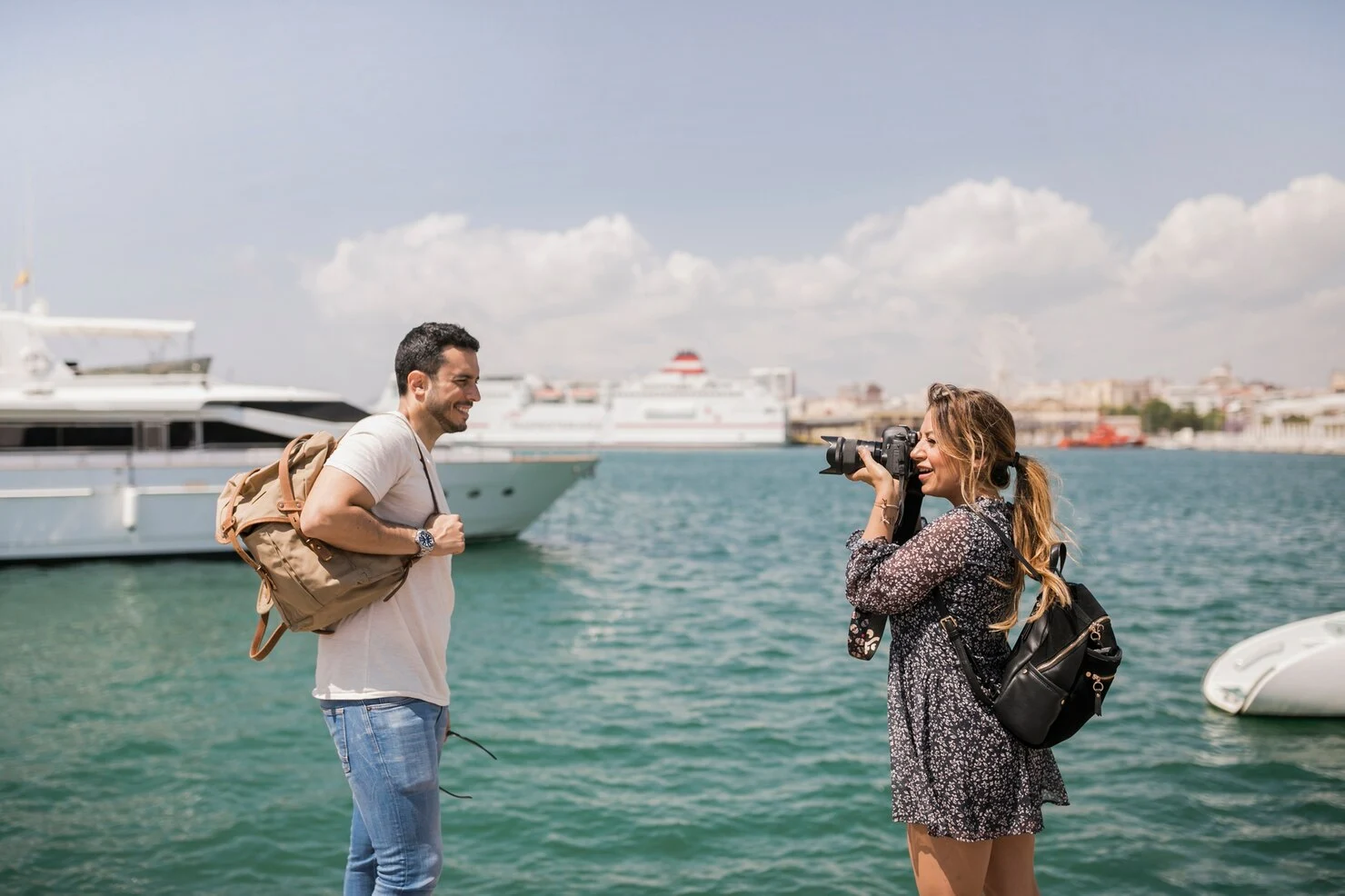
Miami, a city known for its vibrant culture, beautiful beaches, and stunning skyline, is the perfect playground for those seeking luxury and adventure.
And what better way to experience the magic of Miami than aboard a mega yacht?
From glamorous parties to secluded coves, mega yacht rental Miami opens up a world of possibilities for exploration and relaxation.
In this guide, we’ll take you through some of the best routes and destinations to explore when renting a mega yacht rental in Miami.
Cruising Along the Miami Coastline
One of the most popular routes for mega yacht rentals in Miami is cruising along the city’s picturesque coastline.
Start your journey in the heart of Miami Beach and set sail along the crystal-clear waters of Biscayne Bay. Admire the iconic skyline as you pass by towering skyscrapers and luxurious waterfront mansions.
As you make your way south, be sure to cruise past famous landmarks like Fisher Island, Star Island, and the Venetian Islands. These exclusive enclaves are home to some of Miami’s most lavish properties, offering a glimpse into the lifestyles of the rich and famous.
For a truly unforgettable experience, time your cruise to coincide with sunset and watch as the sky explodes with vibrant hues of orange, pink, and purple. There’s no better way to end a day of luxury than by sipping champagne on the deck of your mega yacht as the sun dips below the horizon.
Island-Hopping in the Florida Keys
For those seeking a more adventurous itinerary, a trip to the Florida Keys is a must-do when renting a mega yacht in Miami.
Just a short cruise south of the city lies a string of tropical islands renowned for their pristine beaches, crystal-clear waters, and vibrant marine life.
Begin your journey in Key Largo, the self-proclaimed “Dive Capital of the World,” and explore the stunning coral reefs and underwater ecosystems that lie just offshore. Then, set sail for Islamorada, known as the “Sportfishing Capital of the World,” and try your hand at reeling in the catch of the day.
Continue your island-hopping adventure as you make your way down the Overseas Highway, stopping at picturesque destinations like Marathon, Big Pine Key, and Key West along the way.
Whether you’re snorkeling in crystal-clear waters, lounging on sandy beaches, or sampling fresh seafood at waterfront restaurants, the Florida Keys offer endless opportunities for adventure and relaxation.
Discovering the Bahamas
For those looking to venture further afield, renting a mega yacht in Miami opens up the possibility of exploring the stunning islands of the Bahamas.
Just a short cruise across the Gulf Stream lies a tropical paradise renowned for its pristine beaches, turquoise waters, and laid-back atmosphere.
Begin your journey in Bimini, the closest Bahamian island to Miami, and explore its beautiful beaches, vibrant coral reefs, and rich cultural heritage. Then, set sail for the Exumas, a chain of 365 islands and cays known for their secluded anchorages, world-class diving spots, and swimming pigs.
Continue your island-hopping adventure as you make your way to Nassau, the bustling capital of the Bahamas, and explore its vibrant markets, historic landmarks, and lively nightlife scene.
Whether you’re snorkeling with tropical fish, swimming with dolphins, or simply soaking up the sun on a pristine beach, a trip to the Bahamas is sure to be an experience you’ll never forget.
Navigating the Intracoastal Waterway
For those seeking a more leisurely experience, renting a mega yacht in Miami offers the opportunity to explore the city’s intricate network of waterways known as the Intracoastal Waterway.
Stretching from Maine to Florida, this inland passage offers a scenic and tranquil alternative to ocean cruising.
Set sail from Miami Beach Marina and meander along the Intracoastal Waterway, passing by lush mangrove forests, waterfront mansions, and charming coastal towns. Look for wildlife, including dolphins, manatees, and a variety of bird species that call this unique ecosystem home.
Stop off at waterfront restaurants and bars to sample delicious seafood and refreshing cocktails, or drop anchor in secluded coves to swim, snorkel, and paddleboard in peace and privacy.
Whether you’re cruising past million-dollar homes or exploring hidden gems off the beaten path, navigating the Intracoastal Waterway is sure to be an unforgettable experience.
Final Words
Renting a mega yacht in Miami opens up a world of possibilities for exploration and adventure.
Whether you’re cruising along the city’s coastline, island-hopping in the Florida Keys, exploring the Bahamas, or navigating the Intracoastal Waterway, there’s something for everyone to enjoy when exploring Miami’s waterways aboard a luxury yacht.
So why wait? Start planning your dream yacht charter today and experience the magic of Miami in style!

Travel is not just about the places you visit; it’s about the experiences that stay with you long after you return home. Every journey offers an opportunity to create unforgettable memories, whether through the beauty of a sunset, the thrill of an adventure, or the warmth of new friendships.
Nestled in the United States, the Smoky Mountains epitomize the kind of destination that can transform ordinary trips into extraordinary stories. With its sweeping vistas, rich history, and vibrant local culture, this region invites travelers to immerse themselves fully in its unique charm.
Exploring the Smoky Mountains and their surroundings is about more than just taking in the stunning natural scenery; it’s about experiencing a way of life that is both deeply rooted in tradition and invitingly new. From the majestic heights of the mountain peaks to the cozy and culturally rich Gatlinburg chalets, every corner offers something special.
As you plan your trip, consider how each element—from local cuisine to spontaneous adventures, can contribute to a travel experience that is as rich and varied as the landscapes you’ll traverse.
Let’s explore how you can make each moment of your journey truly unforgettable.
Explore Unique Attractions with Local Flavor
When traveling to Tennessee, the Smoky Mountains not only showcase stunning scenery but also a host of attractions that offer a glimpse into local life. Staying in a Gatlinburg chalet is an excellent way to immerse yourself in this regional charm. Ideal for both romantic escapes and family gatherings, these chalets blend comfort with luxury.
You can choose from cozy honeymoon cabins to larger lodges equipped with modern amenities like high-speed internet, hot tubs, and game rooms with pool tables and arcades. Some even include home theaters. During the summer months, facilities expand to include access to swimming pools and tennis courts.
Alpine Chalet Rentals, a family-run business with over twenty years in the industry, provides these properties at affordable prices. Known for their commitment to customer service, they offer a seamless rental experience that allows guests to fully enjoy the beauty of the Smoky Mountains and explore its many attractions. Their chalets and cabins in both Pigeon Forge and Gatlinburg serve as a perfect base for visiting the diverse Smoky Mountain attractions, ensuring a comfortable stay with the comforts of home.
Capture Moments with Photography
Travel photography goes beyond simply capturing images. It’s about preserving the essence of a destination and the moments that make your trip unique. To make your travel photos stand out, focus on details that convey the story of your journey: the early morning mist over the Smokies, the vibrant colors of a local market, or the serene sunset from the balcony of your room. Remember, the best camera is the one you have with you; even smartphone photos can become cherished memories if taken with care and creativity.
Try the Local Cuisine
One of the most direct paths to a culture’s heart is through its food. In every region, certain flavors and dishes are not just food but a narrative of history and tradition. When traveling, venture out of the tourist spots and dine where the locals do. This might mean enjoying a barbecue in a small-town American eatery or savoring fresh seafood by a seaside shack. Each meal can offer insights into the local way of life and add an authentic taste to your travel experiences.
Engage with Locals
Engaging with locals can enrich your travel experience exponentially. Conversations with local residents can offer insights no guidebook can. They can tell you about hidden gems and the best local eateries and perhaps share stories that give you a deeper understanding of their culture and traditions. Whether it’s through a shared meal, a guided tour, or a casual chat at a local cafe, these interactions often leave lasting impressions and create meaningful connections.
Collect Souvenirs
Souvenirs are tangible memories, little pieces of a place that you can bring back home. Instead of opting for typical tourist trinkets, look for items that truly represent the local culture. Handcrafted goods, local art, or a book by a regional author can serve as meaningful reminders of your journey. By purchasing from local artisans and small businesses, you not only acquire a unique memento but also support the local economy, making your souvenir all the more special.
Plan a Mix of Activities
Creating an unforgettable travel experience often involves striking a balance between relaxation and adventure. Start by outlining a few must-see attractions or must-do activities, then leave room for spontaneous adventures. Incorporating a variety of activities caters to different interests and energy levels within your travel group and keeps everyone engaged throughout the trip.
Use Technology Wisely
In today’s digital age, technology can enhance your travel experience if used smartly. Apps can help navigate new cities, translate languages instantly, and uncover hidden gems suggested by locals. However, it’s crucial not to let screens dominate your travel experience. Use technology as a tool to facilitate exploration rather than a barrier that keeps you from fully engaging with your surroundings. For instance, using a map app to find a recommended local diner is great, but don’t forget to put the phone away to enjoy the meal and the company.
Keep a Travel Journal
Documenting your travel experiences in a journal helps preserve memories in a way that photos alone cannot. Writing down what you see, hear, and feel adds depth to your recollections and provides a personal account that you can look back on. It doesn’t have to be elaborate; simple notes or bullet points about your daily activities, the people you met, or how certain experiences made you feel can make for a meaningful journal. This practice not only enhances your memory of the trip but also serves as a wonderful keepsake that captures the spirit of your travels.
Respect Local Customs and Traditions
Being a responsible traveler means respecting the cultural norms and traditions of the places you visit. This respect shows not only in observing local customs but also in how you interact with the environment and the people. Simple gestures like learning a few phrases in the local language, dressing appropriately, and showing openness to local traditions can greatly enhance your interactions and acceptance in a new community.
Be Spontaneous
While planning is important, sometimes the most memorable parts of a trip are the unplanned ones. Allow yourself the flexibility to explore a random street that catches your eye or join a local festival that you stumbled upon. These spontaneous decisions often lead to the most authentic travel experiences and can provide a deeper sense of adventure and discovery. Embrace the unexpected, as it often brings joy and stories worth retelling.
Conclusion
Traveling is more than just visiting new places; it’s about creating memories that last a lifetime. By exploring unique attractions with a local flavor, capturing moments through photography, trying local cuisine, engaging with locals, collecting meaningful souvenirs, and balancing planned activities with spontaneous adventures, you truly enrich your travel experience. Additionally, using technology wisely, keeping a travel journal, respecting local customs, and embracing spontaneity help you connect deeply with both the place and its people.




 HOME IMPROVEMENT1 year ago
The Do’s and Don’ts of Renting Rubbish Bins for Your Next Renovation
- BUSINESS1 year ago
Exploring the Benefits of Commercial Printing
- HOME IMPROVEMENT10 months ago
Get Your Grout to Gleam With These Easy-To-Follow Tips

 HEALTH10 months ago
The Surprising Benefits of Weight Loss Peptides You Need to Know
- TECHNOLOGY1 year ago
Dizipal 608: The Tech Revolution Redefined
- BUSINESS1 year ago
Brand Visibility with Imprint Now and Custom Poly Mailers
- HEALTH10 months ago
Your Guide to Shedding Pounds in the Digital Age

 HEALTH1 year ago
Happy Hippo Kratom Reviews: Read Before You Buy!