
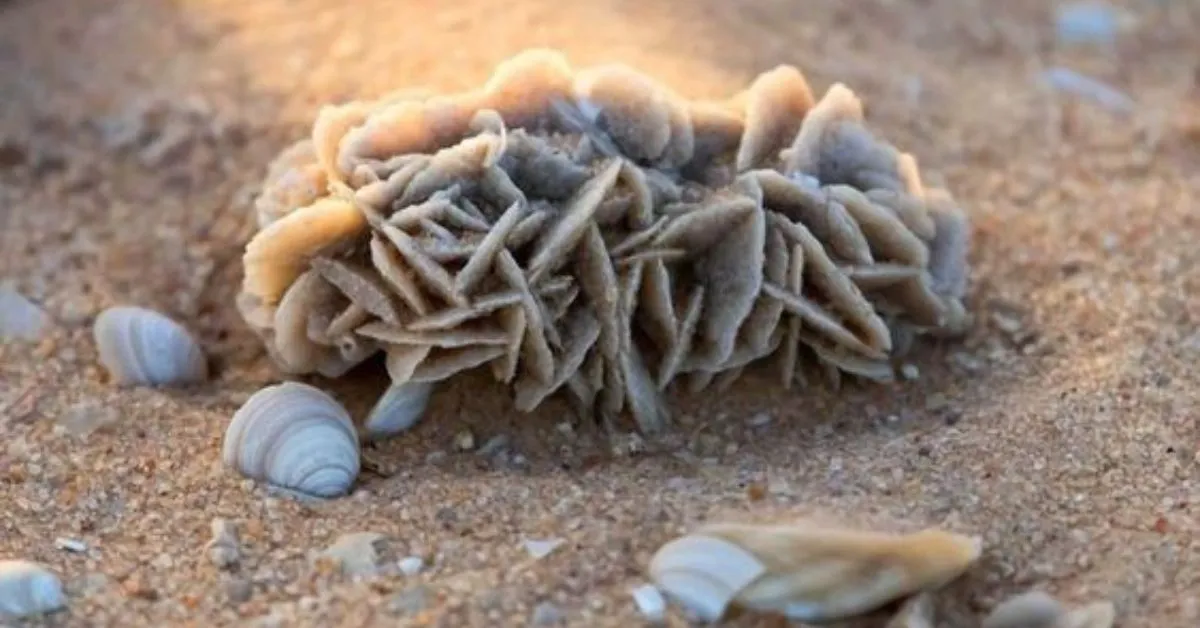
Welcome, fellow adventurers, to a realm where nature’s artistry is on full display! Today, we embark on an exhilarating expedition deep into the heart of the Sahara Desert Rose – a captivating masterpiece crafted by Mother Earth herself. As we peel back the layers of this mystical wonder, prepare to be spellbound by its enchanting allure and untold secrets. From its mesmerizing formations to its ancient tales whispered in the desert winds, join us as we unveil the mysteries of this beguiling natural phenomenon. So fasten your seatbelts and open your minds – for a journey like no other awaits us amidst the shifting sands of time.
Introduction to the Sahara Desert Rose
The Sahara Desert Rose is a stunning natural formation that has captivated explorers, scientists, and artists for centuries. This intricate and delicate structure can be found in the heart of the world’s largest desert – the Sahara.
Also known as “sand roses” or “rose rocks”, these unique formations are made up of interlocking gypsum crystals that resemble flower petals. They range in size from a few centimeters to several meters and can weigh up to hundreds of pounds. The name “Sahara Desert Rose” comes from their rose-like appearance and their location in the Sahara.
These mesmerizing creations have sparked wonder and curiosity among those who have encountered them. They are often associated with magic and mysticism, believed to possess healing powers and bring good luck to those who find them. In some cultures, they are used as talismans or decorative pieces.
Geologists believe that the formation process of these desert roses starts with dry desert winds eroding gypsum sands into small crystals. Over time, calcium sulfate-rich groundwater seeps into these crystals, causing them to grow larger and eventually form distinct shapes resembling flowers or roses.
One of the most fascinating aspects of Sahara Desert Roses is their fragility. Despite their sturdy appearance, they are incredibly fragile due to the softness of the gypsum crystals. It is essential not to touch or move them as they can easily crumble into dust.
These beautiful formations can be found in various regions across the Sahara Desert, including Algeria, Tunisia, Morocco, Mauritania, and Egypt. They are also found in other deserts around the world, such as the Arabian Desert and the Chihuahuan Desert.
In addition to their aesthetic value, Sahara Desert Roses also hold scientific significance. Their formation can provide insight into past climatic conditions and geological processes of the area.
In recent years, due to increasing tourism and illegal trade, these delicate formations have faced threats of destruction. It is important to appreciate these natural wonders responsibly and leave them undisturbed for future generations to enjoy.
Whether you are a geology enthusiast or simply awestruck by nature’s beauty, encountering a Sahara Desert Rose is an unforgettable experience that will leave you in awe of the world’s natural wonders.
History and Origin of the Sahara Desert Rose
The Sahara Desert Rose, also known as the desert rose, sand rose, or gypsum rose, is a unique and fascinating natural wonder found in the arid regions of North Africa. Its distinct appearance has captured the imaginations of people for centuries, making it a popular subject for folklore and legends.
The history and origin of the Sahara Desert Rose can be traced back to millions of years ago when the area now known as the Sahara Desert was once covered by an ocean. As this ocean gradually dried up due to climate changes, it left behind large deposits of salt and other minerals on its surface.
Over time, wind erosion caused these mineral deposits to form into sand dunes. These dunes then became exposed to extreme heat and dryness, which led to the evaporation of any remaining water. The process of evaporation caused minerals like gypsum (calcium sulfate) and barite (barium sulfate) to crystallize and form intricate layers within the sand dunes.
As more layers formed over thousands of years, each layer would push against one another due to increasing pressure from above. This pressure would cause cracks to form on the surface, allowing for air pockets to develop within these layers.
Eventually, these air pockets would become filled with water droplets that seeped through from underground sources or were carried by winds. As these droplets evaporated under high temperatures, they left behind delicate crystals that grew and fused together over time.
This gradual process of crystal formation eventually led to the creation of the distinctive and intricate desert rose formations found in the Sahara Desert today.
Cultural Significance
The Sahara Desert Rose has been a part of local folklore and legends for centuries. In some cultures, it is believed that these formations were created by the tears of gods or spirits, while others believe they were formed by dragons or serpents buried beneath the sands.
In Islamic culture, desert roses are seen as symbols of prosperity and good luck. They are often used as talismans to ward off evil spirits and bring blessings to homes and businesses.
The desert rose is also an important part of traditional medicine in many African cultures. It is believed to have healing properties and is used to treat various ailments such as skin conditions, respiratory issues, and digestive problems.
Today, Sahara Desert Roses are popular collectibles among tourists visiting North Africa. They are often sold as souvenirs or used in home decor due to their unique appearance.
Formation Process of the Sahara Desert Rose
The Sahara Desert Rose is a truly unique and mesmerizing natural formation found in the arid regions of the Sahara desert. Its intricate and delicate structure, resembling a flower frozen in time, has captivated the imagination of many for centuries. But how exactly did this masterpiece come to be? In this section, we will delve into the fascinating formation process of the Sahara Desert Rose.
The Formation Process:
The Sahara Desert Rose is formed through a combination of geological processes that occur over millions of years. It all begins with saltwater seeping into underground bedrock formations, bringing along minerals such as gypsum and barite. As these minerals dissolve in water, they form a saturated solution that is forced upwards towards the surface by pressure from underlying rock layers.
As this solution reaches the surface, it comes into contact with air and begins to evaporate due to the extreme heat and dryness of the desert environment. The evaporation causes the dissolved minerals to crystallize and form large flat discs known as “desert roses”. These discs can range from a few inches to several feet across, depending on factors such as water availability and duration of exposure to wind erosion.
Wind Erosion:
While evaporation plays a crucial role in forming desert roses, it is wind erosion that gives them their distinct shape and delicate features. Over time, strong winds blowing through the desert sand erode away at these crystal discs, creating intricate patterns and ridges on their surfaces. This continuous process results in unique shapes that resemble blooming flowers, hence the name “Sahara Desert Rose”.
The Role of Geology:
The geological characteristics of the Sahara desert also contribute to the formation of desert roses. The region is primarily composed of sandstone and limestone, which are soft and easily eroded by wind and water. This makes it easier for the crystals to form and be shaped into delicate structures.
In addition, the dry and arid climate of the Sahara allows for minimal moisture retention in the soil, making it easier for minerals to dissolve and form crystals. This, combined with constant exposure to wind erosion, creates the perfect conditions for the formation of desert roses.
Human Influence:
While natural processes are primarily responsible for forming desert roses, human activities have also played a role in their formation. In some cases, mining operations have exposed underground saltwater deposits, allowing minerals to come into contact with air and form desert roses at a faster rate than natural processes would allow.
Characteristics and Features of the Sahara Desert Rose
Characteristics of Sahara Desert Rose:
Appearance: The Sahara Desert Rose, also known as the Sand Rose or the Desert Rose, is a unique and stunning mineral formation found in the Sahara desert region. It is made up of intersecting blades of gypsum crystals that have been naturally carved into the shape of a rose.
Size: These formations can vary in size ranging from a few centimeters to several meters in diameter. The larger ones are usually found deeper in the desert where there is less wind erosion.
Color: The color of Sahara Desert Roses can range from white, beige, pink, or reddish-brown depending on the amount of iron oxide present in the sand and water during their formation.
Texture: One notable characteristic of these formations is their smooth and silky texture which makes them soft to touch. This unique texture is due to their composition mainly being gypsum (calcium sulfate) with traces of sand particles.
Fragility: While they may look sturdy, Sahara Desert Roses are actually quite fragile and can easily break if not handled carefully. They are delicate structures that take millions of years to form and must be treated with care and respect.
Features of Sahara Desert Rose:
Formation Process: Sahara Desert Roses are formed by a process called “desertification” which occurs when minerals dissolved in groundwater come into contact with dry air at the surface causing them to precipitate out and form crystals over time.
Location: These beautiful formations can be found in various countries across the Sahara desert region including Algeria, Tunisia, Egypt, Libya, and Morocco. They are typically found in dry and arid areas with low levels of precipitation.
Symbolism: Sahara Desert Roses have been used as a symbol of love and unity in some cultures, representing the beauty that can arise from harsh and unforgiving environments. In other cultures, they are believed to bring good luck and protect against negative energy.
Uses: The delicate nature of Sahara Desert Roses makes them popular among collectors and they are often used as decorative items or paperweights. In some cases, they are also crushed into powder form for use in cosmetics or as a polishing agent.
Preservation efforts: Due to their fragile nature and increasing popularity among tourists, there have been efforts to protect these formations from damage and theft. Some locations have implemented regulations for visitors to ensure the preservation of these natural wonders for future generations to enjoy.
Uses and Significance of the Sahara Desert Rose
The Sahara Desert Rose is a stunning natural formation that has captivated people for centuries. Its unique appearance and mysterious origins have made it not only a beautiful display of nature but also a subject of curiosity and wonder. In this section, we will explore the uses and significance of the Sahara Desert Rose, shedding light on why it continues to be a beloved natural masterpiece.
Uses:
- Decorative Purposes:
One of the most common uses of the Sahara Desert Rose is as a decorative piece. Its intricate crystal structure and vibrant colors make it a perfect addition to any home or office space. Many people use it as a centerpiece, placing it in glass jars or bowls to showcase its beauty. It can also be used as a paperweight or desk ornament, adding an elegant touch to any workspace. - Healing Properties:
In many cultures, the Sahara Desert Rose is believed to possess healing properties. It is said to promote physical, emotional, and spiritual well-being by balancing one’s energy and clearing negative thoughts and emotions. Some people even use it in meditation practices to enhance their focus and connect with their inner selves. - Spiritual Significance:
The Sahara Desert Rose holds great spiritual significance in various cultures around the world. In Native American traditions, it is considered sacred and believed to bring good luck and protection from evil spirits. In some Middle Eastern countries, it is seen as a symbol of love and unity between two individuals or families.
Significance:
- Geological Wonder:
From a geological perspective, the Sahara Desert Rose is a remarkable natural phenomenon. It is formed when sand particles become cemented together by minerals such as gypsum, barite, or celestine. The intricate patterns and shapes of these crystals are a result of shifting desert sands and water evaporation in the extreme conditions of the Sahara Desert. - Cultural Icon:
The Sahara Desert Rose has been a part of human culture for centuries. It is often featured in art, literature, and architecture, showcasing its significance and influence on different civilizations throughout history. In some cultures, it is believed to hold mystical powers and is used in traditional rituals and ceremonies. - Symbol of Resilience:
The Sahara Desert Rose thrives in one of the harshest environments on Earth, making it a symbol of resilience and survival against all odds. Its ability to form and endure in extreme conditions serves as an inspiration to many people facing challenges in their lives.
How to Spot and Identify a Genuine Sahara Desert Rose
The Sahara Desert Rose, also known as the desert rose or sand rose, is a unique and fascinating natural formation found in the arid regions of deserts all over the world. These beautiful and intricate structures are formed by the combination of minerals such as gypsum or barite and sand grains under specific environmental conditions. While they may seem like ordinary rocks at first glance, certain key characteristics distinguish a genuine Sahara Desert Rose from imitations.
Here are some tips on how to spot and identify a genuine Sahara Desert Rose:
Look for Natural Patterns:
One of the most distinct features of a genuine Sahara Desert Rose is its intricate and delicate patterns. These patterns are created by the crystal growth within the mineral structure and give each rose its unique appearance. The lines and swirls formed by these crystals should look natural and not too perfect or symmetrical.
Check for Weight:
A genuine Sahara Desert Rose should feel light in weight, despite its solid appearance. This is because it is made up mostly of air pockets between the crystals, giving it a hollow feel when held in hand.
Examine Texture:
The texture of a real Sahara Desert Rose should be rough but smooth to touch. It should not have any sharp edges or rough surfaces that could indicate it has been tampered with.
Observe Coloration:
The color of a true Sahara Desert Rose can vary from pale beige to reddish-brown depending on the type of minerals present in it. However, it should not have any artificial colors or dyes added to it.
Look for a Sturdy Base:
A genuine Sahara Desert Rose will have a sturdy base that allows it to stand upright without toppling over. The base should be solid and well-formed, with no cracks or chips.
Check for Authenticity Marks:
Some manufacturers may stamp their Sahara Desert Roses with authenticity marks, such as the country of origin or a logo. These marks can help verify the authenticity of the rose.
Conservation Efforts for the Sahara Desert Rose
The Sahara Desert Rose, also known as “Adenium obesum”, is a unique and delicate plant that requires special attention and conservation efforts to ensure its survival. As it is native to the harsh conditions of the Sahara desert, this exquisite flower has adapted to withstand extreme heat, drought, and limited resources. However, due to various factors such as climate change, overharvesting, and habitat destruction, the population of Sahara Desert Roses has been declining.
To address this issue and preserve this natural masterpiece for future generations to enjoy, numerous conservation efforts have been put in place by organizations and individuals alike.
Protected Areas:
One of the most effective ways to conserve the Sahara Desert Rose is by establishing protected areas where these plants can thrive without human interference. In Morocco, for example, the Souss-Massa National Park has been designated as a protected area specifically for preserving Adenium obesum plants. This not only safeguards their habitat but also prevents illegal harvesting of these flowers.
Sustainable Harvesting:
With an increase in demand for Sahara Desert Roses in horticulture and landscaping industries, there has been a rise in unsustainable harvesting practices that threaten their survival in their natural habitats. To combat this issue, many organizations are promoting sustainable harvesting techniques that do not harm the plants or their surroundings. These include using sharp tools for pruning instead of pulling out entire roots or stems and only collecting seeds from mature plants rather than uprooting young ones.
Reforestation:
In areas where the Sahara Desert Rose has been overharvested or destroyed due to human activities, efforts are being made to replant these plants back into their natural habitats. This not only helps in preserving the species but also restores the balance of the ecosystem and provides a source of income for local communities through sustainable harvesting practices.
Education and Awareness:
Many organizations and individuals are working towards raising awareness about the importance of conserving the Sahara Desert Rose and its unique habitat. Educational programs, workshops, and campaigns are being held to educate people on sustainable harvesting practices, threats to the species, and ways they can contribute to its conservation.
Research and Monitoring:
To better understand the ecology, biology, and threats facing the Sahara Desert Rose, various research projects have been undertaken by scientists and conservationists. This information is crucial in implementing effective conservation strategies and monitoring the population of these plants in their natural habitats.
Conclusion
As we come to the end of this journey into the mysteries of Sahara Desert Rose, one thing is clear: nature truly holds some of the most beautiful and awe-inspiring creations. From its unique formation process to its mystical properties, this gemstone continues to captivate us with its beauty and mystery. We hope that through this exploration, you have gained a deeper understanding and appreciation for this natural masterpiece. So why not add a piece of Sahara Desert Rose to your collection and carry a piece of nature’s wonder with you?
ALSO READ: MASTERING THE ART OF EFFICIENCY: SLOW IS SMOOTH SMOOTH IS FAST