BUSINESS
How To Fix Broken Gold Chains with Simple Steps

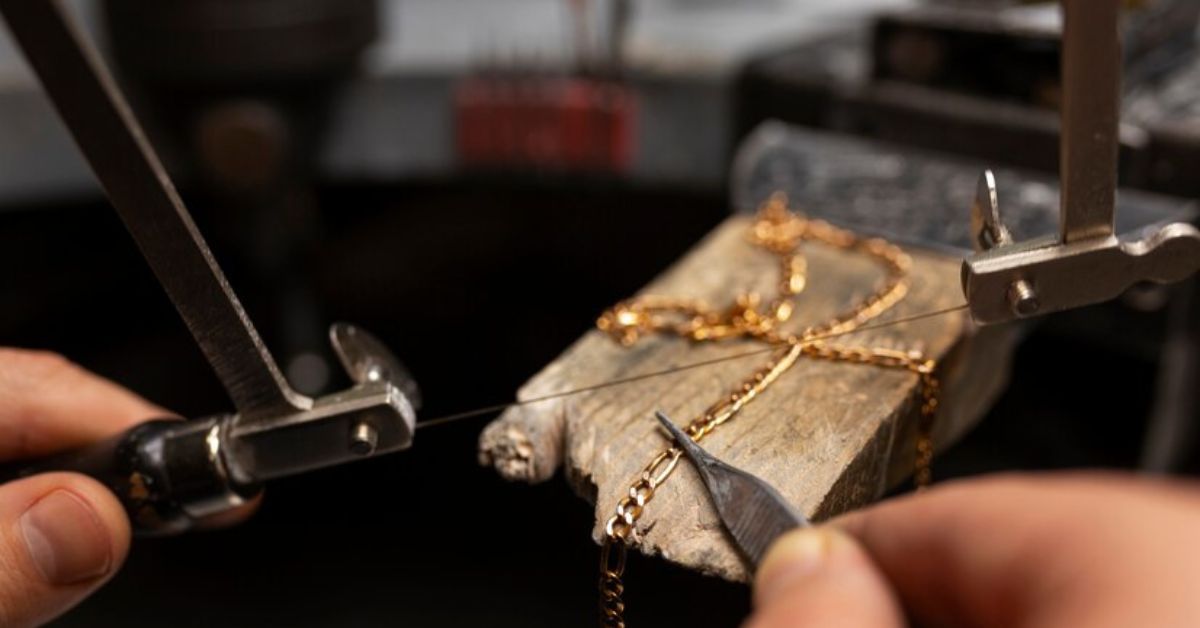
Gold chains carry good memories of the love and success of the owner. That’s why they are very precious. People care for their gold chains and intend to use them forever. But gold is not as tough as it seems. Often, it breaks.
Several reasons may be at play, causing gold to wear. But none of them matters when your chain is already broken. To bring back your precious jewelry to its older form, you have to find a way to fix it. But how to fix broken gold chains?
There are a few simple methods that you can perform to regain your chain. However, it will require your full attention. Because focusing on the details is crucial for the efficacy of the procedure.
Reattaching the Links of A Broken Gold Chain
One simpler method for fixing a broken gold chain is reattaching the ends. This process does not require specialized tools or equipment, making it a viable option for those who prefer a DIY approach.
Gathering the Necessary Tools
To reattach broken links, you’ll need the following items:
- Needle-nose pliers
- Flat-nose pliers
These versatile tools will allow you to grasp, manipulate, and secure the chain ends during the reattachment process.
The Reattachment Process
Here are the easiest steps to reattach a broken chain:
- Gently open the broken link using the needle-nose pliers. Be careful not to deform or damage the remaining links.
- Remove the broken link and set it aside.
- Align the two ends of the chain and use the flat-nose pliers to open a new jump ring carefully.
- Slip the chain ends into the open jump ring and close it securely using the pliers.
- Check the repaired area to ensure the chain is smooth and the links are properly aligned.
This straightforward process can be an effective solution for chains with easily accessible break points. However, for more complex or soldered chains, a professional jeweler may be required to ensure a proper and long-lasting repair.
Soldering Broken Chains
When a gold chain has more substantial damage, such as a cracked or completely severed link, soldering becomes the go-to repair method. This technique is particularly useful for repairing high-quality chains like a 14k gold Cuban link chain, where maintaining the original appearance and strength is crucial.
Gathering the Necessary Tools
To solder a broken gold chain, you’ll need the following items:
- Soldering iron
- Soldering flux
- Solder wire
- Ceramic soldering board or heat-resistant surface
- Wire cutters
It’s important to ensure that you have all the necessary tools and materials before beginning the soldering process.
The Soldering Process
Below are the steps to efficiently solder a broker chain:
- Use the wire cutters to remove the damaged link or links from the chain.
- Thoroughly clean the chain ends to be soldered, removing any dirt, oils, or debris that could interfere with the soldering process.
- Apply a small amount of soldering flux to the chain ends, which will help the solder adhere properly.
- Heat the chain ends with the soldering iron, being careful to maintain a consistent and controlled temperature.
- When the metal is hot enough, carefully apply the solder wire to the joint, allowing it to melt and flow between the chain ends.
- Remove the soldering iron and allow the repaired area to cool completely, ensuring a strong and durable bond.
- If necessary, use a small file or sandpaper to smooth any rough edges or solder residue on the chain.
Soldering requires a certain level of skill and experience to execute properly. If you’re not confident in your abilities, it’s best to seek the assistance of a professional jeweler to ensure a successful and long-lasting repair.
Fixing Different Types of Gold Chains
Gold chains come in a variety of styles, each with its unique design and structure. With time, wear and tear can affect these chains, necessitating repairs. The type of repair required will depend on the specific style of the gold chain. Let’s delve into the specific considerations for repairing different types of gold chains:
Link Chains
Link chains are popular for their durability and style, featuring distinctive interlocking oval links that create a twisted, rope-like appearance.
You can prevent serious damage simply by checking the links and clasp regularly. Put them off during sleeping and working. Also, keep them away while doing chores that make you sweat. Be especially careful during dealing with corrosive chemicals.
Herringbone Chains
Herringbone chains, known for their distinctive, flat, and woven design, are prone to kinking or bending due to their delicate structure. Gently straightening the chain can help address any kinks. If there are broken links, a skilled jeweler can carefully solder them back together.
Box Chains
Box chains, characterized by their square-shaped links, can become flattened or misshapen due to pressure or stress. A jeweler can use specialized tools to restore the links’ original shape or, in severe cases, replace damaged links to restore the chain’s strength.
Curb Chains
Curb chains, with their interlocking, twisted links, can become stretched or lose their twisted pattern over time. A jeweler can use specialized tools to restore the chain’s twisted pattern and replace any damaged or stretched links to ensure the chain’s longevity.
Rope Chains
Rope chains, with their intertwined, rope-like design, can become tangled or knotted, affecting their overall shape. Carefully untangling or, if necessary, gently reshaping the chain can restore its original form.
Conclusion
Your gold chain is precious. When it breaks, you can fix it. There are ways to reattach the links or solder the chain back together. Different chain styles may need different fixing methods. But with the right tools and techniques, you can revive your beloved gold chain.
Whether it’s a delicate herringbone or a thick Cuban link, you can repair the damage. Carefully reattach the links, solder the cracks, or reshape the chain. This takes some work, but it’s worth it to restore your treasured possession. We hope learning how to fix broken chains will help you get yours back.



Let’s be real — hauling around stacks of lifeless paper business cards and hoping they don’t get battered in your bag is so last century. Nowadays, a sleek digital business card is the modern minimalist’s secret weapon for effortless networking.
With just your smartphone and a click, you can seamlessly share all your up-to-date contact details and career credentials without wasteful printing. Even better, an interactive digital business card empowers you to book meetings, share files, process payments, and more directly.
Ready to experience the zen of an uncluttered networking flow? Let’s dive into the minimalist’s approach to crafting an impactful digital business card that upgrades your brand while aligning with an intentional, low-friction lifestyle.
Decluttering your digital business card
The core principle of minimalism is “less is more.” With limited real estate on mobile devices, you need to cut out the noise and communicate only what matters most. But don’t mistake simplicity for boring — we can inject personality and intrigue through purposeful editing.
To declutter your digital business card and focus on what’s essential:
Cut the clever job title word salad. Describe what you do in six words or less that anyone could understand, like “Airbnb Rental Business Consultant.”
Showcase only your most impressive achievements or portfolio highlights that ladder up to subject matter authority. Don’t regurgitate your entire CV.
Skip the bulky corporate bio. Offer an intriguing personal fact, provocative viewpoint, or conversation starter to humanize your brand.
Use negative space. Don’t try cramming every last detail into tiny text blocks. Leave breathing room for impactful visuals and natural visual flow.
Apply the “Mom Test.” If the information wouldn’t make sense to your mom or another non-industry friend, remove the jargon or technical complexities.
Consolidate all web presence links and workflows into a single tap-to-access portfolio site, multimedia reel, payment processing set-up, etc.
As minimalists preach, every carefully curated element should have purpose and meaning. Cut out distracting graphics, dense chunks of text, and dated formalities like physical addresses or fax numbers. You want a punchy, dynamic digital calling card that teases your essentials while sparking enough curiosity to start a conversation.
So, instead of a deluge of info like old-school paper cards, you get a crisp snapshot that’s way more digestible in this era of shortening attention spans. And you do it with style rather than sacrificing substance.
Making your digital business card an elegant experience
So, how does one avoid the pitfalls of cluttered workflows when networking via digital business cards? Like any minimalist framework, you want to remove unnecessary friction and keep things simple yet powerful.
For starters, integrate your digital business card with tools to manage contacts, schedule meetings, share files, and process transactions. The best digital business card app automatically syncs data with platforms like Google Suite, Outlook, Calendly, Box, Dropbox, PayPal, Stripe, and more.
That way, every touchpoint produces an elegant, cohesive experience without juggling disparate systems and making your connections jump through hoops. With a few taps, their workflows are streamlined through your mobile ecosystem.
For example, after exchanging sleek digital introductions, envision following up by:
- You can book a consultation call through an embedded Calendly integration, which automatically adds it to both calendars with meeting agendas and dial-in instructions.
- Sending a proposal via a Box folder share that also auto-emails them a notification to review it.
- Have them purchase your service or product directly through a Stripe checkout embedded on your card.
- Initiating a screen share or face-to-face video conference through an integrated Zoom meet link.
With these elegant outreach handoffs, everything happens seamlessly in sequential yet interwoven steps — no more tedious back-and-forth emailing, downloading confusing app links, or any other headache-inducing coordination delays. This polished simplicity fosters trust and respect for each other’s time during the momentum of initial connections.
And as a bonus for busy minimalist road warriors? Top digital business card apps compile detailed analytics to let you review contact details, engagement levels, content performance, traffic sources, and other insights for refining future touchpoints. No more stuffing stacks of half-scribbled paper cards into your pockets or bags that inevitably get crumpled, smeared, and lost.
The efficiency of a digital business card app
Paper products represent the opposite ethos of minimalism and environmental consciousness. In contrast, a stylish digital business card epitomizes modern reusability — a zero-waste asset that extends your professional identity while streamlining management into one simple app.
Plus, with its interactive functionalities, your digital card never grows obsolete like a print batch would if you pivot roles. It shapeshifts alongside you as your career evolves, conveniently shedding old details and manifesting new ones on demand.
Digitally-enabled yet remarkably uncluttered: That’s the timeless minimalist mentality that positions you as a paragon of organizational efficiency and personal branding innovation, all through the simple power of a thoughtfully crafted, elegantly executed digital business card.
So let your digital business card be the calling card MVP representing your radically pruned lifestyle approach: purposeful, polished, yet unfettered by complexities at every touchpoint.
FAQs
- How do digital business cards align with a minimalistic lifestyle?
Digital business cards align with a minimalist lifestyle, reducing paper waste and clutter. They are easily updated and reusable assets that streamline networking workflows.
- What should be my approach for a minimalist business card?
Focus only on details like your name, title, and key achievements. Use clean designs with plenty of white space. Remove jargon, dense text blocks, and unnecessary graphics.
- What interactive features can I add to a digital business card?
Top digital business card apps integrate tools for booking meetings, sharing files, processing payments, video calling, and analytics tracking.
- How do I share my digital business card?
You can share it during in-person networking by having someone scan a QR code or send it directly to their mobile device. You can add it to your email signature, website, social media profiles, and more.
- Are digital business cards environmentally friendly?
Yes, going digital eliminates the need for endless paper printing and reduces waste. Digital cards are a reusable asset that doesn’t become quickly outdated like print materials.

Cavities between teeth can sneak up on you, forming in the tight spaces that are often hard to clean. These hidden dangers arise from the build-up of plaque, a sticky film of bacteria that feasts on sugars and produces acids.
The good news is that by adopting a diligent dental hygiene routine and making conscious dietary choices, you can keep these pesky intruders at bay. Let’s dive into the causes of these cavities and explore some straightforward strategies to prevent them.
What Causes Cavities Between Teeth?
Cavities between teeth happen because of plaque buildup. Plaque is a sticky film made up of bacteria.
Plaque Buildup
Plaque is a sticky film of bacteria that forms on teeth. When you consume sugary or starchy foods, the bacteria in plaque produce acids that attack tooth enamel. This process can lead to the development of cavities. Plaque can easily accumulate between teeth where it’s harder to remove with regular brushing alone.
Poor Oral Hygiene
Poor oral hygiene means not cleaning your teeth well. If you do not brush and floss every day, food stays on your teeth. This helps plaque grow more. Plaque can cause a deep cavity between teeth. When you do not clean your mouth, plaque builds up and harms your teeth. Brushing twice a day and flossing once helps stop this.
Dry Mouth
Saliva helps neutralize acids and wash away food particles. A decrease in saliva production, which can be caused by certain medications, medical conditions, or habits like mouth breathing, can create a favorable environment for bacterial growth and cavity formation.
How to Avoid Cavities Between Teeth
Avoiding cavities between your teeth is important. It helps keep your mouth healthy and bright. There are simple steps you can take to stop these cavities from forming.
Practice Good Oral Hygiene
To keep cavities away, brush your teeth twice a day. Use a toothbrush with soft bristles and fluoride toothpaste. Be sure to clean between your teeth daily with floss. This helps remove plaque that your brush can’t reach.
Rinse your mouth with water after meals. Doing these things will help stop the stages of tooth decay before they start. Visit your dentist regularly for check-ups and cleanings. This way, your dentist can find and fix problems early.
Maintain a Healthy Diet
Eating healthy is very important to stop a root cavity and cavities between your teeth. Eat less sugary snacks like candy and cookies. Try eating more fruits and veggies instead. Drink water instead of soda or juice, as water keeps your mouth clean.
Avoid too many acidic foods, like lemons and oranges, because they can hurt your teeth. Eating cheese or yogurt can help because they protect your teeth. Simple changes in what you eat can keep your teeth strong and healthy.
Stay Hydrated
Drinking water is good for your teeth. Water helps wash away bits of food and stops plaque from growing. When you do not drink enough water, your mouth gets dry. A dry mouth can cause more cavities. Drink water often to keep your mouth wet. It is better to drink water than soda or juice. Water has no sugar, so it does not hurt your teeth.
Learn All About Cavities Between Teeth
In conclusion, cavities between teeth can be prevented by simple habits. Brush your teeth twice every day and floss daily. Eat more fruits and veggies. Drink lots of water and less soda.
Go to your dentist for check-ups. Doing these things keeps your teeth healthy and prevents cavities. Take care of your teeth, and they will stay strong.
Have you ever wondered what commercial hard money loans are and how they work?
These unique loans can be a crucial option for real estate investors and business owners. They offer fast access to funds, but they come with specific terms and conditions.
Understanding these loans can help you make better financial decisions. Read on to discover the essentials of commercial hard money loans and how you can take advantage of them.
What Are Hard Money Loans?
Hard money loans are a type of loan given by private lenders. These loans are mainly based on the value of a property, not on your credit score. This means that they can be easier to get, even if you have bad credit.
People use hard money loans when they need money quickly. These loans are often used to buy real estate. They can get approved and given out much faster than traditional commercial property loans.
However, they usually have higher interest rates. This is because they are riskier for the lender. If you need to buy a property quickly and can’t get a bank loan, this could be a good option.
Key Features
Hard money loans have several important features that set them apart from traditional loans. First, they are mostly based on the value of the property you want to buy, rather than your credit history. This makes them accessible even to individuals with poor credit scores.
Second, they have a much quicker approval and funding process. This can be very helpful in time-sensitive real estate deals.
And while they can provide funds rapidly, they usually come with higher interest rates and fees. This is because the lender takes on more risk. Lastly, these loans are generally short-term, lasting from a few months to a few years.
Loan Approval Process
The approval process for hard money loans is different from traditional bank loans. First, you need to find a private lender who offers hard money loans. Then, you apply with details about the property you want to buy and your financial situation.
The lender will review the property’s value more than your credit score. They may also want to know about your plans for the property.
If the lender decides the property is valuable enough, they will approve the loan. This process is usually fast, often taking just a few days to complete.
Interest Rates
Interest rates for hard money loans are often higher than those for traditional bank loans. This is because the lender is taking a bigger risk.
For example, while a typical bank loan might have an interest rate of 4% to 6%, a hard money loan could have an interest rate ranging from 8% to 15%. The exact rate depends on the lender and the specific deal.
Despite the higher costs, many borrowers choose hard money loans for their speed and flexibility. Being aware of these rates can help you decide if this type of loan is right for your needs.
Loan Terms
The terms of hard money loans are usually shorter than traditional loans. They often last from 6 months to a few years. You need to pay back the loan within this time frame, either in full or through regular payments.
One reason these loans are short-term is that they offer quick funding. However, they also come with higher interest rates and fees.
It’s important to clearly understand all terms before you agree to a loan. PB Financial Group is one lender that can help explain the details.
Always make sure you know the repayment schedule and any extra costs. This will help you decide if a hard money loan is the right choice for your financial needs.
Eligibility Criteria
To determine loan eligibility for a hard money loan, you need to meet certain criteria. First, you must offer a property as collateral. This means if you can’t repay the loan, the lender can take the property.
Next, even if your credit score is low, you can still qualify. Lenders focus more on the property’s value than your credit history.
You should also have a clear plan for the property, like fixing it up and selling it. Lenders want to know their money is going to good use. Being honest and clear about your intentions can help you get approved.
Advantages
Commercial hard money loans have several benefits that make them an attractive option. First, they provide quick cash.
This is great for buying a property quickly or making urgent repairs. Fast approval helps you grab opportunities without delay.
Second, they are easier to get if you have a low credit score. Lenders focus more on the property’s value, not your credit history. This makes it simpler for people who can’t get regular loans.
Lastly, hard money loans have flexible terms. You can often negotiate payment plans and loan durations to suit your needs.
Risks Involved
While commercial hard money loans offer many benefits, they also come with risks. One major risk is the higher interest rates.
You will need to pay more over time compared to traditional loans. This can be a problem if you don’t sell the property quickly.
Another issue is the short loan term. You have less time to repay the loan, which adds pressure. If you cannot pay back on time, you could lose the property.
Additionally, there are fees for getting the loan. These extra costs can add up. Always weigh these risks before choosing this type of loan.
Tips for Borrowers
When considering a hard money loan, it’s important to do your homework. Make sure you know all the details of the loan before you sign anything. This includes the interest rates, loan terms, and any fees.
If you have questions, don’t hesitate to ask the lender. It’s also a good idea to have a plan for how you will repay the loan.
This might involve selling the property or refinancing with a traditional loan. Keep in mind that these loans are short-term, so you will need to act quickly.
Understand and Start Taking Advantage of Commercial Hard Money Loans Now
Commercial hard money loans can be a valuable resource for real estate investors and business owners who need quick access to funds. By understanding the basics, you can make informed decisions and use these loans to your advantage.
Remember to consider the risks and benefits, and consult with a professional if you have any questions. Start exploring your options with commercial hard money loans today!
We hope you found this article helpful. Keep reading our blog for more helpful tips and advice.



 HOME IMPROVEMENT1 year ago
The Do’s and Don’ts of Renting Rubbish Bins for Your Next Renovation
- BUSINESS1 year ago
Exploring the Benefits of Commercial Printing
- HOME IMPROVEMENT9 months ago
Get Your Grout to Gleam With These Easy-To-Follow Tips

 BUSINESS1 year ago
Brand Visibility with Imprint Now and Custom Poly Mailers
- TECHNOLOGY12 months ago
Dizipal 608: The Tech Revolution Redefined
- HEALTH9 months ago
Your Guide to Shedding Pounds in the Digital Age
- HEALTH9 months ago
The Surprising Benefits of Weight Loss Peptides You Need to Know
- LAW1 year ago
7 Key Questions to Ask When Hiring a Criminal Lawyer