HEALTH
From Consultation to Final Restoration: A Breakdown of the Dental Implant Timeline

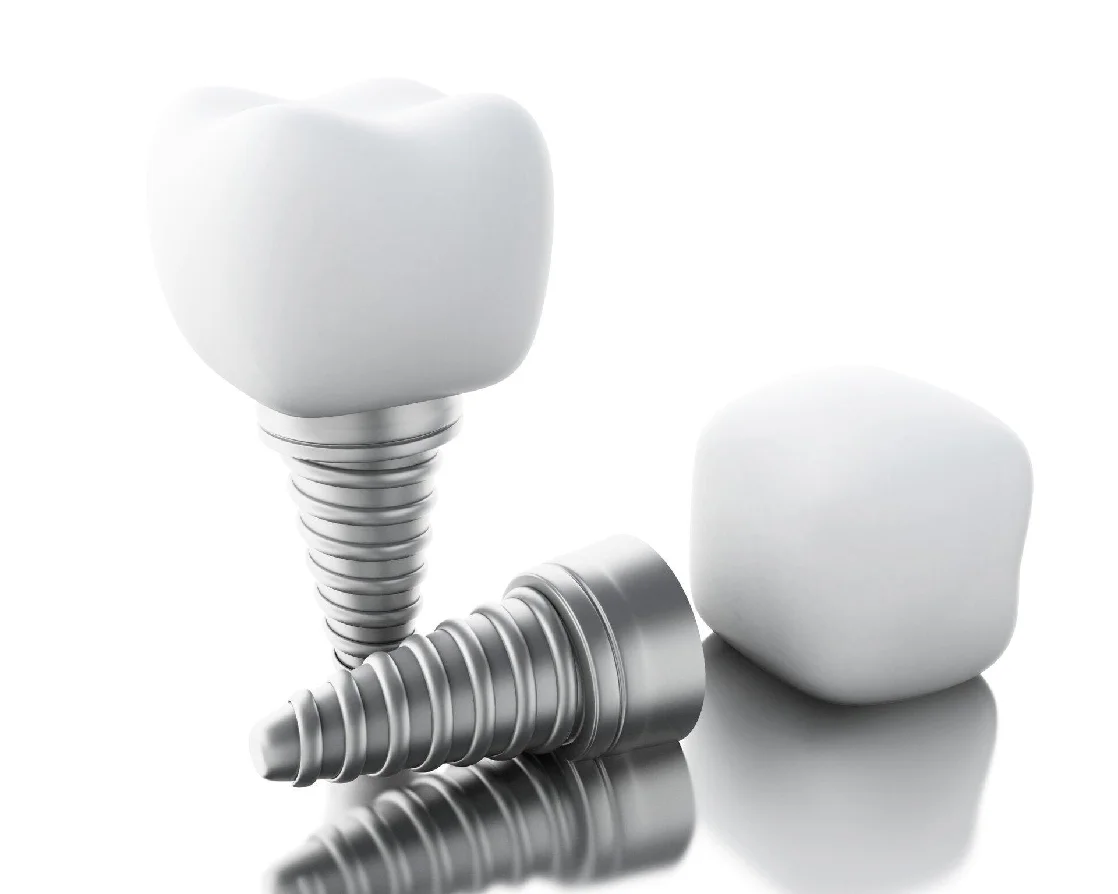
Dental implants are a popular solution for replacing missing teeth, but many people are unsure what to expect from the process. Understanding the timeline can help make the experience smoother and less intimidating.
This article will guide you through the many stages of the dental implant timeline. It covers everything from the first consultation to the final restoration.
Initial Consultation
The dental implant journey commences with an initial consultation with your dentist. At this appointment, your oral health will be assessed by the dentist. They will also discuss your medical history and check if you are a good candidate for tooth restoration and dental implants.
The exam usually includes X-rays. It might also include a 3D scan to see your bones better. The dentist will also explain the treatment options available to you. They will outline the specific steps involved in the procedure, the benefits and risks, and the estimated costs.
This is the perfect time for patients to ask questions. Clear talk can reduce anxiety and set the stage for successful treatment.
Treatment Planning
After you and your dentist agree on moving forward with dental implants, the subsequent stage involves treatment planning. This phase involves detailed discussions about how the procedure will unfold. The dentist may work with other specialists.
They include oral surgeons and prosthodontists. They work together to make a plan that fits your needs.
Clear, open dialogue is essential here. Knowing when the implant is placed and the associated processes can boost confidence.
It can also increase security. It is vital to discuss any specific concerns you have. The concerns might be about sedation, recovery, or aftercare.
Implant Placement
Implant placement is a surgery. It usually happens under local anesthesia or sedation. During this step, the dentist will place the titanium implant into your jawbone.
This implant acts as a root for the new tooth. After the operation, you may feel some pain and swelling. This is normal and can be eased with over-the-counter pain relief.
Following the surgery, a healing period is crucial. Over the next few months, the implant will join with your jawbone. This process is called osseointegration.
This integration is critical for the implant’s long-term success and stability. During this time, your dentist may provide temporary solutions, such as a temporary crown, to maintain your smile and function.
Healing and Osseointegration
The healing period can vary by person. But, osseointegration generally takes three to six months. Your dentist will schedule follow-up appointments.
They will monitor the healing process to make sure everything is going as expected. Adhering to post-surgery care instructions will be essential during this time. This may include the following:
- dietary changes
- good oral hygiene
- lifestyle adjustments
For example, avoiding tobacco. A clean and healthy environment will help a lot. It will aid in the successful healing of your dental implant.
Abutment Placement
Once osseointegration is done, your dentist confirms that the implant has fused with the bone. Then, it is time for the abutment placement. The abutment serves as a connector between the dental implant and the crown.
The dentist will expose the implant by making a small incision in the gum tissue, attaching the abutment, and then closing the gum around it. At this stage, you may again experience slight discomfort, but it should be minimal compared to the initial surgery.
Your dentist will provide specific instructions for aftercare following the abutment placement. It’s important to follow these closely to ensure proper healing and to achieve the best results.
Final Restoration
After the gums have healed around the abutment, the final restoration can be completed. This phase involves creating the custom crown that will serve as the visible portion of your new tooth. Your dentist may take impressions of your mouth or use digital scans to ensure a precise fit.
Once the crown is ready, your dentist will attach it to the abutment. This moment is a big milestone for many patients. It marks the end of the dental implant process and the return of a beautiful, working smile.
Aftercare and Maintenance
Once your dental implants are restored, you must keep them clean. This is essential to make them last. Regular dental check-ups and cleanings will help keep your implants in good condition.
Your dentist will guide you on how to care for your new teeth, including brushing techniques and dietary considerations. Good oral hygiene practices include brushing twice a day and flossing daily.
You might also use an antibacterial mouthwash to reduce infection risk. Staying informed about the long-term care of dental implants is integral to their success.
Potential Risks and Complications
Dental implants are mostly safe and effective. But knowing about possible issues is key. Risks include
infection, nerve damage, and sinus problems if the implant is near the sinus.
To lower these risks, follow your dentist’s advice and attend appointments. Your gum and tooth health also matter. Problems like gum disease can affect implant success.
Regular dental visits catch issues early. Smoking or heavy drinking can slow healing. If an implant fails, it can often be replaced.
However, this might need extra care. Being proactive about oral health ensures implant success and improves overall dental health. Regular talks with your dental team and good at-home care are crucial for a lasting smile.
Navigating the Dental Implant Timeline
The journey from consultation to final restoration in the dental implant timeline can seem lengthy, but each stage is vital for achieving a successful outcome. By understanding what to expect at every step, patients can alleviate anxiety and prepare themselves for a smoother experience. Dental implants offer significant advantages in terms of functionality and aesthetics, making the time and careful planning worthwhile.
Whether you are considering dental implants or have already started the process, being informed is key. Your dental care team is there to support you through each phase, ensuring you receive the best possible care and outcomes. Embrace this journey towards a healthier, brighter smile!
For more on this topic, feel free to visit the rest of our blog!



Introducing children to good oral hygiene practices from a young age is crucial for their lifelong dental health. Electric toothbrushes designed specifically for kids can make this daily routine more engaging and effective than traditional manual toothbrushes. These devices are tailored to be gentle on young gums and teeth, equipped with fun features to motivate kids, and built to instill proper brushing habits. We will delve into electric toothbrushes’ benefits, key features, selection tips, and safety considerations, aiming to help parents make informed decisions about their children’s oral health tools. If you want an electric toothbrush for your kid, contact Brush Baby.
Understanding the Benefits of Electric Toothbrushes for Kids
Electric toothbrushes offer several advantages for children’s oral health. Firstly, they are generally more effective in removing plaque and reducing gingivitis than manual toothbrushes. The oscillating or vibrating head of an electric toothbrush does a thorough job at cleaning hard-to-reach areas in a child’s mouth, which can be challenging with manual brushing. Furthermore, many kids find electric toothbrushes more enjoyable to use, which can encourage regular brushing. They often come with built-in timers that help children brush for the full two minutes recommended by dentists, promoting better brushing habits.
Features to Look for in Kids’ Electric Toothbrushes
When selecting an electric toothbrush for kids, several features should be considered to ensure it is suitable and appealing for young users. Size and bristle softness are important; the brush head should be small enough to fit comfortably in a child’s mouth, and the bristles should be soft to prevent gum damage. Many models also come with colorful designs and characters from popular children’s media, making brushing more enticing. Additional features might include multiple brushing modes for different needs, such as a gentle mode for sensitive teeth and a massage mode for the gums. Some toothbrushes even feature interactive apps that teach kids how to brush properly while making it fun.
Safety and Maintenance Tips for Kids’ Electric Toothbrushes
Safety is paramount in any product designed for children, and electric toothbrushes are no exception. Choosing toothbrushes that are waterproof and have a secure battery compartment is essential to prevent any risk of electric shock or battery ingestion. Regular maintenance is also crucial to ensure the toothbrush remains hygienic and effective. This includes replacing the brush head every three months or sooner if the bristles are worn out and cleaning the handle and base regularly to prevent bacteria buildup.
Comparing Electric and Manual Toothbrushes for Children
While electric toothbrushes can provide superior cleaning efficacy, it’s worth comparing them with manual toothbrushes to understand their specific benefits in a pediatric context. Electric toothbrushes automate the brushing motion, which can help children who have not yet developed the talent needed for effective manual brushing. However, manual toothbrushes can be just as effective when used properly, and they’re also more affordable and easier to travel with. The decision between an electric or manual toothbrush will ultimately depend on a child’s needs, preferences, and brushing habits.
The Role of Parental Involvement in Using Kids’ Electric Toothbrushes
Parental involvement plays a critical role in establishing effective oral hygiene habits. Supervising children as they brush, especially with an electric toothbrush, ensures they use the device properly and do not put too much pressure on their teeth and gums. Parents can also help maintain the routine by making brushing a family activity. Monitoring and maintaining the toothbrush, such as ensuring it’s charged and keeping the brush head clean and replaced regularly, are also important parental responsibilities.
Integrating Technology and Gamification in Kids’ Electric Toothbrushes
Integrating technology and gamification into kids’ electric toothbrushes is transforming the mundane task of daily oral hygiene into an interactive and enjoyable activity. Many modern electric toothbrushes for children come equipped with Bluetooth connectivity that links the toothbrush to mobile applications on smartphones or tablets. These apps feature fun, engaging games and reward systems activated by the child’s brushing activity. For instance, the app might track the duration and thoroughness of each brushing session and reward the child with points or unlock new levels in a game, encouraging consistent, effective brushing.
Electric toothbrushes for kids are designed to enhance oral hygiene while making the process more enjoyable for young users. With features tailored to appeal to children and designed to clean their teeth and gums effectively, these devices are valuable tools in promoting lifelong dental health. When choosing an electric toothbrush for your child, consider the brush’s size, features, and safety. Coupled with proper supervision and maintenance, an electric toothbrush can significantly improve your child’s brushing routine and help foster healthy habits that last a lifetime.

Personal injury cases in California cover a broad spectrum of incidents resulting in bodily harm, emotional distress, or property damage due to the negligence or intentional actions of another party. From car accidents to slip and fall incidents, Californians face a variety of risks in their daily lives that can lead to personal injury claims.
Understanding the common types of personal injury cases in California is essential for both residents and visitors to protect their rights and seek compensation for their injuries. For further guidance and experts suggestions, you can visit Norcal Attorney.
Common Types Of Personal Injury Cases in California
Car Accidents
Car accidents are among the most common causes of personal injury in California. With millions of vehicles on the road, collisions can occur due to various factors such as speeding, distracted driving, drunk driving, or reckless behavior. Victims of car accidents may suffer injuries ranging from whiplash and broken bones to traumatic brain injuries and spinal cord damage.
Slip and Fall Accidents:
Slip and fall accidents can happen anywhere, from grocery stores and restaurants to public sidewalks and private properties. Property owners have a duty to maintain safe premises and address hazardous conditions that could cause slips, trips, or falls. Common causes of slip and fall accidents include wet floors, uneven surfaces, inadequate lighting, and obstacles in walkways.
Medical Malpractice
Medical malpractice occurs when healthcare professionals fail to provide the standard of care expected in their field, resulting in harm to the patient. Examples of medical malpractice include surgical errors, misdiagnosis, medication mistakes, birth injuries, and failure to obtain informed consent. Victims of medical malpractice may suffer severe physical injuries, emotional trauma, or even wrongful death.
Dog Bites
Dog bites and animal attacks can cause significant physical injuries, especially for children and the elderly. California has strict liability laws for dog bites, holding dog owners responsible for injuries caused by their pets, regardless of the animal’s past behavior. Dog bite victims may require medical treatment, reconstructive surgery, and therapy to recover from their injuries and overcome psychological trauma.
Product Liability:
Product liability cases arise when defective or dangerous products cause harm to consumers. Manufacturers, distributors, and sellers can be held liable for injuries resulting from design defects, manufacturing defects, or inadequate warnings or instructions. Common examples of defective products include faulty medical devices, contaminated food products, and defective auto parts.
Premises Liability:
Premises liability cases involve injuries sustained on someone else’s property due to unsafe conditions or negligent maintenance. Property owners and managers have a duty to ensure their premises are free from hazards that could harm visitors or guests. Examples of premises liability claims include slip and fall accidents, inadequate security leading to assaults or robberies, and swimming pool accidents.
Bicycle and Pedestrian Accidents:
California’s mild climate and scenic landscapes make it a popular destination for cyclists and pedestrians. However, sharing the road with motor vehicles can pose risks for cyclists and pedestrians. Bicycle accidents and pedestrian accidents can result in serious injuries, including broken bones, head trauma, and spinal cord injuries, often due to drivers’ negligence or failure to yield the right of way.
Construction Accidents:
Construction sites are inherently hazardous environments where workers face risks of falls, electrocution, heavy machinery accidents, and other workplace injuries. Construction workers injured on the job may be entitled to workers’ compensation benefits, but they may also have grounds for personal injury claims against negligent third parties, such as contractors, property owners, or equipment manufacturers.
Wrongful Death:
Wrongful death claims arise when a person dies due to the negligent or intentional actions of another party. Surviving family members, such as spouses, children, or parents, may file wrongful death lawsuits seeking compensation for the loss of financial support, companionship, and emotional suffering. Wrongful death cases can stem from various incidents, including car accidents, medical malpractice, and workplace accidents.
Intentional Torts:
Intentional torts involve deliberate acts intended to cause harm or injury to another person. Examples include assault, battery, defamation, and intentional infliction of emotional distress. In addition to criminal charges, victims of intentional torts may pursue civil lawsuits to seek compensation for their injuries and hold the wrongdoer accountable.
Conclusion
Navigating the complexities of personal injury law in California requires the expertise of experienced attorneys who understand the nuances of each type of case. Whether negotiating settlements with insurance companies or litigating in court, personal injury lawyers play a crucial role in advocating for the rights of injured individuals and helping them obtain the compensation they deserve.
By raising awareness of the common types of personal injury cases in California, individuals can take proactive measures to protect themselves and their loved ones and seek justice in the event of an injury-causing incident.
Frequently Asked Questions
What should I do if I’ve been injured in an accident?
If you’ve been injured in an accident, it’s essential to seek medical attention immediately, even if your injuries seem minor. Document the accident scene, gather evidence, and obtain contact information from any witnesses. Report the incident to the appropriate authorities and consult with a personal injury attorney to understand your legal rights and options.
How long do I have to file a personal injury claim in California?
In California, the statute of limitations for most personal injury claims is two years from the date of the injury. However, there are exceptions to this rule, so it’s important to consult with an attorney as soon as possible to ensure you meet all deadlines for filing your claim.
What compensation can I recover in a personal injury case?
Depending on the circumstances of your case, you may be entitled to compensation for various damages, including medical expenses, lost wages, pain and suffering, emotional distress, and property damage. The amount of compensation you can recover will depend on factors such as the severity of your injuries, the impact on your life, and the liability of the responsible party.
Do I need an attorney for my personal injury case?
While you’re not legally required to hire an attorney for a personal injury case, having legal representation can significantly increase your chances of obtaining fair compensation. An experienced attorney can navigate the complexities of the legal process, gather evidence to support your claim, negotiate with insurance companies, and advocate for your rights in court if necessary.

Home help may be the key to achieving the highest possible quality of life in adulthood. It can allow for security and increased independence. Also, it facilitates the management of an ongoing illness and helps avoid unnecessary hospitalization or recovery after an illness, injury, or hospital stay. All this through attention paid to the comfort and familiarity of home.
What Does Home Help For An Elderly Person Include?
First, it helps with daily activities, such as dressing and bathing. Also, in carrying out housework and accompaniments. On the other hand, it includes therapy and rehabilitation services. Finally, it maintains short- or long-term nursing care for an illness, disease, or disability.
What Types Of Home Help Exist
Not all home care companies offer all types of home care services. This brief guide provides an overview of the different types of home care.
Care is tailored to your individual needs. In addition, they may include services of one or more of the types described. Contacting Holistic Palliative Care to discuss your needs can help determine what care is best for you.
Although, different types of home care can respond to different needs. However, they share a common goal: to enable happier, more independent lives for those receiving care, and to provide support and peace of mind to their families.
Types of Home Help Functions
- Personal care and support
- Personal cleanliness
- Meal preparation
- Housework
- Medication collection
- Making purchases
- Accompaniment to the doctor
- Recreational activities
- Active listening
What Are Home Care Services Like?
This is long-term, hourly, in-home care for adults with a chronic illness, injury or disability.
There is short-term, doctor-led care designed to help a patient prevent or recover from an illness, injury, or hospital stay.
Home Holistic Palliative Care seniors can help patients with their basic personal needs, such as getting out of bed, walking, bathing, and dressing. Some aides have received specialized training to help with more specialized care under the supervision of a nurse.
Some patients may need help relearning to perform everyday tasks or improve speech after an illness or injury.
Why Caring For The Elderly At Home Is Booming?
As the number of elderly increases, so will the need for resources to help them age with dignity. This means an increase in demand for home healthcare and independent care. It is because older people are increasingly looking to age at home.
In any case, care for the elderly takes many forms. One of the most common types is assisted living, sometimes known as a nursing home or, more colloquially, as “a home.” As the name suggests, these places help people who cannot or choose not to live on their own.
Assisted living centers are not exclusive to seniors (they also house people with disabilities), but they do make up the majority of the population of these centers.
Home care expert at Holistic Palliative Care experts nurses or other helpers lives full-time in the senior’s home or spend part of the day at the home caring for the patient’s needs.




 HOME IMPROVEMENT1 year ago
The Do’s and Don’ts of Renting Rubbish Bins for Your Next Renovation
- BUSINESS1 year ago
Exploring the Benefits of Commercial Printing

 BUSINESS1 year ago
Brand Visibility with Imprint Now and Custom Poly Mailers
- HOME IMPROVEMENT9 months ago
Get Your Grout to Gleam With These Easy-To-Follow Tips
- TECHNOLOGY11 months ago
Dizipal 608: The Tech Revolution Redefined
- HEALTH9 months ago
Your Guide to Shedding Pounds in the Digital Age
- HEALTH9 months ago
The Surprising Benefits of Weight Loss Peptides You Need to Know

 HEALTH12 months ago
Happy Hippo Kratom Reviews: Read Before You Buy!