HEALTH
The Benefits of Endosteal Implant: Why They’re a Superior Option for Tooth Replacement

Are you thinking about replacing a lost tooth? You’re not the only one! Many people look for ways to bring back both the function and look of their smile after losing a tooth. One popular choice is endosteal dental implants. These implants are known for being effective and dependable.
Unlike temporary solutions, they offer long-lasting benefits that can change your smile and improve your life. In this article, we’ll explore why an endosteal implant might be the best option for anyone wanting to restore their oral health and enjoy their favorite foods confidently again.
How Endosteal Implants Work
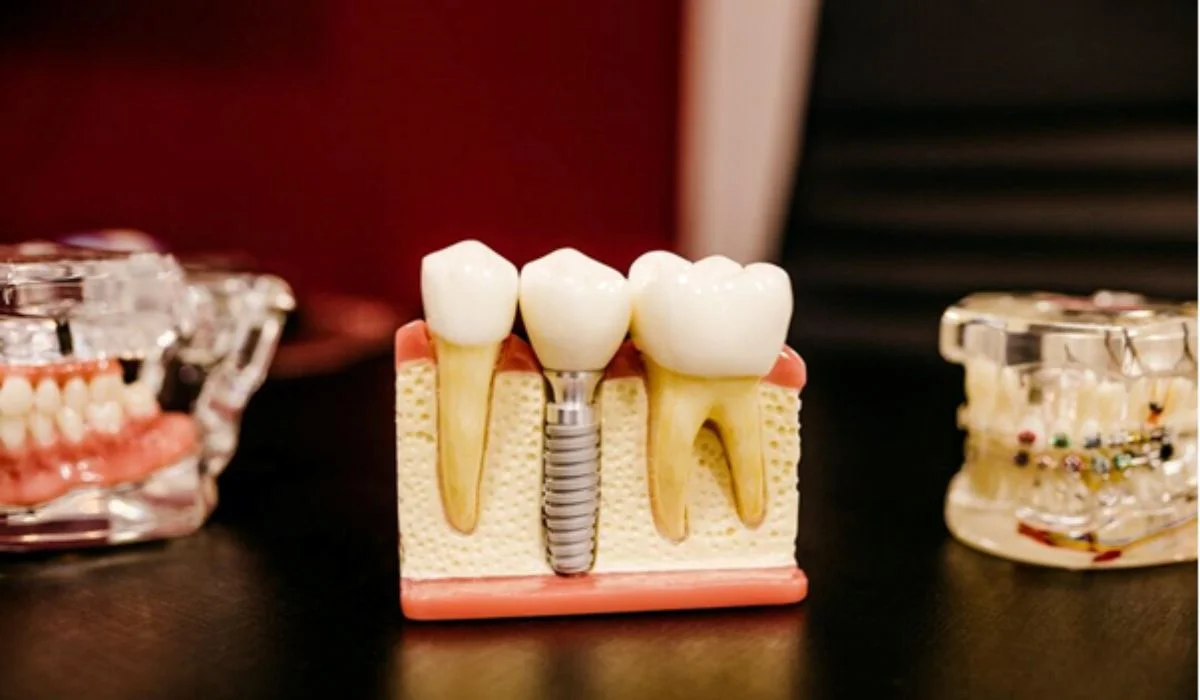
Endosteal implants are a groundbreaking option for people who need to replace missing teeth. They provide a strong and stable foundation by being placed directly into the jawbone. The process starts with a simple surgical procedure where titanium screws are carefully inserted into the bone. Once these screws are in, they act like artificial roots for your teeth.
Over time, the screws bond with the surrounding bone in a process called osseointegration. This makes the implants very secure and sturdy. After the healing period, a piece called an abutment is attached to each implant. The abutment connects the implant to the crown or prosthetic tooth, which will be the part visible when you smile.
The whole setup resembles natural teeth very closely. The result is improved oral health and better function when chewing or speaking. Not only do endosteal implants provide great cosmetic benefits, but they also help maintain jawbone density over time, which is important for overall mouth health.
Comparison to Other Tooth Replacement Options
When thinking about options for replacing teeth, several choices stand out. Traditional dentures and bridges are two common alternatives to endosteal implants. Both of these can help people restore their ability to chew and speak. However, neither offers the same level of stability. Dentures can sometimes slip or shift around during daily activities.
This can be uncomfortable and cause embarrassment. On the other hand, bridges require dentists to alter the surrounding teeth, which can put those teeth at risk of becoming unhealthy over time. Now, let’s talk about endosteal implants. These are a different option that helps to improve stability because they are placed directly into the jawbone.
This integration mimics how natural tooth roots work, providing a strong and secure fit. This means that people with implants can feel more confident in their ability to eat, speak, and smile without worrying about their teeth moving around. Another important thing to consider is how long these options last.
Dentures need to be replaced every few years. This is because they can wear out with use. In contrast, dental implants are designed to be very durable and can often last a lifetime if taken care of properly. Endosteal implants offer some significant benefits compared to traditional methods.
Long-Term Success and Durability
Endosteal implants are well-known for their impressive longevity. When taken care of properly, they can last a lifetime, which is one reason why many people think of them as the gold standard for tooth replacement. These implants connect smoothly with the jawbone through a process called osseointegration, providing stability and strength.
This strong connection makes them much more dependable than other dental solutions. Advancements in materials and technology have made these implants even more resilient against wear and tear. High-quality titanium is often used because it is biocompatible and resistant to corrosion. Regular dental check-ups are also very important.
Keeping up with good oral hygiene helps ensure that your implant stays healthy over time, which can further extend its lifespan. With the right care, endosteal implants offer a reliable way to improve your oral health. This allows you to enjoy a confident smile well into your golden years.
Cost Comparison
The cost of endosteal implants can vary for several reasons, like how experienced the dentist is and where their office is located. Usually, you’ll find that endosteal implants cost more upfront compared to traditional dentures or bridges. However, it’s really important to consider their long-term value.
Unlike other tooth replacement options that might need frequent adjustments or could break easily, endosteal implants are designed to last a long time. This durability can lead to fewer trips to the dentist later on, which may save you money on maintenance and care over time.
Another key factor to think about is whether your insurance will help cover the costs. Many insurance plans provide some benefits for dental implants, but they usually offer less support for partial dentures or bridges.
The initial price of endosteal implants might seem high at first. But, this investment could save you a lot of money in the long run. Plus, think about how much better your oral health can be with implants. It shows how they can improve your daily life. This makes getting implants a smart choice for your overall well-being!
Improved Oral Health
When a tooth is lost, the teeth around it can start to shift. This movement can cause tooth misalignment and lead to other dental problems. Endosteal implants are a great solution because they support the jawbone and help prevent bone loss by acting as a strong base for the new tooth.
One of the best things about these implants is that they don’t need the nearby teeth to be changed or altered. This means that the natural structure of your teeth remains intact, which is important for keeping your mouth healthy overall. Plus, having a stable replacement tooth can help you feel more confident when you eat or smile!
Natural Look and Feel
One of the biggest benefits of endosteal implants is that they look and work a lot like natural teeth. They are specifically made to match the patient’s existing teeth, which means they often look better than traditional dentures or bridges. Because the implant fuses with the jawbone, many patients say it feels just like having their natural teeth.
This not only makes them feel comfortable but also boosts their confidence when they smile or talk! Unlike dentures or bridges, endosteal implants don’t slip or click when you eat or speak. They are a permanent solution that allows you to forget about your missing tooth and enjoy life without worrying about your smile.
Enhanced Functionality
Patients with endosteal implants usually find that they have better functionality than those who wear dentures. Implants make it possible for people to enjoy a greater variety of foods without worrying about slippage or the discomfort that often comes with removable dentures.
When someone has endosteal implants, they can savor their favorite meals confidently because these implants anchor securely in the jawbone, providing stability similar to that of natural teeth. This means that enjoying delicious meals with friends and family becomes a stress-free experience, allowing patients to eat what they love without hesitation.
Simplified Oral Hygiene Routine
Taking care of endosteal implants is quite easy and involves simple oral hygiene practices that are similar to how you would care for your natural teeth. Patients should brush and floss their implants regularly to keep them clean and healthy. Unlike dentures, there’s no need to take out the implants for cleaning.
This makes maintenance much more convenient. This simple routine helps improve overall dental hygiene and health, ultimately reducing the risk of gum diseases. By keeping up with these easy habits, you can enjoy a healthier smile for years!
Who is a Good Candidate for Endosteal Implants?
Endosteal implants are a great choice for many people who need to replace missing teeth. They work well for individuals who have lost teeth due to reasons like:
- decay
- injury
- various dental problems
To be considered a good candidate for endosteal implants, it’s important to have healthy gums and enough bone density in the jaw. This is because the implant needs to fit and bond securely with the jawbone to function properly.
People who care for their oral health will likely benefit the most from these implants. Those who are committed to practicing good hygiene can expect to enjoy the results for a long time. It’s also important for patients to stay dedicated to regular dental check-ups.
These visits help monitor the condition of the implants and the surrounding tissues, which is crucial for long-term success. some medical conditions might impact whether someone can get these implants. Potential patients need to have an open conversation with their dentist about their overall health history before moving forward with any treatment options.
Explore the Benefits of Endosteal Implant Today
An endosteal implant is a great option for replacing missing teeth. They look natural, are strong, and can help improve your oral health and daily life. If you’re thinking about getting new teeth, it’s important to talk to a skilled dentist. They can help you decide if endosteal implants are right for you based on your needs.
Thanks to new technology, getting your smile back is more possible than ever. Remember, a healthy smile boosts your confidence and overall happiness. So, why wait? Start exploring tooth replacement options is a smart choice for anyone facing tooth loss.
Did you find this article helpful? Check out the rest of our blogs!



Family urgent care centers are vital healthcare facilities designed to offer prompt medical attention for non-life-threatening conditions. These clinics bridge the gap between primary care doctors and emergency rooms, providing a convenient and cost-effective option for families. They are typically equipped to handle a range of issues, from minor injuries like cuts and sprains to common illnesses like flu and infections.
Family urgent care centers are known for their extended hours, often remaining open during evenings and weekends, which makes them accessible when most doctors’ offices are closed. The environment in these centers is usually family-friendly, staffed by healthcare professionals skilled in treating patients of all ages, ensuring that both children and adults receive appropriate care.
By choosing the right family urgent care clinic, families can ensure they receive timely medical care in a welcoming and professional setting without the long wait times and high costs associated with hospital emergency rooms. Here are key factors to consider when selecting a family urgent care clinic.
Location and Accessibility
The proximity of the urgent care clinic to your home or workplace is a primary consideration. In cases of illness or minor injuries, you want to minimize travel time. Check for clinics within a reasonable driving distance and consider their ease of access. This includes not just physical location but also aspects like parking availability and public transport accessibility.
Hours of Operation
When choosing Magnolia Family Urgent Care, it’s essential to check their hours of operation. They are open weekdays and weekends, including holidays. This schedule ensures that urgent care is accessible beyond typical business hours, offering flexibility for those with varied personal and professional commitments.
Insurance and Costs
Before visiting an urgent care, verify that they accept your health insurance. This information is typically available on the clinic’s website or by a quick phone call. Understanding the insurance they accept and the potential out-of-pocket costs you might face is vital in avoiding unexpected medical bills.
Range of Services Offered
The scope of medical services an urgent care provider can provide can vary significantly. Some clinics might offer a wide range of services, including x-rays, lab tests, vaccinations, and even pharmacy services, while others might not. Evaluate what types of services your family might need and ensure the clinic can cater to those needs. This is especially important for families with children, as pediatric care requires specific expertise.
Wait Times
Although urgent care clinics are generally faster than emergency room visits, wait times can still vary. Some clinics offer the ability to check current wait times online or even reserve a spot in line. This feature can be incredibly convenient, helping you manage your time better and reduce the stress of waiting when you or a family member is unwell.
Staff Qualifications and Experience
The qualifications and experience of the medical staff are crucial. Look for clinics that staff board-certified doctors, nurses, and medical practitioners who specialize in family health care. The presence of well-qualified and experienced staff is often indicative of the quality of care the clinic is capable of providing.
Patient Reviews and Reputation
In today’s digital age, access to reviews and feedback from other patients can provide insightful information about the quality of care at an urgent care clinic. Websites like Google, Yelp, and other medical review sites can offer real-world insights into patient experiences. Pay attention to comments about staff friendliness, facility cleanliness, and overall patient satisfaction.
Facility Cleanliness and Comfort
The environment of the clinic is another significant factor. A clean and well-maintained facility can be a marker of the professionalism and standards of care you can expect. When you visit, observe whether the environment feels welcoming and comfortable, which is particularly important if children are involved.
Communication and Follow-up Care
Good communication is essential in healthcare. The clinic should have a clear process for following up on the care provided. This includes explaining treatment clearly, outlining follow-up steps, and offering information on how to get in touch if further issues arise. Some clinics may offer direct lines of communication through phone apps or patient portals, which can significantly enhance the continuity of care.
Emergency Capabilities
While urgent care clinics are not equipped to handle major emergencies, understanding the level of care they can provide and their procedures for dealing with more severe situations is important. Knowing whether they can stabilize a patient and the protocols for transferring to a hospital if necessary can be reassuring.
Conclusion
Choosing the right family urgent care clinic requires a careful evaluation of several factors, from logistical considerations like location and hours to more qualitative aspects like staff expertise and facility quality. By taking the time to research and consider these elements, you can ensure that when medical needs arise, your family receives prompt, competent, and caring treatment. This preparedness can ease the stress of medical emergencies and contribute significantly to the overall health and well-being of your family.

In today’s digital age, where nearly every service is accessible online, astrology has also found a significant presence on the internet. With numerous websites and platforms offering personalised astrological readings, choosing the right service can be as daunting as trying to interpret a complex birth chart yourself. However, by understanding what to look for and what to avoid, you can select an online astrology service that not only meets your needs but also enhances your understanding of the cosmos and yourself.
Karmm Online Astrology offers personalised astrological services that are tailored to individual life paths and decisions. Leveraging experienced astrologers, the platform provides insights into career, relationships, and personal growth. With user-friendly navigation and secure privacy measures, Karmm makes accessing profound cosmic guidance accessible and reliable. Whether seeking general horoscopes or in-depth chart analyses, Karmm Online Astrology is a trustworthy resource for navigating life’s challenges and opportunities.
Identify Your Astrological Needs
Before diving into the vast ocean of online astrology, pinpoint what you expect from the service. Are you looking for a general sun sign horoscope, or do you need a detailed analysis based on your natal chart? Maybe you’re curious about relationship compatibility or interested in specific life events like career guidance or financial prospects. Identifying your needs will help you narrow down the services that specialise in the areas you’re most interested in.
Research the Credibility of Astrologers
The internet is teeming with astrologers of varying expertise and experience. When choosing an online service, it’s crucial to investigate the credentials of the astrologers involved. Look for astrologers with formal education in astrology or those who are part of reputable astrological associations like the International Society for Astrological Research (ISAR) or the National Council for Geocosmic Research (NCGR). Reading reviews and testimonials can also provide insights into their accuracy and the quality of their interpretations.
Consider the Type of Services Offered
Online astrology services vary greatly in the type of readings they offer. Some provide automated readings based on algorithms, while others offer personalised sessions with a professional astrologer. Automated readings can be useful for quick and general insights but lack the personalised touch that a session with an astrologer can provide. If you are looking for a more tailored experience that considers the nuances of your astrological chart, opt for services that offer one-on-one consultations.
Evaluate the Tools and Techniques Used
Astrology is a complex field with various systems and techniques. Some services might specialise in Western astrology, while others might use Vedic, Chinese, or Mayan astrology techniques. Additionally, some astrologers might integrate tarot readings, numerology, or psychic insights into their sessions. Understanding which tools and techniques are used will help you align with an astrologer whose approach matches your belief system and interests.
Assess the Platform’s Interface and Customer Support
A user-friendly interface is crucial in enhancing your online astrology experience. A good online astrology service should be easy to navigate, with clear instructions on how to book sessions and access your readings. Moreover, reliable customer support is important, especially if you have questions about your service or encounter technical issues. Check if the platform offers support through various channels like email, phone, or live chat.
Privacy and Security Measures
When you consult with an astrologer online, you will be sharing personal information, including your birth details. It’s essential to choose a service that respects your privacy and has robust security measures in place. Check the platform’s privacy policy to understand how your information will be used and protected. Ensure that the site uses secure connections (look for HTTPS in the URL) to protect your data from unauthorised access.
Cost and Subscription Options
Cost is a significant factor when choosing an online astrology service. Prices can vary widely based on the type of reading, the reputation of the astrologer, and the depth of the session. Some platforms offer subscription models that provide regular updates and ongoing guidance, which can be beneficial if you seek continuous astrological insights. Always consider your budget and compare different services to find one that offers good value for your money.
Trial Offers and Money-Back Guarantees
Many reputable online astrology services offer trial readings or a money-back guarantee. These offers can be a great way to test the service without committing a large amount of money upfront. It also demonstrates the platform’s confidence in the quality of its service. Take advantage of these options to ensure the service meets your expectations.
Conclusion
Choosing the right online astrology service is a personal journey that requires a bit of research and intuition. By considering your astrological needs, researching the credibility of astrologers, and evaluating the type and quality of the readings, you can find a service that provides insightful, personalised astrological guidance. Remember, the best online astrology service is one that resonates with you, offers reliable and accurate insights, and helps you navigate your path under the stars with greater clarity and confidence.

Do you notice that you have extra fluid in your extremities or other body parts when you wake up in the morning or at night?
Edema, characterized by the abnormal accumulation of fluid in the body’s tissues, is a common medical condition with various underlying causes and manifestations. To understand edema fully, it’s essential to grasp the mechanisms by which fluid accumulates and the compartments within the body where this accumulation occurs.
In this article, we’ll delve into the physiology of edema and explore the answer to the question, “In which compartment would fluid accumulate in edema?”
What Is Edema?
Edema refers to the excessive accumulation of fluid in interstitial spaces, leading to tissue swelling. It can occur locally, affecting specific body parts, or globally, involving multiple areas of the body.
Edema can be caused by various factors, including:
- Inflammation
- Impaired circulation
- Fluid retention
- Underlying medical conditions such as heart failure, kidney disease, or liver cirrhosis.
Is swelling of the legs sign of heart failure? If you are worried about it, then consult with your medical professional ASAP.
Here are the compartments of fluid distribution to consider.
Intravascular Compartment
The intravascular compartment, also known as the vascular space or bloodstream, consists of the blood vessels (arteries, veins, and capillaries) that circulate blood throughout the body.
In some cases, such as heart failure or liver disease, fluid may accumulate within the intravascular compartment due to increased hydrostatic pressure or decreased oncotic pressure. This leads to conditions like pulmonary edema or ascites.
Interstitial Compartment
The interstitial compartment refers to the space between cells and blood vessels. This is where interstitial fluid circulates and exchanges nutrients, waste products, and gases with surrounding tissues.
Edema primarily occurs within the interstitial compartment when fluid leaks out of blood vessels due to increased capillary hydrostatic pressure, decreased oncotic pressure, or impaired lymphatic drainage.
Common examples of interstitial edema include peripheral edema (swelling of the extremities) and dependent edema (fluid accumulation in dependent areas of the body due to gravity).
Intracellular Compartment
The intracellular compartment comprises the fluid contained within cells, which plays a crucial role in maintaining cellular function and homeostasis. While edema primarily affects the extracellular compartments (intravascular and interstitial), certain conditions, such as cellular injury or inflammation, may lead to intracellular edema, causing cells to swell and impairing their function.
Mechanisms of Fluid Accumulation in Edema
There are three reasons why fluid might accumulate in edema. It could be due to increased hydrostatic pressure within the blood vessels. This could be due to heart failure, venous insufficiency, or kidney disease.
Reduced oncotic pressure, attributed to hypoalbuminemia (low levels of albumin in the blood) or liver disease, diminishes the osmotic force that normally helps retain fluid within blood vessels, contributing to fluid leakage and interstitial edema.
Lymphatic drainage also might result in fluid accumulation.
In Which Compartment Would Fluid Accumulate in Edema?
It’s important to go to a medical professional as soon you notice fluid in your extremities or fluid accumulation due to edema. Don’t try to answer the question yourself, “In which compartment would fluid accumulate in edema?”
Browse through related articles on our website to stay informed on various subjects.




 HOME IMPROVEMENT1 year ago
The Do’s and Don’ts of Renting Rubbish Bins for Your Next Renovation
- BUSINESS1 year ago
Exploring the Benefits of Commercial Printing
- HOME IMPROVEMENT9 months ago
Get Your Grout to Gleam With These Easy-To-Follow Tips

 BUSINESS1 year ago
Brand Visibility with Imprint Now and Custom Poly Mailers
- TECHNOLOGY12 months ago
Dizipal 608: The Tech Revolution Redefined
- HEALTH9 months ago
Your Guide to Shedding Pounds in the Digital Age
- HEALTH10 months ago
The Surprising Benefits of Weight Loss Peptides You Need to Know

 HEALTH1 year ago
Happy Hippo Kratom Reviews: Read Before You Buy!