GENERAL
Create a Tranquil Oasis in Your Backyard with Beautiful Water Features


Imagine stepping into your backyard and being greeted by the calming sounds of trickling water. Whether it’s the gentle splash of a fountain, the soothing flow of a waterfall, or the inviting shimmer of a swimming pool, backyard water features can transform any outdoor space into a serene oasis. In this blog post, we’ll explore the various types of backyard water features, provide design inspiration, and offer practical tips to help you create your perfect outdoor sanctuary.
The Magic of Backyard Water Features
Backyard water features have become increasingly popular among homeowners looking to enhance their outdoor living spaces. Not only do they add a touch of elegance and tranquility, but they also offer numerous benefits that go beyond aesthetics. From boosting property value to promoting relaxation and well-being, a thoughtfully designed water feature can be a game-changer for your home.
Whether you have a sprawling garden or a cozy courtyard, there’s a water feature that can fit perfectly into your space. In this guide, we’ll walk you through the different types of water features, design ideas, and practical considerations to help you make an informed choice.
Types of Backyard Water Features
Ponds and Waterfalls
Ponds and waterfalls are classic water features that can bring a slice of nature right into your backyard. A well-designed pond can serve as a habitat for fish and aquatic plants, creating a mini-ecosystem that adds life and movement to your garden.
Waterfalls, on the other hand, can be standalone features or integrated into a pond. The cascading water not only looks stunning but also provides a natural white noise that can mask unwanted sounds from the neighborhood, turning your yard into a peaceful retreat.
Fountains
Fountains come in a variety of styles, from elegant tiered designs to modern sculptures. They can be as grand or as subtle as you like, making them suitable for any size of backyard. Wall fountains are great for smaller spaces, while large freestanding fountains can serve as a focal point in expansive gardens.
The continuous flow of water from a fountain creates a dynamic visual element and provides a soothing auditory experience. Plus, fountains are relatively low-maintenance compared to other water features.
Swimming Pools
A swimming pool is the ultimate luxury water feature for any backyard. It offers endless opportunities for fun, exercise, and relaxation. Whether you prefer a sleek, modern infinity pool or a natural, lagoon-style pool, there are endless design options to suit your taste.
In addition to their recreational benefits, swimming pools can significantly increase the value of your property. With the right design and landscaping, a pool can seamlessly blend into your backyard, enhancing its overall aesthetic.
Hot Tubs and Spas
Hot tubs and spas are perfect for homeowners who want to enjoy the therapeutic benefits of water. A hot tub can provide a warm, relaxing soak after a long day, while a spa can offer various hydrotherapy options to soothe sore muscles.
These features are available in a range of sizes and styles, making it easy to find one that fits your space and budget. With the addition of some ambient lighting and comfortable seating, your hot tub or spa can become a favorite spot for unwinding.
Design Ideas and Inspirations for Each Type
How to Choose the Right Feature for Your Space
Selecting the right water feature depends on several factors, including the size of your backyard, your budget, and your personal preferences. For smaller spaces, consider compact options like wall fountains or mini ponds. If you have ample space and enjoy hosting gatherings, a swimming pool or a large pond might be ideal.
Think about how you’ll use the space. Do you want a place for quiet relaxation, or are you looking for something that will entertain guests? Your answer will guide your choice.
Incorporating Water Features into Landscape Design
Integrating your water feature into your landscape design can enhance the overall harmony of your backyard. For a natural look, surround your pond or waterfall with native plants and rocks, or consider a swimming pool for added fun and relaxation. Swimming pool contractors like those available in Salt Lake City can help create a seamless transition between the water feature and the rest of your garden.
For more formal settings, consider geometric shapes and symmetrical layouts. Modern designs often incorporate sleek lines and minimalistic elements, while traditional styles might feature ornate details and classic materials.
Practical Considerations and Maintenance Tips
Budgeting for Installation and Maintenance
Installing a water feature involves initial setup costs as well as ongoing maintenance expenses. It’s important to budget for both to avoid any surprises. DIY kits are available for smaller features like fountains and ponds, which can help reduce costs, but larger installations like swimming pools will likely require professional help.
Consider the long-term maintenance requirements. Ponds may need regular cleaning and fish care, while pools will require chemical balancing and filtration system upkeep.
Sustainable and Eco-Friendly Options
If you’re environmentally conscious, there are plenty of sustainable water feature options to consider. Solar-powered fountains are a great way to reduce energy consumption. For ponds, consider installing a rainwater collection system to naturally fill and maintain water levels.
Using native plants around your water features can reduce the need for fertilizers and pesticides, making your backyard more eco-friendly. Additionally, choosing energy-efficient pumps and filtration systems can help minimize your carbon footprint.
Seasonal Maintenance Guide
Proper maintenance is crucial to keep your water feature looking and functioning its best year-round. During the spring and summer, regularly check for debris and clean filters. For ponds, ensure that the water quality is suitable for any aquatic life.
In the fall, remove fallen leaves and prepare your water feature for winter by draining and covering it if necessary. Winterizing is especially important for regions with freezing temperatures to prevent damage to pumps and pipes.
Benefits of Backyard Water Features
Aesthetic Appeal
One of the most obvious benefits of adding a water feature to your backyard is the aesthetic enhancement. Water features can serve as stunning focal points, drawing the eye and adding visual interest to your landscape. The combination of water, light, and movement creates a dynamic element that changes throughout the day.
They can also help create a theme or mood in your garden. Whether you’re going for a tranquil Zen garden or a lively tropical paradise, the right water feature can help you achieve your vision.
Health and Well-being
Water has long been associated with relaxation and tranquility. The sound of flowing water can reduce stress and promote a sense of calm. Adding a water feature to your backyard can create a soothing environment where you can unwind and recharge.
Spending time near water can also have health benefits. It can improve air quality, increase humidity levels, and even boost your mood. For those with pools or hot tubs, the physical activity of swimming or soaking can contribute to overall fitness and well-being.
Property Value
Investing in a backyard water feature can also have financial benefits. Well-designed and maintained water features can increase the value of your property, making it more attractive to potential buyers. This is especially true for features like swimming pools, which are highly sought after in certain markets.
Even smaller features like fountains and ponds can add a touch of luxury and sophistication to your home, enhancing its curb appeal and setting it apart from other properties in your neighborhood.
Conclusion
Now that you have a better understanding of the different types of water features, design ideas and inspirations, practical considerations and maintenance tips, as well as the benefits they can bring to your backyard, you can start planning for your own oasis.



The journey toward parenthood through donor egg IVF is marked by hope and anticipation, but financial considerations also accompany it. Understanding the factors influencing donor egg IVF cost is crucial for individuals and couples embarking on this path.
In this comprehensive article, we’ll delve into the main factors that affect the cost of donor egg IVF, including the amount donors are paid, clinic fees, and other important matters.
Egg Donation Cost in India
The cost of donor egg IVF in India can vary depending on the clinic and specific procedures involved. On average, it ranges from Rs. 1.5 lakhs to Rs. 2.25 lakhs. However, this price can change based on the donor’s characteristics, clinic reputation, and additional services required. Despite this variability, numerous reputable fertility clinics in the region offer accessible egg donation services.
Patients can research and compare various clinics to find one that aligns with their budget and requirements. With a variety of options available, individuals and couples in India can confidently explore egg donation as a viable solution to their fertility challenges, fostering hope for expanding their families.
Factors Influencing Donor Egg IVF Cost
Various factors contribute to the overall cost when examining the expenses associated with donor egg IVF in India.
Donor Compensation
One of the primary factors impacting donor egg IVF cost is the compensation provided to the donor. Donors undergo a rigorous screening process and commit their time and effort to contribute.
The compensation amount can vary depending on various factors, such as the donor’s characteristics, previous donation history, and demand for their eggs. Higher-quality donors or those with specific attributes may command higher compensation, thus influencing the overall cost of the IVF cycle.
Donor Screening and Testing
Ensuring the health and suitability of the egg donor is paramount in donor egg IVF, which involves comprehensive screening and testing procedures. These assessments include medical evaluations, genetic screenings, psychological assessments, and infectious disease testing to mitigate potential risks and maximize the chances of a successful outcome.
The costs associated with donor screening and testing contribute to the overall expenses of the IVF cycle and vary depending on the extent of the assessments required.
Medical Procedures
The medical procedures involved in donor egg IVF, from ovarian stimulation and egg retrieval to embryo transfer, constitute a significant portion of the overall cost. Each step of the process involves specialized medical expertise, equipment, and facilities, contributing to the expenses incurred by the fertility clinic and ultimately passed on to the recipient.
The complexity and duration of the treatment cycle can also impact the overall cost, with more extensive procedures potentially translating to higher expenses.
Medication
Medications play a crucial role in donor egg IVF, facilitating ovarian stimulation in the donor and preparing the recipient’s uterus for embryo transfer. The cost of medications can vary depending on the type, dosage, and duration of treatment required.
Additionally, some medications may not be covered by insurance, adding to the out-of-pocket expenses for individuals undergoing donor egg IVF. Managing medication costs is an essential aspect of budgeting for the IVF cycle.
Clinic Fees
Clinic fees encompass a range of services the fertility clinic provides, including medical consultations, diagnostic tests, monitoring during the treatment cycle, and the actual IVF procedures. The cost of clinic fees can vary significantly between clinics, depending on location, reputation, and the range of services offered.
Patients should inquire about clinic fees upfront and explore any package deals or financing options to manage expenses effectively.
Legal Fees
Legal considerations are integral to donor egg IVF, particularly concerning agreements between the donor, recipient, and fertility clinic. Legal fees may arise from drafting and reviewing contracts, addressing parental rights and responsibilities, and ensuring compliance with relevant regulations and guidelines.
While legal fees may not constitute a significant portion of the overall IVF cost, they are essential to consider when budgeting.
To learn more about the cost of IVF donor eggs, visit the best IVF centre today!
Understanding the costs of Donor Egg IVF can be overwhelming, but with careful planning and research, individuals and couples can make informed decisions about their fertility treatment options. Understanding the various components of donor egg IVF costs is essential for budgeting and financial planning. For those needing guidance and empathy during their fertility quest, consulting the best fertility specialist in Bangalore, like Janisthaa, can be a game changer. They blend technology, dedication, and compassion to deliver accessible, reliable healthcare services.

Individual counseling for adults is a powerful tool for personal growth. It helps you learn more about yourself.
In these sessions, you talk to a trained therapist one-on-one. This safe space allows you to explore your thoughts and feelings. Many adults find it useful for managing stress, anxiety, or depression.
Personal goals can also be achieved through counseling. You can develop better coping strategies and enhance your well-being. In this blog post, we will look into the various aspects of individual counseling for adults, providing insights into its benefits, process, and impact.
Benefits of Individual Counseling for Adults
Individual counseling offers a wide range of benefits that can positively impact your life. Some of the benefits include:
Personalized Support and Therapeutic Guidance
Counseling offers personalized support tailored to your unique needs. This approach ensures that your unique challenges are addressed effectively. It also helps in setting realistic and achievable goals.
Therapeutic guidance involves learning new ways to handle life’s challenges. The therapist offers tools and strategies to manage stress and improve mental health. This support can lead to better emotional well-being.
Safe Space for Self-Exploration
Counseling provides a safe space where you can explore your thoughts and feelings. This environment is free from judgment, allowing you to be open and honest. It helps you understand yourself better and find clarity.
In this safe space, you can talk about things that are hard to share with others. The therapist listens and offers psychological support. This can lead to personal growth and healing.
Improved Coping Skills
Counseling can help you develop better coping skills. These skills are useful for managing stress and dealing with life’s challenges. Improved coping skills can enhance your overall well-being and emotional health.
Therapists teach techniques to handle difficult emotions and situations. You can learn how to stay calm during stressful times. Better coping skills lead to a more balanced and fulfilling life.
Confidentiality
Confidentiality is a crucial part of individual counseling. What you share with your therapist stays private. This helps create a safe and trusting environment.
Therapists follow strict rules to protect your privacy. This allows you to speak freely and honestly, knowing that your privacy will be protected. Confidentiality can also provide a sense of safety and trust within the therapeutic relationship.
The Process of Individual Counseling for Adults
Each individual counseling session is unique, depending on your specific needs and goals. However, here are some common elements that you can expect in the process:
Initial Assessment
During the initial assessment, the therapist will gather information about your history and current issues. This helps in understanding your unique situation and needs. The therapist may ask about your background, lifestyle, and mental health.
This first meeting is also an opportunity for you to ask questions. You can discuss your goals and what you hope to achieve through counseling. Building rapport with the therapist is crucial at this stage.
Building Trust
Building trust with your therapist is important for successful counseling. Trust allows you to share your thoughts and feelings openly. This honesty helps the therapist understand and support you better.
Your therapist will work to create a safe space for you to open up and share your thoughts and feelings. This may take some time, but it is essential for effective counseling.
Identifying Goals
Identifying your goals is a key part of the counseling process. Goals help you focus on what you want to achieve. Your therapist can help you set clear, realistic goals.
These goals can be related to personal growth, improved relationships, or better mental health. Knowing your goals makes it easier to track your progress. It also helps your therapist create a plan tailored to your needs.
Using Various Techniques
In individual counseling, therapists use various techniques to help you. These can include cognitive-behavioral therapy (CBT) and mindfulness. Each technique is chosen based on your needs.
Therapists also use techniques such as talk therapy and role-playing. These methods can help you understand and change your behavior. Using these techniques, you can develop better coping skills and improve your mental health.
Regular Check-ins
Regular check-ins with your therapist are important. They help track your progress and make sure you’re on the right path. These sessions can be weekly or bi-weekly, depending on your needs.
During check-ins, you discuss what’s working and what’s not. This feedback will help the therapist adjust your plan. Regular check-ins ensure that you are making steady progress toward your goals.
Finding Accessible and Professional Help
Finding professional help can sometimes be challenging. This is due to location or financial reasons. There are accessible resources available online.
If situations like panic attacks have been causing distress in your life, you can visit Relevance Behavioral Health for assistance. Remember, seeking help when needed is a vital part of maintaining good mental health.
The Impact of Individual Counseling for Adults
Individual counseling can have a significant impact on various aspects of your life, including:
Improved Mental Health
Many people seek individual counseling to manage mental health concerns such as anxiety, depression, or trauma. Through counseling, you can learn how to cope with these challenges and improve your overall mental health.
Increased Self-Confidence
Individual counseling can help you develop a more positive self-image and increase your self-confidence. As you become more self-aware and learn new coping strategies, you may feel more empowered to take on challenges and achieve your goals.
Enhanced Well-Being
By addressing underlying issues, learning healthy coping skills, and improving relationships, individual counseling can enhance your overall well-being. This can lead to a more fulfilling and satisfying life.
The Transformative Power of Individual Counseling for Adults
Individual counseling for adults has a transformative power that can greatly enhance various aspects of your life. By providing personalized support, a safe space for self-exploration, and improved coping skills, counseling can lead to significant personal growth. It can also improve mental health, boost self-confidence, and foster better relationships.
If you’re facing challenges or aiming for personal growth, individual counseling for adults can be a valuable tool to help you achieve your goals and improve your overall well-being.
Did this article help you? If so, take a look at some of our other blog posts) for more informative reads.
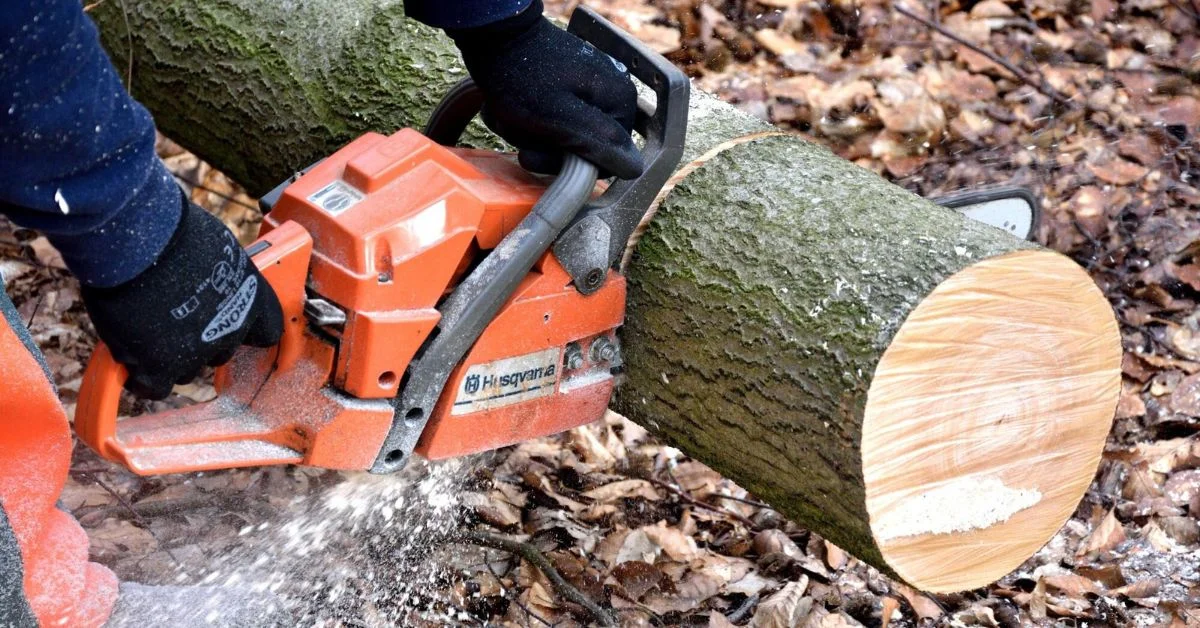
Tree risk assessment is like a health check-up for trees. Experts look at trees to find any problems that could make them fall or break. They check things like how strong a tree is if it has any diseases, and how it might affect the things around it if it were to fall.
This helps keep people and buildings safe. In this blog, we will discuss how to ensure the safety and health of your trees with a tree risk assessment.
Signs of Tree Health Issues
Identifying signs of tree health issues early can make a big difference. One clear sign is when the leaves turn yellow or brown and fall off earlier than they should. This can mean the tree isn’t getting enough water or has a disease.
Another symptom to watch out for is fungi, like mushrooms, growing at the tree’s base. This often indicates the roots or the internal parts of the tree are weak and rotting. If you see this, it’s a signal that the tree’s health might be in danger and needs attention.
Cracks or splits in the tree’s trunk are serious warning signs. They can show that the tree is struggling and could be close to falling. Regular checks for these signs can help catch problems early and keep the tree and everything around it safe.
Evaluating Tree Structure
Evaluating tree structure is an important step in risk evaluation. Experts look at how a tree’s branches and roots are growing to see if there are any problems. They check to make sure the tree is balanced and not likely to fall over.
Sometimes a tree’s limbs might be too heavy or weak, which can make them dangerous. The experts will look for branches that are dead or dying because these could fall and hurt someone or something. They also check the roots to make sure they are strong and healthy, as sick roots can make a tree unstable.
By doing these checks, people can help keep trees healthy and safe. It’s important to catch any issues early before they become big problems. This helps make sure trees can live a long time without being a danger to people or buildings around them.
Environmental Factors
Environmental factors play a big role in the health of trees. These include the weather, how much water the tree gets, and the soil it’s planted in. Bad weather, like too much rain or not enough, can make trees weak.
Sometimes, trees get too much sunlight or not enough fresh air, which can also affect them. Pollution from cars and factories can harm trees, making them sick. It’s important to watch these factors to keep trees strong and healthy.
Trees need the right mix of conditions to grow well. If the environment around them changes too much, it can be harmful. That’s why taking care of our environment helps trees stay healthy too.
Mitigation Strategies
Mitigation strategies help stop tree problems before they get big. One way is to water trees properly because too much or too little water can hurt them. It’s also smart to use mulch around the base to keep the soil moist and not too hot.
Pruning dead or weak branches is another key strategy. This helps the tree grow strong and stops branches from falling and causing damage. Experts should do this job to make sure it’s done right and safely.
Planting trees in the right spot is very important too. Some trees need more sunlight than others, and putting them in the right place can make a big difference. By choosing the right location, trees can live longer, healthier lives without causing problems.
Monitoring and Maintenance
Monitoring and maintenance are key to keeping trees healthy. This means checking trees often to catch any problems early. Property management teams can help by watching for signs of stress or disease in trees.
When trees get the right care, they stay strong and can live a long time. This includes pruning them and making sure they get enough water. People should make a plan to look after their trees all year round.
This way, trees won’t become a danger to people or buildings. Getting experts to check trees can also save money in the long run. It’s all about keeping our environment safe and green.
Disease and Pest Management
Diseases and pests can cause significant harm to trees, affecting their overall health and stability. That’s why it’s essential to have a disease and pest management plan in place.
Regular monitoring and early detection of any diseases or pests can help prevent them from spreading to other trees. Treatment methods should also be carefully considered, as some chemicals used in treatment can harm the tree and its surroundings.
Proper maintenance practices can also help prevent the spread of diseases and pests. Pruning dead or diseased branches, keeping the area around the tree clean, and promoting overall tree health through proper watering and fertilization can all play a role in disease and pest management.
Role of Professional Arborists
Professional arborists are tree experts who know everything about tree health and safety. They use their skills to check if trees are sick or could fall and cause problems. When there’s a big storm and trees get knocked down, they offer an emergency tree removal service to keep everyone safe.
They also help by advising on how to take care of trees, so they grow strong and healthy. Arborists can figure out the best way to cut dead branches or treat diseases without hurting the tree. By doing this, they help trees live longer and keep our neighborhoods looking beautiful.
Ensuring a Greener Tomorrow Through Tree Risk Assessment
Tree risk assessment is a crucial tool for ensuring the safety and health of our trees. By regularly monitoring and evaluating tree structures, considering environmental factors, implementing mitigation strategies, and seeking professional help when needed, we can keep our trees strong and thriving.
This not only benefits the environment but also helps protect people and buildings from potential dangers. So let’s make sure to take care of our trees and continue to enjoy the many benefits they provide for generations to come.
If you find this article helpful, check out our blog for more informative content.

 HOME IMPROVEMENT1 year ago
The Do’s and Don’ts of Renting Rubbish Bins for Your Next Renovation
- BUSINESS1 year ago
Exploring the Benefits of Commercial Printing
- HOME IMPROVEMENT9 months ago
Get Your Grout to Gleam With These Easy-To-Follow Tips

 BUSINESS1 year ago
Brand Visibility with Imprint Now and Custom Poly Mailers
- TECHNOLOGY12 months ago
Dizipal 608: The Tech Revolution Redefined
- HEALTH9 months ago
The Surprising Benefits of Weight Loss Peptides You Need to Know
- HEALTH9 months ago
Your Guide to Shedding Pounds in the Digital Age

 HEALTH1 year ago
Happy Hippo Kratom Reviews: Read Before You Buy!