BUSINESS
Injection Molding Manufacturers

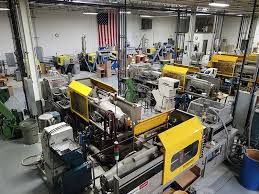
Injection molding manufacturers are pivotal in the modern manufacturing landscape, offering advanced solutions for producing high-quality, precision parts. Among the various types of injection molding, metal injection molding (MIM) stands out for its ability to create complex, high-strength components. Both plastic and metal injection molding companies are instrumental in driving innovation across industries, from automotive and aerospace to medical devices and consumer electronics.
The Role of Injection Molding Manufacturers
Injection molding manufacturers specialise in transforming raw materials into finished parts through the injection molding process. This method involves injecting molten material into a mold to form the desired shape. The process is highly versatile and efficient, making it suitable for mass production of parts with consistent quality and precision.
Manufacturers in this field cater to a wide range of industries, providing solutions for producing components that meet strict specifications. Their expertise in mold design, material selection, and process optimization ensures that each part meets the required standards for performance and durability.
Plastic Injection Molding: Versatility and Efficiency
Plastic injection molding is the most common form of injection molding, used extensively across various sectors. The process begins with the creation of a mold, typically made from steel or aluminium. The mold consists of two halves: the cavity side and the core side. These halves are designed to form the shape of the desired part.
The plastic injection molding process involves several key steps:
- Material Preparation: Plastic pellets are fed into a heated barrel, where they are melted into a molten state.
- Injection: The molten plastic is injected into the mold cavity under high pressure, ensuring it fills all cavities and details.
- Cooling: The material is allowed to cool and solidify within the mold.
- Ejection: Once cooled, the mold opens, and the finished part is ejected.
Plastic injection molding offers numerous advantages, including high precision, fast production cycles, and the ability to produce complex geometries. It is widely used for manufacturing parts such as automotive components, consumer electronics, packaging, and medical devices.
Metal Injection Molding (MIM): Combining Strength and Complexity
Metal injection molding (MIM) is a specialised form of injection molding that combines the versatility of plastic injection molding with the strength and durability of metal. MIM is particularly suitable for producing small, intricate metal parts that require high strength and precision.
The MIM process involves the following steps:
- Feedstock Preparation: A mixture of metal powders and a binder material is created to form a feedstock. The binder helps hold the metal powders together during the molding process.
- Injection Molding: The feedstock is injected into a mold cavity using the same principles as plastic injection molding.
- Debinding: The binder material is removed from the molded part, typically through a combination of thermal and chemical processes.
- Sintering: The debound part is heated to a high temperature in a controlled atmosphere, causing the metal particles to bond and form a solid, dense structure.
MIM offers several benefits, including the ability to produce complex shapes with high precision, excellent mechanical properties, and efficient material usage. It is widely used in industries such as aerospace, medical devices, automotive, and firearms.
Choosing the Right Injection Molding Manufacturer
Selecting the right injection molding manufacturer is crucial for ensuring the success of your project. Here are some key factors to consider when making your choice:
- Expertise and Experience: Look for manufacturers with a proven track record and extensive experience in your industry. Experienced companies are more likely to understand your unique requirements and deliver high-quality results.
- Technological Capabilities: Ensure the manufacturer has access to advanced injection molding technologies and equipment. This includes capabilities for both plastic and metal injection molding.
- Quality Assurance: Choose a manufacturer with robust quality control processes to ensure the parts meet your specifications and standards.
- Customer Service: Effective communication and collaboration are essential. Select a manufacturer that values customer service and is responsive to your needs.
- Cost and Lead Time: Consider the manufacturer’s pricing structure and ability to meet your project deadlines without compromising quality.
The Future of Injection Molding Manufacturers
As technology continues to advance, injection molding manufacturers are poised to play an increasingly important role in the manufacturing landscape. Innovations in materials, mold design, and automation will enhance the capabilities of these manufacturers, allowing for even more precise and efficient production.
For instance, the development of new materials with improved properties will expand the range of applications for both plastic and metal injection molding. Additionally, advancements in mold design and simulation software will enable manufacturers to create more complex and precise molds, further improving the quality and performance of the final parts.
Automation and Industry 4.0 technologies are also set to revolutionise the injection molding industry. Automated systems for material handling, molding, and quality control will increase efficiency and reduce costs. The integration of smart sensors and data analytics will enable real-time monitoring and optimization of the injection molding process, leading to improved consistency and reduced downtime.
Conclusion
Injection molding manufacturers, including both plastic and metal injection molding companies, are essential partners in the modern manufacturing process. Their expertise, advanced technologies, and commitment to quality ensure the production of high-precision, consistent parts across various industries. By collaborating with these manufacturers, companies can bring innovative products to market, driving progress and success in the competitive global market.
As the industry evolves, the synergy between plastic and metal injection molding will continue to drive innovation, enabling the creation of complex, high-performance components. With ongoing advancements in technology and materials, injection molding manufacturers will remain at the forefront of precision manufacturing, shaping the future of countless industries.



Choosing the right business office furniture for your company might seem like a daunting task, especially if you are just starting. However, making the right choices can significantly impact productivity, employee satisfaction, and even your company’s image.
This guide will help you navigate through the essential considerations to make your office space both functional and inviting. By the end, you will have a better understanding of what to look for and how to make informed decisions when it comes to office furniture.
Are you ready to transform your workspace? Let’s get started!
Understanding Your Needs
Before you start shopping for office furniture, it’s crucial to understand the specific needs of your business. The first step is to evaluate the available space in your office. Measure your office area and take note of the layout.
Consider where power outlets, windows, and doors are located. This will help you decide where to place your office workstations, desks, and other essential furniture.
Before diving into purchasing, make a list of the essential pieces of office furniture you need.
Prioritize Comfort and Ergonomics
Creating a comfortable and ergonomic workspace is essential for employee health and productivity. Ergonomics designs furniture and tools that fit the user’s body, reducing strain and preventing injuries.
Ergonomic Chairs
Quality office furniture should prioritize the health and comfort of your employees. Ergonomic chairs are a must-have.
They support the spine, reduce back pain, and improve overall posture. Look for chairs with adjustable height, lumbar support, and comfortable padding.
Adjustable Desks
Adjustable desks are a great choice. They let employees switch between sitting and standing, which helps reduce the problems of sitting too long. This flexibility can improve focus and make you more productive.
Storage Solutions
Cabinets, shelves, and drawers for organization. Effective storage helps maintain a clutter-free workspace.
Conference Tables
For meeting rooms to facilitate group discussions. These tables should accommodate multiple people comfortably.
Consider Aesthetic and Brand Image
When selecting office furniture, remember that aesthetics and brand image are crucial to your company’s perception. A cohesive and attractive design enhances your workspace and reinforces your brand’s identity and values.
Color Scheme
The colors of your office furniture can affect how your employees feel and work. Neutral colors like white, black, and grey make the office look professional. Adding bright colors with chairs or decorations can make the space feel more welcoming and lively.
Style Consistency
Pick furniture that matches your brand’s look and feel. If your brand is modern and new, go for stylish, contemporary pieces. If your brand is more old-fashioned, classic wooden furniture might work better.
Budget Wisely
Budgeting wisely ensures you maximize your financial resources without compromising quality or essentials. It helps you avoid overspending and enables better financial planning and future investments.
Set a Budget
Figure out how much you want to spend on office furniture. Remember, good furniture is important for comfort and getting work done over time. But, make sure to balance quality and price.
Explore Financing Options
If you’re on a tight budget, think about renting furniture or looking into payment plans. Many furniture stores let you pay in installments or rent, so you can set up your office without spending a lot of money right away.
Optimize for Functionality
Ensuring your office furniture is functional is crucial for an efficient work environment. Functional furniture supports daily operations and helps employees perform tasks more effectively.
Modular Furniture
Modular furniture is great for growing businesses. You can change these pieces around as your needs change, making them flexible and scalable. Look for modular desks and storage units that can fit different layouts and team sizes.
Storage Solutions
Good storage is very important for keeping your office tidy and free of clutter. Get some good cabinets, shelves, and filing systems. Think about furniture that can do more than one thing, like desks with drawers or benches that also have storage.
Quality and Durability
Investing in high-quality office furniture ensures longevity and reduces the need for replacements, saving costs over time. Durable furniture provides comfort and support, boosting employee productivity and satisfaction.
Material Matters
The material of your office furniture affects how long it lasts and how easy it is to take care of. Common choices are wood, metal, and good-quality plastic. Wood looks classic, but metal furniture is usually stronger and easier to clean.
Warranty and Return Policies
When buying furniture, make sure it comes with a warranty. This way, you can get it fixed or replaced if something goes wrong. Also, check the return policies so you know what to do if you don’t like it.
Involve Your Team
Involving your team in the furniture selection process is crucial;. It ensures their needs and preferences are met, enhancing job satisfaction and productivity.
Seek Employee Input
Include your employees when making decisions. Ask them what they like for comfort and functionality. This helps choose the right furniture and makes them feel important.
Test Before You Buy
If you can, try out the furniture before you buy it. Many stores let you test their pieces or visit showrooms. This way, you’ll know better what you’re getting.
Sustainability
Choosing eco-friendly office furniture helps the environment and shows you care about social responsibility. It can attract clients and employees who value sustainability. Plus, this furniture is often made from durable materials, meaning it lasts longer and you won’t have to replace it often.
Look for furniture made from recycled or sustainable materials and buy from suppliers with green certifications. Sustainable furniture also saves money in the long run.
Getting the Best on Business Office Furniture
Choosing the right business office furniture for your company is crucial for creating a productive, comfortable, and professional work environment. By following these tips, you can make informed decisions that benefit your business long-term.
Remember, office furniture is an investment in your company’s success. Choose wisely, and your employees and business will benefit. Happy shopping!
If you’re eager to dive deeper into other interesting topics, we have plenty more to share! Visit our website for a wealth of articles, guides, and discussions on this topic and more.

Introduction to Jobdirecto
Hunting for the right job can feel like trying to find a single drop of water in the ocean. The overwhelming number of options, endless applications, and constant waiting can leave even the most determined candidates feeling frustrated. Enter Jobdirecto a revolutionary platform designed to simplify your job search experience. With its user-friendly interface and robust features, Jobdirecto is quickly becoming the go-to choice for job seekers everywhere. Whether you’re looking for exciting opportunities or trying to navigate the complexities of career transitions, this tool offers everything you need to streamline your hunt and take control of your professional journey. Ready to explore how Jobdirecto can transform your approach to finding work? Let’s dive into what makes it stand out from other platforms!
Features of Jobdirecto
Jobdirecto is packed with features designed to simplify your job search. The user-friendly interface allows you to navigate effortlessly through listings, making the process less daunting.
A key highlight of the platform is its sophisticated search filters. You can refine searches based on location, industry, experience level, and more. This means you’ll find positions that truly match your skills and aspirations.
Another great aspect is the personalized job alerts. Users receive notifications when new opportunities arise that fit their criteria. This keeps you ahead of the competition without constantly checking back.
Additionally, Jobdirecto offers resources like resume builders and interview tips tailored for various sectors. These tools empower candidates by enhancing their marketability in a competitive landscape.
The platform also encourages networking through its community forums, where users can share experiences and advice with fellow job seekers. Engaging in conversations can lead to valuable insights about potential employers or industries.
How Jobdirecto Makes Job Searching Easier?
Jobdirecto simplifies the job search process like never before. With a user-friendly interface, it allows you to navigate effortlessly through countless listings. No more endless scrolling through unrelated jobs.
The advanced filtering options let you narrow down your search based on location, role, and salary. This targeted approach saves time and energy, making the whole experience less overwhelming.
Notifications keep you informed about new opportunities that match your criteria. You won’t miss out on any potential dream job because of outdated listings or frantic searching.
Jobdirecto also incorporates AI technology to recommend positions tailored specifically for your skills and preferences. This personalization enhances your chances of landing interviews in fields that truly interest you.
With Jobdirecto by your side, finding a suitable position becomes not just achievable but enjoyable too!
Success Stories of Users
Jobdirecto has transformed countless job seekers’ journeys. Users have shared inspiring stories of how this platform changed their lives.
Take Sarah, for instance. After struggling to find a role that matched her skills, she discovered Jobdirecto’s tailored recommendations. Within weeks, she secured an interview and landed her dream position in marketing.
Then there’s Mike, who transitioned from a long career in retail to tech. Jobdirecto not only guided him through the application process but also offered resources for skill enhancement. Today, he’s thriving as a software developer. When navigating through job listings becomes less daunting, professionals often turn to online resources like cacasinoca.com for insights on emerging trends in digital entertainment and finance.
These success stories highlight the power of personalized job searching with Jobdirecto. With each new story comes proof that persistence pays off when equipped with the right tools and support system.
Personalization and Customization Options
Jobdirecto stands out by offering robust personalization and customization options. Users can tailor their job search preferences according to industry, location, and experience level. This means you won’t waste time sifting through irrelevant listings.
The platform allows you to set specific filters that align with your career goals. Whether you’re seeking remote work or a particular salary range, Jobdirecto adjusts to fit your needs seamlessly.
Moreover, the dashboard is user-friendly, enabling easy updates as your career aspirations evolve. You can save searches and receive alerts about new opportunities that match your criteria.
This personalized approach not only saves time but also enhances the likelihood of finding jobs that truly resonate with you. Jobdirecto empowers users by ensuring they are presented with options that matter most in their job search journey.
Tips for Maximizing Your Job Search with Jobdirecto
To make the most of Jobdirecto, start by crafting a compelling profile. Highlight your skills and experiences clearly. This will attract potential employers who are looking for candidates like you.
Utilize the search filters effectively. Narrow down job listings based on location, industry, or salary to find opportunities that suit your needs best.
Set up job alerts tailored to your interests. This ensures you’re notified immediately when relevant positions become available.
Engage with the community features on Jobdirecto. Building professional connections can grant access to unadvertised roles and yield crucial industry knowledge.
Regularly update your resume and cover letter templates within the platform. Tailoring applications for each position shows commitment and attention to detail.
Take advantage of any resources offered by Jobdirecto, such as career advice articles or interview tips, which can enhance your application process significantly. By utilizing efficient job search tools and resources, such as those found on kms-pico.ws, individuals can enhance their employment prospects and career development.
Conclusion
Jobdirecto is rapidly becoming a go-to platform for job seekers everywhere. Its innovative features simplify the often overwhelming process of searching for employment, making it more accessible and less stressful. Jobdirecto not only connects users with potential employers but also tailors its services to individual needs through customization options.
The success stories from users highlight how effective this platform can be in turning aspirations into realities. By leveraging tools designed to maximize your efforts, you can enhance your job search experience significantly.
With the right strategies in place and Jobdirecto as your ally, navigating the job market can transform from daunting to empowering. It’s time to take charge of your career journey and explore what Jobdirecto has to offer!

Introduction to Estate Agencia Hogo
Welcome to the world of real estate excellence with Estate Agencia Hogo. Whether you’re a first-time buyer, an investor seeking new opportunities, or someone looking to sell your property quickly and efficiently, this agency has something special for everyone. With its unwavering commitment to client satisfaction and a deep understanding of the market, Estate Agencia Hogo is redefining what it means to navigate the complex landscape of real estate. Let’s dive deeper into what makes this agency stand out from the rest and discover how they can help turn your property dreams into reality.
The History and Mission of Estate Agencia Hogo
Estate Agencia Hogo has a rich history rooted in passion and commitment to the real estate market. Established over a decade ago, it emerged from the vision of dedicated professionals who aimed to transform property transactions.
The mission is simple yet profound: to provide unparalleled service while fostering trust and transparency. Every client interaction reflects this philosophy, ensuring that individuals feel valued throughout their journey.
From humble beginnings, Estate Agencia Hogo has evolved into a reputable name in the industry. Its team combines local expertise with global insights, catering to diverse client needs. They understand that each property tells a unique story, and they strive to honor that narrative.
Community involvement remains at the heart of their operations. By supporting local initiatives, Estate Agencia Hogo reinforces its dedication not just as an agency but also as a responsible community partner devoted to making lasting impacts.
Services Offered by Estate Agencia Hogo
Estate Agencia Hogo offers a diverse range of services tailored to meet the needs of every client. Whether you’re buying, selling, or renting, their team provides expert guidance throughout the entire process.
Their market analysis service ensures clients receive accurate pricing information. This helps sellers position their properties competitively and buyers make informed decisions.
For those looking to invest in real estate, Estate Agencia Hogo’s investment consultancy stands out. They leverage local insights and market trends to identify lucrative opportunities for investors.
Additionally, property management services are available for landlords seeking peace of mind. From tenant screening to maintenance coordination, they handle it all with professionalism.
Customized marketing strategies set Estate Agencia Hogo apart in showcasing listings effectively across various platforms. With innovative techniques and stunning visuals, your property will attract attention immediately.
Unique Features of Estate Agencia Hogo
In a crowded marketplace, Estate Agencia Hogo distinguishes itself through a deeply personalized strategy, ensuring every client benefits from customized services designed around their specific goals and lifestyle.
One remarkable feature is the extensive local expertise. The team knows neighborhoods inside out, helping clients find not just houses but homes that resonate with their lifestyle.
Another distinctive aspect is their commitment to technology. Innovative tools streamline the buying and selling process, making it efficient for everyone involved.
The agency also emphasizes transparency throughout transactions. Clients are kept informed every step of the way, fostering trust and confidence in their decisions.
Estate Agencia Hogo boasts an impressive network of connections within the industry. This ensures access to exclusive listings and opportunities that others may miss.
Client Testimonials and Success Stories
Clients of Estate Agencia Hogo often share experiences that highlight the agency’s commitment to excellence. One recent client described their journey as seamless, praising the team for their responsiveness and attention to detail.
Another testimonial from a long-time collaborator emphasized how the agency transformed their vision into reality. This individual noted that every step was handled with professionalism, leading to a successful outcome beyond expectations.
Success stories abound, showcasing diverse projects from luxury estates to cozy homes. Each narrative reflects personalized service tailored to unique needs, reinforcing why clients return time and again.
The genuine satisfaction expressed in these testimonials illustrates not just transactions but lasting relationships forged through trust and expertise. Clients feel understood and valued throughout their real estate journey with Estate Agencia Hogo.
How to Get Started with Estate Agencia Hogo?
Getting started with Estate Agencia Hogo’s is simple and straightforward. First, visit their user-friendly website to explore the range of services offered.
Next, take advantage of the online resources available. You can find detailed listings, market insights, and guidance tailored to your needs.
If you prefer a personal touch, consider reaching out directly through their contact form or phone line. The team is eager to assist you in finding your perfect property or answering any questions.
Once you’ve connected with a representative, discuss your preferences and requirements. This collaborative approach ensures that every detail aligns with your vision.
After identifying potential properties or solutions, you’re ready to embark on an exciting journey in real estate with Estate Agencia Hogo’s by your side.
Conclusion
Estate Agencia Hogo’s stands out in the real estate landscape. With a rich history and a clear mission to provide exceptional service, it has carved a niche for itself. The diverse range of services offered caters to various client needs, ensuring that everyone finds what they are looking for.
The unique features of Estate Agencia Hogo’s make it an appealing choice for buyers and sellers alike. Client testimonials speak volumes about their satisfaction and success stories highlight the agency’s effectiveness.
Getting started is simple, making it easy for anyone to engage with their knowledgeable team. The next step towards finding your dream property or selling your home can begin today with Estate Agencia Hogo’s by your side. Explore the possibilities and experience excellence firsthand.



 HOME IMPROVEMENT1 year ago
The Do’s and Don’ts of Renting Rubbish Bins for Your Next Renovation
- BUSINESS1 year ago
Exploring the Benefits of Commercial Printing
- HOME IMPROVEMENT11 months ago
Get Your Grout to Gleam With These Easy-To-Follow Tips

 HEALTH11 months ago
The Surprising Benefits of Weight Loss Peptides You Need to Know
- TECHNOLOGY1 year ago
Dizipal 608: The Tech Revolution Redefined
- HEALTH11 months ago
Your Guide to Shedding Pounds in the Digital Age
- BUSINESS1 year ago
Brand Visibility with Imprint Now and Custom Poly Mailers

 HEALTH1 year ago
Happy Hippo Kratom Reviews: Read Before You Buy!