HEALTH
Medical Translation Services: Ensuring Accuracy and Quality in Healthcare Communication


Medical translation services are essential for healthcare providers, pharmaceutical companies, research institutions, and patients who need accurate, culturally appropriate translations of medical documents. Given the life-or-death importance of precise medical terminology, professional medical translation services ensure that information is accurately conveyed across languages, enabling effective communication, safe treatment, and compliance with global healthcare regulations.
This article covers the importance of medical translation services, the types of documents that require translation, the unique challenges of translating medical content, and how to choose a reliable provider.
Why Medical Translation Services Are Essential
Medical translation services are critical in many situations, from translating patient records for international travel to ensuring that clinical trials meet regulatory requirements in different countries. Accurate translations allow healthcare professionals to deliver appropriate care, ensure patient safety, and maintain compliance with local and international regulations.
Key Reasons for Medical Translation Services:
- Patient Safety and Care: Accurate translations of medical records, prescriptions, and instructions are vital for preventing medical errors and ensuring safe, effective treatment.
- Regulatory Compliance: Pharmaceutical and medical device companies need to meet regulatory standards in each market, and translated documents are essential for approvals.
- Clinical Trials and Research: Multinational research and clinical trials require consistent, high-quality translations to maintain data integrity and ensure clear communication across research teams and patients.
- Improved Patient Communication: Translations improve patient understanding and engagement, ensuring that patients from diverse backgrounds can participate fully in their healthcare.
Types of Medical Documents That Often Require Translation
Medical translation services cover a wide range of documents, each with unique requirements for terminology, accuracy, and format. Here are some commonly translated documents in the medical field:
- Patient Records: Medical histories, diagnostic reports, treatment plans, and discharge summaries.
- Clinical Trial Documents: Informed consent forms, study protocols, patient questionnaires, and case report forms.
- Pharmaceutical Documents: Drug labels, packaging inserts, dosage instructions, and adverse event reports.
- Medical Device Manuals: Instructions for use, maintenance guides, and technical specifications for medical equipment.
- Regulatory Submissions: Documents required by regulatory agencies, such as the FDA, EMA, or local health authorities, including product approvals and compliance reports.
- Healthcare Information and Education Materials: Brochures, pamphlets, and educational materials designed to help patients understand their conditions, treatments, and preventive care.
Each document type has specific requirements, and accurate translation is crucial to maintain the original meaning and meet regulatory standards.
The Challenges of Medical Translation
Medical translation is highly specialized and requires a combination of linguistic skill, medical knowledge, and cultural awareness. Some of the primary challenges include:
- Technical Terminology: Medical language is complex, with technical terms and jargon specific to healthcare and the pharmaceutical industry. Translators must be familiar with this terminology to avoid misinterpretation.
- Cultural Sensitivity: Cultural factors can influence how medical information is communicated, such as differing beliefs about health and treatment. Translators need to adapt the content appropriately while maintaining accuracy.
- Consistency Across Languages: Some medical terms may not have direct equivalents in other languages. Translators must find precise alternatives or footnotes to ensure consistency.
- Strict Confidentiality Requirements: Medical records contain sensitive patient information, so translators must follow strict confidentiality protocols to protect privacy and comply with data protection laws like HIPAA in the U.S.
These challenges highlight the importance of working with professional translators who specialize in medical content and understand regulatory compliance.
How Medical Translation Services Work
Professional medical translation services follow a structured process to ensure that translations meet the high standards required in healthcare. Here’s an overview of the typical process:
- Initial Document Review: The translation team reviews the document to understand its complexity, terminology, and target audience.
- Translation by Medical Experts: The document is translated by a professional with expertise in the relevant medical field, such as pharmaceuticals, clinical research, or medical devices.
- Quality Control and Review: A second translator or medical professional reviews the translation to ensure accuracy, consistency, and compliance with regulatory standards.
- Certification and Formatting: Certified translations, required for certain regulatory submissions, come with a certificate of accuracy. The document is also formatted to match the original, especially for regulatory or patient-facing materials.
- Confidentiality and Security Protocols: Medical translations follow strict security measures to protect patient privacy and comply with data protection regulations.
Benefits of Using Professional Medical Translation Services
Medical translations should always be handled by experts to ensure accuracy, compliance, and cultural sensitivity. Here are some benefits of choosing a specialized provider for medical translation services:
- Expertise in Medical Terminology: Professional translators specializing in medical content understand the terminology and have experience in translating technical documents accurately.
- Compliance with Regulatory Standards: Medical translation providers are familiar with regulatory standards across different countries, ensuring that documents meet local requirements for accuracy and format.
- Quality Assurance: Reputable providers follow a rigorous quality assurance process, including proofreading, editing, and validation, to ensure precision.
- Confidentiality and Security: Professional providers use secure systems and confidentiality agreements to protect patient and corporate information.
- Adaptability to Different Dialects and Cultural Norms: Native-speaking translators with healthcare backgrounds understand how to adapt content to the cultural norms of the target audience, ensuring clearer communication.
Average Cost of Medical Translation Services
The cost of medical translation services depends on the complexity of the content, the length of the document, the language combination, and whether certification is required. Here’s a general cost estimate:
- Basic Medical Documents (Patient Records, Simple Instructions): $0.15 – $0.30 per word
- Specialized Documents (Clinical Trials, Pharmaceutical Labels): $0.20 – $0.50 per word
- Certified Translations: $25 – $75 per page, particularly for documents that require legal validation for regulatory compliance
Providers may offer discounts for large projects or ongoing translation needs, which is beneficial for research institutions and healthcare companies with consistent translation requirements.
How to Choose a Reliable Medical Translation Provider
Selecting the right provider for medical translation is critical to ensuring that your documents meet high standards of accuracy and compliance. Here are some tips:
- Verify Medical Expertise: Choose a provider with translators who have a medical or scientific background, ensuring they understand the terminology and nuances.
- Look for Certification Capabilities: For regulatory submissions, select a provider that offers certified translations meeting the standards of agencies like the FDA or EMA.
- Check Quality Control Processes: Reliable providers have a multi-step quality control process, including review by a second translator or medical expert.
- Assess Confidentiality Measures: Ensure the provider follows strict confidentiality protocols, such as secure file transfers and HIPAA compliance, to protect sensitive patient information.
- Read Customer Reviews and Testimonials: Look for positive feedback from healthcare clients to gauge the provider’s reliability, accuracy, and customer service.
Frequently Asked Questions (FAQs) About Medical Translation Services
1. Can medical documents be translated using machine translation?
- Machine translation is not recommended for medical documents due to the need for precise terminology and regulatory compliance. Professional human translators provide the accuracy and cultural sensitivity needed for medical content.
2. Do medical translations need to be certified?
- Certain documents, particularly regulatory submissions and clinical trial materials, require certified translations to meet legal standards. Certified translations come with a signed statement attesting to the translation’s accuracy.
3. How long does it take to translate a medical document?
- Turnaround times vary based on document complexity and length. Standard medical documents may take a few days, while more complex documents, such as clinical trial protocols, may require longer. Many providers offer expedited services for urgent needs.
4. How are patient privacy and confidentiality maintained?
- Professional providers adhere to strict confidentiality protocols, including secure file storage and transfer, non-disclosure agreements, and compliance with data protection laws like HIPAA.
Conclusion
Medical translation services are an essential component of global healthcare, facilitating accurate communication and enabling healthcare providers, pharmaceutical companies, and research institutions to work across language barriers. From patient records to regulatory submissions, precise medical translations help ensure patient safety, regulatory compliance, and effective cross-cultural communication.
By choosing a specialized provider with expertise in medical translation, such as certification capabilities, quality assurance processes, and strict confidentiality measures, you can ensure that your translations meet the high standards required in the healthcare industry. Accurate, culturally sensitive, and compliant translations support global healthcare efforts, contributing to improved patient outcomes and facilitating innovation in medical research and development.



Are you looking for the best way to keep your skin young and fresh?
With so many treatments available, it can be hard to know which one is right for you. In this guide, we will explore different anti aging facial treatments.
You will learn about their benefits and how they work. By the end, you will have all the information you need to make a smart choice.
Get ready to find the perfect treatment for your skin!
Understand Your Skin Type
Knowing your skin type is key to picking the right treatment. There are four main types: oily, dry, combination, and sensitive.
Oily skin gets shiny and may have large pores. Dry skin feels tight and might flake. Combination skin has both oily and dry spots. Sensitive skin can get red and irritated easily.
By knowing your type, you can choose a treatment that helps you get youthful skin. A good match will keep your skin looking fresh and glowing.
Research Ingredients
When choosing skincare products, it’s important to know what ingredients work best for your skin type. Look for products with retinol, which helps smooth fine lines, or hyaluronic acid, which keeps skin hydrated.
Vitamin C brightens and tones the skin. Avoid harsh chemicals that can cause irritation, especially if you have sensitive skin.
Read labels carefully and look for natural ingredients. This research will help you pick effective skincare products that support healthy, youthful skin.
Consult a Dermatologist
Before starting any anti aging treatment, it’s smart to talk to a dermatologist. They can check your skin and help you choose the best treatments. A dermatologist can recommend products and treatments that suit your specific skin type.
They also know about the latest techniques and can guide you in finding trusted botox experts if you’re interested in that option. By consulting a professional, you ensure that your skin gets the care and attention it needs to stay youthful and vibrant.
Read Reviews and Testimonials
Reading reviews and testimonials from others can help you find the best anti aging treatments. Look for feedback from people with similar skin types. They will give honest opinions about what worked for them and what didn’t.
Check multiple sources like skincare blogs, forums, and product websites. Pay attention to patterns in reviews, such as common praises or complaints. Doing this will save you time and money, and you’ll feel more confident choosing a treatment that others have found effective.
Start with a Patch Test
Before using any new skincare product, always do a patch test. Apply a small amount of the product on a tiny area of your skin, like behind your ear or on your wrist. Wait 24 hours to see if you get any reactions, such as redness or itching.
If your skin stays calm, you can use the product on your face. A patch test helps you avoid adverse reactions and ensures the product is safe for your skin type. This small step keeps your skin healthy and protected.
Find the Right Anti Aging Facial Treatment Today
Finding the right anti aging facial treatment requires some effort, but it’s worth it for youthful, glowing skin. Understand your skin type, check ingredients, consult a dermatologist, read reviews, and do a patch test.
These simple steps will guide you to a treatment that keeps your skin looking its best. Take action now for lasting beauty and confidence.
If you enjoyed this article please take the time to check out some of the other great content on our site.
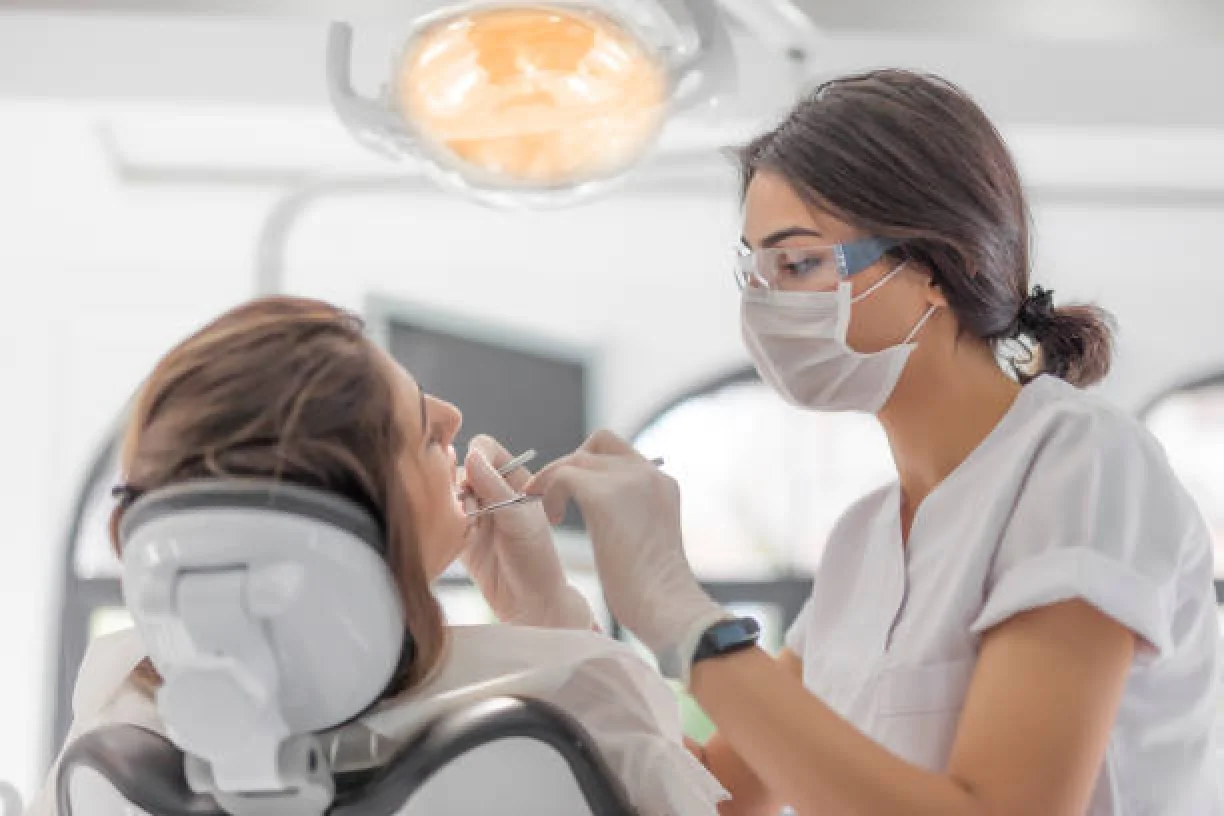
Wondering what a perfect smile can do for you? Regular orthodontist appointments could be the answer. But many people overlook these appointments.
Imagine a smile that lights up a room, leaving a lasting impression on others. That’s the power of healthy, straight teeth and the best orthodontists do just that.
Stick around as we delve into the benefits of routine visits to the orthodontist for your dental health. Ready? Let’s go!
Improved Oral Hygiene
When your teeth are crooked or misaligned, it can be challenging to clean them properly. This can lead to plaque buildup, which can eventually cause tooth decay and gum disease.
Regular orthodontic appointments can help correct these issues by straightening your teeth and aligning your bite. This makes it easier to brush and floss effectively, improving your overall oral hygiene.
Prevention of Dental Issues
Orthodontic treatments play a big role in preventing various dental issues. Misaligned teeth can cause abnormal wear on tooth enamel. This increases the risk of cavities and sensitive teeth.
Regular visits help to catch these problems early, saving you from extensive and costly treatments. Even the orthodontist assistant can guide you through these preventive measures.
This can help you maintain healthy teeth and gums, preventing more severe issues in the future.
Boosted Self-Confidence
A beautiful smile can do wonders for your self-confidence. When your teeth are straight and aligned correctly, you’ll feel more confident about showing them off.
This can lead to improved social interactions and even professional opportunities. By visiting the orthodontist office frequently, you can address any discomfort or concerns you have about your smile.
As a result, you’ll feel more confident and comfortable with your appearance.
Enhanced Aesthetic Appeal
Straight teeth can create a harmonious and balanced smile. An orthodontist can correct gaps and overcrowding, resulting in a neater appearance. It can also highlight your facial features, giving your face a more symmetrical look.
It can even make you appear more youthful! So to help you maintain these results, make sure to keep up with your orthodontist appointments.
Better Digestion
Properly aligned teeth help you chew food thoroughly. When food is chewed well, it breaks down into smaller pieces, making it easier for your stomach to digest.
Additionally, misaligned teeth can cause uneven chewing. This can lead to larger food particles being swallowed, which are harder for your stomach to process. This can result in digestive issues, such as indigestion and bloating.
Regular orthodontic treatment can help ensure that your teeth are properly aligned. This promotes better chewing and, consequently, improved digestion.
Personalized Dental Care
Personalized dental care means attention tailored to your unique needs. Each smile is different and an orthodontist will create special treatment plans just for you.
They will consider your dental history and current issues. This leads to more effective and efficient treatments. It also allows them to monitor your progress closely and make any necessary adjustments to your treatment plan.
However, achieving these benefits requires a commitment to your appointments and following the advice of your orthodontist. A dedicated professional, like this orthodontist in webster, New York, will work with you to ensure the best results possible.
Long-Term Savings with Regular Orthodontist Appointments
A regular orthodontist appointment offers numerous benefits for your dental health and overall well-being. Investing time in these meetings will save you from costly treatments in the future.
So don’t put off these appointments any longer! Reach out to a trusted orthodontist and start your journey towards a healthier, more confident smile today.
Interested in more content like this? Check out the rest of our blog now!

Dental care is a crucial aspect of overall health, involving the maintenance, diagnosis, treatment, and management of issues related to the oral cavity. A dentist plays a central role in ensuring the health of teeth, gums, and other structures within the mouth. We will explore the role of a dentist in Garland, TX, the types of dental services provided, the importance of regular dental visits, advancements in dental technology, preventive dental care, the connection between oral health and overall health, and how to choose a dental care provider.
The Role of a Dentist in Oral Health
Dentists are healthcare professionals trained to provide comprehensive care focused on the oral cavity, supporting structures, and the impact of oral health on the body. They perform various functions, from routine check-ups and cleanings to more complex procedures like root canals and oral surgery. Dentists also play a significant role in diagnosing conditions through physical exams and diagnostic imaging. They create tailored treatment plans to address individual needs and prevent future dental issues, emphasizing the importance of maintaining oral health and its effects on overall well-being.
Types of Dental Services
Dental services encompass a broad spectrum of treatments and procedures to maintain and restore oral health. These services include, but are not limited to, preventive services such as exams, X-rays, and cleanings designed to prevent disease. Restorative services repair damaged or decayed teeth; these include fillings, crowns, and bridges. Cosmetic procedures such as teeth whitening and veneers improve the appearance of the mouth and smile. Additionally, orthodontics, periodontics, and endodontics address specific oral health issues related to tooth alignment, gum diseases, and tooth pulp problems. Each service is vital for addressing the unique needs of patients at different stages of life.
Importance of Regular Dental Visits
Regular visits to the dentist are essential for maintaining oral health and catching potential issues before they develop into serious problems. Dentists recommend that individuals schedule visits at least twice yearly for cleanings and check-ups. These visits allow dentists to remove plaque build-up, a key factor in preventing tooth decay and gum disease. Regular check-ups also allow dentists to spot early signs of oral health issues such as cavities, early gum disease, and even some systemic conditions that manifest symptoms in the oral cavity, such as diabetes and certain heart diseases.
Advancements in Dental Technology
The field of dentistry has seen significant technological advancements that improve the efficiency, effectiveness, and comfort of dental treatments. Digital dentistry, including digital X-rays and 3D imaging, allows dentists to get a more detailed view of the oral cavity and plan treatments more effectively. Laser dentistry has made procedures less invasive, reducing discomfort and healing time. Innovations in materials used for fillings and prosthetics offer durability and aesthetics closer to natural teeth. These technological advancements enhance the patient experience and provide dentists with the tools to deliver higher-quality care.
Preventive Dental Care
Preventive care is a cornerstone of dental practice, focused on maintaining good oral hygiene and preventing disease before it occurs. This includes proper tooth brushing, flossing, and the use of mouthwashes that help reduce plaque and prevent tooth decay. Dentists also provide sealants and fluoride treatments, which offer additional protection against cavities, especially for children. Education on diet and its impact on oral health is also a crucial aspect of preventive care, as nutrition plays a significant role in the health of teeth and gums.
Connection Between Oral Health and Overall Health
Oral health is intrinsically linked to overall health. Conditions like gum disease have been associated with an increased risk of serious health issues, including heart disease, stroke, and poorly controlled diabetes. Infections within the mouth can also lead to systemic infections, affecting other body parts and overall health. Dentists, therefore, play a critical role in maintaining oral health and identifying and managing conditions that may have broader health implications.
Choosing a Dental Care Provider
Selecting a dental care provider involves considering several factors, including the range of services provided, the dentist’s qualifications and experience, and the quality of the clinic’s facilities. Accessibility, convenience, insurance, and payment options are also important. Personal comfort and trust in the dentist’s ability to communicate and respond to concerns should guide individuals in making a choice that ensures a long-term, successful partnership in managing their oral health.
Understanding the comprehensive scope of dental care and the critical role of dentists is essential for maintaining oral and overall health. By exploring the various aspects of dental services, recognizing the importance of advancements in dental technology, and acknowledging the connections between oral and general health, individuals can make informed decisions about their dental care needs. Regular visits and preventive care, facilitated by a trusted dental care provider, lay the foundation for a lifetime of healthy smiles and contribute significantly to overall well-being.




 HOME IMPROVEMENT1 year ago
The Do’s and Don’ts of Renting Rubbish Bins for Your Next Renovation
- BUSINESS1 year ago
Exploring the Benefits of Commercial Printing
- HOME IMPROVEMENT9 months ago
Get Your Grout to Gleam With These Easy-To-Follow Tips

 BUSINESS1 year ago
Brand Visibility with Imprint Now and Custom Poly Mailers
- TECHNOLOGY12 months ago
Dizipal 608: The Tech Revolution Redefined
- HEALTH9 months ago
Your Guide to Shedding Pounds in the Digital Age
- HEALTH9 months ago
The Surprising Benefits of Weight Loss Peptides You Need to Know
- LAW1 year ago
7 Key Questions to Ask When Hiring a Criminal Lawyer