HOME IMPROVEMENT
Rectangular Chandeliers for Dining Rooms: Stylish Lighting for Every Table

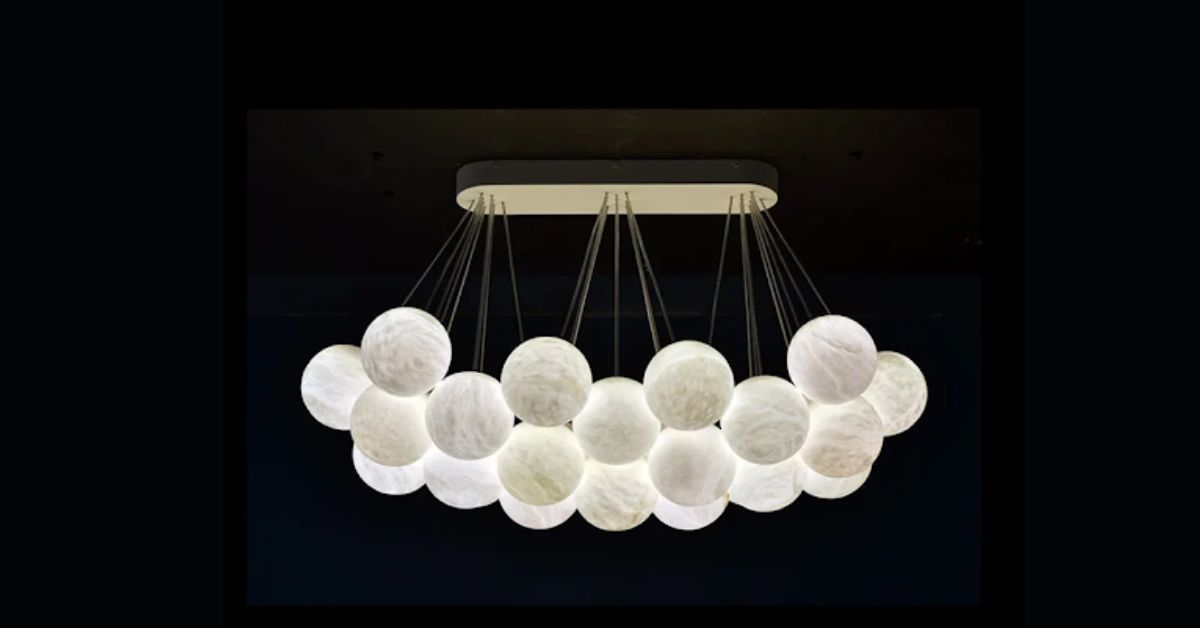
When it comes to dining room lighting, nothing sets the tone quite like a well-chosen chandelier. A rectangular chandelier dining room installation brings elegance, style, and functionality to the space, transforming an ordinary dining area into a stylish centerpiece. Complemented by the right decor, these chandeliers offer not only essential illumination but also a statement piece that draws attention and creates ambiance. Among the various designs available, glass chandeliers stand out for their timeless appeal, versatility, and ability to add a touch of sophistication to any dining room setting.
In this article, we’ll explore the charm and benefits of rectangular chandeliers for dining rooms, discussing why they are ideal for every table. Whether you’re remodeling your dining space or looking to upgrade your existing lighting, this guide will help you understand how to select the perfect chandelier to elevate your dining experience.
Why Choose a Rectangular Chandelier for Your Dining Room?
A dining room chandelier isn’t just a source of light; it’s an essential design element that can enhance the mood, bring a sense of refinement, and even serve as a conversation starter. Rectangular chandelier dining room options are increasingly popular for several reasons:
- Proportional Design for Long Tables: Rectangular chandeliers are particularly well-suited for longer dining tables. Their elongated shape aligns with the shape of the table, offering an even distribution of light and making the chandelier a natural focal point above the table. Unlike round chandeliers, which can sometimes feel out of place in longer dining areas, rectangular designs complement the proportions of the room and table, ensuring that the lighting feels balanced and integrated.
- Modern Aesthetic: In recent years, there’s been a shift toward modern, sleek designs in home decor, and rectangular chandeliers fit perfectly into this trend. Their clean lines, contemporary materials, and geometric structure make them a popular choice for modern dining rooms. They can be paired with minimalist furniture or elegant accents, creating a cohesive and stylish environment.
- Versatility: A rectangular chandelier offers incredible versatility in design. Whether you prefer a traditional, industrial, or contemporary look, there are rectangular designs to fit every aesthetic. From glass chandeliers with crystal embellishments to more industrial fixtures made of metal and wood, you’ll find an option to match your dining room’s style and mood.
- Increased Light Coverage: Because of their size and shape, rectangular chandeliers often provide broader light coverage compared to smaller or round designs. This makes them ideal for large dining tables, ensuring that the entire space is well-lit without harsh shadows. The larger surface area also makes them perfect for creating a dramatic lighting effect in larger rooms.
Key Considerations When Choosing a Rectangular Chandelier
While rectangular chandeliers offer a range of benefits, it’s essential to consider a few factors before making your final decision. Here are some key things to keep in mind:
Size and Proportions
The size of the chandelier should be proportional to the dining room and table size. A chandelier that is too small for the space might seem insignificant, while one that is too large could overwhelm the room. As a general guideline, the length of the chandelier should be about half to two-thirds the length of the table it’s hanging over. For instance, a 60-inch dining table typically pairs well with a chandelier that is between 30 and 40 inches wide.
Additionally, the height at which the chandelier is hung matters. Typically, a rectangular chandelier should hang about 30 to 36 inches above the dining table, ensuring that it doesn’t obstruct the view or conversation but still provides adequate light.
Material and Design
The material of the chandelier plays a significant role in its overall aesthetic. Glass chandeliers, for example, offer a sophisticated and timeless appeal, while more modern options might incorporate metals, wood, or acrylics for a contemporary touch. If you prefer a traditional design, crystal glass chandeliers will add a glamorous touch to your dining area. For a more industrial or minimalist space, a sleek, metal-framed rectangular chandelier with clear glass panes might be the perfect fit.
- Glass Chandeliers: These offer a classic, elegant look that can be both transparent and reflective. Glass chandeliers allow for maximum light diffusion, creating a softer, warmer glow in the room. They also come in a variety of styles—from clear glass to frosted or tinted glass designs.
- Metal-Framed Chandeliers: These provide a more modern or industrial vibe and often pair well with contemporary dining rooms. Brass, black, or matte gold finishes add a touch of sophistication without overwhelming the space.
- Wooden Accents: For a rustic or farmhouse dining room, chandeliers with wooden frames or accents can enhance the natural, cozy feel of the room. This style can balance the elegance of glass with a more grounded, earthy aesthetic.
Lighting Effect and Brightness
A key advantage of rectangular chandeliers is the ample lighting they provide. You can choose chandeliers with multiple bulbs, or opt for LED lights for better energy efficiency. Depending on the type of bulbs used, the chandelier can offer warm, ambient light or bright, focused lighting for specific tasks.
Consider the type of atmosphere you want to create in your dining room. For a more formal, elegant setting, softer, dimmable lighting might be the way to go, as it creates a refined ambiance. For a more casual, functional dining experience, you might want a brighter chandelier that provides ample light for meals and gatherings.
Style Harmony
A rectangular chandelier should harmonize with the overall design of your dining room. For example, a traditional dining room with wooden furniture and detailed molding would pair beautifully with a more classical, crystal glass chandelier. On the other hand, a sleek, modern dining space with glass tables and minimalist decor would look better with a geometric, metal-framed rectangular chandelier that makes a bold yet refined statement.
Placement Tips for Rectangular Chandeliers
The placement of the chandelier is just as important as its design. Here are a few tips to ensure that your rectangular chandelier is positioned perfectly:
- Central Positioning: The chandelier should be positioned directly in the center of the dining table for balanced illumination. This will ensure that everyone at the table is adequately lit without shadows or uneven lighting.
- Adjustable Height: If your dining room has higher ceilings, you may need to adjust the height of the chandelier to ensure proper lighting. In rooms with exceptionally high ceilings, a chandelier with a longer chain or a pendant-style fixture can bring the light closer to the table while still making an impactful design statement.
- Room and Table Size: Ensure that the chandelier’s dimensions fit the size of your dining area. For smaller rooms, opt for a more compact rectangular chandelier. In larger spaces, choose one with a more substantial presence to create a dramatic effect.
Complementary Decor to Enhance the Chandelier
Once you’ve selected the perfect rectangular chandelier, complementing it with the right decor is key to enhancing its beauty. Here are some ideas:
- Mirrors: Place mirrors strategically in the room to reflect the chandelier’s brilliance and create a sense of space. Mirrors can also amplify the chandelier’s light, creating a brighter, more welcoming dining area.
- Wall Sconces: Pairing the chandelier with wall sconces can add another layer of light while helping to balance the overall lighting design in the room. Opt for sconces with similar finishes to the chandelier for a cohesive look.
- Dining Table Accents: Complement the chandelier with a beautiful dining table, tableware, and accessories that match the chandelier’s style. For example, if you’ve chosen an elegant glass chandelier, a sleek glass dining table or crystal glassware will enhance the overall aesthetic.
Maintenance of Glass Chandeliers
To ensure that your glass chandelier remains as beautiful as the day it was installed, regular maintenance is essential. Dusting the fixture frequently will help maintain its clarity and sparkle. Use a microfiber cloth to gently wipe down the glass surfaces and avoid using harsh chemicals that could damage the glass or finish. If your chandelier has intricate crystal pieces, consider having it professionally cleaned from time to time to keep the crystals looking their best.
Why Rectangular Chandeliers Are Perfect for Dining Rooms
A rectangular chandelier provides the perfect balance between functionality and style in the dining room. Its proportional shape and ample lighting coverage ensure that your dining table is well-illuminated while creating an elegant, sophisticated atmosphere. Whether you prefer the sparkling brilliance of a glass chandelier or the industrial charm of metal frames, there’s a rectangular chandelier to match every design style. By choosing the right fixture and incorporating complementary design elements, you can create a dining space that is both functional and stunning.
Conclusion
A rectangular chandelier dining room installation is an excellent way to bring style, sophistication, and functionality to your dining area. Its elegant design and ample lighting make it the perfect fixture for long dining tables, and its versatility ensures it can complement a wide range of decor styles. Whether you opt for a traditional glass chandelier with crystal accents or a sleek, modern metal-framed fixture, your choice of chandelier will undoubtedly elevate the ambiance of your dining room, creating a space that is perfect for meals, gatherings, and special occasions.


As you grow older, you seek comfort, convenience, and safety in your own home; stairlifts can offer you all three. If you’re considering the many benefits of aging in place, you may find that navigating stairs becomes a significant challenge. Stairlifts provide a practical solution, ensuring you can move freely around your home without the risks associated with climbing stairs. But how do you choose the right type, and what features should you look for to meet your specific needs? Let’s explore the options available to help you maintain your independence and stay safely in the home you love.
Understanding Stairlifts
Before you choose a stairlift, it’s essential to understand how it works and what options are available to meet your specific needs. Stairlifts are mechanical devices designed to transport you safely up and down stairs without the need to walk. They consist of a motorized chair attached to a track that’s secured to your stairway. You’ll find models designed for straight or curved stairs, each tailored to fit the exact dimensions of your home.
When considering a stairlift, safety regulations should be at the forefront of your decision-making process. Ensure the model you’re interested in complies with local and national safety standards. Look for features like seat belts, obstruction sensors, and a swivel seat that locks into place for safe boarding and disembarking.
Cost analysis is another crucial aspect. Stairlift prices vary widely, depending on features and the complexity of installation. While a basic straight stairlift might be more budget-friendly, a customized solution for curved stairs will cost more. Don’t forget to factor in potential maintenance and repair expenses when budgeting for a stairlift.
It’s wise to consult with a professional who can provide a detailed quote and help you navigate the variety of options, ensuring you find a safe and cost-effective solution.
Benefits of Stairlifts
While understanding stairlifts helps in making an informed choice, it’s also important to recognize the numerous benefits they offer to improve daily living. One key advantage is the significant safety enhancement they provide. As you age, the stairs can become a major hazard. A stairlift reduces the risk of falls, ensuring you can navigate multiple levels of your home safely and comfortably. It’s a proactive step to prevent accidents and maintain your well-being.
Another critical benefit is the independence boost you’ll experience. With a stairlift, you’re not reliant on others to help you move around your house. You can access different floors whenever you need to, without waiting for assistance. This autonomy can greatly enhance your quality of life, allowing you to enjoy your home fully without constraints.
Moreover, stairlifts can alleviate any existing concerns about future mobility issues. Installing one now means you’re equipped to handle changes in your physical capabilities without major disruptions to your daily routine. They offer peace of mind, knowing you’ve planned for your comfort and accessibility in the years to come. This foresight is invaluable, ensuring you continue to live independently and securely in your cherished home.
Types of Stairlifts Available
Exploring the different types of stairlifts available can help you find the perfect match for your home’s architecture and your personal mobility needs. You’ve got a few main types to choose from, each with its own benefits depending on your staircase and mobility requirements.
Firstly, straight stairlifts are ideal if you have a direct, unbroken set of stairs. They’re typically easier to install and more budget-friendly. If your stairs turn or have landings, you’ll need a curved stairlift. These are custom-made to fit the exact shape of your staircase, ensuring a smooth ride around bends and corners.
For those with minimal stair space, a perch stairlift might be the solution. You’ll travel in a semi-standing position, which is perfect if sitting is challenging. Don’t forget to consider stairlift aesthetics; modern designs can blend seamlessly with your home decor.
Lastly, it’s crucial to check for safety certifications in any stairlift model you consider. This ensures that the product meets strict safety standards, giving you peace of mind as you move about your home. Opting for a stairlift with these certifications can significantly enhance your home’s accessibility while keeping safety at the forefront.
Features to Consider
When choosing a stairlift, consider key features like adjustable seat height, swivel seat functions, and remote control operation to enhance your mobility and independence. These features aren’t just about comfort; they’re essential for ensuring the stairlift fits your specific needs and can be used without assistance.
You’ll also want to look at the safety mechanisms included. A reliable stairlift should have sensors that detect obstacles, stopping the lift to prevent accidents. It’s vital that the seat belts are easy to fasten, offering you security without complexity. Additionally, consider stairlifts with a key switch to prevent unauthorized use, which can be a great feature if you’ve got curious grandchildren around!
Customization options are equally important. The ability to choose a color that matches your home’s decor or selecting a model that folds up when not in use can make a big difference in how the stairlift integrates into your living space. Some models offer adjustable speeds, so you can choose a pace that you’re comfortable with, ensuring a safer and more pleasant experience.
Installation Process
Before you schedule your stairlift installation, it’s crucial to ensure your home is prepared for the process. Start by clearing the staircase and nearby areas. Remove any decor, furniture, or loose carpets that could obstruct the pathway or pose hazards during installation. It’s also a good idea to check the condition of your stairs, ensuring they’re stable and in good repair, as this will support the secure mounting of the stairlift.
Next, consider the installation timeline. Typically, installing a stairlift can take anywhere from a few hours to a full day, depending on the complexity of your staircase and the type of lift you’ve chosen. You’ll need to be available during this time to provide access to your home and to answer any questions the technicians might have.
Safety inspections are a pivotal part of the installation process. Certified technicians will conduct these to ensure everything is set up correctly and safely before they leave. They’ll check the electrical connections, the track’s alignment, and the chair’s operation. This step is vital for your peace of mind, guaranteeing that the stairlift is safe and ready for use.
Maintenance and Care Tips
To keep your stairlift running smoothly, regularly check and clean its components. Dirt and debris can accumulate, causing premature wear or even sudden malfunctions. It’s essential you’re gentle with the equipment; use a soft cloth and avoid harsh chemicals that might damage the material or electrical systems.
You’ll also want to perform routine safety checks. Make sure the tracks are always clear of obstructions and verify that the safety sensors are unblocked and functioning correctly. These sensors are crucial as they detect any objects on the stairs and stop the lift to prevent accidents.
Regularly inspect the batteries, especially if you’re using a battery-powered model. Low power can affect performance, so replace them or charge as needed. Don’t wait for a complete failure to attend to this.Lastly, don’t overlook the importance of understanding your warranty options. Knowing what’s covered can save you significant costs in repairs or replacements. Check your warranty for what maintenance is recommended by the manufacturer to remain compliant and ensure the warranty remains valid. This can include professional inspections or specific part replacements at determined intervals.
HOME IMPROVEMENT
Insulation Beyond Buildings: Exploring Specialized Products for Industrial and Automotive Applications


Insulation is most commonly associated with keeping buildings warm in winter and cool in summer. However, insulation has many critical uses beyond the walls of homes and offices. Specialized insulation products play essential roles in transportation, shipping, energy, manufacturing, and other industrial sectors.
This article will provide an overview of key insulation types used in non-building applications and explain how they meet the demanding performance requirements of sectors like automotive, marine shipping, oil and gas, power generation, and cryogenic storage.
Insulating the Open Road: Automotive Sector Relies on Advanced Materials
Creating an efficient and comfortable driving experience is no easy task – vehicles must maintain safe operating temperatures across a wide variety of grueling conditions, from the cold of winter to the heat of summer and everything in between. Insulation and insulating techniques are critical to achieving this balance.
Insulation helps automakers reduce noise from the engine and road, prevent condensation on cold surfaces, protect passengers from high exhaust temperatures, and stabilize temperatures around sensitive electronics. Materials like fiberglass mats, molded foam parts, multi-layer heat shields, and woven textile wraps are strategically placed throughout the vehicle.
Newer electric vehicles have their own unique insulation needs around battery packs and power control systems. Insulation helps maintain optimum battery temperature to maximize range and prevent overheating. As automotive design and technology continues advancing rapidly in coming years, high performance insulation will remain a key enabler.
Shipping Solutions: Battling Condensation and Extending Shelf Life
Effective insulation is mandatory for refrigerated shipping containers transporting perishable goods like produce, meat, dairy and pharmaceuticals across seas and highways. Preventing condensation build-up and maintaining a stable cold chain environment ensures products arrive safely at their destination.
Shipping containers and trucks designed for refrigeration use foam and foil-based insulation panels featuring water-resistant coatings. Desiccants are also added to actively absorb condensation. Logistics teams carefully monitor the insulation’s performance using hanging temperature probes, wireless sensors on external walls and other smart tracking methods.
Insulated containers also see heavy usage beyond cold chain logistics. Companies commonly use them to ship temperature-sensitive bulk liquids like certain chemicals, waste oils or tank cleaning fluids. Ventilated insulation panels help stabilize the enclosed environment.
Oil Flows Freely: Pipe Insulation Crucial for Energy Sector
Whether carrying crude oil from wellheads or refined products to terminals, insulation is indispensable for maintaining energy pipeline integrity and efficiency. Keeping fluids warm in pipelines prevents freezing, wax or hydrate formation that can completely block flow. Insulation also preserves product quality by minimizing stratification and separation issues.
Common insulation solutions for pipelines include polyurethane foam coverings or customizable jacketing made from weather-resistant fabrics. Hybrid methods are popular as well, combining multiple materials to optimize thermal performance and ruggedness. Proper installation procedures performed by skilled tradesmen are vital for preventing corrosion under insulation.
Pipelines that run above ground or through cold climate regions often use heating systems to maintain temperatures, relying on robust insulation to retain warmth. Heated pipelines require both a protective outer layer resistant to crushing loads as well as an insulation barrier to lock in heat. Load-bearing insulation replaces concrete weights in many above-ground applications.
Turbine Insulation: Withstanding Extreme Forces
The turbine is the powerhouse of most electricity generation plants. Turbine insulation protects operators, improves performance and prevents system failures in challenging operating environments.
Insulation panels around turbines must tolerate vibrational forces, temperature swings ranging from -70°C to over 500°C and possible contact with oils or steam. High-density materials like compacted vermiculite boards and flexible thermal blankets meet these demands. Carefully sealing joints and openings preserves insulation integrity.
Coatings are often applied to turbine insulation to resist heat absorption. Some advanced ceramic coatings even reflect a significant portion of heat. Proper insulation is particularly critical for gas turbines, as maintaining proper operating temperatures enables high fuel efficiency. Routine inspection and maintenance of insulation ensures it performs as designed over decades of operation.
Liquid Air: Cryogenic Storage Requires Specialized Materials
Storing industrial gases at extremely low temperatures – down to -270°C for liquid oxygen – requires insulation technology outside traditional realms. Refrigerated liquid air storage maintains gases in a dense liquid state, conserving space compared to bulky compressed gas cylinders.
Cryogenic insulation must almost fully block external heat transfer while remaining ductile enough to shrink and expand alongside intense temperature fluctuations. Foam, fiberglass and vacuum-insulated panels combine with supplemental insulation layers for achieving high performance. Protective coatings guard insulation against moisture intrusion while preventing atmospheric oxygen and nitrogen liquefaction on cold surfaces.
High-performance insulation allows liquid air vessels to maintain internal environments with negligible heat leakage. This capability enables indefinite storage periods, so gases remain available for medical facilities, manufacturers, aerospace and other end users.
The Future of Insulation: Automation and Aerogels
While traditional insulation materials like wool, foam and mineral fibers still dominate industrial uses, innovations emerge constantly to push thermal efficiency higher. Two promising developments on the horizon are automated insulation processes and next-generation aerogel compounds boasting extreme lightness and low conductivity.
Automating aspects like applying insulation jacketing, scanning for defects, and predicting repair needs through sensors and AI analysis will accelerate maintenance workflows. Aerogels made from silica, carbon nanotubes and other substances underline high costs presently but exhibit major potential for creating lighter insulation solutions. Even NASA relies on aerogel advances to handle extreme cold during space exploration missions.
Final words
This overview of specialized insulation only scratches the surface of this often-overlooked industry changing lives daily through enabling reliable electricity, accessible food supply chains, fuel transportation networks, lifesaving medical gases and comfortable automotive travel. As global energy demands, and engineering capabilities grow more complex, high-performance insulation will remain a hidden necessity across infrastructure sectors. Pushing thermal conductivity lower through both legacy and emerging materials ensures insulation’s essential role for decades to come.

Proper ventilation is crucial in maintaining the health and longevity of your home. While often overlooked, roof ventilation plays a pivotal role in enhancing indoor air quality. It prevents damage and ensures the efficiency of your heating and cooling systems.
In this comprehensive blog post, we’ll unlock the secrets of proper ventilation with insights from professional roofing experts. So, read on!
Importance of Balanced Ventilation
Proper ventilation is the key to maintaining a healthy and comfortable home environment. It allows for the exchange of stale indoor air with fresh outdoor air. This prevents a buildup of harmful contaminants such as:
- mold
- mildew
- pollutants
This is especially important in areas where extreme temperatures or high humidity levels are common. Moreover, a balanced ventilation system ensures energy efficiency. This is achieved by regulating the temperature and moisture levels in your home.
This can result in substantial cost savings on heating and cooling bills. From roof flashing repair to attic insulation, a well-ventilated home can also prevent expensive damage and extend the lifespan of your roof.
Types of Ventilation Systems
There are two main types of roofing ventilation systems – intake and exhaust. Intake vents allow fresh air to enter your home, while exhaust vents release stale air outside. A balanced combination of both is essential for proper ventilation.
Intake vents are typically located along the eaves or soffits of your roof. Exhaust vents can be found at the ridge or gable ends. There are various types of intake and exhaust vents, including:
- soffit vents
- ridge vents
- gable vents
- turbine vents
Everything depends on the design and size of your roof. A combination of these vents may be used to ensure optimal ventilation.
Signs of Poor Ventilation
Poor ventilation can lead to various issues in your home, from mold growth and moisture damage to increased energy costs. Some common signs of poor ventilation include musty odors, condensation on windows, peeling paint or wallpaper, and mold growth in the attic or other areas of the house.
If you notice any of these signs, it’s crucial to address them promptly and consult a professional roofing contractor to assess your ventilation system.
Benefits of Proper Ventilation
Proper ventilation not only maintains a healthy home environment but also offers several other benefits. It can prolong the lifespan of your roof by preventing moisture buildup and damage. Thus, saving you from costly repairs or replacements.
In addition, proper ventilation helps regulate temperature and moisture levels in your attic, which can prevent ice dams from forming on your roof during the winter months. This can also protect your roof from potential leaks and water damage.
Professional Assessment and Installation
When it comes to proper ventilation, it’s best to consult roofing contractors from sites like https://adamsandsonsroofing.com/roof-replacement/. They have the knowledge and expertise to assess your current ventilation system and recommend any necessary improvements.
Professional installation is also crucial in ensuring that your vents are properly placed and sized for optimal ventilation. A trained contractor can also identify any potential issues with your roof that may be contributing to poor ventilation.
Discover Some Insights from Professional Roofing Experts
Proper ventilation is a crucial aspect of maintaining a healthy and efficient home. By learning some insights from professional roofing experts, you can ensure that your home has a balanced and effective ventilation system.
So, don’t neglect the importance of proper ventilation in your home, and consult a professional to ensure that your roof is adequately ventilated.
If you want to read more, visit our blog page. We have more topics!



 HOME IMPROVEMENT1 year ago
The Do’s and Don’ts of Renting Rubbish Bins for Your Next Renovation
- BUSINESS1 year ago
Exploring the Benefits of Commercial Printing
- HOME IMPROVEMENT10 months ago
Get Your Grout to Gleam With These Easy-To-Follow Tips

 BUSINESS1 year ago
Brand Visibility with Imprint Now and Custom Poly Mailers
- HEALTH10 months ago
Your Guide to Shedding Pounds in the Digital Age
- HEALTH10 months ago
The Surprising Benefits of Weight Loss Peptides You Need to Know
- TECHNOLOGY12 months ago
Dizipal 608: The Tech Revolution Redefined

 HEALTH1 year ago
Happy Hippo Kratom Reviews: Read Before You Buy!