HEALTH
Everything You Need to Know About LASIK Surgery in Washington DC

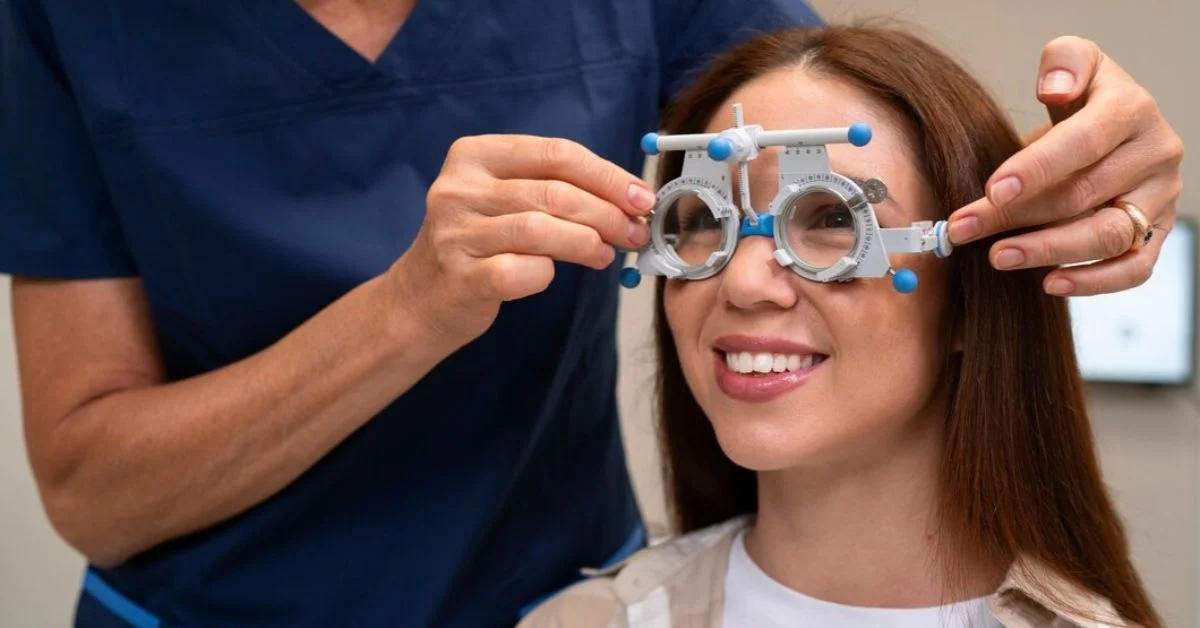
LASIK surgery has revolutionized the way we think about vision correction. In Washington DC, renowned institutions and surgeons are pushing the boundaries of what’s possible with this life-changing procedure. Let’s dive into the details of LASIK surgery in DC, its history, types, and the latest advancements, and address some frequently asked questions to provide you with a comprehensive understanding.
The Evolution of LASIK in Washington DC
LASIK, a procedure that reshapes the cornea with a laser to correct vision, has seen significant advancements since its FDA approval over 25 years ago. In Washington DC, centers like Liberty Laser Eye Center are at the forefront, offering state-of-the-art LASIK options, including the modern SBK LASIK. This bladeless version of LASIK uses a femtosecond laser for ultra-precise corneal reshaping, offering improved safety, predictability, and outcomes for patients.
What Sets LASIK Apart?
LASIK is unique because it offers a permanent solution to refractive errors such as myopia, hyperopia, and astigmatism. Unlike traditional eyewear that merely compensates for vision issues, LASIK corrects them at the source – the cornea. This not only enhances vision but also eliminates the daily inconveniences associated with glasses and contact lenses.
A Closer Look at LASIK Surgery
Types of LASIK Surgery
LASIK has evolved significantly, with current procedures utilizing a femtosecond laser to create a corneal flap, a method far safer and more precise than the original blade-based technique. Alongside LASIK, Photorefractive Keratectomy (PRK) remains an option for those with specific corneal conditions, further expanding the range of customizable vision correction solutions.
The Procedure Day
The LASIK procedure in Washington DC is surprisingly quick and painless, typically completed in under 10 minutes. Patients often find the experience to be less daunting than anticipated, with many achieving 20/20 vision the day after surgery. The process is highly patient-friendly, from pre-op preparations to post-op recovery, making it a preferred choice for many seeking freedom from glasses or contacts.
Advancements and Safety
Recent advancements in LASIK technology have further enhanced its safety and efficacy. In Washington DC, centers like Liberty Laser Eye Center utilize the latest in laser technology and customized treatment plans to ensure optimal results. The adoption of SBK LASIK and meticulous aftercare protocols underscores the commitment to patient safety and satisfaction.
Post LASIK Recovery and Care
After LASIK, patients typically experience a rapid recovery period, with most returning to their regular activities within a few days. Post-operative care includes follow-up visits and the use of medicated or artificial tear drops to promote healing. The emphasis on aftercare is crucial in ensuring the longevity and success of the procedure.
LASIK in Washington DC
| Feature | Description |
| Technology | Advanced femtosecond lasers for precise corneal reshaping |
| Procedures Offered | LASIK, SBK LASIK, PRK |
| Safety Measures | Customized treatment plans, state-of-the-art technology |
| Recovery Time | Rapid, with many patients returning to normal activities within a few days |
| Post-Op Care | Follow-up visits, use of medicated/artificial tear drops |
| Patient Satisfaction | High, with many experiencing 20/20 vision or better shortly after the procedure |
| Cost Effectiveness | Long-term savings over glasses or contacts, with flexible payment options available |
Frequently Asked Questions
Is LASIK painful?
No, LASIK is not painful. Patients are given anesthetic eye drops to ensure a comfortable experience. The procedure itself is quick, with the laser portion lasting only seconds per eye.
How long does LASIK last?
The corrections made by LASIK are permanent. However, it’s important to note that natural changes in the eye, unrelated to LASIK, may still occur over time.
Can LASIK correct astigmatism?
Yes, LASIK can effectively correct astigmatism, along with nearsightedness and farsightedness. The procedure reshapes the cornea to correct the irregularities that lead to these vision problems.
Who is a good candidate for LASIK?
Ideal candidates for LASIK are at least 18 years old, have stable vision, and are free from certain eye diseases. A detailed consultation with a LASIK surgeon in Washington DC can determine if you’re a suitable candidate.
Conclusion
LASIKsurgery in Washington DC represents a milestone in vision correction technology. With cutting-edge procedures like SBK LASIK, patients enjoy improved safety, predictability, and visual freedom. Leading centers, such as Liberty Laser Eye Center, offer comprehensive care, from advanced pre-operative assessments to personalized post-op recovery plans, ensuring each patient’s journey towards clearer vision is smooth and effective.
Key Takeaways:
- Advanced Technology: Utilization of femtosecond lasers for precise corneal reshaping marks a significant advancement in LASIK surgery, making the procedure safer and more effective.
- Variety of Procedures: From traditional LASIK to SBK LASIK and PRK, Washington DC offers a range of options to suit different visual needs and conditions.
- Rapid Recovery: The post-surgery recovery period is brief, with many patients resuming normal activities within days, supported by detailed aftercare instructions.
- Customized Care: Each patient receives a treatment plan tailored to their specific vision requirements, ensuring optimal outcomes.
FAQs About LASIK Surgery in Washington DC
Is LASIK painful? No, thanks to local anesthesia, patients experience minimal discomfort during the procedure, which is brief and efficient.
How long does LASIK last? The corrections made by LASIK are designed to be permanent, although natural changes in the eye might occur as part of the aging proces.
Can LASIK correct astigmatism? Absolutely. LASIK is highly effective in correcting astigmatism, alongside nearsightedness and farsightedness, by reshaping the cornea to correct vision impairments.
Who is a good candidate for LASIK? Ideal candidates are at least 18 years old with stable vision prescriptions and no significant eye health issues. A consultation with a LASIK specialist can determine suitability.
In conclusion, LASIK surgery in Washington DC not only promises enhanced vision but also a lifestyle free from the constraints of glasses or contacts. With a focus on safety, customization, and cutting-edge technology, the region’s leading LASIK providers, like Liberty Laser Eye Center, are dedicated to delivering exceptional outcomes. If you’re considering LASIK, now is the time to reach out and explore how this transformative procedure can benefit you. For personalized care and advanced vision correction solutions, contact us to embark on your journey towards crystal-clear vision.



The healthcare sector, vital for the well-being and development of any society, faces significant challenges that create gaps in access, affordability, and quality of care. These disparities are often more pronounced in low-income communities and developing countries. Bridging these gaps requires a multifaceted approach involving government action, private sector engagement, and individual contributions. One impactful way individuals can contribute is by donate money to charity, specifically to organizations that focus on healthcare. Among these, the Transparent Hands Foundation stands out for its innovative approach to addressing healthcare inequities.
The Healthcare Disparity: An Overview
Healthcare disparities manifest in various forms, including unequal access to medical services, differences in the quality of care received, and varied health outcomes across different population groups. These disparities are influenced by factors such as socioeconomic status, geographic location, race, and ethnicity. For instance, rural areas often lack adequate healthcare facilities and personnel, while urban low-income neighborhoods may face overcrowded and under-resourced clinics.
Government and Policy Interventions
Government policies play a crucial role in bridging healthcare gaps. Initiatives such as expanding public health insurance, investing in healthcare infrastructure, and ensuring a fair distribution of medical resources can significantly improve access to care. Policies that support preventive care, maternal and child health, and chronic disease management are also essential in reducing healthcare disparities.
However, government efforts alone are not sufficient. Effective collaboration between public and private sectors is necessary to create sustainable healthcare solutions. Public-private partnerships can bring in the needed expertise, innovation, and funding to enhance healthcare delivery.
The Role of Charitable Organizations
Charitable organizations are instrumental in bridging healthcare gaps, particularly in underserved regions. These organizations often provide essential medical services, fund healthcare infrastructure projects, and support medical research. Donating money to charity can have a direct and meaningful impact on improving healthcare access and quality.
Transparent Hands Foundation: A Model for Effective Healthcare Charity
The Transparent Hands is a prime example of how charitable organizations can bridge healthcare gaps effectively. Transparent Hands is a non-profit organization that focuses on providing free medical and surgical treatments to patients in need, primarily in Pakistan. The foundation’s unique approach combines transparency, accountability, and community involvement to maximize its impact.
Mission and Vision
Transparent Hands aims to provide high-quality healthcare to underserved populations, ensuring that no one is denied treatment due to financial constraints. The organization also seeks to raise awareness about healthcare issues and mobilize resources to support its mission.
How Transparent Hands Operates
Crowdfunding Platform: Transparent Hands utilizes a sophisticated crowdfunding platform where donors can contribute to specific medical cases. This approach not only raises funds efficiently but also connects donors directly with the beneficiaries, fostering a sense of trust and transparency.
Transparency and Accountability: The foundation ensures complete transparency in its operations. Donors can track their contributions and see the impact of their donations through detailed reports and updates. This level of transparency is crucial in building donor confidence and encouraging more people to contribute.
Comprehensive Healthcare Services: Transparent Hands offers a wide range of medical services, including surgeries, medical camps. By addressing both immediate and long-term healthcare needs, the organization provides holistic care to its beneficiaries.
Community Involvement: The foundation actively involves local communities in its projects. By partnering with local healthcare providers and organizations, Transparent Hands ensures that its interventions are culturally appropriate and sustainable.
The Impact of Donating to Transparent Hands
Donating money to Transparent Hands can make a significant difference in the lives of individuals and communities. Here are some of the ways donations help:
Providing Life-Saving Surgeries: Many patients require urgent surgical interventions that they cannot afford. Donations enable Transparent Hands to cover the costs of these surgeries, saving lives and improving health outcomes.
Supporting Medical Camps: Through regular medical camps, Transparent Hands reaches remote and underserved areas, providing free consultations, medications, and diagnostic services. These camps are crucial for early detection and treatment of various health conditions.
Enhancing Healthcare Infrastructure: Donations help fund the development and improvement of healthcare facilities, ensuring that they are equipped to provide high-quality care.
Empowering Patients: Transparent Hands not only provides medical treatments but also educates patients about their health conditions and preventive measures. This empowerment leads to better health management and outcomes in the long term.
How You Can Contribute
Contributing to organizations like Transparent Hands is a powerful way to bridge healthcare gaps. Here are some steps you can take:
Donate Regularly: Consider setting up a regular donation plan. Even small, consistent contributions can add up to make a significant impact.
Spread the Word: Raise awareness about healthcare disparities and the work of Transparent Hands within your network. Encouraging others to donate can amplify your impact.
Volunteer: If you have medical expertise or other relevant skills, consider volunteering with Transparent Hands or similar organizations.
Organize Fundraising Events: Hosting events such as charity runs, auctions, or benefit dinners can help raise funds and awareness for healthcare causes.
Conclusion
Bridging gaps in the healthcare sector requires collective effort and sustained commitment. While government and private sector initiatives are essential, the role of charitable organizations and individual contributions cannot be overstated. By donating money to charity, especially to transparent and accountable organizations like Transparent Hands Foundation, individuals can play a crucial role in ensuring equitable access to healthcare. Every contribution, no matter how small, helps build a healthier and more equitable world.

Workplace injuries are not uncommon, and spine and back injuries are among the most prevalent. These injuries can lead to significant pain, reduced productivity, and long-term health issues. Fortunately, many of these injuries are preventable with the right knowledge and practices. This blog post will guide you through the common types of spine and back injuries, how to set up an ergonomic workplace, safe lifting techniques, the importance of movement and breaks, strengthening and flexibility exercises, and the employer’s role in injury prevention.
Common Types of Spine and Back Injuries at Work
Spine and back injuries in the workplace can vary widely but often include:
- Herniated Discs: Occur when the soft cushion of tissue between the bones in the spine pushes out.
- Muscle Strains and Sprains: Result from overstretching or tearing muscles or ligaments in the back.
- Sciatica: Pain that radiates along the path of the sciatic nerve, often caused by a herniated disc or bone spur.
- Chronic Back Pain: Persistent pain often due to poor posture, repetitive stress, or underlying medical conditions.
Understanding these common injuries highlights the importance of preventative measures to protect spine and back health.
Setting Up an Ergonomic Workplace
An ergonomic workplace setup is crucial for preventing back injuries. Here are some tips for optimial ergonomics which support back and spine health:
- Chair and Desk Height: Ensure your chair supports your lower back and allows your feet to rest flat on the floor. Your desk should be at a height where your forearms are parallel to the ground when typing.
- Monitor Placement: The top of your monitor should be at or just below eye level, about an arm’s length away.
- Keyboard and Mouse Positioning: Keep your keyboard and mouse close enough to avoid reaching, with your wrists straight and elbows close to your body.
- Ergonomic Accessories: Use lumbar supports, footrests, and adjustable desks to promote a comfortable and healthy posture.
Following Safe Lifting Techniques
According to an experienced Pittsburgh personal injury lawyer, improper lifting techniques are a leading cause of back injuries in workplaces. In order to lift safely and prevent injuries, follow the proper steps:
- Assess the Load: Before lifting, evaluate if the load is too heavy or awkward. Ask for help or use lifting equipment if needed.
- Plan the Lift: Ensure a clear path and stable footing before lifting.
- Bend Your Knees: Squat down, bending at the knees and hips while keeping your back straight.
- Keep the Load Close: Hold the object close to your body at waist level.
- Avoid Twisting: Turn your whole body, not just your torso, to avoid twisting your spine.
Importance of Movement and Breaks
Prolonged periods of sitting or standing in static postures can lead to muscle stiffness, reduced circulation, and increased pressure on the spine, which are significant risk factors for developing chronic back pain and injuries. Regular movement and scheduled breaks help to alleviate these issues by promoting blood flow, reducing muscle tension, and allowing the spine to shift out of rigid positions.
Simple activities such as standing up, stretching, walking around, or performing desk exercises can make a substantial difference in maintaining spinal health. Taking short breaks every hour to perform simple stretches at your desk can help relieve muscle tension. For example, desk exercises can Include seated leg raises, shoulder shrugs, and neck rotations.
By incorporating these practices into the daily routine, employees can mitigate the adverse effects of prolonged sedentary behavior, ultimately fostering a healthier and more dynamic work environment.
Strengthening and Flexibility Exercises
Building a strong and flexible back can prevent the risk of injuries. Some exercies that can help improve the strength and health of your back and spine include:
- Strengthening Exercises: Focus on core exercises such as planks, bridges, and back extensions to support your spine.
- Flexibility Exercises: Incorporate yoga or Pilates to improve flexibility and reduce muscle tension.
- Regular Physical Activity: Engage in regular aerobic exercises like walking, swimming, or cycling to maintain overall back health.
Employer’s Role in Injury Prevention
Employers play a crucial role in preventing back and spine injuries at work by creating a supportive and health-conscious environment. This responsibility includes conducting regular ergonomic assessments to ensure that workstations are designed to minimize strain and promote proper posture. Employers should implement comprehensive training programs that educate employees on safe lifting techniques, correct posture, and the importance of regular movement.
Additionally, promoting wellness programs that encourage physical activity and provide resources for back health can significantly reduce injury risks. Policies that allow flexible breaks and access to ergonomic tools further support employees in maintaining spinal health. By prioritizing ergonomic practices, safe lifting techniques, regular movement, and exercises, both employees and employers can significantly reduce the risk of spine and back injuries. A proactive approach to workplace health not only improves well-being but also enhances productivity and morale. Stay mindful of your posture, take breaks to move, and strengthen your body to keep your spine and back healthy at work.

Family urgent care centers are vital healthcare facilities designed to offer prompt medical attention for non-life-threatening conditions. These clinics bridge the gap between primary care doctors and emergency rooms, providing a convenient and cost-effective option for families. They are typically equipped to handle a range of issues, from minor injuries like cuts and sprains to common illnesses like flu and infections.
Family urgent care centers are known for their extended hours, often remaining open during evenings and weekends, which makes them accessible when most doctors’ offices are closed. The environment in these centers is usually family-friendly, staffed by healthcare professionals skilled in treating patients of all ages, ensuring that both children and adults receive appropriate care.
By choosing the right family urgent care clinic, families can ensure they receive timely medical care in a welcoming and professional setting without the long wait times and high costs associated with hospital emergency rooms. Here are key factors to consider when selecting a family urgent care clinic.
Location and Accessibility
The proximity of the urgent care clinic to your home or workplace is a primary consideration. In cases of illness or minor injuries, you want to minimize travel time. Check for clinics within a reasonable driving distance and consider their ease of access. This includes not just physical location but also aspects like parking availability and public transport accessibility.
Hours of Operation
When choosing Magnolia Family Urgent Care, it’s essential to check their hours of operation. They are open weekdays and weekends, including holidays. This schedule ensures that urgent care is accessible beyond typical business hours, offering flexibility for those with varied personal and professional commitments.
Insurance and Costs
Before visiting an urgent care, verify that they accept your health insurance. This information is typically available on the clinic’s website or by a quick phone call. Understanding the insurance they accept and the potential out-of-pocket costs you might face is vital in avoiding unexpected medical bills.
Range of Services Offered
The scope of medical services an urgent care provider can provide can vary significantly. Some clinics might offer a wide range of services, including x-rays, lab tests, vaccinations, and even pharmacy services, while others might not. Evaluate what types of services your family might need and ensure the clinic can cater to those needs. This is especially important for families with children, as pediatric care requires specific expertise.
Wait Times
Although urgent care clinics are generally faster than emergency room visits, wait times can still vary. Some clinics offer the ability to check current wait times online or even reserve a spot in line. This feature can be incredibly convenient, helping you manage your time better and reduce the stress of waiting when you or a family member is unwell.
Staff Qualifications and Experience
The qualifications and experience of the medical staff are crucial. Look for clinics that staff board-certified doctors, nurses, and medical practitioners who specialize in family health care. The presence of well-qualified and experienced staff is often indicative of the quality of care the clinic is capable of providing.
Patient Reviews and Reputation
In today’s digital age, access to reviews and feedback from other patients can provide insightful information about the quality of care at an urgent care clinic. Websites like Google, Yelp, and other medical review sites can offer real-world insights into patient experiences. Pay attention to comments about staff friendliness, facility cleanliness, and overall patient satisfaction.
Facility Cleanliness and Comfort
The environment of the clinic is another significant factor. A clean and well-maintained facility can be a marker of the professionalism and standards of care you can expect. When you visit, observe whether the environment feels welcoming and comfortable, which is particularly important if children are involved.
Communication and Follow-up Care
Good communication is essential in healthcare. The clinic should have a clear process for following up on the care provided. This includes explaining treatment clearly, outlining follow-up steps, and offering information on how to get in touch if further issues arise. Some clinics may offer direct lines of communication through phone apps or patient portals, which can significantly enhance the continuity of care.
Emergency Capabilities
While urgent care clinics are not equipped to handle major emergencies, understanding the level of care they can provide and their procedures for dealing with more severe situations is important. Knowing whether they can stabilize a patient and the protocols for transferring to a hospital if necessary can be reassuring.
Conclusion
Choosing the right family urgent care clinic requires a careful evaluation of several factors, from logistical considerations like location and hours to more qualitative aspects like staff expertise and facility quality. By taking the time to research and consider these elements, you can ensure that when medical needs arise, your family receives prompt, competent, and caring treatment. This preparedness can ease the stress of medical emergencies and contribute significantly to the overall health and well-being of your family.


 HOME IMPROVEMENT1 year ago
The Do’s and Don’ts of Renting Rubbish Bins for Your Next Renovation
- BUSINESS1 year ago
Exploring the Benefits of Commercial Printing
- HOME IMPROVEMENT9 months ago
Get Your Grout to Gleam With These Easy-To-Follow Tips

 BUSINESS1 year ago
Brand Visibility with Imprint Now and Custom Poly Mailers
- HEALTH10 months ago
The Surprising Benefits of Weight Loss Peptides You Need to Know
- HEALTH9 months ago
Your Guide to Shedding Pounds in the Digital Age
- TECHNOLOGY12 months ago
Dizipal 608: The Tech Revolution Redefined

 HEALTH1 year ago
Happy Hippo Kratom Reviews: Read Before You Buy!