GENERAL
The Ultimate Guide to Benefits and Features of Pedal Drive Kayaks


Pedal drive kayaks have taken the kayaking world by storm, bringing a whole new level of efficiency and convenience to the sport. Imagine gliding through the water, powered by your legs instead of paddles-it’s a game-changer! These innovative kayaks come equipped with pedals, allowing you to propel forward effortlessly.
In this guide, we’ll dive into the incredible benefits and features of pedal drive kayaks, revealing why they’re becoming a go-to choice for kayak enthusiasts everywhere. Get ready to discover the future of kayaking!
Benefits of Pedal Drive Kayaks
Pedal drive kayaks offer several advantages over traditional paddle kayaks. Let’s take a closer look at some of the most prominent benefits:
Hands-free Operation
One of the biggest selling points of pedal drive kayaks is their hands-free operation. With traditional kayaks, you need to use your arms and paddle continuously to move forward.
This can be tiring and limit your ability to do other things like taking photos or fishing. Pedal drive kayaks free up your hands, allowing you to multitask and enjoy a more comfortable and relaxed kayaking experience.
Increased Efficiency
Pedal drive kayaks are much more efficient than traditional paddle kayaks. This means you can cover longer distances with less effort.
The reason for this is that your leg muscles are larger and stronger than your arm muscles. It allows you to generate more power and propel the kayak forward at a faster pace. This increased efficiency also makes it easier to navigate through strong currents or windy conditions.
Better Maneuverability
Another significant benefit of pedal drive kayaks is their superior maneuverability. The pedals allow for precise and controlled movements. This makes it easier to turn and navigate around obstacles in the water.
This feature is particularly useful when fishing, as you can stay in one spot or move slowly without constantly adjusting your paddle. It’s also great for exploring narrow waterways and tight spaces.
Comfortable Seating
Most pedal drive kayaks come with adjustable seats that provide excellent lumbar support. This makes them much more comfortable than traditional kayaks.
The ergonomic design of the seating also helps distribute weight evenly. This reduces fatigue on longer trips.
Some pedal drive kayaks even have elevated seats. Thus, giving you a higher vantage point for better visibility and improved comfort.
Great for Fishing
Pedal drive kayaks are a game-changer for fishing enthusiasts. The hands-free operation allows you to fish while maintaining your position in the water without constantly paddling.
The increased efficiency also means you can cover more ground and reach fishing spots which would be challenging with a traditional kayak. The maneuverability of pedal drive kayaks also makes it easier to navigate and position yourself for optimal fishing opportunities.
Improved Stability
Pedal drive kayaks have a broader and more stable design compared to traditional kayaks. This makes them ideal for beginners or those looking for a more stable experience.
The wider hull also allows for greater weight capacity. Thus, making it possible to bring along additional gear or supplies on your kayak adventures.
Exercise Benefits
Kayaking is already an excellent form of exercise, but pedal drive kayaks take it to the next level. The constant movement of your legs provides a low-impact and full-body workout.
It’s a great way to improve cardiovascular health, strengthen muscles, and burn calories while enjoying the outdoors. Plus, the hands-free operation allows you to focus solely on the leg movements and get the most out of your workout.
Accessibility for All
Pedal drive kayaks are easier for beginners or those with physical limitations to use. This makes it more accessible to a wider range of individuals.
The hands-free operation and support from the seat make it easier for individuals with arm or shoulder injuries to kayak comfortably. It also allows those with mobility issues to enjoy the sport without feeling limited by their physical abilities.
Features of Pedal Drive Kayaks
Apart from the incredible benefits, pedal drive kayaks also come with a range of features that make them stand out in the kayaking world. Here are some of the most notable features:
Pedal System Types
There are two main types of pedal systems used in kayaks-shaft and rotary. Shaft pedals operate similarly to a bicycle, where your feet push up and down on the pedals.
Rotary pedals work by pedaling in a circular motion, which some users find more comfortable. It’s important to try out both types to see which one works best for you.
Adjustable Pedal Drive System
Pedal drive kayaks come with an adjustable pedal drive system that allows you to customize the position of the pedals for your comfort. This feature is especially useful for individuals with different leg lengths or those who prefer a specific foot placement.
Reverse Functionality
Unlike traditional paddle kayaks, some pedal drive kayaks have a reverse functionality. This means you can move backward by pedaling in reverse, making it easier to navigate tight areas or back out of tricky spots.
Multiple Speed Settings
Most pedal drive kayaks come with multiple speed settings, allowing you to adjust the level of resistance while pedaling. This is especially useful for longer trips when you may need to conserve energy or want a more challenging workout. Motorized kayaks also offer multiple speed settings.
Easy Maintenance
Maintaining a pedal drive kayak is relatively easy, compared to traditional kayaks. The pedals and propulsion system can be easily removed for cleaning and maintenance, ensuring your kayak stays in excellent condition for years to come.
Rudder System
Some pedal drive kayaks also come with a rudder system that helps with steering and tracking. This is particularly helpful in windy or rough conditions, as it provides more control over the kayak’s direction.
Storage Options
Pedal drive kayaks typically have built-in storage options, such as dry hatches, bungee cord rigging, and rod holders. These features make it easier to bring along gear, supplies, and fishing equipment on your kayaking adventures.
Hull Design
The hull design of pedal drive kayaks is different from traditional kayaks. They have a flatter and wider bottom, providing more stability and room for your feet to pedal comfortably.
Rudder and Steering Mechanisms
Pedal drive kayaks have a rudder and steering mechanism that is operated by hand. These features allow for better control and maneuverability of the kayak, making it easier to navigate through different water conditions.
Compatibility with Accessories
Many pedal drive kayaks are designed with compatibility in mind, allowing you to add additional accessories such as fish finders or GPS systems. This makes it easier to customize your kayak to fit your specific needs and interests.
Portability
Despite their larger size, pedal drive kayaks are still portable and easy to transport. Most models can be disassembled or folded down for easier storage and transportation.
Choosing the Right Pedal Drive Kayak
When it comes to choosing the right pedal kayak for sale, there are a few factors to consider. Here are some:
Intended Use
Think about how you plan to use the kayak. Will it primarily be for fishing, recreational use, or touring?
Different pedal drive kayaks have various features and designs that make them better suited for specific activities. For instance, fishing kayaks with pedals may have more storage options and a flatter bottom for stability.
Meanwhile, touring kayaks may be longer and more streamlined for speed. Knowing your intended use will help narrow down your options.
Budget
Pedal drive kayaks can range in price from several hundred to several thousand dollars. Set a budget and research different models within your price range to find the best option for you. Keep in mind that more expensive kayaks may come with additional features and higher quality materials, so it’s important to weigh
Weight and Size
Consider the weight and size of the pedal drive kayak, especially if you plan on transporting it frequently. It’s important to choose a kayak that you can handle comfortably and fits within your transportation capabilities.
Water Conditions
Think about the type of water conditions you will be kayaking in. Some pedal drive kayaks are better suited for calmer waters, while others are designed to handle more challenging conditions.
Test Different Models
It’s always recommended to try out different models before making a purchase. This will help you get a feel for the different features and determine which one works best for you.
Safety Tips for Pedal Drive Kayaking
While pedal drive kayaks have many benefits, it’s essential to follow safety precautions when using them. Here are some tips to keep in mind:
- Always wear a life jacket
- Learn kayak features first
- Check conditions before kayaking
- Carry first aid kit
- Hydrate and bring snacks
- Inform route and return
Experience the Benefits and Features of Pedal Drive Kayaks Now!
Pedal drive kayaks offer a range of benefits and features that make them an attractive choice for kayak enthusiasts. From hands-free operation to superior maneuverability, these kayaks provide a more efficient and comfortable experience on the water. With various models and options available, there’s a pedal drive kayak out there for everyone. So why not give it a try and discover the future of kayaking for yourself? Happy paddling!
Is this article helpful? Keep reading our blog for more.



You’ve likely noticed how the right landscape can transform a property’s appeal, but have you explored what Transform Your Space can do for your Fort Collins home? Their expertise in choosing plants that thrive in our unique climate, paired with innovative sustainability practices, ensures that your outdoor space isn’t just beautiful but also environmentally attuned. Imagine stepping into your garden and feeling confident that every plant is positioned to flourish. Now, consider the possibilities that come with professional design and maintenance. Aren’t you curious about the specific techniques they use to achieve these results?
Assessing Your Landscape Needs
Before transforming your outdoor space, it’s essential to carefully evaluate your landscape needs, considering both functionality and aesthetics. You’ll want to start with soil testing to understand the foundation you’re working with. This will tell you about the soil’s pH level, nutrient content, and texture, which are critical for ensuring that whatever you plan to grow thrives. Don’t skip this step, as it sets the stage for a flourishing garden.
Next, you must dive into budget planning. Be realistic about what you can afford to spend and keep in mind that good quality doesn’t always mean the most expensive options. Allocate funds wisely between must-haves and nice-to-haves. For instance, you might prioritize durable materials for pathways or invest in high-quality soil amendments based on the results of your soil test.
Think about the practical aspects of your space. How much maintenance are you willing to undertake? Do you need areas designated for kids to play or pets to roam? How will the changes affect your current home’s functionality? Answering these questions will guide your design decisions, ensuring that your landscape isn’t only beautiful but also practical and sustainable within your budget.
Choosing the Right Plants
Having assessed your landscape needs and prepared your soil, it’s time to select the right plants that will thrive in your outdoor space. In Fort Collins, considering the local climate is crucial. You’ll want to choose plants that not only match the aesthetic you’re aiming for but also can adapt to the seasonal changes typical of the area. Incorporating a variety of seasonal blooms ensures your garden remains vibrant and colorful throughout the year. Think tulips and daffodils for spring, daylilies for summer, chrysanthemums for fall, and pansies that can handle the chill of early winter.
Be mindful of plant allergies when making your selections. Opt for hypoallergenic plants like hydrangeas or azaleas to keep your garden comfortable for everyone. Avoid high-pollen producers such as junipers or birch trees if you or frequent visitors have sensitivities.
Aesthetically, layer your plant choices by height, color, and texture. Start with larger shrubs as your backdrop, mid-sized flowering plants next, and ground cover or low-growing blooms in front. This strategy not only creates a lush, tiered look but also allows each plant to shine without overshadowing its neighbors. Always check the growth requirements and care instructions to ensure optimal health and beauty of your garden.
Designing for Sustainability
Incorporating sustainable practices into your landscape design not only conserves resources but also creates a harmonious outdoor environment that thrives with minimal intervention. By focusing on water conservation, you’re not just saving water; you’re also building a landscape that withstands Fort Collins’ varying climate conditions with ease. Consider installing drip irrigation systems that deliver water directly to the roots, where it’s most needed, reducing wastage significantly. This method is far more efficient than traditional sprinklers and ensures that your plants receive the optimal amount of hydration without excess.
Urban adaptation plays a crucial role in sustainable landscape design. You’ll want to select native plants that are adapted to the local environment. These plants require less water and maintenance, reducing your landscape’s overall resource dependency. Moreover, incorporating permeable paving solutions helps manage stormwater, preventing runoff and erosion, and recharging the groundwater.
Strategically place trees to provide natural cooling in your yard. Deciduous trees, for instance, offer shade during summer while allowing sunlight in the winter, cutting down on energy used for heating and cooling your home. By thinking sustainably, you’re not just designing a garden, you’re crafting an eco-friendly extension of your home that blends aesthetics with practical environmental stewardship.
Implementing Your Landscape Plan
How do you transform your sustainable landscape design into a tangible, thriving outdoor space?
First, it’s vital to focus on site preparation. This means evaluating the soil quality, drainage, sunlight, and existing vegetation. Adjusting these elements ensures that the ground is fertile and ready for new plantings. It could involve amending the soil, grading the land for proper drainage, or removing unhealthy plants and weeds.
Next, consider your budget planning. It’s easy to get carried away with beautiful designs, but it’s crucial to align your vision with what you can afford. Start by listing all necessary materials and plants, then get quotes from various suppliers to find the best deals without compromising quality. Don’t forget to factor in the cost of labor if you’re hiring professionals to assist with the implementation.
Choosing the right time of year for planting also affects your project’s success and budget. Certain plants thrive when planted in specific seasons which can also lead to cost savings.
Maintenance and Upkeep Tips
To ensure your landscape remains vibrant and healthy, regularly assess and adjust your garden’s watering needs based on seasonal changes and weather conditions. Remember, your plants’ thirst varies with the shifting temperatures and precipitation levels throughout the year. Establishing a dynamic watering schedule that reflects these changes can prevent both underwatering and overwatering, safeguarding your plant’s health and your water bill.
Seasonal pruning is another crucial aspect of maintaining your landscape’s aesthetic and vitality. As landscape design Fort Collins transitions through the seasons, different plants will require pruning at different times to promote healthy growth and flowering. For instance, prune your flowering perennials in early spring to encourage robust blooms, and tackle trees and shrubs in late winter to avoid cutting off new buds.
This not only enhances the shape and strength of your plants but also prevents disease by removing dead or diseased branches.Lastly, keep an eye on soil health. Aerate your soil periodically to improve water penetration and root growth. Adding organic mulch can help retain moisture, suppress weeds, and enrich the soil. By following these practical, aesthetic-focused tips, you’ll ensure your garden remains a lush, inviting space year-round.

Have you ever considered the impact that over 200 different plant species could have on your Fort Collins home? At Bringing Nature Home: Greenhouse Nursery, you’re not just buying plants; you’re adopting a new member into your family, complete with detailed care instructions and a backstory of its ecological niche. Whether you’re a seasoned gardener or a curious newcomer, the benefits of integrating these living, breathing organisms into your space are manifold. Imagine the possibilities as you learn to replicate the perfect soil composition, manage sunlight exposure, and understand climate conditions for each species. What might your first choice be, and how would it transform your living space?
Exploring Our Plant Selection
Our greenhouse proudly offers an extensive selection of over 200 plant species, each meticulously chosen for its unique adaptability and aesthetic appeal. As you peruse our collections, you’ll discover an array of seasonal varieties that are tailored to thrive in Fort Collins’ unique climate. Each season brings its own set of plants, ensuring that your garden can flourish year-round with species that are ideally suited for the shifting conditions.
Moreover, we’re excited about our exotic introductions, which have been carefully selected from diverse ecosystems around the globe. These plants offer a glimpse into distant landscapes, providing an enchanting contrast to local flora. For instance, the vibrant Nepenthes, a tropical pitcher plant, captivates with its intricate trap mechanism designed for insect capture. This fascinating adaptation not only adds a touch of the tropics to your space but also sparks curiosity about the wonders of plant evolution.
Each plant in our collection comes with detailed care instructions and insights into its ecological background. This ensures that you’re well-equipped to nurture these plants, appreciating not just their beauty but also their role in their native habitats. Dive into our botanical world and let’s cultivate a deeper connection with nature together.
Benefits of Indoor Plants
While exploring our diverse plant selection, you may also consider the numerous health and environmental benefits that indoor plants bring to your home or office. Notably, the ability of plants to purify air is a significant boon. Research has shown that certain indoor plants can absorb harmful toxins like benzene, formaldehyde, and trichloroethylene from the air. Through a process known as phytoremediation, these plants act as natural air purifiers, enhancing your living or working environment by reducing pollutant levels, which can lead to improved respiratory health and overall well-being.
Moreover, the presence of indoor plants can have a profound impact on mental health. Studies indicate that rooms containing plants have a noticeably lower rate of anxiety and stress among their occupants. This is attributed to the natural calming effect plants have on human psychology. Engaging with plants, whether it’s watering them or simply enjoying their beauty, can decrease stress hormone levels, making you feel more relaxed and focused. This connection to nature can significantly uplift your mood and boost your productivity.
Incorporating indoor plants not only beautifies your space but serves as a vital component in promoting a healthier, more harmonious lifestyle.
Sustainable Gardening Practices
Adopting sustainable gardening practices reduces your ecological footprint, conserves resources, and supports local biodiversity. As you embark on this eco-friendly journey, it’s essential to focus on two pivotal aspects: water conservation and the use of organic fertilizers.
Water conservation isn’t just about using less water; it’s about maximizing efficiency. You can implement drip irrigation systems that deliver water directly to the roots of your plants, where it’s most needed, minimizing waste. Additionally, consider harvesting rainwater. This not only reduces dependence on municipal water systems but also prevents runoff, which can carry pollutants into local waterways.
Organic fertilizers, on the other hand, play a crucial role in enriching your soil without the harsh chemicals found in synthetic options. These natural alternatives, derived from plant, animal, and mineral sources, release nutrients slowly, enhancing soil fertility and microbial activity. This method not only nourishes your plants but also helps sequester carbon in the soil, mitigating climate change.
Embrace these practices passionately. Your garden can become a testament to sustainable living, demonstrating that each small step can lead to significant environmental benefits. Engaging in these practices isn’t just gardening; it’s an act of ecological responsibility.
Educational Workshops Offered
To further enhance your sustainable gardening skills, the Greenhouse Nursery Fort Collins offers a series of educational workshops tailored to both novice and experienced gardeners. These sessions delve into the intricacies of botany and horticulture with a robust emphasis on pollinator awareness, equipping you with knowledge on how to create and maintain a garden that supports vital ecosystems.
You’ll discover the role of pollinators in biodiversity and learn specific planting strategies to attract and protect these essential creatures. The workshops include hands-on activities where you’ll engage in creating seasonal crafts such as bee hotels from natural materials, which serve as nesting grounds for native bee species. This not only aids in pollinator conservation but also enriches your garden’s aesthetic and ecological value.
Additionally, the nursery’s experts provide insights into the selection of native plants that thrive in Fort Collins’ climate, promoting a landscape supportive of local wildlife. Through these workshops, you’ll be empowered to implement sustainable practices that contribute positively to environmental health and your own well-being.
Tips for Plant Care
Proper plant care begins with understanding your garden’s specific needs, including soil composition, sunlight exposure, and local climate conditions. By identifying these elements, you’ll tailor a precise watering schedule that meets the demands of your plants, preventing both under and over-watering. It’s crucial to monitor the moisture level of your soil, allowing it to dry slightly between watering sessions, which encourages robust root growth.
Equally important is implementing effective pest control strategies. Start with a routine check for signs of infestation. Early detection is key to managing pests before they become a significant issue. Use environmentally friendly pesticides, and consider introducing natural predators like ladybugs into your garden, which can control aphid populations naturally. Regularly clean away debris and fallen leaves from your plant beds to minimize habitats for pests to breed.
Your commitment to these practices won’t only enhance the health and vitality of your garden but also deepen your connection to the ecosystem around you. Remember, consistent care is your most effective tool in cultivating a thriving garden that brings joy and beauty into your life.
Visiting Our Nursery
When you visit our nursery in Fort Collins, you’ll discover a diverse array of plants, each meticulously cared for to ensure optimal health and growth. The nursery layout is strategically designed to simulate natural habitats, enhancing each plant’s development. You’ll walk through zones categorized by plant species and climatic needs, from arid desert succulents to lush ferns thriving in shaded dampness.
As you navigate this verdant space, our seasonal promotions offer unique opportunities to expand your home garden. This fall, we’re spotlighting native shrubs and perennials that are particularly adept at transitioning from our nursery to your local soil and climate conditions. Each plant comes with a detailed care sheet that encapsulates our scientific approach to horticulture, ensuring you leave well-equipped to tend to your new green companions.Our passionate staff are always on hand to discuss plant physiology, pest management, and the ecological benefits of integrating native flora into your landscaping. We encourage questions and love sharing our knowledge, aiming to foster a community as interconnected as the ecosystems we help you build at home. So, don’t hesitate to engage with us during your visit, enhancing both your experience and your garden’s potential.
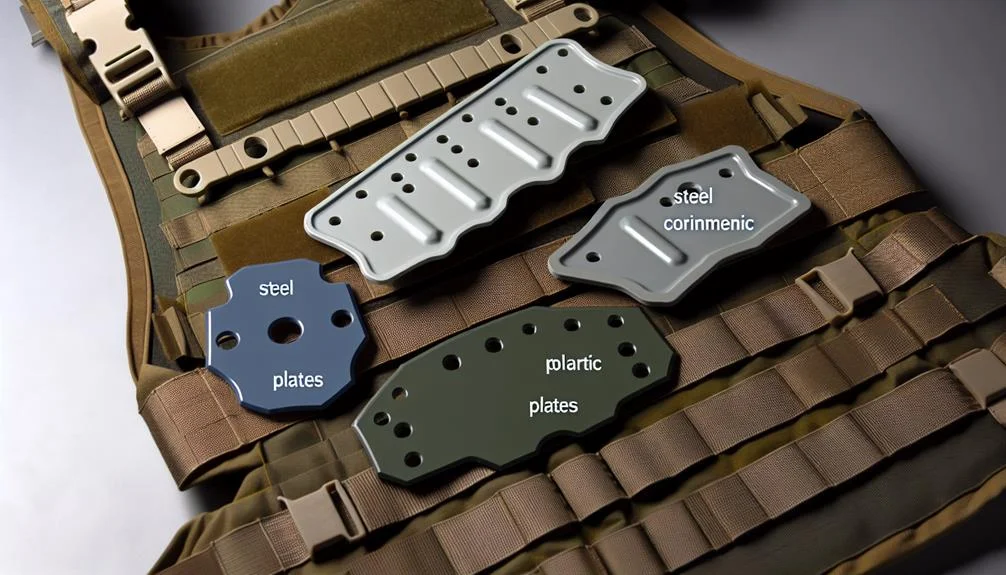
When you’re in the market for a body armor vest, it’s crucial you understand the specifics of rifle plates to ensure you’re adequately protected. Depending on your operational environment, the choice between steel, ceramic, and polyethylene plates can make a significant difference in both protection and comfort. Steel might offer robustness, but have you considered the weight implications on your mobility? Furthermore, while ceramic plates are lighter, they come with their own set of vulnerabilities. It’s essential to weigh these options against your specific needs. Curious about how these materials stand up under pressure and what might be the best fit for your situation?
Types of Rifle Plates
Rifle plates, essential for ballistic protection, come in various materials and designs tailored to specific threat levels and operational needs. As you delve deeper into the types of rifle plates, it’s crucial to understand how their design influences functionality, particularly through plate curvature and weight distribution.
Plate curvature is designed to conform to your body’s natural shape, enhancing comfort and mobility. This ergonomic feature is categorized primarily into two types: single-curved and multi-curved plates. Single-curved plates are bent across a single axis, offering a basic ergonomic fit. In contrast, multi-curved plates are contoured to fit more closely and snugly against the torso, providing better weight distribution and increased comfort during extended wear.
Weight distribution is another critical aspect, significantly impacting your agility and endurance in the field. Properly designed plates distribute the weight evenly across your body, reducing fatigue and increasing operational efficiency. This balance is pivotal, especially in high-risk environments where mobility and the ability to react quickly can determine the outcome of an encounter.
Understanding these aspects will guide you in selecting the right plate that offers optimal protection while ensuring you can move freely and respond swiftly.
Material Considerations
When selecting rifle plates, it’s essential to consider the materials used, as they directly impact the plate’s effectiveness, weight, and durability. The primary materials in rifle plates are steel, ceramic, and polyethylene, each offering unique benefits and drawbacks.
Steel plates are incredibly durable and provide robust protection against multiple hits. However, their significant weight factors can impede mobility and operational endurance. In contrast, ceramic plates offer a lighter alternative, crucial for dynamic tactical situations. Despite their weight advantage, they’re more prone to cracking and usually can’t withstand multiple hits like steel.
Polyethylene plates stand out for their ultra-lightweight properties, enhancing user agility and comfort. They’re effective against high-velocity rifle rounds due to their layered, woven structure, which absorbs and disperses impact energy. Yet, they can be susceptible to degradation from environmental elements like heat and moisture, impacting long-term reliability.
You need to weigh these factors carefully against your operational needs and scenario specifics. Consider also the environmental impact of your choice. Manufacturing processes for ceramic and polyethylene are generally more energy-intensive compared to steel, which might influence your decision if sustainability is a priority in your procurement strategy.
Certification and Standards
Certification standards ensure that rifle plates meet rigorous safety and performance benchmarks essential for protective gear. As you delve into the world of body armor, understanding these standards is crucial for ensuring you’re adequately protected. Various organizations set these benchmarks, with the National Institute of Justice (NIJ) being the most recognized in the U.S. They provide a classification system that rates the level of ballistic protection offered by rifle plates.
The testing protocols for certification are extensive and scientifically rigorous. They involve shooting the armor plates with specific calibers and bullets at predetermined velocities to simulate real-world threats. The plates mustn’t only stop the bullets but also limit the blunt trauma to the wearer. This is quantitatively measured to ensure the impact doesn’t exceed dangerous levels.
Compliance verification is another critical aspect. This process ensures that every batch of armor meets the same standards as the samples tested. Manufacturers must consistently produce plates that pass these tests and must re-certify periodically. The verification process often includes both announced and surprise inspections by certification bodies to ensure ongoing compliance.
It’s important you check that any rifle plate you’re considering isn’t only certified but also has current compliance verification to guarantee your safety.
Maintenance and Care
To ensure your rifle plates maintain optimal performance, regular inspection and proper cleaning are essential. You’ll need to check for any signs of cracks, dents, or deformations. These defects can compromise the protective capabilities of the plates. It’s advisable to perform these inspections routinely, ideally after each use if they’ve been subjected to stress or on a monthly basis if not actively used.
When it comes to cleaning, use a damp cloth to wipe down the plates, avoiding harsh chemicals which can degrade the materials’ integrity. Ensure they’re completely dry before storage to prevent any moisture-related damage.
Proper storage methods are also crucial for preserving the life of your rifle plates. Store them in a cool, dry place away from direct sunlight, as UV exposure can weaken the ballistic materials. Don’t stack heavy objects on top of the plates, as this can cause undue pressure and potential warping.
Maintaining these inspection routines and storage practices will significantly extend the lifespan and efficacy of your rifle plates. Remember, taking the time to care for your protective gear ensures it remains reliable and ready when you need it most.
Selecting the Right Plate
After ensuring your rifle plates are well-maintained, it’s important to choose the right plate type to meet your specific protective needs. The selection process involves considering factors like plate curvature and weight distribution, which are crucial for both protection and comfort.
Plate curvature refers to the shape of the armor plate, designed to conform to your body’s natural contours. There are typically two types: single-curved plates, which curve along a single axis, and multi-curved plates, which are contoured across multiple axes for a closer, more ergonomic fit. Multi-curved plates generally offer better weight distribution, reducing fatigue and increasing your mobility during operations.
Weight distribution is another critical aspect. It impacts how the armor feels during extended wear periods. Plates that distribute weight evenly across their surface can lessen the strain on any single point of your body, preventing discomfort and potential injury from prolonged use. You’ll need to balance the protection level—determined by the plate’s material and thickness—with the weight you can realistically carry.When selecting a plate, assess the threat level you anticipate and match it with the appropriate NIJ rating. Don’t overlook how the plate’s weight and design might influence your agility and stamina. Analytical selection ensures optimal performance and protection.



 HOME IMPROVEMENT1 year ago
The Do’s and Don’ts of Renting Rubbish Bins for Your Next Renovation
- BUSINESS1 year ago
Exploring the Benefits of Commercial Printing
- HOME IMPROVEMENT10 months ago
Get Your Grout to Gleam With These Easy-To-Follow Tips

 BUSINESS1 year ago
Brand Visibility with Imprint Now and Custom Poly Mailers
- HEALTH9 months ago
Your Guide to Shedding Pounds in the Digital Age
- HEALTH10 months ago
The Surprising Benefits of Weight Loss Peptides You Need to Know
- TECHNOLOGY12 months ago
Dizipal 608: The Tech Revolution Redefined

 HEALTH1 year ago
Happy Hippo Kratom Reviews: Read Before You Buy!