BUSINESS
How to Choose the Right Business Office Furniture for Your Company


Choosing the right business office furniture for your company might seem like a daunting task, especially if you are just starting. However, making the right choices can significantly impact productivity, employee satisfaction, and even your company’s image.
This guide will help you navigate through the essential considerations to make your office space both functional and inviting. By the end, you will have a better understanding of what to look for and how to make informed decisions when it comes to office furniture.
Are you ready to transform your workspace? Let’s get started!
Understanding Your Needs
Before you start shopping for office furniture, it’s crucial to understand the specific needs of your business. The first step is to evaluate the available space in your office. Measure your office area and take note of the layout.
Consider where power outlets, windows, and doors are located. This will help you decide where to place your office workstations, desks, and other essential furniture.
Before diving into purchasing, make a list of the essential pieces of office furniture you need.
Prioritize Comfort and Ergonomics
Creating a comfortable and ergonomic workspace is essential for employee health and productivity. Ergonomics designs furniture and tools that fit the user’s body, reducing strain and preventing injuries.
Ergonomic Chairs
Quality office furniture should prioritize the health and comfort of your employees. Ergonomic chairs are a must-have.
They support the spine, reduce back pain, and improve overall posture. Look for chairs with adjustable height, lumbar support, and comfortable padding.
Adjustable Desks
Adjustable desks are a great choice. They let employees switch between sitting and standing, which helps reduce the problems of sitting too long. This flexibility can improve focus and make you more productive.
Storage Solutions
Cabinets, shelves, and drawers for organization. Effective storage helps maintain a clutter-free workspace.
Conference Tables
For meeting rooms to facilitate group discussions. These tables should accommodate multiple people comfortably.
Consider Aesthetic and Brand Image
When selecting office furniture, remember that aesthetics and brand image are crucial to your company’s perception. A cohesive and attractive design enhances your workspace and reinforces your brand’s identity and values.
Color Scheme
The colors of your office furniture can affect how your employees feel and work. Neutral colors like white, black, and grey make the office look professional. Adding bright colors with chairs or decorations can make the space feel more welcoming and lively.
Style Consistency
Pick furniture that matches your brand’s look and feel. If your brand is modern and new, go for stylish, contemporary pieces. If your brand is more old-fashioned, classic wooden furniture might work better.
Budget Wisely
Budgeting wisely ensures you maximize your financial resources without compromising quality or essentials. It helps you avoid overspending and enables better financial planning and future investments.
Set a Budget
Figure out how much you want to spend on office furniture. Remember, good furniture is important for comfort and getting work done over time. But, make sure to balance quality and price.
Explore Financing Options
If you’re on a tight budget, think about renting furniture or looking into payment plans. Many furniture stores let you pay in installments or rent, so you can set up your office without spending a lot of money right away.
Optimize for Functionality
Ensuring your office furniture is functional is crucial for an efficient work environment. Functional furniture supports daily operations and helps employees perform tasks more effectively.
Modular Furniture
Modular furniture is great for growing businesses. You can change these pieces around as your needs change, making them flexible and scalable. Look for modular desks and storage units that can fit different layouts and team sizes.
Storage Solutions
Good storage is very important for keeping your office tidy and free of clutter. Get some good cabinets, shelves, and filing systems. Think about furniture that can do more than one thing, like desks with drawers or benches that also have storage.
Quality and Durability
Investing in high-quality office furniture ensures longevity and reduces the need for replacements, saving costs over time. Durable furniture provides comfort and support, boosting employee productivity and satisfaction.
Material Matters
The material of your office furniture affects how long it lasts and how easy it is to take care of. Common choices are wood, metal, and good-quality plastic. Wood looks classic, but metal furniture is usually stronger and easier to clean.
Warranty and Return Policies
When buying furniture, make sure it comes with a warranty. This way, you can get it fixed or replaced if something goes wrong. Also, check the return policies so you know what to do if you don’t like it.
Involve Your Team
Involving your team in the furniture selection process is crucial;. It ensures their needs and preferences are met, enhancing job satisfaction and productivity.
Seek Employee Input
Include your employees when making decisions. Ask them what they like for comfort and functionality. This helps choose the right furniture and makes them feel important.
Test Before You Buy
If you can, try out the furniture before you buy it. Many stores let you test their pieces or visit showrooms. This way, you’ll know better what you’re getting.
Sustainability
Choosing eco-friendly office furniture helps the environment and shows you care about social responsibility. It can attract clients and employees who value sustainability. Plus, this furniture is often made from durable materials, meaning it lasts longer and you won’t have to replace it often.
Look for furniture made from recycled or sustainable materials and buy from suppliers with green certifications. Sustainable furniture also saves money in the long run.
Getting the Best on Business Office Furniture
Choosing the right business office furniture for your company is crucial for creating a productive, comfortable, and professional work environment. By following these tips, you can make informed decisions that benefit your business long-term.
Remember, office furniture is an investment in your company’s success. Choose wisely, and your employees and business will benefit. Happy shopping!
If you’re eager to dive deeper into other interesting topics, we have plenty more to share! Visit our website for a wealth of articles, guides, and discussions on this topic and more.



Have you ever felt overwhelmed by the complexities of RFP insurance when trying to secure the best deal for your company? In a market where every detail counts and the stakes are high, understanding the ins and outs of RFP insurance is not just a necessity; it’s a game changer.
This article unpacks the layers of RFP insurance by offering you expert insights and actionable advice that could revolutionize your approach to securing insurance through RFPs. By the end of this read, you’ll not only grasp the essentials but also discover strategic tips to navigate this challenging field with confidence.
What is RFP Insurance?
RFP insurance ensures that businesses can seek proposals for their insurance needs confidently, knowing that a security framework backs them. This type of insurance is pivotal for companies looking to mitigate risks associated with the procurement process.
With RFP insurance, companies are protected against liabilities that might arise from disputes or misunderstandings during the bidding phase.
Key Challenges in RFP Insurance
The process of securing RFP insurance can be daunting. One of the key challenges is RFP construction. The way a request for proposals is built can heavily influence the outcomes.
Poorly constructed RFPs may lead to inadequate responses. This makes it tough to choose the best offer.
Another challenge is proposal request construction. Ensuring that the proposal requests are clear and comprehensive requires attention to detail and a deep understanding of the business’s needs.
Expert Tips for Navigating RFP Insurance
Navigating RFP insurance effectively requires a blend of strategic planning and practical insights. First, prioritize transparency in your RFP documents. Clear and concise language prevents misunderstandings and attracts responses that closely match your requirements.
Consider involving an experienced RFP writer early in the process. Their expertise can craft documents that speak directly to the needs of your project and ensure that all critical details are highlighted.
Another expert tip is to engage in thorough RFP management. This includes:
- Setting realistic timelines for responses
- Giving potential insurers enough time to submit thoughtful proposals
- Reviewing these proposals carefully
Use specialized software tools designed for RFP management, which help streamline the comparison and evaluation of received proposals. This technology can save time and reduce errors by automating parts of the review process. It allows for a more objective decision-making framework.
Resources for Making Informed Decisions
Another vital aspect of managing RFP insurance effectively involves using the right resources. Recommended tools for managing RFPs include software that allows tracking of responses and comparisons of proposals side by side.
Additionally, consulting with industry experts who understand the nuances of RFP services and proposed contracts can provide invaluable insights that ensure better decision-making.
Future-Proof Your Business with Expert Advice
In navigating the complexities of RFP insurance, we’ve covered essential knowledge, pinpointed common challenges, and shared expert strategies to enhance your RFP process. Armed with these insights, you’re now better prepared to manage proposals and contracts more effectively and ensure your business stays competitive and secure.
For more insights and in-depth analysis, continue exploring our Business section. Your next strategic advantage could be just an article away!
Did you find this article helpful? Check out the rest of our blog.

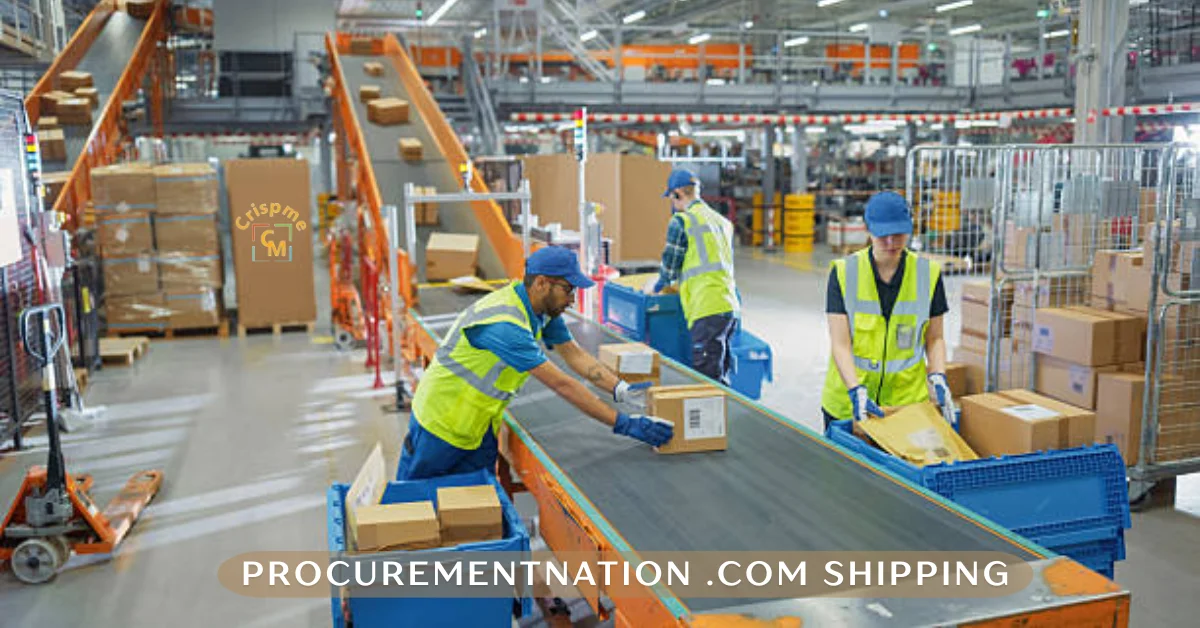
Introduction to ProcurementNation .com Shipping
In the fast-paced world of business, asset recovery can often feel like navigating a maze. With countless moving parts and complex logistics, it’s crucial to have an effective strategy in place. Enter ProcurementNation.com shipping a game-changer for companies looking to streamline their asset recovery processes. This platform not only simplifies shipping but also enhances your ability to reclaim valuable resources with ease and efficiency. Whether you’re dealing with excess inventory or returning items that no longer serve your purpose, understanding how ProcurementNation.com shipping works could be the key to unlocking smarter asset management for your business. Let’s dive into the importance of this process and discover tips that can elevate your asset recovery efforts.
The Importance of Asset Recovery in Businesses
Asset recovery plays a crucial role in the sustainability of any business. It allows companies to reclaim value from underperforming or obsolete assets, turning potential losses into cash flow.
In a competitive landscape, efficient asset recovery can enhance profitability. Businesses that strategically recover and repurpose their assets often gain an edge over rivals who overlook this opportunity.
Moreover, effective asset recovery contributes to environmental responsibility. By reusing existing materials and equipment, businesses reduce waste and support sustainable practices.
Engaging with reliable shipping solutions like ProcurementNation.com enhances these efforts. Their streamlined processes make it easier for organizations to manage logistics effectively while maximizing returns on recovered assets.
Focusing on asset recovery fosters financial resilience and operational efficiency within businesses. It’s not just about saving money; it’s about investing wisely in future growth opportunities.
Understanding the Procurement Nation Shipping Process
Understanding the Procurement Nation shipping process is essential for businesses looking to optimize asset recovery. The journey begins with a straightforward sign-up on their user-friendly platform. Once registered, companies can easily list surplus assets that need recovery.
After listing, Procurement Nation facilitates a seamless connection between sellers and potential buyers. Shipping logistics are handled in-house, ensuring each step of the transaction remains efficient and transparent.
Tracking shipments is made simple through their online dashboard. Businesses can monitor every stage of the delivery process in real-time. This transparency helps build trust among all parties involved.
Additionally, personalized support is always available. Experts guide users through any challenges they may encounter during shipping or asset recovery. By combining technology with human expertise, Procurement Nation fosters an environment where successful transactions thrive.
Tips for Successful Asset Recovery through Procurement Nation Shipping
To achieve successful asset recovery through Procurement Nation Shipping, start by clearly identifying your assets. Know what you have and their potential value in the market.
Next, ensure your inventory is well-organized. Accurate tracking makes it easier to manage shipping logistics effectively.
Leverage the expertise of Procurement Nation’s customer service team. They can guide you on best practices and help navigate any challenges during the recovery process.
Consider timing as a critical factor. Seasonal trends might influence demand for specific assets, so plan your shipments accordingly.
Maintain open communication with all stakeholders involved in the shipping process. This fosters collaboration and ensures everyone is aligned towards a common goal of maximizing asset recovery efforts.
Utilizing Technology for Smarter Asset Recovery
Technology is revolutionizing asset recovery, making processes more efficient and transparent. Digital tools allow businesses to track assets in real time, minimizing losses and maximizing opportunities.
Consider using data analytics to assess the value of your inventory accurately. This insight helps prioritize items that need swift action for recovery.
Cloud-based platforms can streamline communication among stakeholders involved in the shipping process. By having all relevant information accessible online, teams can collaborate seamlessly.
Additionally, automation plays a vital role. Automated alerts notify you when it’s time to act on specific assets or shipments, reducing manual oversight.
Furthermore, tracking software enables precise monitoring of shipment statuses. Knowing where each asset stands at any point provides peace of mind and enhances decision-making.
Embracing these technologies not only simplifies asset recovery but also positions your business ahead of competitors adapting slowly to change.
Case Studies: Real-Life Examples of Successful Asset Recovery with Procurement Nation Shipping
One remarkable case involves a mid-sized electronics company that had excess inventory. Using procurementnation.com shipping, they managed to streamline their asset recovery process. The platform enabled them to reach potential buyers swiftly, reducing storage costs significantly.
Another example features a logistics firm facing outdated equipment. By leveraging procurementnation.com shipping, they not only sold the surplus machinery but also connected with businesses needing those specific assets. This strategic move turned an impending loss into unexpected revenue.
A startup in the fashion industry experienced rapid growth yet struggled with unsold seasonal stock. They turned to procurementnation.com for help and quickly found new markets for their products. Their effective use of this service transformed potential waste into profitable sales within weeks.
These stories highlight how diverse industries benefit from smart asset recovery solutions provided by procurementnation.com shipping, demonstrating its versatility and efficiency across different sectors.
Best Practices for Implementing Procurement Nation Shipping in Your Business
To implement ProcurementNation.com shipping effectively, start by assessing your current processes. Identify bottlenecks that hinder smooth operations.
Next, train your team on the platform’s features. Familiarizing them with tools can enhance productivity and minimize errors in asset recovery.
Establish clear protocols for tracking shipments. This ensures transparency and accountability throughout the supply chain.
Leverage data analytics to monitor performance metrics regularly. Understanding trends will help refine strategies for better outcomes.
Encourage open communication among departments involved in procurement and shipping. Collaboration fosters a cohesive approach to asset management.
Stay updated with industry best practices and technology advancements. Adapting to changes keeps your business competitive and ready for new challenges ahead.
Conclusion: Maximize Your Asset Recovery with Procurement Nation Shipping
Maximizing your asset recovery through ProcurementNation .com shipping is not just a strategy; it’s an essential practice for businesses today. By understanding the importance of asset recovery and leveraging the streamlined processes offered by Procurement Nation, companies can reclaim lost value from unused or obsolete assets.
Utilizing technology further enhances this process, making it easier to track shipments and manage inventory effectively. The real-life case studies serve as powerful examples of how organizations have successfully implemented these strategies, showing tangible results in their bottom line.
Following best practices when integrating Procurement Nation shipping into your operations can lead to improved efficiency and greater profitability. With careful planning and execution, businesses can navigate the complexities of asset recovery with confidence.
Embracing these smarter approaches will undoubtedly set you on a path toward maximizing returns on every asset within your organization. It’s time to take action and make procurementnation.com shipping a cornerstone of your business strategy.

Security remains a top priority for individuals and businesses across the United States, driving the demand for innovative and reliable security products. American companies have been at the forefront of developing advanced security solutions, ranging from physical security devices to sophisticated cybersecurity software. We will explore the variety of security products developed in the U.S., their applications in different sectors, emerging trends in security technology, the impact of regulatory environments on their development and deployment, and how these products are shaping the future of security.
Physical Security Solutions
Physical security products form the backbone of asset and personal protection strategies. These include high-security locks, access control systems, surveillance cameras, and alarm systems. American manufacturers of physical security products focus on incorporating cutting-edge technology to enhance the effectiveness and integration of these systems. For example, smart locks that use biometrics and remote access technology offer enhanced security features beyond traditional lock-and-key mechanisms. Similarly, modern surveillance systems utilize high-definition video, facial recognition, and real-time monitoring to secure premises more effectively.
Cybersecurity Software and Hardware
As digital threats evolve, so do the solutions designed to protect against them. American cybersecurity firms are leaders in developing robust software and hardware solutions to defend against cyber threats. These products include firewalls, antivirus software, intrusion detection systems, and more comprehensive cybersecurity platforms that monitor and protect enterprise networks. With the increasing incidence of cyber-attacks, these companies also focus on developing proactive solutions that defend against known threats and predict and mitigate potential future vulnerabilities.
Home Security Systems
The market for home security has expanded significantly, with American companies offering a wide array of products designed to protect homes from intruders, monitor for signs of disaster, and allow homeowners to observe their property remotely. These systems often integrate various technologies, such as door and window sensors, motion detectors, connected smoke alarms, and smart cameras that provide live feeds via smartphone apps. Integrating AI and machine learning has further enhanced the capabilities of home security systems, enabling features like unusual activity detection and automatic emergency notifications.
Security Products for Commercial Use
In the commercial sector, security products protect against theft and vandalism and help manage business operations. For instance, advanced surveillance systems equipped with analytical tools can track customer movements within stores, aiding in layout optimization and marketing strategies. Access control systems are crucial in securing sensitive areas and are increasingly used to monitor employee movements, enhancing security and productivity. American security product manufacturers continually innovate in this space to offer integrated solutions that cater to specific commercial needs.
Emerging Trends in Security Technology
Emerging trends in security technology include the integration of Internet of Things (IoT) devices, the use of big data and analytics, and the development of autonomous security robots. IoT technology has created interconnected security devices that can communicate, providing a more cohesive approach to security management. Big data and analytics are used to predict security breaches before they occur, allowing for more effective preventative measures. Meanwhile, autonomous robots are being deployed for patrolling, equipped with sensors and cameras to provide real-time data and improve response times.
Regulatory Impact on Security Product Development
Federal and state regulations heavily influence the development and deployment of security products in the U.S. These regulations ensure that security products meet certain standards of effectiveness and respect privacy rights where applicable. Compliance with these regulations is crucial for manufacturers, as failure to do so can result in fines, recalls, or the revocation of licenses to operate. As such, American security companies invest heavily in ensuring their products comply with current laws, which in turn shapes the features and capabilities of these products.
Enhancing Transportation Security
Transportation security remains a critical concern in the United States, with security products pivotal in protecting airports, railways, and ports. American companies have developed sophisticated systems that include advanced scanning machines, explosive detection systems, and comprehensive surveillance technologies specifically tailored for the transportation sector. These systems are designed to quickly and efficiently process large volumes of passengers and cargo while maintaining high-security standards. Integrating biometric verification systems further strengthens security protocols, ensuring that transportation hubs can thwart potential threats and provide safe travel environments.
American security products encompass a broad range of solutions designed to address the diverse security needs of modern society. From robust physical security devices to sophisticated cybersecurity software and integrated commercial systems, these products are crucial in safeguarding assets, data, and individuals. The continuous innovation in this field, driven by technological advancements and regulatory requirements, ensures that American security products effectively address current and emerging security challenges. As these technologies evolve, they will play an increasingly important role in shaping a safer future



 HOME IMPROVEMENT1 year ago
The Do’s and Don’ts of Renting Rubbish Bins for Your Next Renovation
- BUSINESS1 year ago
Exploring the Benefits of Commercial Printing
- HOME IMPROVEMENT9 months ago
Get Your Grout to Gleam With These Easy-To-Follow Tips

 BUSINESS1 year ago
Brand Visibility with Imprint Now and Custom Poly Mailers
- TECHNOLOGY12 months ago
Dizipal 608: The Tech Revolution Redefined
- HEALTH9 months ago
Your Guide to Shedding Pounds in the Digital Age
- HEALTH9 months ago
The Surprising Benefits of Weight Loss Peptides You Need to Know
- LAW1 year ago
7 Key Questions to Ask When Hiring a Criminal Lawyer