
BUSINESS
The Art of Brand Communication: Building Strong Connections


Business and marketing are always changing, and good brand communication is one of the most important things that can help you succeed. This piece will go into detail about the idea of brand communication, talk about what it means, and give you useful tips to help you connect with your audience in a real way.
Understanding Brand Communication
Brand communication is all of the ways and plans that a company tells its target audience about itself, its beliefs, and its messages. Your brand’s language is how it talks to people and the rest of the world. Brand communication that works well helps people recognise, believe, and loyal to the brand, which leads to business growth.
The Significance of Brand Communication
- Building Brand Identity: Your brand’s identity is more than just a logo or a color scheme. It’s how people think about your business. A consistent, easy-to-remember business identity is helped by good communication.
- Connecting with Your Audience: If you want to communicate well about your brand, you need to make sure that your words hit home with the people you want to reach. It talks to their wants, needs, and pain points, which makes the connection stronger.
- Building Trust: Being open and consistent in how you talk to people builds trust. People are more likely to interact with and buy from your brand if they know what to expect from it.
- Competitive Advantage: In a crowded marketplace, strong brand communication sets you apart from the competition. People will remember you and your business because of it.
Elements of Effective Brand Communication
- Clear Messaging: Your messages should be short, easy to understand, and always the same. Stay away from jargon and focus on how your service or product meets the wants of your customers.
- Visual Identity: Your design features, colour scheme, and logo should all go together and be easy to remember. They should show who your company is and what it stands for.
- Content Marketing: Share valuable content that educates, entertains, or solves problems for your audience. It could be a blog piece, a video, an infographic, or something else.
- Presence on social media: Talk to your viewers on the social media sites where they hang out. Tell people about your business, answer their questions, and join the conversation.
- Feedback from Customers: Pay attention to what they have to say. You can learn a lot from their comments about how to improve your communication strategy.
Brand Communication in Action
Let’s look at a real-world example of effective brand communication:
Airbnb is a great example of a company that does this really well. The main thought behind their messages is “belonging anywhere.” This is always what their website, app, and marketing materials say, making it clear that they offer more than just rooms. They offer unique, local experiences. Airbnb interacts with users on social media, tells stories, and puts a lot of emphasis on user-generated content. All of these things support their main message of belonging.
Conclusion
Communication about a brand is what makes a business go. Not only should you talk to your people, but you should also understand them and connect with them on a personal level. You can build a brand that really sticks with people if you write messages that are clear, consistent, and true, have a strong visual personality, and interact with your audience in a good way. Always keep in mind that communicating your brand is an ongoing process, so be ready to change your plans as your audience’s needs and wants change.
FAQ’s
Why is brand communication so crucial in today’s business landscape?
Brand communication that works is important for businesses because it helps them connect with their target audience, build trust, and stand out in a crowded market. It’s the key to making people love your brand and having a strong brand identity.
How can I ensure that my brand’s messaging is clear and understandable to my audience?
To make your message clear, keep it short, stay away from words, and focus on what your customers want and need. Make sure your message hits home with a wide range of people by testing it with them.
What role does visual identity play in brand communication?
Visual identity, which includes things like logos and colour schemes, is an important part of brand marketing because it helps people recognise and remember the brand. It shows what your brand stands for and who you are, which makes it easier for people to recognise and connect with your business.
Why is content marketing an important component of brand communication?
material marketing lets you give your audience something of value by sharing material that is useful, entertaining, or solves a problem. It makes your brand look like an expert in its field, gets people involved, and builds trust with your buyers.
How can I use customer feedback to improve my brand communication strategy?
What customers say is very helpful. It can help you figure out what your audience likes and doesn’t like about the way you communicate. Make the necessary changes to your brand’s messages so that they match their wants and expectations.



In today’s fast-paced business landscape, efficiency is paramount. Companies strive to stay competitive.
Track software has emerged as a tool for boosting productivity and streamlining operations. This guide will cover how businesses can use tracking software. Read on and learn how it can boost performance, manage tasks well, and improve efficiency.
Key Benefits of Track Software
There are many benefits of using this software. They extend across departments and industries. Here are some key advantages that you can reap from implementing tracking software.
Enhanced Business Productivity
One of the primary benefits of this software is its ability to enhance productivity. These tools automate routine tasks and provide real-time data.
They free up time for employees to focus on more important work. This leads to improved output and better allocation of resources.
Workflow Optimization
This software allows you to map out workflows and identify inefficiencies. Clear visibility into each step helps companies pinpoint areas that need improvement.
They can then make changes to streamline operations, which can result in:
- smoother workflows
- reduced downtime
- faster project completion
Performance Tracking
Performance tracking is critical for anyone aiming to achieve its goals. This software provides detailed insights into individual and team performance.
It lets managers set realistic targets and track progress. This helps recognize high achievers and find areas needing support.
Effective Task Management
Managing tasks efficiently is crucial for maintaining productivity. Track software often includes features such as:
- task assignment
- deadline tracking
- progress monitoring
The tools ensure tasks are done on time. They also hold team members accountable for their duties.
How to Choose the Right Track Software
Selecting the right track software for your business can impact its effectiveness. Here are some factors to consider when making your choice:
Identify Your Needs
Before you start exploring options, it’s important to define what you need from the software. Are you looking to improve task management, track employee performance, or optimize workflows?
Understanding your needs will help you narrow down your options. Then, you can choose a solution that fits your goals.
Evaluate Features
Different software solutions offer a variety of features. Look for tools that provide the functionality you need, such as:
- time tracking
- task assignment
- performance analytics
- workflow mapping
Additionally, consider the user interface and ease of use. These factors will impact adoption and effectiveness.
Scalability
As your business grows, your tracking needs may evolve. Choose software that can scale with your organization and accommodate increasing complexity.
This will save you trouble, as you won’t have to switch tools in the future. It will also keep your tracking processes the same.
Integration Capabilities
The ability to integrate with other tools and platforms is crucial for seamless operations. Ensure that the tracking software you choose can integrate with your existing systems, such as:
- project management tools
- CRM software
- communication platforms
This will facilitate data sharing and enhance overall efficiency.
Customer Support
Reliable customer support is vital when adopting new software. Look for providers that offer comprehensive support, including:
- onboarding
- training,
- ongoing assistance
This will help ensure a smooth transition and address any issues that may arise.
Best Practices for Implementing Track Software
Implementing track software requires careful planning and execution. Here are some best practices to follow:
Involve Your Team
Successful implementation starts with getting buy-in from your team. Communicate the benefits of the new software clearly. Explain how it can streamline processes, reduce workload, and improve efficiency.
Involve employees in the selection process by seeking their input and feedback. This collaborative approach will help them understand its value and encourage adoption. This creates a sense of ownership and commitment to the new tool.
Provide Training
Proper training is essential for maximizing the benefits of track software. Offer comprehensive training sessions tailored to different user levels. Ensure that all team members are comfortable using the new tools by providing the following:
- hands-on training
- tutorials
- access to support resources
This will cut resistance, boost confidence, and enhance productivity. This can enable your team to leverage the software’s full potential.
Set Clear Objectives
Define clear objectives for what you aim to achieve with track software. You may be improving task management, optimizing workflows, or tracking performance. These goals will guide your process.
Outline measurable targets and key performance indicators (KPIs) to assess progress and success. Clear objectives provide direction and motivation for your team. It also helps in evaluating the return on investment of the software.
Monitor and Adjust
Continuous monitoring is key to ensuring the effectiveness of track software. Regularly review performance data, such as:
- task completion rates
- project timelines
- resource usage
Gather feedback from your team to understand their experiences and challenges. You can do this through:
- surveys
- meetings
- suggestion boxes
Use this information to make necessary adjustments and improvements to your tracking processes. This ensures the software remains aligned with your organizational goals and needs.
Invest in Time Tracking Technology
Manual time tracking methods can be tedious and prone to human error. Consider investing in a time tracking software that automates the process and provides accurate data for analysis.
There are various options available, such as:
- online timesheets
- mobile apps
- biometric scanners
Check out this time tracking for consultants to learn more about its features. Know if it best suits your team’s needs and integrates well with your project management software.
Foster a Culture of Accountability
Encourage a culture of accountability within your organization. Do this by emphasizing the importance of accurate data entry and timely task completion.
Establish clear guidelines and expectations for using the software. Also, make sure to provide regular feedback on performance. Recognize and reward employees who consistently show efficiency and productivity, reinforcing positive behavior.
By fostering accountability, you create a responsible and proactive work environment. This helps maximize the benefits of the software.
Start Maximizing Your Team Efficiency Today
Track software is a powerful tool. It can boost business productivity, improve workflows, and track performance.
With the right software and including your team, you can unlock the full potential of these tools. They can also achieve greater efficiency by following best practices for its implementation.
Ready to take your business productivity to the next level? Start exploring track software solutions today and experience the transformative benefits for yourself.
Interested in learning more? Visit our blog and dive into a variety of insightful articles. We cover the latest trends, tips, and best practices.
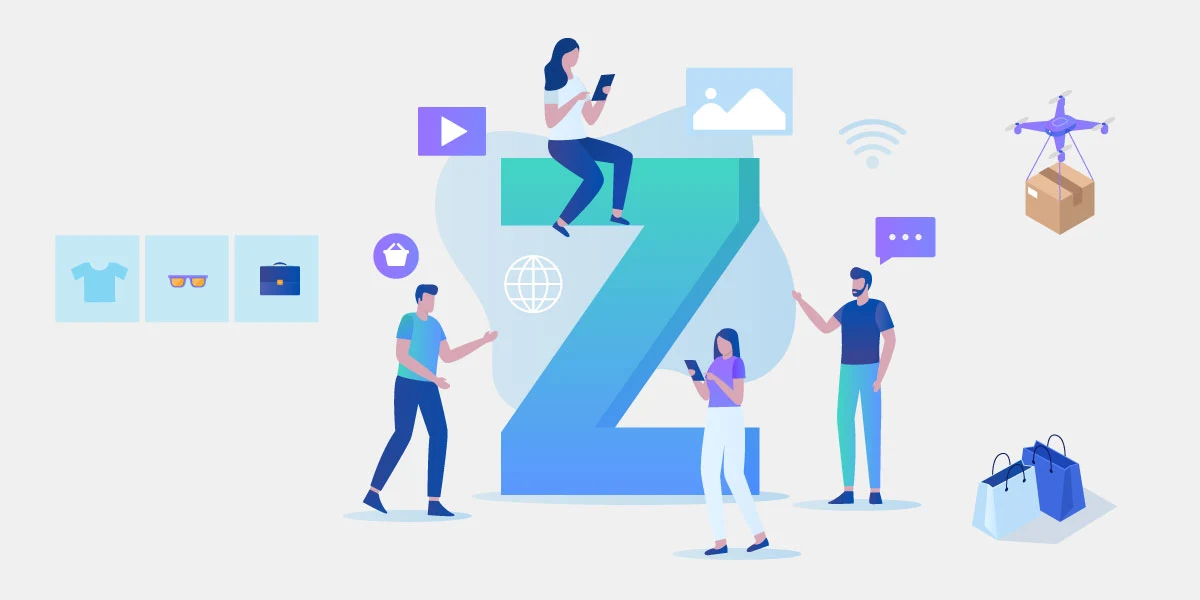
Is youth marketing a part of your overall marketing strategy? If so, you may be finding it challenging. Okay, let’s get real. Especially when it comes to reaching the younger Millennials and Gen Z (or even the upcoming Gen Alpha).
It is, we agree, tough. But okay, let’s get real. Today’s youth isn’t some mysterious alien species. They’re people – with their own hopes, anxieties, humor unique to their generation, and an increasingly powerful sway over the market.
But if you’re still trying to figure them out by relying on outdated stereotypes, or hunches gleaned from your teenage niece’s TikTok, you’re setting your brand up for failure. This is where consumer research agency steps in, acting as your decoder ring for understanding the ever-evolving landscape of Gen Z.
Forget Focus Groups. Think Cultural Immersion.
Traditional focus groups with Gen Z can be…well, awkward. Sitting in a sterile room, answering questions from adults who clearly aren’t on their wavelength doesn’t exactly inspire open, insightful conversation. Eye-rolls yes, useful commentary not so much.
Top-tier consumer research agencies understand this. They go beyond traditional focus groups and boring questionnaires and into the digital and real-world spaces where Gen Z thrives. Here’s what sets them apart:
Online Ethnography
They lurk (respectfully!) in the niche Subreddits, passion-fueled Discord servers, and meme-filled social media comment sections where Gen Z expresses themselves most freely. This reveals their genuine concerns, the social causes that ignite their passion, and the trends they’ll champion (or mercilessly mock) tomorrow.
Trendspotting with a Purpose
It’s more than just spotting the latest viral dance or what the trending hashtags for a certain niche are. Consumer research agencies analyze emerging aesthetics, niche creators gaining traction, and the shifts in humor – all of which reflect deeper shifts in Gen Z’s attitudes and values.
A True Understanding of “The Data”
The best consumer research agencies, like NERDS Collective, combine extensive data collection and sophisticated data analysis with intuitive understanding. This means spotting patterns in social engagement, search behavior, and purchasing habits that hint at motivations traditional market research misses.
Why Ditching Assumptions Matters for Your Brand
“Kids these days…” Sound familiar? Relying on assumptions about Gen Z is a recipe for cringeworthy campaigns that miss the mark entirely. Consumer research agencies help you avoid these pitfalls:
The Authenticity Factor
Trying to sound like a teenager when you’re not just makes you the embarrassing uncle at the party. Consumer insights help you speak with genuine understanding or identify the right collaborations that resonate organically.
Values = The New Currency
Gen Z demands brands align with their causes – from sustainability to LGBTQ+ rights to mental health advocacy. Superficial gestures won’t cut it. Consumer research agencies ensure your actions match the values your audience holds dear.
Purpose Beyond Profit
Sure, Gen Z buys things, but they crave connection with brands that feel like part of something bigger. Consumer insights reveal how to tap into their desire to make a difference, fostering long-term loyalty that extends beyond transactions.
The Unique Challenges (and Opportunities) of Connecting with Gen Z
Let’s be honest, marketing to Gen Z and even younger Millennials is a whole different ballgame. Here’s why understanding them requires a specialized approach:
The BS Detector
This generation has grown up inundated with advertising and hollow corporate promises. They crave authenticity and transparency. Consumer research agencies help identify the issues Gen Z is most cynical about and how your brand can build genuine trust by demonstrating action, not just words.
The Evolution of Influence
Forget traditional celebrity endorsements. Gen Z trusts their peers, seeking recommendations from micro-influencers within niche communities and creators who embody the values they share. Consumer research agencies identify those potential collaborators, ensuring your partnerships feel authentic.
Experience is Everything
Products alone are not enough. Gen Z craves unique experiences, whether it’s an immersive pop-up shop, an online event tailored to their interests, or social media campaigns that encourage their own creativity and actively seek their input and opinions. Consumer research agencies can spark that kind of impactful engagement.
Purpose Please
Purpose-driven brands resonate deeply with Gen Z. But this isn’t about a vague mission statement. Consumer research agencies reveal the specific social causes Gen Z champions, how those align with your potential audience’s values, and the kind of action-oriented campaigns that will earn their respect.
The Fluidity Factor
Gen Z embraces a more fluid approach to identity and self-expression than previous generations. Their interests, aesthetics, and even their language evolve rapidly. Consumer research agencies help you avoid rigid categorization and tap into this fluidity with messaging and products that feel adaptable and inclusive.
The Power of the Niche
While Gen Z is a huge demographic, they are also highly fragmented. Passionate fandoms, interest-driven online communities, and a love of remixing aesthetics shape their cultural world. Consumer research agencies help you identify the specific subcultures where an authentic connection with your brand is possible and avoid the trap of trying to appeal to everyone at once.
Agility is Key
Trends blow up and fizzle out faster than ever before. Consumer research agencies with their finger on the pulse of Gen Z culture help you stay agile. They provide early warnings about shifts in attitudes and identify emerging micro-trends before your competitors do, ensuring your brand stays relevant.
The Transformation: From Guesswork to Growth
So, what does it actually look like when a brand embraces the power of consumer research with a Gen Z focus? Let’s imagine a few scenarios:
The Legacy Brand Gets a Reboot
A classic brand with an older customer base risks feeling irrelevant to Gen Z. Consumer insights might reveal a potential connection through nostalgia, a shared commitment to quality, or an unexplored aspect of the brand’s history that resonates with Gen Z’s desire for individuality. This sparks a strategic revamp that attracts a new generation without alienating existing customers.
The “Boring” Brand Finds its Edge
Maybe your product is very practical, and, at first glance, not exactly “cool”. Consumer research agencies might discover that Gen Z values self-sufficiency and resourcefulness. This transforms your messaging, highlighting unexpected uses for your product, partnering with DIY creators, and embracing a playfully ironic tone that resonates with Gen Z humor.
The Global Brand Gets Local
Gen Z appreciates global interconnectedness but also craves a sense of belonging. Consumer research agencies can identify regional differences in Gen Z attitudes, the local creators they follow, and the specific social issues that ignite passion in different communities. This informs tailored campaigns that make a global brand feel like it understands their unique world.
Ready to Unlock the Power of Gen Z Insights?
If you’re serious about building a brand that truly resonates with Gen Z, a consumer research agency specializing in youth culture shouldn’t be an afterthought; it’s a necessity. NERDS Collective, for example, lives and breathes this constantly shifting cultural world. They’ll be your guides, ensuring your brand is always one step ahead.

Introduction to Myfastbroker Insurance Brokers
In today’s fast-paced financial landscape, the right insurance broker can make all the difference in securing your future. Enter Myfastbroker Insurance Brokers a team dedicated to harnessing the dynamic forces of the Forex market to help you grow your investment portfolio faster than ever. With an innovative approach and a keen understanding of market trends, they are redefining what it means to be an insurance brokerage in today’s economy. Whether you’re a seasoned investor or just starting out, Myfastbroker offers strategies tailored to leverage currency fluctuations for optimal growth. Let’s explore how these experts transform complex dynamics into lucrative opportunities for their clients.
Understanding the Forex Market and Its Impact on Investments
The Forex market, also known as foreign exchange, is the largest financial market in the world. It operates 24 hours a day, facilitating currency trading between countries. This constant activity generates immense opportunities for investors.
Currency values fluctuate based on various factors such as economic indicators, political stability, and global events. These fluctuations can significantly impact investments across different sectors.
For instance, a rising dollar may benefit importers while hurting exporters. Understanding these dynamics allows investors to make informed decisions that align with their financial goals.
Moreover, the liquidity of the Forex market means assets can be quickly bought or sold without affecting prices too much. This agility is crucial for those looking to capitalize on short-term trends and enhance their portfolios effectively.
How Myfastbroker Utilizes Forex Market Dynamics for Portfolio Growth?
Myfastbroker Insurance Brokers expertly harness the forex market’s fluctuations to enhance portfolio growth. By analyzing currency trends, they identify opportunities that traditional investment strategies might overlook.
Their team employs advanced algorithms and real-time data analytics. This approach enables them to predict shifts in currency values with remarkable accuracy. Such insights are pivotal for making informed decisions on asset allocation.
Additionally, Myfastbroker emphasizes diversification across various currencies. This strategy minimizes risk while maximizing potential returns by capitalizing on global economic changes.
Client education is a cornerstone of their operations. They provide resources and support, empowering clients to understand how forex dynamics influence their portfolios directly.
Through these innovative techniques, Myfastbroker transforms the way investors view insurance brokerage services, paving the path for accelerated financial growth in an ever-evolving marketplace.
Benefits of Working with Myfastbroker for Insurance Brokerage Services
Working with Myfastbroker Insurance Brokers offers a multitude of advantages for savvy investors. Their expertise in navigating the complex insurance landscape sets them apart from traditional brokers.
Investors gain from personalized blueprints designed specifically to match their individual economic objectives. This personalized approach allows for optimized portfolio growth, especially when considering market dynamics.
Myfastbroker is well-versed in leveraging Forex trends to enhance investment outcomes. They utilize real-time data and analysis, ensuring clients are always a step ahead.
Additionally, the firm prides itself on transparent communication and integrity. Clients can trust that they are receiving honest advice without hidden agendas.
The brokerage also provides access to a network of industry experts, offering invaluable insights into various markets. This collaboration ultimately leads to informed decision-making and enhanced financial security for clients.
Real-Life Success Stories of Clients Utilizing Myfastbroker’s Strategies
One client, Sarah, a small business owner, turned to Myfastbroker Insurance Brokers after struggling with traditional investment strategies. With tailored guidance from the team, she ventured into forex trading. In just a few months, her investment collection experienced a substantial surge in value.
Another success story features Tom, an entrepreneur who faced financial uncertainty during market fluctuations. Myfastbroker’s expertise helped him navigate these challenges effectively. By leveraging currency pairs and market trends, he transformed his investments into a robust safety net.
Then there’s Lisa, a retiree seeking stable income streams. She used Myfastbroker’s insights to diversify her holdings in both insurance products and foreign exchange markets. The results exceeded her expectations—her passive income increased significantly.
These real-life examples showcase how clients have harnessed the power of informed decision-making through Myfastbroker’s innovative strategies for substantial financial gains.
Tips for Choosing the Right Insurance Broker for Your Investment Needs
Choosing the right insurance broker can significantly impact your investment journey. Start by assessing their experience in the field. A seasoned broker brings valuable insights about market trends and strategies.
Next, consider their specialization. Some brokers focus on specific areas like life insurance or property coverage. Aligning this with your needs optimizes your investment potential.
Communication is vital in any partnership. Seek a broker who listens to you and understands your financial goals. This will ensure that they recommend products tailored to your situation.
Don’t overlook reviews and testimonials from previous clients. These provide real-world insight into the broker’s reliability and customer service.
Discuss fees upfront to avoid unexpected costs down the line. Transparency in pricing builds trust and helps maintain a strong working relationship as you navigate investments together.
Conclusion: Secure Your Future with Myfastbroker Insurance Brokers
When it comes to ensuring a secure financial future, choosing the right partner is essential. Myfastbroker Insurance Brokers stands out by combining traditional brokerage services with innovative strategies informed by the dynamic Forex market. Their unique approach not only supports portfolio growth but also prepares clients for unpredictable market shifts.
By leveraging expert insights and real-time analysis, Myfastbroker empowers clients to make informed investment decisions. The benefits of working with them include personalized service tailored to individual needs and a commitment to helping you achieve your financial goals.
With numerous success stories highlighting their effective strategies, many have experienced significant growth in their portfolios while enjoying peace of mind. If you’re looking for insurance brokerage services that understand both the risks and opportunities presented by the Forex market, then Myfastbroker might just be what you need.
Take control of your financial journey today with Myfastbroker Insurance Brokers as your trusted ally. Secure your future and experience how they can help turn challenges into opportunities.




 HOME IMPROVEMENT1 year ago
The Do’s and Don’ts of Renting Rubbish Bins for Your Next Renovation
- BUSINESS1 year ago
Exploring the Benefits of Commercial Printing
- HOME IMPROVEMENT10 months ago
Get Your Grout to Gleam With These Easy-To-Follow Tips

 HEALTH10 months ago
The Surprising Benefits of Weight Loss Peptides You Need to Know
- TECHNOLOGY1 year ago
Dizipal 608: The Tech Revolution Redefined
- HEALTH10 months ago
Your Guide to Shedding Pounds in the Digital Age
- BUSINESS1 year ago
Brand Visibility with Imprint Now and Custom Poly Mailers
- LAW1 year ago
7 Key Questions to Ask When Hiring a Criminal Lawyer







