
LIFESTYLE
Can Fragrance-Free Shampoos Help with Dandruff?


Dandruff is a common scalp condition that affects millions of people worldwide. Characterized by itchy, flaky skin on the scalp, it can be not only annoying but also embarrassing. Many individuals seek relief through various shampoos and treatments, with fragrance-free options gaining popularity due to their potential benefits.
In this article, we’ll explore the connection between fragrance-free shampoos and dandruff relief, with a special focus on the remarkable benefits of SEEN fragrance-free shampoo.
Understanding the Link between Fragrance and Dandruff
Fragrances in hair care products, including shampoos, often contain allergens and irritants that can exacerbate dandruff symptoms. These irritants may disrupt the natural balance of the scalp, leading to increased dryness, flakiness, and itching. While the pleasant scent of traditional shampoos may be enticing, it’s crucial to consider the impact of these fragrances on overall scalp health.
The Benefits of Fragrance-Free Shampoos
1. Gentle Formulation:
Fragrance-free shampoos, like SEEN, are formulated without harsh chemicals and synthetic fragrances. This gentle approach helps maintain the natural moisture balance of the scalp, preventing excessive dryness that can contribute to dandruff.
2. Reduced Irritation:
Individuals with sensitive skin or those prone to allergies may find relief in fragrance-free shampoos. By eliminating potential irritants, these shampoos reduce the risk of allergic reactions and scalp inflammation, creating a more comfortable environment for the scalp to heal.
3. Allergen-Free:
Many traditional shampoos contain allergens that can trigger dandruff or worsen existing symptoms. Fragrance-free options, such as SEEN, focus on eliminating these allergens, providing a safer and more effective solution for individuals seeking relief from dandruff.
SEEN Fragrance-Free Shampoo: A Game-Changer in Dandruff Care
Now, let’s delve into the exceptional benefits of SEEN fragrance-free shampoo and how it stands out in the market:
1. Clinically Proven Ingredients:
SEEN fragrance-free shampoo is crafted with clinically proven ingredients that target dandruff at its roots. From natural cleansers to nourishing extracts, each component is carefully selected to promote a healthier scalp environment.
2. Free from Harsh Chemicals:
One of the standout features of SEEN fragrance-free shampoo is its commitment to being free from harsh chemicals, sulfates, and synthetic fragrances. This ensures that users can enjoy an effective dandruff solution without compromising on the health of their hair and scalp.
3. Balanced pH Levels:
SEEN fragrance-free shampoo maintains the optimal pH levels for the scalp, preventing excessive dryness or oiliness. This balance is crucial in addressing dandruff concerns and promoting overall scalp health.
4. Visible Results:
Users of SEEN fragrance-free shampoo have reported visible improvements in dandruff symptoms, including reduced flakiness and itching. The gentle yet powerful formula helps soothe the scalp, making it an excellent choice for those seeking long-term relief.
Making the Switch to SEEN Fragrance-Free Shampoo
As the search for effective dandruff solutions continues, individuals are increasingly turning to SEEN fragrance-free shampoo for its impressive benefits. If you’re considering making the switch, here are three compelling reasons to pick up SEEN fragrance-free shampoo:
1. A Holistic Approach to Scalp Health:
SEEN fragrance-free shampoo goes beyond merely addressing dandruff symptoms. Its holistic approach focuses on overall scalp health, promoting a balanced and nourished environment for optimal hair growth and comfort.
2. Dermatologist-Recommended:
SEEN fragrance-free shampoo has gained the endorsement of dermatologists, underscoring its efficacy and safety for various scalp conditions. This professional endorsement adds credibility to the product, instilling confidence in users seeking a reliable dandruff solution.
3. Unmatched User Satisfaction:
Positive reviews and testimonials from satisfied SEEN fragrance-free shampoo users highlight its effectiveness in managing dandruff. Many individuals have experienced a noticeable difference in their scalp health after incorporating this shampoo into their hair care routine.
Pick up SEEN fragrance free shampoo for a transformative hair care experience. This clinically proven solution is free from harsh chemicals, maintaining optimal scalp pH levels. Dermatologist-recommended, SEEN delivers visible results, soothing the scalp and eliminating dandruff symptoms. Embrace healthier hair – pick up SEEN fragrance-free shampoo today.
Conclusion
Dandruff can be a persistent and frustrating condition, but the solution may be simpler than you think. Fragrance-free shampoos, especially those like SEEN, offer a promising alternative for individuals seeking relief from dandruff symptoms. By prioritizing gentle formulations, allergen-free ingredients, and a holistic approach to scalp health, SEEN fragrance-free shampoo has become a game-changer in the quest for an effective and soothing dandruff solution. Don’t let dandruff hold you back – pick up SEEN fragrance-free shampoo and embark on a journey to a healthier, flake-free scalp.



Introduction to Mark Spaeny
When you think of bespoke tailoring, what comes to mind? For many, it’s the art of creating clothing that fits like a second skin. In this realm, Mark Spaeny stands as a beacon of excellence. With years dedicated to perfecting the craft, Mark has transformed his family legacy into an establishment known for its commitment to quality and personalized service. This isn’t just about fabric and thread; it’s about weaving together tradition, innovation, and heartfelt values. Step inside the world of Mark Spaeny and discover how one man’s vision elevates bespoke tailoring into something truly extraordinary.
The History of Bespoke Tailoring
Bespoke tailoring has roots that stretch back centuries. Originating in England, it began as a craft for the elite. Tailors meticulously crafted garments to fit the unique measurements of their clients. Each piece was an expression of individuality and status.
During the 19th century, bespoke tailoring gained immense popularity among gentlemen seeking both style and comfort. The term “bespoke” itself emerged from the practice of reserving cloth for specific orders.
Techniques were passed down through generations, maintaining tradition while allowing room for innovation. This craftsmanship became synonymous with quality and elegance.
As fashion evolved, bespoke tailoring adapted but never lost its commitment to personalization. Today, it stands as a testament to artistry in clothing—where every stitch tells a story tailored to perfection.
How Mark Spaeny Continues the Legacy?
Mark Spaeny embodies the essence of bespoke tailoring while honoring his family’s rich heritage. His commitment to craftsmanship shines through in every piece he creates. Every stitch serves as a legacy, honoring time-tested craftsmanship inherited through the ages.
Embracing innovation, Mark integrates modern aesthetics without sacrificing quality. He meticulously sources fabrics that marry comfort with elegance, ensuring each suit tells a story.
Personalization remains at the forefront of his work. Clients are invited into the process, offering their unique visions and preferences. This collaborative approach fosters relationships that extend beyond mere transactions.
Mark nurtures an environment where artistry thrives. His workshop feels like home, filled with skilled tailors who share his passion for excellence. Together, they breathe life into timeless designs while adapting to contemporary needs.
This blend of tradition and innovation keeps the legacy alive, making Mark Spaeny a name synonymous with elegance and craftsmanship in bespoke tailoring.
The central role of kinship principles within the enterprise.
At the heart of Mark Spaeny lies a commitment to family values. This ethos shapes every interaction, from customer service to craftsmanship.
Family traditions are woven into the fabric of the business. Each suit tells a story stories passed down through generations. The focus is not just on tailoring but also on building lasting relationships with clients.
Incorporating these values fosters trust and loyalty among customers. When clients enter, they feel like part of an extended family rather than mere transactions.
Team members often refer to each other as brothers or sisters, highlighting unity in their mission. This camaraderie translates into meticulous attention to detail and unparalleled quality in every piece created.
Such a foundation makes Mark Spaeny more than just a tailoring shop; it transforms it into a community hub where shared experiences thrive amidst expertly crafted garments.
A Look into the Process of Bespoke Tailoring at Mark Spaeny
At Mark Spaeny, bespoke tailoring is an art form that begins with a personal consultation. Each client’s vision and preferences are carefully explored to create something truly unique.
Once the initial discussions take place, skilled artisans spring into action. They take precise measurements, ensuring every detail aligns perfectly with the client’s physique. This rigorous methodology ensures an impeccable, tailored silhouette.
The next phase involves selecting high-quality fabrics. Clients can choose from an exquisite range of materials and patterns that reflect their individual style.
After fabric selection, mood boards come to life as sketches transform into patterns. Every stitch tells a story—crafted by hands that understand both tradition and innovation.
Fittings allow clients to see their creations evolve in real time. Adjustments are made until perfection is achieved, solidifying Mark Spaeny’s commitment to excellence in each tailored piece.
Client Testimonials and Success Stories
Clients of Mark Spaeny often share stories that reflect not just satisfaction but a genuine transformation. One groom described how his custom suit made him feel confident on his wedding day, noting the attention to detail and perfect fit.
Another customer spoke about an important business meeting where he wore a bespoke blazer crafted by Mark Spaeny. He felt empowered, which contributed to sealing the deal. Each testimonial highlights more than just clothing; it underscores personal milestones and achievements.
A timeless piece from Mark isn’t merely fabric stitched together; it’s woven with memories and aspirations. Clients return for special occasions, knowing they’ll receive something uniquely tailored to their needs.
These stories are a testament to the impact of bespoke tailoring in people’s lives, emphasizing that each creation is as much about the individual as it is about style. The legacy continues through these heartfelt experiences shared by clients who cherish their connection with Mark Spaeny’s craftsmanship.
The Future of Mark Spaeny: Expansion and Innovation
Mark Spaeny is poised for an exciting future, driven by a vision that embraces both tradition and modernity. As bespoke tailoring evolves, so does the commitment to provide clients with unparalleled craftsmanship.
Progressive modernization serves as a cornerstone of this evolution. The integration of advanced technology into the design process presents new possibilities. This allows for enhanced customization options, ensuring each piece tells its own unique story.
Expansion is also on the horizon. New locations are being considered to reach more customers who appreciate quality tailoring. Each shop will embody the same ethos of family values and personal service that has defined Mark Spaeny from the start.
Community engagement remains crucial as well. Collaborations with local artisans reflect a dedication to supporting surrounding talent and fostering creativity within the industry.
With every step forward, Mark Spaeny continues to honor its rich heritage while eagerly embracing what lies ahead in bespoke fashion.
Conclusion: Why Mark Spaeny is More Than Just a Tailoring Business?
Mark Spaeny stands out as more than just a tailoring business. It embodies a rich legacy steeped in tradition and family values. Each garment crafted is not merely an item of clothing but a testament to the artistry and passion that goes into bespoke tailoring.
The meticulous attention to detail, combined with innovative techniques, ensures that every piece tells its own story. Customers are not just clients; they become part of the Mark Spaeny family, sharing their journeys through tailored experiences.
As the brand looks toward expansion and innovation, it remains grounded in its core principles: quality craftsmanship and deep-rooted relationships. This commitment sets Mark Spaeny apart in an industry often driven solely by trends.
Choosing Mark Spaeny means embracing individuality while honoring time-honored traditions. It’s about wearing something uniquely yours—crafted with care and infused with history. That’s what makes Mark Spaeny truly exceptional in today’s world of fashion.
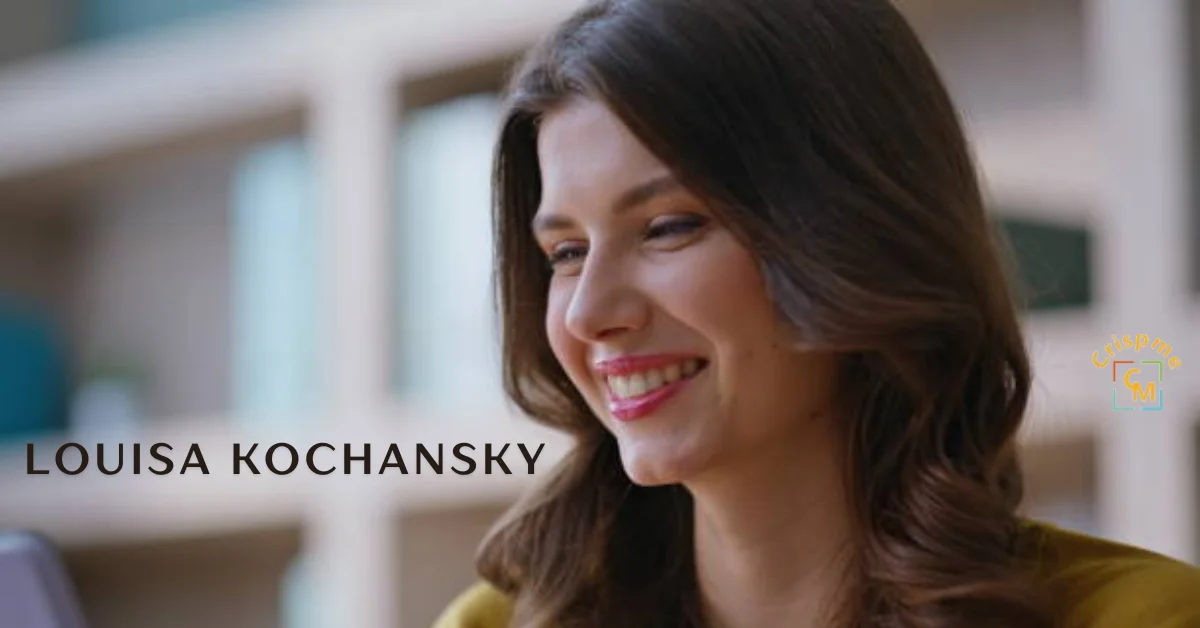
Introduction to Louisa Kochansky
Louisa Kochansky is a name that resonates with passion, purpose, and profound impact. As a leader in the non-profit sector, her journey has been nothing short of inspiring. With an unwavering commitment to social change, Louisa has dedicated her life to uplifting communities and advocating for those who often go unheard. Her story is one of resilience and innovation a testament to what can be achieved when one combines vision with action. Join us as we delve into the remarkable life of Louisa Kochansky, exploring her early influences, career milestones, impactful initiatives, and the legacy she continues to build today.
Early Life and Education
Louisa Kochansky grew up in a close-knit community that valued education and social responsibility. From an early age, she was encouraged to explore her interests and develop a strong sense of empathy toward others.
These developmental years were steeped in diverse encounters that fundamentally molded her perspective on the world. Louisa participated in various volunteer activities, which ignited her passion for making a difference.
In pursuit of knowledge, she attended a prestigious university where she majored in sociology. This choice reflected her desire to understand societal structures and the challenges they present.
During college, Louisa engaged in numerous extracurricular activities focused on advocacy work. These experiences not only honed her leadership skills but also deepened her commitment to creating positive change within communities.
Career in Non-Profit Organizations
Louisa Kochansky’s career in non-profit organizations showcases her unwavering commitment to social change. Her journey began with grassroots initiatives, where she gained firsthand experience in community engagement.
As she progressed, Louisa took on leadership roles that allowed her to implement innovative programs. She focused on issues such as education and healthcare access. Each project aimed to empower marginalized communities and uplift those most in need.
Her ability to connect with diverse populations has been a hallmark of her work. By fostering collaboration among various stakeholders, Louisa created sustainable solutions that continue to impact lives today.
Throughout the years, she built networks that transformed local efforts into larger movements. This strategic approach not only amplified voices but also brought significant resources to underserved areas.
Louisa’s dedication inspires others within the non-profit sector. Her story reflects how passion combined with action can lead to meaningful change across communities.
Impactful Initiatives and Achievements
Louisa Kochansky has always been a catalyst for change. Her initiatives have transformed communities, empowering individuals to rise above their circumstances.
One standout project focused on youth development through education and mentorship. Louisa spearheaded programs that provided scholarships to underprivileged students, ensuring they had access to quality learning resources.
Another notable achievement was her involvement in sustainable community projects. She championed eco-friendly practices within local organizations, promoting environmental awareness and responsibility.
Kochansky’s influence extended internationally as she collaborated with global non-profits. These partnerships led to innovative solutions addressing pressing social issues like poverty and health disparities.
Her commitment to inclusivity also shone through initiatives aimed at supporting marginalized groups. By creating safe spaces for dialogue, Louisa fostered understanding and collaboration among diverse populations. Each project reflects her determination to leave a lasting impact on society.
Leadership Style and Philosophy
Louisa Kochansky embodies a leadership style that thrives on collaboration and empathy. She believes in creating an environment where every voice is heard, fostering trust among her team members.
Kochansky emphasizes the importance of servant leadership. This approach focuses on serving others first, cultivating strong relationships within her organization. Her philosophy encourages individuals to grow and develop their skills.
Transparency also plays a key role in her leadership. By openly sharing information and decision-making processes, she empowers those around her. This builds accountability and inspires confidence.
Moreover, Louisa embraces adaptability as part of her leadership journey. She understands that challenges are inevitable but sees them as opportunities for innovation and growth.
Her ability to motivate others through genuine passion sets her apart. It’s not just about leading; it’s about inspiring change that resonates deeply with everyone involved.
Challenges Faced and Lessons Learned
Louisa Kochansky’s journey has been marked by significant challenges. Navigating the complexities of non-profit landscapes isn’t easy. Funding shortages, bureaucratic red tape, and community resistance have all posed obstacles.
Amid these struggles, she learned crucial lessons about resilience. Each setback became a stepping stone for growth and innovation. Louisa embraced feedback from her team and stakeholders, understanding that collaboration was key to overcoming hurdles.
Facing criticism also shaped her character. It taught her the importance of humility and adaptability in leadership. She began to view challenges as opportunities rather than roadblocks.
Through each experience, Louisa developed a profound appreciation for empathy in leadership roles. By listening closely to those around her, she fostered an inclusive environment where diverse voices could contribute effectively to solutions.
Legacy and Future Plans
Louisa Kochansky’s legacy is woven into the fabric of countless communities she has touched through her work. Her commitment to social change will resonate for generations.
She envisions a future where collaboration among non-profit organizations leads to even greater impact. By fostering partnerships, Louisa aims to amplify voices that often go unheard.
Sustainability is also at the forefront of her mission. She believes in equipping emerging leaders with tools and resources necessary for effective advocacy.
Louisa plans to launch mentorship programs that empower young activists. These initiatives are designed not just to inspire but also to create actionable pathways toward significant societal improvements.
Her vision extends globally, as she dreams of connecting local efforts with international movements. The idea is simple yet profound: when people unite for a common cause, remarkable change can occur anywhere in the world.
Conclusion
Louisa Kochansky’s journey is one of resilience and dedication. Her commitment to making a difference in the non-profit sector has inspired many. Through her impactful initiatives, she has not only transformed lives but also redefined what effective leadership looks like.
Kochansky’s ability to face challenges head-on speaks volumes about her character. She teaches us that setbacks can lead to growth and innovation. As she continues her work, there is no doubt that Louisa will keep pushing boundaries, inspiring future generations to follow in her footsteps.
Her legacy is already evident in the communities she has touched and the leaders she has nurtured along the way. With exciting plans on the horizon, it’s clear that this remarkable woman will remain a significant force for positive change in society.
As we look forward to seeing where her journey takes her next, one thing remains certain: Louisa Kochansky’s impact will resonate far beyond today.

The Great Smoky Mountains, often simply called the Smokies, offer a refreshing escape into nature that is both invigorating and inspiring. This majestic mountain range, straddling the border between North Carolina and Tennessee, draws millions of visitors each year. Nature lovers find a special kind of serenity here, thanks to the lush forests, abundant wildlife, and the ancient mountains that boast a rich history. If you’re a fan of the outdoors, you’ll discover why the Smokies are an ideal destination for those seeking beauty, adventure, and tranquility.
1. Diverse Flora and Fauna
The Smokies are renowned for their extraordinary biodiversity. Home to over 1,500 kinds of flowering plants, more than any other American national park, these mountains bloom with life. Spring brings wildflowers in a myriad of colors, while autumn cloaks the landscape in fiery hues. For wildlife enthusiasts, the Smokies offer sightings of black bears, elk, and an array of bird species. Each trail and turn presents a new opportunity to witness nature in its most unspoiled form, making every visit a unique encounter with the natural world.
2. Accommodations Close to Nature
For those planning a longer stay, finding the right accommodation is key. Large cabins in the Smokies provide the perfect balance of comfort and proximity to nature. These cabins offer spacious and cozy lodging options that place you right at the doorstep of sprawling landscapes waiting to be explored. Whether perched on a hilltop or tucked away in a quiet forest, these cabins serve as an ideal base for your nature adventures, ensuring that you are never far from your next outdoor activity.
3. Hiking Trails for All Skill Levels
The Smokies boast a network of over 800 miles of hiking trails that cater to all levels of hikers. From the challenging peaks of the Appalachian Trail to the more serene pathways like the Laurel Falls Trail, there is something for everyone. Each path offers a distinct experience, from breathtaking mountain views to tranquil streams that meander through the forest. These trails are not just pathways in nature; they are gateways to discovering the quiet majesty of the Smokies.
4. The Changing Seasons
Each season paints the Smokies in a different light, offering a new perspective on this timeless landscape. The spring’s bloom, summer’s lush greenery, fall’s fiery colors, and the serene snow-covered winters each provide their own unique reasons to visit. Seasonal changes mean the landscape is continually reinventing itself—each visit could feel like the first. This ever-changing scenery keeps nature lovers returning year after year, eager to see the Smokies dressed in their seasonal best.
5. Eco-Friendly Attractions
The Smokies are not just about passive enjoyment of nature; they also offer a range of eco-friendly attractions that allow visitors to engage with the environment in thoughtful, sustainable ways. From horseback riding trails that minimize trail wear to guided eco-tours that educate on local flora and fauna, the options are designed to enhance your appreciation of the natural world without leaving a negative impact. These experiences underscore the commitment of the Smokies to conservation and sustainable tourism.
6. Rich Cultural Heritage
The Smokies are steeped in rich cultural history, from the ancient Cherokee tribes who first inhabited the land to the Appalachian settlers of later years. Visiting the Smokies gives you a glimpse into the past through preserved cabins, museums, and cultural centers that dot the region. Participatory experiences such as traditional music gatherings and crafts demonstrations offer a deeper understanding and appreciation of the mountain culture, enriching your visit beyond the natural landscape.
7. Waterfalls and Rivers Galore
The region boasts some of the most beautiful waterfalls and clean, crisp rivers in the country. Hiking trails that lead to stunning waterfalls like Abrams Falls and Rainbow Falls offer rewarding treks with spectacular views. For the more adventurous, the rivers provide opportunities for white-water rafting and tranquil spots for fishing. The sound of rushing water and the chance to cool off in a natural pool under a waterfall make for unforgettable memories.
8. Photographic Opportunities
For those who love capturing nature through the lens, the Smokies are a photographer’s dream. The interplay of light and shadow, the misty mornings, the wildlife, and the panoramic vistas provide endless opportunities to capture stunning photographs. Whether you’re an amateur photographer or a professional, the Smokies offer a dynamic landscape that changes with the seasons, ensuring that no two photographs are ever quite the same.
9. Environmental Education Programs
The Smokies also offer numerous programs that focus on environmental education, catering to both young and old. These programs, often led by knowledgeable park rangers, include wildlife watching tours, guided hikes, and night sky programs. These educational experiences are designed to foster a deeper appreciation for nature and teach visitors about the importance of conservation efforts in preserving the beauty and diversity of the Smokies.
10. Accessibility and Amenities
Despite its vast wilderness, the Great Smoky Mountains are easily accessible with well-maintained roads and plenty of amenities nearby. The gateway towns of Gatlinburg and Pigeon Forge offer comfortable lodgings, dining, and even some urban entertainment, providing a nice balance to the rustic charm of the mountains. This accessibility makes the Smokies an ideal destination for families, couples, and solo travelers looking for an immersive nature experience without venturing too far from modern conveniences.
Conclusion: A Timeless Refuge for Nature Lovers
The Great Smoky Mountains continue to be a sanctuary for those who seek peace and adventure in the great outdoors. With its rich biodiversity, stunning landscapes, cultural heritage, and a commitment to sustainability, the Smokies offer a deeply fulfilling escape from the hustle and bustle of daily life. Whether it’s exploring the vast network of trails, relaxing by a waterfall, or learning about the area’s flora and fauna, the Smokies provide a backdrop for what can truly be called a nature lover’s paradise. So pack your bags, grab your hiking boots, and prepare for an unforgettable journey into the heart of nature in the Smokies.



 HOME IMPROVEMENT1 year ago
The Do’s and Don’ts of Renting Rubbish Bins for Your Next Renovation
- BUSINESS1 year ago
Exploring the Benefits of Commercial Printing
- HOME IMPROVEMENT10 months ago
Get Your Grout to Gleam With These Easy-To-Follow Tips

 HEALTH10 months ago
The Surprising Benefits of Weight Loss Peptides You Need to Know
- TECHNOLOGY1 year ago
Dizipal 608: The Tech Revolution Redefined
- HEALTH10 months ago
Your Guide to Shedding Pounds in the Digital Age
- BUSINESS1 year ago
Brand Visibility with Imprint Now and Custom Poly Mailers
- LAW1 year ago
7 Key Questions to Ask When Hiring a Criminal Lawyer







