HOME IMPROVEMENT
Create a gallery wall art for your kid’s room


Who doesn’t love a gallery wall? They are modern and captivating, allowing you to display a full range of interesting decorative pieces. But are they the proper choice for a child’s room? A child’s room should be a fun environment that inspires them to be creative. Before engaging in a redesigning project, discuss it with your child because kids love having their own space and have a lot to say about how it looks. As a parent, your role is to provide them with the necessary resources to create a space where they feel comfortable and as an expression of who they are.
If they agree with having a gallery wall in their room and want your help decorating the space, you can indulge in this delightful endeavor.
Consider what they like
You might be tempted to dive directly into browsing for art for sale for the gallery wall, the moment your child agrees to this decorating solution, but it’s best to take some time and consider some aspects. Start with your child’s age and for how long you want to keep the gallery wall displayed in their room because these factors impact the art you pick. Ask your child if they think they might want to change the look of the room in the following years, or better, think about how often they change their mind. Younger children are easily captivated by new ideas, and you should make sure that the gallery wall allows flexibility so you can change parts of it in case your kid gets bored.
Most children prefer simple wall decorations in playful and bright colors. However, it’s important to discuss with them whether they have specific hobbies or interests, as they might want to incorporate them into the room design.
Establish a theme
Picking a theme for the gallery wall will help you narrow down the selection of potential pieces because it will point you in a direction. A theme will provide you with a color palette, patterns, and other such details that can help you browse for art. And where do you count that a themed gallery wall also ensures you achieve an appealing look and brings the room together?
Chances are you already selected a theme for the child’s room, so now you only have to search for art to match it. If the room is neutrally decorated, it is the perfect canvas for building a theme from scratch. Your child can create a space where they love spending time, which reflects their personal preferences.
Decide if you want to use personalized art
Opt for personalized pieces if you want the gallery art to become the center of attention and add a unique touch to the space. You can order custom art pieces online or contact a local artist. Personalized decorations tailor the room to your kid’s preferences, and they will definitely like it.
The gallery size will help you decide how many pieces you add, so make sure to establish it before ordering anything. Suppose you purchase personalized elements; make sure they keep the established color palette. You want to keep the room design polished, so it’s essential to choose elements in a similar tone. However, if your child prefers a more eclectic look, just let them pick whatever artwork they like and mix and match them once they arrive.
If you have a bigger piece, place it first on the wall
An easy way to make the gallery wall look like a designer-curated one is to place the biggest piece first and use it as an anchor. However, it doesn’t mean it should stick in the center of the wall; it’s better to align it slightly to a side or in a corner and build around it, using the other elements. This placement is better because it doesn’t send the eye directly to the center of the room but rather requires it to travel around the entire gallery.
The second largest element should be positioned diagonally from the first one. Depending on where you placed the first, this one can be hung in the opposite corner or on the other side of the wall.
From this point, you can continue filling the wall by mixing pieces to diversify their size and shape. However, before hammering in nails, create the layout on the floor and establish the final destination for each art piece. Clear the floor and mark out spaces for the gallery wall elements so you know exactly where to put each of them. Doing this also allows you to flirt with more than one model and decide which one you like the most. Take pictures and discuss the different gallery wall models with your child to find out which one they like better.
Create an educational wall
Who says that the gallery wall should serve only aesthetic purposes? You can frame everything that would help your child improve their knowledge, from a world map to math equations and chemical elements. However, before going on this path, discuss the idea with your child because they might want to avoid particular information surrounding them every time. If, on the other hand, they find this a great way to learn more about a particular subject, you can choose what elements you put together to create an educational wall.
When you build an educational gallery wall, remember that kids grow quickly, so you need to change the information displayed quite a lot. Plan ahead and make sure you leave room for the gallery to grow with your child. The elements should be age-appropriate but also versatile so you can swap them with actual information when the time comes.
Bonus tip: You can display some of their work on the gallery wall, especially if they’re passionate about creating art. Please encourage them to use their imagination and creativity and express their personality through artwork.


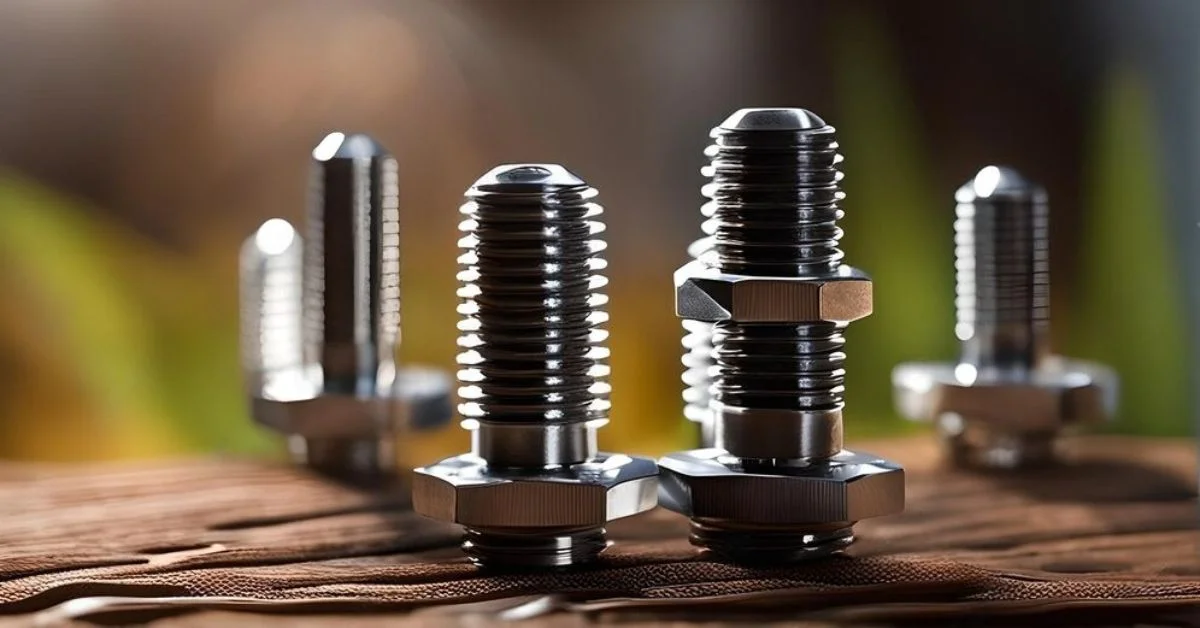
Selecting the right fasteners is crucial when constructing a durable and attractive outdoor deck. These components are necessary to ensure the decking structure’s longevity and safety. Among the various options available, decking screws are specifically designed to withstand the tough nature and conditions of outdoor environments. So, this article looks into the vital aspects of choosing the best screws for decking purposes, emphasising their types, materials, and applications.
Role of Specialised Fasteners in Deck Construction
Outdoor decks are exposed to various weather conditions, from intense sunlight to frost. This exposure can lead to expansion, contraction, and other stresses on the building materials. Decking screws are engineered to accommodate these movements without compromising the deck’s structural integrity. They are typically made from high-quality metals that resist corrosion and wear. Moreover, their design includes features like sharp points and aggressive threads, which ensure a deep, secure, and lasting hold in the decking material.
Materials and Coatings: Enhancing Durability and Aesthetics
The choice of material for screws is essential. Stainless steel and coated steel are the most common options due to their resistance to rust and corrosion. Stainless steel ones are ideal for areas with high exposure to moisture, such as poolsides or coastal homes. On the other hand, coated screws come in various colours to match the decking material. It offers not only durability but also aesthetic appeal.
Galvanised ones are another popular choice. They undergo a zinc coating process, significantly enhancing their degradation resistance. This process, however, can be less durable than the stainless steel option, making them more suitable for areas with less exposure to corrosive elements.
Selecting the Right Type of Screw for Different Decking Materials
The type of decking material influences the choice of screws. Hardwood decks require screws that can penetrate tough surfaces without splitting the wood. For these materials, ones with a self-tapping design and a sharp point are advantageous as they minimise the need for pre-drilling and reduce labour time.
Composite decks are made from a unique blend of wood fibres and plastic. They need screws designed to prevent the material from ‘mushrooming’ on the surface. This can occur when the material is pushed up and out around the screw head. Screws made for composite materials typically have a reverse thread near the head to compact the material as they are driven in.
Installation Techniques to Maximise Effectiveness
Proper installation is as important as selecting the right type. It is essential to drive them perpendicularly to the deck boards to ensure maximum hold. Using a power drill with a torque setting helps maintain a consistent driving depth, which is crucial for the aesthetic uniformity of the deck surface. Additionally, spacing them evenly across the deck enhances the visual appeal and distributes the load evenly, reducing the risk of warping.
Long-Term Maintenance for Lasting Durability
Maintenance is necessary to extend a deck’s life and its components. Regular inspections can help identify any loose screws or areas of the deck that may need attention. Tightening loose screws and replacing damaged ones promptly can prevent further damage and maintain the deck’s safety and appearance. Cleaning the deck with appropriate solutions and tools can also prevent dust, debris, and moisture build-up. This can accelerate the corrosion of metal components. The choice of screws is important in deck construction. Opting for high-quality decking screws suitable for specific material and environmental conditions can dramatically increase the longevity and safety of an outdoor deck. Regular maintenance further supports the integrity and beauty of the deck structure, proving that a well-thought-out approach to fastening can lead to lasting results in deck construction and maintenance.


Cuticle work is where shape matters most. KVADRO’s cuticle nail drill bits collection currently shows 53 bits, and the category is dominated by diamond bits in flame, ball, drop, cone, and needle forms. That alone tells you there is no single “best cuticle bit” for every step. Some shapes are better for lifting, some for cleaning the бокові валики, and some for polishing away dead skin after the cuticle is already opened.
How to Choose the Best Drill Bit for Cuticle Cleaning
For opening and lifting the cuticle zone, a flame-style bit is usually the classic starting point. The DIAMOND NAIL DRILL BIT, “FLAME”, RED, HEAD DIAMETER 2.3/10MM (FA10R023/10) – STALEKS™ is listed for processing lateral nail folds, cracks, and calluses, while the STALEKS – Diamond nail drill bit DUO “Pointed Flame” blue-green, 2,1/8mm is specifically described for cuticles, lateral folds, and detachments, with medium-hard abrasiveness suitable for both novice and expert specialists. That makes flame bits one of the strongest answers to the best drill bit for cuticle cleaning.
Which Cuticle Bits Work Best After the Cuticle Is Lifted
Once the cuticle is lifted, many techs switch to a ball or bud shape for cleaner finishing. The DIAMOND NAIL DRILL BIT, “BALL”, BLUE, HEAD DIAMETER 2.5MM (FA01B025) – STALEKS™ is listed for cuticle removing, opening lateral folds, and dead skin elimination. The DIAMOND NAIL DRILL BIT, “BUD”, RED, HEAD DIAMETER 1.8/4MM (FA60R018/4) – STALEKS™ is described for delicate cuticle removal and rough skin around the lateral folds. In practice, that means the ball is great for finishing and polishing, while the bud gives a softer, more delicate touch in tighter areas.
What Makes the Best Nail Drill Bit for Cuticles Safe to Use
Safety in cuticle work comes from shape, grit, and control, not from using the sharpest-looking bit. The DIAMOND NAIL DRILL BIT, “DUO CONE”, BLUE-GREEN, HEAD DIAMETER 2,5/8MM (FA70BG025/8) – STALEKS™ is one example of a bit designed for lifting the cuticle, processing lateral folds, removing pterygium, and polishing before extension. Meanwhile, rounded cylinder and needle shapes on KVADRO are positioned for cuticle work, rough skin cleanup, and sidewall processing, which shows why the best nail drill bit for cuticles is usually part of a sequence rather than a single magic bit.
- Use a flame or cone shape to lift and open the cuticle area.
- Use a ball or bud to refine and remove leftover dead skin.
- Stay with fine or medium abrasiveness until your control is consistent.
So, the best cuticle drill bit is not one universal shape. For most nail techs, the best setup is a flame for opening, a ball for finishing, and a bud or cone for detail work. KVADRO’s Staleks and diamond-bit assortment supports that workflow especially well.

When heating or cooling systems stop working properly, homeowners quickly realise how important reliable technical support can be HVAC Contractors. Air conditioning failures in hot climates or heating problems during cooler seasons can disrupt comfort and even affect health. Because HVAC systems are complex, choosing the right contractor is crucial.
Many homeowners naturally search for an HVAC contractor near Everglades City, FL when they need installation, repairs, or maintenance. Working with local professionals offers several advantages that national chains or distant providers often cannot match. Local HVAC contractors bring regional knowledge, faster response times, and personalised service that directly benefits homeowners.
1. Faster Response Times and Emergency Support
Local HVAC contractors are usually located within the same community or nearby service area. Because of this proximity, they can respond quickly when emergencies arise. HVAC issues rarely occur at convenient times, and repair delays can cause significant discomfort.
For example, a malfunctioning air conditioner during peak summer temperatures can make indoor spaces difficult to inhabit. Local contractors understand the urgency and can often provide same-day service or rapid dispatch.
Key advantages of faster response:
- Reduced downtime for heating or cooling systems
- Quicker diagnosis and repair of HVAC faults
- Emergency support during extreme weather conditions
- Less stress for homeowners facing urgent repairs
Choosing an HVAC contractor near Everglades City, FL ensures technicians can reach your property faster than companies based in distant cities.
2. Deep Understanding of Local Climate Conditions
One of the most overlooked advantages of hiring local HVAC professionals is their knowledge of regional climate patterns. HVAC systems must perform differently depending on temperature, humidity, and seasonal changes.
Everglades City and surrounding areas experience high humidity, intense summer heat, and coastal environmental conditions. These factors influence which HVAC systems perform best and how they should be maintained.
Local contractors understand:
- Typical temperature fluctuations in the region
- Humidity control requirements
- Salt air effects on outdoor HVAC equipment
- Energy-efficient cooling strategies for coastal climates
Because of this knowledge, a trusted HVAC contractor near Everglades City, FL can recommend systems specifically suited to the environment rather than relying on generic equipment recommendations.
3. Personalised Customer Service and Community Trust
Local HVAC businesses depend heavily on their reputation within the community. Unlike large national providers, their success often comes from word-of-mouth referrals and long-term customer relationships.
As a result, local contractors tend to prioritise:
- Transparent pricing
- Honest system recommendations
- Reliable scheduling
- Ongoing customer support
Homeowners often find that local companies take extra time to explain HVAC problems clearly and recommend practical solutions.
Reasons personalised service matters
- Builds trust between contractors and homeowners
- Improves communication during repairs or installations
- Encourages long-term maintenance relationships
- Ensures customers receive tailored solutions
When searching for an HVAC contractor near Everglades City, FL, homeowners often benefit from the familiarity and reliability of businesses that serve their own community.
4. Knowledge of Local Building Codes and Regulations
HVAC installation and maintenance must follow specific building codes, safety regulations, and permitting requirements. These regulations can vary between regions and municipalities.
Local contractors stay updated on:
- Regional HVAC installation standards
- Local energy efficiency requirements
- Permit regulations for system replacements
- Safety codes for ventilation and ductwork
This expertise ensures that HVAC installations are fully compliant with local regulations, reducing the risk of costly modifications later.
Benefits of regulatory knowledge
- Avoids permit violations or inspection failures
- Ensures HVAC systems meet local safety standards
- Supports energy efficiency compliance
- Simplifies the installation process
Hiring an experienced HVAC contractor near Everglades City, FL helps homeowners avoid complications that can arise when contractors are unfamiliar with local building rules.
5. Better Long-Term Maintenance and Support
HVAC systems require regular maintenance to perform efficiently and extend their lifespan. Filters must be replaced, components inspected, and systems cleaned periodically.
Local contractors can offer ongoing service agreements and seasonal maintenance programs tailored to regional conditions.
Maintenance services typically include:
- Air conditioning tune-ups
- Heating system inspections
- Air filter replacement
- Refrigerant level checks
- Duct system evaluations
Because they operate nearby, local technicians can schedule routine inspections and preventative maintenance without long waiting times.
Working with a reliable HVAC contractor near Everglades City, FL also makes it easier to build an ongoing service relationship that keeps systems running efficiently for years.
6. Supporting the Local Economy and Community
Hiring local contractors contributes directly to the local economy. When homeowners choose local businesses, they help support jobs, small enterprises, and community growth.
Local HVAC companies often collaborate with other nearby suppliers, service providers, and contractors. This creates a network of businesses that strengthens the regional economy.
Community benefits of hiring local contractors
- Supports small local businesses
- Creates local employment opportunities
- Encourages community development
- Keeps money circulating within the local economy
Additionally, local contractors often participate in community events, sponsorships, or neighbourhood initiatives. Choosing an HVAC contractor near Everglades City, FL can therefore benefit both homeowners and the wider community.
Conclusion:
Heating and cooling systems play a vital role in maintaining comfortable indoor environments. When problems arise or upgrades are needed, choosing the right HVAC professional makes a significant difference.
Local contractors offer several advantages that larger or distant providers often cannot match. Their quick response times, understanding of regional climate conditions, knowledge of building codes, and commitment to customer relationships make them valuable partners for homeowners.
For residents seeking dependable service, working with an experienced HVAC contractor near Everglades City, FL ensures faster support, tailored solutions, and ongoing maintenance that keeps systems operating efficiently. By choosing local expertise, homeowners gain both reliable comfort and peace of mind.




 HOME IMPROVEMENT1 year ago
The Do’s and Don’ts of Renting Rubbish Bins for Your Next Renovation
- BUSINESS1 year ago
Exploring the Benefits of Commercial Printing

 BUSINESS1 year ago
Brand Visibility with Imprint Now and Custom Poly Mailers
- HOME IMPROVEMENT9 months ago
Get Your Grout to Gleam With These Easy-To-Follow Tips
- TECHNOLOGY11 months ago
Dizipal 608: The Tech Revolution Redefined
- HEALTH9 months ago
The Surprising Benefits of Weight Loss Peptides You Need to Know
- HEALTH9 months ago
Your Guide to Shedding Pounds in the Digital Age

 HEALTH12 months ago
Happy Hippo Kratom Reviews: Read Before You Buy!