
HEALTH
Finding the Right Drug Rehab in Portland: A Comprehensive Guide


Finding the right drug rehab in Portland can be a daunting task, especially when you or a loved one is navigating the complexities of addiction recovery. Portland, known for its progressive healthcare options, offers a range of rehab facilities tailored to various needs and preferences. Whether you’re looking for holistic treatments, specialized therapy programs, or dual diagnosis support, understanding your options is crucial. This guide explores key factors to consider when choosing a drug rehab in Portland, ensuring you can make an informed decision during this critical time.
Understanding Drug Rehab Options
In Portland, drug rehab centers vary widely in their approaches and specialties. Understanding the types of facilities available can help you narrow down your choices:
- Inpatient Rehab Facilities: These provide intensive, 24/7 care in a residential setting. Ideal for severe addiction cases or individuals requiring a structured environment.
- Outpatient Rehab Programs: Offer flexibility for those who can’t commit to full-time residential care. They provide therapy and support while allowing participants to live at home.
- Holistic Treatment Centers: Focus on healing the whole person through alternative therapies like yoga, acupuncture, and nutrition counseling, in addition to traditional treatments.
- Dual Diagnosis Treatment: Addresses both addiction and underlying mental health conditions, ensuring comprehensive care for co-occurring disorders.
Factors to Consider When Choosing a Drug Rehab
Choosing the right drug rehab center involves evaluating multiple factors to match your needs and preferences:
1. Location and Environment
The location can significantly impact recovery. Some may prefer a serene, rural setting for peace and focus, while others find urban facilities more accessible. In Portland, rehab centers offer both options, each with its unique benefits.
2. Treatment Approaches
Look for rehab centers that offer evidence-based treatments such as cognitive-behavioral therapy (CBT), medication-assisted treatment (MAT), and motivational interviewing. Ensure the facility aligns with your preferred treatment approach and values.
3. Staff Credentials and Experience
Qualified, compassionate staff are crucial to effective treatment. Research the credentials of therapists, doctors, and support staff. Experience in addiction recovery and relevant specialties (e.g., trauma-informed care) can enhance treatment outcomes.
4. Cost and Insurance Coverage
Understanding the financial aspect is vital. Inquire about costs, payment options, and whether the facility accepts your insurance. Some rehab centers in Portland offer financial assistance or sliding-scale fees based on income.
5. Amenities and Facilities
While not essential for recovery, amenities like private rooms, fitness facilities, gourmet meals, and recreational activities can contribute to comfort and overall well-being during treatment.
6. Aftercare and Relapse Prevention
Recovery is a lifelong journey. A reputable rehab center should provide comprehensive aftercare planning and support to prevent relapse. This may include outpatient programs, support groups, and access to community resources in Portland.
Choosing the Right Drug Rehab Center in Portland
With these considerations in mind, here are some recommended steps to find the best drug rehab center in Portland:
Step 1: Assess Your Needs
Evaluate the severity of addiction, desired treatment approach, and any specific preferences (e.g., location, amenities). Consider consulting a healthcare professional or addiction specialist for guidance.
Step 2: Research and Compare
Use online resources, directories, and reviews to compile a list of potential rehab centers in Portland. Look for accreditation (e.g., CARF or Joint Commission) and testimonials from former patients.
Step 3: Schedule Consultations
Contact the rehab centers on your list to schedule consultations or facility tours. Use this opportunity to ask questions about their programs, staff qualifications, success rates, and amenities.
Step 4: Visit the Facility
If possible, visit the rehab centers in person to assess the environment, cleanliness, and overall atmosphere. Trust your instincts and observe how staff interact with patients.
Step 5: Review Financial Details
Discuss costs, insurance coverage, and payment options with each rehab center. Ensure transparency regarding fees and any potential additional costs.
Step 6: Family Involvement and Support
Recovery often benefits from strong family involvement. Discuss with potential rehab centers their policies on family therapy sessions, visitation, and family support programs. A rehab center that encourages family participation can enhance the overall treatment experience and support system.
Step 7: Specialized Programs and Populations
Some rehab centers in Portland specialize in specific populations or addiction types. Whether you’re seeking treatment for opioids, alcohol, or co-occurring disorders, inquire about specialized programs tailored to your needs. Additionally, consider facilities that cater to LGBTQ+ individuals, veterans, or specific age groups if relevant to your situation.
Step 8: Treatment Duration and Flexibility
Evaluate the duration of treatment programs offered by each rehab center. Some facilities may offer short-term intensive programs, while others provide extended care options. Consider your personal schedule and commitments when choosing between residential, outpatient, or partial hospitalization programs (PHP). Flexibility in treatment duration can accommodate varying recovery needs.
Finding the right drug rehab center in Portland requires careful consideration of treatment options, facility amenities, staff qualifications, and financial aspects. By thoroughly researching and comparing rehab centers, you can make an informed decision that supports long-term recovery. Remember, the right rehab center is one that aligns with your needs, values, and goals for a drug-free future.
In Portland, a variety of rehab centers await, each offering unique programs and approaches to addiction recovery. Whether you seek holistic healing, specialized therapy, or dual diagnosis treatment, Portland’s diverse options ensure you can find the support needed to embark on a path to recovery.


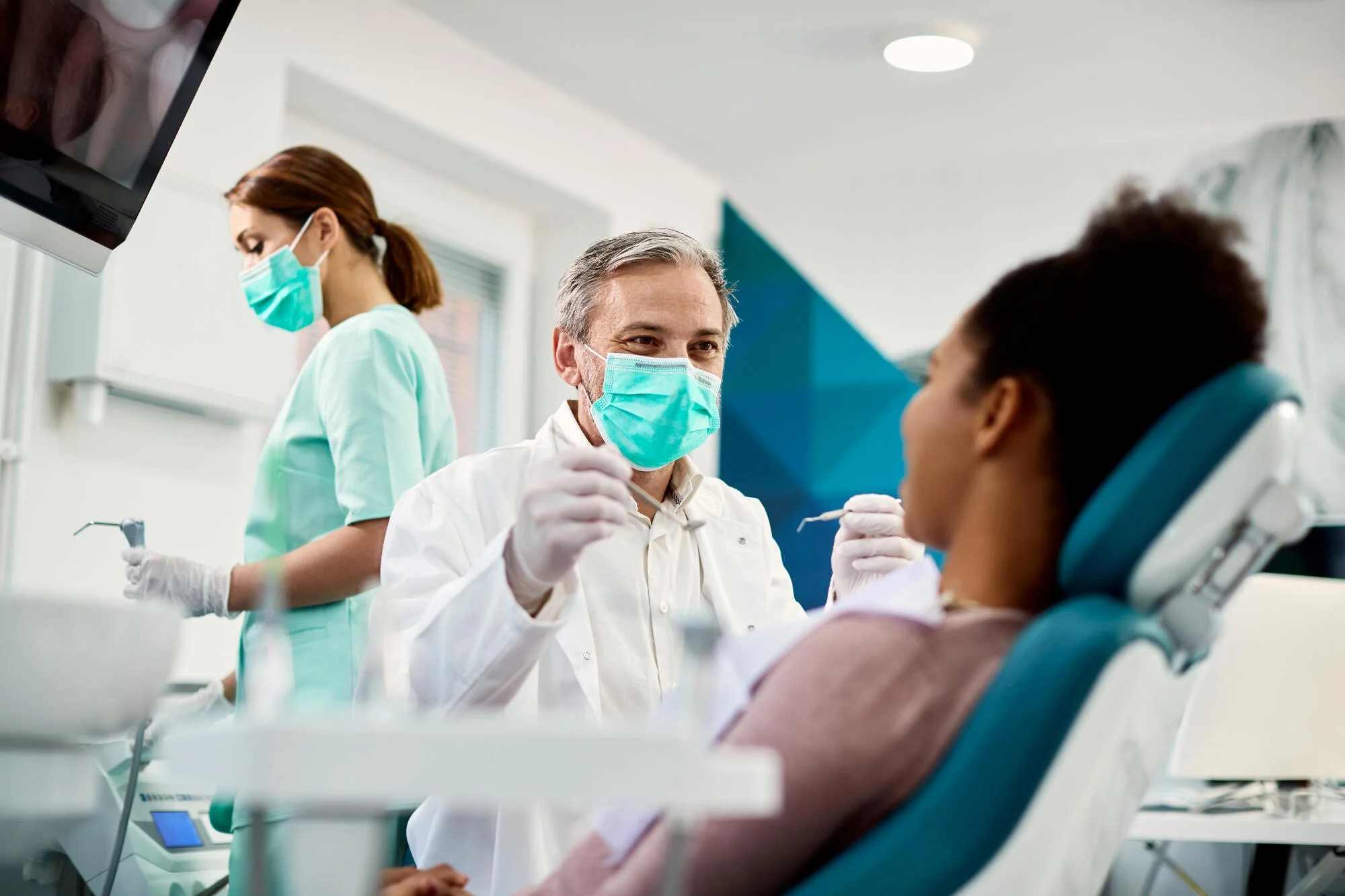
Orthodontic treatment is a journey that requires dedication, patience, and, importantly, regular check-ups with your orthodontist. Whether you’re wearing braces, aligners, or other orthodontic appliances, consistent appointments are crucial to ensure the success of your treatment plan.
Here’s why that orthodontist appointment is so essential:
Monitoring Progress
Regular check-ups help the orthodontist see how your treatment is working. They check if your teeth are moving as planned. If there are any problems, the orthodontist can fix them early. Sometimes, they may need to adjust your braces or aligners. This helps keep everything on track.
If you need professional help, look for professionals like this orthodontist in Zelienople. Regular visits also make sure your teeth stay clean and healthy. Proper care during treatment helps you get a better smile in the end.
Preventing and Addressing Issues
Going to the adult orthodontist lots means they can catch any small problems before they get big. It’s like when you’re learning to ride a bike. If you start to wobble, you want someone to help you straight before you fall.
The orthodontist looks for any trouble spots in your teeth or braces. If they see something wrong, they can fix it right away. This helps keep your teeth on track to get straight and avoids bigger problems later.
Ensuring Oral Health
Going to see the best orthodontist a lot helps keep your mouth clean and healthy. The orthodontist looks inside your mouth to make sure your teeth and gums are happy and doesn’t have any bad stuff.
When you have braces or other teeth things, you need to take extra care to clean your teeth. The orthodontist will teach you how to brush and floss the right way with braces. This keeps your teeth strong and shiny.
According to this reliable dentist in Avon Lake OH, as a rule of thumb, you should brush thoroughly, floss every night, and rinse your mouth with an antimicrobial mouthwash to keep your teeth and gums strong.Staying Motivated
Keeping excited about fixing your teeth is big. Think about how awesome your smile will look. Every time you visit your tooth doctor, remember it’s a step closer to that. Sometimes it’s hard but think about good stuff like showing off your teeth when it’s all done.
Your tooth doctor is like your cheerleader, helping you keep going. They remind you why you started and how cool it’ll be at the end. Plus, seeing your smile change is fun. Keep your eyes on the prize – a super smile.
Personalizing Your Treatment
Making your teeth treatment just for you is like picking your favorite ice cream flavor. Your tooth doctor looks at your teeth, talks to you, and makes a plan that fits what you need. It’s not the same for everyone-like how some folks might love chocolate and some might go for vanilla. Your tooth doctor picks the best stuff to make your teeth look awesome, just for you.
They check out what your teeth are like now, what you like, and how to make everything work good together. This way, you and your tooth doctor work together to make your smile the best it can be.
Learn All About Orthodontist Appointment
In summary, going to every orthodontist appointment is super important. It helps the tooth doctor check your teeth, fix problems, keep your mouth clean, stay excited, and make sure your treatment fits you right. So, remember, always go to your orthodontist appointment and you’ll get an awesome smile in the end.
Did you find this article helpful? Check out the rest of our blog..

Shoulder pain can be a debilitating condition that affects daily activities and overall quality of life.
Traditional methods of pain relief, such as medications and physical therapy, are commonly used, but many individuals seek alternative treatments to avoid potential side effects and enhance their recovery. One such alternative is the Transcutaneous Electrical Nerve Stimulation (TENS) machine.
In this article, we will explore the role of the TENS machine for shoulder pain, examining its benefits, usage, and effectiveness.
What is a TENS Machine?
A TENS machine is a small, portable device that delivers low-voltage electrical currents to the skin through electrodes. These electrical impulses stimulate the nerves in the affected area, which can help to reduce pain and improve muscle function.
The primary mechanism by which a TENS machine works is by blocking pain signals from reaching the brain and promoting the release of endorphins, the body’s natural painkillers.
How Does a TENS Machine Work for Shoulder Pain?
Shoulder pain can be caused by a variety of factors, including inflammation, muscle tension, and nerve damage. A TENS machine can help alleviate shoulder pain in several ways.
Pain Signal Interference
One of the primary ways a TENS machine alleviates shoulder pain is by interfering with pain signals. The electrical impulses generated by the device travel through the skin and into the nerves, effectively “scrambling” the pain messages before they reach the brain. This interruption can lead to a reduction in the perception of pain, providing relief to the user.
Endorphin Release
Another significant benefit of using a TENS machine for shoulder pain is the stimulation of endorphin release. Endorphins are chemicals produced by the body that act as natural pain relievers. By increasing the levels of endorphins in the bloodstream, a TENS machine can help to reduce pain and improve overall well-being.
Benefits of Using a TENS Machine for Shoulder Pain
There are numerous benefits to using a TENS machine for shoulder pain, including:
Non-Invasive and Drug-Free
One of the most appealing aspects of using a TENS machine is that it is a non-invasive and drug-free treatment option. Unlike medications, which can have side effects and potential dependencies, a TENS machine provides a safe alternative for managing pain without the need for drugs.
Ease of Use
TENS machines are designed to be user-friendly, with most devices being small, portable, and easy to operate. They typically come with adjustable settings, allowing users to customize the intensity and frequency of the electrical impulses to suit their comfort levels.
Versatility
While this article focuses on shoulder pain, it’s worth noting that TENS machines can be used to treat pain in various parts of the body, including the back, neck, and legs. This versatility makes it a valuable tool for individuals experiencing chronic pain in multiple areas.
Cost-Effective
It costs less than ongoing medication and doctor visits. So, a TENS machine is a good long-term pain management solution. Devices can be purchased from reputable sources like Tensunits.com, ensuring quality and reliability.
Using a TENS Machine for Shoulder Pain Relief
After purchasing a TENS machine, it’s important to follow the manufacturer’s instructions for proper use.
Initial Setup
To use a TENS machine for shoulder pain, begin by placing the electrodes on clean, dry skin near the area of discomfort. Most devices come with instructions and diagrams to guide proper electrode placement. Ensure the machine is turned off before applying the electrodes to avoid any accidental shocks.
Adjusting Settings
Once the electrodes are in place, turn on the TENS machine and start with the lowest intensity setting. Gradually increase the intensity until you feel a tingling or massaging sensation. The goal is to find a comfortable level that provides relief without causing discomfort.
Treatment Duration
Typical treatment sessions with a TENS machine last between 15 to 30 minutes. You must follow the usage guidelines provided by the manufacturer or your healthcare provider. This is essential to avoid overuse. Overuse can cause skin irritation or muscle fatigue.
Frequency of Use
The number of times you use a TENS machine depends on how bad your shoulder pain is and how you feel after each session. Some people might do fine with daily use, while others get relief from a few sessions a week. Talking to a healthcare pro can help determine the best frequency for you.
Effectiveness of TENS Machines for Shoulder Pain
TENS machines have been shown to be effective in providing relief for shoulder pain, especially in cases of chronic or acute pain.
Clinical Studies and Research
Many studies have looked into how well TENS machines work for different kinds of pain, like shoulder pain. Overall, research backs using TENS therapy to reduce pain and enhance function in folks with shoulder pain. But remember, outcomes may differ based on the person and their specific condition.
Personal Testimonials
Lots of folks dealing with shoulder pain find TENS machines really helpful. They say these devices give quick pain relief and make life better. While it’s good to look at both personal stories and research, these firsthand experiences show how TENS therapy can be a game-changer.
Considerations and Precautions
While TENS therapy can be an effective form of pain management for shoulder pain, there are a few things to keep in mind.
Medical Advice
Before diving into TENS therapy, make sure to chat with a healthcare provider, especially if you have any health issues or are expecting. They can guide you on whether a TENS machine works for you and give tips for safe use.
Proper Usage
Using a TENS machine right is key to getting the best results and steering clear of any side effects. Just stick to the manufacturer’s instructions and any tips from your healthcare provider. Avoid mishaps like putting electrodes on broken skin or using the device for too long, as it can cause problems.
Manage and Alleviate Shoulder Pain and Discomfort Today
In short, the TENS machine for shoulder pain is a great option for folks looking for drug-free relief. If you’re thinking about giving it a shot, talk to your healthcare provider first to ensure it’s right for you and get tips on how to use it. With the right approach, a TENS machine can be a handy tool in your pain relief kit, helping you feel better and boosting your quality of life.
Interested in learning more? Browse our other blog posts to gain insights into a range of topics.
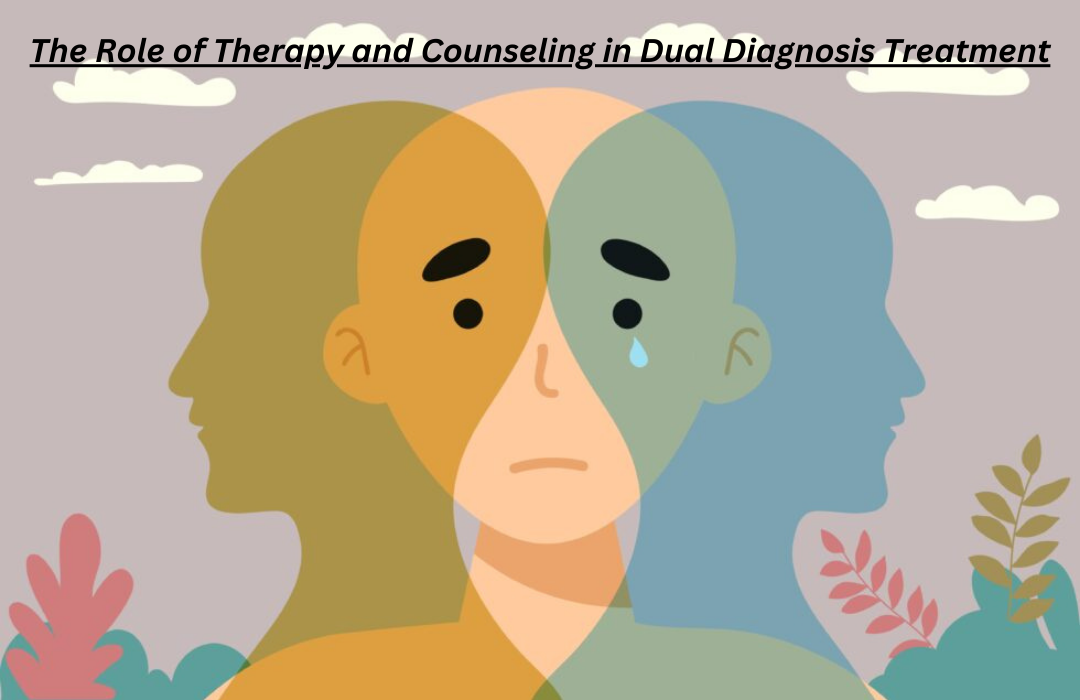
When a person is diagnosed with both a mental health condition and a substance use disorder, it is known as a dual diagnosis, also known as a co-occurring disorder.
The phrase “dual diagnosis” refers to having both a mental health condition and a drug use problem at the same time. Co-morbidity and co-occurring disorder are other terms for dual diagnosis. Both problems will be treated together. Behavioral therapy, medicine, support groups, or inpatient care are possible forms of treatment.
Having a dual diagnosis indicates that you are dealing with both a mental health condition and a drug use issue concurrently. Dual diagnosis is a combination of diagnoses rather than a single diagnosis.
Anxiety, depression, and other mental health issues are examples of mental health problems. Drugs, alcohol, or other addictive substances can all be part of a substance use disorder. The impacts of each may worsen when these circumstances coexist. Substance use disorders may intensify and become more prevalent if mental health problems are left untreated. Additionally, there’s a chance that your mental health issues will worsen as your drug use does. It starts a vicious loop like this.
Some strategies that may be helpful in dealing with a dual diagnosis
Seek Help
The first step in helping someone manage with a dual diagnosis is persuading them to seek care. Finding a sympathetic provider who is willing to listen and understand how the diagnosis influences their physical, emotional, and social lives is critical for a successful intervention. A successful intervention demands a holistic approach that integrates traditional therapies with hypnotherapy to address underlying issues on a deeper level. Collaborating with hypnotherapists who are both trained and hold hypnotherapy insurance ensures a safe, professional, and comprehensive treatment plan, further supporting the individual’s recovery journey.
Participate actively in treatment
Speaking with a specialist is only the start of the recovery process. Active participation in treatment is crucial. It is extremely important to fully engage in treatment while receiving enough support from both within and outside the treatment program.
Focus on feeling better
Any mental health or substance use illness can present a number of difficulties for the patient, their friends, and family. A dual diagnosis may complicate the treatment strategy, but education, support, therapy, and medicine can assist persons in recovering and leading productive lives.
The Role of Therapy
Therapy is essential to the treatment of dual diagnosis because it offers a structured setting for treating the psychological components of both drug use disorders and mental health illnesses.
Behavioral Intervention: Techniques such as Cognitive Behavioral Therapy (CBT) are utilized to identify and alter dysfunctional thought patterns and behavior associated with substance abuse and mental health disorders.
Relapse Prevention: An essential part of long-term rehabilitation in dual diagnosis is relapse prevention, which involves planning for possible relapses as well as identifying and avoiding triggers.
Recognizing and Treating the Fundamental Causes: Counseling assists in identifying the underlying causes of mental health problems and addiction disorders, such as stressors, emotional trauma, or past trauma. Treating these underlying problems effectively requires understanding them.
Support and Validation: By fostering a nonjudgmental, supportive atmosphere, therapies help people feel heard and validated, which in turn helps them develop self-esteem and drive for recovery.
Developing Coping Mechanisms: Therapists assist clients in creating more healthy coping strategies to manage stress, anxiety, and other life events that could cause substance abuse or worsen symptoms of mental illness.
What is Dual diagnosis counseling?
Dual diagnosis counseling is one sort of counseling treatment. Dual diagnosis counseling can help with the complicated relationships between mental health and substance use disorders. Effective treatment must consider both problems.
Dual-diagnosis counseling can benefit people with co-occurring disorders in a variety of ways. Some of the advantages are outlined below.
A higher standard of living
Counseling for dual diagnoses might assist people in regaining a better quality of life. Enhancing relationships, locating fulfilling employment or hobbies, and obtaining secure housing are a few examples of this.
Improved Interaction with Treatment
Dual diagnosis counseling may be more appropriate and beneficial for certain individuals than receiving separate treatments for each disease. People can achieve their goals and engage fully in therapy with the support of dual diagnosis counseling.
Comprehending both circumstances
Counseling for dual diagnoses can help people understand their condition better. People can get informed about the links between their substance use and mental health issues. Increased self-awareness and better self-management abilities may result from this.
The co-occurrence of substance use disorder (SUD) and another mental health condition is referred to as dual diagnosis. Dual diagnosis symptoms can differ greatly based on the particular combination of diseases present as well as the individual’s particular circumstances. Here are a few typical indications and symptoms, though:
Symptoms of Dual Diagnosis:
- increased sensitivity to the drug; more is required to provide the same effect.
- signs of withdrawal from the drug when stopped.
- unsuccessful attempts to reduce or manage drug consumption.
- putting in a lot of time acquiring, abusing, or recuperating from drugs.
- persistent substance use in the face of undesirable effects (e.g., marital troubles, legal issues, health problems).
- changes in sleep habits (hypersomnia or insomnia).
- loss of enjoyment or interest in formerly cherished activities.
- inability to focus or make decisions.
- changes in weight or hunger.
- suicidal ideas or actions.
- Emotional outbursts or mood fluctuations.
If you have a dual diagnosis, don’t be scared to contact your healthcare practitioner. To ensure long-term recovery, you must continue to work with your healthcare providers and support groups. However, it is vital to recognize that mental health issues and substance use disorders are medical conditions. With the right treatment, you have a good chance of recovering from a dual diagnosis. Be honest and transparent with them so they can assist you in finding the appropriate treatment. Asking for help is the first step.


 HOME IMPROVEMENT1 year ago
The Do’s and Don’ts of Renting Rubbish Bins for Your Next Renovation
- BUSINESS1 year ago
Exploring the Benefits of Commercial Printing
- HOME IMPROVEMENT10 months ago
Get Your Grout to Gleam With These Easy-To-Follow Tips

 HEALTH10 months ago
The Surprising Benefits of Weight Loss Peptides You Need to Know
- TECHNOLOGY1 year ago
Dizipal 608: The Tech Revolution Redefined
- HEALTH10 months ago
Your Guide to Shedding Pounds in the Digital Age
- BUSINESS1 year ago
Brand Visibility with Imprint Now and Custom Poly Mailers
- LAW1 year ago
7 Key Questions to Ask When Hiring a Criminal Lawyer







