AUTOMOTIVE
Garage Safety Tips: Preventing Accidents and Injuries


A garage is more than just a space to park vehicles—it often serves as a workshop, storage area, and extra storage space or utility room. However, it can also be a hazardous environment if not properly maintained and organized. From power tools and chemicals to sharp objects and heavy equipment, there are numerous potential risks that can lead to accidents and injuries. By implementing proper safety measures, you can transform your garage Australia or shed into a safer space for everyone. Here are some essential garage and shed safety tips to help you prevent accidents and injuries.
ALSO READ: Make1M McLaren: Ultimate Luxury Meets Ambition
1. Organize and Declutter Your Garage kits
One of the easiest ways to prevent car accidents is by keeping your car and garage organized and free from clutter. A messy garage with items scattered on the roof and floor creates tripping hazards and makes it difficult to find what you need. Here’s how to organize your car and garage effectively:
- Use Shelving and Storage Bins: Install shelves or cabinets to store items off the floor. Use clear, labeled storage bins to keep smaller items like screws, nails, and tools in one place.
- Hang Tools on Pegboards: Pegboards are an excellent way to store frequently used tools, keeping them accessible but out of the way. This not only reduces clutter but also ensures that sharp tools are safely stored.
- Use Vertical Space: Utilize the walls and ceiling for storage. Bike hooks, overhead storage racks, and wall-mounted shelves can help free up floor space and minimize clutter.
- Regularly Purge Unused Items: Conduct periodic garage clean-outs to remove items you no longer need. Old equipment, broken tools, and other unused items take up valuable space and increase the risk of accidents.
2. Properly Store Hazardous Materials
Garages and sheds often house a variety range of hazardous materials, such as chemicals, paints, automotive fluids, and cleaning agents. Improper storage of these substances can lead to spills, fires, or accidental poisoning. Here are some guidelines for safely storing hazardous materials in your shed and garages:
- Store Chemicals in Original Containers: Always keep chemicals, paints, and other hazardous substances in their original, clearly labeled containers. This helps prevent accidental misuse and ensures you have proper disposal instructions when necessary.
- Use Lockable Cabinets: If you have children or pets, store hazardous materials in a lockable cabinet or a high, inaccessible shelf. This helps prevent accidental exposure to harmful substances.
- Keep Flammable Materials Separate: Store flammable items such as gasoline, oil, or propane in approved, flame-resistant containers. Keep them away from heat sources, electrical outlets, and equipment that could spark.
- Dispose of Old or Unused Chemicals Properly: Expired or unused chemicals should be disposed of at a local hazardous waste disposal site, not in your regular trash.
3. Install Adequate Lighting
Poor lighting in the shed or garage can make it difficult to see potential hazards and increase the the size and risk of accidents. Adequate shed lighting and ventilation is crucial for both safety, durability quality, the shed design, build quality and even shed functionality, especially if you use your sheds shed or garage for work, storage or hobbies.
- Bright Overhead Lights: Install bright, energy-efficient overhead lights to illuminate the entire garage. LED lighting is a great option because it is long-lasting and reduces shadows.
- Task Lighting: If you use the garage as a workspace, install task lighting above workbenches or areas where precision is needed. This ensures that you have enough light to safely handle tools and materials.
- Motion-Activated Lights: Consider installing motion-activated lights near the entrance of the garage. This way, you won’t have to fumble in the dark when entering the garage at night.
4. Keep Electrical Systems Safe
Garages often house many vehicles, multiple electrical appliances, power tools, and extension cords, all of which pose a range of electrical hazards if not used properly. Here are some tips for building and maintaining electrical safety by having these garage kits:
- Inspect Cords and Outlets: Regularly check power cords, extension cords, and outlets for signs of wear, such as fraying or exposed wires. Replace any damaged cords immediately.
- Avoid Overloading Circuits: Avoid plugging too many devices into a single outlet or power strip, as this can cause overheating and potentially lead to a fire.
- Use Ground-Fault Circuit Interrupters (GFCIs): Install GFCIs in your garage to protect against electrical shock, especially in damp areas. These devices automatically shut off power if they detect a fault.
- Store Tools Safely: When using power tools, ensure they are properly grounded and unplug them when not in use. Store them in a dry place, away from water or moisture.
5. Ensure Garage Doors Are Safe
Garage doors are often the largest moving part of the home and can pose a range of significant safety risks if not properly maintained. Injuries from malfunctioning or poorly maintained garage roller doors can be severe and life-, so it’s crucial to follow these safety tips:
- Inspect Door Springs and Cables: Garage door springs and cables for single car garage are under high tension and can cause serious injury if they snap. Have these components inspected regularly by a professional, and never attempt to repair them on your own.
- Test Auto-Reverse Features: Modern garage doors are equipped with auto-reverse features that cause the door to reverse direction if it senses an object or person in its path. Test this feature monthly to ensure it’s working properly.
- Keep Remote Controls Out of Children’s Reach: Garage door remote controls should be kept out of reach of children to prevent accidental operation.
- Manually Lock the Garage Door: For added security, consider manually locking the garage door when it’s not in use. This helps prevent unauthorized access and reduces the risk of accidents involving the door.
6. Practice Ladder Safety
Ladders are frequently used in garages to have customers access storage or when customers perform maintenance tasks, but they can also lead to falls and serious injuries if not used properly. Follow these ladder safety tips:
- Use the Right Ladder for the Job: Make sure the ladder you are using is the appropriate height and type for the task at hand. Never stand on the top rung of a ladder.
- Place the Ladder on a Stable Surface: Ensure the ladder is placed on a flat, stable surface before climbing. If the floor is uneven or slippery, the ladder could tip over.
- Maintain Three Points of Contact: Always keep at least three points of contact (two hands and one foot, or two feet and one hand) on the ladder to maintain balance.
- Have a Spotter: If possible, have someone spot you when using a ladder to ensure your safety.
7. Childproof the Garage
If you have children, childproofing your shed or garage, is essential to prevent injuries. your shed and Garages are often filled with dangerous tools, chemicals, and heavy objects, making it a potentially hazardous area for kids. Here’s how to keep your shed or garage safe for little ones:
- Keep Sharp Tools Out of Reach: Store sharp objects like saws, knives, and garden tools in locked cabinets or out of reach of children.
- Secure Heavy Equipment: Secure heavy equipment, such as lawnmowers and power tools, to prevent them from tipping over. Use brackets, anchors, or straps to stabilize larger items.
- Install a Childproof Lock on the Garage Door: Consider installing a childproof lock on the garage door to prevent unsupervised access to the garage.
- Store Toys and Bicycles Safely: Designate a specific area for children’s toys and bicycles. Teach them to keep their playthings organized to avoid tripping hazards.
Conclusion
A well-organized and properly maintained garage can significantly reduce the risk of accidents and injuries. By following these safety tips—ranging from organizing and decluttering your garages to protecting your car and building and garage to ensuring electrical and well quality and chemical safety—you can create build a safe and functional space for your family. Regular inspections and other quality and safety checks are key to keeping your garage safe, so make sure to review and update your safety practices and garages periodically and check out Matrix Steel for good quality garages and sheds.


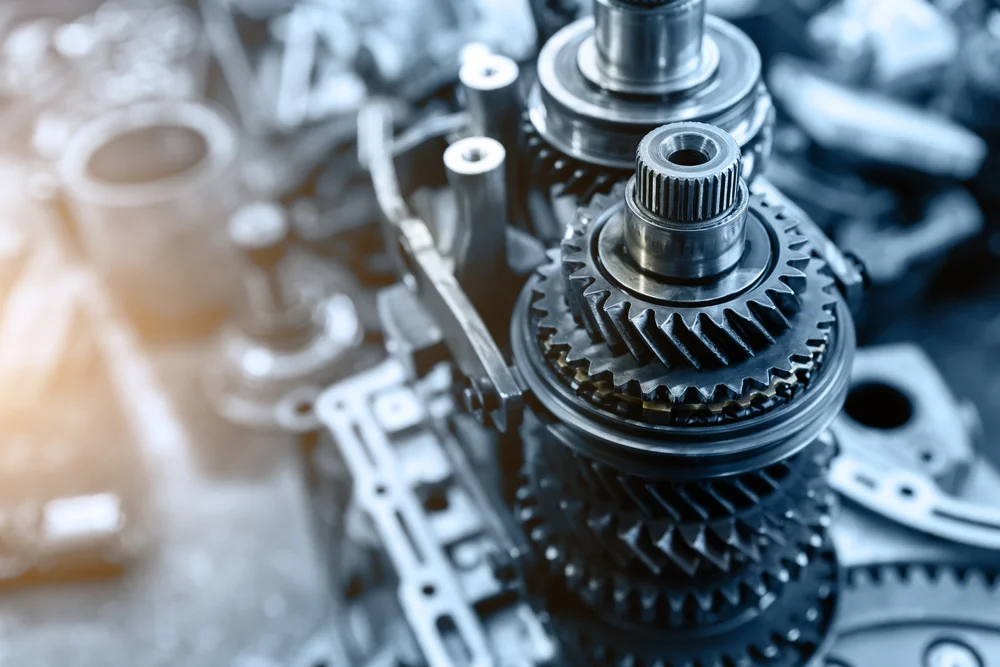
Introduction
Gear shifting can seem like a delicate ballet to people who switched from automatic to manual gearboxes. There’s a learning curve involving clutch control, throttle dexterity, and determining which gear is best in each given circumstance. The effect of shifting gears while driving is one subject that is frequently asked.
Skipping gears may initially appear to be a shortcut, a quicker method to go from point A to point B. But is it wise to do so? This blog explores the topic of gear skipping and how it affects the drivetrain, engine, and overall driving experience of your car.
Knowing gearing: The power band of the engine
Prior to shifting gears, let’s establish some basic comprehension. An automobile’s gearbox functions similarly to a variable speed changer, enabling the engine to deliver power effectively at varying driving speeds. The relationship between engine RPM (revolutions per minute) and wheel rotation speed is changed by the particular ratios of each gear.
Consider the engine as a power plant with a sweet spot where it produces maximum power and fuel economy. It’s common to refer to this sweet area as the “power band.” For smooth acceleration and effective operation, gears are selected to maintain the engine’s RPM within this power band.
Upshifting vs. downshifting when skipping gears
Whether you’re downshifting (going to a lower gear) or upshifting (going to a higher gear) determines how skipping gears will affect you. Let’s investigate each situation:
- Upshifting: Generally speaking, the engine and drivetrain aren’t as damaged when shifting up (from, say, second to fourth) without changing gears. But because there’s a bigger gap to bridge between the engine’s RPM and the vehicle’s speed, it can result in a jarring ride. Furthermore, if it’s not done smoothly, the clutch may have to work harder to synchronize the engine and transmission speeds.
- Downshifting: This is the point at which it’s riskier to skip a gear. Imagine driving at highway speeds and dropping from fifth to second gear. The engine would likely bog down or perhaps stall as a result of the sharp drop in engine RPM. Furthermore, downshifting can put a great deal of stress on the drivetrain’s components, increasing wear and tear, if correct rev-matching—adjusting engine RPM to match the lower gear—is not done. In severe cases, drivetrain damage may result from it.
The rev-matching art: A talent worth developing
Rev-matching is a method usually utilized by experienced manual gearbox drivers to achieve seamless downshifting. Before engaging the lower gear, blip the throttle, or briefly press and release the gas pedal, to get the engine RPM closer to what is anticipated for that gear. This lessens the shock felt during a significant gear drop and facilitates a smoother transition.
While rev-matching isn’t necessarily required for everyday driving, it becomes important when driving in performance-oriented scenarios or while making a sudden turn or other fast deceleration. By perfecting this method, you can prevent needless wear and tear on your car’s drivetrain while also improving the driving experience.
The effect on engine performance
The performance of an engine can be subtly affected by shifting gears. How to do it is as follows:
- Fuel Economy: To get the best fuel economy, gears should ideally be selected to keep the engine operating within its powerband. The engine can be forced out of this sweet spot by skipping gears, which could result in decreased fuel efficiency.
- Engine Wear: Engine parts like bearings and synchronizers may experience higher wear as a result of frequent rapid gear changes or incorrect downshifting. This can therefore result in the requirement for early maintenance.
When is it okay to switch gears?
In certain rare circumstances, skipping gear could be permissible. For instance, skipping gear during upshifting may be suitable if you need to gain speed quickly when merging onto a highway (as long as it’s done smoothly). But this shouldn’t turn into a daily routine.
For maximum engine performance, fuel economy, and the least amount of wear and tear, the general best course of action is to concentrate on smooth, methodical gear changes that maintain the engine inside its powerband.
Safety factors: Preserving mastery
Skipping gears can have an impact on safety in addition to its mechanical consequences. Your concentration and ability to operate the car may be momentarily impaired by a sudden or abrupt shift in gear. This is especially obvious when you downshift and the car behaves very differently.
A more predictable driving experience and improved vehicle control are made possible by maintaining seamless gear shifts. This translates into increased road safety for both you and other drivers.
Conclusion
While skipping gear might seem like a time-saving tactic, it’s important to understand its potential drawbacks. Respecting the rhythm of your car by choosing the appropriate gear for the situation not only protects your engine and transmission from unnecessary wear and tear but also ensures a smoother driving experience and better fuel efficiency. By adhering to the recommended gear sequence, drivers can optimize the performance and longevity of their vehicles. So, next time you’re behind the wheel, remember to respect the rhythm of your gears and engine for a more harmonious driving experience.
All those in need of used engines and transmissions in the United States must visit Used Engines, Inc.


If you are stuck between deciding whether to buy a car or opt for a monthly car rental Dubai then it is no coincidence that you are here. The main reason many people find themselves in this dilemma is due to saving money, but worry not, in this article, we are going to shed light on the best way to use a car without burning a hole in your pocket.
As the global population is on the rise, more vehicles are needed to convey people from place to place. However, as a result of more vehicles being produced to meet the rising demand for transportation, another insurmountable problem is born: Road traffic congestion and environmental pollution. The good news is that people are becoming more environmentally friendly and are now seeking improved alternatives to this pressing issue. This has led to a surge in the popularity of Dubai car hire services.
Advantages of monthly car rental Dubai
We all know that owning a car comes with several challenges such as maintenance and repair, annual depreciation of value, registration and taxes, and insurance costs. Whereas renting a car from a reliable agency like OneClickDrive allows you to drive any vehicle of your choice in whichever way you choose and pay rent for the usage.
Furthermore, if you are a hustler seeking opportunities and therefore need to move from one city or even country to another regularly, buying a car is not sustainable. What you need is a good rental service to keep you mobile wherever you go without long-term commitments.
Additionally, many people are of the opinion that owning a car is often seen as a symbol of wealth and status. While this is true, it also has some concerns. A car is a depreciating asset, meaning the moment you pay for it, the value starts to decrease. You can lose up to 20% of value within the first year. On the other hand, when you rent a car, you don’t have to worry about the cost of depreciation or even maintenance and repair as that will be taken care of by the rentals.
For people who are not frequent travelers, buying a car could be a waste of money. Because this implies that even if you drive it for only 100 days in a year, you are paying for the whole 365 days. On the other hand, you can rent a car only when needed even if it is as seldom as 2 hours in a day or 4 days in a week. You only pay for how much time you are using it.
Finally, car rental offers an opportunity to experience your dream lifestyle, even if only temporarily. Let’s be realistic, many people cannot afford to own their dream vehicle outright. However, with the option to rent a car, you can enjoy driving your dream vehicle without the substantial expense of purchasing it.
Conclusion
The choice between renting and owning a car may differ from one person to another due to several factors specific needs and preferences. However, most people would prefer to rent a car as it offers more flexibility and convenience, especially for short-term use. Moreover, long-term car rental options ensure that you have a reliable replacement vehicle without worrying about the problems of selling or updating it when a new model comes out.

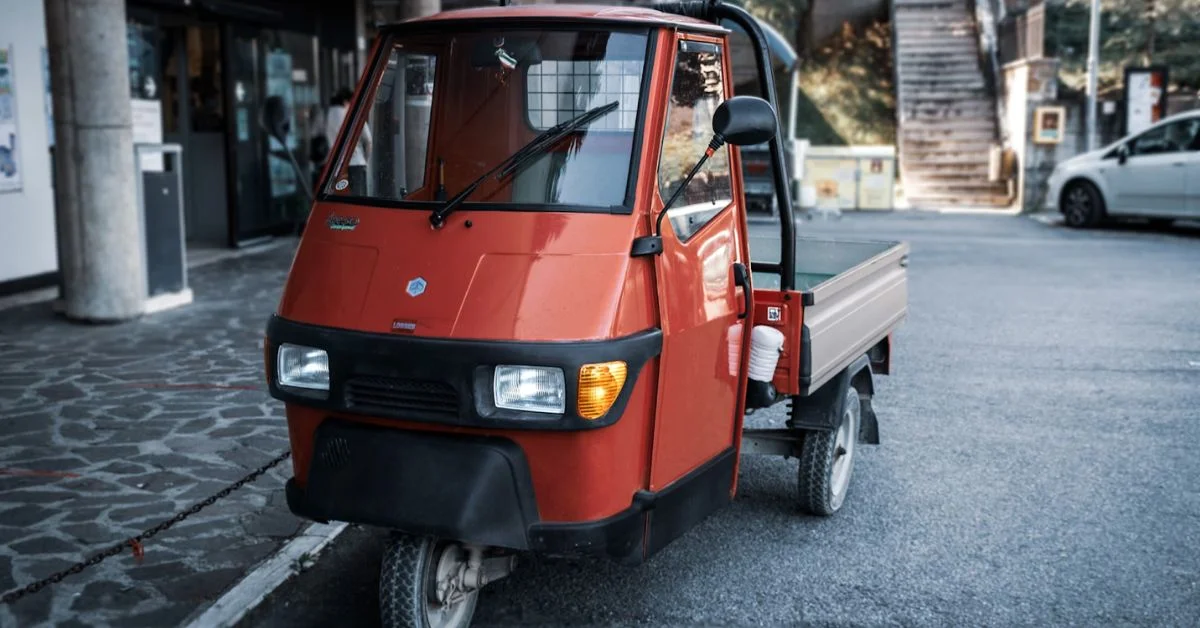
Folding recumbent trikes are transforming the way we do both adventure and storage, and they combine the excitement of cycling with unmatched convenience. The leading performer recumbent trike dealer confirms that these trikes are an answer to the growing desire for small, effective, and comfortable transport means. This article covers the special benefits of foldable recumbent trikes, ease of storage, and why they are becoming more and more popular among biking lovers.
Storage Efficiency
Folding recumbent trikes are the new way of cycling comfort and storage efficiency. Designed with an ergonomic seating position, they minimize strain on the rider’s back, neck and shoulders, making the ride comfortable even over long distances. The folding feature of these trikes, which is popular among performer recumbent trike sellers, means they can be transported in the trunk of a car or stored in small spaces, making them a perfect choice for people with limited storage space.
Storage Capability
One of the most attractive features of the foldable recumbent tricycles is their easy storage. Whether you have a small apartment or limited garage space, the ability to fold your trike into a compact form makes storage easy. This is a feature that is highly appreciated by city dwellers and those who frequently transport their trikes to different riding locations.
Stability and Safety
The three-wheel configuration of recumbent trikes provides greater balance than regular bikes, minimizing the likelihood of falls and injuries. This stability is not affected even when the trike is folded or unfolded, as riders can be sure of a safe ride each time. The added safety feature of the foldable recumbent trikes is their low center of gravity and high-visibility riding position which makes them a safe choice for riders of all ages and skill levels.
Versatility
Folding recumbent trikes open up a new dimension for cycling lovers. The portability of a trike means that riders can quickly carry their trike to new and challenging terrains, and explore off-road trails, cityscapes, and countryside routes with ease. The flexibility of these trikes, as indicated by trike dealers for performers, is what makes them suitable for different activities, including leisure rides, fitness training, and long-distance touring.
Sustainability
Besides the practical aspects, foldable recumbent trikes also provide a sustainable and fun way to explore your neighborhood. They are a green substitute to motor vehicles hence they decrease carbon emissions and promote a healthy living. The fun and comfort of riding a recumbent trike, as well as the convenience of its foldable nature, makes it a great choice for those who want to reduce their environmental footprint while still having fun in the great outdoors.
To sum up, foldable recumbent trikes are an outstanding innovation in the cycling world which combines comfort, ease, and adventure in one package. The future of cycling is getting brighter and more accessible with the advent of foldable recumbent trikes and performer recumbent trike dealers.

 HOME IMPROVEMENT1 year ago
The Do’s and Don’ts of Renting Rubbish Bins for Your Next Renovation
- BUSINESS1 year ago
Exploring the Benefits of Commercial Printing
- HOME IMPROVEMENT9 months ago
Get Your Grout to Gleam With These Easy-To-Follow Tips

 BUSINESS1 year ago
Brand Visibility with Imprint Now and Custom Poly Mailers
- TECHNOLOGY12 months ago
Dizipal 608: The Tech Revolution Redefined
- HEALTH9 months ago
The Surprising Benefits of Weight Loss Peptides You Need to Know
- HEALTH9 months ago
Your Guide to Shedding Pounds in the Digital Age

 HEALTH1 year ago
Happy Hippo Kratom Reviews: Read Before You Buy!