HOME IMPROVEMENT
How to Bring Nature Indoors: Using Animal-Themed Wallpaper for a Cozy and Stylish Home

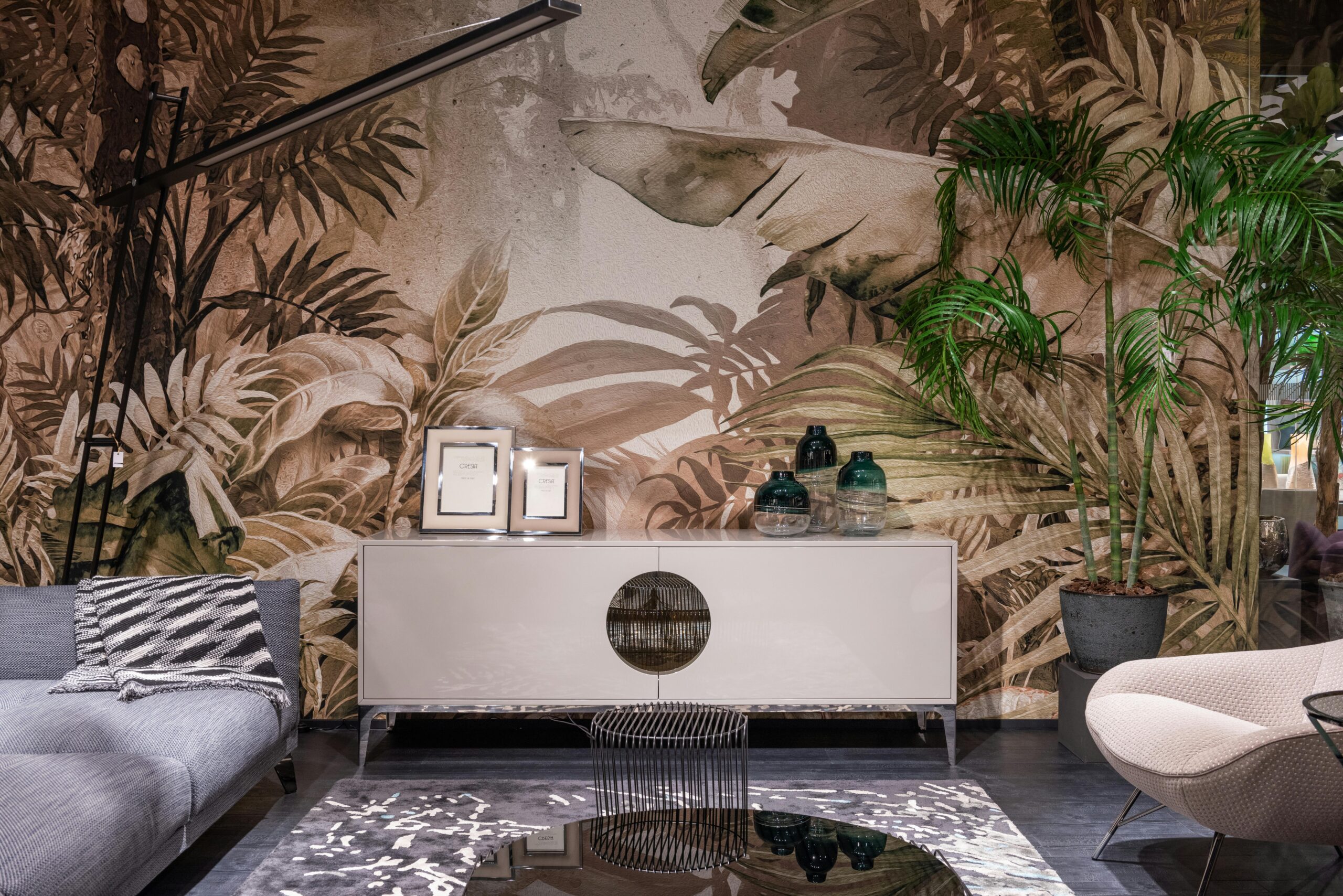
Nature calms a busy room and adds a bit of wonder. Animal patterns do this especially well. They bring movement, story, and gentle humor without clutter. If you want an easy upgrade that works in many styles, explore Animals traditional wallpaper for prints that feel timeless yet fresh.
Why animal motifs work
Creatures add life to straight lines and hard surfaces. Feathers, fur, and scales read as soft texture from across the room. The eye follows a bird in flight or a fox in tall grass, and the space feels calmer. You can make the look playful or refined. It all depends on palette, scale, and placement.
Style directions to consider
- Classic and quiet. Toile scenes or fine line drawings in two colors suit bedrooms, studies, and small dining corners.
- Modern and graphic. Bold silhouettes—cranes, swallows, or tigers—on a solid ground. Keep furniture simple so the shapes lead.
- Cottage and woodland. Moths, hares, and owls in soft greens and browns bring a storybook mood without feeling childish.
- Tropical and coastal. Herons, fish, or sea turtles pair well with rattan, linen, and sandy neutrals.
- Kids and nurseries. Friendly bears or safari scenes in gentle tones create a calm backdrop for sleep and play.
Where animal prints shine
- Living room. Put a feature wall behind the sofa. Add linen curtains and a wood coffee table to keep it grounded.
- Bedroom. Use the headboard wall like art. Choose smaller repeats for compact rooms; go larger in high-ceiling spaces.
- Entry and hallway. A narrow repeat guides the eye forward and makes a strong first impression.
- Home office. A tidy motif behind the desk looks clean on video and cuts visual noise.
- Powder room. One dramatic wall plus a simple mirror creates a boutique moment. Ventilate well.
Color, scale, and balance
Decide what you want the wall to do. Need calm? Choose soft neutrals or misty blues with tiny repeats. Want energy? Try richer shades—ink, forest, umber—and a larger scene. Match the scale to the surface. Big murals suit broad spans. Small, tight patterns flatter niches and short walls. Keep one hero surface and let nearby planes breathe. Repeat two colors from the print in pillows, a throw, or a rug so the room feels intentional.
Materials and maintenance that fit real life
Peel-and-stick panels make weekend projects possible and suit renters. You can lift and reset a strip during install, then remove it later from sound, fully cured paint. Pasted options still shine on tricky surfaces and very busy corridors; they just need more prep. Many removable films are wipeable with a soft cloth and mild soap. Skip abrasives and harsh chemicals. In humid rooms, add ventilation and keep edges away from constant steam. Always order a sample and check color from morning to night.
Simple styling without extra lists
Let the animals lead and mix textures—linen, wool, stone, and a touch of metal—for depth. Repeat soft shapes. Add a round mirror, a globe lamp, or a table with curved edges. This keeps the natural look and avoids clutter. Keep art focused. Fewer, larger pieces beat a crowded grid and keep sightlines clean.
Planning, testing, and light
Tape a sample where you’ll see it most and look at it from the next room. If the view feels busy, lower contrast or choose a smaller repeat. Strong sun can fade prints over time, so consider UV shades on bright exposures. Good evening lighting matters too: a warm table lamp near the patterned wall adds glow and makes details read softly.
Budget-smart ways to start
You don’t need to cover every wall. Try the back of open shelves, a closet door, or a framed panel over a console. In a studio, one bird or woodland scene can define the lounge without a bulky divider. In a larger space, wrap only the fireplace wall or built-ins to avoid pattern fatigue while still adding character.
Need help choosing?
California Wallpaper can help with samples, repeat size, and lead times. Ask about finish (matte vs. lightly textured), cleanability, and the best adhesive type for your paint.
Bring the look home
Animal designs add story and comfort in a way plain paint can’t. Start small if you’re unsure. Keep the palette tight, match the scale to the wall, and repeat key tones in your textiles. With a few simple choices, you’ll get a home that feels cozy, stylish, and a little closer to nature—every single day.



When heating or cooling systems stop working properly, homeowners quickly realise how important reliable technical support can be HVAC Contractors. Air conditioning failures in hot climates or heating problems during cooler seasons can disrupt comfort and even affect health. Because HVAC systems are complex, choosing the right contractor is crucial.
Many homeowners naturally search for an HVAC contractor near Everglades City, FL when they need installation, repairs, or maintenance. Working with local professionals offers several advantages that national chains or distant providers often cannot match. Local HVAC contractors bring regional knowledge, faster response times, and personalised service that directly benefits homeowners.
1. Faster Response Times and Emergency Support
Local HVAC contractors are usually located within the same community or nearby service area. Because of this proximity, they can respond quickly when emergencies arise. HVAC issues rarely occur at convenient times, and repair delays can cause significant discomfort.
For example, a malfunctioning air conditioner during peak summer temperatures can make indoor spaces difficult to inhabit. Local contractors understand the urgency and can often provide same-day service or rapid dispatch.
Key advantages of faster response:
- Reduced downtime for heating or cooling systems
- Quicker diagnosis and repair of HVAC faults
- Emergency support during extreme weather conditions
- Less stress for homeowners facing urgent repairs
Choosing an HVAC contractor near Everglades City, FL ensures technicians can reach your property faster than companies based in distant cities.
2. Deep Understanding of Local Climate Conditions
One of the most overlooked advantages of hiring local HVAC professionals is their knowledge of regional climate patterns. HVAC systems must perform differently depending on temperature, humidity, and seasonal changes.
Everglades City and surrounding areas experience high humidity, intense summer heat, and coastal environmental conditions. These factors influence which HVAC systems perform best and how they should be maintained.
Local contractors understand:
- Typical temperature fluctuations in the region
- Humidity control requirements
- Salt air effects on outdoor HVAC equipment
- Energy-efficient cooling strategies for coastal climates
Because of this knowledge, a trusted HVAC contractor near Everglades City, FL can recommend systems specifically suited to the environment rather than relying on generic equipment recommendations.
3. Personalised Customer Service and Community Trust
Local HVAC businesses depend heavily on their reputation within the community. Unlike large national providers, their success often comes from word-of-mouth referrals and long-term customer relationships.
As a result, local contractors tend to prioritise:
- Transparent pricing
- Honest system recommendations
- Reliable scheduling
- Ongoing customer support
Homeowners often find that local companies take extra time to explain HVAC problems clearly and recommend practical solutions.
Reasons personalised service matters
- Builds trust between contractors and homeowners
- Improves communication during repairs or installations
- Encourages long-term maintenance relationships
- Ensures customers receive tailored solutions
When searching for an HVAC contractor near Everglades City, FL, homeowners often benefit from the familiarity and reliability of businesses that serve their own community.
4. Knowledge of Local Building Codes and Regulations
HVAC installation and maintenance must follow specific building codes, safety regulations, and permitting requirements. These regulations can vary between regions and municipalities.
Local contractors stay updated on:
- Regional HVAC installation standards
- Local energy efficiency requirements
- Permit regulations for system replacements
- Safety codes for ventilation and ductwork
This expertise ensures that HVAC installations are fully compliant with local regulations, reducing the risk of costly modifications later.
Benefits of regulatory knowledge
- Avoids permit violations or inspection failures
- Ensures HVAC systems meet local safety standards
- Supports energy efficiency compliance
- Simplifies the installation process
Hiring an experienced HVAC contractor near Everglades City, FL helps homeowners avoid complications that can arise when contractors are unfamiliar with local building rules.
5. Better Long-Term Maintenance and Support
HVAC systems require regular maintenance to perform efficiently and extend their lifespan. Filters must be replaced, components inspected, and systems cleaned periodically.
Local contractors can offer ongoing service agreements and seasonal maintenance programs tailored to regional conditions.
Maintenance services typically include:
- Air conditioning tune-ups
- Heating system inspections
- Air filter replacement
- Refrigerant level checks
- Duct system evaluations
Because they operate nearby, local technicians can schedule routine inspections and preventative maintenance without long waiting times.
Working with a reliable HVAC contractor near Everglades City, FL also makes it easier to build an ongoing service relationship that keeps systems running efficiently for years.
6. Supporting the Local Economy and Community
Hiring local contractors contributes directly to the local economy. When homeowners choose local businesses, they help support jobs, small enterprises, and community growth.
Local HVAC companies often collaborate with other nearby suppliers, service providers, and contractors. This creates a network of businesses that strengthens the regional economy.
Community benefits of hiring local contractors
- Supports small local businesses
- Creates local employment opportunities
- Encourages community development
- Keeps money circulating within the local economy
Additionally, local contractors often participate in community events, sponsorships, or neighbourhood initiatives. Choosing an HVAC contractor near Everglades City, FL can therefore benefit both homeowners and the wider community.
Conclusion:
Heating and cooling systems play a vital role in maintaining comfortable indoor environments. When problems arise or upgrades are needed, choosing the right HVAC professional makes a significant difference.
Local contractors offer several advantages that larger or distant providers often cannot match. Their quick response times, understanding of regional climate conditions, knowledge of building codes, and commitment to customer relationships make them valuable partners for homeowners.
For residents seeking dependable service, working with an experienced HVAC contractor near Everglades City, FL ensures faster support, tailored solutions, and ongoing maintenance that keeps systems operating efficiently. By choosing local expertise, homeowners gain both reliable comfort and peace of mind.

Introduction to tiimatuvat (traditional shared living)
Imagine a world where living arrangements promote community, connection, and collaboration. A space where individuals share not just walls but experiences, meals, and moments of joy. This is the essence of tiimatuvat ancient shared living that has found its way into our modern society. As we navigate an increasingly isolated world, the principles behind tiimatuvat resonate deeply with many seeking deeper connections and more sustainable lifestyles. Let’s explore this fascinating tradition’s roots and uncover how it can transform contemporary living for the better.
History of tiimatuvat and its cultural significance
Tiimatuvat, deeply rooted in ancient traditions, reflects communal living practices that date back centuries. These shared spaces were not just about housing; they encapsulated the essence of togetherness and cooperation.
Historically, tiimatuvat catered to communities facing challenges like food scarcity or harsh climates. People banded together for survival, sharing resources and responsibilities. This interdependence fostered a strong sense of belonging.
Culturally, tiimatuvat is significant for its emphasis on relationships. It nurtured bonds between families and neighbors through collective celebrations and rituals. Such gatherings reinforced cultural identity while preserving storytelling traditions passed down generations.
As societies evolved, the concept of tiimatuvat adapted but never lost its core values of unity and collaboration. Today’s modern interpretations still echo these ancient principles as people seek meaningful connections in an increasingly fragmented world.
Benefits of tiimatuvat in today’s society
Tiimatuvat offers a refreshing alternative to conventional living arrangements. It fosters a sense of community that many people crave in today’s fast-paced world.
Shared responsibilities are one of its key benefits. When chores and tasks are distributed among residents, the burden lightens for everyone. This collaborative approach not only promotes teamwork but also strengthens bonds between individuals.
Moreover, tiimatuvat can significantly reduce living costs. By sharing expenses like rent and utilities, members can enjoy financial relief while still maintaining comfortable living conditions.
Additionally, this lifestyle encourages cultural exchange and diversity. Residents from different backgrounds bring unique perspectives and experiences into the shared space, enriching everyday life with varied traditions.
Emotional support is another invaluable aspect of tiimatuvat. Living closely with others creates an environment where individuals feel understood and supported during challenging times.
How to create a successful shared living space?
Creating a successful shared living space starts with clear communication. Set expectations early on about responsibilities, chores, and communal areas.
Next, designate private zones. Ensure everyone has their own space to retreat for relaxation or focus. This balance of privacy and community fosters harmony.
Choosing the right furniture also matters. Opt for multi-functional pieces that save space while encouraging collaboration like large dining tables for meals together or cozy lounges for movie nights.
Incorporate elements that reflect everyone’s personality. Shared artwork or plants can make the environment feel more inviting and personal.
Regular check-ins are crucial too. Schedule informal meetings to discuss any concerns and celebrate successes in your shared living experience. It’s all about maintaining a positive atmosphere where everyone feels valued and heard.
Examples of modern-day tiimatuvat communities
Across the globe, modern-day tiimatuvat communities are thriving. These spaces often blend traditional values with contemporary needs.
In Barcelona, for example, co-housing projects emphasize shared resources and common spaces. Residents collaborate on everything from gardening to organizing events. This fosters deep connections among neighbors.
Meanwhile, in Austin, Texas, eco-villages promote sustainability alongside communal living. Here, members share not just homes but also a commitment to reducing their environmental footprint through collective efforts.
Further north in Canada’s Vancouver area, intentional communities focus on inclusivity and support systems. They provide safe havens for various demographics while encouraging cultural exchange and cooperation among residents.
These examples illustrate how tiimatuvat principles adapt to modern life while retaining their core essence: community connection and mutual support.
Challenges and drawbacks of shared living
Shared living, while appealing, comes with its own set of challenges. One major issue is the clash of personalities. When diverse individuals share a space, differing lifestyles and habits can lead to tension.
Privacy becomes another concern. Living closely with others means fewer personal boundaries. This can be uncomfortable for those who value their alone time or need quiet spaces for work or relaxation.
Additionally, decision-making can become complicated in communal settings. Whether it’s choosing decor or managing household chores, disagreements are common.
Financial responsibilities might also create stress. While shared expenses can ease budgets, they require transparent communication to avoid misunderstandings about contributions.
There is the potential for unstable dynamics if someone decides to leave the community unexpectedly. Such changes may disrupt established routines and relationships within the group.
Conclusion: The enduring legacy of tiimatuvat in our modern world
The concept of tiimatuvat remains robust in today’s society. It serves as a testament to the enduring appeal of community living, echoing traditions that have stood the test of time. In an era marked by rapid urbanization and increasing isolation, shared living spaces offer an antidote to loneliness. They foster connections, enhance emotional well-being, and create supportive networks.
Communities built on the principles of tiimatuvat reflect our innate desire for belonging and connection. As modern housing challenges continue to rise – affordability issues, environmental concerns – these traditional models provide valuable insights into sustainable living practices.
By harnessing the wisdom from past generations while adapting it for contemporary needs, we can cultivate vibrant communities that prioritize collaboration over competition. The legacy of tiimatuvat is not merely historical; it presents a path forward where collective strength enriches individual lives.
As more people seek meaningful interactions and communal experiences, the timeless values embodied in tiimatuvat will likely inspire future generations in their quest for togetherness amidst diversity. This age-old practice may just be what we need now more than ever an invitation to reconnect with one another in profound and enriching ways.
Introduction to the Slylar Box
Welcome to the future of home organization with the Slylar Box. In a world where space can often feel limited, having efficient storage solutions is key. The Slylar Box stands out as an innovative way to keep your living area tidy while enhancing your decor. Imagine a modular storage option that adapts seamlessly to your lifestyle and needs. Whether you’re battling clutter in a small apartment or simply looking for stylish ways to organize, this versatile box has got you covered. Let’s dive into what makes the Slylar Box an essential addition for modern homes.
Benefits of Using the Slylar Box
The Slylar Box transforms clutter into tidy organization. Its modular design adapts to your space, making it a versatile solution for any room.
With its sleek appearance, the Slylar Box complements modern decor effortlessly. It enhances your space aesthetically while remaining highly functional.
Functionality is key. The box allows easy access to items stored away, reducing time spent searching for essentials.
Durability plays an important role too. Made from high-quality materials, the Slylar Box withstands daily use without losing its charm or structure.
Additionally, it promotes sustainability by encouraging users to minimize waste and maximize storage efficiency. This eco-friendly approach resonates with today’s conscious consumer.
Whether you’re storing toys in the living room or organizing office supplies, the benefits of using a Slylar Box are clear—organization meets elegance in one smart solution.
Features and Design of the Slylar Box
The Slylar Box stands out with its sleek, modern aesthetic. Its minimalist design fits seamlessly into any home decor. Crafted from high-quality materials, it exudes durability and sophistication.
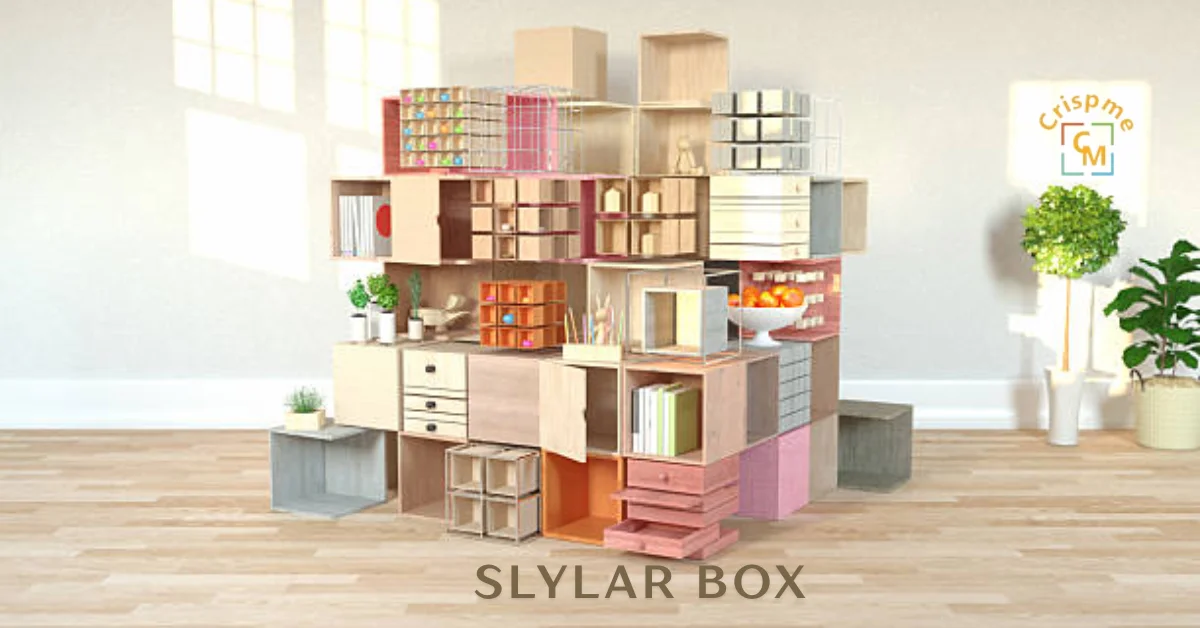
Versatility is key in the Slylar Box’s design. It comes in various sizes and colors, ensuring there’s a perfect match for every room. The modular approach allows you to stack or arrange them as needed, providing customization options that adjust to your lifestyle.
Functionality goes hand-in-hand with style. Each box features smooth-gliding drawers and compartments that maximize storage space while keeping items easily accessible. Built-in ventilation ensures that stored goods remain fresh without worry.
Thoughtful details enhance usability too; recessed handles make opening a breeze while maintaining a clean look. Whether used for organizing books or displaying decor items, the Slylar Box combines form and function effortlessly.
How to Use the Slylar Box in Different Areas of Your Home?
The Slylar Box is incredibly versatile, making it perfect for various areas in your home.
In the living room, use it as a stylish coffee table. It provides extra storage for remote controls, magazines, and even blankets while keeping everything neat.
For bedrooms, place a Slylar Box at the foot of your bed or in closets. It’s ideal for storing seasonal clothing or shoes that you don’t wear every day.
In children’s rooms, this modular storage can hold toys and books. Its fun design encourages kids to keep their space tidy without feeling like a chore.
If you have an office setup, utilize a Slylar Box to organize documents and supplies. This keeps your workspace clutter-free while adding an aesthetic touch.
Even in kitchens or dining areas, it serves as an attractive spot for utensils or cookbooks. The possibilities are endless with the adaptive nature of this smart storage solution.
Customer Reviews and Testimonials
Customers have been raving about the Slylar Box since its launch. Many appreciate how it transforms clutter into organized spaces effortlessly.
One user shared that they finally found a stylish solution for their kids’ toys, making cleanup easier and more enjoyable. Another reviewer highlighted the versatility of the Slylar Box in their home office, providing essential storage without sacrificing aesthetics.
The positive feedback extends to its durability as well. Users frequently mention that despite daily use, the box retains its shape and functionality over time.
People love how customizable it is too! With various colors and sizes available, homeowners can match them to any decor style seamlessly.
These testimonials reflect not just satisfaction but genuine enthusiasm for a product that enhances modern living while addressing storage needs effectively.
Comparing the Slylar Box to Other Storage Solutions
When it comes to storage solutions, the Slylar Box stands out from traditional options. Unlike bulky cabinets or static shelving units, its modular design adapts effortlessly to your space.
Many alternatives often lack flexibility. The Slylar Box can be configured in various ways, allowing you to maximize every inch of your home. This adaptability means you won’t need multiple types of storage for different needs.
Other systems typically rely on fixed sizes and shapes. The sleek nature of the Slylar Box’s complements modern aesthetics while providing functional organization.
Furthermore, assembly is a breeze compared to complex furniture that requires tools and time. With easy-to-follow instructions, you’ll have your Slylar Box’s ready in no time.
Consider durability; many conventional storage options wear down over time. The quality materials used in the Slylar Box’s ensure longevity without sacrificing style.
Conclusion: Why the Slylar Box is a Must-Have for Modern Homes?
The Slylar Box’s stands out as a revolutionary storage solution that caters to the needs of modern living. Its unique modular design not only makes it highly customizable but also allows it to blend seamlessly into any home décor. The benefits are clear: increased organization, efficient use of space, and adaptability across various rooms.
Homeowners appreciate its functionality and aesthetic appeal. Many reviews highlight how easy it is to incorporate the Slylar Box’s into their daily routines, transforming cluttered spaces into serene environments. This versatility means you can use it in your living room for books or in the kitchen for pantry items.
When compared to traditional storage options, the Slylar Box’s wins on multiple fronts style, efficiency, and user-friendliness make it a superior choice. It’s more than just a box; it’s an investment in creating a harmonious living space.
For anyone looking to elevate their home’s organization while maintaining an elegant style, embracing the Slylar Box’s is undoubtedly worth considering. It doesn’t just serve a purpose; it enhances your lifestyle by keeping things tidy and within reach.


 HOME IMPROVEMENT1 year ago
The Do’s and Don’ts of Renting Rubbish Bins for Your Next Renovation
- BUSINESS1 year ago
Exploring the Benefits of Commercial Printing

 BUSINESS1 year ago
Brand Visibility with Imprint Now and Custom Poly Mailers
- HEALTH9 months ago
The Surprising Benefits of Weight Loss Peptides You Need to Know
- TECHNOLOGY11 months ago
Dizipal 608: The Tech Revolution Redefined
- HEALTH8 months ago
Your Guide to Shedding Pounds in the Digital Age
- HOME IMPROVEMENT8 months ago
Get Your Grout to Gleam With These Easy-To-Follow Tips

 HEALTH12 months ago
Happy Hippo Kratom Reviews: Read Before You Buy!