HEALTH
How to Choose the Right Certified Eating Disorder Specialist for Your Needs


Are you or someone you love struggling with an eating disorder and unsure where to turn for help?
Finding the right support can feel overwhelming, but choosing a certified eating disorder specialist is a crucial first step toward recovery. These professionals have the training and expertise to guide you through healing.
In this article, we’ll help you understand how to choose the right specialist for your unique needs. The right choice can make all the difference in your journey to a healthier, happier life.
Verify Credentials
Make sure the specialist you choose has the proper certifications. A certified eating disorder specialist should be accredited by a reputable organization, such as the IAEDP. They must also hold a valid license in their field, such as psychology, dietetics, or social work.
You should ask about their training and expertise in eating disorder care. A specialist with the “CEDS” credential has advanced knowledge in this area. Checking credentials ensures the provider is qualified to help you.
Consider Their Expertise
Experience is an important factor when choosing a specialist. Ask how many years they have been treating eating disorders and what age groups they work with. Some may focus on children, teens, or adults.
You should also find out if the specialist has experience with your specific condition. Some professionals treat specific disorders or address co-existing issues like trauma.
If you are struggling with body image concerns, they may offer a body dysmorphia test to assess how you view yourself. Choosing someone with the right expertise will improve the care you receive.
Evaluate Treatment Approaches
It’s helpful to know what treatment methods the specialist uses. Common approaches include Cognitive Behavioral Therapy (CBT), Dialectical Behavioral Therapy (DBT), or family-based therapy. These methods help address both mental and emotional challenges.
When considering treatment methods, it’s important to ensure they align with your goals for eating disorder recovery. A good specialist will explain how their approach supports your healing process and long-term well-being.
If overcoming perfectionism is an issue for you, some specialists may offer specific strategies to address it. These treatments help you break free from rigid standards and develop a healthier mindset toward food and body image.
Accessibility and Location
Accessibility is an important part of choosing a specialist. Consider whether in-person sessions or virtual appointments work better for your situation. Some specialists may offer flexible options for people with busy schedules.
You should also check the specialist’s location if you prefer face-to-face appointments. A convenient location can reduce travel stress and improve consistency in your sessions.
Assess Rapport and Communication
For treatment to work, you need to have a good relationship with your expert. Pay attention to how they talk to you during the first meeting. A good expert will pay close attention and treat you with respect.
You should also feel free to ask them about how they do things. They need to make sure you understand what’s going on and explain it all clearly.
Find Your Path to Recovery With a Certified Eating Disorder Specialist
Finding the right support is essential for overcoming an eating disorder. A certified eating disorder specialist can offer the guidance and care needed for recovery. It’s important to choose someone who understands your unique needs and makes you feel comfortable.
Taking the time to find the right specialist will pay off in the long run. The right help can make all the difference in your healing journey.
Was this article helpful to you? If so, make sure to check out our blog for more useful information and resources.


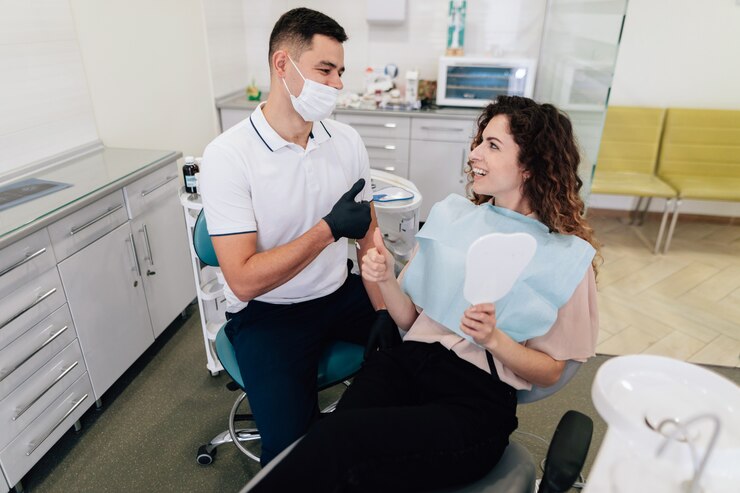
Dental care is a crucial aspect of overall health, involving the maintenance, diagnosis, treatment, and management of issues related to the oral cavity. A dentist plays a central role in ensuring the health of teeth, gums, and other structures within the mouth. We will explore the role of a dentist in Garland, TX, the types of dental services provided, the importance of regular dental visits, advancements in dental technology, preventive dental care, the connection between oral health and overall health, and how to choose a dental care provider.
The Role of a Dentist in Oral Health
Dentists are healthcare professionals trained to provide comprehensive care focused on the oral cavity, supporting structures, and the impact of oral health on the body. They perform various functions, from routine check-ups and cleanings to more complex procedures like root canals and oral surgery. Dentists also play a significant role in diagnosing conditions through physical exams and diagnostic imaging. They create tailored treatment plans to address individual needs and prevent future dental issues, emphasizing the importance of maintaining oral health and its effects on overall well-being.
Types of Dental Services
Dental services encompass a broad spectrum of treatments and procedures to maintain and restore oral health. These services include, but are not limited to, preventive services such as exams, X-rays, and cleanings designed to prevent disease. Restorative services repair damaged or decayed teeth; these include fillings, crowns, and bridges. Cosmetic procedures such as teeth whitening and veneers improve the appearance of the mouth and smile. Additionally, orthodontics, periodontics, and endodontics address specific oral health issues related to tooth alignment, gum diseases, and tooth pulp problems. Each service is vital for addressing the unique needs of patients at different stages of life.
Importance of Regular Dental Visits
Regular visits to the dentist are essential for maintaining oral health and catching potential issues before they develop into serious problems. Dentists recommend that individuals schedule visits at least twice yearly for cleanings and check-ups. These visits allow dentists to remove plaque build-up, a key factor in preventing tooth decay and gum disease. Regular check-ups also allow dentists to spot early signs of oral health issues such as cavities, early gum disease, and even some systemic conditions that manifest symptoms in the oral cavity, such as diabetes and certain heart diseases.
Advancements in Dental Technology
The field of dentistry has seen significant technological advancements that improve the efficiency, effectiveness, and comfort of dental treatments. Digital dentistry, including digital X-rays and 3D imaging, allows dentists to get a more detailed view of the oral cavity and plan treatments more effectively. Laser dentistry has made procedures less invasive, reducing discomfort and healing time. Innovations in materials used for fillings and prosthetics offer durability and aesthetics closer to natural teeth. These technological advancements enhance the patient experience and provide dentists with the tools to deliver higher-quality care.
Preventive Dental Care
Preventive care is a cornerstone of dental practice, focused on maintaining good oral hygiene and preventing disease before it occurs. This includes proper tooth brushing, flossing, and the use of mouthwashes that help reduce plaque and prevent tooth decay. Dentists also provide sealants and fluoride treatments, which offer additional protection against cavities, especially for children. Education on diet and its impact on oral health is also a crucial aspect of preventive care, as nutrition plays a significant role in the health of teeth and gums.
Connection Between Oral Health and Overall Health
Oral health is intrinsically linked to overall health. Conditions like gum disease have been associated with an increased risk of serious health issues, including heart disease, stroke, and poorly controlled diabetes. Infections within the mouth can also lead to systemic infections, affecting other body parts and overall health. Dentists, therefore, play a critical role in maintaining oral health and identifying and managing conditions that may have broader health implications.
Choosing a Dental Care Provider
Selecting a dental care provider involves considering several factors, including the range of services provided, the dentist’s qualifications and experience, and the quality of the clinic’s facilities. Accessibility, convenience, insurance, and payment options are also important. Personal comfort and trust in the dentist’s ability to communicate and respond to concerns should guide individuals in making a choice that ensures a long-term, successful partnership in managing their oral health.
Understanding the comprehensive scope of dental care and the critical role of dentists is essential for maintaining oral and overall health. By exploring the various aspects of dental services, recognizing the importance of advancements in dental technology, and acknowledging the connections between oral and general health, individuals can make informed decisions about their dental care needs. Regular visits and preventive care, facilitated by a trusted dental care provider, lay the foundation for a lifetime of healthy smiles and contribute significantly to overall well-being.


Introducing children to good oral hygiene practices from a young age is crucial for their lifelong dental health. Electric toothbrushes designed specifically for kids can make this daily routine more engaging and effective than traditional manual toothbrushes. These devices are tailored to be gentle on young gums and teeth, equipped with fun features to motivate kids, and built to instill proper brushing habits. We will delve into electric toothbrushes’ benefits, key features, selection tips, and safety considerations, aiming to help parents make informed decisions about their children’s oral health tools. If you want an electric toothbrush for your kid, contact Brush Baby.
Understanding the Benefits of Electric Toothbrushes for Kids
Electric toothbrushes offer several advantages for children’s oral health. Firstly, they are generally more effective in removing plaque and reducing gingivitis than manual toothbrushes. The oscillating or vibrating head of an electric toothbrush does a thorough job at cleaning hard-to-reach areas in a child’s mouth, which can be challenging with manual brushing. Furthermore, many kids find electric toothbrushes more enjoyable to use, which can encourage regular brushing. They often come with built-in timers that help children brush for the full two minutes recommended by dentists, promoting better brushing habits.
Features to Look for in Kids’ Electric Toothbrushes
When selecting an electric toothbrush for kids, several features should be considered to ensure it is suitable and appealing for young users. Size and bristle softness are important; the brush head should be small enough to fit comfortably in a child’s mouth, and the bristles should be soft to prevent gum damage. Many models also come with colorful designs and characters from popular children’s media, making brushing more enticing. Additional features might include multiple brushing modes for different needs, such as a gentle mode for sensitive teeth and a massage mode for the gums. Some toothbrushes even feature interactive apps that teach kids how to brush properly while making it fun.
Safety and Maintenance Tips for Kids’ Electric Toothbrushes
Safety is paramount in any product designed for children, and electric toothbrushes are no exception. Choosing toothbrushes that are waterproof and have a secure battery compartment is essential to prevent any risk of electric shock or battery ingestion. Regular maintenance is also crucial to ensure the toothbrush remains hygienic and effective. This includes replacing the brush head every three months or sooner if the bristles are worn out and cleaning the handle and base regularly to prevent bacteria buildup.
Comparing Electric and Manual Toothbrushes for Children
While electric toothbrushes can provide superior cleaning efficacy, it’s worth comparing them with manual toothbrushes to understand their specific benefits in a pediatric context. Electric toothbrushes automate the brushing motion, which can help children who have not yet developed the talent needed for effective manual brushing. However, manual toothbrushes can be just as effective when used properly, and they’re also more affordable and easier to travel with. The decision between an electric or manual toothbrush will ultimately depend on a child’s needs, preferences, and brushing habits.
The Role of Parental Involvement in Using Kids’ Electric Toothbrushes
Parental involvement plays a critical role in establishing effective oral hygiene habits. Supervising children as they brush, especially with an electric toothbrush, ensures they use the device properly and do not put too much pressure on their teeth and gums. Parents can also help maintain the routine by making brushing a family activity. Monitoring and maintaining the toothbrush, such as ensuring it’s charged and keeping the brush head clean and replaced regularly, are also important parental responsibilities.
Integrating Technology and Gamification in Kids’ Electric Toothbrushes
Integrating technology and gamification into kids’ electric toothbrushes is transforming the mundane task of daily oral hygiene into an interactive and enjoyable activity. Many modern electric toothbrushes for children come equipped with Bluetooth connectivity that links the toothbrush to mobile applications on smartphones or tablets. These apps feature fun, engaging games and reward systems activated by the child’s brushing activity. For instance, the app might track the duration and thoroughness of each brushing session and reward the child with points or unlock new levels in a game, encouraging consistent, effective brushing.
Electric toothbrushes for kids are designed to enhance oral hygiene while making the process more enjoyable for young users. With features tailored to appeal to children and designed to clean their teeth and gums effectively, these devices are valuable tools in promoting lifelong dental health. When choosing an electric toothbrush for your child, consider the brush’s size, features, and safety. Coupled with proper supervision and maintenance, an electric toothbrush can significantly improve your child’s brushing routine and help foster healthy habits that last a lifetime.

Personal injury cases in California cover a broad spectrum of incidents resulting in bodily harm, emotional distress, or property damage due to the negligence or intentional actions of another party. From car accidents to slip and fall incidents, Californians face a variety of risks in their daily lives that can lead to personal injury claims.
Understanding the common types of personal injury cases in California is essential for both residents and visitors to protect their rights and seek compensation for their injuries. For further guidance and experts suggestions, you can visit Norcal Attorney.
Common Types Of Personal Injury Cases in California
Car Accidents
Car accidents are among the most common causes of personal injury in California. With millions of vehicles on the road, collisions can occur due to various factors such as speeding, distracted driving, drunk driving, or reckless behavior. Victims of car accidents may suffer injuries ranging from whiplash and broken bones to traumatic brain injuries and spinal cord damage.
Slip and Fall Accidents:
Slip and fall accidents can happen anywhere, from grocery stores and restaurants to public sidewalks and private properties. Property owners have a duty to maintain safe premises and address hazardous conditions that could cause slips, trips, or falls. Common causes of slip and fall accidents include wet floors, uneven surfaces, inadequate lighting, and obstacles in walkways.
Medical Malpractice
Medical malpractice occurs when healthcare professionals fail to provide the standard of care expected in their field, resulting in harm to the patient. Examples of medical malpractice include surgical errors, misdiagnosis, medication mistakes, birth injuries, and failure to obtain informed consent. Victims of medical malpractice may suffer severe physical injuries, emotional trauma, or even wrongful death.
Dog Bites
Dog bites and animal attacks can cause significant physical injuries, especially for children and the elderly. California has strict liability laws for dog bites, holding dog owners responsible for injuries caused by their pets, regardless of the animal’s past behavior. Dog bite victims may require medical treatment, reconstructive surgery, and therapy to recover from their injuries and overcome psychological trauma.
Product Liability:
Product liability cases arise when defective or dangerous products cause harm to consumers. Manufacturers, distributors, and sellers can be held liable for injuries resulting from design defects, manufacturing defects, or inadequate warnings or instructions. Common examples of defective products include faulty medical devices, contaminated food products, and defective auto parts.
Premises Liability:
Premises liability cases involve injuries sustained on someone else’s property due to unsafe conditions or negligent maintenance. Property owners and managers have a duty to ensure their premises are free from hazards that could harm visitors or guests. Examples of premises liability claims include slip and fall accidents, inadequate security leading to assaults or robberies, and swimming pool accidents.
Bicycle and Pedestrian Accidents:
California’s mild climate and scenic landscapes make it a popular destination for cyclists and pedestrians. However, sharing the road with motor vehicles can pose risks for cyclists and pedestrians. Bicycle accidents and pedestrian accidents can result in serious injuries, including broken bones, head trauma, and spinal cord injuries, often due to drivers’ negligence or failure to yield the right of way.
Construction Accidents:
Construction sites are inherently hazardous environments where workers face risks of falls, electrocution, heavy machinery accidents, and other workplace injuries. Construction workers injured on the job may be entitled to workers’ compensation benefits, but they may also have grounds for personal injury claims against negligent third parties, such as contractors, property owners, or equipment manufacturers.
Wrongful Death:
Wrongful death claims arise when a person dies due to the negligent or intentional actions of another party. Surviving family members, such as spouses, children, or parents, may file wrongful death lawsuits seeking compensation for the loss of financial support, companionship, and emotional suffering. Wrongful death cases can stem from various incidents, including car accidents, medical malpractice, and workplace accidents.
Intentional Torts:
Intentional torts involve deliberate acts intended to cause harm or injury to another person. Examples include assault, battery, defamation, and intentional infliction of emotional distress. In addition to criminal charges, victims of intentional torts may pursue civil lawsuits to seek compensation for their injuries and hold the wrongdoer accountable.
Conclusion
Navigating the complexities of personal injury law in California requires the expertise of experienced attorneys who understand the nuances of each type of case. Whether negotiating settlements with insurance companies or litigating in court, personal injury lawyers play a crucial role in advocating for the rights of injured individuals and helping them obtain the compensation they deserve.
By raising awareness of the common types of personal injury cases in California, individuals can take proactive measures to protect themselves and their loved ones and seek justice in the event of an injury-causing incident.
Frequently Asked Questions
What should I do if I’ve been injured in an accident?
If you’ve been injured in an accident, it’s essential to seek medical attention immediately, even if your injuries seem minor. Document the accident scene, gather evidence, and obtain contact information from any witnesses. Report the incident to the appropriate authorities and consult with a personal injury attorney to understand your legal rights and options.
How long do I have to file a personal injury claim in California?
In California, the statute of limitations for most personal injury claims is two years from the date of the injury. However, there are exceptions to this rule, so it’s important to consult with an attorney as soon as possible to ensure you meet all deadlines for filing your claim.
What compensation can I recover in a personal injury case?
Depending on the circumstances of your case, you may be entitled to compensation for various damages, including medical expenses, lost wages, pain and suffering, emotional distress, and property damage. The amount of compensation you can recover will depend on factors such as the severity of your injuries, the impact on your life, and the liability of the responsible party.
Do I need an attorney for my personal injury case?
While you’re not legally required to hire an attorney for a personal injury case, having legal representation can significantly increase your chances of obtaining fair compensation. An experienced attorney can navigate the complexities of the legal process, gather evidence to support your claim, negotiate with insurance companies, and advocate for your rights in court if necessary.




 HOME IMPROVEMENT1 year ago
The Do’s and Don’ts of Renting Rubbish Bins for Your Next Renovation
- BUSINESS1 year ago
Exploring the Benefits of Commercial Printing

 BUSINESS1 year ago
Brand Visibility with Imprint Now and Custom Poly Mailers
- HOME IMPROVEMENT9 months ago
Get Your Grout to Gleam With These Easy-To-Follow Tips
- TECHNOLOGY12 months ago
Dizipal 608: The Tech Revolution Redefined
- HEALTH9 months ago
Your Guide to Shedding Pounds in the Digital Age
- HEALTH9 months ago
The Surprising Benefits of Weight Loss Peptides You Need to Know

 HEALTH12 months ago
Happy Hippo Kratom Reviews: Read Before You Buy!