HOME IMPROVEMENT
How to Style Gray Wallpaper in an Interior: What to Pair It With


Gray can feel calm, modern, and very flexible. It can also feel cold if you choose the wrong оттенок or forget about lighting. That is why it helps to start with a clear idea of the mood you want. If you plan to refresh a room with minimal mess, gray removable wallpaper can be a practical way to test the color and see how it works with your furniture.
Why Gray Works in So Many Homes
Gray sits between warm and cool tones. That makes it easy to combine with other colors. It can act like a quiet background for art and decor, or it can be the main color in a clean, minimalist room.
Gray also comes in many looks. Some shades feel warm and мягкий, like greige. Others feel crisp and cool, with a hint of blue. You can also find gray wallpaper with texture, like linen effects, concrete looks, or subtle patterns. Texture matters because it adds depth and keeps gray from feeling flat.
Choose the Right Shade: Warm vs Cool
Before you think about furniture, decide if you want warm gray or cool gray. This choice affects the whole room.
Warm grays (often called greige) work well with beige, cream, and warm woods. They feel cozy and relaxed. Cool grays work well with white, black, chrome, and cooler blues. They feel sharper and more modern.
Lighting can change gray a lot. A shade that looks neutral in daylight may look blue or green under warm bulbs. That is why samples help. Check them in the morning, afternoon, and evening.
Best Color Pairings for Gray Wallpaper
Gray plays well with both soft neutrals and richer accents. The pairing you choose depends on the room and the mood.
Here are combinations that work in many interiors:
- Gray + warm white for a clean, calm base
- Gray + natural wood for warmth and balance
- Gray + black accents for a modern, graphic look
- Gray + muted green for a natural, relaxed feel
- Gray + dusty blue for a quiet, airy mood
- Gray + blush or terracotta for soft warmth and personality
If you want a спокойный interior, keep accents muted. If you want more drama, add darker tones and stronger contrast.
Materials That Make Gray Look Better
Color is only half of the story. Materials decide whether gray feels cozy or cold. Gray wallpaper often looks best when you mix in warm textures.
A few materials that pair well with gray:
- wood in warm tones (oak, walnut)
- textiles like linen, wool, cotton, and boucle
- matte metals, such as black steel or brushed brass
- ceramics and stone for a natural, grounded feel
If the wallpaper has a smooth, concrete-like look, balance it with softer fabrics. If the wallpaper has a woven texture, keep furniture lines cleaner.
Room-by-Room Ideas
Living room
Gray wallpaper can make a living room feel elegant and calm. Use it behind the sofa or on a TV wall. Add a warm rug and layered lighting. Choose pillows in warm neutrals or muted colors.
Bedroom
Gray works well in bedrooms because it supports rest. Pair it with soft bedding, warm lamps, and natural textiles. If you want a hotel feel, add one darker accent, like charcoal cushions or a black frame.
Kitchen and dining area
Gray can look modern in kitchens, especially with white cabinets and wood details. In dining spaces, gray wallpaper can make art and table settings stand out. Keep the room bright with good lighting.
Home office
Gray makes a clean background for work. It looks professional on video calls. Add one warm element, like a wood desk or a soft rug, to avoid a холодный mood.
Pattern and Texture: How to Keep It Interesting
Plain gray can look great, but it can also feel flat in a large room. Subtle pattern or texture helps. Think тонкая геометрия, light stripes, or linen-like texture. These details add depth without turning the wall into a distraction.
If you choose a patterned gray wallpaper, keep other prints limited. Use solid curtains and simple rugs. Let the wall carry the visual detail.
Simple Styling Rules That Work
Gray becomes easy when you follow a few basic rules. They keep the room balanced and comfortable.
- Use warm lighting, especially in the evening.
- Add at least one warm material, like wood or a textured rug.
- Repeat your accent color in two or three small places.
- Keep contrast intentional: either soft and calm, or bold and graphic.
- Test samples in your real room lighting before committing.
Gray wallpaper can look timeless when you choose the right shade and add warmth through texture. Pair it with natural materials, soft textiles, and thoughtful lighting, and it will feel calm, modern, and easy to live with.



Introduction to tiimatuvat (traditional shared living)
Imagine a world where living arrangements promote community, connection, and collaboration. A space where individuals share not just walls but experiences, meals, and moments of joy. This is the essence of tiimatuvat ancient shared living that has found its way into our modern society. As we navigate an increasingly isolated world, the principles behind tiimatuvat resonate deeply with many seeking deeper connections and more sustainable lifestyles. Let’s explore this fascinating tradition’s roots and uncover how it can transform contemporary living for the better.
History of tiimatuvat and its cultural significance
Tiimatuvat, deeply rooted in ancient traditions, reflects communal living practices that date back centuries. These shared spaces were not just about housing; they encapsulated the essence of togetherness and cooperation.
Historically, tiimatuvat catered to communities facing challenges like food scarcity or harsh climates. People banded together for survival, sharing resources and responsibilities. This interdependence fostered a strong sense of belonging.
Culturally, tiimatuvat is significant for its emphasis on relationships. It nurtured bonds between families and neighbors through collective celebrations and rituals. Such gatherings reinforced cultural identity while preserving storytelling traditions passed down generations.
As societies evolved, the concept of tiimatuvat adapted but never lost its core values of unity and collaboration. Today’s modern interpretations still echo these ancient principles as people seek meaningful connections in an increasingly fragmented world.
Benefits of tiimatuvat in today’s society
Tiimatuvat offers a refreshing alternative to conventional living arrangements. It fosters a sense of community that many people crave in today’s fast-paced world.
Shared responsibilities are one of its key benefits. When chores and tasks are distributed among residents, the burden lightens for everyone. This collaborative approach not only promotes teamwork but also strengthens bonds between individuals.
Moreover, tiimatuvat can significantly reduce living costs. By sharing expenses like rent and utilities, members can enjoy financial relief while still maintaining comfortable living conditions.
Additionally, this lifestyle encourages cultural exchange and diversity. Residents from different backgrounds bring unique perspectives and experiences into the shared space, enriching everyday life with varied traditions.
Emotional support is another invaluable aspect of tiimatuvat. Living closely with others creates an environment where individuals feel understood and supported during challenging times.
How to create a successful shared living space?
Creating a successful shared living space starts with clear communication. Set expectations early on about responsibilities, chores, and communal areas.
Next, designate private zones. Ensure everyone has their own space to retreat for relaxation or focus. This balance of privacy and community fosters harmony.
Choosing the right furniture also matters. Opt for multi-functional pieces that save space while encouraging collaboration like large dining tables for meals together or cozy lounges for movie nights.
Incorporate elements that reflect everyone’s personality. Shared artwork or plants can make the environment feel more inviting and personal.
Regular check-ins are crucial too. Schedule informal meetings to discuss any concerns and celebrate successes in your shared living experience. It’s all about maintaining a positive atmosphere where everyone feels valued and heard.
Examples of modern-day tiimatuvat communities
Across the globe, modern-day tiimatuvat communities are thriving. These spaces often blend traditional values with contemporary needs.
In Barcelona, for example, co-housing projects emphasize shared resources and common spaces. Residents collaborate on everything from gardening to organizing events. This fosters deep connections among neighbors.
Meanwhile, in Austin, Texas, eco-villages promote sustainability alongside communal living. Here, members share not just homes but also a commitment to reducing their environmental footprint through collective efforts.
Further north in Canada’s Vancouver area, intentional communities focus on inclusivity and support systems. They provide safe havens for various demographics while encouraging cultural exchange and cooperation among residents.
These examples illustrate how tiimatuvat principles adapt to modern life while retaining their core essence: community connection and mutual support.
Challenges and drawbacks of shared living
Shared living, while appealing, comes with its own set of challenges. One major issue is the clash of personalities. When diverse individuals share a space, differing lifestyles and habits can lead to tension.
Privacy becomes another concern. Living closely with others means fewer personal boundaries. This can be uncomfortable for those who value their alone time or need quiet spaces for work or relaxation.
Additionally, decision-making can become complicated in communal settings. Whether it’s choosing decor or managing household chores, disagreements are common.
Financial responsibilities might also create stress. While shared expenses can ease budgets, they require transparent communication to avoid misunderstandings about contributions.
There is the potential for unstable dynamics if someone decides to leave the community unexpectedly. Such changes may disrupt established routines and relationships within the group.
Conclusion: The enduring legacy of tiimatuvat in our modern world
The concept of tiimatuvat remains robust in today’s society. It serves as a testament to the enduring appeal of community living, echoing traditions that have stood the test of time. In an era marked by rapid urbanization and increasing isolation, shared living spaces offer an antidote to loneliness. They foster connections, enhance emotional well-being, and create supportive networks.
Communities built on the principles of tiimatuvat reflect our innate desire for belonging and connection. As modern housing challenges continue to rise – affordability issues, environmental concerns – these traditional models provide valuable insights into sustainable living practices.
By harnessing the wisdom from past generations while adapting it for contemporary needs, we can cultivate vibrant communities that prioritize collaboration over competition. The legacy of tiimatuvat is not merely historical; it presents a path forward where collective strength enriches individual lives.
As more people seek meaningful interactions and communal experiences, the timeless values embodied in tiimatuvat will likely inspire future generations in their quest for togetherness amidst diversity. This age-old practice may just be what we need now more than ever an invitation to reconnect with one another in profound and enriching ways.
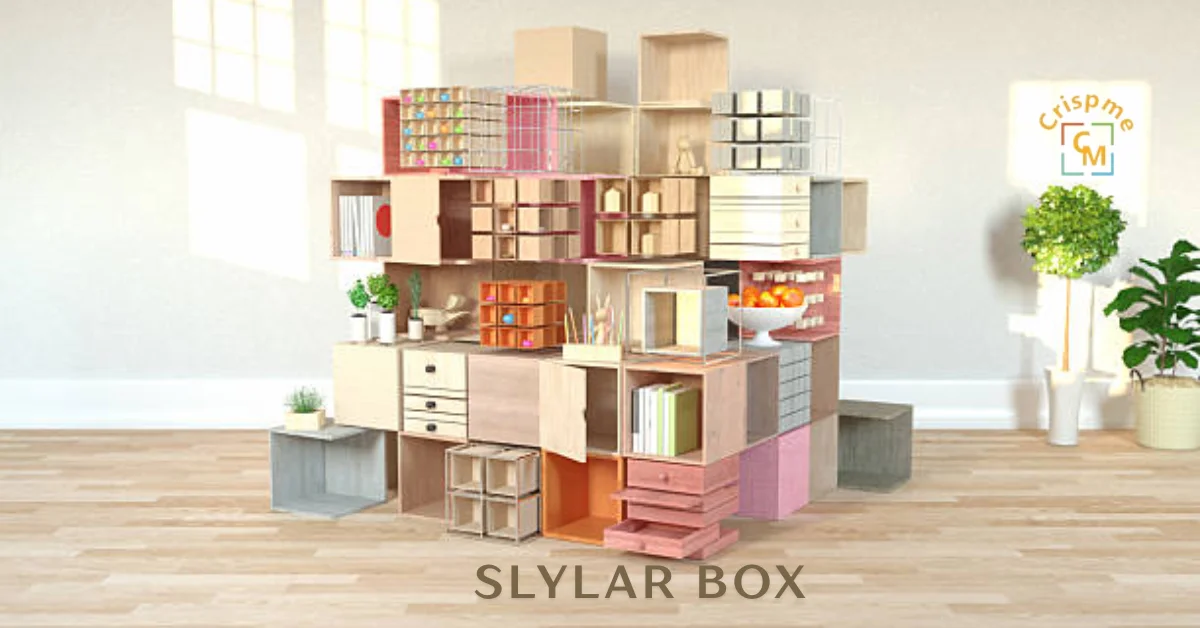
Introduction to the Slylar Box
Welcome to the future of home organization with the Slylar Box. In a world where space can often feel limited, having efficient storage solutions is key. The Slylar Box stands out as an innovative way to keep your living area tidy while enhancing your decor. Imagine a modular storage option that adapts seamlessly to your lifestyle and needs. Whether you’re battling clutter in a small apartment or simply looking for stylish ways to organize, this versatile box has got you covered. Let’s dive into what makes the Slylar Box an essential addition for modern homes.
Benefits of Using the Slylar Box
The Slylar Box transforms clutter into tidy organization. Its modular design adapts to your space, making it a versatile solution for any room.
With its sleek appearance, the Slylar Box complements modern decor effortlessly. It enhances your space aesthetically while remaining highly functional.
Functionality is key. The box allows easy access to items stored away, reducing time spent searching for essentials.
Durability plays an important role too. Made from high-quality materials, the Slylar Box withstands daily use without losing its charm or structure.
Additionally, it promotes sustainability by encouraging users to minimize waste and maximize storage efficiency. This eco-friendly approach resonates with today’s conscious consumer.
Whether you’re storing toys in the living room or organizing office supplies, the benefits of using a Slylar Box are clear—organization meets elegance in one smart solution.
Features and Design of the Slylar Box
The Slylar Box stands out with its sleek, modern aesthetic. Its minimalist design fits seamlessly into any home decor. Crafted from high-quality materials, it exudes durability and sophistication.
Versatility is key in the Slylar Box’s design. It comes in various sizes and colors, ensuring there’s a perfect match for every room. The modular approach allows you to stack or arrange them as needed, providing customization options that adjust to your lifestyle.
Functionality goes hand-in-hand with style. Each box features smooth-gliding drawers and compartments that maximize storage space while keeping items easily accessible. Built-in ventilation ensures that stored goods remain fresh without worry.
Thoughtful details enhance usability too; recessed handles make opening a breeze while maintaining a clean look. Whether used for organizing books or displaying decor items, the Slylar Box combines form and function effortlessly.
How to Use the Slylar Box in Different Areas of Your Home?
The Slylar Box is incredibly versatile, making it perfect for various areas in your home.
In the living room, use it as a stylish coffee table. It provides extra storage for remote controls, magazines, and even blankets while keeping everything neat.
For bedrooms, place a Slylar Box at the foot of your bed or in closets. It’s ideal for storing seasonal clothing or shoes that you don’t wear every day.
In children’s rooms, this modular storage can hold toys and books. Its fun design encourages kids to keep their space tidy without feeling like a chore.
If you have an office setup, utilize a Slylar Box to organize documents and supplies. This keeps your workspace clutter-free while adding an aesthetic touch.
Even in kitchens or dining areas, it serves as an attractive spot for utensils or cookbooks. The possibilities are endless with the adaptive nature of this smart storage solution.
Customer Reviews and Testimonials
Customers have been raving about the Slylar Box since its launch. Many appreciate how it transforms clutter into organized spaces effortlessly.
One user shared that they finally found a stylish solution for their kids’ toys, making cleanup easier and more enjoyable. Another reviewer highlighted the versatility of the Slylar Box in their home office, providing essential storage without sacrificing aesthetics.
The positive feedback extends to its durability as well. Users frequently mention that despite daily use, the box retains its shape and functionality over time.
People love how customizable it is too! With various colors and sizes available, homeowners can match them to any decor style seamlessly.
These testimonials reflect not just satisfaction but genuine enthusiasm for a product that enhances modern living while addressing storage needs effectively.
Comparing the Slylar Box to Other Storage Solutions
When it comes to storage solutions, the Slylar Box stands out from traditional options. Unlike bulky cabinets or static shelving units, its modular design adapts effortlessly to your space.
Many alternatives often lack flexibility. The Slylar Box can be configured in various ways, allowing you to maximize every inch of your home. This adaptability means you won’t need multiple types of storage for different needs.
Other systems typically rely on fixed sizes and shapes. The sleek nature of the Slylar Box’s complements modern aesthetics while providing functional organization.
Furthermore, assembly is a breeze compared to complex furniture that requires tools and time. With easy-to-follow instructions, you’ll have your Slylar Box’s ready in no time.
Consider durability; many conventional storage options wear down over time. The quality materials used in the Slylar Box’s ensure longevity without sacrificing style.
Conclusion: Why the Slylar Box is a Must-Have for Modern Homes?
The Slylar Box’s stands out as a revolutionary storage solution that caters to the needs of modern living. Its unique modular design not only makes it highly customizable but also allows it to blend seamlessly into any home décor. The benefits are clear: increased organization, efficient use of space, and adaptability across various rooms.
Homeowners appreciate its functionality and aesthetic appeal. Many reviews highlight how easy it is to incorporate the Slylar Box’s into their daily routines, transforming cluttered spaces into serene environments. This versatility means you can use it in your living room for books or in the kitchen for pantry items.
When compared to traditional storage options, the Slylar Box’s wins on multiple fronts style, efficiency, and user-friendliness make it a superior choice. It’s more than just a box; it’s an investment in creating a harmonious living space.
For anyone looking to elevate their home’s organization while maintaining an elegant style, embracing the Slylar Box’s is undoubtedly worth considering. It doesn’t just serve a purpose; it enhances your lifestyle by keeping things tidy and within reach.


Used spray rigs can be an excellent investment for businesses looking to expand their capabilities in insulation, roofing, or specialty coatings without the hefty price tag of new equipment. We will explore everything from the benefits of opting for used equipment to the critical considerations one must make to ensure a wise purchase.
The Appeal of Used Spray Rigs
Opting for used spray rigs offers several attractive benefits. The most obvious is cost savings. Used rigs can be significantly cheaper than their new counterparts, making them an appealing option for startups or businesses looking to minimize capital expenditures. Additionally, the depreciation on used equipment is considerably less steep, which means it retains more of its value should you decide to sell it later. Purchasing used equipment also allows quicker acquisition since you typically bypass the manufacturing lead times associated with new equipment orders.
Evaluating the Condition of Used Spray Rigs
When considering a used spray rig, the most critical factor is the condition of the equipment. It’s essential to thoroughly inspect the rig, ideally with the help of a knowledgeable technician. Check for signs of wear and tear, potential damage, and the overall operational status of the machine. Assess the condition of key components like the spray guns, hoses, and the proportioner. Ensure the equipment has been well-maintained and inquire about any recent repairs or part replacements. A well-maintained used rig can offer reliability close to that of a new one at a fraction of the cost.
Where to Find Used Spray Rigs
Finding quality used spray rigs requires knowing where to look. One of the best places to start is specialty equipment resellers focusing on selling used construction and industrial machinery. These vendors often understand the equipment well and can provide a history of the rig’s usage and maintenance. Online marketplaces and auctions are another avenue, though they may require more diligence to ensure the equipment meets your standards. Networking with industry contacts can also lead to great deals on used spray rigs for sale.
Key Features to Check Before Purchase
Before purchasing a used spray rig, several key features require close inspection to ensure they meet the operational demands of your projects. The proportioner should function efficiently at the correct temperatures and pressures. Hoses should be free of cracks and leaks, while spray guns should deliver a consistent spray pattern. Check the electrical and mechanical systems to ensure they are in good working order, and pay attention to the rig’s trailer or chassis, which should be structurally sound and rust-free.
The Importance of a Reliable Seller
The reliability of the seller is crucial when purchasing used equipment. A reputable seller should provide transparent information about the rig’s history, including its age, usage, maintenance records, and any significant repairs. They should be willing to allow a thorough inspection of the rig and possibly even a demonstration to prove its functionality. Buying from established and respected sellers can decrease the likelihood of encountering issues with the equipment after purchase.
Potential Costs of Refurbishment
While purchasing a used spray rig can save money initially, it’s important to consider potential refurbishment costs. Depending on the rig’s condition, you might need to invest in repairs or upgrades soon after purchase. Factor in the costs of replacing hoses, repairing spray guns, or updating the proportioning system to ensure the rig meets your needs. Setting aside a budget for these potential expenses will help determine the cost of purchasing a used rig.
Warranty and Support Issues
Unlike new equipment, used spray rigs often have limited or no warranty. Any malfunctions or breakdowns will likely be your responsibility to fix, potentially adding to the overall cost of ownership. It’s important to discuss support options with the seller, whether they offer any guarantees or after-sale support, and if not, plan for how you will manage repairs and maintenance. Having a reliable service technician or a good relationship with a local equipment repair shop can mitigate some of these risks.
Financing Options for Used Spray Rigs
Financing used equipment can be more challenging than financing new equipment due to the increased risk perceived by lenders. However, many equipment financing companies offer loans or leases for used equipment purchases. These financing options can help spread the cost of the rig over time, making it more manageable. Shop for financing options to find terms that best suit your business’s cash flow and financial status.
Making the Decision: New vs. Used Spray Rigs
Deciding whether to invest in a new or used spray rig often comes down to comparing the immediate cost savings of used equipment against the long-term benefits of new. Consider factors such as the expected lifespan of the rig, potential downtime due to repairs, and the importance of technological advancements included in newer models. For some businesses, the latest technology and the peace of mind of a warranty are worth the extra investment. For others, the cost savings of a used rig align better with their financial strategy.
Investing in a used spray rig can be a smart financial decision for many businesses, offering significant savings and immediate availability. However, careful consideration of the rig’s condition, potential additional costs, and the seller’s reliability is required. By conducting thorough research and inspections, negotiating wisely, and preparing for additional maintenance investments, businesses can greatly benefit from the advantages of used spray rigs while minimizing the risks.


 HOME IMPROVEMENT12 months ago
The Do’s and Don’ts of Renting Rubbish Bins for Your Next Renovation
- BUSINESS1 year ago
Exploring the Benefits of Commercial Printing

 BUSINESS1 year ago
Brand Visibility with Imprint Now and Custom Poly Mailers
- TECHNOLOGY11 months ago
Dizipal 608: The Tech Revolution Redefined
- HEALTH8 months ago
Your Guide to Shedding Pounds in the Digital Age
- HEALTH8 months ago
The Surprising Benefits of Weight Loss Peptides You Need to Know
- HOME IMPROVEMENT8 months ago
Get Your Grout to Gleam With These Easy-To-Follow Tips

 HEALTH11 months ago
Happy Hippo Kratom Reviews: Read Before You Buy!