
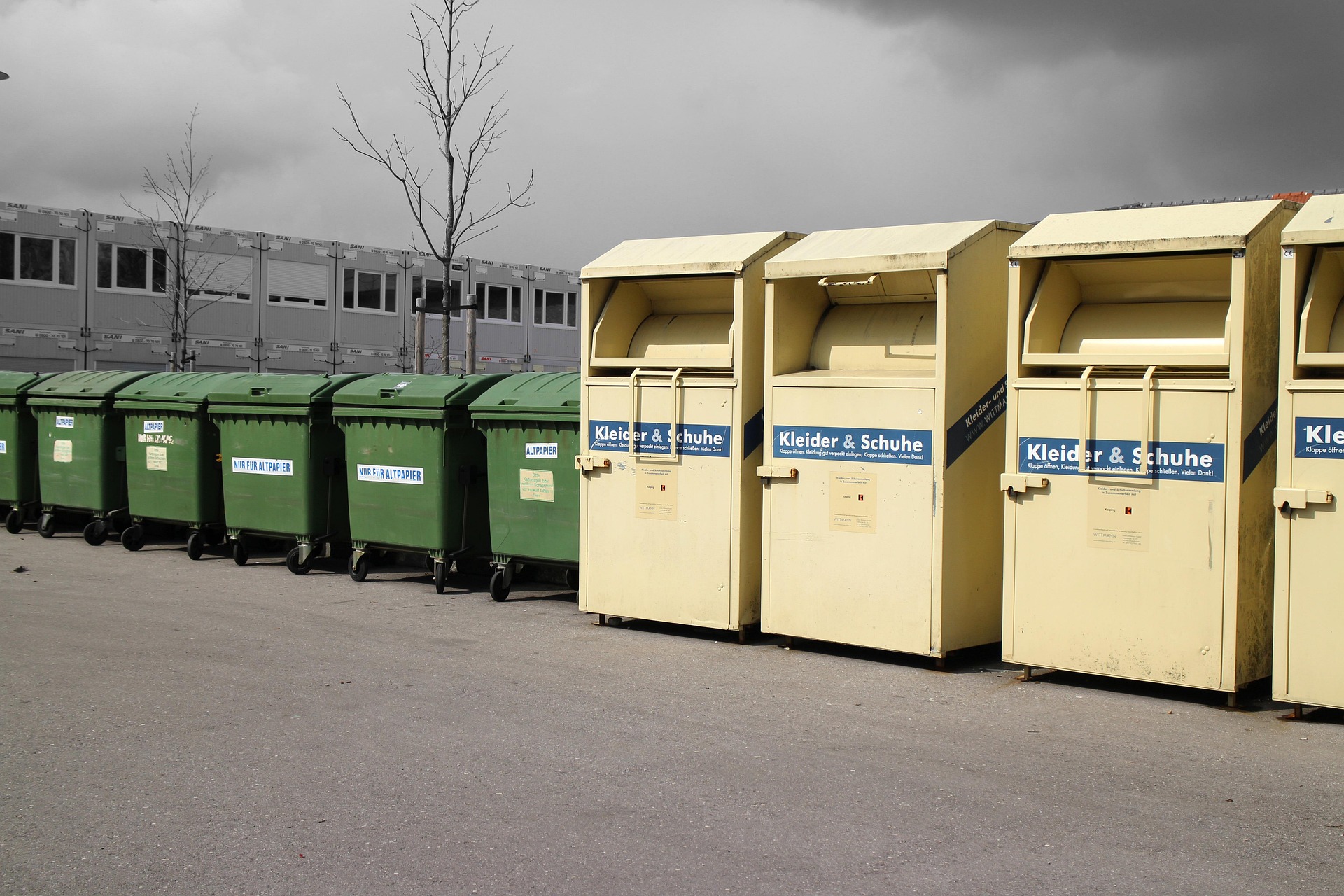
Industrial facilities rely on strong, reliable containers to store and transport chemicals, liquids, powders, and raw materials. Over time, these containers must be removed, recycled, reconditioned, or safely destroyed. Professional waste management partners like Kelly Drums play a critical role in this process. With expertise in the pickup, recycling, reconditioning, and destruction of steel, poly, and fiber drums, IBC totes, and Gaylord boxes, they help industrial clients across the Mid-Atlantic region maintain regulatory compliance, manage hazardous materials responsibly, and support environmentally responsible disposal practices.
As environmental rules become stricter, businesses can no longer treat used containers as simple trash. Proper drum recycling and container management protect both the environment and the company’s reputation. Industrial waste streams often include residues that must be handled under federal and state regulations. A structured recycling and pickup program ensures containers are processed safely, documented correctly, and diverted from landfills whenever possible.
The Growing Need for Professional Container Recycling
Manufacturers, chemical plants, food processors, and logistics centers all generate used containers on a regular basis. These may include steel drums that held solvents, poly drums used for food ingredients, fiber drums for dry materials, or IBC totes for bulk liquid storage. Without a clear recycling plan, these containers can pile up quickly and create safety hazards.
Professional recycling services offer several important benefits:
- Scheduled or on-demand pickup from industrial facilities
- Inspection and sorting of containers for reuse or recycling
- Proper documentation for regulatory compliance
- Safe handling of RCRA-empty and hazardous residue containers
By working with an experienced provider, companies reduce risk and free up valuable warehouse space. More importantly, they ensure that materials are processed in accordance with environmental regulations.
Pickup Services That Simplify Operations
One of the biggest challenges for industrial facilities is logistics. Moving empty or partially empty containers offsite requires the right equipment and trained personnel. Reliable pickup services streamline this process.
A professional provider coordinates transportation, ensures containers meet regulatory requirements for transport, and handles paperwork. This is especially important for facilities managing hazardous materials. Proper labeling, manifesting, and chain-of-custody records are not optional—they are essential.
In many cases, containers are evaluated after pickup to determine the best path forward. Steel and plastic drums may be cleaned and reconditioned for reuse. Others may be processed for material recovery. Even products like a 55 gallon poly drum can often be inspected and restored to meet industry standards, extending its lifecycle and reducing overall waste.
Reconditioning: Extending the Life of Industrial Containers
Reconditioning is one of the most sustainable solutions in industrial waste management. Instead of discarding used drums and totes, qualified technicians clean, inspect, and test them for structural integrity. Containers that pass inspection can be returned to service.
This process reduces the need for new raw materials and lowers costs for businesses that reuse containers. It also supports corporate sustainability goals by minimizing landfill waste and reducing carbon emissions tied to manufacturing new containers.
Reconditioning services typically include:
- Thorough cleaning and residue removal
- Structural inspection and leak testing
- Replacement of closures or fittings if needed
By restoring containers to safe working condition, companies gain a cost-effective and environmentally responsible alternative to disposal.
Compliant Disposal and Certified Destruction
Not all containers can or should be reused. Some have held hazardous chemicals, while others may be damaged beyond repair. In these cases, compliant disposal or certified destruction is required.
Certified destruction ensures that containers are permanently removed from circulation. This is particularly important for proprietary products, sensitive materials, or regulated substances. A professional recycling partner provides clear documentation confirming that destruction was completed according to legal standards.
Compliance is more than a checklist. It protects businesses from fines, liability, and environmental harm. Federal agencies such as the EPA, along with state regulators, require strict adherence to waste handling rules. Partnering with an experienced recycling provider reduces the risk of violations and ensures that all procedures meet current regulations.
Managing Hazardous Materials Responsibly
Industrial operations often deal with substances that require special handling. Even “empty” containers can contain residues that fall under hazardous waste rules. Improper disposal can contaminate soil and water, harm workers, and result in costly penalties.
A responsible waste management program includes:
- Identification of hazardous residues
- Safe storage prior to pickup
- Transportation by trained professionals
- Recycling or disposal at approved facilities
Clear communication between the facility and the recycling provider is essential. By following documented procedures, businesses demonstrate their commitment to safety and environmental responsibility.
Supporting Sustainable and Environmentally Responsible Practices
Sustainability is no longer just a marketing term. Many companies now set measurable goals for waste reduction and recycling rates. Industrial container recycling supports these efforts in practical ways.
Recycling steel drums reduces demand for virgin metal production. Recycling plastic containers lowers plastic waste and conserves energy. Reconditioning programs extend product lifecycles and cut down on manufacturing emissions. When containers cannot be reused, material recovery processes ensure that valuable components are not wasted.
For businesses operating in the Mid-Atlantic region, working with a local partner also reduces transportation distances. This lowers fuel consumption and further supports environmental goals.
Choosing the Right Recycling Partner
Not all recycling providers offer the same level of service. Industrial clients should look for companies that provide:
- Comprehensive pickup and logistics support
- Clear compliance documentation
- Experience with steel, poly, and fiber drums
- Expertise in handling IBC totes and Gaylord boxes
- Transparent communication and responsive customer service
A full-service provider becomes an extension of your operations team. They help you plan ahead, manage container inventory, and stay aligned with changing regulations.
Conclusion
Industrial container recycling and waste management are essential parts of modern manufacturing and distribution. From pickup and reconditioning to compliant disposal and certified destruction, each step requires careful planning and professional execution. By partnering with experienced providers, businesses protect the environment, maintain regulatory compliance, and operate more efficiently. In a world where sustainability and accountability matter more than ever, responsible container management is not just good practice—it is a smart business decision.