HEALTH
Knee Pads for Pole Dancing: Features of Choosing for Professional Dancers

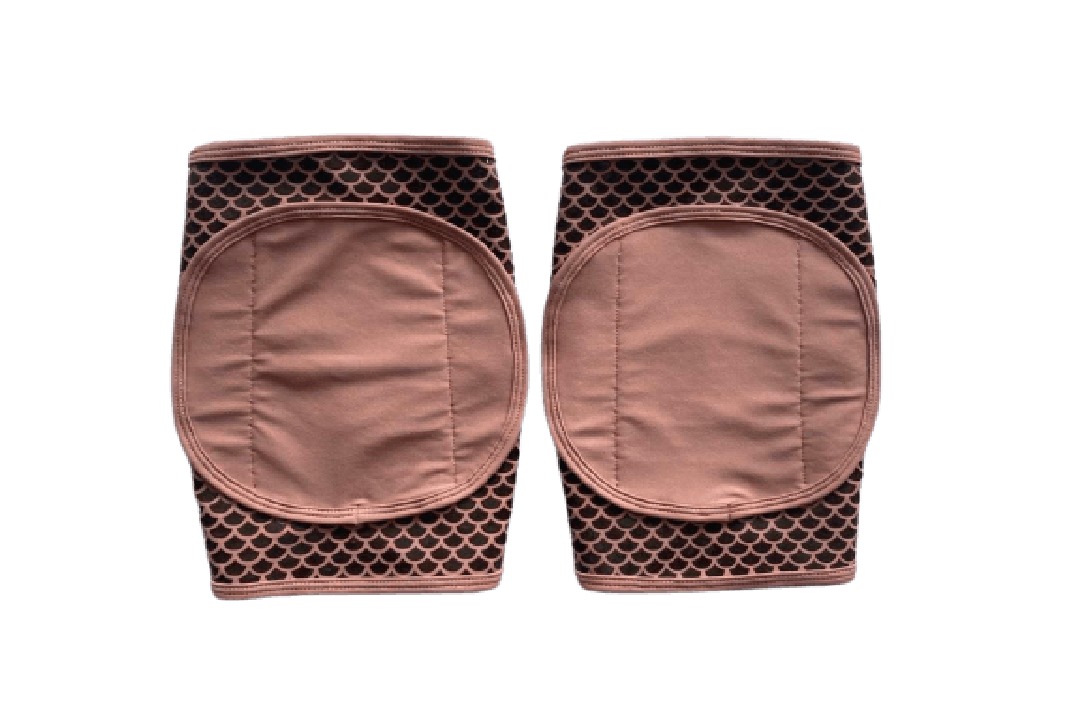
Pole dancing has evolved into a demanding sport that requires a combination of flexibility, strength, and control. For professional dancers, protection during intense training sessions is just as essential as technique. One of the most crucial accessories for safety and performance enhancement is the knee pad. The right pair can make the difference between smooth movement and painful bruises. Understanding how to select the best knee pads for pole dancing ensures both comfort and confidence during every spin, slide, and drop.
Why Knee Pads Are Essential for Pole Dancing
Knee pads are not just for beginners. Even experienced pole dancers rely on them to protect joints from impact and friction burns. The repetitive contact with hard surfaces and the pole itself can lead to discomfort or even long-term injuries if proper protection isn’t used. Professional-grade knee pads are designed to absorb shock while maintaining a sleek, flexible fit that allows dancers to transition seamlessly from floorwork to pole tricks. Unlike typical sports knee pads, those made for pole dancing feature a balance between grip and glide. Dancers need to maintain contact with the floor during choreography but also require traction to hold positions. This is why materials matter — from soft neoprene blends to high-density foam padding — each element contributes to both protection and mobility. An excellent example of high-quality pole dance protection can be found in the grip enhanced knee pads from QueenWear, designed specifically for dancers who value durability and functionality in every movement. These pads combine advanced cushioning with a secure grip surface, ensuring dancers can move freely without compromising safety.
Key Features to Look For in Professional Knee Pads
When choosing knee pads for pole dancing, professional performers should consider several critical factors. First is fit and flexibility — pads that are too tight can restrict movement, while loose ones can slip during routines. A contoured, anatomical design allows the knee pad to move naturally with the body, providing continuous coverage throughout all stages of motion.
Next, consider the level of grip. Some routines demand more floor traction, while others need smoother slides for artistic effect. The ideal knee pad offers interchangeable or dual-surface options, allowing dancers to adjust to different choreography needs. Breathable materials are also key; since pole dance sessions can be intense, sweat-wicking fabrics help maintain comfort during long rehearsals. Aesthetic value is another overlooked but important aspect. Dancers often perform in front of audiences, and knee pads should complement the costume rather than distract from it. Modern designs now offer stylish cuts and colors that merge seamlessly with pole wear outfits, making them both practical and visually appealing. For those building a complete pole dance wardrobe, it’s worth noting that stylish and durable dancewear can also be found at queenwearOfficial, where function meets fashion for every level of performer.
How to Choose Based on Skill and Style
Professional dancers often have different needs depending on their discipline. Contemporary pole artists who combine acrobatics with expressive floorwork may prefer softer padding with maximum flexibility. Exotic pole dancers, on the other hand, usually favor knee pads with stronger grip for better control during transitions and body rolls. Beginners should focus on protection and comfort first, while advanced dancers may prioritize thin, low-profile pads that provide freedom of movement and enhance the aesthetic flow of their performance. In addition, dancers should test their pads in motion before committing to a specific model. Practicing spins, drops, and crawls helps determine whether the padding thickness and grip meet personal comfort and performance standards. Regular maintenance, such as cleaning and checking for wear, will extend the lifespan of the pads and keep them hygienic for studio use.
Choosing knee pads for pole dancing is not only about safety — it’s about optimizing artistry. With the right pair, every dancer can train harder, perform longer, and express movement with confidence and grace.



Introduction to TheLifestyleedge com
Welcome to TheLifestyleedge.com, your go-to resource for elevating every aspect of your life. Whether your goal is better health, increased wealth, or stronger relationships, we provide the guidance you need. Life can be a juggling act balancing work demands with personal goals and social commitments. That’s why we’re here to offer practical tips that make it easier for you to thrive in all areas.
Imagine waking up energized, feeling financially secure, and surrounded by supportive relationships. Sounds ideal, right? With the right strategies in place, this dream can become a reality. Join us as we dive into essential practices for achieving a healthier lifestyle and managing your finances effectively while also nurturing meaningful connections. Let’s embark on this journey together towards a more fulfilling life!
The Importance of Health and Wellness
Health and wellness serve as the foundation for a fulfilling life. Prioritizing them enhances not just your physical state but also your mental clarity.
When you invest in well-being, every part of life benefits. Good health fuels productivity, creativity, and overall happiness. It’s like giving yourself the gift of energy each day.
Moreover, understanding the importance of mental wellness is crucial. Stress management techniques such as mindfulness or meditation can transform how you navigate daily challenges.
Physical activity plays an equally vital role. Regular exercise strengthens the body while releasing endorphins that elevate mood levels.
Nutrition shouldn’t be overlooked either; what you feed your body impacts both short-term performance and long-term health outcomes. A balanced diet nourishes all aspects of life, allowing for better focus and resilience against stressors.
Embracing a holistic approach to health ensures a more vibrant existence filled with opportunities for growth and connection.
Tips for Maintaining a Healthy Lifestyle
Maintaining a healthy lifestyle can feel daunting, but it doesn’t have to be. Start by focusing on what you eat. Add a variety of whole foods such as fruits, vegetables, and whole grains to your diet. These provide essential nutrients without the added calories.
Hydration is key as well. Staying properly hydrated ensures your body operates at its best. Aim for at least eight glasses a day, adjusting based on activity level.
Regular physical activity should also be part of your routine. Choose exercises that you enjoy whether it’s dancing, hiking, or yoga to make it easier to stick with them.
Your mental well-being is equally important as your physical health. Make time for relaxation and self-care activities that recharge your spirit.
Sleep shouldn’t be overlooked either; aim for seven to nine hours each night to support overall wellness and energy levels throughout the day.
Managing Personal Finances for Long-Term Wealth
Managing personal finances is essential for building long-term wealth. Start by tracking your income and expenses meticulously. Being aware of your spending patterns enables you to uncover savings potential.
Creating a budget can simplify financial management. Set aside money for necessities, savings, and flexible spending. Stick to it as closely as possible to build a healthy financial foundation.
Investing is another key strategy. Consider diversified portfolios that align with your risk tolerance and goals. Stocks, bonds, or real estate offer various avenues for growth over time.
Don’t forget about emergency funds. Try to build an emergency fund covering three to six months of living costs in an easy-to-access account. This buffer protects against unexpected costs without derailing your financial plan.
Educate yourself on personal finance topics regularly. Knowledge empowers better decision-making and helps sustain wealth throughout your life journey.
Achieving Work-Life Balance
Achieving work-life balance is essential for holistic well-being. It’s about finding harmony between your professional commitments and personal life.
Start by setting clear boundaries. Define specific hours for work and stick to them. This helps create a mental separation, allowing you to focus on what truly matters at home.
Prioritize tasks effectively. Use tools like to-do lists or digital planners to manage your time efficiently. Knowing which tasks require immediate attention can reduce overwhelm.
Incorporate breaks throughout your day. Short pauses enhance productivity and keep stress levels in check, making it easier to return refreshed.
Don’t forget the importance of downtime. Engaging in hobbies, spending time with loved ones, or simply unwinding contributes significantly to maintaining that balance.
Remember, it’s not just about managing time; it’s also about managing energy levels and emotional health for a fulfilling life experience.
Navigating Relationships and Social Life
Fostering meaningful relationships is essential for a satisfying life. Surrounding yourself with supportive people boosts your happiness and overall well-being.
Effective communication is key. Listen actively and express your thoughts clearly. This helps to foster deeper connections with friends, family, and partners.
Don’t shy away from vulnerability. Sharing your feelings can strengthen bonds and create intimacy in relationships.
Balance is essential too. Make time for socializing while also enjoying solitude when needed. Both are crucial for personal growth.
Engage in activities that interest you to meet new people. Whether it’s joining a class or volunteering, stepping out of your comfort zone opens doors to meaningful friendships.
Remember, it’s okay to set boundaries as well. Knowing when to say no protects your mental space while maintaining healthy interactions with others.
Conclusion: Implementing These Tips for a Better Life with TheLifestyleedge com
Embracing the insights and practical tips from TheLifestyleedge.com can make a significant difference in your life. Prioritizing health and wellness sets a strong foundation for everything else. By focusing on nutrition, exercise, and mental well-being, you create an environment where personal growth flourishes.
Managing your finances wisely is equally essential. Making informed decisions about spending, saving, and investing paves the way for long-term wealth. It’s about creating security that allows you to pursue passions without financial stress.
Achieving work-life balance is an ongoing journey that requires attention to both career aspirations and personal fulfillment. Setting boundaries helps maintain this equilibrium while nurturing relationships enriches our social lives.
Utilizing these strategies not only enhances individual well-being but also cultivates a supportive community around you. Implementing them gradually can lead to lasting changes that elevate every aspect of your existence mind, body, spirit and ultimately guide you towards living your best life with TheLifestyleedge.com as your trusted resource along the way.
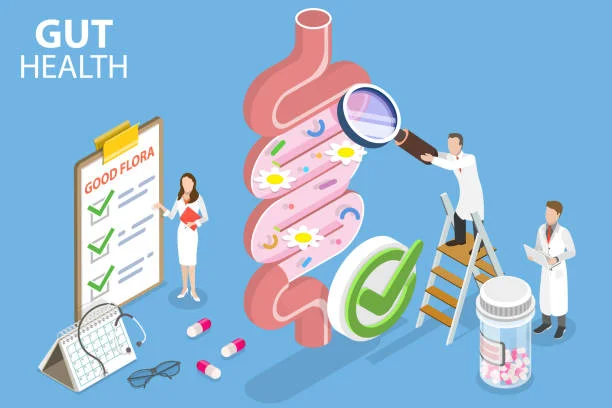
The gut holds a completely unique habitat housing trillions of microorganisms. These microbes live in a mutual relationship with humans, which means both offer support to each other. The imbalance often results in exhibiting symptoms from the body, which are generally either ignored or not clearly linked to the gut or gut health test.
Even if the problem is comprehended, the challenge further lies in choosing the best-fit option or the right type of gut health test. Understanding the issue people generally face, here are the insights into how to choose the gut health test that is specific to patient-specific symptoms and wellness goals.
What is Gut Health Test?
A gut health test refers to the diagnostic assessment used to evaluate the condition and functioning of the digest system with special focus on microorganisms in the intestines. These tests analyse a variety of samples, such as stool, breath, or urine, to detect markers related to digestion, microbial balance, inflammation, and nutrient absorption.
Types of Gut Health Test
Gut health can be evaluated through the following types of tests:
- Basic Stool Tests: They analyse the presence of bacteria, parasites, yeast, fat content, mucus, colour, consistency, and other such parameters.
- GI-MAP Test: They identify microbial balance, pathogenic organisms, gut inflammation, digestion markers, and intestinal barrier indicators. These are based on microbial DNA in stool samples to provide detailed insights.
- Breath Test: It measures gases produced during digestion to detect bacterial overgrowth or carbohydrate malabsorption.
How to Choose the Right Gut Health Test?
The right choice of gut health test can be made by understanding the symptoms and the level of analysis required to evaluate digestive health. Here is how to proceed in making a choice:
Understand Primary Symptoms
You may be facing:
- Persistent digestive issues such as bloating, excessive gas, diarrhoea, constipation, or abdominal discomfort
- Non-digestive symptoms such as fatigue, brain fog, skin problems, or food sensitivities
Analysing how long the symptoms have been present and how frequently they occur can help determine the type of required testing. For instance,
- Bloating, gas, diarrhoea, and nutrient issues due to lactose intolerance and SIBO (small intestine bacterial overgrowth) can be identified through a breath test.
- Occasional digestive discomfort can be assessed through basic screening.
- Chronic or unexplained symptoms would require a comprehensive microbiome analysis.
Assessment by Each Test
Among the different tests, each focuses on different biological markers within the digestive system.
- Basic stool tests are analysed to give a broad overview of gut health. They are useful for spotting general digestive irregularities
- Comprehensive microbiome assessments use molecular techniques to analyse microbial DNA. They inform about the presence of harmful bacteria, fungi, viruses, one-cell parasites, or worms, and more.
- Breath tests measure gases produced during digestion to help identify issues like fructose malabsorption, lactose intolerance, and others.
Consider the Required Depth of Analysis
When choosing a gut health test, the choice would also be influenced by how detailed the analysis is required. Generally, basic stool tests offer surface-level information and hence are suited to non-serious situations.
The detailed test offers deeper insights by measuring gut inflammation, digestive enzyme activity, intestinal barrier integrity, and microbial DNA. This is favourable if there exist symptoms like chronic fatigue, mood disturbances, unexplained digestive symptoms, food sensitivities, and others.
Clinical Support and Interpretation
The standard blood tests are generally done for self-diagnosis or at the recommendation of the medical practitioner. The GI-MAP tests are comprehensive tests often recommended and interpreted by functional medicine practitioners. They interpret the results in detail, considering the context, like:
- Existing symptoms
- Medical history
- Wellness goals
Accordingly, they provide tailored recommendations focused on diet, supplementation, and lifestyle changes.
Availability of Actionable Results
As mentioned, the short-term issues are well-managed through the simple blood tests. Similarly, breath tests can help identify the issues and take precautionary measures.
However, the chronic issues that have not been in existence since one’s lifetime but have been a result of a few months or years require actionable recommendations from a trusted practitioner. Comprehensive tests with detailed insights are preferred by functional medicine practitioners or dieticians to suggest a future course of action. These are aimed at improving the quality of life and minimising or completely eliminating the issues (as per the suitability).
Conclusion
Choosing the right gut health test is an important step in understanding and supporting your digestive wellness. While basic stool tests or breath tests are appropriate options to identify short-term or specific issues, comprehensive tests are more favourable if facing chronic digestive problems. They provide in-depth insights into microbial balance, gut inflammation, digestive function, and intestinal barrier health.
The choice is best made in consideration of symptoms, wellness goals, and the level of detailed assessment required. Do ensure to opt for the test that delivers actionable results and consult with a qualified functional medicine practitioner for accurate interpretation and personalised recommendations.

Introduction to Provascin
Heart health is a topic that affects us all, yet many of us remain unaware of the options available for maintaining it. Provascin is one available treatment created to promote and maintain heart health. If you’re looking for ways to enhance your heart care routine or simply want to know more about this particular treatment, you’re in the right place. Let’s dive into what Provascin is all about, how it works, and whether it’s the right choice for you on your journey toward better heart health.
How Does Provascin Work?
Provascin is a medication primarily used for heart care. Its action centers around the inhibition of certain enzymes responsible for constricting blood vessels. By blocking these enzymes, Provascin promotes relaxation and widening of blood vessels.
This process enhances blood flow throughout the body, making it easier for your heart to pump effectively. Enhanced blood flow allows essential organs and body tissues to receive oxygen more efficiently.
Additionally, Provascin helps lower blood pressure levels. This reduction in pressure decreases stress on the cardiovascular system, potentially minimizing risks associated with heart disease.
The medication may also influence cholesterol levels by stabilizing lipid profiles in some patients. As a result, users often experience an overall improvement in their cardiovascular health when taking Provascin as prescribed by healthcare professionals.
Common Uses of Provascin
Provascin is primarily prescribed for managing hypertension. By lowering blood pressure, it helps reduce the risk of heart disease and stroke.
Additionally, this medication is beneficial in treating various types of angina. It can improve blood flow to the heart muscle, relieving chest pain during physical exertion or stress.
Patients with congestive heart failure may also find Provascin advantageous. It alleviates symptoms by easing the strain on the heart and enhancing its efficiency.
Moreover, some healthcare providers use Provascin off-label for certain kidney issues related to high blood pressure. Its vasodilating properties aid in protecting kidney function over time.
This versatility makes Provascin a valuable option for many individuals seeking effective cardiovascular support. Before beginning any prescription, speak with a medical expert to confirm it suits your personal health requirements.
Benefits and Effectiveness of Provascin
Provascin offers several benefits for those seeking heart care. It primarily helps manage high blood pressure, reducing the strain on your cardiovascular system. It may help decrease the likelihood of developing cardiovascular problems.
Patients often report improved circulation as one of Provascin’s notable effects. Enhanced blood flow means better oxygen delivery to vital organs and tissues, promoting overall health.
Another significant advantage is its role in preventing complications related to hypertension. By maintaining optimal blood pressure levels, Provascin helps protect against stroke and heart attacks.
Moreover, many users appreciate that Provascin is well-tolerated by most individuals. Its effectiveness in managing symptoms makes it a popular choice among healthcare providers for long-term treatment plans.
With regular use, patients may experience an increased sense of wellbeing, allowing them to engage more actively in daily activities without the worry of sudden spikes in blood pressure.
Precautions and Possible Side Effects
When considering Provascin, it’s crucial to be aware of potential precautions and side effects. Always consult your healthcare provider before starting this medication, especially if you have a history of heart disease or liver issues.
Certain individuals might notice minor reactions like lightheadedness or head pain. While these usually fade naturally, ongoing discomfort should be evaluated.
More serious reactions can occur, including allergic responses that manifest as rash, itching, or swelling. If you notice any unusual symptoms after taking Provascin, seek medical attention promptly.
Pregnant or breastfeeding individuals must discuss the risks with their doctor since data on safety during pregnancy is limited. It’s essential to weigh the benefits against possible risks before deciding on this treatment option.
Alternatives to Provascin
When considering alternatives to Provascin, several options may support heart health. Medications such as ACE inhibitors and beta-blockers are commonly prescribed for similar conditions. These drugs can help manage blood pressure and improve overall cardiovascular function.
Lifestyle changes also play a crucial role. A balanced diet rich in fruits, vegetables, whole grains, and healthy fats can boost heart wellness. Regular exercise is vital too; even modest activity levels contribute positively.
Natural supplements like omega-3 fatty acids or CoQ10 might provide additional support for your heart. Seek medical advice before introducing any new dietary supplement into your routine.
Herbal remedies such as hawthorn or garlic have been noted for their potential benefits on heart health as well. However, empirical evidence varies widely among individuals.
Exploring these alternatives could lead to better management of cardiovascular issues while offering personalized approaches tailored to individual needs and preferences.
Conclusion: Is Provascin Right for You?
When considering Provascin, it’s essential to evaluate your health circumstances and consult with a healthcare professional. This medication has shown effectiveness for various heart-related issues, but it may not be suitable for everyone. Understanding the potential benefits alongside the precautions and side effects is crucial in making an informed decision.
If you have pre-existing conditions or are taking other medications, these factors can influence whether Provascin is right for you. Your doctor can help determine if this treatment aligns with your specific needs and health goals.
Prioritizing heart health is vital. If Provascin fits into your treatment plan after thorough evaluation, it could play a beneficial role in managing your cardiovascular concerns. Always stay informed about your options and work closely with healthcare providers to ensure optimal care tailored just for you.


 HOME IMPROVEMENT1 year ago
The Do’s and Don’ts of Renting Rubbish Bins for Your Next Renovation
- BUSINESS1 year ago
Exploring the Benefits of Commercial Printing

 BUSINESS1 year ago
Brand Visibility with Imprint Now and Custom Poly Mailers
- HEALTH9 months ago
The Surprising Benefits of Weight Loss Peptides You Need to Know
- TECHNOLOGY11 months ago
Dizipal 608: The Tech Revolution Redefined
- HEALTH8 months ago
Your Guide to Shedding Pounds in the Digital Age
- HOME IMPROVEMENT8 months ago
Get Your Grout to Gleam With These Easy-To-Follow Tips

 HEALTH12 months ago
Happy Hippo Kratom Reviews: Read Before You Buy!