EDUCATION
Learn Quran Recitation with Tajweed: A Beginner’s Guide


Reciting the Quran or Quran recitation is a beautiful act of worship and a joy only known to those who experience it.
But if you’re new to reading the Quran, you might wonder: where do I even begin?
Don’t worry, In this simplified guide, we’ll walk you step by step through learning how to recite the Quran with Tajweed.
Why Learn to Recite the Quran with Tajweed?
The Quran is not an ordinary book that can be read any way we like, it is the word of Allah, revealed to be recited just as the Prophet ﷺ recited it.
Learning Quran recitation with Tajweed ensures correct pronunciation, deepens your understanding and reflection on the verses, and multiplies your reward and connection with the Book of Allah.
Step-by-Step: How to Learn Quran Recitation with Tajweed
There are three main steps for beginners who want to learn Quran recitation with Tajweed:
Step 1: Learn the Arabic Letters and Their Pronunciations
The first thing a beginner needs is to master the pronunciation of the Arabic letters from their correct articulation points.
Here’s how you can start:
- Learn each letter and its proper articulation point (makhraj).
- Distinguish between similar letters like (ص – س – ق – ك).
- Practice reciting verses repeatedly to improve your tongue and fluency.
The Quran recitation course for adults from Rahiq Academy covers this phase in a very simple and accessible way, especially designed for absolute beginners. It includes voice support and live practice sessions to help you pronounce each letter and verse correctly.
Step 2: Understand the Basic Tajweed Rules
Once you’ve mastered the letters, the next step is to learn Tajweed, which is the foundation of proper recitation.
Here are some of the essential rules you need to start with:
- Rules of noon sakinah and tanween.
- Rules of meem sakinah.
- Madd (elongation) rules.
- Characteristics of letters (sifat al-huruf).
Tajweed rules might sound technical at first, but when taught with real Quranic examples, they become clear and meaningful.
You don’t need to memorize all the rules theoretically. What matters is understanding them through practice.
That’s exactly what the Quran recitation course from Rahiq offers, learning Tajweed through practical recitation, not just theory.
Don’t stop here—take a look at what else we’ve got for you!
Step 3: Consistent Practice and Review
Skill only comes with consistent training, Set a daily portion for yourself, even just 10 minutes, and seek help from a qualified teacher or a structured course.
The Quran memorization course from Rahiq Academy supports this phase by not only focusing on memorization but also helping you correct your recitation, track your progress, and keep you consistent.
Combining recitation with memorization is one of the most effective ways to strengthen your Quran skills and retain what you learn.
How to Teach Your Child Quran Recitation from Scratch?
Teaching a child the Quran requires a unique approach, because children don’t learn through rules, they learn by listening, repeating, and having fun.
That’s why it’s a mistake to use adult materials or traditional methods with kids. Instead, you need:
- A fun and age-appropriate method.
- Interactive audio-visual content.
- A teacher who understands child psychology.
The Quran course for kids from Rahiq Academy is specially designed to meet these needs. It blends recitation and memorization with engaging stories, colorful visuals, and games to help children enjoy their learning journey and develop a deep emotional connection with the Quran.
Whether your child is 4 or 10 years old, the course adapts to their level, starting from basic Arabic letters to fluent recitation with Tajweed. Classes are small and interactive, led by warm, encouraging instructors who make every session feel like storytime, not a classroom.
Golden Tips for First-Time Quran Reciters
- Keep your intention pure every time you open the Quran.
- Set a daily routine, even if it’s just one page.
- Listen regularly to expert reciters (like Al-Minshawi, Al-Husary, or Abdul Basit).
- Choose one reciter you enjoy and stick with them for a while, consistency helps your mind and tongue adapt naturally.
- Repeat each verse until it flows smoothly from your tongue.
- Follow up with a teacher or a reliable course to correct mistakes early.
Always make du’a before and after your Quran sessions. Ask Allah to open your heart to His words and to make learning easy for you.
Which Course Is Right for You? – A Quick Guide
| Category | Suitable Course | Summary |
| Adult Beginners | Quran Recitation Course | Learn letters, articulation points, and Tajweed step-by-step |
| Those Who Want to Memorize | Quran Memorization Course | Structured memorization with recitation review and retention support |
| Children | Quran Course for Kids | Fun and engaging content that helps kids love the Quran |
You can also book a free trial session with Rahiq Academy to help you choose the best course for your current level and goals.
Conclusion: Start Today… Even with Just One Verse
You don’t need to reach a certain age to begin learning the Quran, all you need is pure intention and a first step.
Start today by learning one letter, reading one verse, or enrolling in a course that suits you.
Every letter you read is a reward, every verse you memorize is a light, and every moment you spend with the Quran brings life to your heart.
Ready to Begin?
Start your Quran journey today with one of Rahiq Academy’s guided courses:
Quran Recitation Course.
Quran Memorization Course.
Quran Course for Kids.
Register now and become one of the people of the Quran, the people of Allah and His chosen ones.
Stick around and explore more articles that might catch your interest!

Introduction to My OLSD
Welcome to My OLSD, a vibrant community where education meets opportunity and growth. Nestled in the heart of our region, this school district is more than just a collection of schools; it’s a hub brimming with potential and creativity. Families flock here not only for its academic prowess but also for the deep-rooted pride that comes from being part of such an engaging community. Whether you’re a student eager to learn or a parent seeking the best environment for your child, My OLSD has something special waiting for you. Join us as we dive into what makes this district truly remarkable!
The History and Evolution of the District
The history of My OLSD is rooted in a commitment to education that spans decades. Established in the early 20th century, it began as a small community initiative focused on providing basic schooling.
Over the years, My OLSD has grown significantly. New schools emerged to accommodate an expanding population and changing educational needs. Each new building brought innovative teaching methods and resources.
In the 1970s, My OLSD embraced technology long before it became commonplace in classrooms. This forward-thinking approach set the stage for modern learning environments we see today.
Throughout its evolution, community involvement remained vital. Local stakeholders consistently played a role in shaping programs and policies that reflect their values and aspirations for future generations.
Today, My OLSD continues to honor its rich past while striving for excellence. The journey from humble beginnings to a progressive district showcases its resilience and commitment to nurturing young minds.
Academic Excellence in My OLSD
Academic excellence is at the heart of My OLSD. The district prides itself on providing a rigorous and challenging curriculum that prepares students for future success.
Teachers are dedicated, passionate, and well-trained in their subjects. They inspire students to think critically and creatively. Engaging lessons foster an environment where learning thrives.
Advanced Placement courses offer high schoolers the chance to earn college credits early. Meanwhile, middle school programs introduce essential skills that set a solid foundation for later years.
Students consistently score above state averages on standardized tests, demonstrating commitment to academic achievement. Resources like tutoring and mentorship further ensure every learner can excel.
The focus isn’t just on grades; it’s about nurturing curiosity and fostering a love for lifelong learning within each student at My OLSD. This holistic approach creates not only scholars but also well-rounded individuals ready to tackle life’s challenges ahead.
Innovative Programs and Opportunities offered by My OLSD
My OLSD is dedicated to fostering creativity and critical thinking through its innovative programs. One standout offering is the STEM initiative, which encourages students to dive deep into science, technology, engineering, and math.
Students engage in hands-on projects that inspire problem-solving skills. They learn to collaborate effectively while developing a passion for these vital subjects.
The district also embraces arts education with unique partnerships. Programs like visual arts workshops bring professional artists into classrooms. This exposure helps ignite students’ imaginations and nurtures their talents.
Additionally, My OLSD promotes global awareness through language immersion programs. Students can explore different cultures while becoming fluent in another language.
Extracurricular activities further enhance learning experiences as well. Clubs focused on robotics, coding, and environmental stewardship allow students to pursue their interests outside the traditional classroom setting. Each opportunity empowers them to become lifelong learners ready for future challenges.
Emphasis on Diversity, Inclusion, and Community Engagement
My OLSD champions diversity and inclusion at every level. The district understands that a rich tapestry of backgrounds enhances the learning environment.
Students from various cultures come together, fostering mutual respect and understanding. This blend not only enriches classroom discussions but also prepares students for a global society.
Community engagement is integral to My OLSD’s mission. Parents, local businesses, and organizations actively participate in school events, creating a strong support network for students and teachers alike.
Programs are designed to ensure that every voice is heard. Workshops on cultural awareness promote empathy among peers while celebrating individual identities.
Through partnerships with community leaders, My OLSD cultivates an atmosphere where everyone can thrive collaboratively. This commitment strengthens bonds within the community and instills pride among families who call this district home.
Success Stories from Students, Parents, and Teachers in My OLSD
My OLSD is a tapestry woven with inspiring stories. Students thrive here, turning dreams into reality every day.
Take Sarah, for example. She transformed her passion for science into a research project that won accolades at the state level. Her journey reflects the district’s commitment to nurturing talent.
Parents like Mr. Johnson share tales of collaboration between home and school. His son’s struggle with math was met with innovative tutoring programs that helped him excel beyond his expectations.
Teachers are equally passionate about their roles in this community. Ms. Thompson introduced creative writing workshops, igniting a love for storytelling among her students. Her classroom buzzes with ideas and enthusiasm.
These narratives reveal not just individual achievements but also the collective spirit of My OLSD—a place where everyone plays a part in shaping success together.
Future Plans for Growth and Development in My OLSD
My OLSD is committed to continuous improvement in education. The district plans to expand its facilities, ensuring students have access to modern classrooms and technology.
Investments in STEM programs are also on the horizon. These initiatives will encourage critical thinking and innovation among students. By incorporating hands-on learning experiences, My OLSD aims to prepare learners for future challenges.
The district recognizes the importance of mental health resources too. Plans include hiring additional counselors and offering workshops focused on wellness. This initiative supports not just academic success but overall student well-being.
Community partnerships are another focal point for growth. Collaborations with local businesses will enhance internship opportunities, bridging classroom theory with real-world experience.
With these strategies in place, My OLSD is poised for a bright future that benefits both students and the wider community.
Conclusion: Why My OLSD is a Top Choice for Education?
My OLSD stands out as a beacon of educational excellence. Its rich history showcases a commitment to growth and innovation. The district consistently strives for academic achievement, offering students diverse programs that cater to various interests and learning styles.
Emphasizing diversity and inclusion, My OLSD fosters an environment where every student feels valued. Community engagement is evident in the collaboration between schools and families, creating strong support networks.
Success stories from students, parents, and teachers highlight the positive impact of this nurturing atmosphere. These narratives inspire pride among community members and demonstrate the tangible benefits of education within My OLSD.
Looking ahead, plans for future development emphasize continuous improvement, ensuring that My OLSD remains at the forefront of educational excellence. With its dedication to fostering learning opportunities that prepare students for tomorrow’s challenges, it’s clear why many consider My OLSD a top choice for education in today’s ever-evolving landscape.

Introduction to Gobluecc
In today’s fast-paced world, collaboration is key. Whether in the workplace or in educational settings, seamless communication and teamwork make all the difference. Enter Gobluecc an innovative platform designed to revolutionize how we connect and collaborate. With its cutting-edge cloud technology, Gobluecc empowers teams and students alike to work together more efficiently than ever before. Say goodbye to outdated methods of sharing information and hello to a smarter way of collaborating that enhances productivity and learning experiences across various sectors. Let’s dive into what makes Gobluecc a game-changer for both work environments and educational institutions.
The Benefits of Cloud Collaboration
Cloud collaboration brings flexibility to teams, allowing them to work from anywhere. Employees can connect seamlessly without being tied to a single location.
Real-time updates enhance productivity. Team members can edit documents simultaneously, reducing the time spent on revisions and feedback loops.
Moreover, cloud solutions facilitate better communication. Instant messaging and video calls help bridge gaps between remote workers and in-office staff alike.
Cost efficiency is another advantage. Businesses save on hardware and maintenance costs by utilizing cloud services instead of traditional infrastructure.
Collaboration tools often integrate with existing software systems, making transitions smooth for organizations of all sizes. This adaptability fosters innovation as teams explore new ideas together in a shared digital space.
Easy access to data means that knowledge sharing becomes second nature within an organization’s culture. Teams thrive when information flows freely across departments.
Features of Gobluecc
Gobluecc stands out with its intuitive user interface, making collaboration effortless for everyone. The platform supports real-time editing and file sharing, allowing team members to work together seamlessly from different locations.
Integration is another key feature. Gobluecc connects smoothly with various applications like Google Drive and Microsoft Office. This versatility enhances productivity without the hassle of switching between tools.
Communication features are robust too, including video conferencing and chat options that foster instant interaction. Teams can discuss ideas live or share quick updates through messages.
Customizable dashboards provide users with a personalized workspace experience. You can prioritize tasks and organize projects according to your needs.
Gobluecc offers version control capabilities, ensuring that all changes are tracked meticulously. This helps teams avoid confusion over document revisions while maintaining clarity in collaborative efforts.
How Gobluecc Enhances Work and Education?
Gobluecc transforms the landscape of work and education by fostering seamless collaboration. Its intuitive interface allows users to connect effortlessly, whether they are in a corporate setting or a classroom.
Real-time editing features enable teams and students to contribute simultaneously, enhancing engagement. This dynamic approach accelerates project timelines and enriches learning experiences.
The platform integrates various tools designed for communication, file sharing, and task management. Users can tailor their workspace according to specific needs, promoting efficiency.
Moreover, Gobluecc encourages creativity through its interactive features. Brainstorming sessions become more vibrant as participants share ideas instantly without barriers.
Accessibility is another strength of Gobluecc. Whether working from home or on campus, everyone can access essential resources at any time. This flexibility supports diverse learning styles and work habits effectively.
Success Stories from Companies and Schools Using Gobluecc
Success stories are a testament to Gobluecc’s effectiveness. Many companies have transformed their workflows using this powerful tool.
For instance, a mid-sized marketing firm increased collaboration among remote teams. They reported improved project turnaround times and enhanced creativity in campaigns. The intuitive interface made it easy for all team members to share ideas seamlessly.
In the education sector, one school district adopted Gobluecc for distance learning. Teachers found it easier to engage students through interactive lessons and group projects. Feedback from both educators and students highlighted higher participation rates compared to traditional methods.
Another tech startup noted that Gobluecc streamlined their product development process. By facilitating real-time communication, they reduced time spent on revisions and approvals significantly.
These examples illustrate how diverse organizations leverage Gobluecc’s capabilities to foster innovation and efficiency within their operations. The platform adapts well across various industries, making it a valuable asset for anyone looking to enhance collaboration.
Security Measures in Place for Data Protection
Gobluecc prioritizes data security, ensuring that sensitive information remains protected. Employing advanced encryption protocols, all data is securely transmitted and stored within the cloud.
Robust authentication mechanisms are in place. Users can leverage multi-factor authentication to add an extra layer of protection against unauthorized access.
Regular audits and assessments help identify vulnerabilities. This proactive approach ensures that Gobluecc stays ahead of potential threats while maintaining compliance with industry standards.
Additionally, data is backed up regularly. This means users can rest assured knowing their important files are safe and easily recoverable in case of unexpected incidents.
Dedicated support teams monitor activities around the clock. Their vigilance helps safeguard user accounts from any suspicious behavior or breaches that may arise in real time.
Pricing and Availability
Gobluecc offers flexible pricing plans designed to meet the diverse needs of both businesses and educational institutions. Whether you are a startup, a large enterprise, or an academic organization, there is a suitable option for everyone.
Users can choose from monthly or annual subscriptions that provide cost-effective solutions without sacrificing functionality. Each plan comes with various features tailored to enhance collaboration and productivity.
Availability is another strong point for gobluecc. It operates seamlessly across multiple devices—desktop, tablet, and mobile—ensuring easy access anytime and anywhere. This cross-platform compatibility makes it easier for teams in different locations to connect effectively.
Furthermore, regular updates ensure that users always have access to the latest features and improvements without additional costs. With gobluecc, organizations can invest in their future while fostering innovation through collaboration.
Conclusion
Gobluecc is redefining how we think about collaboration in both work and education. By harnessing the power of cloud technology, it facilitates seamless communication and teamwork, breaking down the barriers that often hinder productivity.
The benefits of using a smart cloud collaboration platform are clear. Teams can share documents instantly, manage projects efficiently, and connect from any location. This flexibility allows for greater innovation and creativity as ideas flow freely among participants.
With a variety of features designed to enhance user experience, Gobluecc stands out in today’s saturated market. Real-time editing capabilities, integrated chat functions, and easy file sharing make it an essential tool for anyone looking to improve their collaborative efforts.
For businesses and educational institutions alike, Gobluecc enhances workflows by streamlining processes that once seemed cumbersome. Its user-friendly interface ensures that even those less tech-savvy can navigate with ease.
Success stories abound from companies reaping the rewards of implementing Gobluecc into their daily operations. Schools have also reported significant improvements in student engagement when utilizing this powerful tool for collaborative learning experiences.
Security remains a top priority within Gobluecc’s framework. Robust measures protect sensitive data against unauthorized access while ensuring compliance with industry-standard regulations.
Pricing options are tailored to fit various needs and budgets making it accessible for small teams as well as larger enterprises or educational organizations seeking effective solutions without breaking the bank.
Embracing tools like Gobluecc could be your next step toward fostering an environment where collaboration thrives effortlessly across all facets of life work or study.
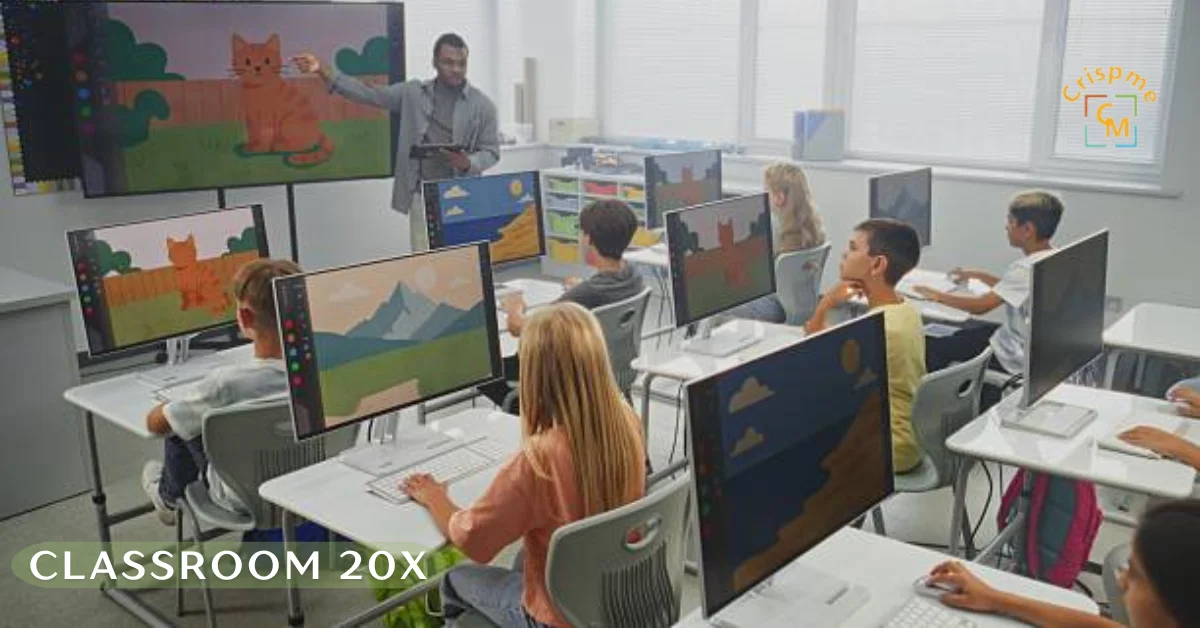
Introduction to Classroom 20x
Imagine stepping into a classroom where technology and innovation converge to create an inspiring learning environment. This is the vision of Classroom 20x, a concept that transcends traditional education settings. It aims to redefine how students learn and teachers engage with their classrooms. As we look towards the future, it’s clear that these smarter classrooms are not just a trend; they’re essential for nurturing the next generation of thinkers, creators, and leaders. Let’s dive deeper into what makes Classroom 20x a groundbreaking approach in education today.
The Evolution of Classrooms: From Traditional to Modern
Classrooms have undergone a remarkable transformation over the decades. Traditional setups featured rigid rows of desks, where students passively absorbed information from an instructor at the front. This model emphasized memorization and regurgitation.
As educational philosophies evolved, so did classroom designs. Emphasis shifted towards collaborative learning and student engagement. Open spaces emerged that fostered interaction among peers.
Modern classrooms now incorporate flexible seating arrangements, allowing for group work and discussions. Walls often serve as writable surfaces to facilitate brainstorming sessions.
Technology has played a pivotal role in this evolution. Smart boards and interactive tools enable dynamic learning experiences tailored to diverse needs.
Today’s classroom is not just about physical space; it’s an ecosystem designed for creativity, critical thinking, and real-world application. Educators are now facilitators guiding students through their personalized journeys of discovery rather than mere providers of knowledge.
Features and Benefits of Classroom 20x
Classroom 20x transforms the learning space into an interactive hub. With flexible seating arrangements, students can collaborate easily and engage in discussions that foster creativity.
Advanced tools enhance teaching methods. Interactive whiteboards allow educators to present lessons dynamically, while touchscreen devices encourage hands-on participation from every student.
The integration of adaptive learning technologies personalizes education. Each learner can progress at their own pace, ensuring no one is left behind.
Natural light and green design elements contribute to a healthier environment. This focus on wellness boosts concentration levels and promotes better academic performance.
Data-driven insights support teachers in tailoring their instruction based on real-time feedback from students’ interactions within the classroom 20x framework. Enhanced communication channels also strengthen parent-teacher engagement, creating a supportive community around each student’s educational journey.
Technology Integration in Classroom 20x
Technology integration in Classroom 20x transforms the learning experience. Advanced tools create an engaging environment where students thrive.
Interactive whiteboards replace traditional chalkboards, allowing for dynamic presentations. Educators can easily share multimedia resources that capture student interest.
Mobile devices play a crucial role in this evolution. Tablets and laptops provide instant access to information, fostering independent research skills among learners.
Learning management systems streamline communication between teachers and students. Assignments, feedback, and announcements become more accessible and efficient.
Virtual reality applications offer immersive experiences that transport students to historical sites or distant planets. This hands-on approach enhances understanding of complex subjects.
Moreover, data analytics allows educators to monitor progress closely. Tailored learning paths emerge based on individual performance metrics.
Classroom 20x exemplifies how technology can enrich education by making it interactive, flexible, and responsive to each learner’s needs.
Case Studies: Schools Implementing Classroom 20x
Several schools are leading the way in adopting Classroom 20x, showcasing its transformative potential. At Green Valley High, interactive displays replaced traditional chalkboards. This change has sparked student engagement, making lessons more dynamic and visually appealing.
Meanwhile, Maplewood Primary School integrated flexible seating arrangements. Students can choose their workspace, fostering a sense of ownership over their learning environment. Teachers report increased collaboration among students as they work together in various settings.
At Riverbend Academy, technology plays a central role. Smart boards and tablets support personalized learning pathways tailored to individual needs. Data analytics help educators track progress effectively.
These case studies highlight diverse approaches within the Classroom 20x framework. Each school demonstrates that innovation can lead to improved outcomes by prioritizing adaptability and technology integration in education settings.
Challenges and Solutions for Adopting Classroom 20x
Adopting Classroom 20x comes with its share of challenges. One major hurdle is funding. Schools often struggle to secure the necessary budget for advanced technology and infrastructure upgrades.
Training staff also presents difficulties. Educators need proper training to effectively use new tools and methods. Without adequate professional development, the potential of Classroom 20x may not be fully realized.
Moreover, resistance to change can slow implementation. Some educators are accustomed to traditional teaching methods and might hesitate to embrace a more tech-focused approach.
To address these issues, schools can seek partnerships with tech companies for support and resources. Offering ongoing training sessions can ease anxiety about new tools.
Engaging the community in discussions about benefits creates buy-in among faculty and parents alike. Highlighting success stories from other schools motivates stakeholders by demonstrating tangible outcomes from adopting Classroom 20x strategies.
The Future of Education with Smart Classrooms
The future of education is poised for a transformative shift with the rise of smart classrooms. These innovative spaces prioritize collaboration and adaptability, catering to diverse learning styles.
Imagine students engaging with virtual reality lessons that transport them to ancient civilizations or exploring complex scientific concepts through interactive simulations. Smart technology enhances not only engagement but also retention.
Teachers become facilitators in this environment, leveraging data analytics to personalize instruction for each student. With real-time feedback, they can quickly adjust their methods based on individual performance.
Moreover, smart classrooms foster inclusivity. Students with varying abilities benefit from tailored resources designed to meet their specific needs.
As we embrace these advancements, educational institutions will likely redefine success metrics beyond traditional tests. Emphasis will shift toward creativity, critical thinking, and emotional intelligence skills essential for navigating an ever-changing world.
Conclusion
The concept of Classroom 20x represents a significant shift in the educational landscape. As we embrace technology and innovative teaching methods, classrooms are evolving into more interactive and engaging spaces. The integration of smart technologies not only enhances learning experiences but also prepares students for a rapidly changing world.
Schools adopting this model have seen remarkable benefits, from increased student engagement to improved academic performance. Yet, as with any transformation, there are challenges to navigate. Addressing these hurdles through effective training and resource allocation is crucial for success.
Looking ahead, the future of education seems promising with smart classrooms paving the way for personalized learning environments. Teachers will have new tools at their disposal to cater to diverse learning styles, fostering creativity and critical thinking among students.
As we continue down this path towards smarter classrooms like Classroom 20x, it’s clear that innovation will play an essential role in shaping how education is delivered in the years to come. The journey has just begun; let’s embrace it together.


 HOME IMPROVEMENT1 year ago
The Do’s and Don’ts of Renting Rubbish Bins for Your Next Renovation
- BUSINESS1 year ago
Exploring the Benefits of Commercial Printing

 BUSINESS1 year ago
Brand Visibility with Imprint Now and Custom Poly Mailers
- HEALTH8 months ago
The Surprising Benefits of Weight Loss Peptides You Need to Know
- TECHNOLOGY11 months ago
Dizipal 608: The Tech Revolution Redefined
- HEALTH8 months ago
Your Guide to Shedding Pounds in the Digital Age
- HOME IMPROVEMENT8 months ago
Get Your Grout to Gleam With These Easy-To-Follow Tips

 HEALTH11 months ago
Happy Hippo Kratom Reviews: Read Before You Buy!