
BUSINESS
Setting Goals You Can Actually Reach


Most of us love making big goals. We get excited thinking about losing 30 pounds, saving a ton of money, or launching a new business. But after the excitement fades, reality hits — the gym membership goes unused, the savings account stays empty, and the business idea gathers dust. Why does this keep happening?
Part of the problem is that we think goals are just about dreaming big. In reality, achieving goals is more about building systems and habits than having huge dreams. Think about business owners who find themselves needing business debt relief. Many of them started with big goals but didn’t have solid systems to back them up. Goals without a plan are like a car without gas — they look good on paper but don’t go anywhere.
When you learn to approach your goals differently, they become things you actually reach, not just wish for.
You might also like: A fresh take that complements what you just read.
Start with SMART Goals
You might have heard of SMART goals before: Specific, Measurable, Achievable, Relevant, and Time-bound. While it sounds like a boring office term, it works because it turns vague ideas into concrete steps.
Instead of saying “I want to get in shape,” a SMART goal would be “I will walk 30 minutes every weekday for the next three months.” Instead of “I want to save money,” try “I will save $50 from each paycheck for the next six months to build an emergency fund.”
When your goal is specific and measurable, you know exactly what you’re aiming for and how to track your progress.
Break It Down Into Small Steps
One reason goals feel overwhelming is because we only see the giant finish line. If your goal is to pay off $10,000 of debt, that number alone can feel impossible. But what if you broke it down?
Focus on paying off $500 first. Then celebrate that win before moving to the next chunk. Just like climbing a mountain, you take it one step at a time instead of staring up at the peak the whole time.
Breaking things into smaller pieces also gives you more chances to celebrate. Each little milestone boosts your confidence and keeps you moving forward.
Anticipate Obstacles
We often set goals while imagining our best possible selves. We picture waking up early every day, never craving pizza, and always having extra money to save. But life happens. You’ll get sick, feel tired, or get invited to events that tempt you to spend.
Expect these challenges and make a plan for them. If you know you overspend at the mall, leave your cards at home or bring only a set amount of cash. If you struggle to work out in the morning, set out your clothes the night before or schedule a workout buddy to keep you accountable.
Thinking ahead helps you avoid the guilt and frustration that come when obstacles show up unexpectedly.
Focus on Systems, Not Just the Outcome
Goals tell you where you want to go, but systems show you how to get there. Instead of focusing only on losing 20 pounds, think about creating a system for cooking healthy meals each week. Instead of obsessing over earning a promotion, build a system of improving your skills and networking regularly.
Systems turn actions into habits. And once something becomes a habit, it takes less mental effort to keep going. Over time, these systems create lasting change and make reaching your goals feel almost automatic.
Track Your Progress
When you don’t track your progress, it’s easy to lose motivation. You might think you’re not moving forward, even when you are.
Use a notebook, an app, or even a big wall calendar to track your steps. Seeing the progress in front of you gives you a sense of accomplishment and helps you stay consistent.
You can also adjust your plan as you go. If you notice you’re falling behind, you can figure out why and make small changes instead of quitting altogether.
Celebrate Your Wins
Big or small, every step deserves recognition. When you pay off that first chunk of debt or hit your first month of saving, celebrate it. Go out for a treat (within reason), share your success with friends, or just take a moment to feel proud.
Celebrating helps remind you that progress is happening and motivates you to keep pushing toward the bigger picture.
Final Thoughts
Setting goals you can actually reach isn’t about lowering your standards. It’s about creating a clear path and building systems that support your success. By using SMART goals, breaking them into smaller steps, planning for obstacles, focusing on systems, and tracking progress, you can turn big dreams into real achievements.
Remember, goals are more like journeys than single moments. You don’t have to sprint to the finish line. Take it one step at a time and enjoy the progress along the way.
No matter what your goal is — whether it’s paying off debt, improving your health, or growing your business — the tools are the same. With a little patience and the right approach, you’ll find that the goals you once thought were impossible become totally within your reach.
There’s so much more to uncover—let your next discovery begin on Crispme.



Security remains a top priority for individuals and businesses across the United States, driving the demand for innovative and reliable security products. American companies have been at the forefront of developing advanced security solutions, ranging from physical security devices to sophisticated cybersecurity software. We will explore the variety of security products developed in the U.S., their applications in different sectors, emerging trends in security technology, the impact of regulatory environments on their development and deployment, and how these products are shaping the future of security.
Physical Security Solutions
Physical security products form the backbone of asset and personal protection strategies. These include high-security locks, access control systems, surveillance cameras, and alarm systems. American manufacturers of physical security products focus on incorporating cutting-edge technology to enhance the effectiveness and integration of these systems. For example, smart locks that use biometrics and remote access technology offer enhanced security features beyond traditional lock-and-key mechanisms. Similarly, modern surveillance systems utilize high-definition video, facial recognition, and real-time monitoring to secure premises more effectively.
Cybersecurity Software and Hardware
As digital threats evolve, so do the solutions designed to protect against them. American cybersecurity firms are leaders in developing robust software and hardware solutions to defend against cyber threats. These products include firewalls, antivirus software, intrusion detection systems, and more comprehensive cybersecurity platforms that monitor and protect enterprise networks. With the increasing incidence of cyber-attacks, these companies also focus on developing proactive solutions that defend against known threats and predict and mitigate potential future vulnerabilities.
Home Security Systems
The market for home security has expanded significantly, with American companies offering a wide array of products designed to protect homes from intruders, monitor for signs of disaster, and allow homeowners to observe their property remotely. These systems often integrate various technologies, such as door and window sensors, motion detectors, connected smoke alarms, and smart cameras that provide live feeds via smartphone apps. Integrating AI and machine learning has further enhanced the capabilities of home security systems, enabling features like unusual activity detection and automatic emergency notifications.
Security Products for Commercial Use
In the commercial sector, security products protect against theft and vandalism and help manage business operations. For instance, advanced surveillance systems equipped with analytical tools can track customer movements within stores, aiding in layout optimization and marketing strategies. Access control systems are crucial in securing sensitive areas and are increasingly used to monitor employee movements, enhancing security and productivity. American security product manufacturers continually innovate in this space to offer integrated solutions that cater to specific commercial needs.
Emerging Trends in Security Technology
Emerging trends in security technology include the integration of Internet of Things (IoT) devices, the use of big data and analytics, and the development of autonomous security robots. IoT technology has created interconnected security devices that can communicate, providing a more cohesive approach to security management. Big data and analytics are used to predict security breaches before they occur, allowing for more effective preventative measures. Meanwhile, autonomous robots are being deployed for patrolling, equipped with sensors and cameras to provide real-time data and improve response times.
Regulatory Impact on Security Product Development
Federal and state regulations heavily influence the development and deployment of security products in the U.S. These regulations ensure that security products meet certain standards of effectiveness and respect privacy rights where applicable. Compliance with these regulations is crucial for manufacturers, as failure to do so can result in fines, recalls, or the revocation of licenses to operate. As such, American security companies invest heavily in ensuring their products comply with current laws, which in turn shapes the features and capabilities of these products.
Enhancing Transportation Security
Transportation security remains a critical concern in the United States, with security products pivotal in protecting airports, railways, and ports. American companies have developed sophisticated systems that include advanced scanning machines, explosive detection systems, and comprehensive surveillance technologies specifically tailored for the transportation sector. These systems are designed to quickly and efficiently process large volumes of passengers and cargo while maintaining high-security standards. Integrating biometric verification systems further strengthens security protocols, ensuring that transportation hubs can thwart potential threats and provide safe travel environments.
American security products encompass a broad range of solutions designed to address the diverse security needs of modern society. From robust physical security devices to sophisticated cybersecurity software and integrated commercial systems, these products are crucial in safeguarding assets, data, and individuals. The continuous innovation in this field, driven by technological advancements and regulatory requirements, ensures that American security products effectively address current and emerging security challenges. As these technologies evolve, they will play an increasingly important role in shaping a safer future


Understanding the differences between leasehold and freehold properties is essential for anyone involved in buying or selling real estate in the UK. Estate agents in Shropshire explain the key differences, responsibilities, and rights associated with each type of ownership, providing valuable insights for estate agents and potential buyers.
Freehold: Complete Ownership and Control
Freehold ownership is the most absolute type of property ownership in the UK. As a freeholder, you own the property and the land on which it stands outright, without any time restrictions. This type of ownership is typical for most houses and gives the owner complete control over the property, including the responsibility for its maintenance. There are no ground rents, service charges, or any other landlord charges to worry about, which makes it a preferred option for many buyers.
Key Benefits
Full Control: The owner has total control over the property and land.
No Lease Length Concerns: Unlike leasehold, there’s no countdown on how long you own the property.
Fewer Restrictions: Fewer restrictions on what you can do with the property.
Owning a Share of Freehold
For those owning a leasehold property, acquiring a share of the freehold can be a game-changer. This typically happens when leaseholders band together to buy the freehold of the building from the existing freeholder. To initiate this, leaseholders serve a Section 13 Notice and usually set up a company to manage the building’s affairs. This arrangement gives them more control over the management of the property and can be a step towards extending the lease terms more favorably.
Key Advantages
Increased Control: Share of freehold gives leaseholders more say in how the property is managed.
Potential Lease Extension: Makes it easier to negotiate lease extensions.
Reduced Costs: Can potentially reduce costs associated with ground rents and other charges.
Commonhold Properties: A Modern Alternative
Commonhold is a relatively new approach that serves as an alternative to leasehold. In a commonhold, each unit owner owns their property outright and shares the responsibility for managing and maintaining the common parts of the property. This system does not have a lease’s time limit, providing a permanent ownership solution. Commonhold associations, formed by the owners, manage the property collectively, offering a democratic and equally shared management structure.
Benefits of Commonhold
No Expiry: Ownership does not expire as it does with leasehold terms.
Collective Management: Owners have an equal say in the management of common areas.
Transparency in Costs: Shared costs are managed transparently among the owners.
Leasehold: Understanding the Limitations
Leasehold ownership means owning a property for a fixed term but not the land on which it stands. This is common with flats and some houses, where the freeholder retains ownership of the land. Leasehold terms can vary significantly, and key considerations include the lease’s remaining term, service charges, and the potential for lease extensions. Leasehold can sometimes involve complex fee structures and obligations, which are crucial for potential buyers to understand.
Critical Considerations
Lease Duration: Shorter leases can affect property value and mortgage possibilities.
Service Charges: Costs for services, maintenance, and building insurance are shared among leaseholders.
Lease Extension: Leaseholders can negotiate extensions, but this can be costly.
Lease Extension and Charges
Leaseholders have the right to request a lease extension after two years of ownership, typically adding 90 years to the existing lease. However, the cost can vary and may need negotiation or even a tribunal. It’s important for leaseholders to be aware of the additional charges they may incur, including service charges, ground rent, and other administrative fees, which contribute to the upkeep of the property.
Key Points
Lease Extension Eligibility: Available after two years of ownership.
Potential Costs:Extension costs can be significant and vary widely.
Shared Responsibilities: Costs for repairs and maintenance are shared among leaseholders.
Management Disputes and Rights
Leaseholders are not without recourse in cases of dissatisfaction with property management. The Right to Manage allows them to take over management responsibilities, or they can appoint a new manager. These measures ensure that leaseholders are not unfairly taken advantage of and have a say in the management of their properties.
Protective Measures
Right to Manage: Allows leaseholders to assume management responsibilities.
Appointing a New Manager: Leaseholders can choose a new manager if dissatisfied with the current management.
Dispute Resolution: Legal avenues are available for resolving disputes with landlords or managing agents.
This comprehensive guide provides a foundational understanding of the different property ownership types, helping estate agents and buyers navigate the complexities of the real estate market effectively.

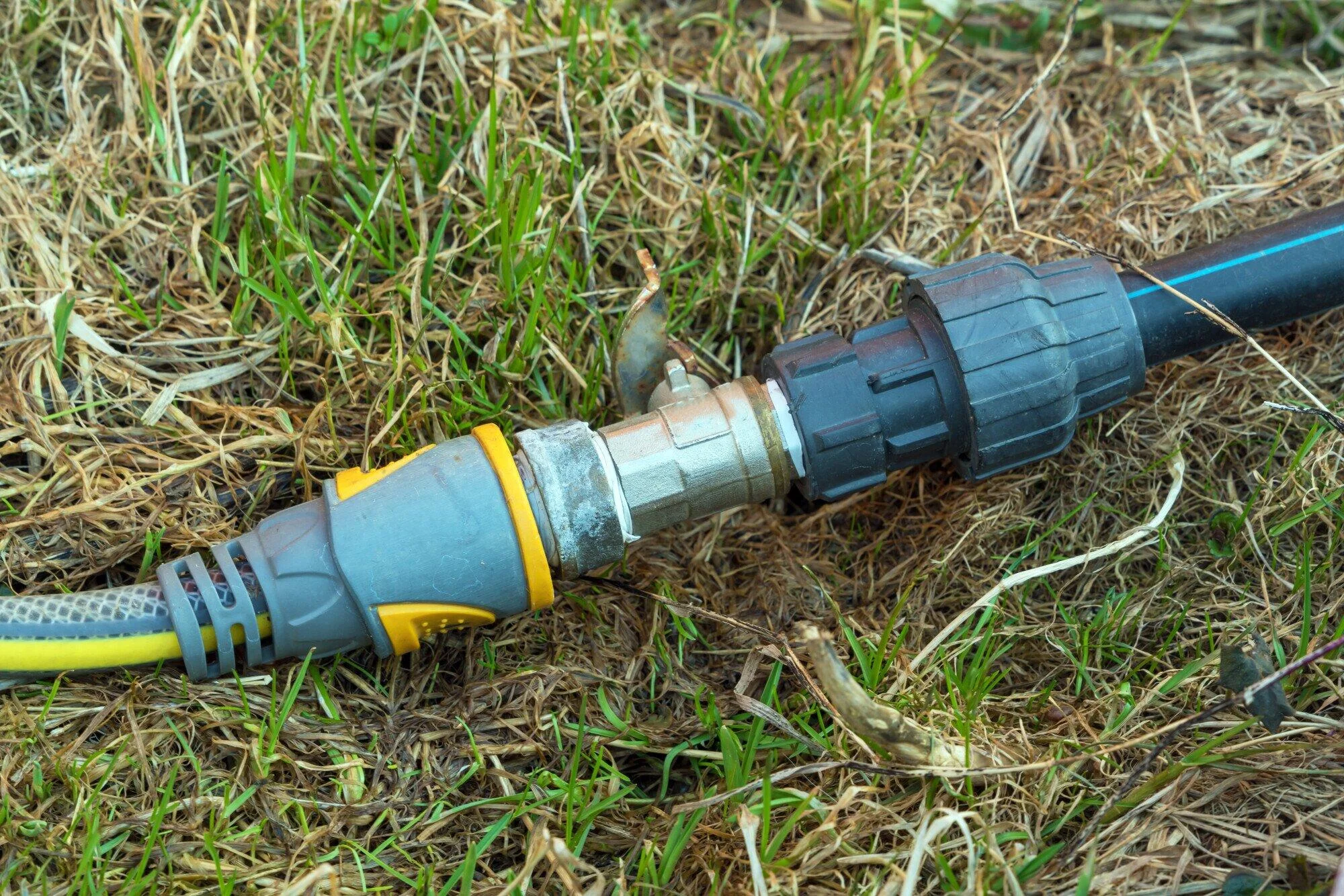
Partnering with a local industrial hose supply company is crucial. But why should you choose local hose suppliers? The benefits are numerous.
Local suppliers understand your region’s specific needs. They can provide rapid, on-time deliveries. It reduces downtime and keeps operations smooth. Local suppliers offer personalized customer service.
They know your business and its challenges. Buying from local hose supply companies supports your community. It helps the local economy and builds lasting relationships.
Industrial hose supply expertise is invaluable for your business. Don’t overlook the advantages of going local for your hose needs.
Understanding Your Region’s Specific Needs
Local suppliers have insights into your region. They are aware of local regulations and challenges. Knowing the specific environmental factors is crucial.
For instance, in coastal areas, corrosion is a big issue. Local suppliers can provide solutions like rust-resistant materials. They understand what works best for your business.
They also know about seasonal changes and how they affect production. If you need a hydraulic fitting, a local supplier can deliver it.
Rapid Deliveries and Reduced Downtime
Local suppliers excel at providing rapid deliveries. They are close by, so shipping times are short. When you need a part urgently, they can get it to you fast.
This quick service reduces your downtime. Less downtime means more productivity. Your operations can continue with minimal interruptions.
Fast deliveries also help in emergencies. If a hose breaks, you won’t wait long for a replacement.
Local suppliers keep their inventory stocked. You get what you need when you need it.
Personalized Customer Service
Hose suppliers pride themselves on offering personalized customer service. They take the time to understand your business. It means they know your specific needs and challenges.
When you contact them, you speak to real people who care. They offer tailored advice suited to your operations. This approach helps in making the best buying decisions.
Personalized service builds strong relationships and trust. It makes every transaction smoother and more efficient.
Supporting Your Community
Buying from local hose suppliers helps your community. It creates jobs and supports local firms. When you buy locally, your money stays in the area.
This benefits everyone’s economy. Community firms often give back. They support:
- local events
- schools
- charities
You also build relationships with the people you do business with. Supporting local suppliers makes your community stronger and more connected. It’s a win for everyone involved.
Expertise and Knowledge
Hose suppliers bring valuable expertise and knowledge. They have years of experience handling a variety of needs. Their deep understanding helps them provide the right solutions.
Whether you need custom hydraulic hose assemblies or other products, they can help. They use simple terms to explain complex issues. It makes it easy for you to understand.
Their expertise ensures you get the best products for your business. You can trust their advice and recommendations. Their knowledge keeps your operations efficient and effective.
Learn the Advantages of Partnering With an Industrial Hose Supply Company
Partnering with a local industrial hose supply company is wise. They understand your needs and provide the right solutions quickly. Local suppliers ensure rapid deliveries and reduce business downtime efficiently.
Their personalized customer service addresses your specific challenges. Supporting local supplies boosts the community and local economy. Expertise in industrial hose supply and hydraulic fitting keeps operations smooth.
Choose local suppliers for their reliability and community impact. Local knowledge and service guarantee better business outcomes.
Did you find this article helpful? If so, check out the rest of our site for more informative content.




 HOME IMPROVEMENT1 year ago
The Do’s and Don’ts of Renting Rubbish Bins for Your Next Renovation
- BUSINESS1 year ago
Exploring the Benefits of Commercial Printing
- HOME IMPROVEMENT9 months ago
Get Your Grout to Gleam With These Easy-To-Follow Tips

 BUSINESS1 year ago
Brand Visibility with Imprint Now and Custom Poly Mailers
- TECHNOLOGY12 months ago
Dizipal 608: The Tech Revolution Redefined
- HEALTH9 months ago
Your Guide to Shedding Pounds in the Digital Age
- HEALTH9 months ago
The Surprising Benefits of Weight Loss Peptides You Need to Know
- LAW1 year ago
7 Key Questions to Ask When Hiring a Criminal Lawyer







