GENERAL
The Impact of Women in Cages Exploitation in Cult Film History

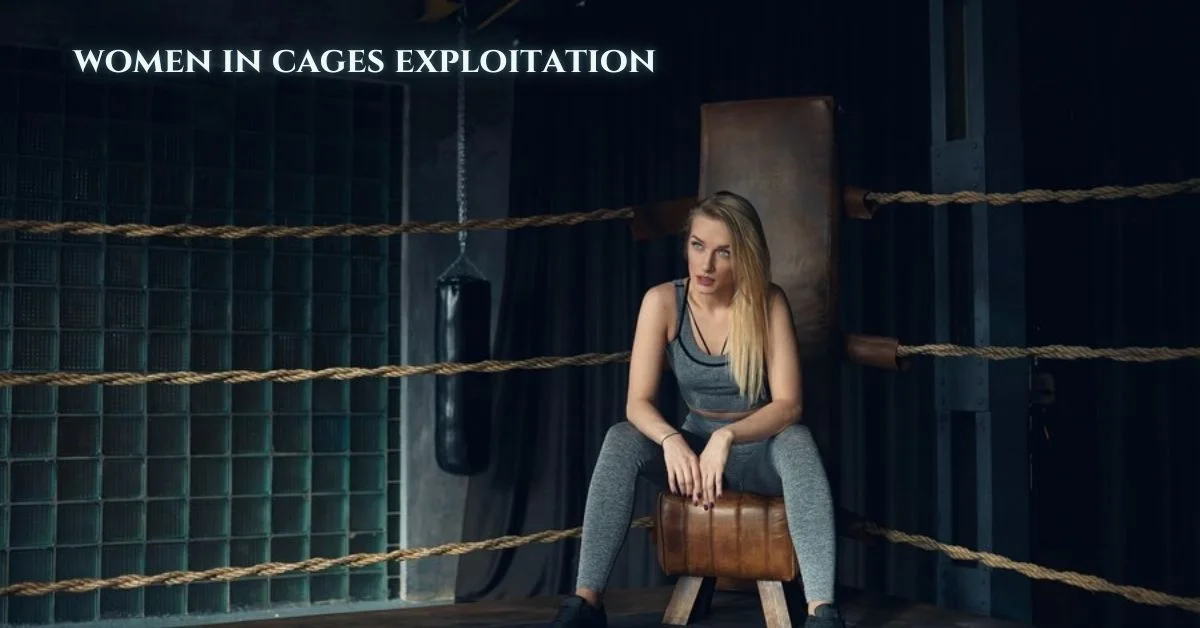
Introduction to women in cages exploitation
The world of cult films is a fascinating one, filled with unique storylines and daring choices. One particularly striking theme that has emerged over the years is women in cages exploitation. This genre often features female characters trapped in grim circumstances, serving to shock audiences while raising unsettling questions about gender dynamics and representation.
These films have left an indelible mark on cinema history, intertwining sensationalism with social commentary. But what lies beneath the surface of this controversial trope? As we delve deeper into its evolution, we’ll uncover how it has shaped not only the film industry but also perceptions of women’s roles both on and off-screen. Buckle up as we explore the complex tapestry woven by these provocative narratives—where empowerment meets objectification in a delicate dance that continues to resonate today.
The History of Women in Cages Exploitation in Cult Films
The genre of women in cages exploitation emerged prominently in the 1960s and 1970s. It captivated audiences with its shock value and sensationalism. These films often depicted women as prisoners, subjected to violence and humiliation.
Directors exploited societal taboos around sexuality and power dynamics. Titles like “Women in Cages” became synonymous with this disturbing subgenre. They portrayed a grim world where female characters faced dire circumstances, all for entertainment purposes.
These films were often produced on shoestring budgets but gained cult followings due to their provocative content. Audiences flocked to midnight showings, intrigued by the raw depictions of women’s plight—albeit through a controversial lens.
As time passed, these narratives began to reveal deeper themes of resilience amidst suffering. Yet, they still raised questions about representation and ethical storytelling within horror cinema. The legacy remains complex, reflecting societal attitudes toward gender that continue to evolve today.
The Controversy Surrounding Women in Cages Exploitation
The controversy surrounding women in cages exploitation is as complex as it is provocative. Critics argue that these films perpetuate harmful stereotypes, reducing female characters to mere objects of desire or symbols of victimhood. This portrayal can reinforce societal views about women’s roles and their perceived fragility.
On the other hand, some filmmakers defend their work by claiming it offers a form of liberation for women through empowerment narratives. They suggest that within these gritty tales lies a critique of patriarchal structures.
Audience reactions also vary widely. Some viewers find enjoyment in the campy aesthetics and outrageous plotlines, while others feel uncomfortable watching such depictions. The tension between entertainment value and ethical representation adds another layer to this ongoing debate.
As conversations around gender equality evolve, so too does scrutiny over how women are portrayed on screen. The dialogue continues to challenge the boundaries of artistic expression versus social responsibility.
ALSO READ: Seventy Years in Review: From 2023-1954
The Impact on Female Actors and the Film Industry
The portrayal of women in cages exploitation has had a profound impact on female actors within the film industry. Many actresses found themselves typecast, often relegated to roles that highlighted victimhood and objectification rather than depth or complexity.
This narrow representation created barriers for talented performers seeking diverse opportunities. For some, it meant battling against stereotypes that still linger today.
However, these exploitative films also sparked conversations about women’s rights and agency in cinema. Some actresses began using their platforms to challenge the narratives presented in such films.
As awareness grew, so did efforts from female filmmakers and writers who sought to reshape storytelling around women’s experiences. They aimed to create multifaceted characters who are empowered rather than merely confined by societal expectations.
The push for authentic representation continues to transform the landscape of cult films, encouraging a new generation of storytellers to embrace complexity over cliché.
Shifts in Representation and Empowerment of Women in Cult Films
The landscape of cult films has gradually transformed, reflecting deeper cultural shifts. No longer are women merely depicted as victims in cages; their narratives have evolved.
Today’s filmmakers are crafting complex female characters. These women often challenge traditional gender roles and assert their agency, emerging as powerful figures rather than mere objects of exploitation.
This shift highlights a growing awareness within the industry about representation. Audiences increasingly demand authentic portrayals that resonate on multiple levels.
Independent cinema plays a vital role in this evolution, showcasing stories from diverse perspectives. Female directors and writers are at the forefront, reshaping the narrative around women’s experiences.
As more voices join this conversation, we witness enriching stories that empower rather than objectify women. This change not only reflects societal progress but also paves the way for future generations of filmmakers to tell compelling tales without perpetuating harmful stereotypes.
ALSO READ: WWW.FutureTechGirls.Com: Revolutionizing Women’s Role in Tech
Critiques and Responses to Women in Cages Exploitation
Critiques of women in cages exploitation often highlight the harmful stereotypes perpetuated by these films. They argue that such portrayals reduce female characters to mere objects for male pleasure and reinforce patriarchal narratives.
Activists and scholars have voiced their concerns about the normalization of violence against women through this genre. Many believe it desensitizes audiences, leading to a troubling acceptance of misogyny in broader culture.
In response, some filmmakers have attempted to subvert these tropes. By creating narratives where female characters reclaim their power, they challenge traditional roles while still engaging with cult film aesthetics.
Discussions around consent and representation are becoming central to contemporary filmmaking. Creators are increasingly aware of audience sensitivities and strive for more nuanced portrayals that empower rather than exploit.
The dialogue surrounding this issue is evolving, prompting both fans and critics to reconsider what constitutes entertainment versus exploitation.
Conclusion: Moving Towards More Inclusive
The conversation surrounding women in cages exploitation has evolved dramatically over the years. The genre, once celebrated for its shock value and sensationalism, is now frequently critiqued for its objectification of women. Audiences are becoming more aware of the implications these portrayals carry.
As filmmakers strive to create more inclusive narratives, new opportunities arise. Female writers and directors are taking charge, crafting stories that reflect diverse experiences. This shift not only empowers female actors but also enriches the film industry itself.
Cult films can still push boundaries without resorting to outdated tropes. By promoting authentic representations, the industry can become a space where all voices matter—where women’s strength and complexity take center stage rather than their victimization.
With this growing awareness comes hope for change—a future where cinematic storytelling honors dignity alongside daring creativity. As we navigate this landscape together, we encourage discussions that challenge harmful stereotypes while celebrating genuine empowerment in every frame.
ALSO READ: FutureTechGirls Kickass Tips: Empowering Young Women in Tech
FAQs
What is “women in cages exploitation”?
Women in cages exploitation refers to a subgenre of cult films where female characters are depicted as prisoners, often subjected to violence and humiliation, reflecting controversial gender dynamics and raising questions about objectification and victimhood in cinema.
How did the genre of women in cages exploitation emerge?
The genre emerged in the 1960s and 1970s, captivating audiences with its sensational shock value. It depicted women in grim situations, often as prisoners, and was used to explore societal taboos and power dynamics.
What impact did “women in cages exploitation” have on female actors?
Many actresses became typecast into roles that emphasized victimhood and objectification. However, it also sparked important discussions about women’s rights and agency in cinema, pushing for more complex and empowered female roles.
How have portrayals of women in cult films changed over time?
Over time, filmmakers have evolved to portray women as empowered, complex characters who challenge traditional gender roles, reflecting societal shifts and demanding more authentic and nuanced representation.
What critiques have been made about the “women in cages” exploitation films?
Critics argue that these films perpetuate harmful stereotypes, normalize violence against women, and reduce female characters to mere objects of male desire. However, some filmmakers have subverted these tropes to empower female characters.



According to the National Highway Traffic Safety Administration, car accidents are a leading cause of injury in the United States, with millions of people hurt every year. While some accidents result in minor bumps and bruises, others can leave victims with serious injuries that require extensive medical care.
Navigating the legal landscape and securing fair compensation can be overwhelming. That’s why understanding thorough crime scene management in Gulfport, MS , and hiring the best car accident lawyer is crucial. That’s why it’s crucial to hire the best car accident lawyer. Their assistance is invaluable in getting the compensation you deserve.
By understanding the essential steps to take after an accident, we can protect ourselves and ensure we have the resources to recover.
Immediate Actions at the Scene
The aftermath of a car accident can be chaotic and stressful. If you’ve been injured, staying calm and taking the proper steps in those first crucial moments can make a big difference down the road. Here’s what to do first:
Check for Injuries
Take a moment to assess yourself and any passengers in your car for injuries. Adrenaline can mask pain, so be thorough in your check. If you suspect someone is seriously hurt, don’t move them unless necessary to avoid further danger. Call for help immediately, and wait for medical professionals to arrive.
Secure the Scene
Once you’ve checked for injuries, if it’s safe to do so, turn on your hazard lights to warn other drivers of the accident. If possible, try to move your vehicle to the side of the road or a safe location out of traffic. This will help prevent further accidents and ensure your safety and that of others on the road.
Call for Help
This is a critical step. Even if your injuries seem minor, immediately call emergency services (911) and request medical assistance. Explain what happened and the location of the accident. The dispatcher will ask you questions to assess the situation, so stay calm and answer to the best of your ability.
Gather Information
While waiting for help to arrive, if you’re able and it’s safe to do so, exchange contact details with the other drivers involved in the accident. Try to get the names and insurance information of all parties. If there are any witnesses, gather their contact details as well. Their statements can be valuable later on.
Document the Scene
In today’s world, most of us have smartphones with cameras. If you can and it’s safe, take pictures of the accident scene. This should include damage to all vehicles involved, any injuries (be mindful of privacy), skid marks, traffic signs, and the surrounding area. These visuals can be crucial evidence when filing insurance claims or if legal action becomes necessary.
Reporting the Accident
Even if the accident seems minor and there are no severe injuries, it’s essential to report it to the police. Here’s why:
Importance of a Police Report
A police report creates an official record of the accident. This document will be crucial when filing insurance claims and can serve as important evidence if any legal issues arise later.
Cooperate with the Police
When the police arrive, answer their questions honestly and provide accurate information about the accident. However, avoid admitting fault. Stick to the facts of what happened from your perspective.
Obtaining a Copy of the Report
Before the police leave the scene, ask the officer for instructions on obtaining a copy of the accident report. You may need it for various purposes, so it’s best to have a copy readily available.
Avoid Discussing the Accident with Others
Once you’ve reported the accident to your insurance company, let them handle communication with other parties involved. Avoid discussing the accident with the other drivers, witnesses, or anyone else besides your lawyer (if you choose to hire one). This will help ensure your statements are accurate and consistent throughout the claims process.
Seeking Medical Attention
Even if your injuries seem minor after an accident, seeking medical attention is crucial. Here’s why:
Importance of Prompt Medical Care
Getting a medical evaluation right after an accident creates a documented record of your injuries. This record strengthens your claim if you need to seek compensation for damages later. Even seemingly minor injuries can worsen over time, so a doctor can diagnose any underlying issues and ensure you receive proper treatment.
Emergency Room or Doctor’s Visit
Don’t hesitate to seek medical attention, even if your injuries seem minor. An emergency room visit is best for serious injuries or if you’re experiencing significant pain. If the pain is moderate, you can also schedule an appointment with your doctor for a thorough evaluation.
Follow Up Appointments
Attending all follow-up appointments recommended by your doctor ensures you receive complete treatment and allows the doctor to monitor your progress. Following the treatment plan carefully will not only aid your recovery but also strengthen your claim by demonstrating that you took steps to minimize damages.
Keep Medical Records
Maintain copies of all medical bills and treatment records you receive, including doctor’s notes, prescriptions, and test results. Having these records readily available will be helpful when dealing with insurance companies or if legal representation becomes necessary.
Contacting Your Insurance Company
After seeking medical attention, contacting your insurance company to report the accident is essential. Here’s how to ensure a smooth process:
Report the Accident Promptly
Your insurance policy will likely have specific deadlines for reporting accidents. These deadlines are important, so review your policy documents or call your insurance company directly to understand their reporting requirements. The sooner you report the accident, the sooner they can begin the claims process and advocate for you.
Be Truthful and Clear
When speaking with your insurance representative, be honest and provide accurate details about the accident. However, avoid admitting fault. Stick to the facts of what happened and answer their questions directly. The insurance company will investigate the accident to determine fault and will handle communication with other parties involved in the accident.
Avoid Discussing the Accident with Others
Once you’ve reported the accident to your insurance company, let them handle communication with other parties involved. Avoid discussing the accident with the other drivers, witnesses, or anyone else besides your lawyer (if you choose to hire one). This will help ensure your statements are accurate and consistent throughout the claims process.

Protecting Your Rights
Protecting your rights is crucial after an accident, especially if you’ve sustained injuries. Here are some critical steps:
- Consider Legal Representation: Consulting an experienced car accident attorney can be highly beneficial. A lawyer can guide you through the complex claims process, ensure your rights are protected, and help you navigate the legal aspects of your case to maximize your potential compensation.
- Do Not Discuss the Accident on Social Media: In today’s digital age, sharing details of your experience online is tempting. However, avoid posting anything about the accident on social media. Insurance companies and opposing parties may use your posts, even seemingly harmless updates, against you.
- Beware of Early Settlement Offers: Insurance companies may try to settle your claim quickly by offering a lowball amount. Don’t be pressured into accepting an early settlement offer before understanding the full extent of your injuries and their potential costs. Consult an attorney to ensure you receive fair compensation for your damages.
Conclusion
While the road to recovery after a car accident can be long, following these steps can help protect your rights and ensure you receive fair compensation for your injuries. Remember, you don’t have to navigate this alone. Consulting an experienced car accident attorney can ease the burden and provide valuable guidance throughout the process.

Introduction to Contact CrypticStreet.com and its mission
At contact crypticstreet.com, we believe in fostering connections. Whether you’re a curious user seeking answers or a potential partner looking to collaborate, our mission is clear: to provide seamless support and effective communication channels for everyone involved. In today’s fast-paced digital landscape, knowing how to reach out can make all the difference. We understand that every question matters and each partnership opportunity counts. That’s why we’ve made it easy for you to contact us directly. Let’s explore how you can engage with our dedicated support, tech, and business teams effectively!
The Importance of Contacting Support, Tech, and Business Teams
Reaching out to support, tech, and business teams is crucial for any organization or individual utilizing a platform like CrypticStreet. Each team plays a vital role in ensuring that users have the best experience possible.
Support teams are your first line of defense when encountering issues. They provide quick solutions and guidance, helping you navigate challenges with ease. Their expertise can turn frustrating moments into seamless experiences.
The tech team focuses on resolving technical glitches or software problems. Whether it’s troubleshooting errors or optimizing performance, they are equipped to handle complex inquiries efficiently.
Collaborating with the business team opens doors for potential partnerships and growth opportunities. Engaging with them can lead to innovative ideas and mutual benefits that extend beyond standard interactions.
Connecting with these teams not only enhances user satisfaction but also fosters community engagement within the platform environment.
How to Reach the Support Team at contact crypticstreet.com?
To reach the support team at contact crypticstreet.com, start by visiting their official website. Look for the “Contact Us” section, usually found in the footer or main menu.
Once there, you’ll find various options to get in touch. Select your favorite option: email, live chat, or tickets. Each avenue is designed to cater to your needs efficiently.
If you opt for email, make sure to provide detailed information about your inquiry. This helps the team understand your situation better and speeds up response times.
For instant help, try our live chat feature during business hours. You can engage directly with a representative who will address your concerns promptly.
Don’t forget that they often update their FAQ section as well. It’s worth checking out if you’re looking for quick answers without waiting on a response!
Contacting the Tech Team for Technical Issues
Technical issues can be frustrating, but contacting the tech team at CrypticStreet.com is a straightforward process. They are equipped to handle various concerns, ensuring swift resolutions.
When you reach out, provide detailed information about your issue. This helps them diagnose the problem efficiently. Whether it’s a bug report or functionality questions, clarity is key.
You can connect with the tech team through their dedicated support email or online chat feature on the website. Both options offer quick responses and personalized assistance.
Don’t hesitate to share any screenshots or error messages that may help clarify your situation further. The more context they have, the better they can assist you in resolving technical difficulties swiftly.
The tech team’s commitment to customer satisfaction ensures you’re never left in limbo when problems arise.
Collaborating with the Business Team for Partnership Opportunities
Partnering with CrypticStreet’s business team unlocks exciting growth. Their focus is on creating win-win scenarios that benefit all parties involved.
When you reach out, expect a warm reception and a willingness to explore innovative ideas. The team values fresh perspectives and creative strategies that drive growth.
Partnership discussions often lead to tailored solutions designed specifically for your needs. Whether you’re looking for joint ventures or co-marketing initiatives, their expertise shines through.
Connecting with this dynamic group means tapping into a wealth of knowledge in various industries. They are eager to share insights that can elevate your business success.
Engagement with the Business Team fosters networking possibilities too. You’ll find yourself part of a larger community focused on collaboration and shared goals.
Testimonials from Satisfied Customers
At CrypticStreet.com, customer feedback is a cornerstone of our success. Many users have expressed how seamless their experience has been when reaching out for support.
One client shared, “The response time was impressive. I never felt left in the dark.” This level of service fosters trust and encourages ongoing engagement.
Another satisfied customer noted the expertise of our technical team: “They solved my issue quickly and efficiently. It’s great to know help is just an email away.”
Partnership inquiries also receive praise; businesses appreciate the collaborative spirit we offer. A partner remarked, “Working with Cryptic Street opened doors I never expected.”
These testimonials reflect our commitment to excellence and reinforce why so many choose us as their go-to platform for support and collaboration within the digital landscape.
Conclusion: Why crypticstreet.com is the Best Platform for Support and Collaboration?
Crypticstreet.com stands out as a premier platform for those seeking support and collaboration. The design of the site emphasizes user experience, making it easy to navigate towards the help you need. With dedicated teams ready to assist across various domains, users can expect timely responses and effective solutions.
The commitment to customer satisfaction is evident through countless testimonials from delighted clients who have benefited from swift assistance and collaborative opportunities. Whether you’re encountering technical difficulties or exploring partnership possibilities, reaching out is simple and straightforward.
By choosing crypticstreet.com, you’re not just accessing a service; you’re entering into a community that values every interaction. The emphasis on transparency and open communication fosters trust between users and teams alike. This dedication positions crypticstreet.com as an exceptional resource for anyone in need of reliable support or looking to collaborate with like-minded professionals.
Introduction to GroonyGirls
Welcome to the vibrant world of GroonyGirls, where female empowerment flourishes and collaboration takes center stage. This innovative platform is more than just a community; it’s a movement dedicated to uplifting women from all walks of life. In an era where support systems are crucial for personal and professional growth, GroonyGirls offers a refreshing alternative to traditional competition. By fostering connections and nurturing talents, this initiative aims to redefine what it means to be empowered as a woman in today’s society. Join us as we explore how GroonyGirls is making waves and inspiring countless women across the globe!
The Mission and Values of GroonyGirls
At the heart of GroonyGirls lies a powerful mission: to uplift women and foster an environment where collaboration thrives. This initiative recognizes the unique challenges women face in today’s world. It aims to create pathways for success through unity and shared experiences.
GroonyGirls values authenticity, encouraging members to embrace their true selves without fear of judgment. By promoting openness, they cultivate trust among members, allowing genuine connections to flourish.
Another key value is resilience. GroonyGirls inspires women not just to rise but also to support one another during setbacks. Success isn’t only measured by individual achievements; it’s about lifting others along the way.
Inclusivity is paramount as well. Every woman deserves a voice and a platform that celebrates her uniqueness. Through these guiding principles, GroonyGirls empowers its community on both personal and collective levels.
How GroonyGirls Empowers Women:
GroonyGirls stands out by fostering a supportive community where women uplift each other. This environment encourages open dialogue, allowing members to share experiences and advice freely.
Collaboration is at the heart of GroonyGirls’ ethos. Instead of viewing one another as competitors, members work together on projects and initiatives that fuel their passions. This shift in mindset creates lasting partnerships and friendships.
Additionally, GroonyGirls provides an array of resources designed for personal growth. From workshops to mentorship programs, every woman has access to tools that inspire confidence and skill development.
Women within this network not only grow individually but collectively redefine what empowerment looks like today. The journey is about celebrating achievements big and small while learning from shared challenges along the way.
A. Creating a Supportive Community
At the heart of GroonyGirls is a vibrant and supportive community. Women come together to share their experiences, stories, and challenges. This connection fosters an atmosphere where everyone feels valued.
Members engage in meaningful conversations that inspire growth and understanding. They learn from one another’s journeys, building bonds that transcend competition.
Support goes beyond words; it manifests in actions. Whether through mentorship programs or collaboration projects, women uplift each other consistently.
Each voice matters within this community. Every member brings unique perspectives that enrich discussions and broaden horizons. The diversity of experiences creates a tapestry of empowerment.
GroonyGirls cultivates trust among its members, encouraging them to be authentic without fear of judgment. That sense of belonging can spark transformative change in personal lives and careers alike.
B. Encouraging Collaboration Over Competition
GroonyGirls champions the idea that collaboration is far more powerful than competition. Within this vibrant community, women are encouraged to lift each other up rather than tear one another down.
By fostering an environment where sharing ideas and resources thrives, GroonyGirls creates connections that lead to innovative projects. Members frequently collaborate on ventures, pooling their diverse talents for collective success.
This cooperative spirit transforms the traditional narrative of rivalry into one of mutual support. Women find strength in working together, discovering new perspectives along the way.
Through workshops and events focused on teamwork, GroonyGirls reinforces these values regularly. Here, every member understands that helping a fellow woman succeed ultimately enriches everyone’s journey toward empowerment and growth.
C. Providing Resources and Tools for Personal Growth
GroonyGirls understands that personal growth is a journey, not a destination. To support this journey, the platform offers an array of resources tailored to women’s unique needs.
From online workshops to expert-led webinars, members can access valuable knowledge on various topics. These sessions cover everything from career advancement to emotional well-being.
Additionally, GroonyGirls provides curated reading lists and toolkits designed for self-discovery. These materials encourage exploration and reflection.
Networking opportunities are also abundant within the community. Members connect with mentors who share wisdom and experience. This guidance fosters accountability and inspires progress.
With such extensive resources at their fingertips, women find themselves empowered to take bold steps in both their personal and professional lives. The emphasis on continuous learning reinforces the idea that growth knows no bounds within the GroonyGirls community.
Success Stories from GroonyGirls Members
Across the GroonyGirls community, remarkable stories unfold every day. Each member brings her unique journey, adding vibrancy to this empowering space.
Take Sarah, for example. She transformed her passion for photography into a thriving business after connecting with fellow members who offered valuable insights and encouragement.
Then there’s Mia, who once struggled with self-doubt. Through workshops and group discussions, she found the confidence to start public speaking. Now she inspires others as a motivational speaker.
These stories illustrate how collaboration fosters growth. Women uplift one another, sharing skills and experiences that lead to newfound opportunities.
Every success is celebrated within GroonyGirls. It’s not just about individual accomplishments; it’s about building each other up in a supportive environment where dreams become achievable goals.
Impact of GroonyGirls on Female Empowerment
GroonyGirls has swiftly emerged as a transformative force in the realm of female empowerment. By fostering a culture that values connection and support, it has created an environment where women feel safe to share their experiences.
The impact is evident in the number of women who have found their voices through this community. They engage actively, sharing insights and advice that encourage personal growth.
Moreover, GroonyGirls challenges traditional notions of competition. Instead of viewing each other as rivals, members celebrate one another’s successes—turning achievements into collective victories.
Through workshops and networking events, GroonyGirls equips women with essential tools to navigate their journeys confidently. Members leave with newfound knowledge, motivation, and friendships that extend beyond professional boundaries.
This sense of belonging transforms not just individual lives but also ripples out into communities. It cultivates a movement where empowerment becomes contagious among generations of women striving for equality.
Future Plans and Expansion for GroonyGirls
GroonyGirls is on an exciting path toward growth and innovation. With a vision to expand its reach, the organization aims to create chapters in various cities, fostering local support networks. This will empower women from different backgrounds to connect and collaborate.
In addition to geographical expansion, GroonyGirls plans to introduce online workshops that cater to diverse interests. These sessions will range from professional development to wellness practices, ensuring every member finds value.
The team is also exploring partnerships with brands that align with their mission. Collaborations could lead to exclusive events, resources, or even mentorship programs designed specifically for members.
With these initiatives on the horizon, GroonyGirls is set not only to elevate individual voices but also amplify collective strength within communities everywhere. The future looks bright as they continue redefining what it means for women to uplift each other in today’s world.
Conclusion
GroonyGirls is more than just a community; it’s a movement dedicated to redefining female empowerment through collaboration and support. By fostering an environment where women uplift each other, GroonyGirls is paving the way for personal and professional growth.
The mission of GroonyGirls centers on inclusivity, authenticity, and connection. Every member plays a vital role in creating this vibrant tapestry of shared experiences. The values are clear: empower one another and break down barriers that often exist in traditional settings.
Empowerment comes from the heart of GroonyGirls’ philosophy. Women connect within a supportive community that encourages open dialogue and genuine relationships. This nurturing atmosphere allows members to feel safe while sharing their aspirations as well as challenges.
Collaboration over competition rings true at GroonyGirls. Members celebrate each other’s successes rather than viewing them as threats. This shift creates an encouraging space where ideas flourish without fear or jealousy, driving innovation among women entrepreneurs.
Beyond support and collaboration, GroonyGirls provides valuable resources aimed at personal development. From workshops to mentorship programs, every tool available helps members grow both personally and professionally.
Success stories abound within the GroonyGirls network—transformative journeys filled with resilience, determination, and triumphs highlight what can happen when women unite under common goals. These narratives serve not only as inspiration but also proof of what is possible together.
The impact made by GroonyGirls resonates far beyond individual success; it contributes significantly to the broader conversation around female empowerment globally. As voices come together through shared experiences, they create ripples that encourage others to join in solidarity towards collective strength.
Looking ahead, exciting plans are underway for further expansion of the brand’s initiatives seeking new ways to engage more women across different platforms worldwide—ensuring no woman feels alone in her journey toward fulfillment.
As we reflect on everything that makes GroonyGirls unique—the friendships formed, dreams pursued boldly—it becomes clear: this isn’t just about being empowered alone but creating pathways for countless others along the way too!



 HOME IMPROVEMENT1 year ago
The Do’s and Don’ts of Renting Rubbish Bins for Your Next Renovation
- BUSINESS1 year ago
Exploring the Benefits of Commercial Printing
- HOME IMPROVEMENT10 months ago
Get Your Grout to Gleam With These Easy-To-Follow Tips

 HEALTH10 months ago
The Surprising Benefits of Weight Loss Peptides You Need to Know
- TECHNOLOGY1 year ago
Dizipal 608: The Tech Revolution Redefined
- HEALTH10 months ago
Your Guide to Shedding Pounds in the Digital Age
- BUSINESS1 year ago
Brand Visibility with Imprint Now and Custom Poly Mailers

 HEALTH1 year ago
Happy Hippo Kratom Reviews: Read Before You Buy!