FASHION
Top 9 Essential Baby Clothes

Are you a first-time parent not knowing what to buy for your baby? Bringing a new baby into the world is an overwhelming moment in one’s life. One of the most significant parts of this process is the preparation for the baby’s arrival by buying clothes that would provide warmth and comfort.
With the many options available, it can indeed be hard to choose what is essential, hence, this article will tell you the top 9 essentials for your baby’s wardrobe.
1. Baby Onesies
Onesies are interchangeable one-piece outfits that cover the baby’s crotch area and torso. It is an extremely comfortable and functional outfit for babies, they are available in various styles including sleeveless, short sleeves, and long sleeves.
Due to onesies being convenient and multipurpose, they are an essential item for each new parent. Since babies spend most of their time eating and getting their diapers changed, onesies can be worn alone or even layered under other pieces of clothing during cold weather.
Additionally, snap closures on onesies allow a speedy diaper change, reducing the likelihood of messy accidents. Choose onesies that are high quality and made of 100% cotton fabric that is safe for sensitive baby’s skin.
2. Sleep Sacks and Swaddles
Even though both items are made to keep your baby warm, they are two different things. A sleep sack comes with a zipper or snaps and covers the baby’s torso and legs while a swaddle is a blanket that you wrap around your baby’s body.
Sleep sacks and swaddles are both made with a baby’s safety in mind. The armholes or sleeves on sacks allow unrestricted movement and support proper hip development, it also keeps babies from being tangled in blankets which might suffocate them.
Swaddles, on the other hand, can lower the risk of SIDS by preventing the baby’s startle reflex and keeping your baby on its back when used properly. An important thing to remember is to stop using swaddles as soon as your baby shows that they are ready to start rolling over.
3. Footed Pajamas
Otherwise known as blanket sleepers, footed pajamas are one-piece warm sleeping garments for your baby that cover their feet along with the rest of their body. They are mostly used during winter and cold months.
Pick pajamas that have zippers for easier diaper changes and dressing or if want something tighter, opt for pajamas with snap closures. For warmer climates, look for lightweight cotton-made pajamas and fleece for the colder months.
It is also advisable to look for pajamas with anti-slip grippers at the feet if your baby is in the early stage of walking to avoid accidents.
4. Baby Pants
They come in different versions and each version has a different level of comfort and functionality, make sure that you choose one that fits your baby’s needs. Like onesies and bodysuits, baby pants are an important piece in your baby’s wardrobe.
Baby pants provide excellent coverage for your baby’s legs to protect them. They could be worn alone with a shirt or layered with a dress or skirt to provide extra warmth for your baby.
When choosing which baby pants to buy, look for ones that have a soft waistband to avoid irritating your baby’s skin. Also, look out for fabrics that could endure lots of wearing and washing because a baby could often make their clothes dirty.
5. Mittens and Booties
These are essential accessories that keep your baby’s hands and feet warm and well-protected. Newborn babies’ nails are sharp and more often than not, they tend to accidentally scratch their delicate skin with them. Mittens are used to prevent this as it covers the baby’s hands.
Since babies are not accustomed to regulating their body temperatures yet, making them wear mittens and booties is essential to keep their hands and feet warm, especially during cold months.
When selecting mittens and booties, make sure that it is the right fit. Buying tight mittens and booties is uncomfortable for the baby and may cut off the blood circulation in their hands and feet.
6. Baby Hats
They come in different styles like beanies, turbans, sun hats, and caps – all designed to give comfort and protect your baby for different uses. Beanies like the double knot beanie from Bowy Made add extra cuteness to your baby’s outfit while protecting your baby’s head and ears from the cold.
Sun hats, on the other hand, have wide brims that could shade and protect your baby’s face from the sun’s damaging UV rays. While caps are a type of baby hat that they could use and wear any time of the year.
Baby hats in general keep and maintain the body temperature of your baby and protect them against natural elements.
7. Socks
Baby socks are a wardrobe essential even for babies, they go well with many outfits and are important for keeping your baby’s feet warm. They provide an additional layer of protection from the cold and would go well with boots and shoes.
If your baby is beginning to walk already, look for socks with non-slip grips at the bottom. Also, choose materials that are comfortable and elastic to avoid irritating your baby’s delicate skin since they would be wearing it for long periods.
8. Outerwear
It could be a lightweight jacket, a cozy coat, or heavy snowsuits. Outwears help keep your baby warm when outside and actively play in poor weather like rainstorms and heavy snow.
When choosing outerwear for your baby, take into consideration if the fabrics are weather-appropriate and have enough space to fit layers inside. By doing this, you can make adjustments toward keeping your baby’s temperature and avoid overheating or underdressing your baby.
9. Bibs and Burp Cloths
Bibs are made to catch your baby’s drool, spit-up, or food. Burp cloths are made mostly to be put on your shoulders to give support to your baby’s head and neck when they are made to burp.
They are essential especially for newborns because they ensure that your baby is as clean as possible and protect their clothes from getting spills and drool on them. It also provides a clean and comfortable environment for your baby when they are getting fed.
Make sure to look out for bibs and burp cloths that are easy to clean because they are most likely the ones to get dirty a lot.
Choose The Best for Your Baby!
Remember that the clothes you choose for your baby are more than just fabrics, it is a manifestation of how much you planned and thought of their comfort and safety. As you prepare to welcome your baby, start investing in these essentials and create a wardrobe that has all your baby’s needs.


Introduction
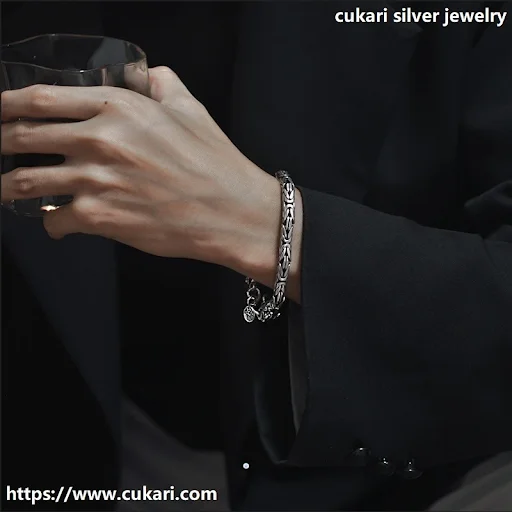
Men’s fashion has changed significantly over the last few years. Accessories are no longer limited to watches and belts, and more men are now using jewelry to express personality and individual style. Among all modern accessories, sterling silver bracelets and bangles have become some of the most versatile choices for everyday wear.
Unlike trend-driven fashion items that quickly lose popularity, silver jewelry continues to remain timeless. From minimalist streetwear to rugged vintage fashion, sterling silver complements a wide range of styles without looking excessive or overly formal.
Why Sterling Silver Jewelry Remains Popular
One of the biggest reasons sterling silver remains popular is its balance between luxury and practicality. Sterling silver has a premium appearance while still being wearable enough for everyday outfits.
Compared with cheaper plated accessories, genuine sterling silver develops a more natural look over time. Small scratches and oxidation often add texture and character instead of making the jewelry look damaged. This is one reason many people prefer handcrafted silver jewelry over mass-produced fashion accessories.
Handmade silver jewelry also carries a sense of individuality. No two handcrafted pieces feel exactly the same, especially artisan Thai silver styles with oxidized finishes and detailed textures.
Silver Bracelets and Everyday Men’s Fashion
Modern men’s fashion has become increasingly minimalist, which is why silver accessories fit naturally into today’s trends. A simple bracelet or bangle can add personality to an outfit without overpowering it.
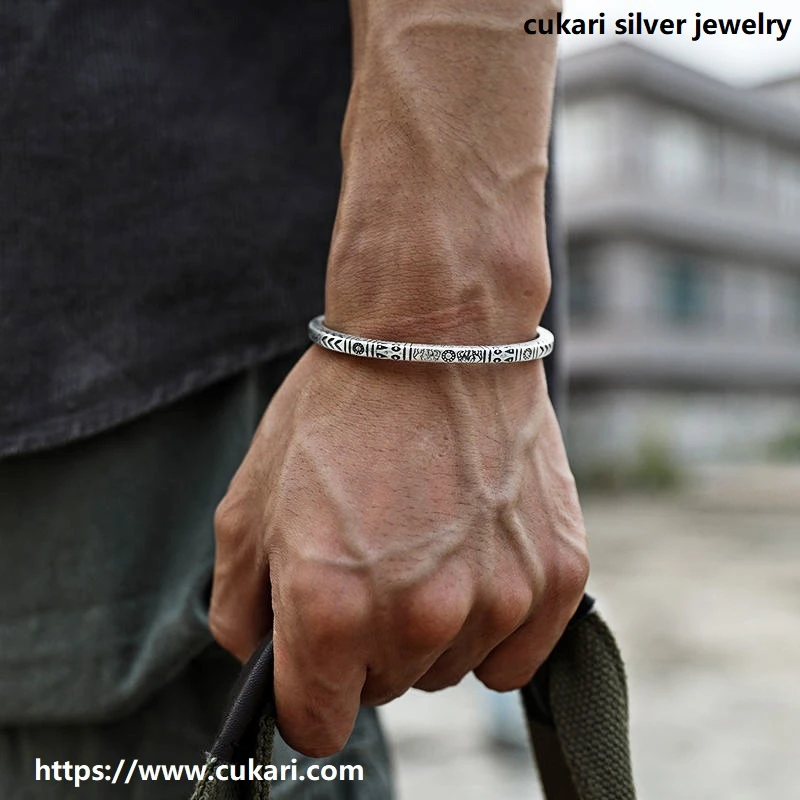
For example, artisan silver bracelet styles for men work especially well with:
- Streetwear
- Monochrome outfits
- Denim jackets
- Leather jackets
- Vintage-inspired fashion
- Minimalist casual wear
Silver jewelry is also highly versatile because it pairs easily with neutral colors like black, grey, white, navy, and earth tones.
Why Silver Bangles Are Trending
In recent years, silver bangles have become increasingly popular because of their cleaner and more refined appearance. Unlike oversized statement jewelry, bangles offer a more understated style that feels modern and wearable.
Many men now prefer layering accessories or combining different textures to create a more personal look. This trend has made minimalist silver bangle designs especially attractive for everyday fashion.
Another reason bangles continue to grow in popularity is comfort. Open cuff and bangle styles are often lightweight, easy to wear, and suitable for both casual and semi-formal occasions.
Handmade Jewelry and Long-Term Value
One advantage of sterling silver jewelry is longevity. Unlike inexpensive plated jewelry that can fade or peel after repeated use, genuine sterling silver can usually be polished and restored easily.
This makes handcrafted silver jewelry a better long-term investment for people who value durability and craftsmanship. Many silver enthusiasts also appreciate the way sterling silver naturally ages over time, creating a more vintage and authentic appearance.
For those interested in artisan craftsmanship and modern styling, the Cukari handcrafted silver collection combines traditional silverwork with contemporary men’s fashion trends.
Conclusion
Today, men’s jewelry is no longer only about luxury — it is about self-expression, craftsmanship, and individuality. Sterling silver bracelets and bangles continue to stand out because they offer timeless style, versatility, and durability in a way few accessories can.
Whether someone prefers rugged handcrafted textures or minimalist modern designs, silver jewelry remains one of the easiest and most stylish ways to elevate everyday fashion naturally.

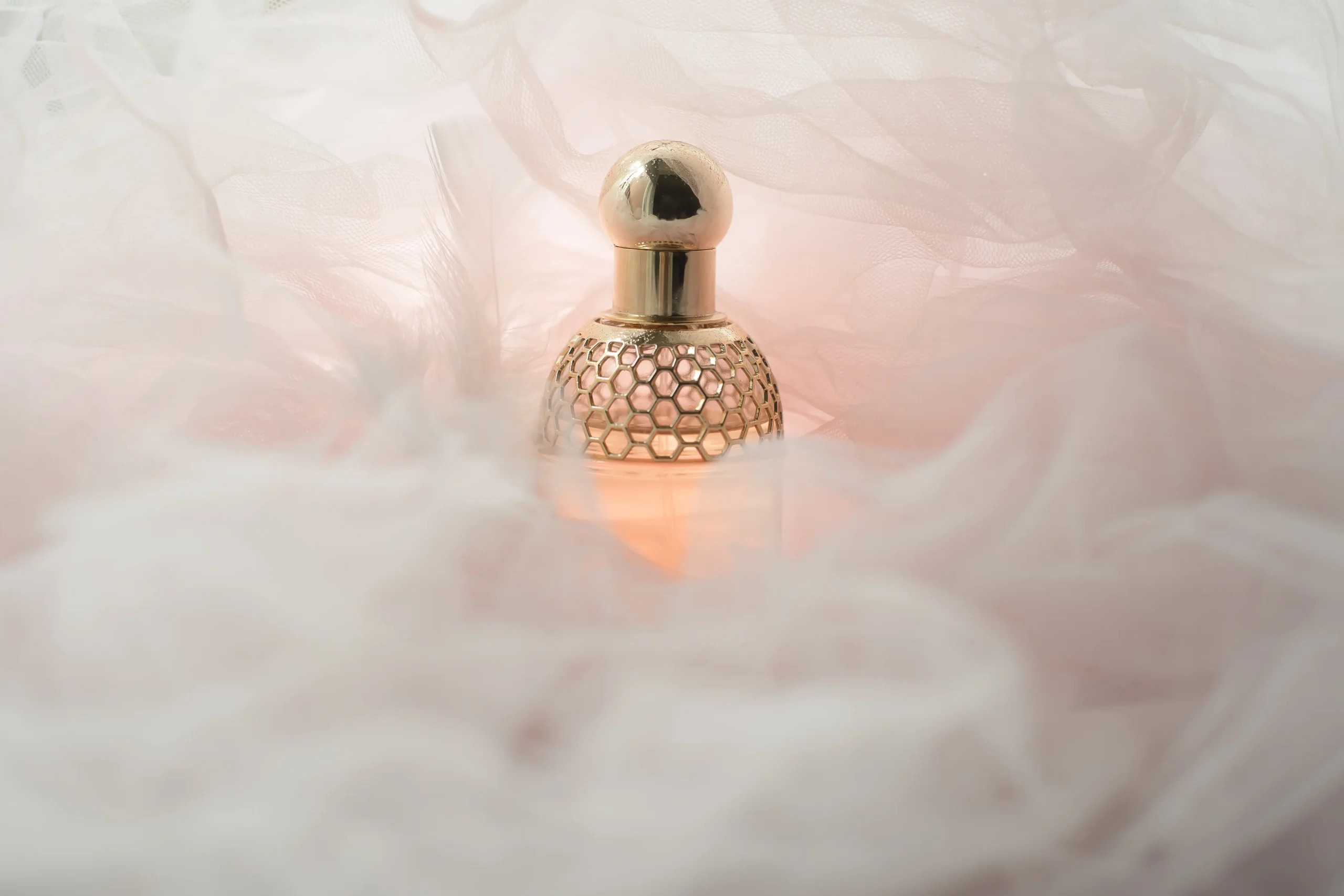
In the world of fragrances, a silent debate often swirls between the allure of niche perfumes and the mainstream charm of designer labels. At the heart of this discussion is not just a matter of preference, but an exploration into the artistry, exclusivity, and personal expression found in a bottle of perfume.
The Essence of Niche Perfumes
Whether you’re drawn to the subtle notes of a musky perfume or the bold declaration of a branded scent, understanding the differences between niche and designer perfumes can enrich your olfactory journey.
Niche perfumes are the hidden gems of the fragrance world, often crafted by artisan perfumers or specialized fragrance houses dedicated to unique olfactory experiences. These scents are characterized by their rarity, complexity, and the quality of ingredients used. Unlike their designer counterparts, niche perfumes are produced in smaller batches, allowing for greater creative freedom and attention to detail.
Uniqueness and Artistry
Niche fragrances frequently reflect the personal vision and artistic integrity of their creators. These scents are not designed for mass appeal but cater to individuals seeking a distinctive, personal scent narrative. This focus on uniqueness means that niche perfumes frequently explore unconventional scent profiles, including rare or unusual ingredients that are not typically found in mainstream perfumery.
Quality and Complexity
Another hallmark of niche perfumes is the emphasis on the quality of ingredients. Niche fragrance houses regularly source rare, exotic, or pure ingredients to create their compositions. This dedication to quality results in complex, layered scents that evolve on the skin over time, offering a truly personal and immersive scent experience.
Designer Perfumes: The Blend of Luxury and Accessibility
Designer perfumes, on the other hand, are synonymous with luxury fashion brands. These fragrances are designed to complement a brand’s identity and are often more accessible and widely distributed than their niche counterparts.
Branding and Marketing
The success of designer perfumes is closely tied to the brand’s image and marketing efforts. These fragrances benefit from high visibility, often being promoted through celebrity endorsements and lavish advertising campaigns. The association with a luxury brand adds a layer of prestige and desirability to the perfume, making it a popular choice for those looking to express their affiliation with the brand’s values and aesthetic.
Mass Appeal and Versatility
Designer perfumes are crafted with a broad audience in mind. They tend to feature more familiar, universally appealing scent profiles, making them versatile and easy to wear. While this may mean less complexity and uniqueness in individual scents, it also allows for a wider reach, making designer fragrances a staple in many people’s fragrance wardrobes.
The Decision Between Niche and Designer
Choosing between niche and designer perfumes ultimately comes down to personal preference and what you value in a fragrance. Do you seek a unique, complex scent that tells a personal story, or are you drawn to the allure and prestige of a luxury brand?
Price Considerations
It’s worth noting that niche perfumes often come with a higher price tag due to their limited production, quality ingredients, and unique compositions. Designer perfumes, while still luxurious, are generally more affordable and accessible, making them a popular choice for everyday wear.
Sampling and Exploration
Regardless of your preference, exploring the wide range of scents available in both niche and designer categories can be a rewarding journey. Many boutiques and online retailers offer samples or discovery sets, allowing you to experience a variety of fragrances before making a commitment.
The debate between niche and designer perfumes is not one of superiority but of personal taste and the experiences one seeks in a fragrance. Whether you’re captivated by the unique artistry of niche perfumes or the glamorous allure of designer scents, the world of fragrances offers endless possibilities for exploration and expression. By understanding the differences and embracing the vast spectrum of scents available, you can find the perfect fragrance that resonates with your individuality and style.
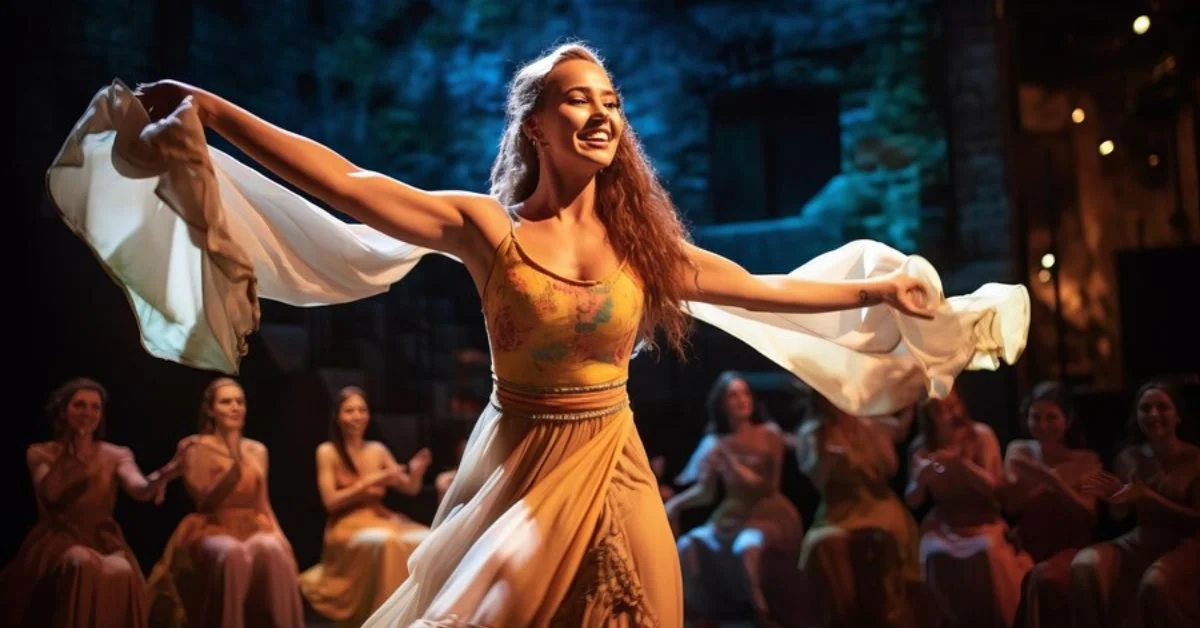
The history of Oriental dancing is rich and varied. Similar movements were in ancient Egypt. Therefore, this art has a thousand-year history of its development. At the same time, even in our time, they are not just not losing popularity but gaining it. Dancers need to have good skills for classes and appropriate attire.
Today it is not difficult to find the difference between belly dance costumes and Halloween costumes or other clothes timed to different events. Various shops sell modern costumes for this kind of dance class. However, traditional belly dancing costumes may offer Aida Style shops.
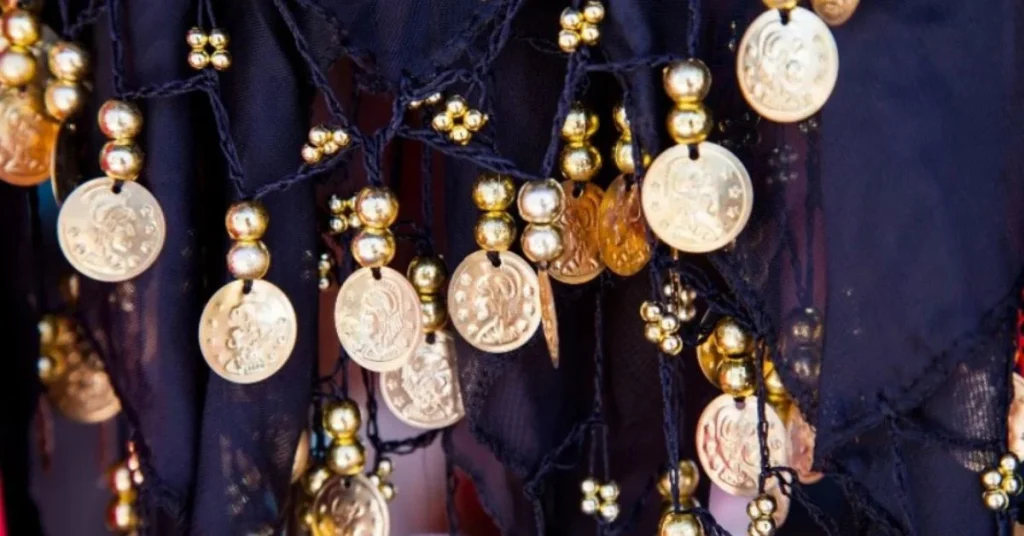
Newcomers in this field do not always realize the importance of buying such costumes. It is not just a tribute to certain traditions. Such clothes and accessories have the cultural significance of belly dancing costumes. They are created primarily for dancing and help to develop technique and better learn the movements. Therefore, authentic costumes should at least be considered for possible purchase.
Reasons to buy traditional belly dance costumes
Belly dancing is not just a physical activity. Rather it is a separate kind of art, which for years it is a pleasure to watch Professional dancers know that modern dances are somewhat different from the classical version. Therefore, to avoiding costume appropriation in belly dance they use traditional movements and garments. On the site Aida Style aida-style.com you can find a lot of such costumes. But why should one choose such garments?
There are several reasons for this choice, among them:
- the opportunity to feel like an inhabitant of ancient times;
- to get new sensations from the dance;
- no need to add additional accessories;
- traditional costumes help you do the basic movements better;
- they are tighter and shy dancers feel more confident.
This is not the entire list of advantages of such costumes. When choosing such options you need to pay attention to traditional fabrics for belly dance costumes. Among them are silk, chiffon, and velvet. They are also decorated with a small amount of coins, but with very beautiful patterns. It is a pleasure to dance in such costumes. But you need to know how to pick them up correctly.
Tips for choosing authentic belly dance costumes
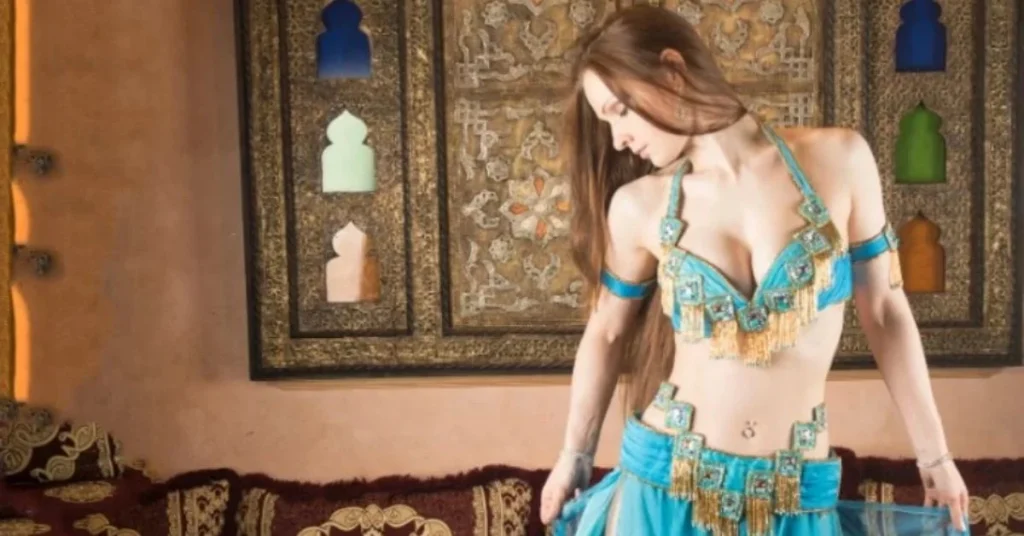
Most belly dance costumes combine tradition and elegance. But classic versions of the garments have unusual designs, bright colors, and elaborate embellishments (both fabric patterns and additions). There are different types of belly dance costumes by region. But all of them consist of 3 important elements:
- Bedlam;
- hip belt;
- veil.
Bedlam is the base of the costume, which has a top in the form of a top and a bottom in the format of a skirt (sometimes trousers). Many people have the question is it okay to wear a coin bra for belly dance? No one will forbid you to do it, but the classic top goes mostly without coins.
The waist belt is decorated as much as possible. It is he is an indicator of all the movements of the dancer. Therefore, it can be different coins, drawings, and additional patches. Veil allows you to create a mysterious image and it can be used as an object in the dance.
When choosing traditional costumes you should:
- choose them according to your physique;
- choose matching prints and colors;
- feel free to buy additional accessories to a classic costume.
However, it is important to buy only those details that are suitable for this suit.
Where to buy traditional authentic belly dance costumes

Paying respecting cultural origins in belly dance attire, dancers should try on the classic versions of these garments. In them, movements are less constrained, they are light and dance in such things comfortable. For dancers who participate in belly dance costumes for cultural performances, the presence of traditional clothes will be a huge advantage.
You can buy both classic and modern models of belly dance costumes in the online shop Aida Style. Here is a very wide selection of various costumes, which differ in:
- construction;
- colors;
- decorative elements;
- fabrics;
- styles.
Every dancer, both experienced and beginner, will be able to find here interesting variants. To order you just need to click a few times and the shop manager will call the customer back. After receiving a consultation, you can make an online payment and expect to receive the goods. Most parcels are delivered as quickly as possible. In some countries, you need to wait for delivery for 14 days.


 HOME IMPROVEMENT1 year ago
The Do’s and Don’ts of Renting Rubbish Bins for Your Next Renovation
- BUSINESS1 year ago
Exploring the Benefits of Commercial Printing
- HOME IMPROVEMENT10 months ago
Get Your Grout to Gleam With These Easy-To-Follow Tips

 HEALTH10 months ago
The Surprising Benefits of Weight Loss Peptides You Need to Know
- TECHNOLOGY1 year ago
Dizipal 608: The Tech Revolution Redefined
- HEALTH10 months ago
Your Guide to Shedding Pounds in the Digital Age
- BUSINESS1 year ago
Brand Visibility with Imprint Now and Custom Poly Mailers
- LAW1 year ago
7 Key Questions to Ask When Hiring a Criminal Lawyer