
TRAVEL & TOURS
Travel Tips: Making Your Journey Smooth and Stress-Free


Traveling, whether for business, leisure, or a special occasion, can be both exciting and daunting. The key to a successful trip lies in preparation, time management, and knowing how to navigate the inevitable hiccups that arise along the way. Here are some practical travel tips to ensure your next adventure is as smooth and enjoyable as possible.
1. Plan Ahead, But Leave Room for Flexibility
One of the best ways to reduce stress during your trip is by planning ahead. Make a checklist of things to do before you leave, like booking accommodations, researching local attractions, and ensuring your documents are in order. However, it’s also essential to allow some flexibility in your schedule. Sometimes, the best travel experiences are the ones that aren’t planned. Leave space in your itinerary for spontaneous adventures, local recommendations, or just some time to relax.
2. Pack Smart, Not Heavy
Packing efficiently is key to a stress-free journey. Aim for versatile clothing that can be mixed and matched. If you’re traveling to different climates, layering is a great way to adjust to changing weather conditions. Also, make sure to pack essential items like chargers, medications, toiletries, and travel documents in easily accessible parts of your bag. Don’t forget a power bank to ensure your devices stay charged, especially during long travel days.
Remember to weigh your luggage before heading to the airport, as airlines are strict with baggage allowances. Packing light doesn’t mean sacrificing comfort, but it does make maneuvering through airports and train stations much easier.
3. Be Prepared for Security
Whether you’re flying or taking a train, security checks are a routine part of modern travel. To save time, follow the TSA guidelines for air travel: liquids should be in containers of 3.4 ounces or less, and laptops and other large electronics should be easily accessible for screening. At train stations, ensure your ticket and ID are ready for inspection.
By preparing ahead, you’ll breeze through security without unnecessary stress. Keep your valuables, like passports and credit cards, in a secure yet easily accessible place to avoid delays.
4. Stay Organized With Technology
Smartphones and travel apps have revolutionized the way we travel. Use them to your advantage to keep your trip organized. From booking flights and hotel rooms to getting real-time updates on your flight’s status, apps like Google Maps and TripIt can be your best friend on the road.
In addition, there are useful apps for currency conversion, local transportation routes, and even translation. Make sure to download essential apps before you depart, so you’re not scrambling to connect to Wi-Fi upon arrival.
5. Keep Your Documents Safe
Travel documents like your passport, flight tickets, and hotel reservations are vital. Always carry hard copies of important documents and keep them in a safe but easily accessible place. In addition to the physical copies, it’s a good idea to store digital copies on your phone or in cloud storage for easy retrieval in case they are lost or stolen.
For extra peace of mind, consider investing in a travel wallet or neck pouch to keep your documents secure and out of sight.
6. Consider Your Luggage Storage Options
Sometimes, your travel schedule doesn’t align with hotel check-in or check-out times. If you find yourself with hours of free time before or after your stay, luggage storage services can be a lifesaver. This is particularly helpful in large cities where exploring with heavy bags is inconvenient.
If you’re traveling in London, for example, left luggage Charing Cross Station is a convenient option. It allows you to drop off your luggage in a secure location while you enjoy the sights, whether you’re exploring the local museums, theaters, or parks. These services often have online booking options, so you can plan your luggage drop-off ahead of time.
7. Stay Hydrated and Take Breaks
Long journeys can be exhausting, so it’s important to stay hydrated and take breaks when needed. Airplanes, trains, and buses often have dry air that can dehydrate you, so drink plenty of water throughout your trip. Avoid excessive caffeine and alcohol, as they can have the opposite effect and leave you feeling tired or jittery.
During long layovers or road trips, take the time to stretch your legs and move around. Walking around for just a few minutes can refresh you and reduce fatigue.
8. Learn Local Etiquette and Phrases
Understanding local customs and a few basic phrases in the native language can go a long way in making your trip more enjoyable. Even if you don’t speak fluently, locals appreciate when travelers make an effort. Simple greetings, thank you, and please can open doors and help you navigate in unfamiliar areas.
Research cultural norms before you go, especially if you’re traveling to a country with very different practices from your own. It can prevent any unintended faux pas and ensure a smoother experience while interacting with locals.
9. Take Advantage of Local Transportation
Navigating new cities can be daunting, but public transportation often offers a cheap and efficient way to get around. In many cities, metros, buses, and trams are fast, affordable, and provide a genuine local experience. Make sure to buy any necessary tickets or passes in advance if possible, as this will save you time.
If public transportation is unavailable or inconvenient, taxis or ride-sharing services are a good option. Keep in mind that many services now have apps to help you track your rides in real time.
10. Enjoy the Moment
Finally, remember that travel is about the experience, not just the destination. It’s easy to get caught up in logistics, but make sure to take the time to appreciate the journey. Whether it’s savoring a local dish, watching the sunset, or simply people-watching, make each moment count.
By following these travel tips, you can minimize stress and maximize enjoyment during your trip. The world is waiting t
FAQs
1. What should I pack for a trip?
Pack versatile clothing that can be layered for different weather conditions. Don’t forget essential items like your passport, chargers, medications, and toiletries. Always keep valuable items in easily accessible and secure places.
2. How can I stay organized while traveling?
Use travel apps for booking flights, managing itineraries, and navigating local transportation. Keep your travel documents in a secure travel wallet, and consider storing digital copies for added security.
3. What is ‘left luggage’ and how does it work?
Left luggage services allow you to store your bags at train stations or airports while you explore the city. For example, left luggage at Charing Cross Station in London is a convenient option for storing your belongings safely during your trip.
4. How can I avoid jet lag?
Stay hydrated, adjust your sleep schedule before your trip, and avoid alcohol or excessive caffeine. Try to align with the local time zone as soon as possible by getting outside in natural light.
5. How can I stay safe while traveling?
Keep your documents and valuables secure in a travel wallet. Use reputable transportation services and be mindful of your surroundings. Learn a few basic local phrases and cultural norms to ensure smooth interactions.


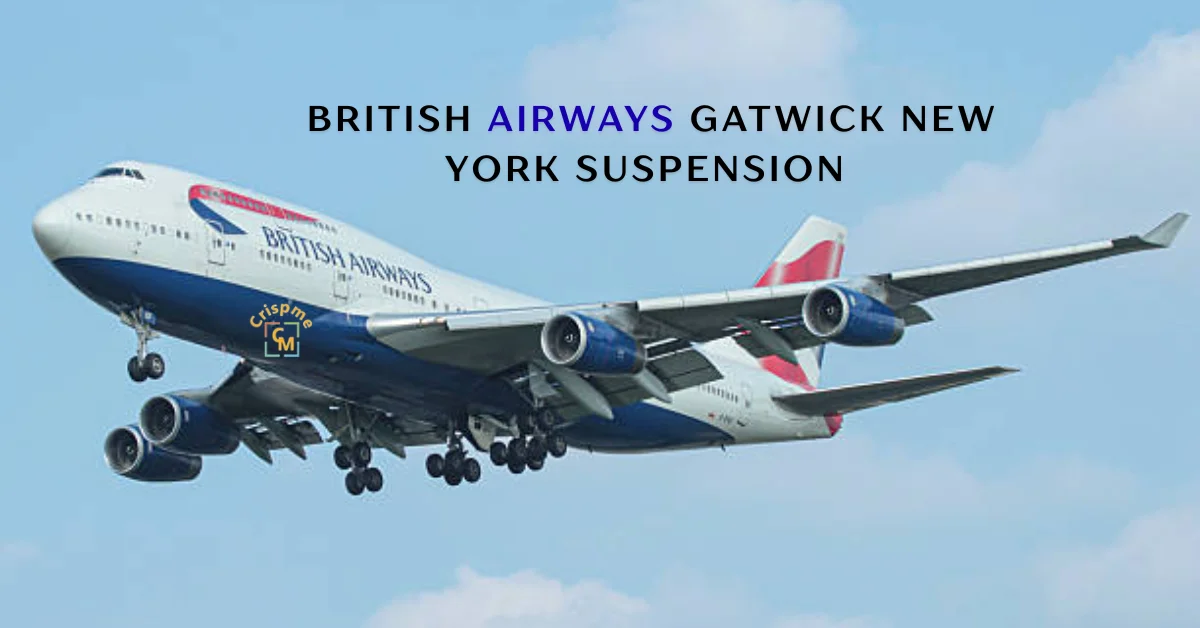
Introduction to British Airways Gatwick New York Suspension
Traveling to New York is a dream for many, and British Airways has long been a preferred choice for UK travelers. However, the recent suspension of flights from Gatwick Airport to the Big Apple has raised eyebrows and sparked concerns among those eager to explore the bustling streets of Manhattan. With travel plans up in the air, it’s essential to understand what led to this unexpected disruption and how it affects your future journeys. Let’s dive into the details surrounding the British Airways Gatwick New York suspension and what it means for avid adventurers seeking their next getaway.
Reasons for the Suspension
The suspension of British Airways flights from Gatwick to New York has raised eyebrows across the travel industry. One significant factor is the current economic climate. Rising operational costs, including fuel and staffing expenses, have made long-haul routes less profitable.
Additionally, a shift in consumer demand plays a role. Many travelers are prioritizing shorter trips or alternative destinations. This change has led airlines to reevaluate their schedules and routes strategically.
Operational challenges also cannot be overlooked. The ongoing effects of the pandemic have strained resources at airports like Gatwick, leading to capacity issues that complicate flight operations.
Regulatory pressures may impact decisions regarding international travel routes as governments continue adapting policies based on public health data. All these reasons intertwine to influence British Airways’ choice regarding its Gatwick-New York service.
Impact on UK Travelers
The suspension of British Airways flights from Gatwick to New York has left many UK travelers in a state of uncertainty. For those planning vacations or business trips, this disruption can be particularly frustrating.
Travelers who had booked flights now face the daunting task of re-arranging their plans. With limited options available, some may have to explore alternative airports or even consider different airlines for transatlantic journeys.
Additionally, the emotional impact can’t be overlooked. Many couples and families look forward to visiting loved ones across the pond. The sudden halt disrupts these cherished reunions and adventures.
Moreover, potential economic implications arise as tourism and travel-related businesses feel the squeeze from reduced passenger numbers. This situation serves as a reminder of how interconnected global travel is and how quickly things can change.
Alternative Options for Traveling to New York from the UK
For travellers seeking alternatives to the British Airways Gatwick New York suspension, options abound. Consider flying from other London airports like Heathrow or Luton. These hubs offer a variety of airlines with competitive prices.
Direct flights can often be booked through carriers such as Virgin Atlantic and American Airlines. Both airlines provide comfortable services and flexible schedules.
Another route could involve connecting flights via major European cities like Amsterdam or Dublin. This option might take longer but can sometimes yield lower fares.
If you’re open to exploring different travel modes, consider ocean liners for a unique experience. While this choice is less time-efficient, it offers an unforgettable journey across the Atlantic.
Don’t forget about budget airlines that may serve nearby US destinations. A short domestic flight within America can easily connect you to New York City after landing elsewhere.
Customer Reactions and Feedback
The reaction to the British Airways Gatwick New York suspension has been mixed. Many frequent flyers express frustration over the sudden change in their travel plans. Some had already booked flights and are now left scrambling for alternatives.
Social media platforms buzz with comments from travelers sharing their disappointment. A number of them feel this decision disrupts essential business trips and family visits.
On the other hand, some customers understand that operational changes can happen. They appreciate transparency from airlines during challenging times. Others are eager to see how British Airways will address the situation moving forward.
Customer service teams have been inundated with inquiries, showing just how much this affects many people’s lives. It’s evident that open communication is vital as passengers navigate these unexpected hurdles in travel arrangements.
Future Plans for British Airways at Gatwick Airport
British Airways is currently evaluating its strategies for Gatwick Airport. The suspension of the New York route has sparked discussions about future operations.
With travel patterns shifting, the airline sees opportunities to adapt its offerings. There may be a focus on enhancing long-haul routes that align with traveler demand.
Investments in technology and customer experience are also likely priorities. British Airways aims to streamline booking processes and improve onboard services.
Additionally, partnerships with other airlines could emerge as a viable strategy. By collaborating, they can expand their network without increasing operational complexities.
The airline’s commitment to sustainability may play a role in shaping future flights from Gatwick as well. Modernizing fleets and reducing carbon footprints will resonate with eco-conscious travelers.
As plans unfold, customers can expect updates reflecting British Airways’ evolving vision at Gatwick Airport.
Conclusion
The suspension of British Airways flights from Gatwick to New York has sent ripples through the travel community. While this decision stems from various strategic and operational reasons, its effects are palpable for many UK travelers who cherish their trips across the Atlantic.
As passengers seek alternative routes or airlines, they may also discover new opportunities to explore different cities and experiences along the way. The landscape of international travel continues to evolve, with customer feedback playing an increasingly vital role in shaping airline policies moving forward.
With British Airways adjusting its operations at Gatwick, there’s a sense of anticipation about future plans. Whether it involves reinstating direct flights or introducing new services, travelers will be keenly watching how these developments unfold.
Navigating this temporary disruption can lead to fresh adventures while keeping an eye on what comes next for transatlantic travel. For now, staying informed is key as both airlines and customers adapt in this dynamic environment.
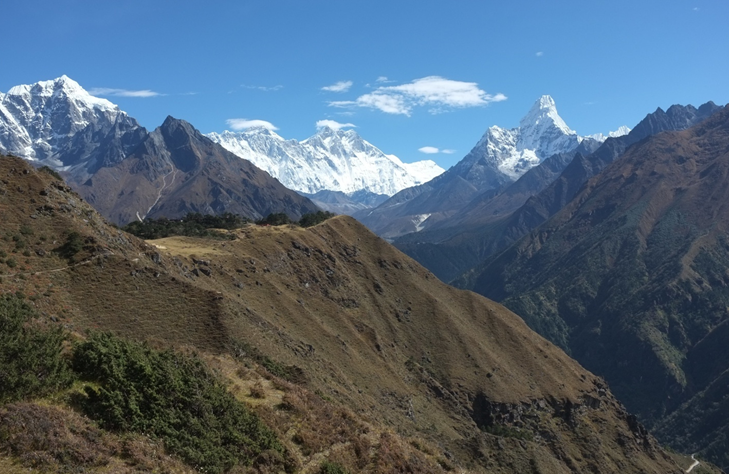
Placed with a few of the tall peaks of the Himalayas, Everest Base Camp is a lovely vacation spot for adventurers and nature explorers. For many folks, this adventure can be a once-in-a-lifetime experience – not simply to get the breathtaking mountain scenery of the mountains but also to explore more about the mountain lifestyle.
When it comes to reaching Everest Base Camp, trekkers ought to determine whether or not to choose the classic route or alternative much less traveled routes. Each route has its charms and challenges, which incorporate different tastes and abilities.
Comparing Classic Routes vs. Alternative Routes to Everest Base Camp
Eventually, the traditional classic route leading up to the small mountain city of Lukla and on to cute Sherpa villages like Namche Bazaar, home to colorful prayer flags that hang in the thin mountain air, Tengboche Monastery, an impressive, silent testimony of Sherpa spirituality.
The main attraction of this route is the climb to Kalapatthar, with panoramic vistas of Everest and nearby mountains covered with the golden light of the sun. However, this classic route comprises lots of hurdles. The altitude is difficult, requiring careful acclimatization to avoid altitude sickness. In addition, it comes with congested roads and limited accommodation.
However, the alternative, for example, the Gokyo Lake Walk, represents a high level of trekking enjoyment. Passes through the pristine terrain around Lake Gokyo and cross the Renzo La Pass to experience calmness and solitude in the majestic Himalayas.
As shown above, the alternative routes are not without challenges – long days of walking and more remote routes, often without the facility of proper tea houses. Whether you select the classic route or the alternative one to Everest Base Camp, the trek could be a memorable revel in, loaded with top-notch moments and unforgettable experiences.
Classic Route: The Everest Base Camp Trek via Lukla
The most popular way to get to Everest Base Camp, through the town of Lukla, is a legendary route that offers the hiker a journey through the most beautiful places on the planet. Below we will describe in detail what the hiker “encounters” along this classic route.
Major Highlights of Classic Route to Everest Base Camp
1. Flights from Kathmandu to Lukla:
The adventure starts with a flight from Kathmandu to Lukla. The small airport ahead of the Lukla is situated at the edge of a cliff. The short scenic trip provides you with fantastic views of the Himalayas and clear views of Mount Everest. Landing at Lukla is an enjoyment in itself, as the runway is considered one of the most dangerous ones in the world.
2. Entry Point into the Khumbu:
The trek into the Khumbu area, starting from Lukla at the base of some of the highest peaks in this part of the world. While walking, one would be listening to the sound of rivers flowing and surrounded by junipers, pines, and rhododendrons.
3. Namche Bazaar:
After some days of trekking, we reach Namche Bazaar; which serves as the capital of the Khumbu district. It looks like you’ve arrived at the center point of this location with the market hub, old-fashioned tea houses, and a wide-ranging view of Everest in addition to the nearby mountains.
4. Acclimatization:
This high-altitude town is an ideal place to get adapted to thin air before one starts climbing above this place. You can use this opportunity to explore around or even hike up to places such as Everest View Hotel or Khumjung Village so that you will enjoy fantastic mountain views and acclimatize further.
5. Tengboche Monastery:
The tour then heads towards Tengboche, which is famous for its beautiful monastery. This monastery is of great importance in this area. Tengboche Monastery is located on top of a hill with a clear view of Everest from all angles so there is calm meditation and contemplation.
6. Climbing Kala Patthar:
The main activity of the trek is the climb of Kala Patthar, the panoramic view of Everest Base Camp, and the summit of Kalapatthar. You will be rewarded with nearby peaks like Everest, and Lhotse, and enjoy the stunning Nuptse.
7. Everest Base Camp:
This trek ends at Everest Base Camp, a camping station at the foot of the highest mountain for trekkers who stand in front of Everest and are surrounded by massive glaciers and explore extraordinary awesomeness.
The Lukla to Everest Base Camp trek isn’t only a physical challenge—it’s also a cultural and religious adventure in the Himalayas that leaves an unforgettable memory for a lifetime.
Challenges you may face in classic routes to Everest Base Camp:
1. Altitude:
Trekking to Everest base camp through Lukla demands high altitude, the peak altitude on the Kala Pathar is 5,643 meters (18,514 ft). Climate is critical to protect yourself from the symptoms of altitude sickness.
2. Crowds:
The mode of travel is preferred by travel enthusiasts, especially during peak times, which has resulted in crowded roads, crowded tea houses, and a few shelters that have been an alternative in hard times.
3. Climate change:
Himalayan climates can be extremely erratic, with clear to moderate temperatures, unpredictable snowfall, and strong winds. Rapidly changing factors can make trek difficult to see and handle road conditions, especially at high altitudes.
4. Physical Activity:
Trekking to Everest Base Camp is a strenuous exercise. The trek takes hours over rough terrain and steep hills. Hikers should therefore be in excellent physical condition and be prepared for several consecutive days of exertion at high altitudes.
5. Health risks:
First Aid is important because clinical centers are not accessible and tourists may also face other fitness concerns such as becoming unwell at high elevations, which include dehydration, digestive problems, rock falls, and injuries. During catastrophic contamination, hikers must also get insurance coverage that consists of emergency assistance.
Alternative Route: The Everest Base Camp Trek Via Gokyo Lakes Trek
The Gokyo Lake Trail provides an exciting alternative to Everest Base Camp and offers trekkers a very unique and less traveled route through the breathtaking landscapes of the Everest region. Below we will describe in detail what the hiker “encounters” along this route.
Major Highlights of Alternative Routes to Everest Base Camp
1. Starting Points in Lukla:
Like the traditional route, the Gokyo Lake Trek starts with a scenic flight from Kathmandu to Lukla, giving the trekkers an awe-inspiring aerial view of the Himalayas before landing at Lukla airport.
2. Diverging Path:
From Lukla, the Namche Bazaar just like the classic route, trekkers on the Gokyo Lakes Trek get to the Dudh Koshi Valley, setting the background for a distinctive adventure altogether.
3. Magnificent forests and villages:
The route takes you through dense forests of rhododendrons and pine trees, followed by Sherpa villages including Fakding and Monjo. Along the way, travelers are welcomed and admire the places like prayer flags in the wind and the soothing music of mountain streams.
4. Getting around Namche Bazaar:
Like the traditional guide, the Gokyo Lake Trek includes some flexibility in Namche Bazaar. Travelers can explore colorful markets, visit the Sherpa Museum, and take in the breathtaking views of Everest and nearby mountains.
5. Climb Gokyo Lakes:
The highlight of the trip is Gokyo Lake, a series of silent snow lakes situated in the high Himalayas. Travelers climb to Gokyo Village, where they can be amazed at scenic views and the tranquility of the lake.
6. Crossing the Renzo La Pass:
This trek involves a steep climb through the Renzo La Pass, offering spectacular views of Everest, Cho Oyu, Makalu, and various Himalayan giants. The pass serves as an exciting high point of the trek, with awesome views of the surrounding mountains.
7. Gokyo Ri Summit:
Similar to Kala Patthar on the classic route, trekkers on the Gokyo Lakes Trek can ascend Gokyo Ri, a nearby hill imparting beautiful views of Everest and the encircling Himalayan panorama. The dawn view from Gokyo Ri is a spell-binding view you should never miss.
8. Return Journey:
After immersing in the local beauty of Gokyo Lake, hikers return to Lukla, along with unforgettable experiences on their journey as they pass through villages and even in familiar lands.
The Gokyo Lake Trek is an exciting opportunity for the alternative Everest Base Camp route, offering trekkers the chance to explore remote peaks, pristine lakes, and spectacular mountain views away from the crowds promising solitude, peace, and awe in the glory of the Himalayas.
Challenges you may face in alternative routes to Everest Base Camp:
1. Long walk:
The Gokyo Lake walk is longer and requires more days of walking compared to the old classic route through Lukala which requires good physical fitness and stamina.
2. Remote Terrain:
Parts of the Lake Gokyo trekking route cross remote and rugged terrain, where facilities including tea houses and hospitality may be prohibited.
3. Difficult hiking:
While the trails to Everest Base Camp are often well-marked, hiking can still be impossible, especially in critical weather or in areas where the trail is less well-defined. A map is required, GPS devices or guidebooks are the basic navigational weapons for travelers.
4. Increased Costs:
Trekking to Everest Base Camp, by traditional or other means, can be expensive due to the overall cost of the trek which includes permit fees, travel expenses, accommodation, food, luggage, and hiring guides or porters. Having the right budget and planning can help minimize the financial challenges of travel.
5. Environmental Impact:
The rise in popularity of trekking to Everest Base Camp has raised concerns about its environmental impact on the fragile Himalayan ecosystem. Overcrowding, improper waste disposal, and deforestation can degrade the surroundings and harm nearby flora and fauna.
Trekkers must adhere to Leave No Trace standards, reduce their carbon footprint, and support sustainable tourism practices to mitigate their impact on the area’s delicate atmosphere.
Choosing the Right Route for You: Classic Vs Alternative Route to Everest Base Camp
If you decide to trek to Everest Base Camp, it is important to pack your essentials, consider your physical abilities, and have enough food for the trek. The classic route through Lukla and the alternative route through the Gokyo Lake trek offer unique experiences, each with incredible, awesome, inspiring views and challenges.
The classic Lukla route is the most traveled and is famous for its breathtaking scenery and densely populated Sherpa villages. If you’re looking for a Everest base camp trek with ultimate luxury, chohose the classic route, and have breathtaking views of the region’s largest mountain, this route could be a good fit.
The adventure starts with an interesting flight from Kathmandu to Lukla, setting the adventure full of scenic vistas, colorful markets in Namche Bazaar, and non-secular moments at Tengboche Monastery. Ascending to Kala Patthar gives a panorama view of Everest and its surrounding Himalayas, making it adventurous.
Conversely, if you choose an extra serene and amazing path, the Gokyo Lakes Trek offers a charming opportunity. This route highlights the magnificence of the Himalayas, presenting calm lakes, remote valleys, and few humans. The adventure to Gokyo Village and its surrounding lakes gives a peaceful view from the hustle and bustle of more well-known trails.
Crossing Renjo La Pass rewards trekkers with panoramic vistas that rival the ones of Kala Patthar, offering unique scenes on the Himalayan landscape. After all, whether you opt for the classic route or the Gokyo Lake, each promises memories of Everest and unforgettable sights.
Each route has challenging conditions, from the heights they change to remote land treks, but the rewards are far beyond limits. Planning a trek to Everest Base Camp is not the ideal physical journey but a transformative pleasure that leaves an indelible mark on your soul.
The Final Wrap Up
It doesn’t matter at all whether you choose the classic route through Lukla or the alternative Gokyo Lakes Trek to reach Everest Base Camp. Each route heading to Everest Base Camp provides an awesome hiking trail for trekkers.
The classic route offers appealing views like Namche Bazaar and Kalapattar but can get crowded at some point during the best seasons, while the Gokyo Lake Hike gives serene and less-crowded views but requires lots of days of trekking and sightseeing.
Ultimately, Trekking depends on your choices, your fitness level, and your choice of travel. If you are looking for a basic Everest experience with Sherpa villages and panoramic views, the classic route will be perfect for you. But if you prefer a silent trek in pristine lakes and valleys, the Gokyo Lake Treks offers a fun adventure.
Whichever direction you pick out, a trip to Everest Base Camp is an entire life journey full of brilliant moments and unforgettable memories. So, get geared up with your boots, face the adverse situations, and head directly to the top of the world.


Planning a trip to Desert Safari Dubai in June 2024? June in Dubai marks the onset of the summer season, bringing intense heat and clear skies. Here’s a detailed weather forecast for June 2024 to ensure you’re well-prepared for your desert safari experience.
Typical Weather Conditions in June
June is one of the hottest months in Dubai, characterized by high temperatures and minimal rainfall.
Here’s what you can typically expect:
Temperatures Daytime: Temperatures in June can soar, with daytime highs typically ranging between 38°C (100°F) and 45°C (113°F).
Nighttime: Evenings and nights remain warm, with temperatures usually between 28°C (82°F) and 33°C (91°F). While it’s cooler than the daytime, it’s still relatively warm, making it essential to choose appropriate clothing.
Humidity Levels: Humidity in June varies but generally stays around 50-60%.
Rainfall
Precipitation: Rain is rare in June, with virtually no rainfall expected. The dry conditions make it ideal for outdoor activities, ensuring clear skies and uninterrupted adventures.
Wind
Winds: Mild to moderate winds are typical, providing some relief from the intense heat. However, occasional sandstorms can occur, so it’s wise to be prepared.
Preparing for Your Desert Safari
Given the harsh weather conditions in June, it’s crucial to plan and prepare adequately for your desert safari.
Light and Breathable:
Wear light, breathable fabrics like cotton or linen to stay cool. Loose-fitting clothes are ideal as they allow for better air circulation.
Sun Protection:
Long sleeves and pants can also shield your skin from direct sunlight. Footwear: Choose comfortable, closed-toe shoes suitable for walking on sand. Avoid flip-flops as they can make navigating the dunes challenging. Hydration
Keep Yourself Hydrated:
Drink lots of water on a regular basis to prevent dehydration. Drinks that replace electrolytes can also be advantageous. Steer Clear of Alcohol: It’s advisable to stay away from alcohol throughout your desert safari because it can cause dehydration. Time of Day
Morning and Evening Tours:
Opt for early morning or late afternoon tours when temperatures are relatively cooler. Midday safaris can be extremely hot and less comfortable. Duration: Shorter tours are advisable in June to minimize exposure to the extreme heat.
Safety Precautions
Sun Protection: Use sunscreen generously and reapply if needed. Seek shade whenever possible. Health Precautions: If you have any health conditions that could be exacerbated by heat, consult with a medical professional before planning your trip. Enjoying the Desert Safari Experience Despite the heat, a desert safari in Dubai offers unique experiences that make it worthwhile.
Conclusion
In Desert Safari, June 2024, For those who are brave and able to withstand the heat, Dubai guarantees hot and dry weather. You can have an unforgettable desert safari trip if you take the necessary safety steps and prepare ahead. Make sensible travel plans, drink enough water, and take in the breathtaking and thrilling scenery of Dubai’s desert terrain.




 HOME IMPROVEMENT1 year ago
The Do’s and Don’ts of Renting Rubbish Bins for Your Next Renovation
- BUSINESS1 year ago
Exploring the Benefits of Commercial Printing
- HOME IMPROVEMENT9 months ago
Get Your Grout to Gleam With These Easy-To-Follow Tips

 BUSINESS1 year ago
Brand Visibility with Imprint Now and Custom Poly Mailers
- TECHNOLOGY12 months ago
Dizipal 608: The Tech Revolution Redefined
- HEALTH9 months ago
Your Guide to Shedding Pounds in the Digital Age
- HEALTH9 months ago
The Surprising Benefits of Weight Loss Peptides You Need to Know
- LAW1 year ago
7 Key Questions to Ask When Hiring a Criminal Lawyer







