
BUSINESS
How to Find the Best Deals on Luxury Yachts for Sale


Purchasing a luxury yacht is a significant investment that promises unparalleled experiences on the open water. However, finding the best deals on luxury yachts for sale requires careful research, strategic planning, and keen negotiation skills. This article will guide you through the process of securing the best deals on luxury yachts for sale, ensuring you get maximum value for your investment.
1. Research and Understand the Market
Understanding the luxury yacht market is crucial for identifying the best deals. Start by researching different types of yachts, their features, and current market trends. Familiarize yourself with the average prices for various models and sizes to gauge what constitutes a fair deal.
Key Steps:
- Market Analysis: Study recent sales data and market reports to understand pricing trends.
- Yacht Types: Learn about different types of yachts, such as motor yachts, sailing yachts, and expedition yachts, and their respective price ranges.
- Brand Reputation: Research reputable yacht builders and brands known for quality and durability.
2. Set a Realistic Budget
Establishing a realistic budget helps narrow down your options and ensures you focus on yachts within your financial reach. Consider both the purchase price and ongoing expenses such as maintenance, insurance, crew salaries, and docking fees.
Key Considerations:
- Purchase Price: Determine your maximum purchase price based on your financial situation.
- Operating Costs: Factor in annual operating costs, which can be significant.
- Financing Options: Explore financing options if needed, such as yacht loans or leasing arrangements.
3. Work with Reputable Yacht Brokers
Engaging a reputable yacht broker can significantly simplify the buying process and help you find the best deals. Brokers have extensive industry knowledge, access to a wide range of listings, and negotiation expertise.
Key Benefits:
- Industry Connections: Brokers often have insider access to off-market deals and new listings.
- Negotiation Skills: Experienced brokers can negotiate better prices and terms on your behalf.
- Guidance: Brokers provide valuable advice on yacht selection, inspections, and legal paperwork.
4. Explore Multiple Listings
Expanding your search to multiple listings increases your chances of finding a great deal. Utilize various platforms and resources to access a comprehensive range of available yachts.
Key Platforms:
- Online Marketplaces: Websites like YachtWorld, Boat Trader, and Boats.com offer extensive listings of luxury yachts for sale.
- Broker Websites: Check the websites of reputable yacht brokers for exclusive listings.
- Yacht Shows: Attend yacht shows and expos to view a wide selection of yachts in one place and meet brokers in person.
5. Consider Pre-Owned Yachts
Buying a pre-owned yacht can offer significant savings compared to purchasing a new one. Pre-owned yachts often come with additional equipment and upgrades, providing better value for money.
Key Considerations:
- Condition: Ensure the yacht is well-maintained and in good condition by conducting thorough inspections.
- History: Review the yacht’s maintenance records, previous ownership, and usage history.
- Depreciation: Pre-owned yachts have already undergone initial depreciation, potentially offering a better return on investment.
6. Conduct Thorough Inspections
A thorough inspection is essential to verify the yacht’s condition and identify any potential issues. Hire a professional marine surveyor to conduct a comprehensive evaluation of the yacht’s structure, systems, and equipment.
Inspection Checklist:
- Hull and Deck: Check for signs of damage, wear, or structural issues.
- Mechanical Systems: Inspect engines, generators, and propulsion systems for performance and condition.
- Electrical Systems: Verify the functionality of electrical components, navigation equipment, and lighting.
- Safety Equipment: Ensure all safety equipment is present and in good working order.
7. Negotiate the Price
Negotiation is a critical step in securing the best deal on a luxury yacht. Use your market research, inspection results, and broker’s expertise to negotiate a fair price.
Negotiation Tips:
- Market Value: Base your offer on current market values and comparable sales.
- Inspection Findings: Use any issues identified during the inspection as leverage to negotiate a lower price.
- Flexibility: Be willing to walk away if the seller is not amenable to reasonable terms.
8. Consider Off-Season Purchases
Buying a yacht during the off-season can yield substantial savings. Sellers may be more motivated to close deals during slower periods, leading to better prices and terms.
Off-Season Benefits:
- Lower Prices: Reduced demand during the off-season often results in lower prices.
- More Negotiation Power: Sellers may be more flexible and open to negotiation.
- Availability: A wider selection of yachts may be available as fewer buyers are competing.
9. Review Legal and Financial Documents
Ensure all legal and financial documents are in order before finalizing the purchase. This includes the bill of sale, title transfer, and any financing agreements.
Key Documents:
- Bill of Sale: Verify the details of the sale, including the purchase price and terms.
- Title Transfer: Ensure the title is transferred correctly and any liens are cleared.
- Insurance: Obtain comprehensive insurance coverage for your yacht.
10. Plan for Ownership Costs
Beyond the purchase price, consider the ongoing costs of owning a luxury yacht. This includes maintenance, repairs, crew salaries, mooring fees, and insurance.
Ownership Costs:
- Maintenance: Regular upkeep is essential to maintain the yacht’s value and performance.
- Crew: Budget for salaries, training, and accommodations for your crew.
- Mooring: Account for docking fees at marinas or private moorings.
Find the Best Deals on Luxury Yachts for Sale
Finding the best deals on luxury yachts for sale requires thorough research, strategic planning, and skilled negotiation. By understanding the market, setting a realistic budget, working with reputable brokers, and considering pre-owned yachts, you can secure a great deal on the perfect vessel.
Conduct thorough inspections, negotiate effectively, and plan for ongoing ownership costs to ensure a smooth and rewarding yacht ownership experience. With the right approach, you can enjoy the ultimate luxury and adventure on the open water.


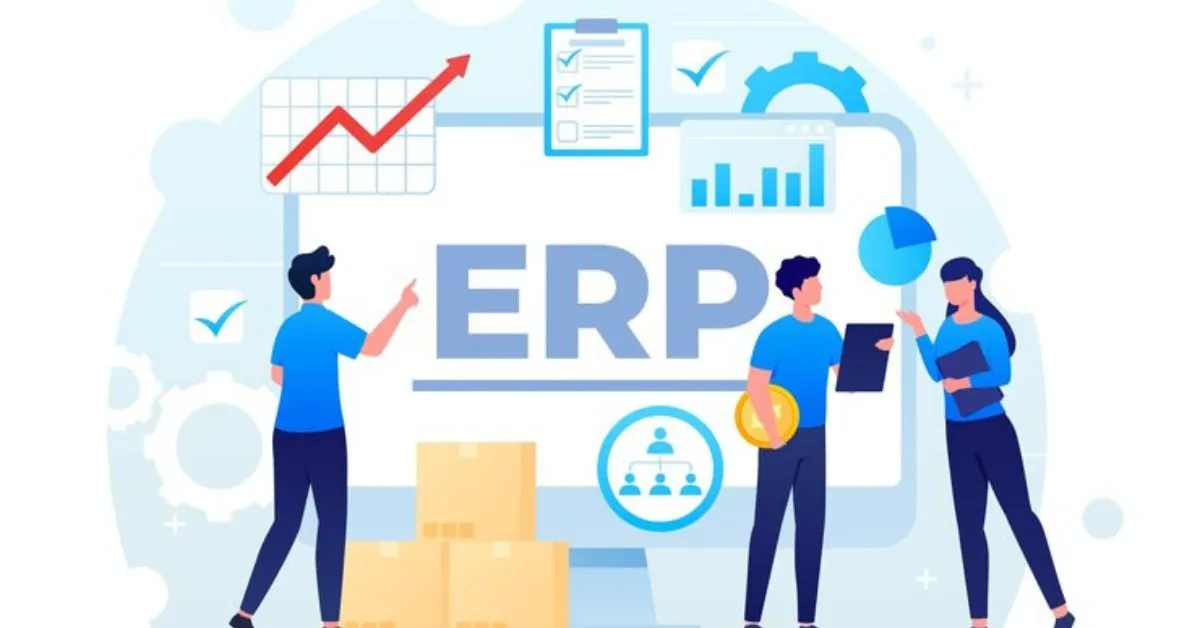
ERP implementation failure in any company, including manufacturing organization, is the worst-case scenario. The implementation team will deploy the best strategies to avoid ERP implementation failure.
However, even after giving the best efforts, the implementation team sometimes fails to deploy the ERP system effectively. Often, troubled implementations are behind schedule, cost more than the pre-determined budget, or fail to deliver expected business benefits. The aftermath of such project failure can disrupt operations in the manufacturing unit and demoralize employees at every level.
You can restore your manufacturing business confidence and re-align the production projects with business priorities by deploying a successful Manufacturing ERP Software recovery plan. This article discusses the causes of ERP implementation failure and how to fix it.
Causes of ERP Implementation Failure
Lack of clear goals and objectives
Without determining what you want your manufacturing business to achieve with an ERP system, you will find it difficult to properly plan, implement, and measure the system’s success.
Insufficient training and support
Employees should be properly trained and supported to implement and use the new ERP system effectively. Without adequate training and support, employees might struggle to implement and use the platform, leading to adoption issues and poor productivity.
Inadequate data migration
Migrating business data from traditional database systems to the new ERP platform can be complex and time-consuming. If the data migration process is not carried out properly, it can result in data loss, errors, and inaccuracies.
Customization issues
Many ERP systems designed for the manufacturing industry are highly configurable, but not appropriately customized can lead to compatibility issues and system errors.
Inadequate testing
Testing is vital to successfully implement ERP software, as it helps identify and resolve potential issues before the system goes live. Without deploying adequate testing techniques, you can’t discover potential issues until after the ERP system is in production, leading to downtime and other problems.
How Can You Fix a Failed ERP Implementation?
Following these steps can help you fix a failed ERP implementation in your manufacturing organization:
Identify the root cause of the failure
You should thoroughly analyze the ERP implementation process to determine what went wrong. It might include reviewing project documentation, interviewing stakeholders, and analyzing system logs.
Create a plan to address identified issues
Once you have identified the root cause of the ERP implementation failure, create a plan to address the identified issues. It might include revising the project scope, adding additional resources to the implementation project, or revisiting the implementation timeline.
Communicate with stakeholders
You should inform the stakeholders involved in the ERP implementation project about the progress of the recovery effort and keep them engaged in the recovery process as much as possible.
Identify and mitigate risk
Identifying the risks associated with the recovery effort beforehand is recommended. In addition, try to mitigate them as early as possible. It might include the risks related to data integrity, compliance, or system availability.
Continuously monitor the recovery progress
Your job doesn’t end with deploying the recovery plan and strategies. Instead, you should continuously monitor the progress of your recovery effort and make adjustments as and when needed to fix ERP implementation failure successfully.
Consider professional help
Your in-house employees might not be capable enough to fix the ERP implementation failure. In such a case, consider hiring professional consultants specialized in implementing the erp for manufacturing companies and helping you with your recovery efforts.
Post-implementation review
After successfully implementing the ERP system, you should conduct a thorough review to identify the lessons that you can apply in future ERP implementation projects.
Concluding Thoughts
Implementing an ERP system is crucial to automate, streamline, and optimize all manufacturing company operations, functions, and activities. With a technologically advanced ERP system, you can do everything from purchase and procurement to inventory and human resource management within less time, effort, and cost.
However, some manufacturing units fail to implement ERP systems successfully, impacting business productivity. It can be a long and arduous road to recover from a failed ERP system implementation, but getting your manufacturing company back on track is crucial. Following the above-discussed tips can help you recover from the ERP implementation failure. Don’t hesitate to make internal business process changes to deploy the ERP system and leverage its functionality efficiently.
Eresource infotech Pvt ltd is leading ERP Software Company In India. We provides ERP Software for manufacturing, construction, process manufacturing, transportation, trading and distribution industries.

Selling a home with a tax lien can be a challenging and stressful process for homeowners. A tax lien is a legal claim by the government against your property due to unpaid taxes, and it can complicate the sale of your home. However, with the right approach and understanding of your options, you can successfully navigate this situation and sell your Connecticut home efficiently. Here’s a guide to help you understand your options and take the necessary steps to sell your home with a tax lien.
1. Understand the Implications of a Tax Lien
Before you can effectively sell your home, it’s important to understand the implications of a tax lien. A tax lien must be resolved before the sale can proceed, as it encumbers the property and signals to potential buyers that there are unpaid debts associated with it. This lien can affect your credit score and complicate the transfer of the property’s title.
2. Determine the Amount Owed
The first step in dealing with a tax lien is to determine the exact amount owed. Contact the local tax authority or visit their website to find out the total amount due, including any interest and penalties. Having a clear understanding of your financial obligation will help you make informed decisions about how to proceed with the sale.
3. Explore Your Payment Options
There are several ways to address a tax lien, and your choice will depend on your financial situation and the specifics of your lien.
- Pay the Lien in Full: If you have the financial means, paying off the lien in full is the most straightforward solution. Once the lien is satisfied, you can proceed with selling your home without any encumbrances.
- Set Up a Payment Plan: If paying the lien in full is not feasible, you may be able to negotiate a payment plan with the tax authority. This arrangement allows you to make regular payments over time, but keep in mind that the lien will remain on the property until it is fully paid off.
- Seek a Lien Release: In some cases, you may be able to negotiate a partial payment or settlement with the tax authority in exchange for a lien release. This would allow the sale to proceed, with the remaining balance potentially being paid from the sale proceeds.
4. Selling the Property with the Lien in Place
If you’re unable to pay off the lien before selling, you can still sell your property, but the lien must be addressed during the sale process.
- Negotiate with Buyers: Be upfront with potential buyers about the tax lien. Some buyers, particularly real estate investors, may be willing to purchase the property and assume responsibility for resolving the lien. This may result in a lower sale price, but it allows you to proceed with the sale.
- Use the Sale Proceeds to Pay the Lien: If your property has sufficient equity, you can use the proceeds from the sale to pay off the lien at closing. This requires coordination with the escrow agent or closing attorney to ensure that the lien is satisfied from the sale proceeds before any remaining funds are disbursed to you.
5. Work with a Real Estate Agent Experienced in Distressed Sales
Navigating the sale of a property with a tax lien can be complex, and working with a real estate agent experienced in distressed sales can be invaluable. An experienced agent can help you understand your options, market your property effectively, and negotiate with buyers and the tax authority. They can also assist in coordinating the sale process to ensure that the lien is properly addressed at closing.
6. Consider a Short Sale
If your property’s market value is less than the amount owed on the mortgage and the tax lien, a short sale may be an option. In a short sale, the lender agrees to accept less than the total amount owed on the mortgage, and the tax authority may agree to release the lien in exchange for a portion of the sale proceeds. This process can be complex and time-consuming, requiring approval from both the lender and the tax authority, but it can provide a way to sell the property and resolve the lien.
7. Consult with a Tax Professional or Attorney
Given the legal and financial complexities involved in selling a property with a tax lien, consulting with a tax professional or real estate attorney is highly advisable. They can provide expert guidance on your specific situation, help negotiate with the tax authority, and ensure that all legal requirements are met during the sale process.
Conclusion
Selling a Connecticut home with a tax lien presents unique challenges, but it is possible with the right approach and resources. By understanding the implications of the lien, exploring payment options, negotiating with buyers, and working with experienced professionals, you can efficiently navigate the sale process. Whether you choose to pay off the lien, negotiate a settlement, or sell the property as-is, taking proactive steps will help you achieve a successful sale and resolve your tax obligations.

Managing multiple projects simultaneously is a common challenge for production coordinators, who must balance deadlines, resources, and teams across various productions. Successfully juggling these responsibilities requires excellent organizational skills, effective communication, and strategic planning. Here are some proven strategies to help production coordinators manage multiple projects efficiently and effectively.
1. Prioritize Projects and Tasks
When handling multiple projects, it’s crucial to prioritize tasks based on urgency and importance.
- Create a Priority Matrix: Use a priority matrix to categorize tasks by their impact and urgency. Focus on high-priority tasks first to ensure critical aspects of each project are addressed promptly.
- Set Clear Goals: Define the goals and objectives for each project. Understanding what needs to be achieved helps in making informed decisions about where to allocate time and resources.
2. Develop a Master Schedule
A comprehensive master schedule is essential for tracking progress and staying on top of multiple projects.
- Consolidate Schedules: Combine the schedules of all your projects into one master schedule. This helps you see overlapping deadlines and allocate resources accordingly.
- Use Project Management Tools: Leverage project management tools like Asana, Trello, or Microsoft Project to create and manage your master schedule. These tools allow you to visualize timelines, track progress, and manage tasks efficiently.
3. Delegate Effectively
Delegation is key to managing multiple projects without becoming overwhelmed.
- Assign Tasks to the Right People: Identify the strengths and skills of your team members and assign tasks accordingly. Delegating tasks to those with the appropriate expertise ensures quality work and frees up your time for other responsibilities.
- Trust Your Team: Once you’ve delegated tasks, trust your team to execute them. Avoid micromanaging, and instead, provide support and guidance as needed.
4. Maintain Clear Communication
Effective communication is vital for coordinating multiple projects and ensuring everyone is on the same page.
- Regular Updates: Hold regular meetings with your teams to discuss progress, address issues, and provide updates. This keeps everyone informed and aligned with project goals.
- Use Communication Platforms: Utilize communication platforms like Slack or Microsoft Teams to facilitate real-time communication and collaboration. These tools help streamline communication and ensure quick dissemination of information.
5. Monitor Progress and Performance
Keeping track of each project’s progress and performance is crucial for timely delivery and quality control.
- Track Key Metrics: Use key performance indicators (KPIs) to measure the progress and success of each project. This can include timelines, budget adherence, and milestone completion.
- Conduct Regular Reviews: Schedule regular reviews to assess the status of each project. This allows you to identify potential issues early and make necessary adjustments to keep projects on track.
6. Manage Resources Wisely
Efficient resource management is essential for handling multiple projects simultaneously.
- Resource Allocation: Allocate resources based on project priorities and availability. Ensure that critical tasks have the necessary resources to avoid delays.
- Avoid Over-Commitment: Be realistic about the resources you have available. Avoid over-committing your team or yourself, as this can lead to burnout and decreased productivity.
7. Stay Organized
Staying organized is fundamental to managing multiple projects successfully.
- Use Organizational Tools: Leverage tools like Google Workspace or Microsoft Office Suite to keep documents, schedules, and communication organized. Digital organization helps you quickly find and share information as needed.
- Keep a Clean Workspace: A tidy physical and digital workspace reduces distractions and helps you stay focused on the tasks at hand.
8. Practice Flexibility and Adaptability
Projects rarely go exactly as planned, so being flexible and adaptable is crucial.
- Be Prepared for Change: Anticipate that changes and unexpected issues will arise. Having contingency plans in place can help you adapt quickly without derailing your projects.
- Learn and Adjust: Continuously learn from your experiences and adjust your strategies as needed. This helps you improve your project management skills over time and better handle future challenges.
9. Balance Workload and Self-Care
Managing multiple projects can be demanding, making it important to balance your workload with self-care.
- Set Boundaries: Establish clear work boundaries to prevent burnout. Ensure you have time for breaks and personal activities to recharge.
- Time Management: Practice effective time management by breaking your work into manageable chunks and taking regular breaks to maintain productivity.
Conclusion
Successfully managing multiple projects as a production coordinator requires a blend of strategic planning, effective communication, and efficient resource management. By prioritizing tasks, developing a master schedule, delegating effectively, maintaining clear communication, monitoring progress, managing resources wisely, staying organized, practicing flexibility, and balancing workload with self-care, you can handle the demands of multiple projects and ensure successful outcomes. These strategies will help you navigate the complexities of production coordination and achieve excellence in your role.



 HOME IMPROVEMENT1 year ago
The Do’s and Don’ts of Renting Rubbish Bins for Your Next Renovation
- BUSINESS1 year ago
Exploring the Benefits of Commercial Printing
- HOME IMPROVEMENT9 months ago
Get Your Grout to Gleam With These Easy-To-Follow Tips

 BUSINESS1 year ago
Brand Visibility with Imprint Now and Custom Poly Mailers
- TECHNOLOGY12 months ago
Dizipal 608: The Tech Revolution Redefined
- HEALTH9 months ago
The Surprising Benefits of Weight Loss Peptides You Need to Know
- HEALTH9 months ago
Your Guide to Shedding Pounds in the Digital Age
- LAW1 year ago
7 Key Questions to Ask When Hiring a Criminal Lawyer







