
HEALTH
Why Summer is the Perfect Time for Laser Hair Removal

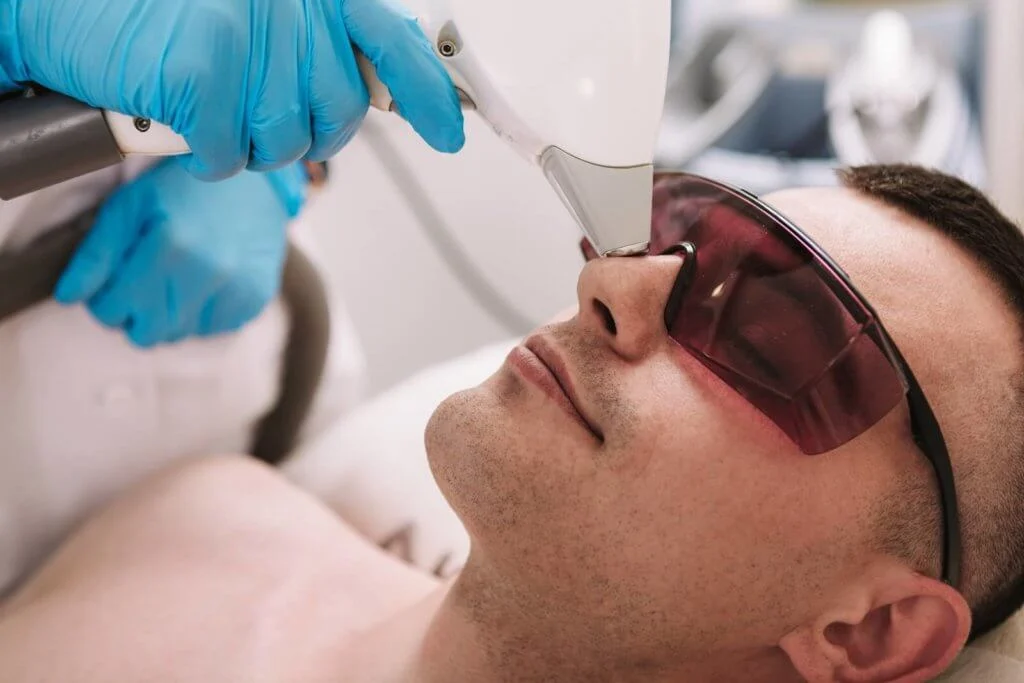
As the warm weather rolls in and holiday plans start to take shape, many of us begin to think about ways to achieve smooth, hair-free skin for the summer months. Laser hair removal is a popular choice for those looking to avoid the hassle of shaving and waxing. Contrary to common misconceptions, summer can be ideal for starting your laser hair removal journey. Here’s why.
Benefits of Laser Hair Removal in the Summer
1. Smooth Skin for Summer Events:
Summer is filled with events, from beach holidays to weddings and garden parties. Starting your laser hair removal treatments now means you’ll have less hair to worry about by the season’s peak. Imagine the convenience of smooth skin without needing constant shaving or waxing.
2. Long-Lasting Results:
Laser hair removal targets hair follicles, reducing hair growth over time. With each session, you’ll notice finer and fewer hairs. Starting in the summer, you can enjoy progressively smoother skin throughout the season and beyond.
3. Increased Confidence:
Feeling good about your appearance can boost your confidence. Laser hair removal can help you feel more comfortable in your skin, whether hitting the beach or wearing a sleeveless dress.
Top Tips for Preparing Your Skin for Summer Laser Hair Removal
To get the best results from your laser hair removal treatments, preparing your skin correctly is essential. Here are some top tips:
1. Avoid Sun Exposure:
Sunburnt skin is more sensitive and can react adversely to laser treatment. Avoid direct sun exposure and use a high-SPF sunscreen in the weeks before your appointment.
2. Exfoliate Gently:
Exfoliating your skin helps remove dead skin cells and can enhance the effectiveness of laser treatment. Use a gentle exfoliator to keep your skin smooth.
3. Stay Hydrated:
Well-hydrated skin responds better to laser treatment. Drink plenty of water and use a good moisturiser to keep your skin in optimal condition.
Debunking Myths: Laser Hair Removal and Sun Exposure
There’s a common belief that laser hair removal should be avoided during the summer due to increased sun exposure. At the same time, tanned skin can be more sensitive to lasers; modern laser technology has made it possible to treat a broader range of skin tones safely. The key is to ensure you’re not sunburnt or tanned at the time of your treatment and to follow your technician’s advice regarding sun exposure before and after your sessions.
Maintaining Smooth Skin: Post-Laser Hair Removal Care in the Summer
Proper aftercare is crucial for maintaining the results of your laser hair removal treatments, especially during the summer.
1. Use Sunscreen:
Protect treated areas with a high SPF sunscreen to prevent hyperpigmentation and irritation.
2. Avoid Heat:
For a few days post-treatment, avoid hot showers, saunas, and intense exercise to reduce the risk of irritation.
3. Moisturise Regularly:
Keep your skin hydrated with a good moisturiser to soothe and maintain its smoothness.
Choosing the Right Laser Hair Removal Clinic for Your Summer Needs
Selecting the right clinic is essential for a safe and effective laser hair removal experience. Here are some tips to help you choose:
1. Check Qualifications:
Ensure experienced and qualified practitioners staff the clinic.
2. Read Reviews:
Look for testimonials and reviews from previous clients to gauge the quality of service.
3. Visit the Clinic:
Schedule a consultation to discuss your needs and assess the clinic’s environment and professionalism.
Frequently Asked Questions About Summer Laser Hair Removal
1. Can I Get Laser Hair Removal if I’m Tanned?
It’s best to avoid laser treatments on tanned skin to reduce the risk of burns and pigmentation issues. Wait until your tan has faded before scheduling your session.
2. How Many Sessions Will I Need?
For optimal results, most people need 6 to 8 sessions spaced a few weeks apart. Your practitioner will advise you on the best schedule.
3. Is Laser Hair Removal Painful?
Most clients describe the sensation as a mild discomfort, similar to a rubber band snapping against the skin. Modern lasers often come with cooling devices to minimise discomfort.
Summer Promotions: Special Offers on Laser Hair Removal Treatments
Many clinics offer special promotions on laser hair removal treatments to celebrate the summer season. Enjoy discounts on multiple session packages and prepare to flaunt smooth, hair-free skin. Contact us today to book your consultation and take advantage of these limited-time offers.
Embrace Smooth Skin This Summer with Laser Hair Removal
Summer is the perfect time to start your laser hair removal journey. With long-lasting results and the convenience of smooth skin, you can confidently enjoy all your summer activities. Prepare your skin correctly, choose a reputable clinic, and follow aftercare advice for the best results. Embrace the benefits of laser hair removal this summer and make the most of the sunny season.



Do you notice that you have extra fluid in your extremities or other body parts when you wake up in the morning or at night?
Edema, characterized by the abnormal accumulation of fluid in the body’s tissues, is a common medical condition with various underlying causes and manifestations. To understand edema fully, it’s essential to grasp the mechanisms by which fluid accumulates and the compartments within the body where this accumulation occurs.
In this article, we’ll delve into the physiology of edema and explore the answer to the question, “In which compartment would fluid accumulate in edema?”
What Is Edema?
Edema refers to the excessive accumulation of fluid in interstitial spaces, leading to tissue swelling. It can occur locally, affecting specific body parts, or globally, involving multiple areas of the body.
Edema can be caused by various factors, including:
- Inflammation
- Impaired circulation
- Fluid retention
- Underlying medical conditions such as heart failure, kidney disease, or liver cirrhosis.
Is swelling of the legs sign of heart failure? If you are worried about it, then consult with your medical professional ASAP.
Here are the compartments of fluid distribution to consider.
Intravascular Compartment
The intravascular compartment, also known as the vascular space or bloodstream, consists of the blood vessels (arteries, veins, and capillaries) that circulate blood throughout the body.
In some cases, such as heart failure or liver disease, fluid may accumulate within the intravascular compartment due to increased hydrostatic pressure or decreased oncotic pressure. This leads to conditions like pulmonary edema or ascites.
Interstitial Compartment
The interstitial compartment refers to the space between cells and blood vessels. This is where interstitial fluid circulates and exchanges nutrients, waste products, and gases with surrounding tissues.
Edema primarily occurs within the interstitial compartment when fluid leaks out of blood vessels due to increased capillary hydrostatic pressure, decreased oncotic pressure, or impaired lymphatic drainage.
Common examples of interstitial edema include peripheral edema (swelling of the extremities) and dependent edema (fluid accumulation in dependent areas of the body due to gravity).
Intracellular Compartment
The intracellular compartment comprises the fluid contained within cells, which plays a crucial role in maintaining cellular function and homeostasis. While edema primarily affects the extracellular compartments (intravascular and interstitial), certain conditions, such as cellular injury or inflammation, may lead to intracellular edema, causing cells to swell and impairing their function.
Mechanisms of Fluid Accumulation in Edema
There are three reasons why fluid might accumulate in edema. It could be due to increased hydrostatic pressure within the blood vessels. This could be due to heart failure, venous insufficiency, or kidney disease.
Reduced oncotic pressure, attributed to hypoalbuminemia (low levels of albumin in the blood) or liver disease, diminishes the osmotic force that normally helps retain fluid within blood vessels, contributing to fluid leakage and interstitial edema.
Lymphatic drainage also might result in fluid accumulation.
In Which Compartment Would Fluid Accumulate in Edema?
It’s important to go to a medical professional as soon you notice fluid in your extremities or fluid accumulation due to edema. Don’t try to answer the question yourself, “In which compartment would fluid accumulate in edema?”
Browse through related articles on our website to stay informed on various subjects.

Introduction to Hypokalemia icd 10
Hypokalemia ICD 10 might sound like a mouthful, but it’s an essential topic for anyone involved in healthcare or medical coding. Understanding this condition can make all the difference when diagnosing and treating patients effectively. Hypokalemia refers to low potassium levels in the blood, a situation that can lead to serious health issues if left unaddressed. As we dive into this guide, you’ll discover not only what hypokalemia is but also how it’s coded in the ICD-10 system. Whether you’re a healthcare provider or just curious about medical terminology, this overview will equip you with valuable insights into symptoms, diagnosis, and treatment options associated with hypokalemia. Let’s navigate through these vital details together!
What is Hypokalemia and How is it Diagnosed?
Hypokalemia is a condition characterized by low levels of potassium in the bloodstream. Potassium plays a vital role in numerous physiological processes, most notably in facilitating muscle movements and transmitting nerve impulses. When levels dip below normal, it can lead to significant health issues.
Diagnosis typically starts with a simple blood test. Healthcare professionals measure serum potassium levels to confirm hypokalemia. Normal potassium ranges from 3.5 to 5.0 mEq/L; anything lower indicates a problem.
Additionally, doctors may evaluate symptoms such as muscle weakness or fatigue that are common indicators of this condition. Sometimes, further tests are necessary if underlying causes—like kidney disorders or medication effects—are suspected.
Identifying the root cause is crucial for effective management and treatment strategies tailored to individual needs.
Symptoms of Hypokalemia
Hypokalemia manifests through a variety of symptoms that can significantly affect daily life. Patients may experience muscle weakness, which can range from mild fatigue to severe impairment in physical performance.
Cramps and spasms are also common complaints. These sudden contractions can be painful and often occur during exercise or at night.
Another notable symptom is irregular heart rhythm, known as arrhythmia. This condition poses risks for serious complications if left unaddressed.
Digestive issues like constipation may arise due to slowed bowel function. It’s essential to monitor these signs closely, as they could indicate worsening potassium levels.
Mental health isn’t immune either; anxiety and mood changes frequently accompany hypokalemia. Recognizing these diverse symptoms aids in timely diagnosis and treatment efforts.
Medical Coding for Hypokalemia
Medical coding for hypokalemia requires careful attention to detail. Accurate coding ensures proper documentation and reimbursement.
Hypokalemia is characterized by low potassium levels in the blood, which can lead to various health complications. Coders must understand the medical implications when assigning codes.
When documenting hypokalemia, it’s essential to capture not only the condition itself but also any underlying causes or related symptoms. This holistic approach enhances clarity and improves patient care tracking.
Specific guidelines exist within ICD-10 that address different manifestations of hypokalemia. Familiarity with these nuances helps coders select the most precise code.
Mistakes in coding can result in claim denials or delayed payments. Therefore, continuous education on updates in medical coding practices is vital for all professionals involved.
Commonly Used ICD-10 Codes for Hypokalemia
When it comes to coding hypokalemia, accuracy is crucial. The ICD-10 offers specific codes that healthcare professionals should familiarize themselves with.
The primary code for hypokalemia is E87.6, which covers unspecified causes of low potassium levels in the blood. This code is essential when the cause remains undiagnosed and needs further investigation.
For cases linked to chronic kidney disease, you might encounter additional codes like N18.x series, depending on the stage of the disease. If a patient has undergone diuretic therapy leading to hypokalemia, it’s important to note this as well using relevant medication-related codes.
Each situation can be unique; thus, precise documentation will support correct coding practices. Taking time to understand these nuances ensures appropriate patient care and accurate billing processes.
Tips for Accurate Medical Coding
Accurate medical coding is essential for proper diagnosis and billing. Start by ensuring you have the latest coding manuals at hand. Staying updated on any changes to ICD-10 codes can prevent costly errors.
Double-check all patient records before assigning a code. This includes reviewing lab results, physician notes, and any related diagnoses. Precision is paramount; even the smallest data point is critical for ensuring total accuracy in medical documentation.
Collaboration with healthcare providers plays a crucial role too. Clear communication helps clarify uncertainties about symptoms or treatments that directly impact coding.
Utilize software tools designed for medical coding assistance. These programs often highlight potential mistakes and suggest appropriate codes based on input data.
Regular audits of your coding practices can help identify patterns in errors. Learning from these insights strengthens overall proficiency in medical coding processes while enhancing compliance.
Treatment Options for Hypokalemia
Treatment for hypokalemia primarily focuses on restoring potassium levels in the body. This is crucial, as low potassium can lead to serious health issues.
Oral potassium supplements are often prescribed. These come in various forms, including tablets or powders. They allow for gradual replenishment of potassium levels over time.
In more severe cases, intravenous (IV) administration may be necessary. This method delivers potassium directly into the bloodstream for rapid results.
Nutritional intake is equally fundamental to the healing process, serving as a cornerstone for effective recovery. Foods rich in potassium like bananas, oranges, and spinach should be incorporated into daily meals.
Monitoring is key during treatment. Regular blood tests help ensure that potassium levels return to normal without exceeding safe limits.
Addressing underlying causes is equally important. Conditions such as kidney disease or certain medications might need adjustment for effective management of hypokalemia.
Conclusion
Hypokalemia, or low potassium levels in the blood, is a condition that requires attention due to its potential impact on health. Understanding its symptoms and accurate medical coding with ICD-10 can greatly aid healthcare providers in delivering effective treatment. Patients experiencing fatigue, muscle weakness, or irregular heartbeats should seek medical evaluation promptly.
Medical coding plays a critical role in documenting hypokalemia cases accurately. Using the correct ICD-10 codes ensures that healthcare facilities receive appropriate reimbursement while maintaining complete patient records. Familiarizing yourself with commonly used codes enhances workflow efficiency.
When treating hypokalemia, addressing the underlying cause is paramount. Whether through dietary changes or supplements, timely intervention can significantly improve outcomes for those affected.
A proactive approach towards understanding hypokalemia and mastering its coding will contribute positively to both patient care and administrative processes within healthcare systems.

Are you looking for the best way to keep your skin young and fresh?
With so many treatments available, it can be hard to know which one is right for you. In this guide, we will explore different anti aging facial treatments.
You will learn about their benefits and how they work. By the end, you will have all the information you need to make a smart choice.
Get ready to find the perfect treatment for your skin!
Understand Your Skin Type
Knowing your skin type is key to picking the right treatment. There are four main types: oily, dry, combination, and sensitive.
Oily skin gets shiny and may have large pores. Dry skin feels tight and might flake. Combination skin has both oily and dry spots. Sensitive skin can get red and irritated easily.
By knowing your type, you can choose a treatment that helps you get youthful skin. A good match will keep your skin looking fresh and glowing.
Research Ingredients
When choosing skincare products, it’s important to know what ingredients work best for your skin type. Look for products with retinol, which helps smooth fine lines, or hyaluronic acid, which keeps skin hydrated.
Vitamin C brightens and tones the skin. Avoid harsh chemicals that can cause irritation, especially if you have sensitive skin.
Read labels carefully and look for natural ingredients. This research will help you pick effective skincare products that support healthy, youthful skin.
Consult a Dermatologist
Before starting any anti aging treatment, it’s smart to talk to a dermatologist. They can check your skin and help you choose the best treatments. A dermatologist can recommend products and treatments that suit your specific skin type.
They also know about the latest techniques and can guide you in finding trusted botox experts if you’re interested in that option. By consulting a professional, you ensure that your skin gets the care and attention it needs to stay youthful and vibrant.
Read Reviews and Testimonials
Reading reviews and testimonials from others can help you find the best anti aging treatments. Look for feedback from people with similar skin types. They will give honest opinions about what worked for them and what didn’t.
Check multiple sources like skincare blogs, forums, and product websites. Pay attention to patterns in reviews, such as common praises or complaints. Doing this will save you time and money, and you’ll feel more confident choosing a treatment that others have found effective.
Start with a Patch Test
Before using any new skincare product, always do a patch test. Apply a small amount of the product on a tiny area of your skin, like behind your ear or on your wrist. Wait 24 hours to see if you get any reactions, such as redness or itching.
If your skin stays calm, you can use the product on your face. A patch test helps you avoid adverse reactions and ensures the product is safe for your skin type. This small step keeps your skin healthy and protected.
Find the Right Anti Aging Facial Treatment Today
Finding the right anti aging facial treatment requires some effort, but it’s worth it for youthful, glowing skin. Understand your skin type, check ingredients, consult a dermatologist, read reviews, and do a patch test.
These simple steps will guide you to a treatment that keeps your skin looking its best. Take action now for lasting beauty and confidence.
If you enjoyed this article please take the time to check out some of the other great content on our site.

Absographics.com blog: The 2026 Blueprint for High-Fidelity Visual Communication and Brand Identity
Rizk Casino: Quick‑Hit Slots & Rapid Wins for On‑The‑Go Players
Beginning your journey in gambling essential tips for newcomers

 HOME IMPROVEMENT1 year ago
The Do’s and Don’ts of Renting Rubbish Bins for Your Next Renovation
- BUSINESS1 year ago
Exploring the Benefits of Commercial Printing
- HOME IMPROVEMENT9 months ago
Get Your Grout to Gleam With These Easy-To-Follow Tips

 BUSINESS1 year ago
Brand Visibility with Imprint Now and Custom Poly Mailers
- TECHNOLOGY12 months ago
Dizipal 608: The Tech Revolution Redefined
- HEALTH9 months ago
The Surprising Benefits of Weight Loss Peptides You Need to Know
- HEALTH9 months ago
Your Guide to Shedding Pounds in the Digital Age
- LAW1 year ago
7 Key Questions to Ask When Hiring a Criminal Lawyer







