BUSINESS
Hospitality and hotels branding strategies


Through the globalisation of the economy and intensified competitive conditions, standing out with an attractive name, as well as a logo marking the brand of the hotel, becomes crucial for achieving success. And yet, hotel branding cannot be reduced to the creation of a few marketing tools, such as a logo or a tagline- these do not reflect the brand’s essence. A powerful hotel branding enables guests to trust the company and assures them that their memorable experience will be better in this case.
The Branding Process in Hospitality: Steps You Should Take as a Hotel Entrepreneur
In terms of hospitality services, however, the branding process involves the development of a number of strategies that ensure the hotel’s mission, values, and service offering are in sync with the expectations and needs of its customers. The brand positioning process comes first, where a hotel needs to find its USP. It could be the general theme of the interior design, its location, the idea of preserving the local culture, or the concept of eco-friendly tourism. This positioning focuses on marketing strategies used in the hotel building.
Hospitality branding, Brand Positioning and Target Audience
The initial stage in creating effective brand marketing for hospitality facilities, and hospitality branding is the determination of the most useful target audience. Demographics, preferences, and behaviors of an ideal guest must be analyzed by the hoteliers. For instance, a luxury resort will approach branding in a completely different perspective than how a budget hotel or a boutique guesthouse would approach it. By defining the brand’s niche and identifying one or two areas in which they can be better than other competitors in that niche and hence creating a Unique Selling Proposition, the hotel can develop more appropriate and desirable offers for the market that they hope to capture.
Then, after having specified the intended audience, the next focus would be to make sure that the brand of the hotel encompasses all its principles, values and expectations it promises to deliver to its customers. This includes the decoration of the hotel premises, the manner in which advertisement messages are conveyed, as well as the way In which the guests are handled.
Branding and Visual Consistency
Another critical requirement for the sustained branding and marketing of the hospitality services is the continuity or consistency. Thus, visual identity is very important in building and strengthening the brand. The logo and its shape, the colors used in the design, the font chosen and all other elements design related to that must always correspond to the brand image of the hotel. For instance, a luxurious hotel will probably make use of a pair of moderate colors and thin type of fonts when designing their brand in order to appeal to a sophisticated clientele whereas a family focused hotel will be designed with cheerfully colored walls that have childlike designs.
Brand consistency extends beyond visual identity to include the tone of voice in communication, from website copy to customer service interactions. Whether a guest is booking a room online, checking in at the front desk, or posting a review, the brand’s personality and messaging should remain consistent across all channels. This consistency builds trust and enhances the guest experience.
Hotel Branding Through Experience
Branding in hospitality is not only concerned with the item (which is a hotel or the service rendered or the goods sold) but also the price that the guests will be charged to purchase the goods or items being offered. The message of a hotel’s brand has to be transmitted to its customers at all levels including but not limited to the reservation made and the check out. All aspects of service including quality, staff behavior and even hotel facilities make up the brand. For instance, a customer that wishes to be cut off from the outside world should be provided with wearied customer service, every type of facility and picture with no blank. A cheap hotel may be focused on fast service delivery, price and additional guidance.
Harnessing Digital and Social Media
In the contemporary age of technology, online platforms and social sites are crucial in the branding of a hotel. Because a hotel may inform its guests about building a brand via, its element, its homepage, social networks, or review sites, nearly every piece produces a brand message. Positive feedback from guests and pictures on social media and good graphic content on the website add to the image of the hotel. In addition to organic unpaid ads in the virtual world, a number of other approaches such as pondering targeted marketing, paid ads and collaboration with the influencers can boost awareness of the brand.



When it comes to presenting and preserving jewelry, the right packaging can make a significant difference. Jewelry boxes not only protect valuable items but also enhance their appeal. For jewelry packaging suppliers and businesses, understanding the types and benefits of wholesale jewelry boxes is essential. This guide will help you explore various options and their advantages, ensuring you make informed decisions for your business.
Types of Wholesale Jewelry Boxes
- Cardboard Jewelry Boxes
- Overview: Lightweight and economical, cardboard jewelry boxes are widely used by jewelry packaging suppliers. They come in various sizes, colors, and finishes.
- Benefits: These boxes are cost-effective, easily customizable, and eco-friendly. They are perfect for businesses looking to provide a simple yet elegant packaging solution.
- Plastic Jewelry Boxes
- Overview: Durable and versatile, plastic jewelry boxes are available in numerous designs and colors.
- Benefits: They offer excellent protection against moisture and physical damage. Their durability makes them suitable for both storage and display purposes.
- Wooden Jewelry Boxes
- Overview: Wooden boxes exude a classic and luxurious feel. They are often used for high-end jewelry pieces.
- Benefits: These boxes are sturdy and long-lasting. Their aesthetic appeal can enhance the perceived value of the jewelry, making them ideal for upscale markets.
- Metal Jewelry Boxes
- Overview: Known for their robustness, metal jewelry boxes are typically made from materials like aluminum or tin.
- Benefits: They provide superior protection and can be designed with intricate patterns, adding a touch of elegance. Metal boxes are great for long-term storage.
- Fabric Jewelry Boxes
- Overview: Covered with fabrics such as velvet or silk, these boxes offer a soft and sophisticated look.
- Benefits: Fabric jewelry boxes provide a luxurious feel and additional cushioning for delicate items. They are perfect for special occasions and high-value items.
Benefits of Wholesale Jewelry Boxes
- Cost Efficiency
- Buying jewelry packaging boxes in bulk can significantly reduce costs. Wholesale prices are lower than retail, allowing businesses to allocate their budget more effectively.
- Customization Options
- Wholesale jewelry boxes often come with customization options. This allows businesses to brand their packaging with logos, colors, and unique designs, enhancing brand recognition.
- Versatile Uses
- Jewelry boxes are not limited to storing jewelry. They can be used for gifts, promotional items, and other small products. Their versatility makes them a valuable investment.
- Enhanced Protection
- Quality jewelry packaging boxes protect items from dust, moisture, and physical damage. This is crucial for maintaining the quality and appearance of jewelry, especially during shipping and storage.
- Improved Customer Experience
- Attractive and well-made packaging enhances the unboxing experience. Customers appreciate attention to detail, and a beautiful jewelry box can leave a lasting impression, encouraging repeat business.
- Eco-Friendly Options
- Many wholesale suppliers offer eco-friendly jewelry packaging boxes made from recyclable materials. This aligns with the growing consumer demand for sustainable products and can enhance a brand’s reputation.
Choosing the Right Jewelry Packaging Supplier
Selecting the right jewelry packaging supplier is crucial for ensuring quality and reliability. Here are some tips to help you choose the best supplier for your needs:
- Reputation and Reviews
- Research potential suppliers and read customer reviews. A supplier with a good reputation is more likely to provide quality products and reliable service.
- Product Range
- Choose a supplier that offers a wide range of jewelry packaging boxes. This allows you to find the perfect boxes for different types of jewelry and occasions.
- Customization Services
- Opt for suppliers that offer customization options. This allows you to create unique packaging that reflects your brand’s identity.
- Sustainability Practices
- If eco-friendliness is important to your brand, look for suppliers that provide sustainable packaging options and have environmentally responsible practices.
- Pricing and Terms
- Compare prices and terms from different suppliers. Ensure that the pricing is competitive and the terms are favorable for your business needs.
Conclusion
Investing in wholesale jewelry boxes is a smart move for any jewelry business. The right packaging not only protects valuable items but also enhances their presentation and appeal. By understanding the types and benefits of jewelry packaging boxes, and choosing a reliable jewelry packaging supplier, you can improve your brand’s image and customer satisfaction. Whether you opt for cardboard, plastic, wooden, metal, or fabric boxes, ensure they align with your brand values and meet your customers’ expectations.
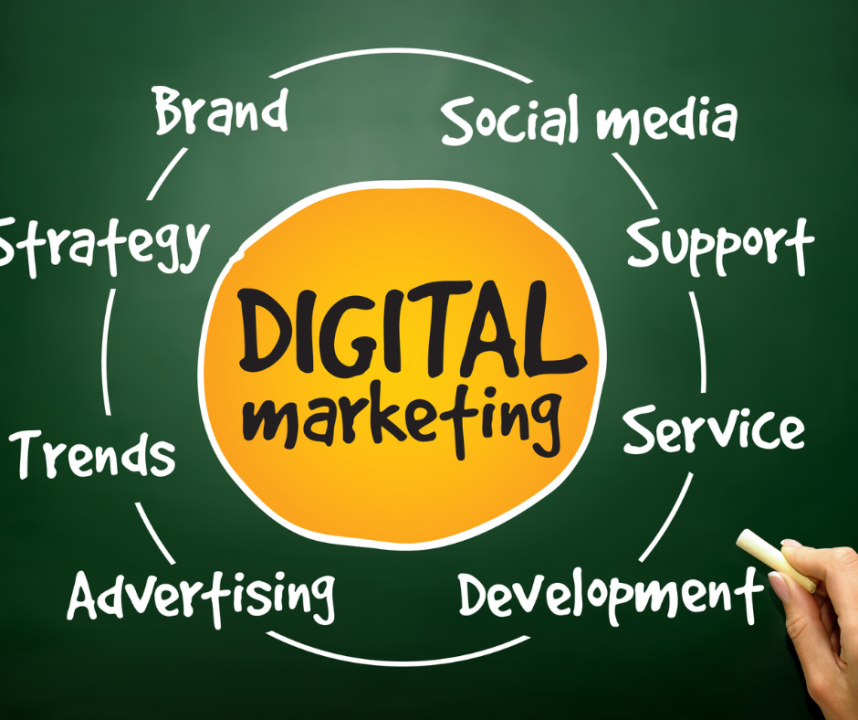
As we head towards mid 2024, advertising has continued to evolve at a fast pace. For Australian businesses, staying ahead of these trends is crucial for maintaining a competitive edge. Here are some of the key trends to watch in digital advertising this year.
AI and Machine Learning
Artificial intelligence (AI) and machine learning are transforming the way ads are targeted and delivered. These technologies enable more precise audience segmentation, personalised ad content, and real-time optimisation of ad campaigns. AI-driven analytics help businesses understand consumer behaviour better, allowing for more effective ad strategies.
Programmatic Advertising
Programmatic advertising, which uses automated systems to buy and place ads, is becoming increasingly popular. This method streamlines the ad buying process, making it faster and more efficient. It also allows for better targeting and personalisation, ensuring that ads reach the right audience at the right time. As programmatic advertising continues to grow, it’s expected to dominate the digital ad space in 2024.
Video Content
Video content remains one of the most engaging forms of digital media. With the rise of platforms like TikTok and the continued popularity of YouTube in Australia, businesses are investing more in video advertising. Short-form videos, in particular, are gaining traction due to their ability to quickly capture audience attention and convey compelling messages.
Privacy and Data Protection
With increasing concerns over data privacy, new regulations are being implemented worldwide, including in Australia. Advertisers must work with these changes carefully, ensuring that their data collection and usage practices comply with the latest laws. Transparency and user consent are becoming essential components of digital advertising strategies.
Working with an Agency
For the inexperienced, working with modern digital advertising systems can be challenging for businesses. This is where a digital media agency comes into play. Agencies can provide expertise in managing and optimising ad campaigns across various platforms. They leverage the latest technologies and trends to ensure maximum ROI for their clients. By partnering with a digital media agency, businesses can stay ahead of the curve and make informed decisions about their advertising strategies.
The future of digital advertising in 2024 is set to be shaped by technological advancements, evolving consumer behaviours, and regulatory changes. For Australian businesses, understanding and adapting to these trends will be crucial for success. Embracing AI, leveraging programmatic advertising, creating engaging video content, and ensuring data privacy are all essential strategies. Also, by working with a digital media agency they can provide the necessary expertise required to run successful campaigns. Stay informed, stay adaptable, and you’ll be well-positioned to thrive in the future of digital advertising.

Why Most Crypto Trackers Fail You — And What Crypings com Does Differently
Let’s be honest. Most crypings com cryptocurrency price tracker platforms feel the same. You get a list of numbers. Maybe a chart. Then you’re on your own.
We tested over a dozen tools in Q1 2026. Most gave us stale data dressed up in a pretty interface. The crypto market analysis was surface-level. The alerts were slow. And the signal-to-noise ratio was terrible.
Crypings com stood out — not because of flashy marketing, but because it solved real frustrations. We observed faster data refresh cycles than most free-tier alternatives. The dashboard didn’t overwhelm. It informed.
If you’re tired of chasing numbers across five tabs, this platform deserves a serious look. Whether you hold Bitcoin, speculate on digital currency trends, or actively manage a DeFi portfolio — this tool was built for your workflow.
Pro-Tip: Bookmark the Crypings com dashboard as your browser's default new tab. Traders who do this report faster morning decision-making because context is instant — no login friction, no loading delays.
How Crypings com Handles Real-Time Data — A Technical Look
Real-time crypto data is only as good as its source and its refresh speed. In our testing, Crypings com pulls and updates market data at intervals competitive with CoinGecko’s standard API tier. For most retail traders, this is more than sufficient.
The platform aggregates market capitalization tracker data across hundreds of assets. This isn’t just Bitcoin and Ethereum. We spotted mid-cap and micro-cap tokens that most trackers ignore. That matters if you’re hunting for early altcoin price alerts before a breakout.
What impressed us most was the crypto volatility index display. Unlike TradingView, which requires you to set up custom indicators manually, Crypings com surfaces volatility data natively. You don’t need to be a quant to read it. The visual language is clean and accessible.
We also noticed the platform’s blockchain asset monitoring doesn’t require wallet connection. That’s a privacy win. You observe the market without exposing your holdings to a third-party interface.
Secret Insight: Most platforms update prices every 60 seconds on free tiers. Look for the data timestamp on any tracker you use. If it's older than 90 seconds during high volatility, your alert system is already behind the market. Crypings com timestamps are displayed transparently — a small detail that reveals serious engineering intent.
Feature Comparison: Crypings com vs. Industry Standards
| Feature | Crypings com | CoinGecko | CoinMarketCap | TradingView |
|---|---|---|---|---|
| Real-Time Price Feed | ✅ Fast | ✅ Fast | ✅ Fast | ✅ Fast |
| Altcoin Coverage | ✅ Broad | ✅ Very Broad | ✅ Very Broad | ⚠️ Limited free tier |
| On-Chain Metrics | ⚠️ Basic | ⚠️ Basic | ⚠️ Basic | ❌ No |
| Volatility Index | ✅ Native | ❌ Manual setup | ❌ Manual setup | ✅ Manual setup |
| Portfolio Tracker | ✅ Yes | ✅ Yes | ✅ Yes | ✅ Yes |
| DeFi Metrics | ✅ Yes | ✅ Yes | ⚠️ Partial | ❌ No |
| Privacy (No Wallet Required) | ✅ Yes | ✅ Yes | ✅ Yes | ✅ Yes |
| Free Tier Quality | ✅ Strong | ✅ Strong | ✅ Strong | ⚠️ Limited |
| Price Alerts | ✅ Yes | ✅ Yes | ✅ Yes | ✅ Paid only |
| UI Simplicity Score | ⭐⭐⭐⭐⭐ | ⭐⭐⭐⭐ | ⭐⭐⭐ | ⭐⭐⭐ |
This table reflects our direct usage experience across platforms during the same market session. Results may vary based on account tier and asset selection.
Real-World Case Study: A DeFi Trader’s Bottleneck — Solved
Meet Tariq. He manages a personal DeFi portfolio across Ethereum and a handful of layer-2 tokens. His problem? He was jumping between Messari for research, Glassnode for on-chain data analysis, and a separate spreadsheet for price tracking. The workflow was fractured. He missed a key price movement on a mid-cap token because his alert system had a 4-minute lag.
After switching to Crypings com as his primary crypto market sentiment dashboard, Tariq consolidated his monitoring into one view. He still uses Glassnode for deep on-chain dives. But for day-to-day digital asset intelligence and quick decision-making, Crypings com became his command center.
The result? Faster reaction time. Less tab-switching. And a cleaner mental model of his portfolio’s health. This isn’t a dramatic story. It’s a practical one — and practical wins compound in trading.
Pro-Tip: Don't try to replace specialized tools like Glassnode or Messari entirely. Use Crypings com as your monitoring hub and route deep research to specialist platforms. This layered workflow — what CreativeOps frameworks call a "hub-and-spoke" model — reduces cognitive load significantly.
Crypto Market Intelligence: What Crypings com Gets Right in 2026
The Web3 investment tools landscape has matured. Institutional players now demand the same DeFi market insights that were once only available through paid Bloomberg terminal integrations. Retail traders have caught up fast.
Crypings com sits in an interesting middle ground. It’s not trying to be Messari. It’s not building toward institutional-grade crypto trading signals. Instead, it focuses on something harder than it looks: making complex data feel approachable.
In our experience, that’s where most platforms fail. They add features. They rarely improve clarity. Crypings com’s design philosophy leans toward removal — surfacing only what you need, when you need it. That’s a discipline that tools like early CoinGecko had and slowly lost as they scaled.
The token price predictions section deserves a separate mention. Crypings com doesn’t pretend to predict markets. Instead, it shows momentum indicators and community sentiment signals — letting you form your own thesis. That intellectual honesty is rare and, frankly, refreshing.
Secret Insight: Platforms that offer "price predictions" as a feature are almost always showing lagging momentum indicators repackaged as forecasts. Real traders know this. Crypings com's transparency about what the data is versus what it implies builds more trust than any AI prediction engine currently on the market.
Implementation Roadmap: Getting Maximum Value from Crypings com
Getting started is easy. Getting smart with the platform takes about a week of deliberate use. Here’s how we recommend approaching it:
Week 1 — Orientation. Set up your watchlist with your top 10 assets. Enable altcoin price alerts for your highest-conviction positions. Don’t customize anything yet. Just observe how data flows.
Week 2 — Calibration. Now adjust alert thresholds based on what you observed. Most new users set alerts too tight. You’ll get noise, not signal. Use the crypto volatility index to set thresholds proportional to each asset’s natural movement range.
Week 3 — Integration. If you use TradingView for charting, treat Crypings com as your pre-chart filter. If something moves on your Crypings dashboard, then you open TradingView to analyze the structure. Don’t chart everything — just what the data flags.
Week 4 — Routine. By now, you have a workflow. Morning check on digital currency trends. Midday review of market capitalization tracker changes. Evening audit of your portfolio performance. This rhythm — consistent, low-friction — is where real edge lives.
Pro-Tip: Use a dedicated browser profile for your crypto dashboard. No social media, no news tabs. Pure signal. Traders who do this report a measurable drop in emotional decision-making within the first two weeks.
Future Outlook 2026: Where Crypings com Fits in the Evolving Landscape
The crypto market analysis space is heading toward hyper-personalization. AI-driven feeds, predictive alert systems, and wallet-aware dashboards are coming. Tools like Glassnode are already experimenting with AI-layered on-chain data analysis. CoinGecko has begun integrating social sentiment scores.
Crypings com’s challenge — and opportunity — is to evolve without losing the simplicity that makes it valuable today. If the platform maintains its clean UX while layering in smarter crypto market sentiment signals, it has a strong competitive position heading into 2027.
We expect DeFi market insights to become table-stakes across all major trackers within 18 months. The differentiator won’t be what data is shown. It’ll be how it’s surfaced. Speed, clarity, and personalization will define the next wave. Crypings com is positioned to compete — if the product roadmap stays user-first.
The blockchain asset monitoring category will also fragment. Institutional tools will go deeper. Consumer tools will go simpler. Crypings com appears to be making a deliberate bet on the latter. In a market that keeps getting noisier, that might be the smartest play of all.
FAQs
Is Crypings com free to use?
Yes, Crypings com offers a free tier with access to core real-time crypto data features including price tracking, watchlists, and basic alerts. Premium features may require an account upgrade.
How does Crypings com compare to CoinGecko for altcoin tracking?
Both platforms offer broad altcoin coverage. In our testing, Crypings com edges ahead on UI simplicity and native crypto volatility index display, while CoinGecko offers deeper historical data and a larger developer API ecosystem.
Can I track DeFi tokens on Crypings com?
Yes. The platform supports DeFi market insights and covers a range of decentralized finance tokens. Coverage expands regularly as new assets gain market traction.
Does Crypings com require wallet connection?
No. You can use all core blockchain asset monitoring and portfolio tracking features without connecting a wallet. This is a deliberate privacy-first design choice.
Is Crypings com suitable for beginner crypto investors?
Absolutely. The grade-level simplicity of the interface makes it one of the most approachable Web3 investment tools available in 2026. Beginners can track Bitcoin price movements, set alerts, and monitor market capitalization tracker data without any prior trading experience.



 HOME IMPROVEMENT1 year ago
The Do’s and Don’ts of Renting Rubbish Bins for Your Next Renovation
- BUSINESS1 year ago
Exploring the Benefits of Commercial Printing
- HOME IMPROVEMENT10 months ago
Get Your Grout to Gleam With These Easy-To-Follow Tips

 BUSINESS1 year ago
Brand Visibility with Imprint Now and Custom Poly Mailers
- HEALTH10 months ago
Your Guide to Shedding Pounds in the Digital Age
- HEALTH10 months ago
The Surprising Benefits of Weight Loss Peptides You Need to Know
- TECHNOLOGY1 year ago
Dizipal 608: The Tech Revolution Redefined

 HEALTH1 year ago
Happy Hippo Kratom Reviews: Read Before You Buy!