EDUCATION
Nova Scola: Reinventing Education for a Complex Modern World

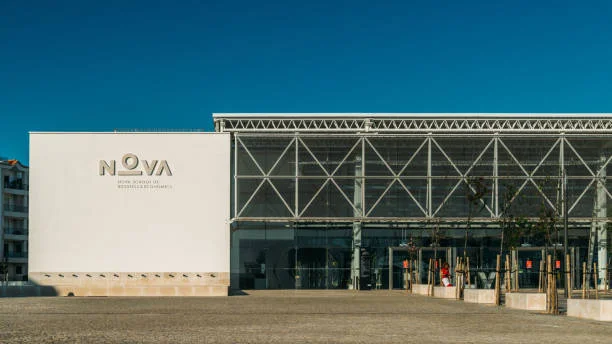
The Old Classroom Is Crumbling — Meet the Blueprint of the Future
Imagine stepping into a classroom where walls are made of curiosity, the curriculum breathes with relevance, and intelligence is not measured in rote but in ripple effects. This isn’t a utopian dream—it’s the philosophical engine behind Nova Scola, a model of education quietly emerging from the cracks of outdated schooling systems.
In a world where AI crafts essays, climate change shapes economies, and empathy matters as much as engineering, Nova Scola isn’t just a new method—it’s a cultural redesign of learning itself.
What Is Nova Scola? A Definition That Defies Tradition
Nova Scola, derived from Latin for “New School,” is an educational framework that discards the linear, test-driven traditions of industrial-era schooling and instead embraces interdisciplinary thinking, emotional intelligence, design-based learning, and real-world problem solving.
Unlike traditional systems which emphasize control, compliance, and standardized output, Nova Scola is designed for fluidity, creativity, and adaptability—traits essential in a VUCA world (volatile, uncertain, complex, ambiguous).
At its core, Nova Scola is not just a school. It’s a living ecosystem of learning where pedagogy aligns with complexity theory, systems thinking, and the neuroscience of curiosity.
There’s plenty more where that came from—browse our other helpful content!
Philosophical Roots: From Socrates to Systems Thinking
The seeds of Nova Scola can be traced to Socratic inquiry, Montessori’s child-led discovery, and the constructivist theories of thinkers like Jean Piaget and John Dewey. But it’s also deeply influenced by 21st-century philosophies—cybernetics, complexity science, and design thinking.
It draws on the idea that knowledge is not static but emergent. Much like ecosystems, learning environments must evolve, adapt, and co-create with their participants. In this view, a student isn’t a vessel to be filled but a node in a network, co-shaping knowledge through interaction.
Where Nova Scola Comes to Life: Applications Across Fields
Nova Scola isn’t confined to academia. Its principles have found fertile ground across industries:
In AI and Technology
Tech giants are embracing Nova Scola-style learning environments to train employees in ethical reasoning, collaborative design, and human-centered innovation. Coding bootcamps, for instance, are adopting project-based learning rooted in real-world challenges.
In Business
Corporations are realizing that innovation requires more than productivity. Leadership development programs are adopting Nova Scola’s principles to cultivate empathy, adaptability, and cross-functional fluency.
In Design and Architecture
Nova Scola inspires spatial design in learning environments. Classrooms become maker spaces, green zones, or digital hubs—environments that reflect the pluralities of the world students will enter.
In Society
Community-driven learning hubs, mutual aid education projects, and decentralized knowledge networks are taking cues from Nova Scola. These empower underrepresented voices, bridging gaps where traditional education systems failed.
Nova Scola vs. Traditional Education: A Comparative Lens
| Aspect | Traditional Model | Nova Scola |
|---|---|---|
| Goal | Standardized Knowledge | Adaptive Intelligence |
| Assessment | Exams & Grades | Portfolios, Reflections, Impact |
| Pedagogy | Teacher-Centered | Learner-Directed |
| Structure | Rigid Subjects | Interdisciplinary Themes |
| Learning Space | Static Classrooms | Dynamic, Community-Based Environments |
| Technology | Supplementary | Integrated as an Extension of Thinking |
While the old school teaches students to follow directions, Nova Scola teaches them to ask better questions.
The Road Ahead: Implications, Ethics, and Risks
Opportunities
- Equips students to tackle complex global challenges like climate resilience or AI ethics.
- Reduces educational inequality through more personalized, inclusive models.
- Fosters a culture of lifelong learning vital in fast-evolving industries.
Risks
- Access disparity: Without broad systemic support, only elite schools may implement it.
- Overreliance on tech: Learning ecosystems could become too dependent on digital environments, alienating those without access.
- Dilution of rigor: In efforts to be flexible, programs may struggle to maintain depth.
Ethical Considerations
How do we balance autonomy with guidance? How do we ensure emotional safety in radically open systems? These are the new moral questions Nova Scola must face.
Designing for Nova Scola: Best Practices
- Curate Experiences, Not Content
Build learning modules around real-world problems, not static textbooks. - Interdisciplinary Labs Over Lecture Halls
Replace siloed subjects with labs where history, technology, and ecology intersect. - Assess through Narrative
Use storytelling, prototyping, and peer reviews rather than timed tests. - Center the Learner
Co-design curriculums with students. Let them set their own inquiry paths. - Connect to Community
Bridge education with local ecosystems—social entrepreneurship, citizen science, or digital activism.
The Final Bell: Education as the New Frontier of Identity
Nova Scola isn’t just an upgrade to the education system. It’s a cultural reimagination of how we grow, think, and relate. In a society overwhelmed by speed and noise, this model offers slowness, reflection, and purpose.
It asks us to trade the blackboard for the world, the grade for growth, and the curriculum for curiosity.
Ultimately, Nova Scola’s is a mirror—revealing what kind of future we’re truly designing, and who we’re becoming in the process.
Loved this post? You’ll find even more just like it on our blog!
FAQs: Nova Scola Explained Simply
1. What does “Nova Scola” mean?
It means “New School” in Latin. It’s a modern approach to education focused on creativity, emotional intelligence, and real-world learning.
2. How is Nova Scola’s different from regular schools?
Instead of focusing on memorization and exams, Nova Scola’s encourages students to solve real problems, work together, and think creatively.
3. Where is Nova Scola’s being used today?
In innovative schools, online learning platforms, tech training programs, and even corporate leadership courses.
4. Is Nova Scola’s only for kids?
No! Its principles apply to people of all ages. Many businesses and universities are also adopting its flexible, human-centered methods.
5. Can public schools become Nova Scola’s?
Yes, but it requires change in policies, teacher training, and how we define success in education.



The thought of writing a book report may sound scary to you, but in reality, it’s not so. Writing it is very similar to writing the summary of a book, but it also contains a lot more details. It explains the plot of the story, the characters and the theme. You need to read all the chapters in detail and write about it. People mostly read a book report in order to decide whether they want or go through the book or not. Your report should be easy-to-read, but also you need to make it very engrossing, or else the reader might stop reading it. You may write the piece yourself or you may get it done by professionals.
Getting Professional Help
As a student you are already under a huge pressure of your studies and the innumerable essays and other homework that you need to submit. On top of all that, this report might be adding to your stress. If you want to take an essay writer’s help, you choose a reliable brand like AllEssayWriter service or similar high-rated brands.
You can also search on the internet for ‘write my book report’ services apart from AllEssayWriter. Choose the one you like and take their help to complete you report. You do not need to worry about the quality of the work that you will receive, as the professionals who will be working on it are experts in writing these.
Writing It Yourself
The most important thing that you need to do in order to write a book report is to read the book thoroughly. Do not leave out any detail. If possible, give it a read more than once so that you know everything in great detail. Then it will not be difficult for you to write a report about it.
A book report, like other essays, has three parts to it – an introduction, a body and a conclusion. The introduction marks the beginning to your report. You need to make it very interesting so that the person reading the report would want to know more about the book and read through the rest of your writing. In the body of the report you need to write about the summary of the book, along with details about characters and events.
Book Report Writing Prep
1. Read the Book
This is the first thing that needs to be done. Read the book properly, if required, more than once. You need to understand the plot progression and character development, so that you can write about it.
2. Take Notes
When you are reading the book, jot down the important points, names of characters, events, etc. Copy important quotes. Using these in your report will make it more interesting to read through.
3. Highlight
If you feel that you cannot copy down everything but instead want to mark sections in your book, you can also do that. Highlight important sections and quotes using coloured markers.
4. Draft
First, create a rough draft of the report. See whether you have included everything that you wanted to. Do not miss out on important points. Also check whether you have exceeded the specified word limit or not.
What to Include in a Book Report?
1. Name of Book and Author
The first thing that you have to write is the name of the Book, the full name of the Author and the number of pages it consists of. You should also add the date of publication and the name of the company which published the book.
2. Major Characters and Their Importance
Any story is based around a certain group of characters. It can be a single character, a duo, or more than that. You need to write about the characters. Describe them in detail – their features, their characteristics, everything about them. Why are they important in the book? How do they contribute to the development of the plot? Also, mention the names of the major characters.
3. Events that Took Place
The next thing that you need to include in your report is the events mentioned in the book. What do you think are the main events? Why do you think they are important? The event that you will be writing about could be a very simple one or a complex one. But it should someone help in plot advancement.
4. Time and Place
You also need to write about the setting of the book. Does the writer clearly mention the location of the time period the story was set it? Or does it mention it very vaguely? Knowing the location helps you to understand the lives of the main characters better.
5. Plot
The plot is how the story progresses from one event to another. You need to write about how the story moves forward, and how it affects the life of the characters. How good a plot is depends on how smoothly the story progresses from one event to another.
6. Genre
What kind of book do you think this is? Should it be classified as a thriller, a comedy, or something else? Is it a novel or a drama? You should also write about why this book belongs to that particular genre.
7. Your Analysis
Analyse the characters, the theme, the plot. What are your views regarding them? Explain them in detail. You should refer to the text from time to time, while writing down your views.
8. Quotes
While writing about your analysis, include quotes from the book. You can also use quotes in other sections of your writing, as and when you feel necessary. Just make sure that you mark the quotes.
Some Important Tips
- The name of the book and the author should be mentioned in the title of your book report.
- In the conclusion of your report, summarize the key points of your report. You can also include a small personal feedback about whether you like the book or not.
- If you teacher has provided you with some guidelines, follow them very diligently.
To Wrap It Up, Study the book on which you are writing the report very thoroughly. Remember that the introduction to the Book Report needs to be intriguing, so that the reader is interested to go through the whole article. Write about the characters, the setting, the location, what events take place and how the story progresses. Do not forget to mention the name of the book and the full name of the author.

Riding a motorcycle through Colorado offers breathtaking views and exhilarating experiences, but it also comes with a responsibility to understand and follow the state’s specific motorcycle laws. These regulations are designed to ensure the safety of riders, passengers, and others on the road. Whether you’re a resident or planning a ride through the Rocky Mountains, being informed about Colorado’s motorcycle laws can enhance your safety and prevent legal issues. This article covers essential legal guidelines every motorcyclist in Colorado should know, from helmet and eye protection requirements to lane splitting rules.
Helmet Laws in Colorado
In Colorado, riders and passengers under the age of 18 are required to wear DOT-approved helmets. While helmet use is optional for riders over 18, it is highly recommended as a critical safety measure. Studies consistently show that helmets significantly reduce the risk of head injuries and fatalities in accidents. Regardless of age, all motorcycle operators and riders should consider the safety benefits of wearing a helmet, as it is one of the simplest and most effective ways to protect themselves on the road.
Legal Support for Colorado Motorcyclists
Navigating the legal landscape can be complex for motorcyclists in Colorado. Should you find yourself needing legal assistance or representation after an incident, thankfully, it’s not difficult to find a law firm supporting Colorado motorcyclists. These firms understand the specific challenges and regulations motorcyclists face and can provide invaluable guidance and support, ensuring that your rights are protected and that you receive the best possible outcome in legal proceedings or insurance negotiations.
Eye Protection Requirements
Colorado law mandates that all motorcycle riders must wear eye protection while on the road. This can include safety glasses, goggles, or a visor attached to a helmet. Eye protection must be made of safety glass or plastic and should be free from scratches. This requirement is crucial as it protects riders from dust, debris, insects, and other particles that can impair vision and lead to accidents. Ensuring your eye protection is up to standard is a simple yet effective way to enhance your safety while riding.
Passenger Restrictions and Requirements
Colorado has specific laws regarding motorcycle passengers. First, the motorcycle must be designed to carry a passenger, which typically means it should have a dedicated passenger seat and footrests. Passengers must be seated behind the operator and are required to keep their feet on the footrests at all times while the motorcycle is in motion. These regulations ensure that the motorcycle is operated safely and that both the rider and passenger are adequately protected.
Lane Splitting and Sharing
Lane splitting, the practice of riding between lanes of slow-moving or stopped traffic, is illegal in Colorado. Motorcyclists must adhere to the same rules as other vehicles regarding lane use. However, Colorado does allow two motorcyclists to share a lane side by side, also known as lane sharing. This is legal and can be a safe way to ride with others, as long as both riders agree to it and it is done in a safe manner, without exceeding speed limits or weaving through traffic.
Motorcycle Insurance Requirements
In Colorado, all motorcyclists are required to carry a minimum amount of insurance to legally operate on the roads. This includes liability insurance, which covers bodily injury and property damage that you may cause to other people in an accident. The minimum coverage amounts are $25,000 for bodily injury per person, $50,000 for bodily injury per accident, and $15,000 for property damage. Carrying proof of insurance is mandatory, and failing to provide proof during a traffic stop can result in fines and further penalties.
Motorcycle Endorsement on Driver’s License
To legally operate a motorcycle in Colorado, riders must obtain a motorcycle endorsement on their driver’s license. This involves passing both a written exam and a skills test to demonstrate knowledge and competence in motorcycle operation. The Colorado Department of Motor Vehicles offers detailed information and resources to help riders prepare for these tests. Ensuring you have the proper endorsement not only keeps you compliant with the law but also equips you with essential riding skills.
Alcohol and Riding
Colorado enforces strict laws against operating a motorcycle under the influence of alcohol or drugs. The legal blood alcohol concentration (BAC) limit for motorcyclists is 0.08%, the same as for other vehicle drivers. However, impairment can begin at even lower levels, affecting judgment, reaction times, and overall ability to operate a motorcycle safely. Penalties for DUI/DWI are severe and can include heavy fines, license suspension, and even imprisonment.
Protective Clothing and Gear
While Colorado law mandates helmets for riders under 18 and eye protection for all riders, wearing additional protective gear is strongly advised for all motorcyclists. This includes gloves, durable jackets, pants, and over-the-ankle footwear. Protective gear can significantly reduce the severity of injuries in the event of an accident and provide protection from the elements, contributing to a safer and more comfortable ride.
Annual Inspections and Maintenance
Maintaining your motorcycle in good working condition is not only a best practice for safety but, in some cases, also a legal requirement. Regular maintenance checks can prevent mechanical failures that might lead to accidents. Although Colorado does not require annual vehicle safety inspections for motorcycles, staying proactive about your motorcycle’s maintenance is crucial. Regular check-ups include monitoring tire pressure and tread depth, brake pads, lights, and fluid levels.
Conclusion
Understanding and adhering to the motorcycle laws in Colorado is crucial for every rider’s safety and legal compliance. From wearing the right helmet and protective gear to knowing the ins and outs of insurance and endorsement requirements, each aspect plays a vital role in ensuring a safe riding experience. With the right preparation and respect for the laws, motorcyclists can fully enjoy the stunning views and exhilarating rides that Colorado has to offer. Remember, a responsible motorcyclist not only protects themselves but also respects other road users, contributing to safer roads for everyone. Whether you’re exploring mountain trails or cruising city streets, keep these guidelines in mind to make your journey both enjoyable and lawful.
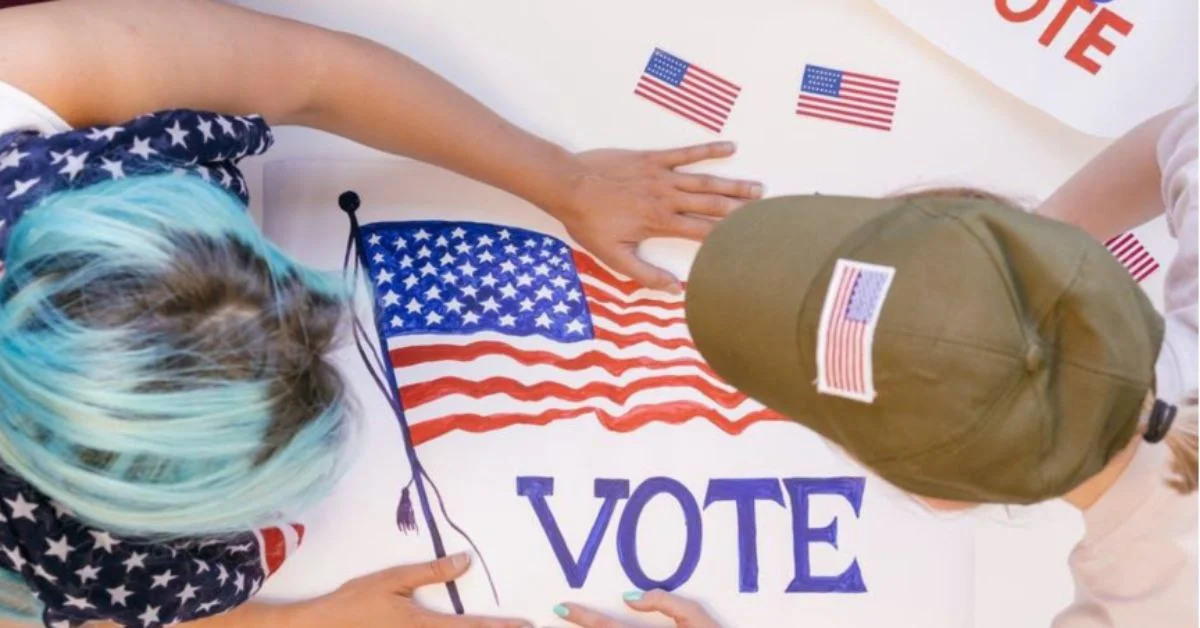
Can a single image sway an entire election? Political posters hold that power. These visual tools are more than just colorful additions to a campaign; they influence, inspire, and inform voters in ways no other medium can match.
The sight of a bold, eye-catching poster can make someone stop in their tracks and think about a candidate’s message. Political posters aren’t just decorations; they’re powerful tools for engagement. They shape public opinion and drive voter turnout, making them essential for any successful campaign.
In a world overflowing with information, these posters cut through the noise and deliver clear, impactful messages that stick with voters long after they’ve seen them.
Engaging Voters Through Visuals
Campaign visuals catch the eye and draw people in. When you walk past a striking political poster, you can’t help but take a moment to absorb its message.
This immediate connection makes posters a vital element in political advertising. With bold colors, compelling images, and clear messages, these posters speak volumes in a split second.
The Art of Poster Design
Effective poster design involves more than slapping a candidate’s face on a sheet of paper. It requires a keen understanding of graphic design, color theory, and marketing principles.
Great political posters balance aesthetics and information, delivering a message that’s both visually appealing and easy to understand. Good design can make or break a campaign.
Political Messaging at Its Best
Political messaging shines through in well-crafted posters. These materials boil complex ideas down into digestible snippets that resonate with voters.
Whether it’s a slogan, a promise, or a call to action, the message needs to be clear and impactful. Posters with strong political messaging stick in the minds of voters long after they’ve seen them.
Campaign Posters and Voter Motivation
Promotional posters do more than inform; they motivate. A well-placed, well-designed poster can inspire people to get involved, attend rallies, or even volunteer.
The visual impact of these posters stirs emotions and fosters a sense of urgency, which is crucial for driving voter turnout.
Election Materials and Their Versatility
Campaign materials come in various forms, but posters stand out due to their versatility. They can be placed almost anywhere. For instance, you can put them:
- On walls
- In windows
- At bus stops
This widespread visibility helps reinforce the campaign’s message across different locations, reaching a diverse audience.
Buying Political Campaign Supplies
To create effective posters, you need quality supplies. It’s crucial to source these materials from reliable vendors. You can buy political campaign supplies here to ensure your posters stand out and withstand the elements.
Good materials make a big difference in the final product’s appearance and durability.
The Lasting Influence of Political Posters
Political posters aren’t just temporary fixtures; they leave a lasting impression. They capture the essence of a campaign, engage voters, and drive political movements. In a world full of noise, these visual tools cut through and deliver powerful messages that resonate.
Get more compelling blog articles like this one by scrolling through the rest of this website!




 HOME IMPROVEMENT1 year ago
The Do’s and Don’ts of Renting Rubbish Bins for Your Next Renovation
- BUSINESS1 year ago
Exploring the Benefits of Commercial Printing
- HOME IMPROVEMENT10 months ago
Get Your Grout to Gleam With These Easy-To-Follow Tips

 BUSINESS1 year ago
Brand Visibility with Imprint Now and Custom Poly Mailers
- HEALTH10 months ago
Your Guide to Shedding Pounds in the Digital Age
- HEALTH10 months ago
The Surprising Benefits of Weight Loss Peptides You Need to Know
- TECHNOLOGY1 year ago
Dizipal 608: The Tech Revolution Redefined

 HEALTH1 year ago
Happy Hippo Kratom Reviews: Read Before You Buy!