FOOD & DRINKS
Unlocking the Secrets of Monosodium Glutamate: Debunking Myths and Exploring its Culinary Potential

I. Introduction
A. Definition of Monosodium Glutamate (MSG)
Monosodium Glutamate (MSG) is a food-added substance generally used to upgrade the kind of exquisite dishes. It is the sodium salt derived from glutamic acid, an amino acid that occurs naturally in various foods such as tomatoes, cheese, and soy sauce. MSG is popular for increasing the umami taste which can be described as savory or meaty.
B. Historical Background
The discovery of MSG dates back to 1908 when Japanese chemist Kikunae Ikeda separated glutamate from seaweed broth leading to the identification of unique taste-enhancing properties. This marked the beginning of commercial production in Asian cuisine primarily made with MSG. Over time, MSG became widespread all over the world and a staple component in many processed foods due to its ability to improve flavor and taste.
II. The Science Behind MSG
A. Chemical Composition and Structure
MSG or Monosodium Glutamate consists mainly of sodium, glutamate plus water molecules. For instance, glutamate refers to an amino acid that serves as a key ingredient accountable for enhancing flavor through MSG functionality. Structurally, it refers to monosodium salt derived from glutamic acid which could otherwise be found naturally in different foods like tomatoes, cheese, and mushrooms. Its chemical formula can be expressed using C5H8NO4Na indicating its molecular composition.
B.Taste Properties
The taste properties of MSG are majorly attributed to its ability to enhance umami among sweet, sour, salty, and bitter basic tastes. Umami is simply referred to as a more meaty or savory flavor characterized by high intensity whereas this effect is magnified under stimulation by particular taste buds on the tongue using such compounds as monosodium glutamate. Consequently, this results in a higher taste perception and improved overall flavor of the food to which MSG is added.
C. Health Implications and Controversies
Though it has been widely used as a taste-enhancing agent, MSG has raised health issues among people. A lot of people claim that they suffer from headaches, sweating, and vomiting when they eat foods that have MSG in them. This condition is commonly referred to as “Chinese Restaurant Syndrome”.
Nevertheless, scientific researchers have been unable to find any definitive links between these symptoms and consumption of MSG. Most studies imply that the usage of MSG in moderation is safe for humans and does not pose significant threats to human life. Both the Food and Drugs Administration (FDA) in America and the European Food Safety Authority (EFSA) concerned with food safety found out that it was generally recognized as safe (GRAS) for use in food products.
Despite this finding, the debate about its implications regarding health continues while further studies are needed to understand its full impacts on human beings.
III. Common Uses of MSG in Food
A. Culinary Applications
MSG is used widely in various culinary applications to improve the savory flavor of dishes. For example, many people add it to soups, stir-fries, marinades, or sauces in Asian cuisine so that they can increase the umami taste while making the whole dish tastier at once. It can be alternatively used as a condiment by directly sprinkling onto cooked dishes before serving to enhance their flavors. At times it’s used at home as a seasoning to bring out natural flavors which gives ingredients more satisfying meals.
B. Food Industry Usage
MSG is popular in the food industry as a flavor enhancer and taste modifier in processed, packaged foods. It is usually found in canned soups, snacks, frozen meals, condiments, and savory snacks such as chips and crackers. This makes them more palatable by enhancing their taste thereby making them more attractive to the prospective buyers. Its taste improvement properties and its ability to hide undesirable tastes have also made it widely used in the food manufacturing industry.
IV. Misconceptions and Controversies Surrounding MSG
A. Debunking Myths
Even though this product has been used for a long time without any safety concerns raised against it by any regulatory body across the world; this product is surrounded with several myths and misconceptions about it.
One common misconception is that people will get Chinese Restaurant Syndrome after eating MSG which is depicted through symptoms such as headache, sweating heavily, or having chest pain among other kinds of discomforts.
However, scientific studies have been unable to prove that there’s a causative link between these reported symptoms and consumption of monosodium glutamate (MSG). Most researchers attribute such reactions to individual sensitivities or unrelated factors other than MSG.
B. Research Findings on Health Effects
Many different scientific studies have looked into the health effects of consuming MSG with most of them finding out that it could be safe for many people when taken into normal dietary amounts.
The Joint FAO/WHO Expert Committee on Food Additives (JECFA) together with other bodies responsible for the regulations of substances have all come out to indicate that monosodium glutamate is harmless for human beings regarding their health statuses. There are even some researches that posit potential health advantages linked with MSG like appetizing stimulation or improved palatability of food products.
Further research however needs to be done so that we can fully comprehend what happens when humans feed on MSG over long periods.
V. Regulatory Status and Labeling Requirements
A. Global Regulations
Monosodium glutamate (MSG) use in food products is regulated by different regulatory agencies across the world which set guidelines and standards to be followed. The whole aim of such regulations is to guarantee safety when it comes to foods containing MSG so that consumers have a clear idea about what they are eating.
The United States Food and Drug Administration (FDA) classifies MSG as a food additive that is generally recognized as safe (GRAS) when used by good manufacturing practices. Similarly, the EU also determines the safety of MSG by the European Food Safety Authority (EFSA), which sets maximum allowable limits for its use in food products throughout this Union.
Specifically, other countries including Japan and China have their regulations governing the use of monosodium glutamate in food manufacturing. They may include criteria like allowable usage levels, labels used, or even safety evaluations done by government officials on whether these substances are fit for human consumption.
On a wider scale, global regulations ensure that the levels of MSG contained in these foods comply with strict safety requirements thereby giving assurance to clients concerning their dietary health standards.
B. Labeling Practices
In some countries like the US and members of the European Union, manufacturers are required to indicate on their products whether they contain added MSG. This allows customers to choose what type of foods they want to buy based on this information.
These terms however change from one jurisdiction to another but “monosodium glutamate”, “MSG” or “flavor enhancer (MSG)” are some of them commonly used during the food labeling process. In addition, some might prefer using different words referring to MSG such as “hydrolyzed vegetable protein” or “yeast extract” since these two types do contain glutamate and may serve the same function as flavor enhancers just like monosodium glutamate does.
Sometimes, tomatoes and cheese which are natural sources of glutamate do not have to indicate that they contain MSG. However, there are specific groups of consumers who may be allergic to MSG or just wish to keep off it by checking the product label for one written “MSG-free” or choosing foods packed with other flavor enhancers instead.
CONCLUSION
In conclusion, the use of MSG Flavour enhancer as a taste modifier and flavor enhancer is quite significant in culinary arts. However, amidst the misunderstandings and disputes surrounding it, scientific research has consistently shown that MSG is safe when taken in moderate quantities. By helping improve the general taste of dishes by enhancing their umami flavor properties, MSG has become a must-have ingredient both at home and in the food industries.


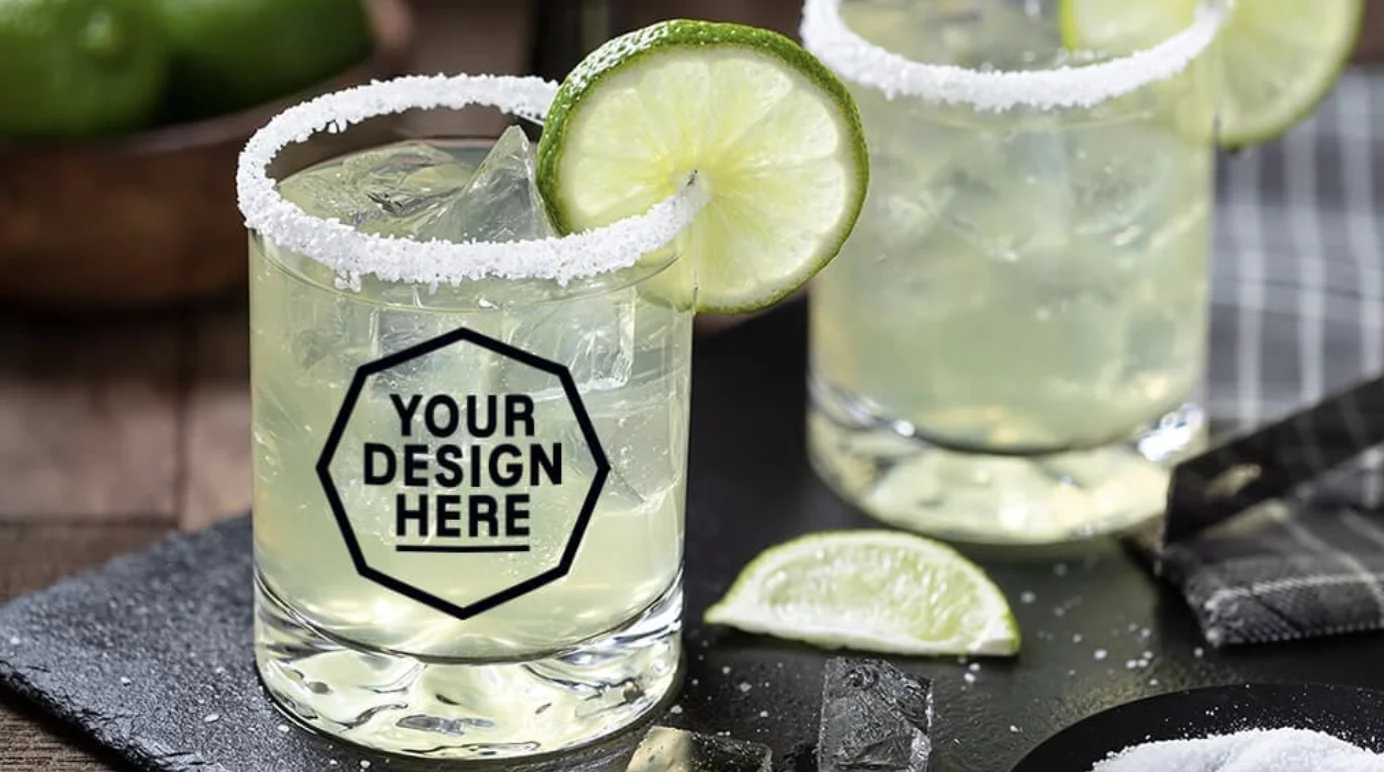
Margaritas are a symphony of tequila and citrus with a hint of sweetness that have conquered taste buds and hearts worldwide. This cocktail’s charm lies in its refreshing taste and the glass it’s served in! It’s more than a drink; it’s an experience. In this detailed guide, we will explore the world of Margarita glasses. From selecting the right one, personalizing them for special events, and understanding why its unique shape enhances your cocktail experience, we’ve got you covered.
Choosing Your Ideal Margarita Glass
- Material Selection: Margarita glasses come in various materials – glass, plastic, and acrylic. With its pristine clarity and elegant appearance, glass remains the top choice for many Margarita lovers. It elevates the cocktail from a mere beverage to a sophisticated experience.
- Style and Shape: The market offers various styles and shapes. While classic designs remain popular, there’s a growing trend towards unique and themed glasses. Consider the style that aligns with your taste or the theme of your event.
- Personalization: Personalized glasses add a unique touch. Engraving them with names, dates, or special messages transforms a simple glass into a cherished keepsake. Personalization is a growing trend, reflecting a desire for more meaningful and tailored experiences.
- Size Matters: Ranging from 8 to 12 ounces, the size of your Margarita glass can influence your drinking experience. Larger glasses allow more dramatic presentations, while smaller ones suit more intimate settings.
- Rim Type: A salted rim is synonymous with Margarita glasses. Many enthusiasts relish the salty contrast to the cocktail’s sweetness. Consider whether this feature appeals to you or your guests when choosing a glass.
- Set or Single: Deciding between a single glass or a set often depends on the occasion. Sales trends show equal demand for both, with preferences varying according to the nature of the event or celebration.
- Ensure Quality with Reviews: The glass’s quality, durability, and customization are all vital. Customer reviews and ratings can guide you towards glasses that promise satisfaction in both aesthetics and longevity.
- Matching the Occasion: Different glasses suit different occasions! There’s a Margarita glass for every event, whether it’s a lively birthday party, a romantic anniversary, or a casual gathering.
- Themed Glasses: Custom-themed glasses are gaining popularity. Whether reflecting hobbies, favorite colors, or personal interests, these glasses make for thoughtful, personalized gifts.
- Setting Your Budget: With a wide range of prices, setting a budget helps filter your options. Consumers often find their ideal Margarita glass within their set budget, balancing cost with desired features.
The Purpose of Margarita Glass Design
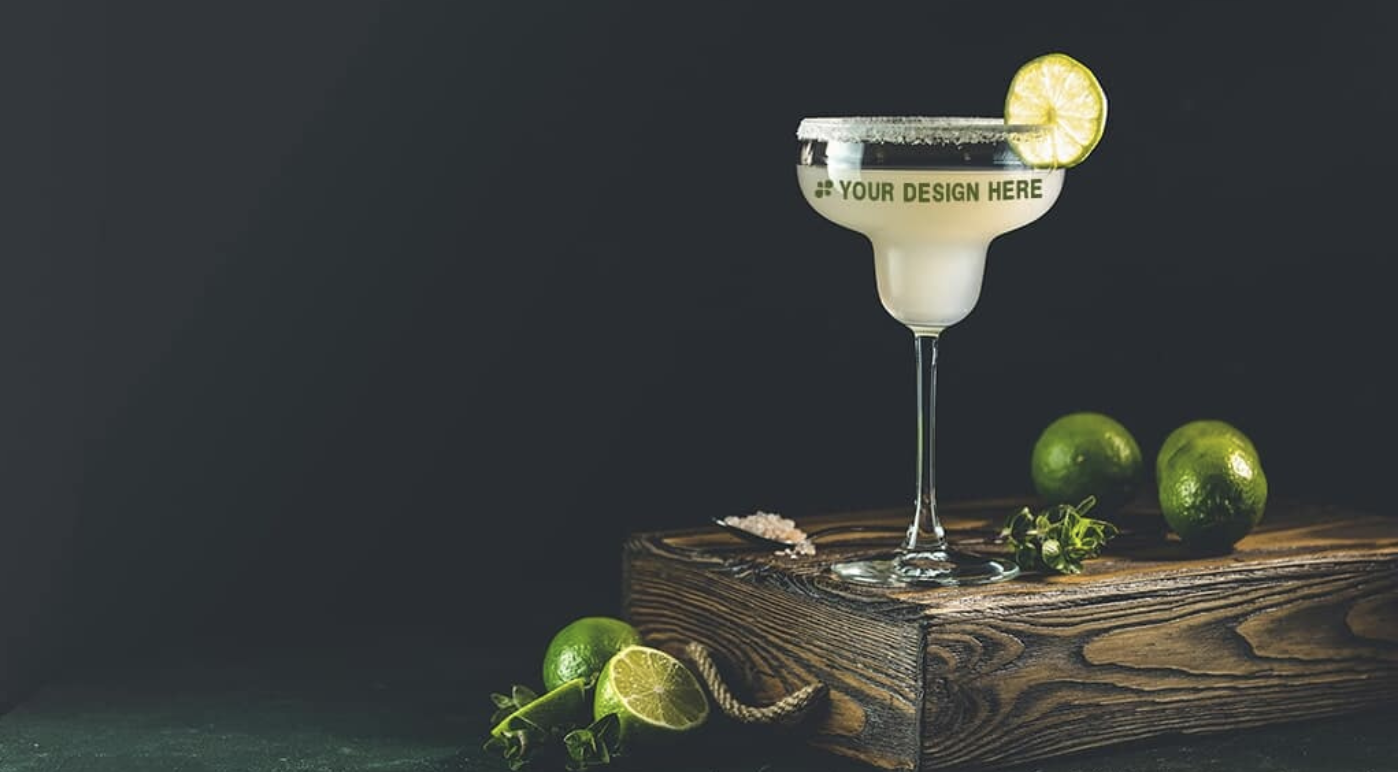
The design of a Margarita glass isn’t just for aesthetic appeal; it enhances the entire cocktail experience. The glass’s signature wide, shallow bowl plays a crucial role in aroma enhancement. It’s expertly crafted to allow the delightful scents of tequila and citrus to waft upwards, greeting your senses even before the first sip. This design also offers ample space for ice, ensuring that your Margarita remains refreshingly chilled, a key to its refreshing taste.
But the elegance of a Margarita glass goes beyond its bowl. The long stem is not just a stylish feature; it serves a practical purpose. By holding the glass by the stem, the warmth from your hand doesn’t transfer to the cocktail, maintaining its ideal cool temperature. Furthermore, the unique shape of the glass, with its balanced proportions, adds an element of sophistication to your cocktail presentation. It turns your drink into an experience, elevating the humble act of sipping a Margarita to a moment of elegance and flair.
Margarita Glass Size
The size of your Margarita glass is a personal choice that can significantly impact your drinking experience. Margarita glasses are typically found in sizes ranging from 8 to 12 ounces. This range accommodates various preferences and occasions. The choice of size should be influenced by the Margarita recipe you favor. A larger glass, for example, is perfect for recipes that call for a generous amount of ingredients or for those who enjoy a more visually impactful presentation.
On the other hand, a smaller glass might be ideal for more intimate gatherings or for those who prefer a more concentrated flavor experience. The smaller size ensures the cocktail remains perfectly chilled from the first sip to the last. The glass size can also influence the balance of flavors, especially when considering the amount of ice and the ratio of ingredients.
Moreover, the choice of glass size can reflect the tone and style of the event. A larger ornate glass might suit a festive celebration or a themed party. In contrast, a smaller, more understated glass might be more appropriate for a casual get-together or a relaxed evening at home. Ultimately, the right size for your Margarita glass hinges on how you like your drink served and the atmosphere you wish to create for your guests or yourself.
The Art of the Salted Rim
The salted rim is an integral part of the Margarita experience, due to:
- Flavor Balance: It offsets the sweetness and tartness of the cocktail, creating a harmonious blend of flavors.
- Aroma Boost: As the glass nears the lips, the salt enhances the drink’s aroma, complementing the overall sensory experience.
- Visual Appeal: A salted rim gives the Margarita a festive and distinctive appearance.
- Tradition: This feature is deeply ingrained in Margarita culture, adding to the authenticity of the cocktail.
Using the right personalized Margarita glasses can transform your event into a memorable cocktail experience! Whether for a grand celebration or a quiet evening, the perfect Margarita glass enhances the taste and ambiance, making each sip a moment to cherish. Cheers to finding the perfect glass that complements your drink and style!
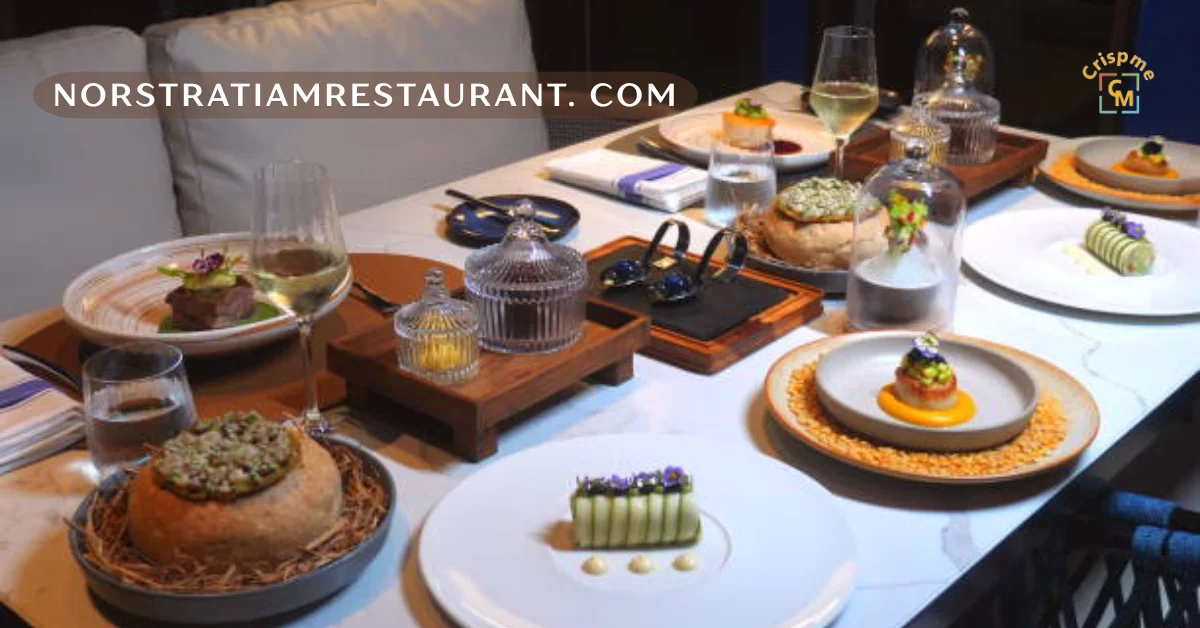
Problem Identification & The Why: The Modern Dining Dilemma
Many restaurants struggle to balance scale with quality. Customers today demand transparency, but most establishments rely on outdated Artisan Supply Chain methods. Norstratiamrestaurant. com leads to inconsistent taste and high waste. If your kitchen lacks Sustainable Sourcing Protocols, you are losing both money and trust.
norstratiamrestaurant. com solves this by treating culinary arts like a high-performance system. We address the intent of diners who want more than just a meal; they want a verified experience. By focusing on Nutrient-Density Optimization, we ensure every bite serves a functional and sensory purpose.
The “Why” is simple: mediocrity is expensive. Poor Cold Chain Integrity ruins expensive ingredients before they reach the plate. We solve this bottleneck by integrating technology into the very fabric of our dining room.
Pro-Tip: Always check for Organic Certification Compliance on your invoice, not just the marketing brochure. True quality starts with the paperwork.
Technical Architecture: The ISO/HACCP Standard for Excellence
Superior dining is built on a foundation of safety and precision. We adhere strictly to HACCP (Hazard Analysis Critical Control Point) principles. This is the global standard for preventing biological and chemical hazards in food. At our level, it isn’t just about washing hands; it is about IoT Smart Sensors monitoring every fridge.
We also look to ISO 22000 for food safety management. This technical architecture ensures that our Farm-to-Table Logistics are airtight. When an ingredient arrives, its data is logged into our Inventory Management AI. This allows for real-time tracking of shelf life and peak flavor windows.
The implementation of Kitchen Automation Systems follows the IEEE 2700 standards for sensor performance. This ensures that our Sous-Vide Precision remains within 0.1 degrees of accuracy. Without this level of engineering, the texture of a high-end protein is left to chance.
Real-World Warning: Many "smart kitchens" fail because they lack POS (Point of Sale) Semantic Integration. If your oven doesn't talk to your order system, your tech is a decorative paperweight.
Features vs. Benefits: The Culinary Value Matrix
Understanding the difference between a tool and a result is key. Here is how norstratiamrestaurant. com translates technical features into guest benefits.
| Feature | Technical Benefit | Guest Experience Impact |
| Micro-Green Cultivation | On-site ultra-fresh harvesting | Unmatched Flavor Profile Mapping and color. |
| Food Traceability Blockchain | Immutable origin verification | Absolute confidence in Ethical Meat Processing. |
| Molecular Gastronomy | Controlled chemical reactions | Unique textures and “wow” factor presentations. |
| Aura Dining Ambiance | IoT-controlled lighting/sound | Perfectly synced mood for Culinary UX Design. |
| Nutrient-Density Optimization | Maximum vitamin retention | A meal that leaves you feeling energized, not heavy. |
Pro-Tip: Use Spatial Audio Processing in the dining area to reduce ambient noise. It allows guests to whisper while still being heard by their party.
Expert Analysis: What the Competition Hides
Most restaurants talk about “freshness” as a vague marketing term. They won’t tell you about the “holding time” of their ingredients. In 2026, norstratiamrestaurant. com sets the standard by revealing our Cold Chain Integrity data. Competitors often use Artisan Supply Chain as an excuse for inconsistent availability.
Furthermore, competitors often ignore the Culinary UX Design. They focus on the food but forget the digital journey. From the moment you visit our site to the final receipt, every touchpoint is optimized using POS (Point of Sale) Semantic Integration.
Another hidden truth is the environmental cost of traditional dining. While others greenwash, we implement Zero-Waste Kitchen Standards that actually track gram-by-gram waste. We use AI to predict demand and adjust our Seasonal Menu Rotation daily, not monthly.
Step-by-Step Practical Implementation Guide
To achieve the norstratiamrestaurant. com standard, follow these steps:
- Deploy IoT Monitoring: Install IoT Smart Sensors in all storage areas to ensure Cold Chain Integrity.
- Audit Your Sources: Shift to Farm-to-Table Logistics by vetting local vendors for Organic Certification Compliance.
- Map Your Flavors: Use Flavor Profile Mapping software to ensure seasonal dishes maintain a consistent “signature” taste.
- Digitize Inventory: Move your stock to an Inventory Management AI to reduce waste by 30% or more.
- Refine Presentation: Apply Molecular Gastronomy techniques to one core component of each dish to elevate the visual Culinary UX Design.
Real-World Warning: Do not implement Kitchen Automation Systems all at once. Start with temperature control before moving to automated prep to avoid staff burnout.
Future Roadmap for 2026 & Beyond
The future of dining is hyper-personalized. We are moving toward “Nutritional Customization,” where your Flavor Profile Mapping is adjusted based on your dietary needs in real-time. norstratiamrestaurant. com is at the forefront of this shift.
We are also experimenting with Micro-Green Cultivation using vertical robotic farms. This will eventually lead to a “Zero-Mile Diet,” where 50% of the plate is grown within the restaurant walls. The integration of Sommelier Curation Tech will soon allow guests to scan a label and see the entire Food Traceability Blockchain history of their wine.
FAQs
What is the benefit of Molecular Gastronomy?
It allows us to create textures like foams or spheres that are impossible with traditional cooking, enhancing the Culinary UX Design.
Is “Farm-to-Table” actually more sustainable?
Yes, but only if Farm-to-Table Logistics are optimized to reduce the carbon footprint of transport.
How does AI help a chef?
Inventory Management AI predicts busy nights, ensuring we have exactly enough fresh Hyper-Local Ingredients without over-ordering.
Why is nutrient density important?
Nutrient-Density Optimization ensures that you get the most health benefits from your calories, making the meal an investment in your well-being.
What makes a dining experience “High-Performance”?
It is the seamless blend of Sous-Vide Precision, perfect lighting, and verified Ethical Meat Processing.

Introduction to Babeltee and its Mission
Imagine a world where language barriers dissolve, and cultural differences become stepping stones to understanding. Welcome to Babeltee, a vibrant global movement that connects individuals through the power of language and cultural exchange. This innovative platform is not just about learning new words; it’s about forging connections, sharing experiences, and building friendships across continents. With Babeltee, every conversation is an opportunity to explore diverse perspectives while fostering empathy and unity among people from different backgrounds. Join us as we delve into what makes Babeltee so special and how it’s transforming lives one chat at a time.
The Power of Language and Cultural Exchange
Language is a powerful tool that transcends borders. It connects us, allowing us to share experiences and ideas. When we engage in cultural exchange, we unlock new perspectives.
Through conversations, we bridge gaps between diverse communities. Each language carries its own history and richness. Learning another tongue opens doors to understand traditions and values deeply rooted in different cultures.
Cultural exchange also fosters empathy. By sharing stories from our unique backgrounds, we cultivate respect for one another’s differences. These interactions challenge stereotypes and promote acceptance.
In this globalized world, the ability to communicate across languages has never been more vital. Language is not just a means of communication; it’s a gateway to friendship and collaboration that can unite individuals worldwide.
Virtual Language Exchanges: Connecting People Across the Globe
Virtual language exchanges are transforming how we connect with one another. Through digital platforms, individuals from different corners of the world engage in real-time conversations.
These exchanges foster genuine interactions that transcend geographical boundaries. Participants share their native languages and cultural insights, creating a rich tapestry of learning experiences.
Imagine practicing Spanish with someone in Madrid while sharing your favorite American idioms. These moments spark friendships and broaden perspectives.
The flexibility of virtual meetings allows for spontaneous connections at any time. This accessibility encourages participation from diverse backgrounds, enriching discussions further.
As people converse, they not only learn new words but also gain an appreciation for each other’s culture. It’s about understanding nuances that textbooks often overlook.
Through Babeltee’s framework, these dynamic exchanges flourish, making the world feel smaller and more interconnected than ever before.
Babeltee’s Impact on Building Bridges and Breaking Barriers
Babeltee has emerged as a powerful platform for fostering connections across cultures. By facilitating language exchange, it creates opportunities where differences fade into shared experiences.
Participants engage in meaningful conversations that challenge stereotypes and promote understanding. Each interaction allows individuals to step into another’s world, gaining insights that textbooks simply can’t offer.
These connections often blossom into friendships that defy borders. People from diverse backgrounds come together not just to learn a new language but also to appreciate each other’s stories and traditions.
Through Babeltee, barriers dissolve. Language becomes less of an obstacle and more of a bridge connecting hearts and minds. The genuine empathy cultivated through these exchanges empowers participants to become advocates for cultural appreciation in their communities.
Success Stories and Testimonials from Babeltee Participants
Babeltee has transformed lives in remarkable ways. One participant, Maria from Brazil, shared how she improved her English speaking skills through casual chats with a partner in Canada. She felt her confidence soar as they discussed everything from culture to food.
Another user, Ahmed from Egypt, found a community that understood his journey. He connected with learners across Europe and exchanged stories about their traditions. These interactions opened his eyes to different perspectives.
Then there’s Sophie from Australia who never thought language learning could be so fun. Through Babeltee’s platform, she met Lucas in Spain and now they share weekly cooking sessions over video calls—learning recipes while honing their language skills together.
These stories illustrate the genuine connections forged through Babeltee. Each interaction not only enriches individual experiences but also fosters understanding among diverse cultures worldwide.
How to Get Involved in Babeltee: Steps for Joining the Global Movement?
Getting involved with Babeltee is simple and rewarding. Start by visiting the official website to learn more about the platform’s offerings.
Create a free account to access various language exchange opportunities. This will allow you to connect with partners who share your interests and goals in learning languages.
Explore different events and workshops hosted by Babeltee. These gatherings provide spaces for cultural sharing, where you can practice speaking while making new friends worldwide.
Don’t hesitate to engage on social media platforms as well. Follow Babeltee’s channels for updates, tips, and community stories that inspire connection.
Invite friends or family members to join you in this journey of linguistic exploration. The more participants there are, the richer the experience becomes for everyone involved!
Conclusion: Spreading Understanding, Empathy, and Unity through Language and Culture with Babel
Language is more than just a means of communication; it’s a bridge that connects diverse cultures and fosters understanding. Babeltee embodies this concept, championing the idea that through language exchange, we can cultivate empathy and unity among people from all walks of life.
By participating in Babeltee’s initiatives, individuals not only learn new languages but also immerse themselves in different customs and perspectives. This global movement transcends borders, creating meaningful connections between participants. Each conversation is an opportunity to share stories and experiences, enriching our collective human experience.
As you join Babeltee, you’re taking part in something greater than yourself a worldwide effort to embrace diversity through dialogue. The impact is profound: relationships formed today create ripples of kindness for tomorrow.
Together with others who believe in the power of connection, you can contribute to a future where cultural differences are celebrated rather than feared. Let your voice be heard as we continue spreading understanding across continents because every word shared is another step toward global harmony through language and culture with Babeltee at the forefront.




 HOME IMPROVEMENT1 year ago
The Do’s and Don’ts of Renting Rubbish Bins for Your Next Renovation
- BUSINESS1 year ago
Exploring the Benefits of Commercial Printing
- HOME IMPROVEMENT10 months ago
Get Your Grout to Gleam With These Easy-To-Follow Tips

 BUSINESS1 year ago
Brand Visibility with Imprint Now and Custom Poly Mailers
- HEALTH10 months ago
Your Guide to Shedding Pounds in the Digital Age
- HEALTH10 months ago
The Surprising Benefits of Weight Loss Peptides You Need to Know
- TECHNOLOGY1 year ago
Dizipal 608: The Tech Revolution Redefined

 HEALTH1 year ago
Happy Hippo Kratom Reviews: Read Before You Buy!