
FOOD & DRINKS
Diagnosed with Shigella After Visiting Longhorn Steakhouse? Health Department Urges Swift Action


After several cases of Shigella were linked to Longhorn Steakhouse, health officials are urging anyone who recently dined at the restaurant and is experiencing symptoms to take immediate action. Shigella is a highly contagious bacterium that causes severe gastrointestinal issues, such as diarrhea, stomach cramps, and fever. In response to the outbreak, local health departments are collaborating with the restaurant chain to contain the spread of the disease and prevent further infections.
Health authorities emphasize the importance of seeking prompt medical care, as untreated Shigella infections can lead to more serious complications. At the same time, efforts are underway to trace the source of the contamination and ensure that necessary measures are in place to protect the public. This situation serves as a critical reminder of the need for rigorous food safety practices in preventing the spread of foodborne illnesses.
The Rise of Shigella Cases: What Sparked the Outbreak at Longhorn Steakhouse?
The Shigella outbreak at Longhorn Steakhouse began with a sudden spike in illness reports from patrons. Health officials have traced the bacteria to the Fairview Heights location, but questions remain about how the outbreak started. Was it an isolated incident of food contamination or a breakdown in hygiene protocols? Investigators are looking into food handling practices, employee health, and sanitation methods to identify what went wrong.
Understanding how the bacteria was introduced is critical in preventing future incidents. As the investigation continues, officials are urging diners to be cautious and report any symptoms immediately.
From Restaurant to Hospital: How Quickly Shigella Can Spread
Shigella is notorious for its ability to spread rapidly, particularly in environments like restaurants where food and human contact are plentiful. In the case of Longhorn Steakhouse, even a single mishap in food handling can expose numerous patrons to the bacteria. Shigella thrives in unsanitary conditions, making it easy to transmit through contaminated surfaces, utensils, or food.
The outbreak serves as a reminder of how fast foodborne bacteria can escalate from a single case to dozens of people requiring medical attention. In this context, timely intervention is key to minimizing the number of those affected.
The Health Department’s Warning: Early Symptoms You Shouldn’t Ignore
One of the most important messages from health officials in this outbreak is to take early symptoms seriously. Mild diarrhea or stomach cramps could be easy to overlook, but these early signs can quickly progress into more severe gastrointestinal distress. Health departments are urging anyone who dined at Longhorn Steakhouse and develops symptoms to seek medical help immediately, as early detection is critical.
Even if the symptoms seem minor, they can lead to more serious health problems, especially for those with weakened immune systems, children, and the elderly. Quick action can reduce the risk of complications and prevent further spread of the infection.
Behind the Scenes: How Health Officials Investigate an Outbreak
When a foodborne illness outbreak occurs, health officials spring into action, conducting detailed investigations to trace the origin of the bacteria. In the case of the Shigella outbreak linked to Longhorn Steakhouse, investigators are conducting interviews with diners, collecting samples, and inspecting the restaurant’s food handling and sanitation practices.
These investigations often involve collaboration between local health departments, food safety experts, and even the Centers for Disease Control and Prevention (CDC) to determine how the bacteria spread and to contain the outbreak quickly. Understanding the process behind these investigations helps the public appreciate the measures taken to protect their health.
Longhorn Steakhouse’s Hygiene Practices: Are They Enough to Prevent Future Outbreaks?
Longhorn Steakhouse has been scrutinized for its hygiene practices in the wake of the Shigella outbreak. While the restaurant chain is taking corrective measures, such as deep cleaning and employee retraining, many are asking if these actions are sufficient to prevent another outbreak. Food safety protocols, including proper handwashing, cooking, and food storage, are essential in preventing bacteria like Shigella from contaminating meals.
There is still uncertainty about whether it is necessary to introduce further measures, such as increasing the frequency of health inspections or enforcing stricter employee health screenings, in order to guarantee the safety of diners in the future.
What Should Diners Do If They Suspect They’ve Been Exposed?
If you suspect you have been exposed to Shigella after dining at Longhorn Steakhouse, there are several steps you should take. First, monitor your symptoms closely. If you experience diarrhea, fever, or stomach cramps, contact a healthcare provider immediately for testing and treatment. Second, it’s important to stay hydrated, as Shigella can cause dehydration quickly, especially in children and the elderly.
Additionally, report your illness to the local health department to help officials track the Shigella food poisoning outbreak and gather critical information. Acting quickly can protect not only your health but also help stop the bacteria from spreading to others.
Lessons from the Outbreak: How Restaurants Can Strengthen Their Defenses Against Foodborne Illness
The Shigella outbreak at Longhorn Steakhouse highlights the importance of robust food safety measures in the restaurant industry. To prevent future outbreaks, restaurants must not only comply with standard hygiene practices but also go beyond the basics. This could include regular food safety audits, real-time monitoring of kitchen cleanliness, and stringent checks on employee health before shifts begin.
Restaurants can minimize the chances of contamination and uphold their reputation by consistently implementing these measures. Additionally, they can prioritize the safety of their customers by protecting them from potential foodborne illnesses like Shigella.
How the Public Can Help: Reporting and Staying Informed During an Outbreak
While health officials and restaurants play key roles in managing an outbreak, the public can also help by staying informed and reporting any suspected cases of foodborne illness. During the Shigella outbreak, those who suspect they have been affected should follow health department updates, cooperate with interviews, and provide details about their dining experience.
Public awareness and vigilance are essential in halting the spread of foodborne illnesses. Sharing timely information and staying updated on health department notifications can help individuals protect themselves and those around them.

Introduction to Babeltee and its Mission
Imagine a world where language barriers dissolve, and cultural differences become stepping stones to understanding. Welcome to Babeltee, a vibrant global movement that connects individuals through the power of language and cultural exchange. This innovative platform is not just about learning new words; it’s about forging connections, sharing experiences, and building friendships across continents. With Babeltee, every conversation is an opportunity to explore diverse perspectives while fostering empathy and unity among people from different backgrounds. Join us as we delve into what makes Babeltee so special and how it’s transforming lives one chat at a time.
The Power of Language and Cultural Exchange
Language is a powerful tool that transcends borders. It connects us, allowing us to share experiences and ideas. When we engage in cultural exchange, we unlock new perspectives.
Through conversations, we bridge gaps between diverse communities. Each language carries its own history and richness. Learning another tongue opens doors to understand traditions and values deeply rooted in different cultures.
Cultural exchange also fosters empathy. By sharing stories from our unique backgrounds, we cultivate respect for one another’s differences. These interactions challenge stereotypes and promote acceptance.
In this globalized world, the ability to communicate across languages has never been more vital. Language is not just a means of communication; it’s a gateway to friendship and collaboration that can unite individuals worldwide.
Virtual Language Exchanges: Connecting People Across the Globe
Virtual language exchanges are transforming how we connect with one another. Through digital platforms, individuals from different corners of the world engage in real-time conversations.
These exchanges foster genuine interactions that transcend geographical boundaries. Participants share their native languages and cultural insights, creating a rich tapestry of learning experiences.
Imagine practicing Spanish with someone in Madrid while sharing your favorite American idioms. These moments spark friendships and broaden perspectives.
The flexibility of virtual meetings allows for spontaneous connections at any time. This accessibility encourages participation from diverse backgrounds, enriching discussions further.
As people converse, they not only learn new words but also gain an appreciation for each other’s culture. It’s about understanding nuances that textbooks often overlook.
Through Babeltee’s framework, these dynamic exchanges flourish, making the world feel smaller and more interconnected than ever before.
Babeltee’s Impact on Building Bridges and Breaking Barriers
Babeltee has emerged as a powerful platform for fostering connections across cultures. By facilitating language exchange, it creates opportunities where differences fade into shared experiences.
Participants engage in meaningful conversations that challenge stereotypes and promote understanding. Each interaction allows individuals to step into another’s world, gaining insights that textbooks simply can’t offer.
These connections often blossom into friendships that defy borders. People from diverse backgrounds come together not just to learn a new language but also to appreciate each other’s stories and traditions.
Through Babeltee, barriers dissolve. Language becomes less of an obstacle and more of a bridge connecting hearts and minds. The genuine empathy cultivated through these exchanges empowers participants to become advocates for cultural appreciation in their communities.
Success Stories and Testimonials from Babeltee Participants
Babeltee has transformed lives in remarkable ways. One participant, Maria from Brazil, shared how she improved her English speaking skills through casual chats with a partner in Canada. She felt her confidence soar as they discussed everything from culture to food.
Another user, Ahmed from Egypt, found a community that understood his journey. He connected with learners across Europe and exchanged stories about their traditions. These interactions opened his eyes to different perspectives.
Then there’s Sophie from Australia who never thought language learning could be so fun. Through Babeltee’s platform, she met Lucas in Spain and now they share weekly cooking sessions over video calls—learning recipes while honing their language skills together.
These stories illustrate the genuine connections forged through Babeltee. Each interaction not only enriches individual experiences but also fosters understanding among diverse cultures worldwide.
How to Get Involved in Babeltee: Steps for Joining the Global Movement?
Getting involved with Babeltee is simple and rewarding. Start by visiting the official website to learn more about the platform’s offerings.
Create a free account to access various language exchange opportunities. This will allow you to connect with partners who share your interests and goals in learning languages.
Explore different events and workshops hosted by Babeltee. These gatherings provide spaces for cultural sharing, where you can practice speaking while making new friends worldwide.
Don’t hesitate to engage on social media platforms as well. Follow Babeltee’s channels for updates, tips, and community stories that inspire connection.
Invite friends or family members to join you in this journey of linguistic exploration. The more participants there are, the richer the experience becomes for everyone involved!
Conclusion: Spreading Understanding, Empathy, and Unity through Language and Culture with Babel
Language is more than just a means of communication; it’s a bridge that connects diverse cultures and fosters understanding. Babeltee embodies this concept, championing the idea that through language exchange, we can cultivate empathy and unity among people from all walks of life.
By participating in Babeltee’s initiatives, individuals not only learn new languages but also immerse themselves in different customs and perspectives. This global movement transcends borders, creating meaningful connections between participants. Each conversation is an opportunity to share stories and experiences, enriching our collective human experience.
As you join Babeltee, you’re taking part in something greater than yourself a worldwide effort to embrace diversity through dialogue. The impact is profound: relationships formed today create ripples of kindness for tomorrow.
Together with others who believe in the power of connection, you can contribute to a future where cultural differences are celebrated rather than feared. Let your voice be heard as we continue spreading understanding across continents because every word shared is another step toward global harmony through language and culture with Babeltee at the forefront.
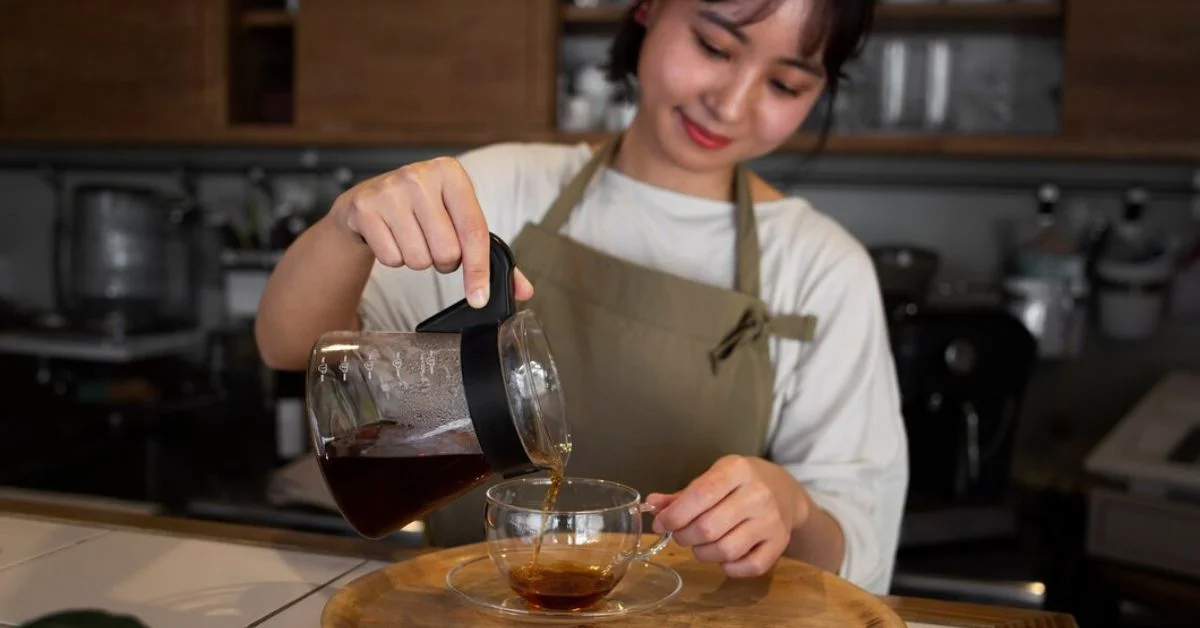
Drinking coffee has been one of the greatest activities that anyone can do in the morning. It is a great way to start your day, especially if you can get your hands on delicious ground coffee. The question is, how can you brew the perfect cup of coffee?
You are in luck because this post will discuss some of the most effective tips to help you brew the perfect cup of coffee any time of the day.
1. Focus On The Beans
The first step should be finding high-quality beans for your coffee by checking the roast dates of your bean pack. The earlier the date, the better. This ensures a fresh cup of coffee every day.
Also, try to look for coffee beans from respectable companies. Don’t hesitate to ask for recommendations when you feel confused about your available choices.
2. Learn And Memorize The Brewing Techniques
If you have the time, try to learn all the available techniques for coffee brewing. You can choose to use any of these techniques to enhance the quality and taste of your favorite beverage. Here are some of them as follows.
- French Press: Mix 18G of ground coffee beans and 300 ml of water. You should brew it for around 3 to 4 minutes to get the best effect.
- Espresso: You can easily make an espresso with a machine by choosing the right kind of beans and grinding it. Adjust the grind feature to its proper setting and put the coffee grounds into the portafilter. After this, attach the portafilter to the coffee maker and pull it for about 20 to 30 seconds.
- Pour-Over: Boil a cup of water. After this, put ground coffee beans into the filter and add the water you boiled earlier. The amount of ingredients you put in will depend on your preference.
- Dip Brewer: Here, you will use a cone-shaped filter to extract the flavors of the coffee bean and mix it along with the water. It helps produce a much more purified taste for the coffee.
Do a little bit more research regarding these techniques and follow the instructions carefully. This way, you will be able to produce the best homemade coffee you can offer your family and yourself. Don’t be afraid to ask questions. That is how you will learn all about coffee.
Also, try to explore and learn more about the history of coffee and other similar beverages in different countries. This way, you will not end up being stuck with one choice. You will have ideas flowing in your head for sure.
3. Look For A Good Coffee Grinder
If you want to elevate the quality of your coffee, use a high-quality coffee grinding machine. Grinding just before brewing the beans should produce amazing flavors. Do your best to avoid blade grinders because they tend to make unreliable coffee flavors. Instead, try to find the best burr grinder to make your life easier.
4. Take Note Of The Water And Machine Quality
The kind of water you use for your Ground Coffeecan affect the taste for sure. Spring or filtered water usually comes recommended by the experts because it is much cleaner. You must also try to maintain your coffee maker regularly because faulty machinery can also affect the flavor.
5. Pay Close Attention
When making your cup of coffee, it is important to give the process ample attention. Take note of the temperature, the amount of water, the coffee beans, and all the little details that come with your coffee. Take your time.
Enjoy the process and everything else will follow. Before drinking the coffee, smell it first. Once you do take a sip, cherish every moment. Let it burn into your brain so that you won’t forget. This is what you call savoring the moment.
6. Remember The Right Measurements
The ideal measurement for brewing the perfect cup of coffee is one to two tablespoons per 6 ounces of water. Of course, you can adjust this according to your preference. Keep in mind that the more coffee grounds you use, the stronger the coffee gets.
7. Try To Experiment Once In A While
To add to this, do not be afraid to experiment. Use more ingredients to your coffee such as cinnamon or even a standard spoonful of sugar. This way, you will be able to discover different tastes and overall quality.
Find Your Blend Now!
Following these steps is just the beginning of the journey. The key is to savor every moment of the process. That way, you will be able to enjoy your ground beans much more than ever before. Don’t be afraid to share the results with others as well.

Beverages come in many different types of packaging. There are a variety of factors to consider when choosing the type of packaging for a beverage. The most common types of packaging include glass bottles, aluminum cans, plastic bottles, and cartons.
These packages help keep our drinks safe and fresh. They also make it easy to take our favorite beverages wherever we go. In this blog, we will tackle how different packaging affects the taste of beverage drinks.
Material Matters
Material matters a lot when it comes to keeping our drinks tasty and safe. Different materials, like glass, plastic, aluminum, and Tetra Pak, have their special ways of protecting what’s inside them. Each material helps make sure our drink stays fresh, just like when it was first made.
Choosing the right material can also help our planet. For instance, using things that can be recycled means less trash in landfills. Some materials are better at keeping drinks cold or making sure they don’t lose their flavor to the air or sunlight.
This shows why it’s important to think about how our drinks come in. The right choice keeps our beverages safe and helps care for the Earth. We should always check what our drinks are packaged in and choose wisely.
Glass Elegance
Glass bottles have been around for a long time, making them a classic choice for storing drinks. They are great because they don’t change the taste of the drinks inside them. This means your favorite juice or soda will taste just how it’s supposed to. Glass also helps drinks stay fresh longer, increasing the beverage shelf-life, so you can enjoy your drink as if it was just made.
People like glass bottles because they can be used again and reused many times. This is good for the planet because less trash ends up in landfills. And, when glass bottles are recycled, they can become new bottles, keeping the cycle of use going without losing quality or purity.
Plastic Convenience
Plastic bottles are super popular because they’re light and tough. This makes them perfect for carrying around your favorite drinks without worrying about them breaking or being too heavy. Plus, you can see through them, so you know exactly how much drink you have left.
One of the cool things about plastic bottles is that they’re pretty cheap to make. That means your drinks can cost less, which is great for saving a bit of money. They also don’t break into sharp pieces like glass, making them safer, especially for kids.
Advancements in technology have led to the development of safer plastics that are specifically designed for beverage packaging. These plastics are BPA-free and do not leach chemicals into the drinks, maintaining their taste and quality.
Tetra Pak Innovation
Tetra Pak brings smart packaging to our drinks. They are made to keep our juice and milk safe and fresh for a long time without needing a fridge. This makes it easy to take our favorite drinks on trips or to school.
Their design is friendly to the Earth because they can be recycled. People like them because they are easy to open and drink from. Tetra Pak pays attention to people’s wants, changing their designs to fit consumer preferences.
They are also good for keeping the taste of drinks right. With special layers, Tetra Paks stop air and light from spoiling the drink inside. This means your beverage tastes as it should, whether it’s juice, milk, or tea.
Aluminum Advantages
Aluminum cans and bottles are great for keeping drinks like soda and beer super cold. They’re also light, which makes them easy to carry around. An aluminum water bottle can be your best friend on a hot day because it helps your drink stay chilled longer.
These containers are also kind to the Earth. Aluminum can be recycled over and over without losing its quality. This means using less energy and creating less waste, which is awesome for our planet.
Making drinks in aluminum is good for your wallet. It’s cheaper to transport these light containers, so this can help keep the cost of drinks down. Aluminum protects the taste of your drink from outside stuff like sunlight and air.
Barrier Technology
Barrier technology is a clever way to keep drinks tasting fresh and safe. It works by adding a special layer to the packaging that stops air and other bad things from getting inside. This is important because air can make drinks go bad or taste funny.
Not only does this technology help drinks stay good for longer, but it also means we don’t have to use preservatives. That’s great because it keeps our drinks more natural, just like how we want them. With barrier technology, drinks can travel far without the worry of getting spoiled.
Sealing Integrity
Sealing integrity is all about making sure the drink inside the package doesn’t leak out and that the outside world doesn’t get in. This is important because it helps keep the drink fresh and safe to drink. Good seals mean no spills and no mess, which makes it easy for us to carry drinks wherever we go.
When packages have strong seals, they also keep out air and germs that can make the drink spoil or taste bad. Manufacturers work hard to create packaging that stays closed until you’re ready to open it. This way, your favorite drinks last longer on the shelf and taste just the way they should when you’re ready to enjoy them.
Choose Wisely: The Future of Types of Packaging
Choosing the right types of packaging is key to keeping our planet healthy and our drinks tasty. Each material, from glass to aluminum, has its perks for us and the Earth. It’s important to think about how packaging affects what we drink and where it ends up.
We can make a big difference by picking the best packaging for our needs and the environment. Remember, what we choose affects not just our health but also the world around us. So, next time, think about the packaging before you buy a drink.
Did this article help you? If so, take a look at some of our other blog posts for more informative reads.

 HOME IMPROVEMENT1 year ago
The Do’s and Don’ts of Renting Rubbish Bins for Your Next Renovation
- BUSINESS1 year ago
Exploring the Benefits of Commercial Printing
- HOME IMPROVEMENT9 months ago
Get Your Grout to Gleam With These Easy-To-Follow Tips

 BUSINESS1 year ago
Brand Visibility with Imprint Now and Custom Poly Mailers
- TECHNOLOGY12 months ago
Dizipal 608: The Tech Revolution Redefined
- HEALTH9 months ago
The Surprising Benefits of Weight Loss Peptides You Need to Know
- HEALTH9 months ago
Your Guide to Shedding Pounds in the Digital Age
- LAW1 year ago
7 Key Questions to Ask When Hiring a Criminal Lawyer







