
LIFESTYLE
How to Sleep Fast: The Science Behind Quick Sleep


Many people find it challenging to fall asleep quickly. There are many factors that affect how fast you sleep at night.
You might be struggling to sleep because of stress or problems. You could also be in an environment that prevents you from sleeping. Understanding these factors will help you learn how to sleep fast.
We will discuss the science behind falling asleep, what factors affect sleep, and how a mattress can help you sleep quickly. There are also actionable tips and techniques that you can try to sleep fast.
Understanding the Science of Sleep and Falling Asleep Fast
Before we get into the ways you can sleep fast, it is essential to learn how sleep works. Let’s discuss the sleep cycle, and the role of relaxation and body temperature in sleeping quickly.
The Sleep Cycle and its Impact on Sleep Speed
The sleep cycle has three stages: light sleep, deep sleep, and Rapid Eye Movement (REM) sleep.
When you lie down, you enter the stage of light sleep. Your body will then transition into deep sleep, where memory consolidation and physical recovery happen. The last phase is REM sleep. This is the sleep stage when you dream, and your mental health is restored.
If you get into deep sleep faster, you will feel better rested. The factors that play a big role in how fast you enter the sleep stages include how comfortable your sleep environment and mattress are.
The Role of Relaxation in Falling Asleep Fast
Your body and mind must be relaxed so you can sleep fast. But, the mind should be your priority because a clear and relaxed mental state influences the body to be calm as well.
Your mattress is also essential for relaxation and falling asleep quickly. If a mattress causes discomfort, the chances of you sleeping fast is slim.
How Body Temperature Affects Sleep Speed
The body’s internal body temperature also affects how fast you sleep. Studies show that having a cool body temperature helps promote quick sleep.
For this reason, you may notice that you can’t sleep well in a hot room or when you feel overheated. Uncomfortable mattresses that make your body feel hot may also be a reason why you’re not able to sleep quickly, especially in warm regions like Dubai, Bangkok, and Las Vegas.
Why Your Mattress Choice Matters for Sleeping Fast
A mattress that can make you feel comfortable and support your body can promote quick sleep at night. When you are in a bed that aligns your body properly and has other features tailored to your needs, you will feel relaxed, which will help you transition into deep sleep quickly.
Mattress Features That Help You Sleep Fast
Every person has unique mattress preferences, so you must find the best mattress that works for you. Here are some examples of mattress features that a mattress store in Dubai offers that help promote better sleep quality and speed.
Memory Foam Technology
Memory foam mattresses are popular because they can mold to the body’s shape. This feature allows the mattress to support pressure points and align your spine. Since the memory foam can make it feel like you’re being cradled, it reduces your discomfort while lying down.
Thermal Regulation
Some of the best mattresses in Dubai have thermoregulating features. The region is hot most of the year, so if you often wake up sweaty and hot in the middle of the night, you’ll need a mattress with this feature.
There are mattress options that have built-in cooling technology with matching breathable covers. These features reduce overheating and keep you cool, so you can quickly enter deep sleep.
Mattress Comfort Level
Mattresses have different firmness levels to accommodate varying sleeping preferences. Depending on your body type and sleeping position, you can choose firmness levels that range from extra soft to extra firm. Choose one that works for you to achieve the best comfort possible.
Customizable Mattress Options
When you’re sleeping with your partner, you may have different preferences. Accommodating each other’s choices might be challenging, especially if your preferences are total opposites.
You can find a mattress manufacturer that offers customizable mattresses. You can find one that has a Dual Core technology that allows you to adjust comfort levels any time to meet both sleeping needs.
5 Tips and Techniques on How to Sleep Fast
There are proven strategies that help speed up the sleeping process. Here are some effective techniques to aid you sleep faster and enhance sleep quality.
Keep a Consistent Sleep Schedule
Set times for you to go to bed and wake up every day. You should do this consistently to set your internal body clock. Doing this for a couple of days will help your body remember what time it should sleep.
Avoid Blue Light from Screens
Screens like phones, computers, and televisions emit blue light that keeps your brain awake. Avoid using gadgets that emit blue light about 30 minutes to an hour before your planned sleeping time to signal your brain that it’s time for sleep.
Manage Your Room’s Temperature
Before you go to sleep, make sure that your bedroom is cool to help you sleep faster. You can use air conditioning or air out your room before sleeping.
Try Relaxation Techniques
Deep breathing, meditation, and muscle relaxation are just some techniques you can use to make you feel relaxed. If you’re having any stress and depression issues that are preventing you from sleeping, you can seek medical attention to manage the problem.
Choose a Comfortable Mattress
If your mattress is the reason why you can’t sleep, you should replace it with one that relieves body pressure and supports spinal alignment. You can visit a mattress shop to test different kinds of mattresses and find out what is the most comfortable for you.
Conclusion
Our body requires enough rest to recover from the daily physical and mental activities we do. Knowing how to sleep fast requires you to understand the root cause of why you’re unable to sleep at night.
With the right mattress and sleeping environment, you can improve your ability to sleep quickly. Remove distractions in the environment, replace your uncomfortable mattress, and set a sleeping schedule so you can enter the deep sleep and REM sleep stages in no time.
Frequently Asked Questions
How can I sleep fast right now?
Relax your mind and body using relaxing techniques to sleep fast right now. Keep gadgets that emit blue light away since it keeps your mind alert.
How can I sleep early?
Set a sleep schedule that you must strictly follow every day to sleep early. For example, every night, you should consistently sleep at 9 pm for a couple of days. Your body’s internal clock will be set to this exact time for sleep every night.
Why can’t I fall asleep?
There could be many reasons why you can’t fall asleep. These factors may include your sleep environment, an uncomfortable mattress, exposure to blue light from gadgets, or stress.
Does milk help you sleep?
Drinking warm milk every night can be calming for the body and can help it relax. Milk has tryptophan that helps produce melatonin and serotonin in the brain to promote sleep.


In the competitive landscape of residential real estate development, few names command as much authority as Itzhak “Itchko” Ezratti. As the visionary GL Homes founder, itchko ezratti net worth has transitioned from a small-scale builder in 1976 into a dominant force within the broader Florida housing market. His financial trajectory offers a masterclass in asset allocation and long-term value creation through cyclical economic shifts. As of 2026, industry analysts and the global billionaire index estimate his net worth to be approximately $1.9 billion, driven primarily by his ownership of one of the largest private homebuilders in the United States. This valuation is not merely a reflection of liquid assets but a testament to five decades of building high-equity inventory in one of the most desirable climates in the world.
The Economic Engine: GL Homes and Market Dominance
The cornerstone of itchko ezratti net worth wealth is not merely a collection of properties but a sophisticated machine specialized in master-planned communities. Unlike public entities that function as a real estate investment trust (REIT), GL Homes remains a private powerhouse. This private status allows for a level of fiscal transparency that prioritizes long-term stability and land banking over the pressure of quarterly earnings calls. This specific strategy has shielded the Ezratti fortune during volatile market cycles, such as the interest rate fluctuations of the mid-2020s, by allowing the firm to hold onto land until market conditions reach an optimal state for development.
Strategic Growth in South Florida’s Premium Corridors
The company’s focus on Palm Beach County real estate has been instrumental in its multibillion-dollar valuation. By identifying high-growth corridors decades in advance, Ezratti mastered the art of strategic land acquisition, securing thousands of acres before land prices reached their current astronomical peaks. This foresight has allowed GL Homes to maintain industry-leading margins through a process of vertical integration. By controlling everything from site planning and environmental engineering to final interior construction, the firm captures value at every stage of the development lifecycle, preventing the leakage of profits to external contractors and middle-men.
Data Comparison: Private Powerhouse vs. Public Peers (2025-2026)
| Metric | GL Homes (Private) | Average Public Homebuilder |
| Primary Revenue Driver | Luxury & 55+ Communities | Entry-Level Volume |
| Market Valuation Model | Private equity valuation | Market capitalization |
| Strategic Focus | Strategic land acquisition | Rapid Inventory Turnover |
| Leadership | Founder-Led (Ezratti Family) | Board of Directors / CEO |
| Growth Strategy | Portfolio diversification | National Expansion |
| Compliance Standard | ISO 9001 Alignment | SEC Reporting Standard |
Wealth Architecture: Diversification and Succession
A critical aspect of being categorized among the world’s high-net-worth individuals (HNWI) is the proactive transition of power and the meticulous preservation of capital gains. The appointment of Misha Ezratti as President marked a pivotal moment in the family’s estate planning strategy. Under the younger Ezratti’s leadership, the company has expanded its geographical footprint while maintaining the core technical principles of quality that defined his father’s era. This transition was designed to ensure that the “Ezratti Premium” remains intact, protecting the brand’s equity and the underlying value of the family’s holdings.
Analysis of Revenue Streams and Financial Structure:
- Direct Sales: Significant revenue is generated from the sale of luxury single-family homes in exclusive enclaves, often priced in the multi-million dollar range.
- Rental Portfolios: Strategic development of multi-family units and “built-to-rent” communities creates reliable passive income streams that provide liquidity regardless of the sales market.
- Land Banking: The sheer appreciation of undeveloped parcels within the Florida housing market represents a “hidden” portion of the net worth that often goes uncounted by standard trackers.
- Philanthropy: The family’s philanthropic foundation serves as a vehicle for community impact while optimizing tax efficiency and long-term legacy through estate planning vehicles.
Industry Authority and Economic Impact
The financial success of Itchko Ezratti is often cited in technical reviews of urban planning and ISO standards for construction quality. His influence extends beyond the balance sheet; it is embedded in the physical infrastructure of the communities he builds. By adhering to the IEEE standards for “Smart Cities” in their newer developments, GL Homes has integrated advanced technology into the very fabric of their master-planned communities, further increasing the long-term desirability and valuation of their portfolio.
Compliance, Technical Standards, and Quality Control
Operating at this scale requires strict adherence to international benchmarks for safety and project management. GL Homes often aligns its internal processes with ISO 9001 standards for quality management systems. This ensures that their residential real estate development projects meet global expectations for structural integrity and environmental sustainability. This commitment to technical excellence has reinforced the brand’s market capitalization potential, creating a firm that is essentially “IPO-ready,” even if the family chooses to remain private to protect their fiscal transparency.
Key Factors in Valuation Growth for 2026:
- Market Resilience: The unique ability to pivot between ultra-luxury developments and the highly lucrative active-adult “Valencia” communities.
- Operational Excellence: The implementation of high-efficiency SaaS integration for real-time project management, which reduces overhead and increases net margins.
- Risk Mitigation: A historically conservative asset allocation strategy that avoids over-leveraging, ensuring the firm can survive even a significant downturn in the Florida housing market.
The Future Outlook for 2026 and Beyond
As the Florida housing market continues to attract significant domestic migration from high-tax states, the Ezratti legacy is positioned for continued, aggressive growth. The current focus remains on portfolio diversification, moving into emerging regions such as Naples, the Space Coast, and Central Florida. By leveraging their deep technical knowledge of residential real estate development, the family continues to outpace national competitors who lack their nuanced, local expertise in Florida’s unique environmental and regulatory landscape.
With an estimated net worth nearing the $2 billion mark, Itchko Ezratti remains a testament to the power of disciplined strategic land acquisition and family-led leadership. Whether viewed through the lens of private equity valuation or broad social impact, his influence on the American residential landscape is undeniable. As Misha Ezratti continues to modernize the company’s tech stack and sustainable building practices, the family’s position on the billionaire index appears secure for the next generation.

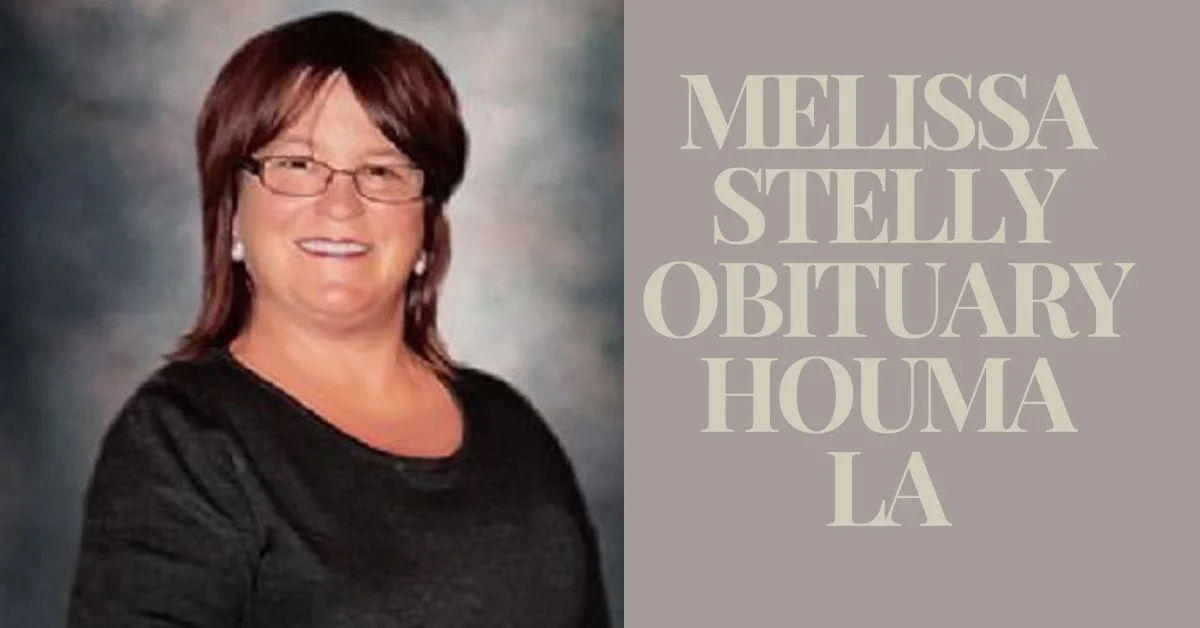
Remembering Melissa Stelly obituary houma la is more than just recalling the life of a beloved nurse; it’s about honoring a legacy of compassion, dedication, and community service. Melissa Stelly, a cherished nurse from Houma, Louisiana, touched countless lives through her unwavering commitment to healthcare and her community. In this article, we’ll take a journey through her life, exploring her impact on patients, colleagues, and the broader community.
Early Life and Education
Melissa Stelly obituary houma la was born and raised in the close-knit community of Houma, Louisiana. From a young age, she exhibited a nurturing spirit and a desire to help others. Her formative years were marked by a strong sense of community, which deeply influenced her future career path. Melissa’s educational journey began in local schools where she excelled academically and participated in various extracurricular activities.
Path to Nursing
Melissa Stelly obituary houma la initial interest in healthcare was sparked by her experiences volunteering at local clinics during high school. Inspired by the difference she could make in people’s lives, she decided to pursue nursing. She attended nursing school, where her passion for patient care blossomed. The rigorous training and demanding coursework only fueled her determination to succeed.
Career Beginnings
Upon completing her nursing degree, Melissa embarked on her professional journey. Her first job was at a local hospital, where she quickly became known for her dedication and exceptional care. Despite the challenges and steep learning curve of a new career, Melissa thrived, gaining invaluable experience and the respect of her peers.
Contributions to the Community
Melissa’s work extended beyond the walls of hospitals. She was actively involved in community health initiatives, often volunteering her time and skills to help those in need. Her efforts included organizing free health camps, participating in health education programs, and providing care during community emergencies.
Impact on Patients
The heart of Melissa’s legacy lies in the stories from her patients. Many recall her gentle touch, reassuring words, and the sense of comfort she provided. Testimonials from patients describe her as more than a nurse – she was a healer and a friend. Her ability to connect with people on a personal level left a lasting impression on everyone she cared for.
Colleague Perspectives
Melissa’s colleagues remember her as a beacon of positivity and professionalism. They speak of her willingness to go the extra mile, her infectious enthusiasm, and her unwavering support for her team. Her professional relationships were built on mutual respect and a shared commitment to excellence in patient care.
melissa stelly obituary houma la Nursing Philosophy
At the core of Melissa’s approach to nursing was a simple yet profound philosophy: treat every patient with the same care and compassion as you would a loved one. She believed in holistic care, addressing not just the physical but also the emotional and psychological needs of her patients. Her core values included empathy, integrity, and continuous learning.
Achievements and Recognition
Throughout her career, Melissa received numerous awards and accolades, reflecting her exceptional contributions to nursing and healthcare. She was recognized not only for her clinical skills but also for her leadership, mentorship, and community service. Each award she received was a testament to her hard work and dedication.
Personal Life
Outside of her professional life, Melissa was a devoted family member and friend. She enjoyed spending time with her loved ones, often organizing family gatherings and community events. Her hobbies included gardening, reading, and participating in local sports. Melissa’s personal life was a reflection of her warm and caring nature.
Legacy in the Nursing Field
Melissa’s influence extended to the next generation of nurses. She was a mentor to many, sharing her knowledge and passion with nursing students and new graduates. Her guidance and support helped shape the careers of numerous healthcare professionals, ensuring her legacy would continue through their work.
Community Tributes
The community of Houma has paid tribute to Melissa in various ways. Memorial events and public tributes have been held to honor her memory and celebrate her contributions. These events serve as a reminder of the profound impact she had on those around her.
Lasting Influence on Healthcare
Melissa’s work has inspired lasting changes in the healthcare community. Initiatives she started continue to thrive, and projects dedicated to improving patient care and community health are carried out in her name. Her influence remains a guiding force in local healthcare practices.
Challenges Overcome
Melissa’s journey was not without obstacles. She faced personal and professional challenges with resilience and determination. Whether dealing with the pressures of the healthcare environment or personal trials, she remained steadfast in her commitment to her patients and community.
Conclusion
In remembering Melissa Stelly obituary houma la, we celebrate a life dedicated to service, compassion, and excellence in nursing. Her legacy lives on through the countless lives she touched and the positive changes she inspired. Melissa’s story is a testament to the impact one person can have on a community and the enduring power of kindness and dedication.
FAQs
Q: What inspired Melissa Stelly to become a nurse?
Ans: Melissa was inspired by her early volunteer experiences in healthcare settings and her desire to make a positive impact on people’s lives.
Q: How did Melissa Stelly impact her community?
Ans: Melissa was actively involved in community health initiatives, provided compassionate care to her patients, and mentored future nurses.
Q: What awards did Melissa Stelly receive?
Ans: Melissa received numerous awards for her clinical skills, leadership, mentorship, and community service throughout her nursing career.
Q: How is Melissa Stelly remembered today?
Ans: Melissa is remembered through memorial events, community tributes, and ongoing healthcare initiatives inspired by her work.
Q: What can we learn from Melissa Stelly’s life?
Ans: Melissa’s life teaches us the importance of compassion, dedication, and the impact of one individual’s contributions to their community and profession.


Knowing the differences between healthy and unhealthy relationships helps teenagers understand what actions are appropriate and inappropriate. By getting teen relationship advice, you can prepare your teenager to navigate all kinds of relationships in healthy ways. Some ways that teen relationship advice can help you and your family include:
Improving Healthy Communication
Healthy communication allows people to express their opinions and feelings in a constructive manner. When conversations break down because of yelling and accusations, progress cannot be made, resentment can build, and relationships may end. Teaching your teens methods of healthy, productive communication sets them up for future success in their relationships.
Communication happens through spoken word, written word, and body language. Knowing how to effectively convey your message through words and body language creates a space for healthy conversations. Through healthy dialogue, teens now express issues they are having at school or work, with friends, and with family members. Some options for healthy communication advice to give teens are to check in with their feelings first, start with the small things, and take a break when needed.
Recognizing Abuse
Abusive and unhealthy relationships commonly present multiple red flags, whether these flags appear from the start or much later on in the relationship. When abuse starts small or happens gradually, red flags are harder to recognize. Teens should ask themselves questions like:
- How do I feel after spending time with this person?
- Am I myself or do I change when I’m around this person?
- Do I feel uncomfortable or unsafe when I am with this person?
Abuse presents verbally, physically, emotionally, or as a combination of the three, and the goal is to cause harm in some way. It can happen online or in person. It can happen to anyone regardless of gender, socioeconomic status, or romantic orientation. By teaching teens about red flags, they can avoid abuse and focus on fostering healthy relationships. When teens recognize red flags and abuse, they will know to reach out to a trusted individual and get help.
Understanding Healthy Relationships
A healthy relationship happens when there is open communication, acceptable boundaries, and trust between both parties. Open communication allows space for both parties to speak their part without fear of backlash or judgment. Acceptable boundaries are about setting a standard for behavior and the consequences if that behavior happens. Healthy boundaries are not about control but about staying physically and emotionally safe. If a relationship does not have equal trust on each side, insecurity and frustration often grow.
Giving teen relationship advice should include teaching them how to have a healthy conversation, how to set good boundaries, and how a healthy relationship feels. Teens should ask themselves these questions when determining if a relationship is wholesome:
- Do I feel safe around this person?
- Does this person make me want to be a better version of myself?
- Am I able to share my thoughts and feelings honestly around this person?
When teens understand what a healthy relationship looks and feels like, they are able to recognize the green flags in their friendships, family relationships, and romantic relationships. By learning early on about green flags, teens are set up to make good decisions for their relationships. They know healthy ways to act and won’t fall into unhealthy habits.
Learning How to Advocate for Yourself
Part of advocating for yourself is setting healthy boundaries and sticking to them when the lines are crossed. This might be something like a family member hugging you even after you have expressed disliking being hugged. Another part of advocating for yourself is learning healthy coping strategies.
Healthy coping strategies are useful for times when you are having a difficult conversation or when you are feeling overwhelmed, angry, or another strong emotion. These strategies may be going for a walk to cool down, doing an activity that requires mental concentration and physical actions, or talking to a trusted friend. Learning healthy coping mechanisms allows teens to come back to the situation calmly.
Get Teen Relationship Advice Online
Giving teen relationship advice involves teaching them about how healthy and abusive relationships differ, how to set boundaries, and why communication is necessary for good relationships. Teens can access relationship advice online to learn more about how to navigate difficult situations where they feel unsafe or uncomfortable talking about certain topics in person. Start talking with your teen today or find resources online to help get the conversation started.

Absographics.com blog: The 2026 Blueprint for High-Fidelity Visual Communication and Brand Identity
Rizk Casino: Quick‑Hit Slots & Rapid Wins for On‑The‑Go Players
Beginning your journey in gambling essential tips for newcomers

 HOME IMPROVEMENT1 year ago
The Do’s and Don’ts of Renting Rubbish Bins for Your Next Renovation
- BUSINESS1 year ago
Exploring the Benefits of Commercial Printing
- HOME IMPROVEMENT9 months ago
Get Your Grout to Gleam With These Easy-To-Follow Tips

 BUSINESS1 year ago
Brand Visibility with Imprint Now and Custom Poly Mailers
- TECHNOLOGY12 months ago
Dizipal 608: The Tech Revolution Redefined
- HEALTH9 months ago
The Surprising Benefits of Weight Loss Peptides You Need to Know
- HEALTH9 months ago
Your Guide to Shedding Pounds in the Digital Age
- LAW1 year ago
7 Key Questions to Ask When Hiring a Criminal Lawyer







