TRAVEL & TOURS
Trekking Routes to Everest Base Camp: Comparing Classic vs. Alternative Routes

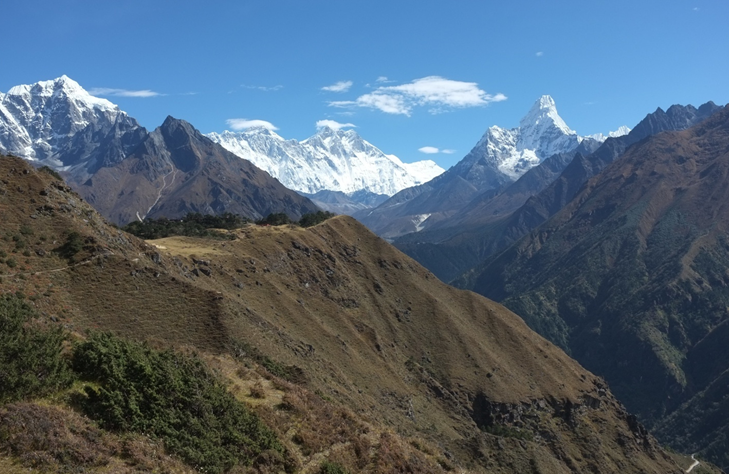
Placed with a few of the tall peaks of the Himalayas, Everest Base Camp is a lovely vacation spot for adventurers and nature explorers. For many folks, this adventure can be a once-in-a-lifetime experience – not simply to get the breathtaking mountain scenery of the mountains but also to explore more about the mountain lifestyle.
When it comes to reaching Everest Base Camp, trekkers ought to determine whether or not to choose the classic route or alternative much less traveled routes. Each route has its charms and challenges, which incorporate different tastes and abilities.
Comparing Classic Routes vs. Alternative Routes to Everest Base Camp
Eventually, the traditional classic route leading up to the small mountain city of Lukla and on to cute Sherpa villages like Namche Bazaar, home to colorful prayer flags that hang in the thin mountain air, Tengboche Monastery, an impressive, silent testimony of Sherpa spirituality.
The main attraction of this route is the climb to Kalapatthar, with panoramic vistas of Everest and nearby mountains covered with the golden light of the sun. However, this classic route comprises lots of hurdles. The altitude is difficult, requiring careful acclimatization to avoid altitude sickness. In addition, it comes with congested roads and limited accommodation.
However, the alternative, for example, the Gokyo Lake Walk, represents a high level of trekking enjoyment. Passes through the pristine terrain around Lake Gokyo and cross the Renzo La Pass to experience calmness and solitude in the majestic Himalayas.
As shown above, the alternative routes are not without challenges – long days of walking and more remote routes, often without the facility of proper tea houses. Whether you select the classic route or the alternative one to Everest Base Camp, the trek could be a memorable revel in, loaded with top-notch moments and unforgettable experiences.
Classic Route: The Everest Base Camp Trek via Lukla
The most popular way to get to Everest Base Camp, through the town of Lukla, is a legendary route that offers the hiker a journey through the most beautiful places on the planet. Below we will describe in detail what the hiker “encounters” along this classic route.
Major Highlights of Classic Route to Everest Base Camp
1. Flights from Kathmandu to Lukla:
The adventure starts with a flight from Kathmandu to Lukla. The small airport ahead of the Lukla is situated at the edge of a cliff. The short scenic trip provides you with fantastic views of the Himalayas and clear views of Mount Everest. Landing at Lukla is an enjoyment in itself, as the runway is considered one of the most dangerous ones in the world.
2. Entry Point into the Khumbu:
The trek into the Khumbu area, starting from Lukla at the base of some of the highest peaks in this part of the world. While walking, one would be listening to the sound of rivers flowing and surrounded by junipers, pines, and rhododendrons.
3. Namche Bazaar:
After some days of trekking, we reach Namche Bazaar; which serves as the capital of the Khumbu district. It looks like you’ve arrived at the center point of this location with the market hub, old-fashioned tea houses, and a wide-ranging view of Everest in addition to the nearby mountains.
4. Acclimatization:
This high-altitude town is an ideal place to get adapted to thin air before one starts climbing above this place. You can use this opportunity to explore around or even hike up to places such as Everest View Hotel or Khumjung Village so that you will enjoy fantastic mountain views and acclimatize further.
5. Tengboche Monastery:
The tour then heads towards Tengboche, which is famous for its beautiful monastery. This monastery is of great importance in this area. Tengboche Monastery is located on top of a hill with a clear view of Everest from all angles so there is calm meditation and contemplation.
6. Climbing Kala Patthar:
The main activity of the trek is the climb of Kala Patthar, the panoramic view of Everest Base Camp, and the summit of Kalapatthar. You will be rewarded with nearby peaks like Everest, and Lhotse, and enjoy the stunning Nuptse.
7. Everest Base Camp:
This trek ends at Everest Base Camp, a camping station at the foot of the highest mountain for trekkers who stand in front of Everest and are surrounded by massive glaciers and explore extraordinary awesomeness.
The Lukla to Everest Base Camp trek isn’t only a physical challenge—it’s also a cultural and religious adventure in the Himalayas that leaves an unforgettable memory for a lifetime.
Challenges you may face in classic routes to Everest Base Camp:
1. Altitude:
Trekking to Everest base camp through Lukla demands high altitude, the peak altitude on the Kala Pathar is 5,643 meters (18,514 ft). Climate is critical to protect yourself from the symptoms of altitude sickness.
2. Crowds:
The mode of travel is preferred by travel enthusiasts, especially during peak times, which has resulted in crowded roads, crowded tea houses, and a few shelters that have been an alternative in hard times.
3. Climate change:
Himalayan climates can be extremely erratic, with clear to moderate temperatures, unpredictable snowfall, and strong winds. Rapidly changing factors can make trek difficult to see and handle road conditions, especially at high altitudes.
4. Physical Activity:
Trekking to Everest Base Camp is a strenuous exercise. The trek takes hours over rough terrain and steep hills. Hikers should therefore be in excellent physical condition and be prepared for several consecutive days of exertion at high altitudes.
5. Health risks:
First Aid is important because clinical centers are not accessible and tourists may also face other fitness concerns such as becoming unwell at high elevations, which include dehydration, digestive problems, rock falls, and injuries. During catastrophic contamination, hikers must also get insurance coverage that consists of emergency assistance.
Alternative Route: The Everest Base Camp Trek Via Gokyo Lakes Trek
The Gokyo Lake Trail provides an exciting alternative to Everest Base Camp and offers trekkers a very unique and less traveled route through the breathtaking landscapes of the Everest region. Below we will describe in detail what the hiker “encounters” along this route.
Major Highlights of Alternative Routes to Everest Base Camp
1. Starting Points in Lukla:
Like the traditional route, the Gokyo Lake Trek starts with a scenic flight from Kathmandu to Lukla, giving the trekkers an awe-inspiring aerial view of the Himalayas before landing at Lukla airport.
2. Diverging Path:
From Lukla, the Namche Bazaar just like the classic route, trekkers on the Gokyo Lakes Trek get to the Dudh Koshi Valley, setting the background for a distinctive adventure altogether.
3. Magnificent forests and villages:
The route takes you through dense forests of rhododendrons and pine trees, followed by Sherpa villages including Fakding and Monjo. Along the way, travelers are welcomed and admire the places like prayer flags in the wind and the soothing music of mountain streams.
4. Getting around Namche Bazaar:
Like the traditional guide, the Gokyo Lake Trek includes some flexibility in Namche Bazaar. Travelers can explore colorful markets, visit the Sherpa Museum, and take in the breathtaking views of Everest and nearby mountains.
5. Climb Gokyo Lakes:
The highlight of the trip is Gokyo Lake, a series of silent snow lakes situated in the high Himalayas. Travelers climb to Gokyo Village, where they can be amazed at scenic views and the tranquility of the lake.
6. Crossing the Renzo La Pass:
This trek involves a steep climb through the Renzo La Pass, offering spectacular views of Everest, Cho Oyu, Makalu, and various Himalayan giants. The pass serves as an exciting high point of the trek, with awesome views of the surrounding mountains.
7. Gokyo Ri Summit:
Similar to Kala Patthar on the classic route, trekkers on the Gokyo Lakes Trek can ascend Gokyo Ri, a nearby hill imparting beautiful views of Everest and the encircling Himalayan panorama. The dawn view from Gokyo Ri is a spell-binding view you should never miss.
8. Return Journey:
After immersing in the local beauty of Gokyo Lake, hikers return to Lukla, along with unforgettable experiences on their journey as they pass through villages and even in familiar lands.
The Gokyo Lake Trek is an exciting opportunity for the alternative Everest Base Camp route, offering trekkers the chance to explore remote peaks, pristine lakes, and spectacular mountain views away from the crowds promising solitude, peace, and awe in the glory of the Himalayas.
Challenges you may face in alternative routes to Everest Base Camp:
1. Long walk:
The Gokyo Lake walk is longer and requires more days of walking compared to the old classic route through Lukala which requires good physical fitness and stamina.
2. Remote Terrain:
Parts of the Lake Gokyo trekking route cross remote and rugged terrain, where facilities including tea houses and hospitality may be prohibited.
3. Difficult hiking:
While the trails to Everest Base Camp are often well-marked, hiking can still be impossible, especially in critical weather or in areas where the trail is less well-defined. A map is required, GPS devices or guidebooks are the basic navigational weapons for travelers.
4. Increased Costs:
Trekking to Everest Base Camp, by traditional or other means, can be expensive due to the overall cost of the trek which includes permit fees, travel expenses, accommodation, food, luggage, and hiring guides or porters. Having the right budget and planning can help minimize the financial challenges of travel.
5. Environmental Impact:
The rise in popularity of trekking to Everest Base Camp has raised concerns about its environmental impact on the fragile Himalayan ecosystem. Overcrowding, improper waste disposal, and deforestation can degrade the surroundings and harm nearby flora and fauna.
Trekkers must adhere to Leave No Trace standards, reduce their carbon footprint, and support sustainable tourism practices to mitigate their impact on the area’s delicate atmosphere.
Choosing the Right Route for You: Classic Vs Alternative Route to Everest Base Camp
If you decide to trek to Everest Base Camp, it is important to pack your essentials, consider your physical abilities, and have enough food for the trek. The classic route through Lukla and the alternative route through the Gokyo Lake trek offer unique experiences, each with incredible, awesome, inspiring views and challenges.
The classic Lukla route is the most traveled and is famous for its breathtaking scenery and densely populated Sherpa villages. If you’re looking for a Everest base camp trek with ultimate luxury, chohose the classic route, and have breathtaking views of the region’s largest mountain, this route could be a good fit.
The adventure starts with an interesting flight from Kathmandu to Lukla, setting the adventure full of scenic vistas, colorful markets in Namche Bazaar, and non-secular moments at Tengboche Monastery. Ascending to Kala Patthar gives a panorama view of Everest and its surrounding Himalayas, making it adventurous.
Conversely, if you choose an extra serene and amazing path, the Gokyo Lakes Trek offers a charming opportunity. This route highlights the magnificence of the Himalayas, presenting calm lakes, remote valleys, and few humans. The adventure to Gokyo Village and its surrounding lakes gives a peaceful view from the hustle and bustle of more well-known trails.
Crossing Renjo La Pass rewards trekkers with panoramic vistas that rival the ones of Kala Patthar, offering unique scenes on the Himalayan landscape. After all, whether you opt for the classic route or the Gokyo Lake, each promises memories of Everest and unforgettable sights.
Each route has challenging conditions, from the heights they change to remote land treks, but the rewards are far beyond limits. Planning a trek to Everest Base Camp is not the ideal physical journey but a transformative pleasure that leaves an indelible mark on your soul.
The Final Wrap Up
It doesn’t matter at all whether you choose the classic route through Lukla or the alternative Gokyo Lakes Trek to reach Everest Base Camp. Each route heading to Everest Base Camp provides an awesome hiking trail for trekkers.
The classic route offers appealing views like Namche Bazaar and Kalapattar but can get crowded at some point during the best seasons, while the Gokyo Lake Hike gives serene and less-crowded views but requires lots of days of trekking and sightseeing.
Ultimately, Trekking depends on your choices, your fitness level, and your choice of travel. If you are looking for a basic Everest experience with Sherpa villages and panoramic views, the classic route will be perfect for you. But if you prefer a silent trek in pristine lakes and valleys, the Gokyo Lake Treks offers a fun adventure.
Whichever direction you pick out, a trip to Everest Base Camp is an entire life journey full of brilliant moments and unforgettable memories. So, get geared up with your boots, face the adverse situations, and head directly to the top of the world.


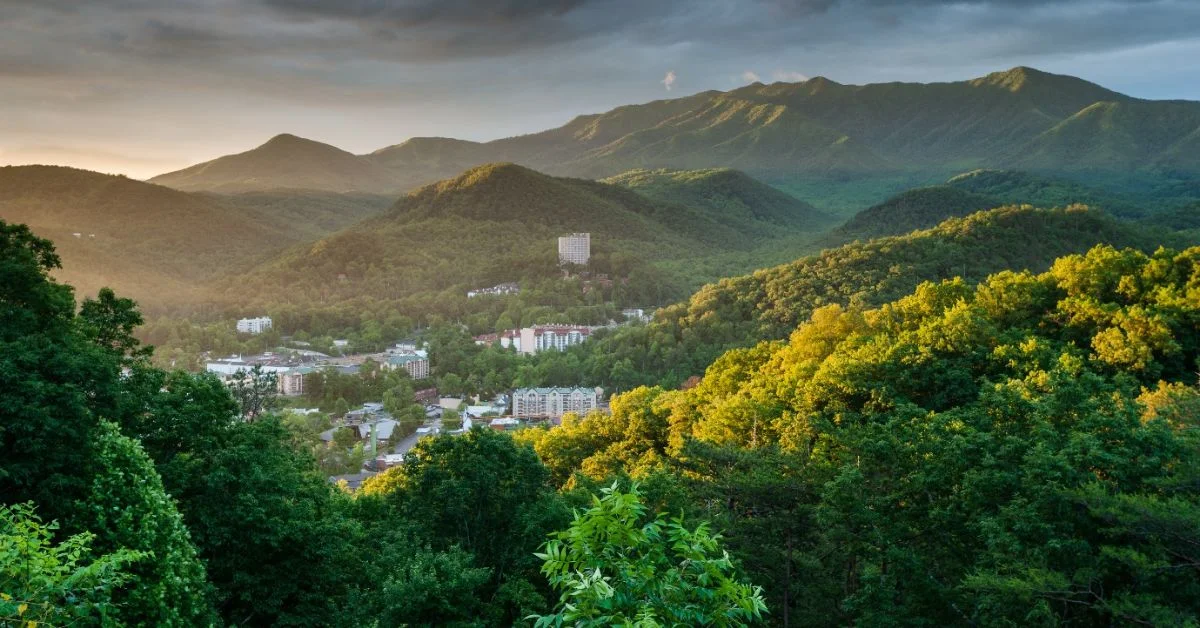
The Smoky Mountains [A1] offer a perfect blend of natural beauty, endless outdoor activities, and family-friendly attractions that make it a top destination for a memorable family vacation. Spanning across Tennessee and North Carolina, this majestic mountain range draws millions of visitors yearly, eager to explore its lush landscapes and rich Appalachian culture. From hiking trails that offer breathtaking views to engaging local culture and history, there’s something in the Smokies for every family member to enjoy. Let’s dive into what makes the Smoky Mountains such a fantastic family getaway.
Endless Outdoor Adventures
The Smoky Mountains are a paradise for families who love the outdoors. With over 800 miles of trails, families can choose hikes ranging from easy strolls to challenging treks. Each trail offers unique sights such as waterfalls, old-growth forests, and panoramic mountain views. Beyond hiking, the region supports camping, horseback riding, and fishing. These activities not only bring families closer to nature but also to each other, creating lasting bonds along the trails. The accessibility of these adventures makes the Smoky Mountains an ideal spot for families looking to immerse themselves in nature.
Comfortable and Convenient Accommodations
Finding the right place to stay is crucial for any family vacation, and the Smoky Mountains do not disappoint. The area offers a wide range of accommodations, from cozy cabins and luxury resorts to budget-friendly hotels and campgrounds. Many places to stay in the Smoky Mountains provide comfortable amenities like pools, game rooms, and family suites, ensuring a relaxing environment after a day of exploration. Similarly, if you are in Colorado, Steamboat Springs Lodging offers an equally impressive variety of options, from charming condos and upscale hotels to economical motels and vacation rentals, all with amenities to enhance your stay. This variety allows families to choose a lodging option that fits their needs and budget, making their stay as comfortable as it is adventurous.
Rich Appalachian Culture and History
The Smoky Mountains are steeped in rich Appalachian culture and history, which families can explore through various museums, artisan shops, and cultural festivals. Learning about the early settlers, the indigenous Cherokee tribes, and the natural history of the area gives children and adults alike a deeper appreciation for the region. Local crafts, music, and storytelling events also provide a hands-on experience of mountain traditions, offering more than just a scenic backdrop but an educational journey through the heart of Appalachia.
Family-Friendly Attractions
Aside from natural beauty, the Smoky Mountains are packed with attractions that cater to families. From amusement parks and wildlife encounters to interactive museums that engage young minds, the options are plentiful. These attractions are designed to entertain and educate, providing fun learning experiences that children will talk about long after the vacation ends. Whether it’s seeing wildlife up close or experiencing the thrill of a theme park ride, the Smoky Mountains are equipped to keep the family entertained throughout the stay.
A Year-Round Destination
One of the best parts about planning a family vacation to the Smoky Mountains is its year-round appeal. Each season offers a unique way to experience the mountains. Spring bursts with wildflowers, summer offers lush greenery and perfect hiking weather, fall brings a spectacular display of autumn colors, and winter covers the landscape in a peaceful blanket of snow. This means no matter when you visit, there’s always a new set of activities and scenery to enjoy, making every trip distinct and memorable.
Unique Ecological Wonders
The Smoky Mountains boast a unique ecological system that is a wonder for both young and old. As a UNESCO World Heritage site, the park holds one of the most diverse ecosystems in North America. Families can discover over 19,000 documented species of life, including flora and fauna not found anywhere else in the world. Guided tours offer insight into this biodiversity, making it an educational expedition where children can learn about conservation and the importance of preserving natural habitats. This unique ecological perspective not only enriches a family vacation but also instills a sense of wonder and responsibility towards nature.
Local Culinary Delights
No family vacation is complete without indulging in local cuisine, and the Smoky Mountains region offers plenty of mouth-watering options. From traditional Southern comfort foods to more innovative, locally-sourced dishes, the area’s restaurants cater to all tastes and preferences. Families can enjoy everything from pancakes and barbecue to gourmet meals, all while enjoying the warm, hospitable service the South is known for. Moreover, many restaurants offer scenic views that complement the dining experience, making meal times as memorable as the adventures of the day.
Educational Opportunities Abound
The Smoky Mountains are not just about outdoor fun and scenic beauty; they also offer a plethora of educational opportunities that make learning fun and engaging. Several visitor centers and museums provide interactive exhibits on the geology, wildlife, and history of the mountains. Programs like Junior Ranger activities encourage kids to explore and learn about the environment, turning the entire park into a classroom filled with exciting lessons and discoveries. This blend of education and recreation makes the Smoky Mountains a particularly enriching place for a family vacation.
Affordable Vacation Choice
A family vacation in the Smoky Mountains is also an economical choice. Many of the park’s attractions, like its hiking trails and scenic drives, are free or have a very low cost of entry. Additionally, the variety of accommodations available ensures that families can find options that fit their budget without sacrificing comfort or convenience. This affordability means that families can enjoy a longer stay or splurge on special experiences without breaking the bank, making it an ideal destination for those looking to maximize their vacation dollars.
Easy Accessibility
The Smoky Mountains are conveniently located within a day’s drive of approximately two-thirds of the U.S. population east of the Mississippi River, making them an easily accessible destination for a family road trip. Major highways and well-maintained roads make the journey to the mountains as pleasant as the stay. This ease of access reduces travel stress and helps families start their vacation in a relaxed mood, ready to enjoy all that the region has to offer.
Conclusion
The Smoky Mountains provide an unparalleled family vacation experience, combining natural beauty, educational opportunities, and fun-filled attractions in a budget-friendly and accessible package. From hiking through lush trails to exploring rich cultural heritage and indulging in local cuisine, there is something in the Smokies for every family to cherish. The diversity of experiences ensures that each visit can be a new adventure, helping to create lasting memories that will keep families returning year after year. Whether you’re looking for adventure, relaxation, or educational enrichment, the Smoky Mountains are a destination that delivers it all, making it truly one of the best places for a family vacation.

Dubai provides an unmatched fusion of modernity and history. It is a city of wonders and dreams in the Arabian Desert. Dubai’s futuristic buildings and famous skyline draw millions of visitors, but its natural beauties are just as stunning. The desert is one of these, an everlasting representation of peace and beauty. And what better way to take in its beauty than by setting off on a springtime safari over the desert?
Springtime is the ideal time of year to explore Dubai’s desert landscapes as the intense heat of summer fades and the calmer temperatures of winter say goodbye. An unforgettable spring desert travel safari offers thrilling dune bashing and tranquil sunset views amidst the splendor of nature.
The Magic of Spring in Dubai
Dubai’s springtime is a wonderful season when the desert emerges from its winter hibernation. The scenery changes as the days become longer, and the temperature rises gradually, transforming the dunes into shades of amber and gold. As the desert vegetation blooms and the animals become more active, the air whispers of life.
Unlike the sweltering summers and freezing winters, the nice spring weather is perfect for outdoor activities. The temperate climate makes it pleasant to spend the whole day exploring the desert, whether engaging in heart-pounding exploits or just taking in the peace and quiet of the wide space.
Choosing the Ideal Time
Although spring in Dubai runs from March to May, the best time to go on a desert safari trip depends on many variables, including personal interests, crowd levels, and weather preferences.
- Early Spring (March-April)
Winter gives way to summer in the early spring when it is milder outside and less crowded. With warm weather and bright skies, March is a great month for desert safaris. Wildflowers cover the desert, providing a gorgeous backdrop for your journey. In addition, you can have a more private experience among the dunes because it is not the busiest time of year for tourists.
- Mid-Spring (April-May)
Temperatures gradually climb with the arrival of mid-spring, bringing warmer days and milder nights. It may experience a little increase in temperature, but it is still comfortable for outdoor activities because it is getting closer to summer. Now is the ideal time of year for those looking for a trip window that offers mild temperatures and fewer crowds. Additionally, longer daytime hours allow you to continue your safari into the evening to see breathtaking sunsets across the horizon of the desert.
Activities to Embrace
A variety of activities are available on a spring desert safari in Dubai, catering to the interests of all types of adventurers. Among the golden dunes is something for everyone, thrill-seeker or nature lover alike.
- Dune Bashing
Cling on tight as experienced drivers maneuver 4×4 vehicles across the sloping dunes, providing an exhilarating rollercoaster experience across the desert landscape. Experience the exhilaration of dune bashing at its best as you scale steep slopes and fall into wide valleys.

- Camel Riding
Take a leisurely ride on a camel through the serene desert environment to experience the ageless allure of the Bedouin way of life. Enjoy the peace of the desert by letting these gentle giants guide you across the golden dunes.

- Sunset Watching
Locate the ideal vantage position to see nature’s creation come to life as the sun starts to set. As the sky changes into a palette of brilliant hues, sending an ethereal glow over the edge of the desert, watch in awe. Seize the opportunity to photograph the sun setting behind the sparkling dunes.
- Bedouin Camp Experience
Experience a typical desert camp where you can enjoy Arabic cuisine, smoke shisha under the stars, and watch captivating belly dance performances. This is a true Bedouin experience. Enjoy the Bedouin’s warmth and hospitality while relaxing in the desert’s peaceful setting.
Exploring the Diversity of Dubai’s Desert Ecosystem
The desert in Dubai is a vibrant ecosystem brimming with life, not just a huge stretch of sand. Visitors can discover the rich biodiversity of the desert in the spring when its hidden riches become more apparent.
- Flora in the Desert
Even though it is dry, the desert is home to an unexpectedly wide range of plant life. The sandy ground is covered in carpets of wildflowers in the spring, which adds vivid color to the scene. Every plant, from the delicate blooms of desert roses to the hardy bushes of Ghaf trees, is essential to the survival of desert life.
- Fauna
Despite its bleak appearance, the desert is home to various fauna. When animals emerge from their burrows and nests in search of food and water, springtime brings a frenzy of activity. Look for signs of life in the desert, such as Arabian oryx, gazelles, and desert foxes wandering among the dunes.
- Bird Watching
The desert of Dubai is a birdwatcher’s paradise, with chances to see both migratory and permanent species. Springtime brings migratory birds, which give the desert skies a burst of color. A desert safari experience can be enhanced by spotting hoopoes, larks, and falcons swooping overhead. To do this, have your binoculars close at hand.
Wrap Up
A springtime desert safari excursion in Dubai takes you into the heart of the breathtaking natural world, with beauty and wonder all around you. Spring provides the ideal setting for an amazing desert adventure, whether you are looking for excitement among the dunes or peace under the stars. So, gather your courage and explore the breathtaking beauty of the changing seasons in Dubai’s vast desert. Embrace the variety of the desert’s ecosystem, lose yourself in the Bedouin culture, and allow the desert’s allure to enchant you deeply. Springtime in Dubai’s desert reveals a world of wonders waiting to be discovered. If you are looking for a private desert safari in Dubai, look no further than Desert Evening Safaris’ various Dubai Packages, which will leave you in awe.

Introduction to the Statens Luftfartsvæsen
Welcome to the fascinating world of Denmark’s aviation landscape, where innovation and safety soar together! At the heart of this vibrant industry lies the Statens Luftfartsvæsen. This vital organization plays a crucial role in shaping air travel across Denmark, ensuring that every flight is smooth and secure. Whether you’re a frequent flyer or just curious about how things work behind the scenes, understanding the Statens Luftfartsvæsen will give you an appreciation for what keeps our skies safe. Let’s take off on this journey through history, modernization, and future aspirations of Denmark’s air order!
The History of Denmark’s Air Industry
Denmark’s air industry has a rich history that dates back to the early 20th century. The first flight took place in 1906, marking a significant milestone for aviation in the country.
In 1918, Denmark established its first commercial airline, Det Danske Luftfartselskab (DDL), which laid the groundwork for future developments. As countries around Europe embraced aviation, Denmark was not far behind.
The consolidation of airlines occurred post-World War II when SAS (Scandinavian Airlines System) emerged as a key player. This collaboration with Sweden and Norway propelled Denmark into the global aviation spotlight.
As jet technology advanced in the late 20th century, Danish airports expanded their capacities to accommodate increasing passenger traffic and freight demands. This period marked rapid growth fueled by innovation and international partnerships that shaped modern air travel in Denmark today.
Modernization and Growth of the Statens Luftfartsvæsen
The Statens Luftfartsvæsen has undergone significant modernization in recent years. This transformation is crucial for keeping pace with the evolving global aviation landscape.
Technological advancements have played a pivotal role. New systems and software streamline operations, enhancing efficiency across all levels of air traffic management.
Additionally, investment in infrastructure has been vital. Upgraded airports and control towers enable better handling of increasing passenger volumes and cargo traffic.
The organization prioritizes sustainability too. Efforts to reduce carbon emissions are evident as they promote greener practices within the aviation sector.
A focus on workforce development ensures that personnel possess cutting-edge skills to meet contemporary challenges. Training programs now incorporate state-of-the-art simulations and real-time data analysis.
These initiatives position Statens Luftfartsvæsen not just as a regulatory body but as an innovative leader shaping Denmark’s aviation future.
Roles and Responsibilities of the Statens Luftfartsvæsen
The Statens Luftfartsvæsen plays a crucial role in ensuring the smooth operation of Denmark’s airspace. As the country’s civil aviation authority, it oversees all aspects of aviation regulation and safety.
One of its primary responsibilities is to establish and enforce strict safety standards for airlines and airports. This involves regular audits and inspections to make sure that all operators comply with current regulations.
Training is another vital area. The agency provides guidance on pilot training programs, maintenance procedures, and air traffic control practices. Ensuring that professionals are well-trained helps maintain high levels of safety.
Additionally, Statens Luftfartsvæsen fosters innovation within the industry by supporting new technologies aimed at enhancing efficiency. Collaborating with various stakeholders ensures that Denmark remains a competitive player in global aviation markets.
Safety Regulations and Standards
Safety regulations and standards form the backbone of Denmark’s aviation sector. They are meticulously crafted to ensure that both commercial and private flights operate under the highest safety protocols.
The Statens Luftfartsvæsen plays a crucial role in establishing these guidelines. Their rigorous assessments help maintain an environment where passengers can travel with peace of mind.
Incorporating international best practices, Denmark aligns its standards with global norms. This includes continuous training for personnel and regular updates on technological advancements, which further enhance safety measures in aviation.
Regular audits ensure compliance among airlines and airports alike. These checks foster accountability, helping to identify potential risks before they escalate into issues.
By prioritizing safety regulations, the Statens Luftfartsvæsen not only safeguards lives but also promotes confidence in air travel throughout Denmark.
Collaborations with International Aviation Organizations
Statens Luftfartsvæsen actively engages with various international aviation organizations to enhance safety and efficiency in Denmark’s airspace. These collaborations foster the exchange of knowledge, best practices, and innovations.
By participating in forums like the International Civil Aviation Organization (ICAO) and European Union Aviation Safety Agency (EASA), they stay updated on global standards. This involvement is crucial for aligning local regulations with international expectations.
Furthermore, joint initiatives often focus on sustainable aviation practices. By working alongside other nations, Denmark aims to minimize its ecological footprint while maintaining high safety standards.
These partnerships also facilitate training programs for personnel within the Danish air industry. Sharing expertise helps improve skills and enhances overall operational effectiveness across borders. The synergy created through these collaborations strengthens Denmark’s position in the global aviation landscape.
Future Plans for the Development of Denmark’s Air Industry
The future of Denmark’s air industry looks promising. Statens Luftfartsvæsen is committed to advancing aviation technology and sustainability.
New initiatives are underway to reduce carbon emissions from the sector. This includes exploring alternative fuels and enhancing energy efficiency in aircraft design.
Furthermore, there’s a strong focus on improving infrastructure at airports. Upgrades will facilitate smoother operations and enhance passenger experiences.
Digital transformation plays a crucial role too. Embracing advanced technologies like AI and data analytics can optimize air traffic management, making flying safer and more efficient.
Collaboration with educational institutions is also key. By fostering talent through specialized training programs, Denmark aims to ensure that its workforce is prepared for the industry’s evolving demands.
These efforts reflect a vision not only for growth but for leadership in sustainable aviation practices on an international scale.
Conclusion
The journey of the Statens Luftfartsvæsen showcases Denmark’s commitment to fostering a robust air industry. From its historical roots to modern advancements, this agency has played a pivotal role in shaping aviation as we know it today. The emphasis on safety regulations and collaboration with international organizations reinforces Denmark’s position within the global aviation landscape.
As the Statens Luftfartsvæsen looks toward the future, there is a clear vision for further development and innovation in Denmark’s air sector. This forward-thinking approach promises not only to enhance operational efficiency but also ensures that safety remains paramount.
With continuous modernization and an unwavering commitment to excellence, the Statens Luftfartsvæsen is well-equipped to navigate the challenges ahead while contributing significantly to both national and international aviation standards. The future of air travel in Denmark appears bright under their stewardship, ensuring that all who take flight can do so with confidence.




 HOME IMPROVEMENT1 year ago
The Do’s and Don’ts of Renting Rubbish Bins for Your Next Renovation
- BUSINESS1 year ago
Exploring the Benefits of Commercial Printing

 BUSINESS1 year ago
Brand Visibility with Imprint Now and Custom Poly Mailers
- HOME IMPROVEMENT9 months ago
Get Your Grout to Gleam With These Easy-To-Follow Tips
- TECHNOLOGY11 months ago
Dizipal 608: The Tech Revolution Redefined
- HEALTH9 months ago
The Surprising Benefits of Weight Loss Peptides You Need to Know
- HEALTH9 months ago
Your Guide to Shedding Pounds in the Digital Age

 HEALTH12 months ago
Happy Hippo Kratom Reviews: Read Before You Buy!