TRAVEL & TOURS
Flags of Convenience – Definition, Benefits & Challenges

In the vast maritime industry, nearly 100,000 vessels navigate the seas, moving 500 million shipping containers annually, valued at about US$19 trillion. This industry has adopted a curious practice: the use of Flags of Convenience (FOC).

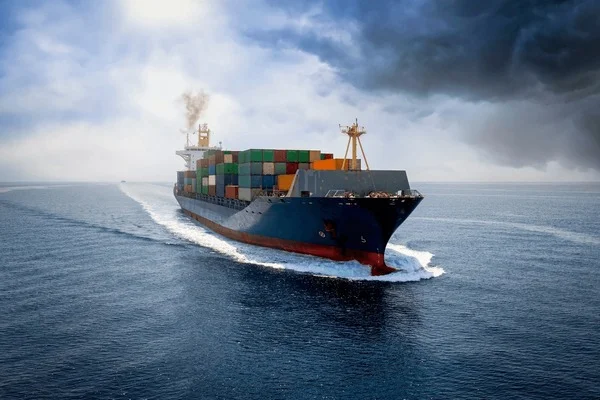
A cargo ship sailing through rough seas with storm clouds on the horizon.
These flags allow ships to display a nation’s emblem, not their true ownership country. This system has sparked debate within the international shipping realm.
The narrative of FOCs intertwines cost savings, reduced regulations, and the quest for cheaper labor. It showcases the emergence of open registries like Panama, Liberia, and the Marshall Islands.
These registries now comprise almost 40% of the global fleet by tonnage. Yet, this tale is also marred by controversy. Critics contend that FOCs foster a lack of transparency and accountability, potentially leading to substandard working conditions and abuse.
Our exploration of Flags of Convenience delves into their historical context, the motivations behind shipowners’ choices, and the challenges they pose to maritime safety and regulations. We’ll scrutinize the effects on seafarers, who often suffer from low wages, poor conditions, and inadequate protection in the event of accidents or disputes.
Key Takeaways
- Flags of Convenience allow ships to register under the flag of a country other than the country of ownership.
- Shipowners use FOCs to reduce costs, avoid regulations, and hire cheaper labor from the global market.
- Panama, Liberia, and the Marshall Islands are among the top FOC countries, accounting for a significant portion of the world fleet.
- FOCs can lead to a lack of transparency and accountability, potentially enabling substandard working conditions and criminal activity.
- Seafarers often face challenges under FOCs, including low wages, poor onboard conditions, and inadequate protection.
What are Flags of Convenience?
Flags of convenience (FoCs) have become a significant aspect of the maritime industry, with nearly 73% of the world fleet flagged in countries other than those of the vessels’ beneficial ownership. This practice has sparked debates and concerns among maritime trade unions, who argue for the need for a genuine link between a ship’s ownership and its flag state, as outlined in the United Nations Convention on the Law of the Sea (UNCLOS).
Definition of Flags of Convenience
The International Transport Workers’ Federation (ITF) defines a flag of convenience ship as one that flies the flag of a country other than the country of ownership. This definition highlights the disconnect between the vessel’s true ownership and the flag it operates under, which can lead to various issues, such as reduced oversight and potential for abuse.
Historical Context of Flags of Convenience
The rise of FoCs can be traced back to changes in shipping registers during the 20th century. These changes loosened the required link between the country of ownership and a vessel’s flag, allowing ship owners to register their vessels in countries with more lenient regulations and lower costs. Some of the most popular FoC registries include:
- Panama
- Marshall Islands
- Liberia
The growth of FoCs has been met with opposition from maritime trade unions, such as Nautilus, which support the ITF’s stance on the need for a genuine link between a vessel’s ownership and its flag state, in line with the principles of UNCLOS. Despite these concerns, the use of FoCs continues to be widespread in the global shipping industry.
Country
Number of ITF Agreements (2022)
Panama
3,245
Marshall Islands
1,982
Liberia
1,740
Malta
1,126
Bahamas
1,033
In 2022, the ITF’s 130 inspectors and contacts carried out 8,763 inspections of FoC vessels across 111 ports in 56 countries. These inspections resulted in the recovery of more than USD 36.5 million in owed wages from FoC vessels, with USD 28.2 million coming from vessels not covered by an ITF agreement, highlighting the ongoing challenges faced by seafarers working on ships registered under flags of convenience.
Why Do Ships Register Under Flags of Convenience?
Shipowners opt for flags of convenience to cut down on operating costs and enjoy less strict regulations. This choice allows them to significantly reduce expenses and boost profits. It also provides a level of anonymity.
Cost Savings and Reduced Regulations
Registering under flags of convenience is a key strategy for cost reduction. For example, an American Shipowner avoids the need to hire American seamen, repair vessels in American yards, and undergo inspections by the U.S Flag. This leads to a substantial decrease in operating costs. In today’s competitive global market, cost savings and reduced regulations are paramount for businesses to thrive.
Also, shipowner anonymity has become a topic of interest in the quest for cost savings. By strategically structuring their ownership arrangements and taking advantage of jurisdictions that enable anonymity, shipowners can minimize their exposure to excessive regulations and associated expenses. Maintaining anonymity not only helps to safeguard the shipowner’s privacy but also shields them from potential legal complexities and hefty fines.
This strategy allows shipowners to operate with greater freedom and flexibility, resulting in significant cost savings and improved competitiveness in the maritime industry.
In conclusion, cost savings and reduced regulations in the maritime industry are achievable through strategic decisions. By minimizing the need for seamen from the country of registration, exploring international collaborations for ship inspections, utilizing favorable vessel registration jurisdictions, and leveraging shipowner anonymity, shipowners can significantly reduce their operating costs. Embracing these approaches not only brings financial benefits but also enhances the overall efficiency and flexibility of ship operations.
As the industry continues to evolve, shipowners who prioritize cost reduction and regulatory optimization will undoubtedly have a competitive edge in the global marketplace.
For instance, crew wages can be slashed by 60-80%, while maintenance and repair costs drop by about 25%. These savings add up to a total reduction of around 50% in operating costs.
Cost Reduction Area
Percentage Savings
Crew Wages
60-80%
Maintenance and Repairs
25%
Total Operating Costs
50%
Hiring Crews from Lower-Wage Countries
Another benefit of flags of convenience is the ability to hire crew from lower-wage countries. This allows shipowners to further reduce their labor costs. It helps them stay competitive by cutting expenses related to human resources.
“Shipowners take advantage of FoCs by benefiting from minimal regulation, cheap registration fees, low or no taxes, and the freedom to employ cheap labor from the global labor market.”
By using flags of convenience, shipowners gain from reduced regulations, lower costs, and cheaper labor. This approach boosts their profits. Yet, it raises concerns about seafarer welfare and the risk of substandard working conditions on these ships.
Top Flag of Convenience Countries
As of 2022, 42 countries maintain open registries for ships, with a few leading the pack as flag of convenience nations. Panama, Liberia, and Honduras collectively account for about 36% of all privately owned American merchant ship tonnage. This makes them the most sought-after flags for convenience.

A cargo ship sailing on the ocean with multiple flags flying atop its mast, symbolizing reduced costs for the shipowner as a result of registering under a flag of convenience.
Over 70% of the world’s ships operate under foreign flags, with Liberia, Panama, and the Marshall Islands leading the pack by tonnage. These countries, with a combined population under ten million, manage nearly half of the global merchant fleet. This underscores their crucial role in the shipping industry worldwide.
Since the post-World War II era, the adoption of flags of convenience has surged. Liberia surpassed the UK with the largest registered fleet by 1967, marking a significant growth in these open registries. Yet, this trend has also sparked concerns over its potential to support illegal activities and substandard seafarer conditions.
An analysis between 1999 and 2005 found over 1,000 large-scale fishing vessels under flags of convenience. A WWF report further highlighted how these flags enable illegal, unregulated, and unreported (IUU) fishing globally.
The table below details the leading flag of convenience countries and their fleet sizes:
Country
Fleet Size (in million deadweight tons)
Panama
343.7
Liberia
252.2
Marshall Islands
238.9
Hong Kong
197.7
Singapore
131.6
Flags of convenience have been linked to labor abuses in shipping, having been accuses of causing seafarer abandonment and unsafe conditions. They have also been accused of facilitating smuggling, including drugs, weaponry, and people, and help evade sanctions by countries like North Korea.
Traditional vs Open Registries
Ship registration comes in two primary forms: traditional and open. Traditional registries, known as national or closed registries, demand a direct connection between the ship’s flag and its country of ownership. This means the vessel must be owned by national entities and have a crew with flag state citizenship. Open registries, often called flags of convenience, allow ships to register without regard to ownership, offering flexibility for ship owners.
Differences in Ship Registration Requirements
The main distinction between traditional and open registries is in their registration requirements. Traditional registries enforce strict regulations, ensuring ships meet safety, maintenance, and crew welfare standards. Open registries, conversely, have less demanding requirements, making registration easier and cheaper for owners.
Another significant distinction is the approach to ship surveys and inspections. Traditional registries conduct more thorough inspections, adhering to international maritime laws. Open registries might inspect ships less frequently or comprehensively, allegedly compromising safety and environmental standards.
Registry Type
Ownership Requirements
Crew Requirements
Ship Surveys and Inspections
Traditional (National) Registry
Ship must be owned by Owner with national interests
Crew must be partially composed of flag state citizens
Regular and thorough ship surveys and inspections
Open Registry
No ownership requirements
No crew nationality requirements
Less frequent or comprehensive ship surveys and inspections
The differences in requirements and standards between traditional and open registries significantly impact the shipping industry. Open registries offer cost savings and flexibility but are criticized for enabling poor working conditions and lack of oversight. As the shipping industry evolves, balancing the advantages and challenges of these registry types remains a topic of ongoing debate.
Controversies Surrounding Flags of Convenience
Flags of convenience have been under scrutiny for their economic benefits to ship owners but also for their potential for abuse and criminal activity. Critics argue that the lack of oversight in these registries can lead to poor working conditions for seafarers, environmental degradation, and security risks. This has raised concerns about the integrity of the maritime industry.
One major issue is the lack of a genuine link between the ship and its flag state. This disconnect can result in a lack of accountability and enforcement of maritime regulations. Some flag states prioritize attracting ship registrations over ensuring compliance with safety, labor, and environmental standards. This has led to concerns about the proliferation of substandard ships and the potential for flags of convenience to undermine port state control measures.
Lack of Oversight and Regulation
Flag of convenience registries are often associated with poor labor laws, lax environmental regulations, weak beneficial ownership enforcement, and lower tax rates. This lack of oversight can create an environment where ship owners can cut corners and prioritize profits over the well-being of their crew and the marine environment. Some key statistics highlight the extent of the problem:
Statistic
Value
Flags of Convenience as a percentage of privately owned American merchant ship tonnage
36%
Flags of Convenience as a percentage of world’s merchant tonnage
15%
Operating cost reduction for American flag of convenience operators
50%
Wage reduction for American flag of convenience operators
67-80%
Maintenance and repair bill reduction for American flag of convenience operators
25%
Potential for Abuse and Criminal Activity
The lack of oversight in flag of convenience registries can create opportunities for criminal activity and abuse. Ships registered under these flags have been linked to illegal, unreported, and unregulated (IUU) fishing, arms and drug smuggling, sanction busting, counterfeit markets, and environmental crimes. The sheer volume of global trade that occurs on maritime vessels makes regulating them essential to promoting safety and security.
The cruise industry has faced criticism for its use of flags of convenience to avoid taxes and regulations. Major U.S. cruise lines like Carnival Corporation, Royal Caribbean Group, and Norwegian Cruise Line Holdings have registered their ships in countries with little to no corporate taxes, such as Panama, Liberia, and Bermuda. In 2019, these companies paid minimal income taxes despite generating billions in revenue, highlighting the need for greater scrutiny and reform in the industry.
“The mystery of why shipping has been left out of regulations is very simple. It has an army of lobbyists that have been very effective at protecting its special interests.”
As international trade continues to grow, addressing the controversies surrounding flags of convenience will be crucial to ensuring a safe, fair, and sustainable maritime industry. Strengthening maritime regulations and enhancing port state control measures will be essential to mitigating the risks associated with these registries and promoting responsible shipping practices.
International Law of the Sea and Flags of Convenience
The United Nations Convention on the Law of the Sea (UNCLOS) is the cornerstone of global maritime governance. It establishes rules for ship registration and operation under various flags. Yet, the convention struggles to curb the misuse of Flags of Convenience (FoCs). The absence of stringent legal standards has enabled the exploitation of the FoC system. This often compromises environmental and worker safety.
UNCLOS grants states the authority to allow ships to sail under their flag on the high seas. They must, however, maintain effective jurisdiction and control over these vessels. The convention’s requirement for a “genuine link” between the ship and the flag state is ambiguous, open to interpretation and misuse.
The Geneva Convention on the High Seas left Article 5 imprecise regarding non-recognition of flags of convenience, leading to varying opinions among participating countries during the Geneva Conference on the Law of the Sea regarding the legitimacy of flying flags of convenience to reduce competitive disadvantages in terms of wage scales and social legislation.
International law grants states different levels of jurisdiction over flagged vessels based on their location. This includes internal waters, territorial seas, contiguous zones, and exclusive economic zones. Coastal states wield significant control over foreign-flagged vessels within their jurisdiction, rooted in territoriality.
- Coastal state sovereignty extends up to 200 nautical miles from the baseline, with almost complete control in its territorial sea, similar to land jurisdiction.
- The right of innocent passage allows foreign vessels to transit through a coastal state’s territorial sea, with limitations on non-innocent passage and measures to protect navigation safety and prevent pollution.
- In the contiguous zone, coastal states have limited authority over customs, taxes, immigration, and sanitation laws, potentially including environmental regulations.
The absence of a robust legal framework for FoCs has hindered enforcement and compromised the safety and well-being of seafarers. A monographic study highlights the issue, advocating for the recognition of nationality granted by countries like Panama, Liberia, and Honduras. This recognition has exacerbated the FoC issue, challenging the regulation of the shipping industry.

A large cargo ship with multiple flags of different countries flying on its mast. The ship is surrounded by dark waters and storm clouds, symbolizing the controversy and challenges surrounding flags of convenience in maritime regulations.
To tackle these problems, the international community must unite to fortify the legal structure surrounding FoCs. Ensuring all states exercise proper jurisdiction and control over their flagged ships is crucial. By plugging loopholes and enforcing regulations, we can safeguard the environment, protect seafarers, and foster a sustainable, responsible shipping sector.
Impact of Flags of Convenience on Seafarers
Flags of Convenience (FOC) in the shipping industry significantly affect seafarers’ lives and well-being. FOC vessels are linked to poor working conditions, crew protection absence, and a heightened risk of accidents and injuries.
Substandard Working Conditions
Seafarers on FOC vessels endure substandard working conditions, unlike those on traditional registries. These conditions encompass:
- Lower wages and irregular payment schedules
- Longer working hours and insufficient rest periods between assignments
- Inadequate living quarters and poor food quality
- Limited access to medical care and proper safety equipment
FOC vessels often deny seafarers their basic rights, such as forming or joining trade unions and negotiating for better pay and conditions. This exposes them to exploitation and abuse by ship owners and operators.
Lack of Protection for Seafarers
Seafarers on FOC vessels face challenges in obtaining protection and support in cases of accidents, injuries, or work-related diseases. These challenges include:
- Inadequate or non-existent insurance coverage for medical expenses and compensation
- Difficulty in obtaining legal assistance or representation in disputes with employers
- Limited support from flag states in enforcing regulations and protecting seafarers’ rights
- Increased risk of abandonment by ship owners in case of financial difficulties or legal issues.
“We, the released crew of MV Iceberg 1, request the support of human rights organizations, the international community, and the United Nations to help us rebuild our lives after the trauma and hardship we endured during our captivity.”
The MV Iceberg 1 incident, a Panama-flagged vessel hijacked by Somali pirates in 2010, highlights the plight of seafarers on FOC vessels. The 22-member crew, from various countries, faced nearly three years of captivity, enduring torture, starvation, and mutilation. One crew member took his life, and another’s fate is still unknown.
Despite their ordeal, Panama, the flag state, was criticizedd of not providing sufficient assistance to the captured seafarers. The ship’s owner, Azal Shipping of Dubai, abandoned the vessel uninsured, leaving the crew without support. This case underscores the lack of protection and the difficulties in enforcing responsibilities towards seafarers in distress on FOC vessels.
The impact of FOC on seafarers’ lives is a pressing concern. The international community must address this issue by improving working conditions, protecting seafarers’ rights, and ensuring flag states and ship owners are accountable for their crew’s well-being.
Challenges Surrounding Flags of Convenience
Flags of Convenience (FoCs) have become a major concern in the maritime sector. Their widespread use challenges safety, environmental protection, and labor rights. The shipping industry’s complexity and the unclear definition of a “genuine link” between vessels and flag states complicate addressing these issues.
Marine surveyors and maritime consultants are vital in evaluating vessel seaworthiness and ensuring compliance with international laws. Yet, the prevalence of FoCs makes their job harder. Some flag states may not have the resources or willingness to enforce strict standards.
The Role of Flags of Convenience in the Shipping Industry
FoCs are now a key part of the shipping industry, with about 29% of vessels flying them as of 2019. The highly decentralized nature of the maritime sector and its influence in international forums make stricter regulations challenging to implement.
“The ocean supplies more than half of the oxygen we breathe and provides food and livelihoods for billions of people worldwide.”
FoCs allow shipowners to dodge taxes, regulations, and liability, making them appealing for cost-cutting and profit maximization. Some states intentionally have lax regulations to attract shipowners, worsening the issue.
Challenges Posed by Flags of Convenience to Maritime Safety and Regulations
FoCs challenge maritime safety and regulations, often linked to:
- Lax environmental regulations
- Poor labor laws
- Weak beneficial ownership enforcement
This lack of oversight and accountability leads to issues like:
- Substandard working conditions for seafarers
- Increased risk of maritime accidents and oil spills
- Potential for abuse and criminal activity, such as piracy and human trafficking
The Beirut explosion on August 4, 2020, caused about $15 billion in damage. The fuel oil leak in Mauritius, where over 1,000 tons leaked into the reefs, shows the devastating effects of poor regulations and enforcement.
The international community is tackling these challenges. The UN is drafting a new treaty to protect marine biodiversity beyond national jurisdiction (BBNJ). The BBNJ Treaty aims to cover half the planet and all its waters, promoting marine resource conservation and sustainable use.
Conclusion
Flags of convenience have profoundly shaped global shipping over decades. They’ve offered cost benefits to ship owners, fostering maritime trade expansion. Yet, concerns about regulatory oversight, seafarer welfare, and abuse potential have arisen. Countries like Panama, Liberia, and the Marshall Islands have become favored flag states, but this has raised questions about labor standards and environmental safeguards.
The International Maritime Organization (IMO) is crucial in tackling these issues. It could enhance transparency and accountability by creating a unified registry of beneficial ownership details. This would mandate ship owners and operators to disclose comprehensive identifying information. Such a move would facilitate better information exchange among member states and law enforcement, thwarting the concealment of nefarious activities.
Overcoming the challenges of flags of convenience necessitates a unified approach from the IMO and its member states. Enhancing oversight and plugging loopholes is essential. This effort can ensure maritime trade benefits are more evenly distributed and seafarers are safeguarded. By illuminating the opaque nature of ship ownership, we can strive towards a more sustainable, responsible shipping sector for the future.
FAQ
What are flags of convenience?
Flags of convenience (FoC) are when ships fly a flag that doesn’t match the country that owns them. This lets shipowners register in countries with easier rules, lower taxes, and cheaper fees.
What are the benefits of using flags of convenience for shipowners?
Using FoCs, shipowners enjoy fewer rules, lower fees, and no taxes. They can hire workers from anywhere in the world, cutting costs by about 50%.
What are the most popular flag of convenience countries?
Panama, Liberia, and Honduras are top choices for flags of convenience. Together, they flag about 36% of American-owned merchant ships.
How do traditional registries differ from open registries?
Traditional registries link a country to the ship it flags. Open registries register ships without such a link. Open registries often have easier rules for ship checks than traditional ones.
What are the potential risks associated with flags of convenience?
FoC flags are linked to bad labor laws, weak environmental rules, and poor oversight. This can lead to issues like illegal fishing, smuggling, and environmental harm.
How do flags of convenience impact seafarers?
Seafarers face low pay, bad working conditions, and long hours under FoC flags. Ship breaking is dangerous, with many deaths and illnesses.
What challenges do flags of convenience pose to maritime safety and regulations?
FoCs challenge maritime safety and rules with their weak environmental and labor laws. The global maritime sector’s complexity makes enforcing strict rules hard.
What steps can be taken to improve transparency in the maritime industry?
To boost transparency, the IMO should create a registry of ship owners’ details. This would help share information and fight against hidden activities in the maritime world.
This post was first published on Virtue Marine’s website: https://www.virtuemarine.nl/post/flags-of-convenience-definition-benefits-challenges



In an increasingly connected world, the allure of remote destinations has grown exponentially. Travelers are seeking to escape the hustle and bustle of modern life and immerse themselves in the untamed beauty of the wilderness. From the rugged peaks of Patagonia to the pristine beaches of the Andaman Islands, the world is full of hidden gems waiting to be discovered.
In this post, we’ll delve into the benefits of wilderness exploration, provide a guide to selecting the perfect remote destination, and share tips for preparing for your next adventure.
The Benefits of Exploring Remote Destinations
Mental and Physical Health
Embarking on a wilderness adventure offers numerous benefits for both mental and physical health. Immersing yourself in nature has been shown to reduce stress, improve mood, and boost cognitive function. The physical challenges of hiking, climbing, and navigating rugged terrain can also improve cardiovascular health, strengthen muscles, and increase endurance.
Unique Experiences
Remote destinations offer a chance to disconnect from the distractions of modern life and connect with the natural world. From witnessing the Northern Lights dance across the arctic sky to encountering rare wildlife species in their natural habitats, wilderness exploration provides a wealth of unique experiences that can’t be found elsewhere.
For those seeking a mountain escape, staying in condos near Winter Park CO offers a perfect base for exploring the stunning landscapes and enjoying outdoor adventures in the Rockies.
Sustainable Tourism Practices
Exploring remote destinations also offers an opportunity to support sustainable tourism practices. Many remote communities rely on tourism as a primary source of income, and responsible travel can help to preserve local cultures and protect fragile ecosystems. By choosing eco-friendly accommodations, supporting local businesses, and minimizing your environmental impact, you can help to ensure that these unique destinations remain pristine for future generations.
Selecting the Perfect Remote Destination
When choosing a remote destination for your next adventure, there are several factors to consider:
Accessibility
Consider how accessible the destination is and what modes of transportation are available. Some remote destinations may require multiple flights, boat rides, or overland travel to reach, which can add to the cost and complexity of your trip.
Safety
Research the safety of the destination, including any potential health risks, political instability, or natural hazards. Make sure to check travel advisories and consult with local authorities or tour operators for the most up-to-date information.
Environmental Impact
Consider the environmental impact of your trip and choose destinations that prioritize sustainable tourism practices. Look for eco-friendly accommodations, tour operators that follow Leave No Trace principles, and opportunities to support local conservation efforts.
Preparing for Your Wilderness Adventure
Once you’ve selected your remote destination, it’s time to start preparing for your trip. Here are some tips to ensure a safe and enjoyable experience:
Packing Essentials
Pack appropriate gear for the destination and activities you have planned. This may include sturdy hiking boots, a reliable backpack, a water filtration system, and warm layers for cold weather. Don’t forget to bring a first aid kit and any necessary medications.
Understanding Local Customs and Wildlife
Research the local customs and culture of the destination, and be respectful of any traditions or social norms. Familiarize yourself with the local wildlife, including any potentially dangerous species, and learn how to safely observe and interact with them.
Hiring a Guide or Tour Operator
Consider hiring a local guide or tour operator to help navigate the logistics of your trip and provide insider knowledge of the destination. For instance, if you want to check out all attractions in Zion National Park, hiring a guide will help you make the most of your trip. They can also enhance your experience by sharing their knowledge of the area’s history, culture, and wildlife.
The Future of Remote Travel
As more travelers seek out remote destinations, it’s important to consider the impact of tourism on these fragile environments. Overtourism can lead to environmental degradation, cultural erosion, and strained local resources. By practicing responsible tourism and supporting sustainable initiatives, we can help to preserve these unique destinations for future generations to enjoy. As we look to the future, it’s clear that remote travel will continue to grow in popularity. With advances in technology and transportation, even the most far-flung corners of the globe are becoming more accessible. However, it’s up to us as travelers to ensure that we explore these destinations in a way that is respectful, sustainable, and mindful of our impact.


Krabi is a province in Thailand adjacent to the Andaman Sea, where mangrove forests and limestone karsts are located. When choosing the resort in Krabi for a vacation, it’s essential to take into account aspects such as location, amenities and guest reviews. Start by determining what matters most to you whether beach access is close to attractions or enjoying facilities.
Checking out reviews from visitors can offer valuable insights into the overall quality of service and experience. Moreover, consider how environmentally friendly and socially responsible the resort is if those values matter to you. For travellers looking for accommodations, the best resorts in Krabi combine luxury with Thai hospitality for a vacation experience. By considering these factors, you can ensure you stay surrounded by Krabis’s breathtaking natural landscapes.
How to Pick the Ideal Resorts for Vacation?
You will find everything you need for a perfect vacation, from stunning locations to inspiring activities, all of which will bring you a unique experience. To select the best holiday resorts for your next fun-filled vacation, we’ve got you covered with these top travel tips.
- Choose a Destination: The choice of your next dream destination is the first step in choosing a perfect holiday resort. If you’re looking for a tropical atmosphere, perhaps an adventurous mountain vacation or even cultural appeal, the coast might be your destination. Leave it to your wanderlust to make this decision!
- Check Amenities: Amenities are essential to having a smooth stay. Make sure your rooms have world-class facilities for rest, relaxation, and comfort. It’s going to be your home away from home, even if it’s only for a few days. Be sure to take a look at the facilities available in your hotel, such as swimming pools, spas, or gaming rooms, that will allow you to relax quickly and get excited again.
- Plan By Budget: One of the great things about holidaying in a resort is that it provides you with the same world-class experience of a luxury hotel while also providing a comfortable atmosphere and always at an affordable price. There are a lot of budget-friendly hotels out there waiting to welcome you and your travelling party.
- Look for Deals: Whether it’s high season or low season, resorts around the country offer great packages and deals that you can use to your advantage when picking a time and destination for your next great travel adventure. Sign up for an all-inclusive deal, and that’s all the planning needed.
Best Places to Visit in Krabi, Thailand
There are lots of venues in Krabi where you may have a great time, whether you are traveling with your family or are on your honeymoon. Let’s explore the province’s coastal landscape and learn more about the top attractions in Krabi.
Railay Beach
Shining white sand, good landscapes, shining sun, clear water, and tropical climes that are glittering make Railay Beach pleasing. However, all these do not put it apart; what really sets it apart are the limestone caves crowded with high and mighty cliffs. Though accessibility was a challenge because of the sharp cliffs on either side, this place, Railay Beach, emerged as one of the most popular places to visit in Krabi. Apart from its few long-tailed boats and scanty bars, the island was secluded.
Thung Teo Forest National Park
Two apt phrases to describe Thung Teo Forest National Park is a charming beauty and beautiful, serene landscape. With high trees in the darkest of greens, deep emerald-coloured water at its purest, wildlife at its maximum ease, and beauty at its unusual prime, the stunning waterfall in the middle of the Natural Park gives off a surrealistic charm. The island is remote, save from the sparse taverns and few long-tailed boats. This is among the top attractions in Krabi that visitors should not miss.
Wat Tham Sua
Labyrinth of stone caves, Wat Tham Sua, also known as Tiger Cave, is a remarkable place to see in Krabi. These caves are located in the thick and rough jungle, where a lot of temples and pilgrims have been housed. In these caves, a few monks set up their quarters in order to enter the divine realm. They’ve been there since they were born, some of the monks. According to legend, these caves were once home to a tiger, which was precious to Lord Buddha, and hence the name. You’ll find a lot of relics and icons that reflect the lives and beliefs of this religion as you walk through these caves.
Karbi Town
Krabi Town, which was described as one of the best places to visit in Krabi, retained its ancient charm and simplicity even after it had been declared a popular destination. Amidst all the hoopla, it has been able to live and breathe as it used to several decades back. Even though it has been introduced to modernity, the town is still considered a homely place which spreads a comforting blanket over home-sick and troubled people. And if you’re a poor bum, pick up the book and lie down in the shade of that tree for an afternoon like this.
Krabi Shell Cemetery
Krabi Shell Cemetery, which dates back more than 40 million years, is one of the oldest places in Krabi that you can visit if you’re looking for a haunted place. When the limestone deposits covered the creatures, they were trapped in the process, forming a 200 m stretch of fossilised shells. It’s one of the world’s three such graveyards. This is a place for geologists and sea relic lovers to relax. In the vicinity of the cemetery are mangrove forests and a number of little Chinese temples. This is another of the best locations for sightseeing in Krabi.
Final Words
Overall, visiting Krabi guarantees an experience filled with beaches, rich culture, and stunning scenery. Whether you’re uncovering caves or plunging into waters, each moment spent in Krabi will create lasting memories. For indulgence and tranquillity, treat yourself to thebest resorts in Krabi, which offer luxury and breathtaking views to enhance your trip. Krabi isn’t a place to visit; it’s an adventure of a lifetime. The beauty of this region is enhanced by its natural environment, picturesque scenery, green forests, clear water, fresh air, pleasant weather, and a natural paradise.

Whether you’re traveling for business or just for fun you’ll need to make sure you have everything you need during your stay. Most of the thing that’s a couple of travel bags worth of items, but for some people it can be a lot more than that. If you’re doing business in the city or you’re going to be there for a long time, you can even use a shipping container to send things back and forth easily and conveniently.
How Much Do You Want to Ship?
Knowing the size of your shipment is a big part of making sure you find the right containers for your needs. That’s where Conex boxes can come in. These come standard in 20ft and 40ft lengths, and they’re universally sized to work with trucks, trains, and ships. No matter where you’re shipping to or from, you can use this type of box and feel confident that your goods will make it to their destination without damage. There’s no reason to settle for anything less when you need to make sure your goods are arriving safely, and you can also use a Conex box for storage if you have extra goods or equipment and not enough space for them.
What Size Container Do You Need?
There are two Conex box sizes to choose from, so you can get the one that works for your logistics and plans. Having a large amount of goods to ship could mean that you need the 40ft length, but it would be better to choose two 20ft boxes instead. The timeline, your budget, where your shipment is coming from and going to, what’s inside, and other factors can all affect what size boxes you need and whether you want to have one or more to carry your goods to their destination.
How Often Will You Travel?
How frequently you travel and need to ship goods will also matter. If you’re going to a lot of trade shows, selling to customers, or meeting customers to talk about the shipment that’s being delivered, you may want to have the smaller Conex box, since the larger one could be really hard to handle or do anything with in smaller spaces. The smaller your container, the more opportunities you have for places to store or park it while you handle business for your company, and that can make a difference in the deals you can close and the options you’re able to explore.



 HOME IMPROVEMENT1 year ago
The Do’s and Don’ts of Renting Rubbish Bins for Your Next Renovation
- BUSINESS1 year ago
Exploring the Benefits of Commercial Printing

 BUSINESS1 year ago
Brand Visibility with Imprint Now and Custom Poly Mailers
- HOME IMPROVEMENT9 months ago
Get Your Grout to Gleam With These Easy-To-Follow Tips
- TECHNOLOGY11 months ago
Dizipal 608: The Tech Revolution Redefined
- HEALTH9 months ago
The Surprising Benefits of Weight Loss Peptides You Need to Know
- HEALTH9 months ago
Your Guide to Shedding Pounds in the Digital Age

 HEALTH12 months ago
Happy Hippo Kratom Reviews: Read Before You Buy!