HOME IMPROVEMENT
Complex Fixes and Upgrades in Your House: 6 Tips Worth Following


Homeownership comes with its share of responsibilities, particularly when it comes to maintaining and upgrading your property. While some fixes are straightforward, others can be complex, requiring careful planning, professional expertise, and the right materials. Tackling these projects with the right approach can save you time, money, and future headaches. Here are six essential tips for addressing complex fixes and upgrades in your home.
Evaluate the Scope of the Project
Before diving into any major home repair or upgrade, take the time to thoroughly evaluate the scope of the project. Determine whether it is a task you can handle on your own or if it requires professional intervention. Complex projects such as structural repairs, electrical rewiring, or plumbing upgrades often demand specialized knowledge and tools.
Consider consulting with a contractor or expert to assess the full extent of the work required. A detailed evaluation can help you create a realistic budget, timeline, and plan to ensure the project is completed successfully.
Prioritize Safety and Code Compliance
Safety should always be your top priority when undertaking home repairs or upgrades. Many complex fixes involve working with hazardous materials, heavy equipment, or dangerous environments. For instance, projects like chimney replacements or roof repairs require specialized equipment and adherence to strict safety protocols. Plus, ensure that all work complies with local building codes and regulations.
Non-compliance can result in fines, delays, or the need for costly corrections. Hiring licensed professionals who understand these requirements is often the best way to guarantee a safe and compliant outcome.
Invest in Quality Materials
The quality of materials you choose for your home projects plays a significant role in their durability and performance. While it may be tempting to cut costs by opting for cheaper alternatives, investing in high-quality materials can save you money in the long run by reducing maintenance and replacement needs.
For example, if you’re upgrading your chimney, selecting durable materials like stainless steel liners or fire-resistant bricks can enhance safety and longevity. Always research the best options for your specific project and consult with professionals to make informed decisions.
Plan for Unforeseen Challenges
Even with meticulous planning, complex home projects can encounter unexpected obstacles. Hidden issues such as water damage, structural weaknesses, or outdated wiring may only become apparent once work begins. These surprises can increase costs and extend timelines, so it’s crucial to build flexibility into your budget and schedule.
For instance, during a chimney replacement, workers might discover cracks in the masonry or a compromised foundation that requires additional repairs. Being prepared for such contingencies can help you avoid stress and ensure the project stays on track.
Choose the Right Professionals
Selecting the right professionals to handle your home upgrades is one of the most important steps in ensuring a successful outcome. Look for contractors or specialists with experience in the specific type of work you need. Read reviews, ask for references, and verify credentials such as licenses and insurance.
Clear communication is also essential. Discuss your goals, expectations, and budget with your chosen professional to ensure they understand your vision. A good contractor will provide detailed estimates, timelines, and progress updates to keep you informed throughout the process.
Focus on Long-Term Value
When making upgrades or repairs to your home, think beyond immediate needs and consider the long-term value they will provide. Energy-efficient improvements, durable materials, and modern design elements can increase your home’s resale value and reduce future maintenance costs.
For example, replacing an aging chimney with modern, efficient components not only enhances safety but also boosts energy efficiency by improving ventilation. Similarly, investing in high-quality insulation during a renovation can lower heating and cooling costs for years to come. Prioritizing upgrades that add long-term value ensures you get the most out of your investment.
Factor in Environmental Sustainability
Sustainability is becoming a priority for many homeowners, and integrating eco-friendly practices into your home upgrades can have lasting benefits. Consider using recycled or sustainably sourced materials for your projects, and look for energy-efficient options when replacing appliances or systems.
For example, when working on complex fixes like replacing windows or updating HVAC systems, opt for designs that reduce energy consumption and lower your home’s carbon footprint. Incorporating green solutions not only helps the environment but can also lead to significant savings on utility bills over time. Taking a sustainable approach ensures your upgrades align with modern standards and values.

Complex home repairs and upgrades require careful planning, quality materials, and professional expertise to achieve successful results. By evaluating the scope of the project, prioritizing safety, and choosing the right professionals, you can navigate these challenges with confidence. Whether it’s a replacement of chimneys, structural fixes, or energy-efficient upgrades, following these tips will help you enhance your home’s functionality, safety, and value for years to come.


In today’s fast-paced world, the unexpected breakdown of a household appliance can throw our daily routine into disarray. Appliances are pivotal in supporting our day-to-day lives, offering convenience and efficiency in our chores. The ability to address common breakdowns saves you a trip from the repair shop and can be immensely gratifying. Moreover, it’s crucial to opt for genuine parts to ensure quality and compatibility with your appliances when it comes to replacing parts. This guide will help you understand the typical lifespans of various appliances, identify common issues, and determine when a DIY repair is suitable or when to consult a professional.
Understanding Appliance Lifespans
Every appliance in your home has a generally expected lifespan, which factors like usage patterns, maintenance, and quality of components can influence. While manufacturers can provide estimates, the actual lifespan can vary greatly. A refrigerator can chill for up to 20 years with proper upkeep, while a washing machine may only wash away worries for a decade before starting to deteriorate. Awareness of your appliances’ typical lifespans can signal when increased attention might be needed. Moreover, regular maintenance can help ensure they reach or surpass these expected lifetimes, granting you more seamless service and reliability.
Simple Repairs for Everyday Appliances
DIY appliance repair doesn’t always have to be complicated. Some appliances offer up their fixes in the form of easily accessible parts that even the least savvy of handypersons can replace. For instance, replacing a broken oven knob or changing out a spent lightbulb in your fridge are straightforward tasks that require minimal tools and technical skills. It’s common for debris or food buildup to obstruct dishwasher arms or washing machine pumps; clearing such blockages can bring an appliance back to life. However, it’s vital to approach every repair task with caution, ensuring you’ve digested the instructions properly and possess the right tools for the job.
Identifying Common Appliance Issues
Appliance mishaps are not rare occurrences, and homeowners experience many everyday issues. These range from a washing machine refusing to spin and a refrigerator failing to cool to a microwave that doesn’t heat. Sometimes, these issues are symptoms of minor problems that can be fixed with a simple reset or cleaning of the appliance’s filters and vents. In other instances, they could indicate a failing part or a more significant internal problem. For example, a buzzing sound in a refrigerator could point toward a malfunctioning compressor – a vital component for refrigeration. Familiarizing with frequent appliance woes can better equip you to handle them promptly and efficiently.
When to Source Replacement Parts
When it becomes apparent that a component of your appliance must be replaced, sourcing the correct part becomes the priority. A reputable dealer ensures the appliance continues operating as designed while preserving existing warranties. Using brand-specific, original parts can also sidestep the compatibility and durability issues often associated with generic replacements. Essential clues that a part might require replacement include apparent damage like corrosion or cracks and functional problems that correspond with a particular part’s failure, like a washer that stops spinning because its belt is stripped.
Step-By-Step Appliance Troubleshooting
Correctly diagnosing an appliance issue is half the battle won. Begin by observing the symptoms: Is an error code flashing on the display? Is the appliance making unusual noises? Does it smell like something is burning? After noting these signs, refer to the user manual for specific troubleshooting tips related to the symptoms. If the appliance is still under warranty, it is also wise to check the manufacturer’s recommendations concerning self-repairs—some actions may void the warranty. The right approach to diagnosing issues can save you from unnecessary repairs and expenses, ensuring you only fix what’s broken.
Extending the Life of Your Home Appliances
Proper maintenance can vastly extend the lifespan of your appliances, translating into cost savings and convenience. This involves routine cleaning, de-liming, de-clogging, filter replacement, and ensuring that moving parts are well-lubricated. Moreover, respecting the load limits of your washer and dryer, not overstuffing your refrigerator, and avoiding slamming oven doors can contribute significantly to the longevity of your appliances. Understanding the care requirements for each appliance type is essential.
Knowing When to Call the Professionals
While DIY can be rewarding and cost-effective, certain repairs demand professional expertise. Complex components, such as the refrigerator’s motor or the dishwasher’s timing mechanism, require in-depth knowledge and special tools. When faced with such situations, it is prudent to enlist the aid of a professional repair technician. They can repair the appliance without compromising its functionality or safety. Recognizing the limitations of your abilities is not a shortcoming; it’s a practical step to ensure your appliance is in good hands and will continue to perform at its best.
Resources
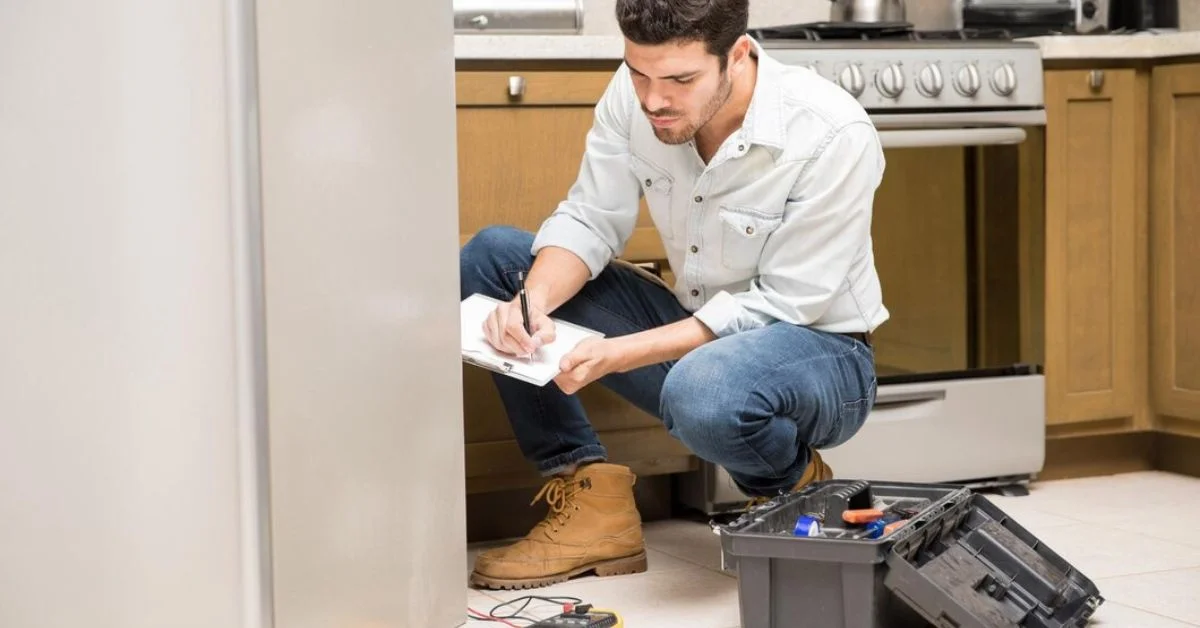
Key Takeaways:
- Understanding the vital maintenance tasks for a refrigerator.
- Diagnosing common refrigerator problems and finding solutions.
- Find and replace parts for your Frigidaire refrigerator.
- Recognizing the importance of maintenance in extending the lifespan of your appliance.
The refrigerator is an unsung home hero for many, keeping food safely stored 24/7. Peek behind its cooling façade, and you’ll discover a complex machine that can be finicky without proper care. Good appliance health hinges on responding to breakdowns and preventive maintenance, including cleaning, timely servicing, and understanding when parts need replacing.
The Refrigerator’s Function and the Role of Maintenance
Do you ever consider what enables your refrigerator to keep food cold? It’s an intricate dance of coolant circulation, compressors, condensers, and more. For example, a clean set of condenser coils can make a difference in efficiency, while a snug door seal will prevent cold air from leaking out. Regular maintenance isn’t just about cleanliness, efficiency, longevity, and energy savings. It’s knowing how to detect the harmonious hum of a well-oiled machine versus the clanking alarm bell of a unit struggling to function. A profound knowledge of your refrigerator, mainly if it’s a leading brand such as Frigidaire, allows you to perform many maintenance tasks yourself, saving money and enhancing the longevity of your appliance with the right Frigidaire parts.
Identifying Common Refrigerator Issues
With the vicissitudes of kitchen life, your refrigerator faces constant use—and the potential for wear and tear. Problems might manifest as an ice maker jammed with buildup, a persistent clicking sound indicating a problem with the start relay, or even a pool of water at its base hinting at a clogged defrost drain. Recognizing such symptoms isn’t merely about remediation but averting potentially complex mechanical failures. An informed homeowner can often address these issues before they spiral into costly repairs.
Troubleshooting Tips for the Resourceful Homeowner
Many refrigerator issues can be resolved with basic troubleshooting skills. Before panicking, check if the refrigerator is securely plugged in and receiving power. Are the condenser coils dusty, the refrigerator not level, or must the thermostat setting be corrected? Each of these can be a quick fix. However, homeowners must recognize their limits to avoid voiding warranties or causing injury.
Frigidaire Refrigerator Parts: Knowing When to Replace
Even the most diligent maintenance can’t prevent all appliance wear and tear. Within the lifespan of your refrigerator, certain parts will need regular replacement. This could be a water filter that’s outlived its purifying capabilities or shelving that has succumbed to the weight of one too many potluck leftovers. Knowing the lifespan of these components and where to find authentic replacement parts for a Frigidaire fridge can help keep your appliance in top working order.
Step-By-Step Guide to Replacing Common Parts
Some replacement tasks, like swapping out a light bulb or water filter, are straightforward and can be mastered with the appliance’s manual and a few household tools. Each model may have its quirks, so consulting the manual specific to your Frigidaire fridge ensures you’re replacing parts correctly and safely. Detailed guides, often provided by the manufacturer, can simplify this process, offering reassurance that you’re keeping your refrigerator in its best possible condition.
Preserving Your Appliance for the Long Haul
Regular refrigerator maintenance minimizes emergency service calls and extends the life of your appliance. Create a checklist of monthly and annual tasks—like cleaning the coils, checking the door seals, and calibrating the thermostat—to stay ahead of potential issues. Systematic maintenance doesn’t just ensure efficient operation; it proactively forestalls the wear that could spell an untimely appliance demise and keeps efficiency at its peak, which can be kinder to your energy bill.
Professional Versus DIY: When to Call in the Experts
Despite being a capable DIY enthusiast, specific refrigerator issues should be left to professionals, especially when dealing with sealed systems that contain refrigerants. If you reach a point where the fix involves this system or if the DIY repair did not resolve the problem, summoning a certified technician is the wise and safe choice.
A rich repository of resources exists for those looking to understand more about their appliances. One such resource is Consumer Reports, which provides expert insights into refrigerator maintenance and can help deepen your understanding of whether it’s time for a DIY fix or a professional assessment. When the dilemma is to repair or fully replace your refrigerator, considering Energy Star’s considerations can direct your decision with economic and environmental factors in mind.

A door is usually installed outside the most outside door. It is a further layer of protection against adverse weather and may be made up of various materials like aluminum, wood, or vinyl. The first function of a door is to protect the door against rain, snow, wind, and debris, prolonging its lifespan.
Unlike a typical door, a door is usually designed with interchangeable or retractable glass and screen panels, making it more adaptable to weather and enhancing its ability to guard your home. A best storm door design provides an outer layer of protection to your existing entry door.
Reasons Why You Need To Install Best Storm Door Designs For Your Home
1. Storm Doors Protect Your front entrance
Perhaps your front entrance is antique or vintage, dating to the home’s construction. Perhaps your front entrance was a recent addition, an upscale investment within the appearance and performance of your home. Regardless, your front entrance is vital, and you ought to want to guard it against unnecessary damage.
A door acts as a shield, sheltering your main door from outside elements that will cause harm to your door’s delicate materials. Of course, precipitation like rain, snow, wind, dust, and pests will damage your door over time. Still, you’ll mitigate or eliminate that damage by installing the best storm door designs, which hides your door behind more durable materials.
2. Storm Doors Enhance Home Security
Your house is only as secure as your locks — therefore the more locks you’ve got on your doors, the higher. Especially if your main door is older or has large panes of glass, you would possibly want to take a position during a door. A strong door with a couple of additional locks will deter most criminals, who typically like better to target homes that provide easier means of entry.
3. Storm Doors Offer Ventilation With Safety
If the weather is good and you’re tempted to open your windows and doors to let in the fresh air, a door can do one good. A door will offer you the ventilation you crave without compromising the safety of your home. As long as your door is closed tight, you’ll keep your front entrance wide open without worry.
4. Storm doors can increase curb appeal
Speaking of your home’s aesthetic, installing the best storm door designs can boost your home’s curb appeal for prospective buyers. House shoppers love both interior and exterior home renovations and adding a door could also be ready to boost your home sale value.
When you install a door, you showcase the long-term value of your home to future homeowners. If you’re looking to sell your house now or in the future, installing a door might be economical thanks to raising your selling price and walking off with additional cash for your next house.
5. Storm doors can add extra light to your home
Storm doors provide ancillary benefits, too. For instance, full-view storm doors let in plenty of natural light throughout the day while keeping weather and insects out all year round. The best storm door designs can make your home feel warmer and more open without removing a wall or installing new windows throughout your front room.
6. Improved Energy Efficiency
When you install a door, you effectively improve your home’s energy efficiency. By creating an insulating air space ahead of the door, reduces the quantity of draft and warmth loss. This insulation leads to considerable energy savings because it helps maintain a uniform indoor temperature, reducing the reliance on heating and cooling systems.
7. Reduces Noise
Since they’re made from three solid layers, storm doors create a barrier that reduces the quantity of noise entering your home, like traffic, garbage collection, and even construction.




 HOME IMPROVEMENT1 year ago
The Do’s and Don’ts of Renting Rubbish Bins for Your Next Renovation
- BUSINESS1 year ago
Exploring the Benefits of Commercial Printing

 BUSINESS1 year ago
Brand Visibility with Imprint Now and Custom Poly Mailers
- HOME IMPROVEMENT9 months ago
Get Your Grout to Gleam With These Easy-To-Follow Tips
- TECHNOLOGY11 months ago
Dizipal 608: The Tech Revolution Redefined
- HEALTH9 months ago
Your Guide to Shedding Pounds in the Digital Age
- HEALTH9 months ago
The Surprising Benefits of Weight Loss Peptides You Need to Know

 HEALTH12 months ago
Happy Hippo Kratom Reviews: Read Before You Buy!