
BUSINESS
Elevate Your Project: The Ultimate Guide to Cherry Picker Hire in Melbourne

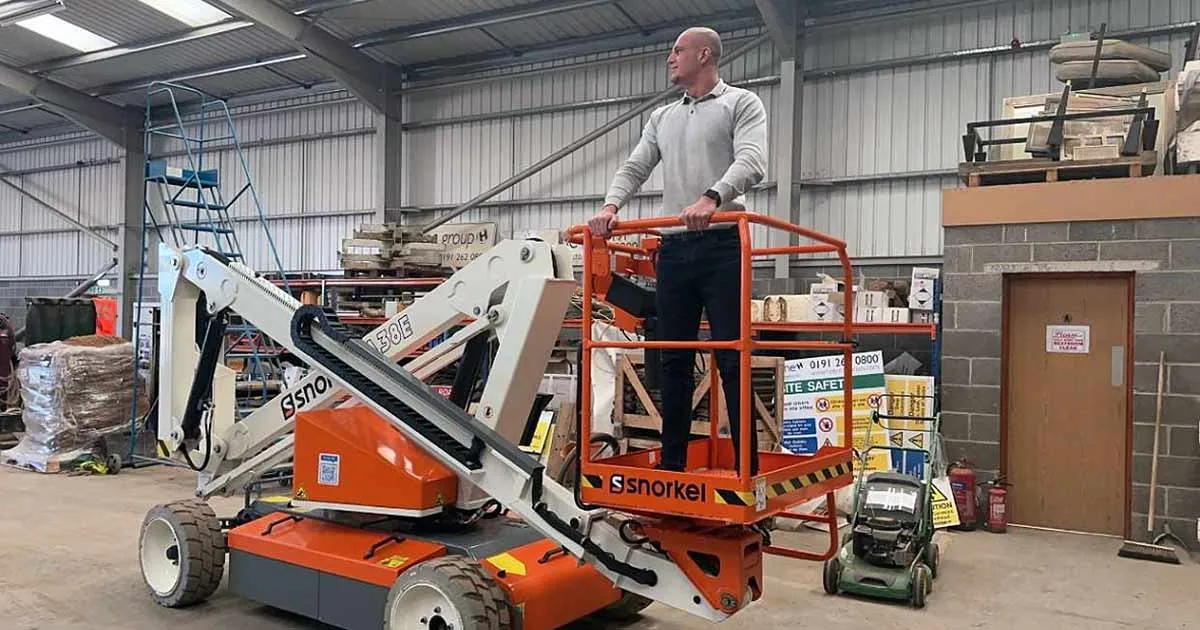
For construction professionals, contractors, and anyone in need of reaching high places, a cherry picker is an indispensable piece of equipment. Whether it’s for maintenance, installation, or construction projects, the versatility of a cherry picker makes it a prime choice. In Melbourne, the demand for such machinery is high due to the ongoing construction and maintenance work. This guide aims to simplify the process of cherry picker hire in Melbourne, ensuring your project proceeds smoothly and safely.
Understanding Cherry Pickers
A cherry picker, also known as a boom lift, is a type of aerial equipment with a platform or bucket at the end of a hydraulic lifting system. It is designed to lift workers and equipment to significant heights, providing access to areas that are difficult to reach. The term originated from its initial use in orchards to pick fruits but has since become crucial across various industries.
The Benefits of Hiring over Purchasing
The first decision for many businesses is whether to buy or hire a cherry picker. Hiring offers the benefit of reducing initial investment costs, as purchasing such equipment can be capital intensive. Additionally, hiring eliminates the need for long-term storage and maintenance, which can be especially beneficial for businesses with limited space or those that require a cherry picker on an occasional basis.
Choosing the Right Cherry Picker
There is a wide variety of cherry pickers available, each designed for specific conditions and tasks. When considering cherry picker hire in Melbourne, one must assess the job’s requirements, such as the height needed to be reached, the weight of the loads, the terrain of the work site, and the mobility needed. Electric or hybrid models are suitable for indoor or noise-sensitive environments, while rough terrain models are effective for uneven outdoor conditions.
Key Considerations When Hiring a Cherry Picker
Before committing to a cherry picker hire, it is important to consider several factors. These include the rental cost, the duration of hire, delivery and pick-up services, machine condition, and any additional features. It’s crucial also to verify that the equipment complies with Australian safety standards.
The Importance of Safety When Using Cherry Pickers
Safety cannot be overstated when it comes to operating aerial equipment. Adequate training for operators, appropriate personal protective equipment, and thorough risk assessments are mandatory. Ensure that the hire company provides a well-maintained cherry picker and that operators are informed about emergency procedures.
Training and Qualifications for Operators
In Australia, operators of cherry pickers must hold a valid High Risk Work Licence if the equipment has a boom length of 11 metres or more. For those that are shorter, although a licence may not be required, competence in handling the equipment is still essential. Reputable rental companies can provide or advise on training for operators.
Cost Factors in Cherry Picker Hire
To manage your project’s budget effectively, understand the cost factors involved in cherry picker hire. The cost might be influenced by the machine’s size, the rental period, the type of cherry picker, and any additional services such as insurance coverage. Businesses should obtain a comprehensive quote that includes all these aspects before making a decision.
Finding a Reliable Hire Company
Choosing the right hire company is crucial. Look for a provider with a reputation for reliability, a wide range of equipment, competitive pricing, and strong customer service. Read reviews and ask for recommendations from industry peers to find a company that meets your requirements.
Project Planning and Logistics
Effective planning is imperative when integrating a cherry picker into your project. Timing is everything – ensure the equipment is available when required to prevent delays. Consider the logistics of delivery and collection, and plan for any road closures or permissions needed for equipment operation on public property.
Site Assessments and Preparation
Prior to delivery, conduct a thorough site assessment. Evaluate access routes for the cherry picker, ensure the ground is stable enough to support the weight, and identify any overhead obstacles. Preparing the site adequately can avert complications once the equipment is on-site.
Flexibility and Adaptability
When planning for cherry picker hire in Melbourne, seek providers that offer flexibility. Projects can face unforeseen changes, such as weather conditions that may impede work, requiring rescheduling or extensions of the hire period. A flexible hire company can accommodate such adjustments with minimal disruption.
FOR MORE INFORMATION CLICK HERE : desert safari tours dubai
Insurance and Liabilities
Understanding your insurance obligations and liabilities when hiring a cherry picker is essential. Check if the rental company’s insurance covers damage or accidents and enquire about any additional insurance you might need to acquire.
Conclusion
Hiring a cherry picker in Melbourne should be approached with diligence and forethought. It involves evaluating the scope of the project, the equipment options, cost implications, safety standards, provider reputation, and site preparations. By considering these factors, your project will be equipped with the right aerial equipment to execute tasks safely and efficiently.
Start Your Hire Journey
Ready to elevate your project with the right equipment? Begin by researching a trustworthy company for cherry picker hire in Melbourne. Take the first step towards a successful and safe operation by choosing a provider that can cater to all your aerial equipment needs.



Automation solutions in automotive manufacturing streamline the production process, enhance efficiency, and improve quality. By integrating technologies like robotics, AI, and IoT, manufacturers can optimise assembly lines, reduce human error, and adapt to changing market demands. Automation not only speeds up processes but also ensures precision in tasks such as welding and painting. As the industry evolves, embracing these solutions becomes essential for staying competitive and meeting stringent safety and environmental standards. Thus, investing in the right automation technologies is crucial for the future success of automotive manufacturers.
In today’s fast-paced automotive industry, manufacturers are constantly seeking ways to enhance efficiency, reduce costs, and maintain high-quality standards. Automation has become a key factor in achieving these goals. But with a myriad of technologies and solutions available, how do you choose the right automation tools for your automotive manufacturing needs? In this blog post, we’ll explore the crucial steps and considerations that will help you make informed decisions.
Understand Your Manufacturing Needs
The first step in selecting the right automation solutions is to thoroughly understand your current manufacturing processes and identify areas where automation can have the most significant impact. This involves mapping out your production line to pinpoint bottlenecks, inefficiencies, or quality issues. Whether it’s assembly, welding, painting, or packing, each process might benefit differently from automation.
Evaluate Automation Types
Once you’ve identified the areas in need of improvement, the next step is to evaluate the types of automation technologies available. In automotive manufacturing, this could range from robotic arms for assembly tasks to automated guided vehicles (AGVs) for material handling. Each type of automation has unique benefits and is suitable for different applications. For instance, robotics are ideal for tasks requiring high precision and repeatability, while AGVs are excellent for improving logistics and reducing material handling costs.
Consider Scalability and Flexibility
Rapid changes in design and consumer demand mark the automotive industry. Therefore, the automation solutions you choose must not only meet your current needs but also be scalable and flexible enough to adapt to future requirements. Modular automation systems that can be easily upgraded or reconfigured are particularly valuable as they allow you to respond quickly to new market trends or changes in production volumes.
Partner with the Right Suppliers
Choosing suppliers who have extensive experience in the automotive industry and a robust understanding of its unique challenges is essential. These partners can provide not only the technology but also valuable insights and support to ensure successful implementation. For example, Electronics International is a leading provider of automation solutions that has been instrumental in transforming automotive manufacturing processes. With a focus on innovation and customer support, IDE Electronics International offers a range of products that enhance production efficiency and product quality.
Assess Integration Capabilities
A critical aspect of selecting the right automation solutions is assessing how easily they can integrate with your existing systems. Seamless integration ensures that new automation technologies can communicate effectively with your current equipment and software, minimising disruptions and maximising efficiency across the production line. This is where choosing the right partners and suppliers becomes crucial.
Calculate Return on Investment
Another important factor is the financial aspect of automation. It’s vital to calculate the potential return on investment (ROI) from automating specific processes. Consider both direct benefits, such as labour cost savings and increased production volumes, and indirect benefits, like improved product quality and reduced waste. A detailed cost-benefit analysis will help you prioritise automation investments that offer the best returns.
Plan for Employee Training and Transition
Implementing automation in your manufacturing processes isn’t just about installing new equipment; it’s also about ensuring your workforce is prepared to operate and maintain this technology. Effective training programs are essential for helping your employees transition to new roles or learn how to manage automated systems. Moreover, addressing any workforce concerns about automation early on can help foster a positive attitude toward the new technology.
Test Before Full Implementation
Pilot tests or simulations are advisable before fully integrating any new automation system. This allows you to see how the solution performs within your existing setup and make necessary adjustments before rolling it out completely. Testing helps mitigate risks associated with deploying new technology and can provide insights into further optimisation.
Stay Informed and Flexible
Lastly, keeping abreast of the latest advancements in automation technology is key to maintaining a competitive edge in the automotive industry. Attend industry seminars, workshops, and trade shows to learn about new solutions and trends. Staying flexible and willing to adapt to new technologies as they arise will ensure your manufacturing processes remain at the forefront of efficiency and innovation.
Conclusion
Choosing the right automation solutions requires a careful and informed approach. By understanding your specific manufacturing needs, evaluating the available technologies, and partnering with experienced suppliers like IDE Electronics International, you can ensure that your investment in automation pays off. Embrace the future of automotive manufacturing with confidence by selecting automation tools that enhance productivity, quality, and profitability.

In today’s fast-paced market, finding dependable wholesale suppliers is crucial for any business seeking long-term success. Wholesale suppliers can significantly influence the quality, price, and availability of products. Therefore, establishing solid relationships with reputable suppliers ensures a steady supply chain and enhances business growth. This guide will explore essential strategies for identifying trustworthy wholesale suppliers, ensuring your business runs smoothly and efficiently.
Understanding Your Needs and Market
Before diving into the search for wholesale suppliers, it’s vital to understand your specific needs and market dynamics. Knowing precisely what products you need, the quantities required, and the target audience will streamline your search. Analyze your market to identify trends and demands. This knowledge will help you select suppliers who can meet your requirements and cater to your customer base effectively.
Start by listing the products you intend to source and their specifications. Determine the acceptable quality standards, preferred brands, and packaging details. Understanding these aspects will guide you in filtering out suppliers who do not meet your criteria. Additionally, research your competitors to see which suppliers they use and the products they offer. This competitive analysis can provide insights into reliable suppliers in your industry.
Conducting Thorough Research
Once your needs and market are clearly defined, the next step is conducting comprehensive research on potential suppliers. Utilize various resources such as online directories, trade shows, and industry associations. Online directories like Alibaba, ThomasNet, and Global Sources provide extensive lists of wholesale suppliers, complete with reviews and ratings. These platforms allow you to compare different suppliers based on their product offerings, pricing, and customer feedback.
Attending trade shows is another effective way to meet potential suppliers in person. These events provide opportunities to see products firsthand, ask detailed questions, and establish personal connections with suppliers. Industry associations and trade publications often have lists of recommended suppliers, along with industry news and updates. Engaging with these resources will keep you informed about the latest developments and trusted suppliers in your field.
Evaluating Supplier Reliability
After identifying potential suppliers, evaluating their reliability is crucial. Start by checking their business credentials, such as licenses, certifications, and years in operation. Reliable suppliers typically have a proven track record and can provide references from other clients. Contact these references to inquire about their experiences with the supplier, focusing on aspects like product quality, delivery times, and customer service.
Assess the supplier’s production capacity and quality control measures. Ensure they can handle your order volume consistently and meet your quality standards. Request samples to evaluate the product quality firsthand. Additionally, visit the supplier’s facilities if possible. A factory visit can provide valuable insights into their manufacturing processes, employee working conditions, and overall operational standards. This on-site evaluation helps in making an informed decision about the supplier’s reliability.
Negotiating Terms and Building Relationships
Once you’ve shortlisted reliable suppliers, the next step is negotiating terms that are favorable for your business. Discuss pricing, payment terms, delivery schedules, and return policies in detail. It’s essential to clarify these aspects upfront to avoid any misunderstandings later. Establishing clear communication channels is key to building a strong relationship with your supplier.
Negotiating favorable terms is not just about getting the lowest price. It’s about finding a balance where both parties will benefit. Consider factors such as payment flexibility, discounts for bulk orders, and reasonable delivery times. Building a good relationship with your supplier can lead to better terms, priority treatment during peak seasons, and more collaborative problem-solving. Maintain regular communication with your supplier, providing feedback on their products and services. A transparent and respectful relationship fosters mutual trust and long-term collaboration.
Monitoring Supplier Performance
After finalizing agreements, continuously monitor your supplier’s performance to ensure they maintain high standards. Keep track of key performance indicators such as delivery punctuality, product quality, and response times to inquiries. Regularly reviewing these metrics will help you identify any issues early and address them promptly.
Establish a system for quality control checks on received products. This can include random sampling, visual inspections, and testing for specific attributes. Encourage open communication with your supplier, allowing them to address any concerns and make necessary improvements. If you notice a decline in performance, discuss it with the supplier and seek solutions. Consistent monitoring and proactive communication help maintain a reliable supply chain and prevent disruptions.
Conclusion
Finding reliable wholesale suppliers is a critical component of a successful business strategy. By understanding your needs, conducting thorough research, evaluating supplier reliability, negotiating favorable terms, and continuously monitoring performance, you can establish strong and dependable supplier relationships. These efforts ensure a steady supply of high-quality products, contributing to your business’s growth and stability. Investing time and resources in finding the right suppliers is essential for achieving long-term success in any market.

As we navigate through 2024, the significance of safeguarding property ownership remains paramount. With evolving technological advancements and an ever-changing legal landscape, ensuring the security of your property has become more complex. Whether you are a first-time homeowner or an experienced property investor, understanding the essential steps to protect your property ownership is crucial. This article outlines vital measures to help you maintain the integrity and security of your property rights.
Conduct Comprehensive Title Searches
One of the fundamental steps in safeguarding property ownership is conducting comprehensive title searches. Before finalising any property transaction, it is imperative to verify the property’s title history. This process involves scrutinising public records to confirm that the property has a clear and unencumbered title. Title searches help identify any potential legal issues, such as outstanding liens, unpaid taxes, or undisclosed heirs, that could jeopardise your ownership.
Employing a qualified solicitor or a professional title search company can provide an in-depth examination of the property’s history. They possess the expertise to detect any irregularities or hidden claims that might not be immediately apparent. By ensuring a thorough title search, you can mitigate the risk of future legal disputes and secure your ownership rights. Even you can take the help of DEWII, a company that has always been a concern and incidents related to security lapses are flooding the newspapers. Whether it be corporations, hotels, schools, societies or individual households, DEWII is always at a risk. We exist to reduce that risk through technology.
As we navigate through 2024, the significance of safeguarding property ownership remains paramount. With evolving technological advancements and an ever-changing legal landscape, ensuring the security of your property has become more complex. Whether you are a first-time homeowner or an experienced property investor, understanding the essential steps to protect your property ownership is crucial. Consulting with a knowledgeable legal professional, such as a Dallas Business Lawyer – Roquemore Skierski, can provide valuable guidance in maintaining the integrity and security of your property rights. This article outlines vital measures to help you protect your ownership and navigate any legal complexities that may arise.
Obtain Title Insurance
Acquiring title insurance is another critical measure to protect your property ownership. Title insurance provides financial protection against potential losses arising from defects in the title. Even with a meticulous title search, there is always a possibility of undiscovered issues that could threaten your ownership. Title insurance covers a range of risks, including forgery, fraud, and errors in public records.
There are two primary types of title insurance: lender’s title insurance and owner’s title insurance. While lender’s title insurance is typically required by mortgage lenders to protect their interests, owner’s title insurance is optional but highly recommended. Owner’s title insurance safeguards your investment and offers peace of mind by covering legal expenses and compensating for any losses incurred due to title defects.
Register Your Property With The Land Registry
Registering your property with the Land Registry is a crucial step in protecting your ownership rights. The Land Registry maintains a comprehensive record of property ownership and any associated legal interests. By ensuring your property is registered, you establish a legal record of your ownership, making it more difficult for fraudulent claims to arise.
Registration provides several benefits, including legal protection against adverse possession and easier resolution of boundary disputes. It also simplifies the process of transferring ownership should you decide to sell the property in the future. Keeping your registration details up to date and promptly recording any changes, such as extensions or improvements, further reinforces your legal claim to the property.
Implement Robust Security Measures
In addition to legal protections, implementing robust physical and digital security measures is essential to safeguarding your property. Physical security measures include installing high-quality locks, security cameras, and alarm systems to deter potential intruders. Regularly maintaining and upgrading these systems ensures they remain effective in protecting your property.
Digital security measures are equally important in the modern age, where cyber threats pose a significant risk. Protecting sensitive documents, such as deeds and mortgage records, with encryption and secure storage solutions is crucial. Utilising password-protected accounts and multi-factor authentication can prevent unauthorised access to your digital records. Additionally, staying informed about the latest cyber security threats and best practices can help you proactively protect your property-related information.
Stay Informed About Legal and Regulatory Changes
Keeping abreast of legal and regulatory changes is vital for safeguarding your property ownership. Property laws and regulations are subject to change, and staying informed ensures you remain compliant and aware of any new risks or opportunities. Regularly consulting with legal professionals who specialise in property law can provide valuable insights and guidance.
In addition to consulting with professionals, utilising reputable online resources and attending property law seminars or workshops can enhance your understanding of current legal developments. Being proactive in educating yourself about changes in property legislation, zoning laws, and tax regulations empowers you to make informed decisions and take appropriate actions to protect your property.
Conclusion
Safeguarding your property ownership in 2024 requires a multifaceted approach that combines thorough legal processes, robust security measures, and continuous education. Conducting comprehensive title searches, obtaining title insurance, registering your property with the Land Registry, and implementing both physical and digital security measures are essential steps to protect your investment. Staying informed about legal and regulatory changes further fortifies your ownership rights.
By diligently following these essential steps, you can minimise risks and ensure the security of your property ownership, providing peace of mind and safeguarding your valuable asset for the future.

 HOME IMPROVEMENT1 year ago
The Do’s and Don’ts of Renting Rubbish Bins for Your Next Renovation
- BUSINESS1 year ago
Exploring the Benefits of Commercial Printing
- HOME IMPROVEMENT9 months ago
Get Your Grout to Gleam With These Easy-To-Follow Tips

 BUSINESS1 year ago
Brand Visibility with Imprint Now and Custom Poly Mailers
- TECHNOLOGY12 months ago
Dizipal 608: The Tech Revolution Redefined
- HEALTH9 months ago
Your Guide to Shedding Pounds in the Digital Age
- HEALTH9 months ago
The Surprising Benefits of Weight Loss Peptides You Need to Know
- LAW1 year ago
7 Key Questions to Ask When Hiring a Criminal Lawyer







