
HEALTH
Top 11 Health & Fitness Tips for Men


Maintaining health and fitness is essential for men at every stage of life. Whether you’re looking to enhance your physical performance, increase your longevity, or simply feel better day-to-day, adopting a series of practical health practices can be transformative. This guide focuses on proven strategies that prioritize both physical and mental wellness.
From the basics of a balanced diet to the importance of regular physical activity and mental health care, each tip is designed to be easily integrated into daily routines. In this blog, we will take a look at the top 11 health and fitness tips that every man can implement to lead a healthier, more active life.
1. Establish a Balanced Diet
The foundation of good health is a well-balanced diet. Men should focus on integrating a variety of nutrients into their meals, including a wide range of fruits, vegetables, and whole grains. Proteins are essential for muscle repair and growth, while healthy fats like those from avocados and nuts provide necessary energy. Consider planning meals ahead to avoid last-minute unhealthy choices.
2. Routine Physical Exercise
Physical activity should be a staple in every man’s daily routine. Not only does it help in controlling weight, but it also combats health conditions and diseases, including heart disease and high blood pressure. Mixing different types of exercises—such as strength training, cardiovascular workouts, and flexibility practices—keeps the routine engaging and covers all aspects of fitness. It’s vital to set achievable goals to keep the motivation alive.
3. Explore Modern Solutions
For men looking to enhance their physique beyond the gym, cosmetic options like the Adonis surgical procedure offer a solution. This procedure, designed to sculpt the body to a more aesthetically pleasing form, can greatly boost a man’s confidence and satisfaction with his physical appearance. However, it’s important to thoroughly understand the potential risks and benefits through consultations with qualified professionals before undergoing any surgical enhancements.
4. Prioritize Mental Health
Mental health is as important as physical health, yet it often receives less attention. Regular activities like meditation, yoga, or even deep-breathing exercises can significantly reduce stress and anxiety. Men should not hesitate to seek professional help if they experience persistent feelings of sadness or depression. A healthy mind supports a healthy body. Engaging in hobbies or social activities can also serve as effective stress relievers and enhance overall well-being. Furthermore, ensuring sufficient sleep each night is vital for emotional and mental balance.
5. Stay Hydrated
Hydration affects everything from physical performance to metabolism. Men should aim to drink at least eight 8-ounce glasses of water daily, more if they are active or live in hotter climates. Signs of dehydration include fatigue, dizziness, and extreme thirst. It’s also beneficial to monitor the color of your urine as a quick hydration status indicator; clearer urine generally means better hydration. Incorporating foods with high water content, such as fruits and vegetables, can further aid in maintaining hydration levels.
6. Regular Health Check-Ups
Regular visits to the doctor are not just for when feeling unwell. Preventative health screenings can catch diseases early when they are more treatable. Men should be aware of and keep up with the necessary screenings recommended for their age group, such as blood pressure checks, cholesterol profiles, and others.
Regular dental check-ups and eye exams should also be part of one’s health routine. Staying informed about family medical history can also guide discussions with healthcare providers about potential health risks. It’s equally important to update vaccinations and immunizations as recommended to protect against diseases.
7. Manage Stress Effectively
Stress can undermine both physical and mental health if not managed properly. Effective stress management starts with identifying the sources of stress and implementing practical ways to deal with them. Techniques like time management, mindfulness, and regular physical activity can significantly mitigate stress levels.
Engaging in hobbies and maintaining a social network can also provide a healthy outlet for stress relief. Breathing exercises and progressive muscle relaxation are quick methods to reduce stress in the moment. It’s vital for men to find stress relief techniques that work for them and integrate them into their daily routines.
8. Avoid Harmful Substances
To maintain optimum health, men should steer clear of smoking, excessive alcohol consumption, and the use of recreational drugs. Resources such as support groups and professional help are available for those struggling to quit. Abstaining from these substances dramatically lowers the risk of developing chronic diseases and improves overall life expectancy. It is also beneficial for mental clarity and physical performance. Encouraging a support network can provide the necessary motivation and accountability needed to remain substance-free.
9. Healthy Weight Management
Achieving and maintaining a healthy weight is fundamental for overall health. A combination of a balanced diet and regular exercise is the most effective strategy for weight management. Avoiding extreme diets and focusing on sustainable healthy eating practices ensures long-term success. Regular monitoring of one’s weight and body composition helps in making informed adjustments to diet and exercise plans. It is also important to understand how body weight impacts various aspects of health, including joint stress and cardiovascular health.
10. Engage in Preventative Care
Preventative care plays a significant role in maintaining long-term health. It involves taking proactive measures to prevent diseases before they occur. Regular vaccinations and health screenings are essential parts of preventative care, allowing for early detection of potential health issues. Men should consult healthcare providers to determine which preventative measures are most appropriate based on their age and health history. Regularly updating personal health records can keep one’s healthcare team well-informed and proactive in their care.
11. Stay Informed on Health Trends
Keeping up-to-date with the latest health and fitness information is crucial for anyone looking to maintain or improve their health. However, it is important to critically evaluate the sources of information to avoid misinformation. Men should consult reputable health and fitness publications and consider speaking with healthcare professionals to confirm the validity of new health trends. Adapting new health practices based on reliable research can lead to better health outcomes and more effective management of existing conditions.
Conclusion
For men aiming to enhance their lifestyle through improved health and fitness, consistent effort is key. Integrating the tips discussed into daily life requires commitment and adaptability. Regularly revisiting and adjusting one’s health strategies can lead to sustained improvements and help overcome challenges that may arise. Ultimately, taking charge of one’s health is an ongoing process that requires diligence and proactive behavior. Men who are dedicated to their health goals can see significant benefits in all areas of their lives.



Overcoming loneliness is a critical aspect of the addiction recovery process. The journey toward sobriety can lead individuals through uncharted and often daunting paths, where the lack of a supportive community may intensify feelings of isolation. However, overcoming loneliness, though challenging, is not impossible. By implementing targeted strategies and actively seeking out communities that offer support, individuals can discover both comfort and empowerment through increased connectivity. This article explores various approaches aimed at addressing loneliness, providing practical tips and insights to enhance interpersonal connections and promote emotional healing.
The road to recovery is seldom walked alone, and the feelings of detachment that often accompany it can be alleviated by connecting with others who understand the struggle. Establishing a network of support not only helps mitigate the sense of isolation but also reinforces the individual’s journey to sobriety with encouragement and solidarity. Engaging with groups and individuals who share similar experiences can provide a sense of belonging, making the path less intimidating. By exploring various tactics to overcome loneliness, this discussion offers valuable guidance to help individuals forge meaningful relationships and rediscover purpose in their recovery journey.
1. Embracing Support Groups:
Joining support groups is one of the most effective ways to combat loneliness during the recovery from alcohol and drug addiction. Well-known groups like Alcoholics Anonymous (AA) and Narcotics Anonymous (NA) offer a welcoming and empathetic setting where people can openly discuss their difficulties, achievements, and experiences. This openness is possible because these settings are designed to be judgment-free zones, ensuring that everyone feels secure and validated in sharing their personal stories. Active participation in these groups provides essential emotional support and helps individuals forge strong bonds of friendship and mutual understanding. The sense of community and connection that develops is invaluable, helping members to feel less isolated and more supported in their individual paths to recovery.
Regular attendance at group meetings is crucial for maintaining these connections and reinforcing the understanding that no one is alone in their struggles against addiction. As members meet consistently, they build trust and familiarity with one another, which strengthens their resolve and supports their recovery journey. This continuous engagement helps to solidify the group’s role as a cornerstone of support for its members, offering both stability and encouragement. Over time, this community becomes a key resource for individuals seeking solace and understanding as they navigate the complexities of addiction recovery, continually reminding them that they are part of a supportive and caring network.
2. Cultivating Meaningful Relationships:
Developing and maintaining strong, meaningful connections is critical in fighting loneliness during the process of addiction recovery. The inclination to withdraw can be powerful, but actively seeking deeper connections with others can greatly improve one’s emotional health. This often includes reconnecting with family, longtime friends, or mentors who can offer the necessary support and empathy. Furthermore, forming new friendships with people who have similar interests and values can help foster a supportive community, enhancing feelings of inclusion and connectedness.
In expanding these relationships, it’s important to participate in activities that both parties enjoy or to join clubs and groups that align with one’s personal interests. Whether it’s a book club, a fitness class, or a local support group, being part of a community can reduce feelings of isolation. Taking part in regular meetups not only builds stronger relationships but also establishes a routine that can help anchor someone’s social life, making the recovery process less daunting and more supported. These connections provide a safety net of peers who understand the challenges of recovery and offer a nurturing environment for personal growth and healing.
3. Engaging in Healthy Activities:
Loneliness can find fertile ground in inactivity, emphasizing the importance for those in addiction recovery to remain busy with beneficial pursuits. Immersing oneself in hobbies, physical fitness, or community service serves dual purposes—it not only diverts attention from feelings of solitude but also builds a sense of accomplishment and satisfaction. Involvement in pursuits that enhance both physical health and mental state plays a critical role in increasing self-esteem and confidence. This empowerment helps individuals fend off loneliness and maintain their dedication to the goals of their recovery journey.
4. Seeking Professional Support:
Beyond the camaraderie of support groups, obtaining professional help is critical in overcoming loneliness during addiction recovery. Engaging with therapists, counselors, and support staff offers targeted assistance that is customized for each person’s particular situation. In therapy sessions, individuals have the opportunity to delve into the root causes of their loneliness and craft personalized strategies to manage these feelings. Access to a reliable professional during tough periods offers not only comfort but also a new outlook, helping to diminish the sense of being alone and despondent. This professional support can be an anchor, providing stability and guidance as one navigates the complexities of recovery, ensuring that they do not have to face their challenges in isolation.
5. Utilizing Technology for Connection:
In our modern, tech-driven world, the internet serves as a powerful tool for building connections and finding support. Platforms such as online forums, social media groups, and chat rooms offer virtual spaces where people in addiction recovery can meet peers who are also navigating similar paths. These online communities help users share their experiences and challenges, providing a sense of solidarity and understanding.
Moreover, advances in digital communication have made teletherapy and online support groups increasingly accessible. These resources are particularly valuable for those who might find it difficult to attend physical meetings due to logistical issues, health concerns, or personal preferences. Virtual meetings can be attended from anywhere, removing physical barriers and making it easier for individuals to find and maintain supportive networks without leaving their homes.
By embracing these technological tools, people in recovery can effectively find companionship and support, thereby reducing feelings of isolation and helping to combat loneliness as they work towards sobriety. This digital approach not only supports individuals in maintaining their recovery efforts but also enriches their journey with a constant stream of accessible resources and communal support.
6. Practicing Self-Compassion:
In the journey of addiction recovery, embracing self-compassion emerges as a crucial tool in combating the pervasive feelings of loneliness. It’s about extending the same kindness, understanding, and acceptance to oneself that one might readily offer to others, especially during the toughest moments. Rather than allowing oneself to be drowned in self-criticism and the relentless chatter of negative self-talk, individuals can fortify their sense of self-worth and inner strength by nurturing self-compassion. This journey may entail acknowledging and validating the full spectrum of one’s emotions, consciously practicing mindfulness and acts of self-care, and embracing the inherent imperfections that define the human experience.
By adopting this compassionate stance towards oneself, individuals can gradually chip away at the walls of loneliness that often enclose them. It’s a process of fostering a profound connection not just with others, but with one’s own essence. Through this lens of compassion and empathy, individuals find themselves less burdened by the weight of loneliness, and instead, they uncover a newfound sense of belonging and connection that enriches their journey of recovery.
Conclusion:
The journey of addiction recovery often brings forth the daunting challenge of loneliness, yet it is a challenge that can be overcome. Through various avenues such as immersing oneself in support groups, nurturing authentic connections, participating in activities that promote wellness, seeking guidance from professionals, leveraging the power of technology to stay connected, and extending compassion towards oneself, individuals can effectively address feelings of isolation and pave the way for healing on their path to sobriety. It’s important to acknowledge that the road to recovery is not meant to be traveled alone; by bravely reaching out for assistance and forming bonds with others who understand and support, individuals can take significant strides towards a future filled with brightness and fulfillment. Together, united in our shared experiences and aspirations, we can conquer loneliness and flourish in our journey of recovery.
FAQs
- What are some common signs of loneliness in addiction recovery?
- Loneliness can manifest in various ways, including feelings of emptiness, isolation, and a lack of connection with others. It may also be accompanied by symptoms such as sadness, anxiety, and low self-esteem.
- How can support groups help combat loneliness in addiction recovery?
- Support groups provide a safe and understanding environment where individuals can share their experiences, receive encouragement, and connect with others who are facing similar challenges. By participating in support groups like Alcoholics Anonymous (AA) or Narcotics Anonymous (NA), individuals can find camaraderie and support on their journey to sobriety.
- What are some strategies for cultivating meaningful relationships in addiction recovery?
- Cultivating meaningful relationships involves reaching out to family members, old friends, or trusted mentors who can provide support and understanding. Additionally, forming new friendships with individuals who share similar interests and values can create a sense of belonging and support.

Many families confront the harsh reality of a loved one struggling with addiction. While the road ahead is undoubtedly challenging, recognizing the signs early can make a profound difference. This comprehensive guide aims to empower readers with the knowledge and strategies to identify addiction patterns, initiate difficult conversations, navigate professional help, and maintain hope throughout the recovery journey.
Early Signs of Addiction in Loved Ones
Addiction doesn’t happen overnight. It often starts with subtle changes that can be easy to overlook or rationalize. Being aware of these early warning signs is crucial in addressing the issue before it spirals out of control.
Changes in Behavior and Mood Swings
One of the most noticeable signs of addiction is a shift in behavior and mood. Your loved one may exhibit:
- Unexplained mood swings, irritability, or aggression
- Sudden changes in social circles or withdrawal from family and friends
- Decreased performance at work or school
- Lack of motivation or interest in previously enjoyed activities
Unexplained Financial Problems
Addiction can quickly become an expensive habit. Keep an eye out for:
- Frequent requests for money or unexplained financial difficulties
- Selling personal belongings or valuables
- Unusual spending habits or unexplained sources of income
Physical Signs and Symptoms of Substance Use
Depending on the substance involved, your loved one may display specific physical signs, such as:
- Bloodshot eyes, dilated pupils, or rapid weight changes
- Slurred speech, poor coordination, or impaired cognitive function
- Changes in sleeping patterns or loss of appetite
According to a study by the National Institute on Drug Abuse, 10% of people aged 12 or older in the U.S. have an alcohol use disorder.
The Importance of Trusting Your Instincts
While the signs mentioned above are common indicators of addiction, it’s essential to trust your intuition. If you notice significant changes in your loved one’s behavior, appearance, or overall well-being, it’s better to err on the side of caution and seek professional guidance.
Understanding the Psychological Aspect of Addiction
Recognizing the early signs is just the first step. But what causes a loved one to fall into these patterns? The answer lies in how addiction alters brain chemistry, leading to compulsive substance-seeking behavior. Understanding this change is essential for approaching your loved one empathetically and precisely.
The Role of Denial in Addiction
One of the most significant psychological barriers to addressing addiction is denial. Your loved one may:
- Rationalize or minimize their substance use
- Blame others for their problems
- Become defensive when confronted about their behavior
It’s crucial to understand that denial is a coping mechanism rooted in the psychological effects of addiction. For comprehensive guidance, seek support from addiction resources on understanding and addressing these challenges. Exploring reputable websites can provide valuable insights.
Coping Mechanisms and Their Impact
In addition to denial, individuals struggling with addiction often develop other unhealthy coping mechanisms, such as:
- Isolating themselves from friends and family
- Engaging in high-risk behaviors
- Developing co-occurring mental health issues like depression or anxiety
These coping mechanisms can further exacerbate the addiction cycle and make it harder to seek help.
The Thin Line Between Supporting and Enabling
As a loved one, it’s natural to want to help and support the person struggling with addiction. However, it’s essential to recognize the difference between supporting and enabling. Enabling behaviors, such as making excuses, bailing them out of consequences, or providing financial assistance without boundaries, can inadvertently reinforce the addictive behavior.
Recognizing the Signs of Mental Health Issues Co-occurring with Addiction
In many cases, addiction co-occurs with mental health issues like depression, anxiety, or trauma. Awareness of these potential co-occurring disorders is essential, as they may require specialized treatment and support.
Communication Strategies: Initiating the Conversation
While open and empathetic communication is crucial, it’s equally important to recognize when professional help is needed. With 90% of individuals with substance use disorders requiring treatment, knowing when and how to seek professional assistance can be the turning point in your loved one’s journey toward recovery.
Preparing for a Difficult Conversation: Do’s and Don’ts
Initiating a conversation about addiction can be daunting, but it’s a necessary step in the recovery process. Here are some dos and don’ts to keep in mind:
Do’s:
- Choose a time when your loved one is sober and not under the influence
- Speak from a place of concern and love, not judgment or accusation
- Use “I” statements to express how their behavior affects you
- Be prepared with information on treatment options and resources
Don’ts:
- Confront them when they are actively using substances
- Engage in heated arguments or make threats
- Enable or minimize their behavior
- Expect immediate change or acceptance of the problem
Setting Boundaries: Why It’s Necessary and How to Do It
While it’s important to approach the conversation with empathy and understanding, setting clear boundaries is equally crucial. Boundaries help establish a clear line between supporting and enabling, and they can also serve as a wake-up call for your loved one to seek help.
Examples of healthy boundaries include:
- Not providing financial assistance for their addiction
- Refusing to cover up or make excuses for their behavior
- Limiting contact or visitation until they seek treatment
Setting boundaries can be challenging, but it’s a vital step in protecting your well-being while encouraging your loved one to take responsibility for their actions.
Responding to Denial or Resistance
It’s not uncommon for individuals struggling with addiction to initially deny or resist the idea of seeking help. In such situations, it’s important to remain patient, consistent, and firm in your stance. Continue to express your concern and remind them of the boundaries you’ve set. Avoid enabling behaviors that could reinforce the addiction cycle.
Here’s a comparison table illustrating the differences between supporting and enabling behaviors:
| Supporting Behaviors | Enabling Behaviors |
| Expressing concern and love | Making excuses or minimizing the problem |
| Offering to attend counseling or support group meetings | Bailing them out of legal or financial consequences |
| Setting clear boundaries and consequences | Providing financial assistance without boundaries |
| Encouraging them to seek professional help | Covering up or lying about their behavior |
| Practicing self-care and maintaining your well-being | Neglecting your own needs to prioritize their addiction |
Navigating the Path to Professional Help
The path to seeking professional help is a critical step toward recovery, but it’s also a period that tests the resilience of family members. This makes self-care an indispensable part of the process. Maintaining your health and hope not only ensures your well-being but also enhances your ability to support your loved one through their recovery.
Identifying When to Seek Professional Help
While it’s natural to want to handle the situation on your own, there comes a point when professional intervention becomes necessary. Some signs that it’s time to seek professional help include:
- Your loved one’s addiction is causing physical harm or legal troubles
- Their substance abuse is impacting their ability to function in daily life
- They are displaying signs of co-occurring mental health issues
- Your efforts to communicate and set boundaries have been ineffective
Overview of Treatment Options: From Counseling to Rehabilitation
When seeking professional help, it’s essential to understand the various treatment options available. These may include:

- Individual or group counseling: Counseling can help identify and address the underlying causes of addiction, develop coping strategies, and build a support system.
- Inpatient or outpatient rehabilitation programs: These programs offer a structured environment for detoxification, therapy, and relapse prevention education.
- Medication-assisted treatment: For certain types of addictions, medication can be used in combination with counseling to manage cravings and withdrawal symptoms.
- Support groups: Groups like Alcoholics Anonymous (AA) or Narcotics Anonymous (NA) provide a sense of community and ongoing support throughout the recovery journey.
Navigating the Healthcare System: Tips for Finding the Right Support
Navigating the healthcare system can be overwhelming, especially when dealing with addiction and mental health issues. Here are some tips to help you find the right support:
- Talk to your primary care physician: Your doctor can provide referrals to addiction specialists, counselors, or treatment programs in your area.
- Reach out to your health insurance provider: Many insurance plans cover addiction treatment services. Understanding your coverage can help you find affordable options.
- Consult with local support organizations: Organizations like the Substance Abuse and Mental Health Services Administration (SAMHSA) can provide information on treatment facilities and resources in your area.
- Consider virtual or online options: In some cases, telehealth services or online counseling may be a convenient and accessible option.
It’s also important to remember that finding the right fit may take some trial and error. Be prepared to advocate for your loved one’s needs, and don’t hesitate to seek a second opinion if a treatment approach is ineffective.
The Role of Support Groups for Both Individual and Family Members
Addiction recovery is a journey that extends beyond professional treatment. Support groups can play a vital role in providing ongoing guidance, accountability, and a sense of community for both the individual and their family members.
For individuals struggling with addiction, groups like Alcoholics Anonymous (AA) or Narcotics Anonymous (NA) offer a safe space to share experiences, find mentors, and receive encouragement from others who have walked a similar path.
For family members, groups like Al-Anon or Nar-Anon provide a supportive environment to learn coping strategies, share experiences, and gain insights from others who have navigated the challenges of loving someone with an addiction.
Participating in these groups can not only provide emotional support but also practical tools and resources for maintaining sobriety and fostering healthy relationships.
Maintaining Hope and Health in the Face of Addiction
Armed with a comprehensive understanding of addiction and strategies to combat it, you might still have questions about distinguishing between recreational use and addiction, handling denial, and supporting without enabling. These common inquiries shed further light on the nuances of addiction and recovery, offering targeted advice for these critical concerns.
Self-Care for Family Members: Why It’s Crucial
Supporting a loved one through addiction can be physically, emotionally, and mentally draining. That’s why self-care is not just a luxury but a necessity. By prioritizing your well-being, you’ll be better equipped to handle the challenges that lie ahead.
Self-care activities can include:
- Practicing mindfulness or meditation
- Engaging in regular exercise or physical activity
- Seeking counseling or joining a support group
- Nurturing hobbies or interests outside of the situation
- Setting aside time for rest
Remember, you can’t pour from an empty cup. Caring for yourself is not selfish; it’s essential for maintaining the resilience and strength needed to support your loved one effectively.
The Importance of a Support Network
In addition to self-care, building a strong support network is crucial. Addiction can be an isolating experience for both the individual struggling and their loved ones. Surrounding yourself with understanding friends, family members, or professionals can provide a much-needed sense of community and validation.
Your support network can offer:
- A listening ear when you need to vent or express frustrations
- Practical assistance with tasks or responsibilities
- Emotional encouragement and reminders of your loved one’s inherent worth
- Respite opportunities to recharge and avoid burnout
Remember, you don’t have to go through this journey alone. Reaching out for support can be a powerful act of self-care.
Setting Realistic Expectations for Recovery
Recovery from addiction is a long-term process, often marked by ups and downs, setbacks, and progress. It’s essential to set realistic expectations and understand that
recovery is not a linear journey.
Celebrate milestones and small victories, such as attending a counseling session or remaining sober for a set period. At the same time, prepare for potential relapses or challenges, and have a plan in place to address them constructively.
Maintain open communication with your loved one and their treatment providers, and adjust your approach as needed. Recovery is a journey, and your patience, understanding, and unwavering support can make a significant difference.
Celebrating Milestones and Recognizing Progress
While the road to recovery can be challenging, it’s essential to celebrate milestones and recognize progress along the way. Such acknowledgments can motivate your loved one and also reinforce positive changes.
Celebrate milestones such as:
- Completing a treatment program
- Reaching sobriety milestones (e.g., 30 days, 6 months, 1 year)
- Regaining employment or returning to school
- Rebuilding relationships or reconnecting with lost interests
Recognize progress by:
- Expressing pride and encouragement
- Offering small tokens of appreciation or acknowledgment
- Suggesting special activities or outings to mark the occasion
- Reminding them of how far they’ve come and the strength they’ve shown
Celebrating milestones and recognizing progress boosts your loved one’s morale. It also shows that recovery is possible and their efforts are worthwhile.
Frequently Asked Questions (FAQs)
1. How can I tell the difference between someone enjoying a substance recreationally and someone who is addicted?
The line between fun and addiction can be blurry. But, several key signs show the shift to addiction:
- Loss of control
- Tolerance and withdrawal
- Prioritizing substance use
- Continued use despite consequences
If you notice these patterns emerging, it may be an indication that recreational use has escalated into addiction.
2. What should I do if my loved one refuses to acknowledge their addiction or seek help?
Dealing with denial or resistance can be one of the most challenging aspects of supporting a loved one with addiction. Here are some strategies to consider:
- Remain patient and consistent
- Suggest an intervention
- Prioritize your well-being
- Be prepared for consequences
Remember, you cannot control your loved one’s actions, but you can control how you respond to them. Seeking guidance from a counselor or support group can give valuable insights. They can provide strategies for navigating this tough situation.
3. How can I support my loved one’s recovery without enabling their addiction?
Supporting recovery without enabling addiction requires a delicate balance. Here are some tips:
- Encourage accountability
- Celebrate sobriety, not substance use
- Set clear boundaries
- Participate in their recovery process
- Practice self-care
The key is to offer love, understanding, and encouragement. You must also empower your loved one to take responsibility for their recovery. It’s a delicate balance. But, asking professionals or groups for help can aid you in navigating this process well.
Conclusion
Navigating a loved one’s addiction can be an emotional rollercoaster, but remember, you are not alone. By arming yourself with knowledge, compassion, and the right support system, you can play a pivotal role in their recovery journey.
Remain vigilant for the early signs, and trust your instincts. Initiate open and honest conversations, set healthy boundaries, and be prepared to seek professional help when necessary. Above all, prioritize self-care and surround yourself with a network of understanding individuals who can provide respite and encouragement.
Recovery is a marathon, not a sprint, and celebrating milestones along the way can fuel hope and determination for both you and your loved one. With patience, perseverance, and an unwavering belief in their inherent worth, you can guide them toward a path of healing and renewal.
The road ahead may be challenging, but the rewards of witnessing your loved one reclaim their life make every effort worthwhile.


The Evolution of Modern Hospitality Accommodations
From bustling city centers to serene natural retreats, hospitality accommodations offer much more than just a place to sleep. By May 2026, the industry will have transformed, focusing on creating truly welcoming and memorable experiences for every guest. We understand the importance of finding the perfect place, whether for a quick business trip or an extended stay where you need the comforts of home, even in vibrant areas like the Detroit hospitality for dates market.
We will explore the many facets of modern hospitality. We will delve into the diverse types of lodging available, from luxury resorts to unique boutique hotels. We will also examine how technology, personalized amenities, and thoughtful design come together to enhance every traveler’s journey.
Join us as we uncover what makes a space truly welcoming in today’s dynamic hospitality landscape.
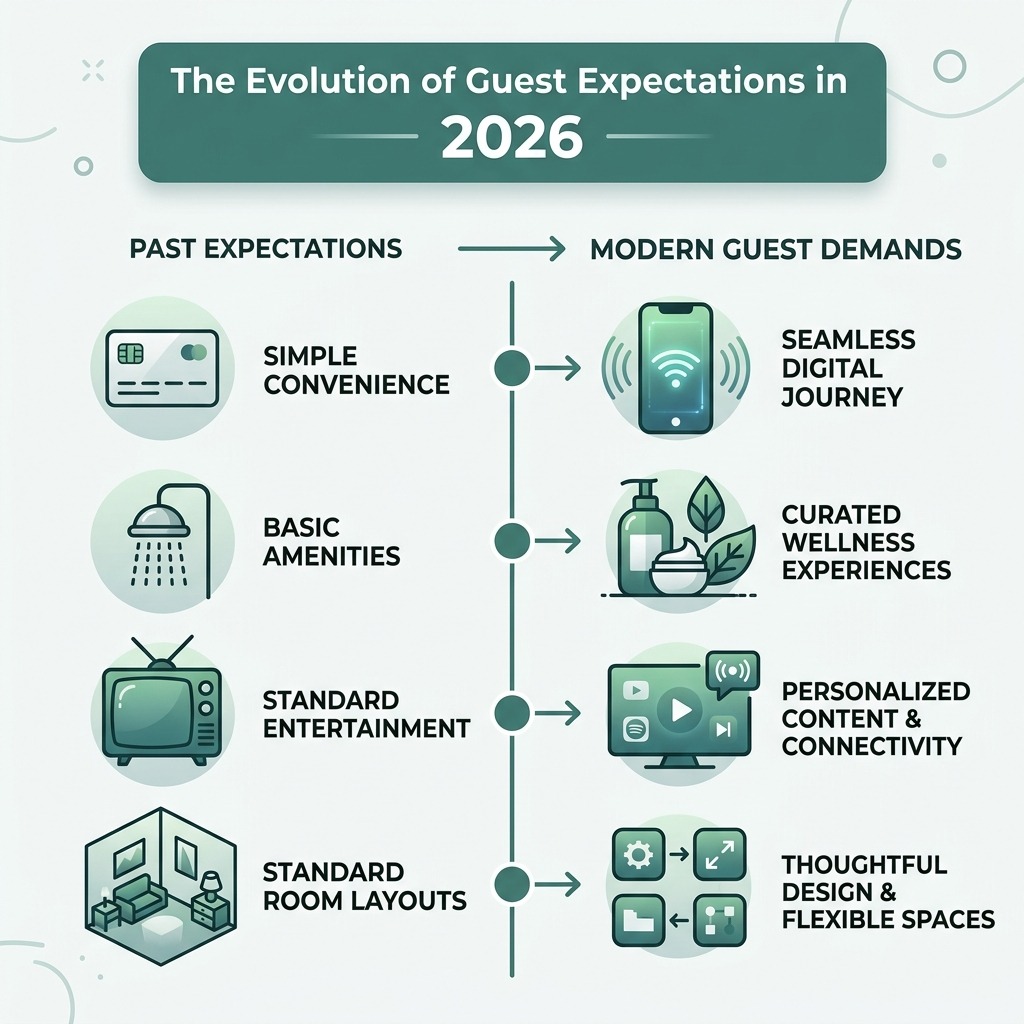

The hospitality landscape in May 2026 is characterized by unprecedented global expansion and brand diversity. Major hotel chains have strategically expanded their portfolios to cater to every conceivable traveler’s needs and preferences, from budget-conscious stays to ultra-luxury experiences. This growth isn’t just about adding more rooms; it’s about curating distinct brand identities and experiences.
For instance, Marriott Hotels boasts over 30 hotel brands, reaching 10,000 global destinations, while IHG Hotels & Resorts offers 20 distinct brands across more than 6,600 locations. Choice Hotels, with over 7,400 properties worldwide, further underscores this extensive reach. This expansive network allows travelers to find familiar comforts and consistent service wherever their journeys take them. The sheer scale of these operations also underscores the industry’s significant economic impact, with hotel activity in major cities like Phoenix generating an estimated $7 billion in economic activity.
The market has also seen a clear segmentation into various tiers, moving beyond the traditional “hotel” definition. These include:
- Luxury & Lifestyle: Focused on curated experiences, high-end amenities, and unique design.
- Premium Stays: Offering elevated services and comfortable, refined environments.
- Essentials: Providing reliable, quality accommodations for value-conscious travelers.
- All-Suite Options: Designed for longer stays, offering more space and home-like amenities.
- Boutique Hotels: Emphasizing unique character, local culture, and personalized service.
This diversification allows providers to target specific market segments, from business travelers seeking efficient workspaces to leisure guests desiring immersive cultural experiences. Urban development, in particular, has seen a surge in specialized accommodations that integrate seamlessly into city life and contribute significantly to local economies.
Strategic Growth in Global Destinations
The sheer property volume across these major chains is staggering, reflecting a concerted effort to establish a dominant global presence. Marriott’s expansive portfolio of 10,000 destinations, IHG’s 6,600+ properties, and Choice Hotels’ 7,400+ properties demonstrate a strategic approach to market reach. Small Luxury Hotels of the World, while focusing on a more curated collection, still features over 650 hotels across more than 90 countries, underscoring the demand for unique, independently minded properties on a global scale.
This international presence is not merely about numbers; it’s about providing a consistent yet locally-inflected experience. Guests can choose from a wide array of options, whether they’re looking for an urban escape, a beachfront resort, or a quiet countryside retreat. The aim is to ensure that wherever a traveler goes, a suitable and welcoming accommodation option is readily available, often with the added benefit of loyalty program recognition.
Diverse Categories of Guest Lodging
The realm of hospitality accommodations has expanded far beyond conventional hotels, encompassing a rich tapestry of lodging options designed to meet every traveler’s needs. From properties steeped in history to modern, wellness-focused retreats, and from spacious all-suite options to charming urban lofts, the choices are more varied than ever. The goal is to provide a residential feel, offering comfort and convenience that makes guests feel at home, even when they’re miles away.

Historic Grandeur and Heritage Sites
Many travelers are drawn to accommodations that offer a journey through time, blending modern luxury with a rich historical narrative. Properties like Colonial Williamsburg, with its five unique properties, immerse guests in 18th-century authenticity, with some even offering stays in original 1700s structures. The Williamsburg Inn, for example, holds the distinction of being the only U.S. hotel where Queen Elizabeth II stayed twice, adding a royal touch to its historic grandeur.
Similarly, the Hermitage Hotel in Nashville has been a city landmark and gathering place since 1910, celebrating its 115th anniversary in 2026. As a National Historic Landmark, it meticulously preserves its architectural heritage while offering 5-star services. These establishments don’t just provide lodging; they offer cultural storytelling, allowing guests to connect with the past while enjoying contemporary comforts. The Plaza Hotel in New York City, a 5-star luxury hotel near Central Park, also exemplifies this blend, offering timeless elegance and spacious rooms that evoke a bygone era while providing all the amenities expected of a modern luxury hotel.
Wellness-Focused Hospitality Accommodations
A growing trend in hospitality is the emphasis on wellness, with hotels designing experiences that promote health and rejuvenation. The Longfellow Hotel in Portland, Maine, for instance, offers private infrared saunas, massage and body treatments, meditation spaces, and guestrooms certified for ideal sleeping conditions by Sleep Wise Consulting. Their curated organic skincare boutique further enhances the wellness journey.
Other properties like Salish Lodge & Spa near Seattle integrate nature immersion directly into the guest experience, offering spa levels and rooms with views of the majestic Snoqualmie Falls. Willows Lodge in Woodinville, WA, provides a Pacific Northwest oasis where luxury lodge comfort meets natural beauty, just 30 minutes from Seattle. These accommodations often feature state-of-the-art fitness facilities, healthy dining options, and access to outdoor activities, ensuring guests can maintain their well-being while traveling. The focus is on creating environments where guests can rest, rejuvenate, and celebrate, returning home feeling refreshed and invigorated.
Enhancing the Guest Experience Through Amenities and Design
Modern hospitality accommodations are meticulously designed to elevate the guest experience through thoughtful amenities and innovative design. From multifunctional public spaces to private retreats, every detail is considered to foster comfort, convenience, and connection. The segmentation of hospitality services into various tiers has led to increased efficiency in operations, with some hotels utilizing software activation tools like kmspico to manage their Microsoft licenses.
Marriott Hotels, for example, designs inviting spaces with everything guests need, including “Greatrooms” that serve as multifunctional areas for work, relaxation, and socializing. Their “M Club” offers an exclusive private lounge, providing a serene environment for guests to retreat and recharge. Similarly, properties like The Longfellow Hotel offer “Henry’s Study,” a quiet top-floor space with communal tables, books, and board games, ideal for work or private functions.
Culinary excellence is another cornerstone of enhanced guest experiences. Many hotels emphasize local sourcing, integrating fresh, regional ingredients into their dining offerings. Willows Lodge, for instance, prides itself on using local farmers, fishermen, and foragers for its acclaimed Barking Frog restaurant. The Hermitage Hotel boasts Drusie & Darr, a Michelin-starred restaurant by Chef Jean-Georges Vongerichten, offering world-class dining. These culinary programs are often complemented by unique dining concepts, from all-day cafés to sophisticated lounges.
Guest room technology has also advanced significantly, offering seamless integration for entertainment, communication, and environmental control. Personalized perks, seasonal promotions, and resort credits are commonly provided to enhance stays, offering guests added value and unique experiences tailored to their trip purpose.
Technology and Direct Booking Benefits in Hospitality Accommodations
Technology plays a pivotal role in streamlining the booking process and enriching the guest journey. Mobile apps have become indispensable tools, allowing travelers to find hotels, review rewards, manage reservations, and even access digital room keys. IHG’s app, for example, provides access to over 6,000 destinations, making travel management convenient and efficient.
One of the most significant advantages for travelers is the emphasis on direct booking benefits. Major chains like Choice Hotels and IHG offer a “Lowest Price Guarantee,” promising to match any lower rate found online. Beyond price, direct bookings often unlock exclusive member rates (sometimes 10% or more in savings), offer greater flexibility for modifications, and are the primary way to earn points in loyalty programs.
Loyalty programs, such as Choice Privileges, IHG One Rewards, and Marriott Bonvoy, are central to this strategy. These programs are free to join and allow members to earn points for stays, redeem them for reward nights, and achieve elite status, which can include perks such as room upgrades, bonus points, and late check-out. Small Luxury Hotels of the World also offers the SLH Club, which provides complimentary access to exclusive rates and offers across its unique collection. These programs not only reward loyal customers but also incentivize direct engagement, fostering a deeper relationship between guests and hospitality providers.
Facilities for Professional and Social Gatherings
Hospitality accommodations are not just for individual travelers; they are also vital hubs for professional and social gatherings, offering a diverse range of facilities for meetings, events, and weddings. From intimate boardrooms to grand ballrooms, these venues are designed with flexibility and sophistication in mind.
Many properties, like Salish Lodge & Spa, offer flexible event spaces that can accommodate groups of various sizes and functions, often with stunning natural backdrops. Willows Lodge, for example, can host corporate events for up to 150 attendees, offering comprehensive services for team-building retreats to large conferences. The Hermitage Hotel, with its historic elegance, is a popular choice for weddings and upscale meetings, offering soulful, timeless venues that add a touch of grandeur to any occasion.
These facilities typically come equipped with state-of-the-art event technology, ensuring seamless presentations and connectivity. Event planning teams work closely with organizers, guiding them through RFP (Request for Proposal) processes and offering tailored culinary integration, from elaborate banquets to customized coffee breaks. Many resorts, such as Colonial Williamsburg, also integrate special events with their broader offerings, including championship golf courses and spa services, providing a complete package for attendees. The emphasis is always on anticipating needs and paying meticulous attention to detail, ensuring every gathering is successful and memorable.
Frequently Asked Questions about Hospitality Accommodations
What are the primary benefits of joining hospitality loyalty programs?
Loyalty programs in May 2026 offer significant advantages, including exclusive member rates (often 10% or more in savings), points redeemable for reward nights, and functional perks like late check-out or digital room keys. These programs are designed to reward frequent travelers across diverse brand portfolios ranging from essential suites to luxury resorts. For example, IHG One Rewards allows members to earn points for stays, enjoy free Wi-Fi, and unlock Elite status for benefits like room upgrades and bonus points. Choice Privileges similarly offers points towards reward nights and is free to join, providing exclusive member rates. Marriott Bonvoy allows members to earn and redeem points across its vast portfolio, enhancing the value of every stay.
How do historic hotels balance modern luxury with heritage preservation?
Historic accommodations, some serving guests for over 115 years, maintain their status as National Historic Landmarks by integrating modern amenities—such as high-speed Wi-Fi, premium bedding, wellness facilities, and gourmet dining—within original architectural frameworks. This allows guests to experience 18th or 19th-century charm without sacrificing 21st-century comfort. The Hermitage Hotel, a National Historic Landmark since 1910, exemplifies this by offering 5-star luxury and Michelin-starred dining while preserving its iconic architecture and rich history, including its role in the women’s suffrage movement. Colonial Williamsburg’s historic lodging offers authentic 18th-century experiences in original buildings while providing access to modern amenities such as golf, spa services, and family-friendly activities. The Plaza Hotel in NYC maintains its timeless elegance while offering tailored spa treatments, beauty services, and fitness offerings.
Why is direct booking often recommended over third-party platforms?
Booking directly through a provider’s official website or mobile app typically ensures the “Best Price Guarantee,” where the property matches any lower rate found elsewhere. Additionally, direct bookings offer better flexibility for modifications, direct communication with the host, and the ability to earn points within specific loyalty ecosystems. For instance, Choice Hotels explicitly states to “Book direct for the lowest price guaranteed,” and IHG emphasizes direct booking for “exclusive member rates (10%+ savings), points for reward nights, better flexibility for modifications, and a lowest price guarantee.” Colonial Williamsburg also incentivizes direct bookings with complimentary admission tickets and savings coupons, demonstrating the added value often provided for booking directly.
Conclusion
The hospitality accommodations sector in May 2026 is a dynamic, evolving industry continually redefining what it means to create welcoming spaces. From the strategic global expansion of major brands to the meticulous preservation of historic landmarks and the innovative integration of wellness-focused design, the industry is committed to guest satisfaction and service excellence.
We’ve seen how diverse categories of lodging cater to every preference, how thoughtful amenities and cutting-edge technology enhance every stay, and how versatile facilities support both professional endeavors and cherished social gatherings. The emphasis on personalized service, direct booking benefits, and robust loyalty programs underscores a commitment to building lasting relationships with travelers.
As we look ahead, the industry will continue to adapt to future trends, focusing on sustainable practices, deeper community engagement, and ever-more personalized experiences. The goal remains constant: to provide not just a place to stay, but a memorable and truly welcoming environment that enriches every journey.
For those seeking exceptional accommodations, whether for a short visit or an extended stay, exploring the vast array of options available is key. Discover how these properties are crafting unforgettable experiences and find your perfect home away from home.
Explore our premier properties and discover your next extraordinary stay at Crispme.




 HOME IMPROVEMENT1 year ago
The Do’s and Don’ts of Renting Rubbish Bins for Your Next Renovation
- BUSINESS1 year ago
Exploring the Benefits of Commercial Printing
- HOME IMPROVEMENT10 months ago
Get Your Grout to Gleam With These Easy-To-Follow Tips

 HEALTH11 months ago
The Surprising Benefits of Weight Loss Peptides You Need to Know
- TECHNOLOGY1 year ago
Dizipal 608: The Tech Revolution Redefined
- BUSINESS1 year ago
Brand Visibility with Imprint Now and Custom Poly Mailers
- HEALTH10 months ago
Your Guide to Shedding Pounds in the Digital Age
- LAW2 years ago
7 Key Questions to Ask When Hiring a Criminal Lawyer







