TECHNOLOGY
Comprehensive Overview of Types of Electric Gates


Are you exploring options for electronic gates? Electric gates are an excellent addition to residential and commercial properties, offering enhanced security and convenience while increasing property value. These gates come in various styles and operating mechanisms, each suited to different needs and preferences. Understanding the various types of electric gates can help property owners make informed decisions when considering their installation. We will explore the main types of electric gates, including their mechanisms, suitable applications, and key considerations for installation.
Swinging Electric Gates
Swinging gates are among the most common electric gates in residential and commercial properties. They operate similarly to traditional hinged doors, swinging open and closed from a stationary hinge point on one side. These gates can be single or double-leaf, with double-leaf designs ideal for wider entrances. Swinging gates require sufficient space to operate freely, which is best suited for properties with ample driveway space to accommodate the gate’s arc when it opens or closes. It is important to consider the gate’s swing path when installing swinging gates to ensure it does not obstruct parking areas, landscaping, or pedestrian traffic.
Sliding Electric Gates
Sliding electric gates are an excellent choice for properties with limited space where a swinging gate’s arc would be impractical. These gates slide on a track parallel to the fence or wall. Sliding gates are particularly effective in tight spaces, including commercial environments or residential areas where driveway space is at a premium. They can be designed to slide in a single or telescopic manner, where multiple-gate panels overlap as they open and close, saving even more space. Installation of sliding gates typically involves laying a track that requires a level surface to ensure smooth operation and functionality.
Cantilever Electric Gates
Cantilever gates are a variant of the sliding gate but do not require a track along the driveway’s length. Instead, these gates are supported by rails running along the fence structure’s inside. The gate is free-hanging, allowing it to move back and forth without any friction on the ground, making it particularly suitable for areas where the driveway entrance may have uneven or rough terrain. Cantilever gates are generally more expensive than their tracked counterparts due to the complexity of their design and the heavier materials needed to ensure stability and smooth operation.
Bi-Folding Electric Gates
Bi-folding gates, also known as speed gates, are designed for quick operation, making them suitable for high-traffic areas such as commercial garages or business districts. These gates have two panels that fold back on themselves, allowing quicker and more compact opening and closing actions. This design is beneficial in areas where access speed is crucial, and space is too limited for sliding gates. Bi-folding gates require precise mechanical design to ensure they operate smoothly and reliably, often involving more complex installation and maintenance than simpler gate designs.
Underground Electric Gates
Underground electric gates offer an aesthetic solution where the gate operator and mechanism are concealed beneath the ground. This type of installation is most common with swinging gates and is favored for its minimal visual impact, preserving the property’s aesthetic appeal. The mechanism is housed in a robust casing below ground level at each gate pivot point. While underground systems are visually pleasing and unobtrusive, they can be more susceptible to water ingress and debris obstruction, requiring careful installation and regular maintenance.
Barrier Arm Electric Gates
Barrier arm gates are commonly used for vehicular traffic control in commercial and residential settings, such as parking garages, business parks, and community entrances. These gates consist of a pivoted bar or arm that extends across the entrance to control access. The arm of the gate is lifted to allow vehicular access, making it an efficient solution for controlling traffic flow in and out of a specific area. Barrier arm gates are known for their rapid operation, making them ideal for locations that experience high volumes of traffic. Installation of barrier arm gates is generally straightforward, involving the setup of a single pole on one side of the entrance that holds the pivoting arm, which can be integrated with various access control systems such as card readers, ticket dispensers, or biometric systems.
Electric gates are a versatile and valuable addition to any property, enhancing security, convenience, and privacy. Each type offers distinct advantages and considerations, from swinging and sliding to cantilever and bi-folding. Property owners should carefully evaluate their specific needs, such as space availability, speed requirements, and aesthetic preferences when choosing the type of electric gate that best suits their situation. With the correct type and proper installation, electric gates can provide reliable service and increase property value for years.



Do you feel like there are never enough hours in the day?
You’re not alone. Finding a balance between work and life can feel like an impossible puzzle. But there’s a tool that can help: real time management tracking.
This method allows you to see exactly where your time goes, helping you make informed decisions about how to spend it. With the right approach, you can find more time for the things that matter most to you.
Keep reading to understand how you use your time is the first step towards achieving that much-desired balance.
Enhanced Awareness
Real time management tracking boosts your awareness of how you spend your time. By keeping track of your activities, you learn to notice patterns.
Maybe you’re spending too much time on tasks that aren’t important. Or perhaps you’re not giving yourself enough breaks. This tracking doesn’t just show what you’re doing wrong; it highlights what you’re doing right.
With this knowledge, you can make changes. Start to cut out what wastes your time and do more of what helps you succeed. Keep track, and you’ll see improvements, fast.
Prioritization of Tasks
Prioritizing tasks is easier with real time management tracking. You identify which activities are vital and which can wait.
This way, you focus on what truly matters. The best time tracking software helps sort your tasks by importance and deadline. You see clearly what needs immediate attention and what doesn’t.
This helps you work smarter, not harder. By knowing your priorities, you reduce stress and increase productivity.
Reducing Time Leakage
One major benefit of real-time management tracking is its ability to pinpoint where time gets lost. This method helps you spot these “leaks” and plug them by adopting more time-efficient habits. Whether it’s needless meetings, frequent checking of emails, or procrastination, identifying these time wasters is the first step to cutting them out.
By focusing on being more time-efficient, you free up hours for personal interests, relaxation, or spending time with loved ones. Start tracking your time now to stop leaks and make every minute count.
Setting Boundaries
Setting clear boundaries is crucial for work-life balance. With real-time management tracking, you learn when to say “no” to extra work and when to take time for yourself. This tool helps you see how much work you can handle and still have time for fun and rest.
By setting these limits, you avoid burnout and keep your energy high. Start by choosing certain hours for work and others for personal time. Stick to them as much as you can. This way, you enjoy both work and life more.
Goal Alignment
Using real time management tracking aligns your daily tasks with your long-term goals. It’s like having a map that guides you where you want to go.
First, set clear goals for what you want in work and life. Then, use time tracking to make sure what you do every day helps you get closer to these goals.
If something doesn’t fit, it’s time to rethink it. This way, you’re not just busy-you’re making real progress towards what matters most to you.
Start Using Real Time Management Today
Real time management can make a big difference in your life. It helps you see where your time goes, making it easier to balance work and play. You’ll get more done, have more fun, and reach your goals faster.
Start using real time management today and watch your days change for the better. It’s a smart move for a happier life.
Please take a look at our blog for more educational articles.
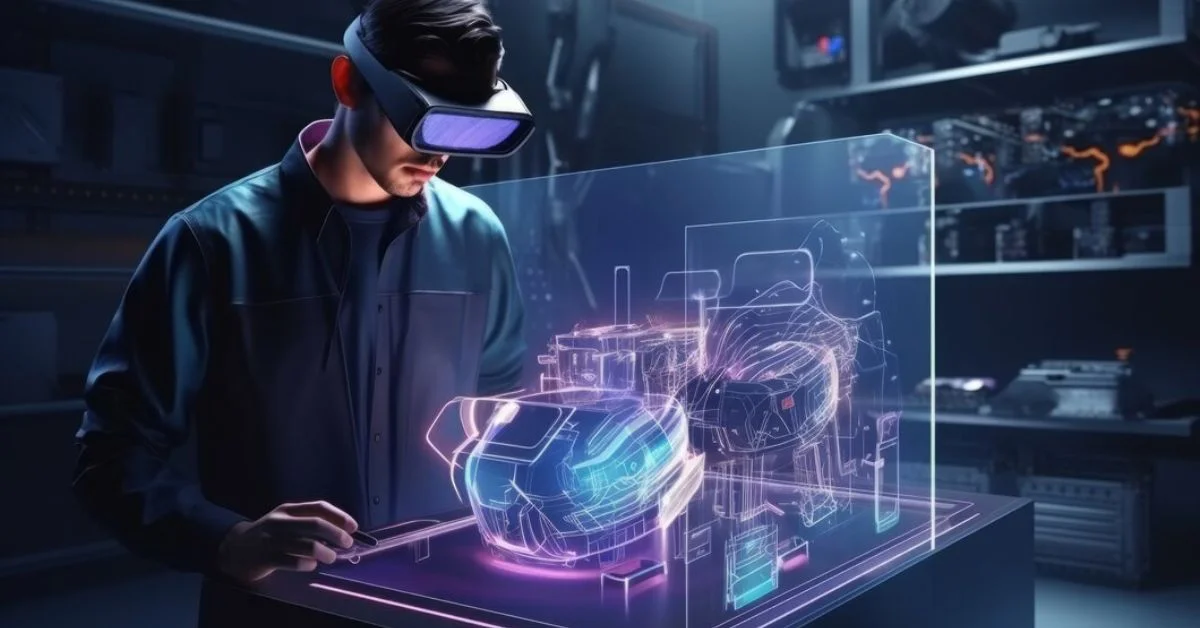
As we step into the year 2024, it’s important to acknowledge the rapid advancements in technology that continue to shape our world. The future holds immense possibilities, and staying updated with emerging tech trends is crucial for individuals and businesses alike. In this article, we will delve into the top emerging tech trends that are poised to transform various industries and revolutionize the way we live and work.
Importance of staying updated with emerging tech trends
In today’s fast-paced digital age, the only constant is change. Technology evolves at an exponential rate, and those who fail to adapt risk being left behind. Staying updated with emerging tech trends allows us to embrace innovation, gain a competitive edge, and seize new opportunities. By keeping an eye on the latest developments, we can leverage these trends to enhance productivity, efficiency, and overall success. Click here if you’re on the lookout for a state-of-the-art method to earn money online.
Artificial Intelligence (AI) and Machine Learning (ML)
Artificial Intelligence (AI) and Machine Learning (ML) are two interrelated technologies that are revolutionizing industries across the board. AI refers to the simulation of human intelligence in machines, enabling them to perform tasks that typically require human intelligence. ML, on the other hand, is a subset of AI that focuses on algorithms and statistical models that allow machines to learn from and make predictions or decisions without explicit programming.
As AI and ML continue to advance, their impact on industries such as healthcare, finance, and manufacturing will only grow stronger. Specifically, AI software is transforming clinical trial patient recruitment by enabling more precise and efficient participant matching. This application helps reduce the time and cost associated with the recruitment phase, ensuring that clinical trials are populated with suitable candidates quickly and accurately.
Internet of Things (IoT)
The Internet of Things (IoT) refers to the network of physical devices, vehicles, appliances, and other objects embedded with sensors, software, and connectivity that enables them to collect and exchange data. The IoT has already begun to revolutionize our homes, with smart devices that allow us to control various aspects remotely. However, the scope of IoT extends far beyond our personal lives.
In industries such as agriculture, logistics, and healthcare, the IoT is transforming the way we monitor and manage assets, track inventory, and deliver healthcare services. With the ability to collect and analyze vast amounts of data in real time, the IoT enables businesses to make data-driven decisions, optimize processes, and enhance overall efficiency.
Virtual Reality (VR) and Augmented Reality (AR)
Virtual Reality (VR) and Augmented Reality (AR) are immersive technologies that blur the line between the physical and digital worlds. VR creates a simulated environment that users can interact with, while AR overlays digital information onto the real world. These technologies are not only transforming the entertainment industry but also finding applications in various sectors.
In fields such as healthcare and education, VR and AR are being used to train professionals and provide immersive learning experiences. Additionally, in industries like architecture and design, these technologies enable visualizations that aid in the planning and development process. As VR and AR become more accessible and sophisticated, their potential to revolutionize industries and enhance human experiences is limitless.
Blockchain technology
Blockchain technology, originally designed for cryptocurrency transactions, has expanded its reach beyond finance. At its core, blockchain is a decentralized and transparent ledger that securely records and verifies transactions. Its potential applications are wide-ranging, from supply chain management and digital identity verification to decentralized finance and voting systems.
One of the key advantages of blockchain technology is its ability to enhance security and trust. By eliminating intermediaries and providing a tamper-proof record of transactions, blockchain has the potential to revolutionize industries that rely on trust and transparency. As blockchain continues to evolve, its impact on sectors such as banking, healthcare, and logistics will become increasingly evident.
5G technology
The fifth generation of wireless technology, commonly known as 5G, promises to revolutionize connectivity and enable a wide range of new applications. With significantly lower latency and faster data transfer speeds, 5G opens up possibilities for autonomous vehicles, smart cities, and the Internet of Things.
The high-speed and low-latency capabilities of 5G will enable seamless communication between devices, paving the way for the widespread adoption of technologies such as autonomous vehicles and remote surgery. Industries such as transportation, healthcare, and manufacturing will benefit immensely from the increased connectivity and efficiency that 5G brings.
Autonomous vehicles
Autonomous vehicles, also known as self-driving cars, have been a topic of fascination for years. However, recent advancements in technology have brought us closer to a future where autonomous vehicles become a reality. These vehicles leverage technologies such as AI, sensors, and computer vision to navigate and make decisions, eliminating the need for human intervention.
The implications of autonomous vehicles extend beyond personal transportation. They have the potential to revolutionize the logistics industry, reducing costs and improving efficiency in the transportation of goods. Additionally, autonomous vehicles can enhance road safety by eliminating human error, potentially saving thousands of lives each year.
Conclusion
The future is brimming with possibilities, thanks to the rapid advancements in technology. Staying updated with emerging tech trends is crucial for individuals and businesses alike, as it enables us to embrace innovation, adapt to change, and seize new opportunities. From AI and IoT to VR and blockchain, the emerging tech trends we explored in this article have the potential to revolutionize various industries and reshape the way we live and work. By staying informed and embracing these trends, we can navigate the future with confidence and make the most of the opportunities that lie ahead. So, let’s keep an eye on the horizon and explore the future together.


Having the right tools at your disposal is essential for success. This is especially true in the fast-paced world of distribution and logistics.
Distribution ERP software stands out as an indispensable asset. It offers a comprehensive solution to manage the complexities of logistics optimization.
With numerous options available, it’s crucial to know what features to prioritize. When considering distribution ERP software, here are six key features.
Read on!
1. Inventory Management
Inventory management is a feature that allows you to track and manage inventory levels. This helps by ensuring that you have the right products in stock at all times.
Effective inventory management also enables you to avoid overstocking or stockouts. This can lead to losses.
2. Order Management
An efficient order management system is vital for any distribution business. This feature allows you to:
- track orders
- manage backorders
- monitor fulfillment processes
It also helps in streamlining the entire order process. This can start from procurement to delivery. With the right order processing software, you can improve customer satisfaction and reduce processing errors.
3. Warehouse Management
Warehouse management is a must-have for distribution management systems. This feature provides real-time tracking of:
- inventory levels
- location
- movement
All these can transpire within the warehouse. It also helps in optimizing space utilization and increasing efficiency in managing incoming and outgoing orders. With the right warehouse management tools, you can improve order accuracy and reduce processing time.
4. Supply Chain Integration
Effective supply chain management is crucial for distribution businesses. This helps ensure timely delivery of products to customers. Distribution ERP software like Sage X3 ERP with this feature integrates all aspects of the supply chain. This can start from procurement to order fulfillment.
This integration leads to:
- better data visibility
- streamlines processes
- reduces the risk of errors
It also enables businesses to make data-driven decisions for improved efficiency and cost reduction.
5. Financial Management
Proper financial management is essential for the success of any business. A distribution ERP software with this feature automates financial processes like:
- invoicing
- billing
- payment tracking
It also provides real-time insights into sales, expenses, and cash flow. This allows for better decision-making. With accurate financial data, you can identify areas for cost-cutting and improve profitability.
6. Reporting and Analytics
Having access to accurate data is crucial in today’s fast-paced business environment. Distribution ERP software with robust reporting and analytics capabilities allows you to track:
- key performance indicators
- identify trends
- make data-driven decisions
This feature provides insights into sales, inventory levels, fulfillment processes, and financials. It also helps in identifying areas for improvement and making strategic business decisions. Plus, with real-time data, you can quickly respond to changing market conditions and customer demands.
Discover Features of a Distribution ERP Software
A distribution ERP software with these six key features is essential for streamlining your logistics and supply chain processes. This comprehensive solution provides the tools you need for success in the fast-paced world of distribution.
Make sure to prioritize these features when considering a distribution ERP software for your business. With the right tools at hand, you can optimize your operations, increase efficiency, and stay ahead of the competition.
Visit our blog for more topics. We have more!




 HOME IMPROVEMENT1 year ago
The Do’s and Don’ts of Renting Rubbish Bins for Your Next Renovation
- BUSINESS1 year ago
Exploring the Benefits of Commercial Printing

 BUSINESS1 year ago
Brand Visibility with Imprint Now and Custom Poly Mailers
- HOME IMPROVEMENT9 months ago
Get Your Grout to Gleam With These Easy-To-Follow Tips
- TECHNOLOGY11 months ago
Dizipal 608: The Tech Revolution Redefined
- HEALTH9 months ago
Your Guide to Shedding Pounds in the Digital Age
- HEALTH9 months ago
The Surprising Benefits of Weight Loss Peptides You Need to Know

 HEALTH12 months ago
Happy Hippo Kratom Reviews: Read Before You Buy!