
REAL ESTATE
Common Challenges in Pool Construction and How to Overcome Them

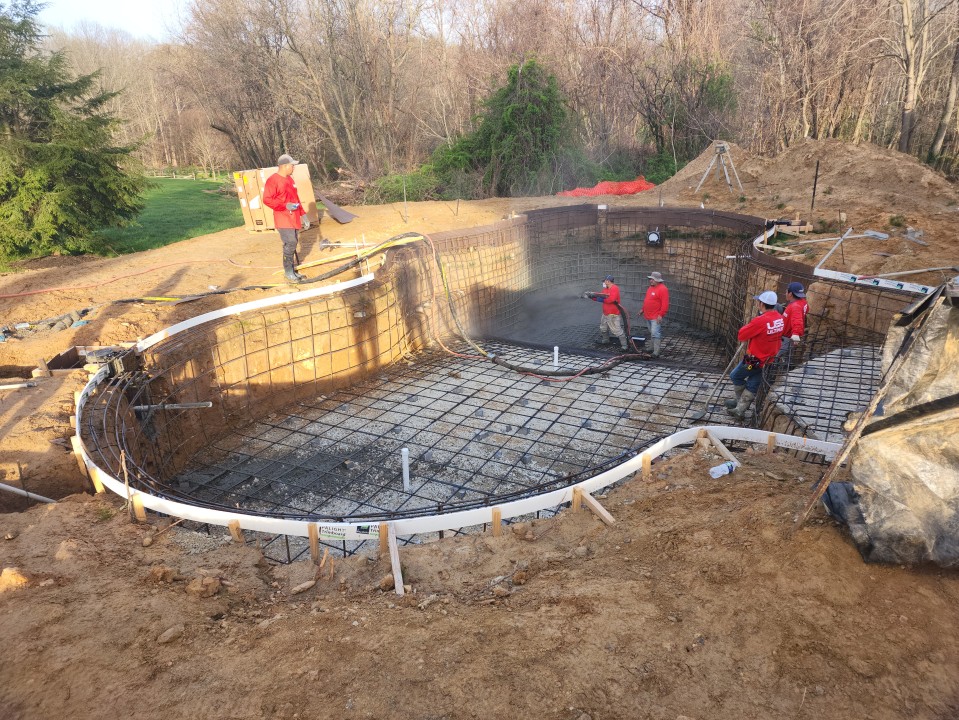
Building a swimming pool is a complex process that involves careful planning, skilled labor, and meticulous attention to detail. While the result can be a stunning addition to your home, the construction journey is often challenging. We will explore common challenges encountered during pool construction and provide practical solutions to help you overcome them, ensuring a smoother and more successful project. For more tips and resources on pool construction, you can visit our website.
Navigating the Pool Construction Journey
- Site Selection and Preparation
One of the initial challenges in pool construction is selecting and preparing the site. The chosen location must accommodate the pool’s dimensions and comply with local zoning laws and building codes. Factors such as soil type, slope, and proximity to utilities can impact the site’s feasibility.
To overcome these challenges, conduct a thorough site assessment with the help of a professional. This assessment should include soil testing to determine stability and drainage properties. Consulting with local authorities to understand zoning regulations and obtaining necessary permits early in the process can prevent legal and logistical issues. Proper site preparation, including clearing debris and leveling the ground, sets the foundation for a successful pool construction project.
- Budget Management
Managing the budget is a critical aspect of any construction project, and pool construction is no exception. Unexpected costs can arise from various factors, including changes in design, unforeseen site conditions, and delays. These can quickly inflate the budget and cause financial strain.
To manage the budget effectively, start with a detailed cost estimate that includes all potential expenses, from materials and labor to permits and landscaping. Set aside a contingency fund to cover unexpected costs. Regularly review the budget throughout the project and communicate openly with the contractor about any changes or issues that may affect costs. Maintaining a clear and flexible budget allows you to navigate financial challenges and keep the project on track.
- Design and Customization
Designing a pool that meets your aesthetic preferences and functional needs can be challenging. Custom features such as waterfalls, lighting, and unique shapes add complexity to the design process. Balancing creativity with practicality requires careful planning and collaboration with the contractor.
To overcome design challenges, work closely with a professional pool designer who can translate your vision into a workable plan. Use 3D modeling and visualization tools to see how different design elements look and function. Consider maintenance, safety, and usability factors when making design decisions. By investing time in the design phase, you can create a beautiful and functional pool.
- Weather and Environmental Factors
Weather and environmental factors can significantly impact the pool construction timeline. Rain, extreme temperatures, and unexpected weather events can cause delays and complicate the construction process. Environmental considerations such as protecting local wildlife and managing water runoff must also be addressed.
To mitigate weather-related challenges, plan the construction schedule around the local climate, choosing a time of year when weather conditions are most favorable. Implement weatherproofing measures, such as covering the site during rain, to protect materials and prevent delays. Address environmental concerns by working with an ecologist or environmental consultant to ensure the project complies with regulations and minimizes ecological impact.
- Excavation and Structural Integrity
Excavation is a critical phase in pool construction that can present several challenges. Unearthing unexpected obstacles such as rocks, tree roots, or underground utilities can delay the project and increase costs. Ensuring the structural integrity of the pool shell is also essential to prevent future issues.
To overcome excavation challenges, conduct a thorough site survey and use ground-penetrating radar or other technologies to identify potential obstacles before digging begins. Hire experienced excavators who can handle complex site conditions and adapt to unexpected findings. During the construction of the pool shell, use high-quality materials and adhere to engineering specifications to ensure durability and stability.
- Plumbing and Electrical Work
Installing plumbing and electrical systems is a complex and critical aspect of pool construction. Improper installation can lead to leaks, electrical hazards, and inefficient operation. Coordinating these systems with the overall pool design and ensuring they meet safety standards requires careful planning and execution.
To address plumbing and electrical challenges, hire licensed professionals experienced in pool installations. Ensure that all work complies with local building codes and safety regulations. Use high-quality materials and components to prevent future issues. Regularly inspect the work during installation to catch and address any problems early. Proper planning and professional installation are key to avoiding plumbing and electrical pitfalls.
- Permits and Inspections
Navigating the permit and inspection process can be daunting, with various local regulations and requirements to meet. Please obtain the necessary permits or pass inspections to avoid fines, delays, and even the need to redo project parts.
To successfully manage permits and inspections, thoroughly research local building codes and regulations. Work with a contractor who is familiar with the permitting process and can assist with the necessary paperwork—schedule inspections at appropriate stages of the construction to ensure compliance and address any issues promptly. Staying organized and proactive in managing permits and inspections can help keep the project on schedule.
- Communication and Project Management
Effective communication and project management are essential for the smooth execution of a pool construction project. Miscommunication between the homeowner, contractor, and subcontractors can lead to misunderstandings, errors, and delays.
Establish clear lines of communication from the outset to enhance communication and project management. Regularly scheduled meetings and updates help keep everyone informed and aligned. Use project management tools to track progress, document changes, and manage tasks. Address any concerns or issues as soon as they arise to prevent them from escalating. Strong communication and organization are key to overcoming project management challenges.
- Quality Control and Finishing Touches
Ensuring quality control throughout construction and paying attention to finishing touches are vital for a successful pool project. Overlooking small details can lead to significant problems, affecting the pool’s aesthetics and functionality.
To maintain quality control, conduct regular inspections and walkthroughs with the contractor to review the work. Address any deficiencies or deviations from the plan immediately. Pay attention to the finishing touches, such as tile work, coping, and landscaping, to ensure a polished and professional result. Focusing on quality and detail ensures a pool that meets your expectations and provides long-lasting enjoyment.
Conclusion: Achieving a Successful Pool Construction Project
Building a swimming pool involves various challenges, from site selection and budget management to design and quality control. Understanding these common obstacles and implementing practical solutions can ensure a smoother construction process and achieve a successful outcome. Thorough planning, professional collaboration, and proactive problem-solving are key to overcoming pool construction challenges, ultimately resulting in a beautiful and functional pool that enhances your outdoor living space.



Understanding the differences between leasehold and freehold properties is essential for anyone involved in buying or selling real estate in the UK. Estate agents in Shropshire explain the key differences, responsibilities, and rights associated with each type of ownership, providing valuable insights for estate agents and potential buyers.
Freehold: Complete Ownership and Control
Freehold ownership is the most absolute type of property ownership in the UK. As a freeholder, you own the property and the land on which it stands outright, without any time restrictions. This type of ownership is typical for most houses and gives the owner complete control over the property, including the responsibility for its maintenance. There are no ground rents, service charges, or any other landlord charges to worry about, which makes it a preferred option for many buyers.
Key Benefits
Full Control: The owner has total control over the property and land.
No Lease Length Concerns: Unlike leasehold, there’s no countdown on how long you own the property.
Fewer Restrictions: Fewer restrictions on what you can do with the property.
Owning a Share of Freehold
For those owning a leasehold property, acquiring a share of the freehold can be a game-changer. This typically happens when leaseholders band together to buy the freehold of the building from the existing freeholder. To initiate this, leaseholders serve a Section 13 Notice and usually set up a company to manage the building’s affairs. This arrangement gives them more control over the management of the property and can be a step towards extending the lease terms more favorably.
Key Advantages
Increased Control: Share of freehold gives leaseholders more say in how the property is managed.
Potential Lease Extension: Makes it easier to negotiate lease extensions.
Reduced Costs: Can potentially reduce costs associated with ground rents and other charges.
Commonhold Properties: A Modern Alternative
Commonhold is a relatively new approach that serves as an alternative to leasehold. In a commonhold, each unit owner owns their property outright and shares the responsibility for managing and maintaining the common parts of the property. This system does not have a lease’s time limit, providing a permanent ownership solution. Commonhold associations, formed by the owners, manage the property collectively, offering a democratic and equally shared management structure.
Benefits of Commonhold
No Expiry: Ownership does not expire as it does with leasehold terms.
Collective Management: Owners have an equal say in the management of common areas.
Transparency in Costs: Shared costs are managed transparently among the owners.
Leasehold: Understanding the Limitations
Leasehold ownership means owning a property for a fixed term but not the land on which it stands. This is common with flats and some houses, where the freeholder retains ownership of the land. Leasehold terms can vary significantly, and key considerations include the lease’s remaining term, service charges, and the potential for lease extensions. Leasehold can sometimes involve complex fee structures and obligations, which are crucial for potential buyers to understand.
Critical Considerations
Lease Duration: Shorter leases can affect property value and mortgage possibilities.
Service Charges: Costs for services, maintenance, and building insurance are shared among leaseholders.
Lease Extension: Leaseholders can negotiate extensions, but this can be costly.
Lease Extension and Charges
Leaseholders have the right to request a lease extension after two years of ownership, typically adding 90 years to the existing lease. However, the cost can vary and may need negotiation or even a tribunal. It’s important for leaseholders to be aware of the additional charges they may incur, including service charges, ground rent, and other administrative fees, which contribute to the upkeep of the property.
Key Points
Lease Extension Eligibility: Available after two years of ownership.
Potential Costs:Extension costs can be significant and vary widely.
Shared Responsibilities: Costs for repairs and maintenance are shared among leaseholders.
Management Disputes and Rights
Leaseholders are not without recourse in cases of dissatisfaction with property management. The Right to Manage allows them to take over management responsibilities, or they can appoint a new manager. These measures ensure that leaseholders are not unfairly taken advantage of and have a say in the management of their properties.
Protective Measures
Right to Manage: Allows leaseholders to assume management responsibilities.
Appointing a New Manager: Leaseholders can choose a new manager if dissatisfied with the current management.
Dispute Resolution: Legal avenues are available for resolving disputes with landlords or managing agents.
This comprehensive guide provides a foundational understanding of the different property ownership types, helping estate agents and buyers navigate the complexities of the real estate market effectively.


Estate planning is a vital process that involves arranging your affairs to ensure your assets are managed and distributed according to your wishes after you pass away. Central to effective estate planning are various legal documents that outline your directives and protect your interests.
It requires a comprehensive approach that addresses various aspects of your finances, health care preferences, and the distribution of your assets. In this regard, you can contact CPT Law which will help you navigate the complexities of estate planning.
Here in this guide we’ll explores the ten essential documents necessary for comprehensive estate planning. But before that, we should resolve what is an estate actually.
Mystery of Estate
So what is estate planning? It is the process of choosing who will handle your estate and receive your possessions after your death, and making sure those choices are honored. It’s essential to think ahead and consider what important legal documents you should include in your own estate plan.
In this article, we’ll discuss different options, along with the importance and acquisition method for each document you might need.
10 Essential Documentations for Estate Planning
A comprehensive estate is more than just to dispose off your assets when you pass away. It includes some essential documentation. So let’s start to unveil them one by one.
Last Will and Testament:
Last Will and Testament is a foundational document that outlines how you want your assets distributed upon your death. It appoints an executor to carry out your wishes and may include provisions for guardianship of minor children and instructions for funeral arrangements.
Revocable Living Trust:
A Revocable Living Trust allows you to transfer ownership of your assets to a trust during your lifetime, which then passes to designated beneficiaries upon your death. Unlike a will, a trust can help avoid probate and maintain privacy regarding asset distribution.
Durable Power of Attorney:
A Durable Power of Attorney appoints someone to make financial decisions on your behalf if you become incapacitated. This document ensures that your affairs are managed by a trusted individual if you are unable to do so yourself.
Advance Healthcare Directive:
An Advance Healthcare Directive, also known as a living will, allows you to specify your medical preferences and appoint a healthcare proxy to make medical decisions on your behalf if you are unable to communicate.
HIPAA Authorization Form:
A HIPAA Authorization Form grants permission for designated individuals to access your medical information. This document is essential for ensuring that your chosen representatives can communicate with healthcare providers and make informed decisions about your care.
Beneficiary Designations:
Beneficiary designations are forms that designate who will receive assets such as life insurance policies, retirement accounts, and payable-on-death bank accounts upon your death. Keeping these designations up-to-date ensures that your assets are distributed according to your wishes.
Letter of Intent:
A Letter of Intent provides guidance to your executor or trustee regarding your preferences, instructions, and wishes that may not be explicitly addressed in your other estate planning documents. It can offer valuable insights and clarity during the administration process.
Guardianship Designations:
For parents of minor children, naming guardians in your estate planning documents is crucial. This ensures that if something were to happen to you, the care and custody of your children would be entrusted to individuals you trust.
Digital Asset Inventory:
In today’s digital age, it’s essential to include a comprehensive inventory of your digital assets and online accounts in your estate plan. This includes login credentials, passwords, and instructions for accessing and managing these accounts.
Trustee Instructions:
If you have a trust, providing detailed trustee instructions is essential. These instructions outline the responsibilities and powers of the trustee, asset management strategies, and guidelines for distributing assets to beneficiaries.
Conclusion:
Effective estate planning involves more than just drafting a will—it requires careful consideration and preparation of multiple essential documents to protect your assets, provide for your loved ones, and ensure your wishes are carried out.
By working with an experienced estate planning attorney, you can create a comprehensive plan tailored to your unique circumstances, providing peace of mind for you and your family both now and in the future.
Frequently Asked Questions (FAQs)
Do I need all these documents for my estate plan?
A: The necessity of each document depends on your unique circumstances and estate planning goals. While a Last Will and Testament is essential, other documents like trusts and healthcare directives may be recommended based on your situation.
Can I create these documents on my own, or do I need an attorney?
While some basic documents like a will can be created without an attorney, it’s advisable to seek legal guidance for comprehensive estate planning. An attorney can ensure your documents comply with state laws and reflect your intentions accurately.
How often should I review and update my estate planning documents?
It’s recommended to review your estate planning documents regularly, especially after significant life events such as marriage, divorce, birth of children, or changes in financial circumstances. Updates may be necessary to reflect any changes in your wishes or circumstances.
What happens if I don’t have an estate plan?
Without an estate plan, your assets may be distributed according to state intestacy laws, which may not align with your wishes. Additionally, the probate process could be more complex and costly for your loved ones.

Choosing the right home broker is critical in buying or selling a home. This decision can significantly influence the ease of the transaction, the effectiveness of the negotiation, and ultimately, the satisfaction with the outcome. A well-chosen home broker facilitates the process and helps navigate the complexities of the real estate market. We will outline important factors, such as understanding a broker’s local market knowledge, evaluating communication and negotiation skills, assessing their reputation and reliability, and matching personal compatibility. Find your dream property right here at Town & Country Realty Corvallis, where we offer expert guidance and a wide selection of listings to help you make the perfect choice.
Understanding Local Market Knowledge
The importance of a home broker’s familiarity with the local real estate market cannot be overstated. A broker with extensive knowledge of the area where you wish to buy or sell a home will have a nuanced understanding of market trends, pricing strategies, and neighborhood dynamics. This knowledge is crucial in setting realistic expectations and competitive pricing. When choosing a broker, consider how well they know the local schools, development plans, and community amenities, as these factors greatly affect real estate values. A broker well-versed in your specific area of interest can provide insights beyond the surface, offering valuable guidance through the complexities of local market conditions.
Communication and Negotiation Skills
Effective communication is key to any successful real estate transaction. A good home broker must be an excellent communicator, not just in how they convey information to you but also in negotiating with others involved in the transaction. They should be responsive, taking the initiative to keep you updated throughout the process, and readily available to answer any questions or concerns. Equally important is their ability to negotiate on your behalf and secure terms that meet your needs while ensuring the deal progresses smoothly. When interviewing potential brokers, pay attention to how they explain their approach to negotiation and how they plan to keep you informed throughout the process.
Reputation and Reliability
Researching a broker’s reputation can provide important clues about their professionalism and service quality. Reviews from past clients, ratings on real estate websites, and recommendations from friends or family can all be useful in assessing a broker’s track record. Moreover, reliability encompasses their consistency in following through on promises and ability to handle issues that may arise during the transaction. Check their professional credentials, including any awards or recognitions they have received, which can indicate a strong commitment to their profession and their clients.
Personal Compatibility and Trust
Since buying or selling a home is a significant financial and emotional undertaking, working with a broker whom you trust and feel comfortable with is vital. Personal compatibility with your broker can greatly influence your experience throughout the real estate process. They must understand your specific needs, preferences, and concerns. A broker who listens to your goals and aligns their strategies accordingly can make the process more tailored and less stressful. During initial consultations, assess whether the broker’s style and approach fit you well.
Technology and Tools
In today’s digital age, a broker’s use of technology can enhance the efficiency and effectiveness of the home buying or selling process. Brokers who utilize the latest tools, such as virtual tours, online listings, and digital contracts, can provide a significant advantage by expanding the visibility of listings or improving the buying experience. Evaluate how brokers incorporate technology into their workflow and leverage digital tools to facilitate communication, market properties, and handle documents. This aspect is particularly important in a rapidly evolving market landscape where being technologically adept can greatly impact the speed and smoothness of the transaction.
Transparency and Ethical Standards
Transparency in transactions and adherence to ethical standards are foundational to a successful relationship with a home broker. A trustworthy broker should provide clear information about their fees, services, and the transaction process without any hidden costs or conflicts of interest. They should also adhere to a strict code of ethics that prioritizes client needs above their financial interests. This includes disclosing any potential dual agency situations where the broker might represent both the buyer and the seller, which could affect their impartiality.
Selecting the right home broker involves carefully evaluating their knowledge, skills, reputation, and personal fit with you. This decision should be made considering your specific needs and circumstances. By choosing wisely, you can ensure a more successful and satisfying experience when buying or selling your home. Trusting your broker and feeling confident in their capabilities will reduce stress and enhance the overall process and outcome of your real estate transaction.




 HOME IMPROVEMENT1 year ago
The Do’s and Don’ts of Renting Rubbish Bins for Your Next Renovation
- BUSINESS1 year ago
Exploring the Benefits of Commercial Printing
- HOME IMPROVEMENT9 months ago
Get Your Grout to Gleam With These Easy-To-Follow Tips

 BUSINESS1 year ago
Brand Visibility with Imprint Now and Custom Poly Mailers
- TECHNOLOGY12 months ago
Dizipal 608: The Tech Revolution Redefined
- HEALTH9 months ago
Your Guide to Shedding Pounds in the Digital Age
- HEALTH9 months ago
The Surprising Benefits of Weight Loss Peptides You Need to Know
- LAW1 year ago
7 Key Questions to Ask When Hiring a Criminal Lawyer







