HEALTH
How Fat Freezing Can Help You Achieve Your Body Goals

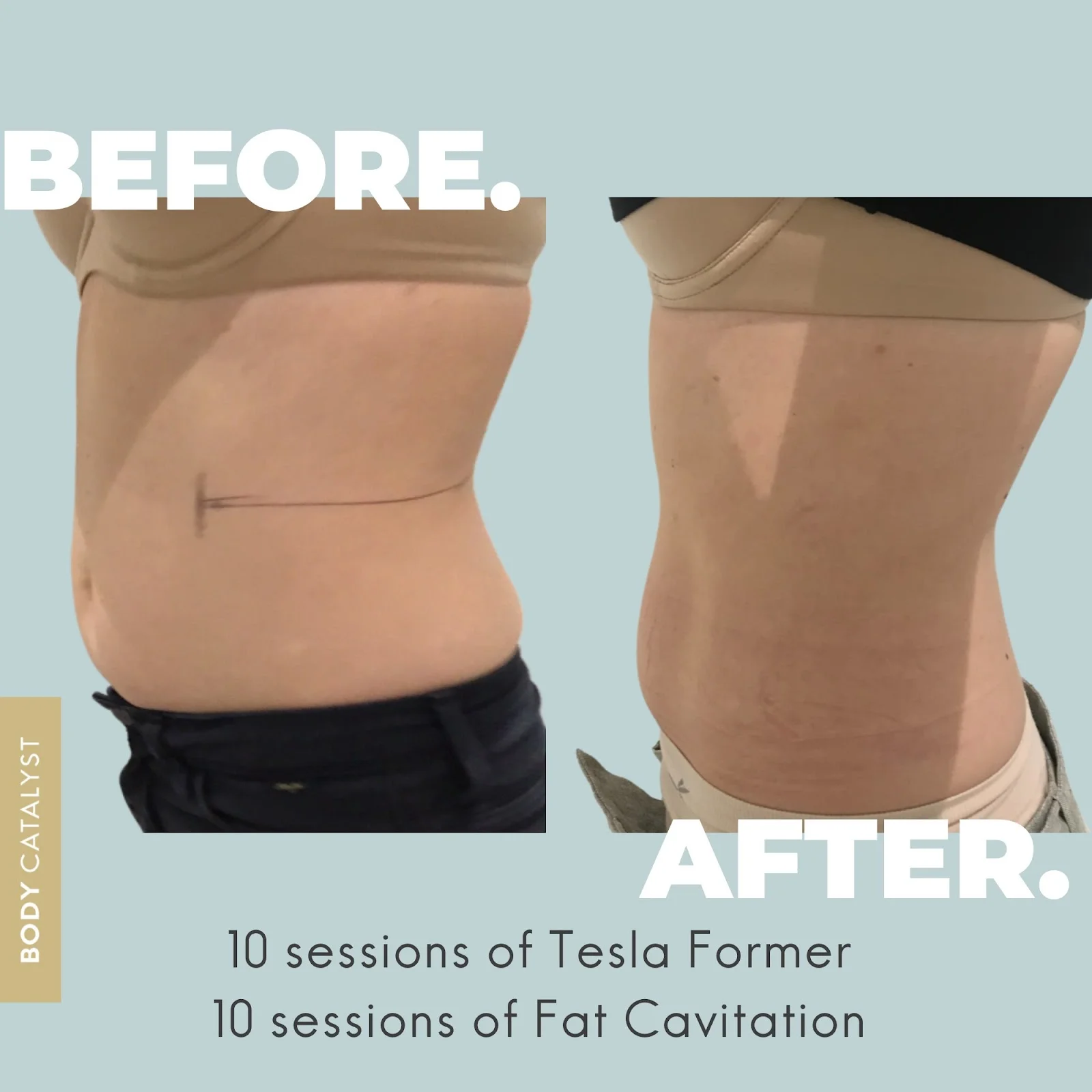
All of us have those stubborn spots of fat that just refuse to budge, regardless of the number of workouts and diets we try. This can be frustrating, is it not? But don’t worry; here comes the good news: there may be a solution called fat freezing. Imagine being treated with a non-invasive, effective body-contouring solution so you can feel more confident in your skin. Well, that is exactly what fat freezing offers. Let’s dive into how this innovative treatment can help you achieve your body goals.
What is Fat Freezing?
Fat freezing, also known as cryolipolysis, is a non-surgical treatment that eliminates stubborn fat cells by exposing them to freezing temperatures. The process freezes fat cells, which are then gradually broken down by the body’s natural processes. It’s safe, requires no downtime, and delivers visible results.
One of the leading fat-freezing firms in Australia, Body Catalyst, offers this treatment, which is bespoke to target areas of concern. Whether it is under the chin, your belly, thighs, or arms, fat freezing helps you fashion the body shape you so desperately want.
How Does Fat Freezing Work?
It’s interesting to note how freezing works in fat. Fat cells are much more susceptible to the cold than the tissues next to them. At a certain temperature, the fat crystallizes and dies. You are then left with, after your body naturally excretes these dead cells over the next few weeks, having a much more contoured look.
At Body Catalyst, the procedure is straightforward and comfortable. You’ll relax as a trained therapist applies the fat freezing device to the target area. The treatment typically takes about 35–60 minutes, depending on the area being treated. Many people even use this time to catch up on emails or unwind with a book.
Why Choose Fat Freezing?
If you’re wondering whether fat freezing is the right choice for you, here are some compelling reasons why it stands out:
- Non-Invasive: Unlike liposuction or other surgical procedures, it doesn’t require incisions or anaesthesia. It’s a pain-free way to achieve your body goals.
- No Downtime: You can go back to your regular activities right after the procedure. Whether you are very busy or just hate having to recover, fat freezing is very easy to work into your lifestyle.
- Focused Results: Fat-freezing gives you the ability to concentrate on areas that bother you the most. This makes it suitable for people who are usually fit but have stubborn areas of fat.
- Natural-Looking Results: As your body naturally metabolises the fat cells, the results are natural-looking. There isn’t any sudden or dramatic change; instead, it gradually improves.
What are the Areas Fat Freezing Can Treat?
Fat freezing is a highly versatile treatment that can target multiple areas of the body. It works effectively on the abdomen to help achieve that flat tummy you’ve been striving for, and it’s an excellent option for tackling the dreaded thigh gap struggle by sculpting the thighs. If pesky “bat wings” on your arms are a concern, it can help eliminate them as well.
This will also be great for helping out stubborn bulges around the back and bra line while giving you a more defined facial profile by focusing on the chin and jawline. Here, each treatment plan at Body Catalyst is tailor-made to target your unique concerns to help you achieve the best results that can be tailored only to your goals.
What to Expect During and After Treatment?
Fat freezing is designed to be as comfortable as possible. During the procedure, you might feel a cooling sensation and slight pressure as the device works its magic. Most people find it completely tolerable, and some even take a nap!
There is hardly any significant post-treatment downtime. Side effects will be redness, swelling, and a feeling of tingling in the area that received the treatment; these, however, resolve in most cases within three to five days. It typically takes 6-12 weeks for results to show once your body is processing the dead fat cells. The greatest thing? When they’re gone, they are forever.
Is Fat Freezing Right For You?
Fat freezing is ideal for most individuals who want to focus on particular areas of resistant fat. However, it is not a weight loss treatment. It is best suited for people who are nearly at their target weight but want to fine-tune their body shape.
Body Catalyst also offers personalised consultations to determine whether fat freezing’s is the right treatment for a client. Their expert team will discuss your goals and create a tailored plan to help you achieve them.
Conclusion
Fat freezing’s is a game changer, especially for those aiming to get rid of problematic body fat and feel self-confident in their appearance. It is no surprise, then why fat freezing’s has started being used as a rather first-go solution for body sculpting.
If you’re ready to take the next step toward achieving your body goals, Body Catalyst is here to help. With their expertise and commitment to your success, you’re in great hands. Book a consultation today and discover how fat freezing’s can transform your journey to self-confidence.


Understanding and avoiding common triggers is essential for maintaining sobriety during addiction recovery. Triggers can lead to cravings and relapse if not managed effectively.
1. Stress
Stress is one of the most common triggers for addiction. High levels of stress can lead to cravings as individuals seek relief through substance use.
How to Avoid It:
Practice stress management techniques such as mindfulness, deep breathing exercises, and regular physical activity. Prioritize self-care and seek support from friends, family, or a therapist to help manage stress effectively.
2. Social Pressure
Social situations where others are using substances can be challenging for someone in recovery. Peer pressure can tempt you to join in and relapse.
How to Avoid It:
Surround yourself with supportive, sober friends. Politely decline invitations to events where substance use will be present. Plan alternative activities with friends who respect your commitment to sobriety.
3. Emotional Distress
Feelings of sadness, anger, or loneliness can trigger cravings for substances as a way to cope with negative emotions.
How to Avoid It:
Develop healthy coping mechanisms such as journaling, talking to a therapist, or engaging in a hobby. Build a strong support network to lean on during times of emotional distress.
4. Environmental Cues
Certain places, people, or situations associated with past substance use can trigger cravings.
How to Avoid It:
Identify and avoid high-risk environments that remind you of your substance use. Create new, positive associations by spending time in supportive, sober settings.
5. Celebrations and Holidays
Special occasions often involve substance use, which can be a trigger for those in recovery.
How to Avoid It:
Plan ahead for celebrations and holidays by bringing your own non-alcoholic beverages and having an exit strategy if you feel uncomfortable. Attend sober events or host your own celebrations without substances.
6. Fatigue
Being overly tired can lower your defenses and make it harder to resist cravings.
How to Avoid It:
Prioritize getting enough sleep and establish a regular sleep routine. Listen to your body and rest when needed to maintain physical and mental health.
7. Boredom
Idle time and lack of stimulation can lead to thoughts of substance use as a way to pass the time.
How to Avoid It:
Stay busy with activities that interest you, such as hobbies, exercise, or volunteering. Create a daily schedule to keep yourself engaged and productive.
8. Relationship Problems
Conflict and tension in relationships can trigger emotional distress and cravings.
How to Avoid It:
Practice open communication and seek therapy to address relationship issues. Surround yourself with supportive people who respect your recovery journey.
9. Physical Pain
Chronic pain or discomfort can lead to the temptation to use substances for relief.
How to Avoid It:
Work with healthcare professionals to manage pain through non-addictive medications and alternative therapies such as physical therapy, acupuncture, or mindfulness.
10. Financial Stress
Worrying about money can create significant stress, leading to cravings.
How to Avoid It:
Create a budget and seek financial advice to manage your finances effectively. Focus on building financial stability and seek support from friends, family, or financial counselors.
11. Celebrating Milestones
Ironically, achieving significant milestones in recovery can sometimes trigger thoughts of “rewarding” yourself with substances.
How to Avoid It:
Celebrate milestones in healthy, substance-free ways. Treat yourself to a special outing, a new hobby, or a meaningful experience that reinforces your commitment to sobriety.
12. Complacency
Becoming too comfortable in your recovery can lead to overconfidence and a lapse in vigilance, increasing the risk of relapse.
How to Avoid It:
Stay committed to your recovery routine and continue attending support groups and therapy sessions. Regularly review your goals and progress to stay focused on your sobriety.
Strategies for Managing Triggers
While avoiding triggers entirely may not always be possible, having strategies in place can help you manage them effectively. Here are some additional tips for managing triggers:
1. Develop a Relapse Prevention Plan
Create a detailed plan that outlines how you will handle triggers and cravings. Include specific strategies, coping mechanisms, and emergency contacts. Having a plan in place provides a sense of security and readiness.
2. Practice Mindfulness
Mindfulness involves staying present and aware of your thoughts and feelings without judgment. Practicing mindfulness can help you recognize triggers early and respond to them in a healthy way.
3. Build a Support Network
Surround yourself with supportive friends, family, and peers who understand your journey and can provide encouragement and accountability. Regularly attend support group meetings to stay connected and motivated.
4. Engage in Healthy Activities
Regular exercise, hobbies, and other positive activities can provide a healthy distraction from cravings. Engaging in activities that you enjoy helps build a fulfilling, sober lifestyle.
5. Seek Professional Help
Therapists and counselors can provide valuable support and guidance in managing triggers. Cognitive-behavioral therapy (CBT) and other therapeutic approaches can help you develop effective coping strategies.
6. Reflect and Adjust
Regularly reflect on your progress and the effectiveness of your strategies. Adjust your plan as needed based on your experiences and challenges. Continuous self-awareness and adaptability are key to maintaining sobriety.
7. Stay Educated
Educate yourself about addiction and recovery. Understanding the science behind addiction and learning about different recovery strategies can empower you to make informed decisions about your health.
8. Practice Self-Care
Prioritize self-care to maintain your physical and mental health. Taking care of yourself ensures you have the energy and resilience to handle triggers effectively.
9. Celebrate Progress
Acknowledge and celebrate your achievements, no matter how small. Recognizing your progress reinforces positive behavior and motivates you to continue your recovery journey.

Families seeking live-in dementia care costs in the UK face a complex and often daunting journey. With the prevalence of dementia rising and the demand for specialized care increasing, understanding the financial aspects of this endeavor is crucial. In this comprehensive guide, we’ll delve into the various factors influencing the costs of live-in dementia care in the UK and provide insights to help families make informed decisions.
Understanding the Need for Live-In Dementia Care:
Dementia is a progressive condition that affects millions of people worldwide, and the UK is no exception. As the condition advances, individuals often require round-the-clock supervision and support to ensure their safety and well-being. This level of care is typically provided through live-in arrangements, where trained professionals reside with the individual in need.
Factors Influencing Live-In Dementia Care Costs:
- Level of Care Required:
The cost of live-in dementia care in the UK varies depending on the individual’s specific needs. Factors such as the stage of dementia, level of cognitive impairment, and any additional medical or behavioral complexities can impact the required level of care and, consequently, the associated costs.
- Location:
Geographical location plays a significant role in determining the cost of live-in dementia care. Urban areas tend to have higher living expenses and thus may incur higher care costs compared to rural areas. Additionally, regional variations in care provider rates and availability can also influence pricing.
- Care Provider:
When seeking live-in dementia care, families have the option of choosing between private care agencies, independent caregivers, or residential care facilities. Each option has its own set of costs, with private agencies typically charging higher rates but offering comprehensive support and supervision.
- Additional Services:
Beyond basic caregiving, families may opt for additional services such as medication management, specialized therapies, or companionship programs. These supplementary services can enhance the quality of life for individuals with dementia but may incur extra expenses.
- Exploring Cost Estimates:
The cost of live-in dementia care in the UK can vary widely depending on the aforementioned factors. On average, families can expect to pay anywhere from £700 to £1500 per week for full-time, live-in care. However, this estimate is just a starting point, and actual costs may be higher or lower based on individual circumstances.
- Facility Amenities:
For residential care, amenities such as private rooms, recreational activities, and therapeutic programs can influence costs.
- Specialized Programs:
Facilities or caregivers offering specialized dementia programs, such as music therapy or sensory stimulation, may charge higher rates.
- Contract Terms:
Long-term contracts or flexible arrangements (e.g., hourly vs. daily rates) can impact cost structures.
- Caregiver Turnover:
High turnover rates among caregivers can affect the consistency of care and potentially increase costs due to retraining or recruitment efforts.
- Insurance Coverage:
The extent to which dementia care services are covered by health insurance or long-term care insurance policies can affect out-of-pocket expenses.
- Regulatory Requirements:
Compliance with local regulations and licensing standards can influence care providers’ operating costs, which may be reflected in pricing.
- Economic Factors:
Overall economic conditions, inflation rates, and labor market dynamics in a particular region can affect caregiver wages and service costs.
- Duration of Care:
Whether care is needed on a part-time, full-time, or 24/7 basis significantly impacts overall costs.
- Caregiver-to-Client Ratio:
Lower caregiver-to-client ratios, often found in premium services, can increase costs due to more personalized attention.
Navigating Financial Assistance Options:
- Local Authority Funding:
In some cases, individuals with dementia may be eligible for financial assistance from their local authority to cover care costs. However, eligibility criteria vary depending on factors such as income, assets, and level of need.
- NHS Continuing Healthcare:
NHS Continuing Healthcare is a funding package provided by the National Health Service (NHS) for individuals with complex medical needs, including those with advanced dementia. Eligibility assessments determine whether individuals qualify for fully funded care.
- Means-Tested Benefits:
Families may also explore means-tested benefits such as Attendance Allowance or Personal Independence Payment to help offset the costs of live-in dementia care. These benefits are designed to provide financial support to individuals who require assistance with daily living activities due to a long-term health condition.
Navigating the costs of live-in dementia care in the UK can be challenging, but with careful planning and research, families can make informed decisions that prioritize the well-being of their loved ones. By considering factors such as the level of care required, location, care provider options, and available financial assistance, families can create a sustainable care plan that meets their needs and budget. Ultimately, the goal is to ensure that individuals with dementia receive the support and dignity they deserve as they navigate this challenging journey.

Overcoming loneliness is a critical aspect of the addiction recovery process. The journey toward sobriety can lead individuals through uncharted and often daunting paths, where the lack of a supportive community may intensify feelings of isolation. However, overcoming loneliness, though challenging, is not impossible. By implementing targeted strategies and actively seeking out communities that offer support, individuals can discover both comfort and empowerment through increased connectivity. This article explores various approaches aimed at addressing loneliness, providing practical tips and insights to enhance interpersonal connections and promote emotional healing.
The road to recovery is seldom walked alone, and the feelings of detachment that often accompany it can be alleviated by connecting with others who understand the struggle. Establishing a network of support not only helps mitigate the sense of isolation but also reinforces the individual’s journey to sobriety with encouragement and solidarity. Engaging with groups and individuals who share similar experiences can provide a sense of belonging, making the path less intimidating. By exploring various tactics to overcome loneliness, this discussion offers valuable guidance to help individuals forge meaningful relationships and rediscover purpose in their recovery journey.
1. Embracing Support Groups:
Joining support groups is one of the most effective ways to combat loneliness during the recovery from alcohol and drug addiction. Well-known groups like Alcoholics Anonymous (AA) and Narcotics Anonymous (NA) offer a welcoming and empathetic setting where people can openly discuss their difficulties, achievements, and experiences. This openness is possible because these settings are designed to be judgment-free zones, ensuring that everyone feels secure and validated in sharing their personal stories. Active participation in these groups provides essential emotional support and helps individuals forge strong bonds of friendship and mutual understanding. The sense of community and connection that develops is invaluable, helping members to feel less isolated and more supported in their individual paths to recovery.
Regular attendance at group meetings is crucial for maintaining these connections and reinforcing the understanding that no one is alone in their struggles against addiction. As members meet consistently, they build trust and familiarity with one another, which strengthens their resolve and supports their recovery journey. This continuous engagement helps to solidify the group’s role as a cornerstone of support for its members, offering both stability and encouragement. Over time, this community becomes a key resource for individuals seeking solace and understanding as they navigate the complexities of addiction recovery, continually reminding them that they are part of a supportive and caring network.
2. Cultivating Meaningful Relationships:
Developing and maintaining strong, meaningful connections is critical in fighting loneliness during the process of addiction recovery. The inclination to withdraw can be powerful, but actively seeking deeper connections with others can greatly improve one’s emotional health. This often includes reconnecting with family, longtime friends, or mentors who can offer the necessary support and empathy. Furthermore, forming new friendships with people who have similar interests and values can help foster a supportive community, enhancing feelings of inclusion and connectedness.
In expanding these relationships, it’s important to participate in activities that both parties enjoy or to join clubs and groups that align with one’s personal interests. Whether it’s a book club, a fitness class, or a local support group, being part of a community can reduce feelings of isolation. Taking part in regular meetups not only builds stronger relationships but also establishes a routine that can help anchor someone’s social life, making the recovery process less daunting and more supported. These connections provide a safety net of peers who understand the challenges of recovery and offer a nurturing environment for personal growth and healing.
3. Engaging in Healthy Activities:
Loneliness can find fertile ground in inactivity, emphasizing the importance for those in addiction recovery to remain busy with beneficial pursuits. Immersing oneself in hobbies, physical fitness, or community service serves dual purposes—it not only diverts attention from feelings of solitude but also builds a sense of accomplishment and satisfaction. Involvement in pursuits that enhance both physical health and mental state plays a critical role in increasing self-esteem and confidence. This empowerment helps individuals fend off loneliness and maintain their dedication to the goals of their recovery journey.
4. Seeking Professional Support:
Beyond the camaraderie of support groups, obtaining professional help is critical in overcoming loneliness during addiction recovery. Engaging with therapists, counselors, and support staff offers targeted assistance that is customized for each person’s particular situation. In therapy sessions, individuals have the opportunity to delve into the root causes of their loneliness and craft personalized strategies to manage these feelings. Access to a reliable professional during tough periods offers not only comfort but also a new outlook, helping to diminish the sense of being alone and despondent. This professional support can be an anchor, providing stability and guidance as one navigates the complexities of recovery, ensuring that they do not have to face their challenges in isolation.
5. Utilizing Technology for Connection:
In our modern, tech-driven world, the internet serves as a powerful tool for building connections and finding support. Platforms such as online forums, social media groups, and chat rooms offer virtual spaces where people in addiction recovery can meet peers who are also navigating similar paths. These online communities help users share their experiences and challenges, providing a sense of solidarity and understanding.
Moreover, advances in digital communication have made teletherapy and online support groups increasingly accessible. These resources are particularly valuable for those who might find it difficult to attend physical meetings due to logistical issues, health concerns, or personal preferences. Virtual meetings can be attended from anywhere, removing physical barriers and making it easier for individuals to find and maintain supportive networks without leaving their homes.
By embracing these technological tools, people in recovery can effectively find companionship and support, thereby reducing feelings of isolation and helping to combat loneliness as they work towards sobriety. This digital approach not only supports individuals in maintaining their recovery efforts but also enriches their journey with a constant stream of accessible resources and communal support.
6. Practicing Self-Compassion:
In the journey of addiction recovery, embracing self-compassion emerges as a crucial tool in combating the pervasive feelings of loneliness. It’s about extending the same kindness, understanding, and acceptance to oneself that one might readily offer to others, especially during the toughest moments. Rather than allowing oneself to be drowned in self-criticism and the relentless chatter of negative self-talk, individuals can fortify their sense of self-worth and inner strength by nurturing self-compassion. This journey may entail acknowledging and validating the full spectrum of one’s emotions, consciously practicing mindfulness and acts of self-care, and embracing the inherent imperfections that define the human experience.
By adopting this compassionate stance towards oneself, individuals can gradually chip away at the walls of loneliness that often enclose them. It’s a process of fostering a profound connection not just with others, but with one’s own essence. Through this lens of compassion and empathy, individuals find themselves less burdened by the weight of loneliness, and instead, they uncover a newfound sense of belonging and connection that enriches their journey of recovery.
Conclusion:
The journey of addiction recovery often brings forth the daunting challenge of loneliness, yet it is a challenge that can be overcome. Through various avenues such as immersing oneself in support groups, nurturing authentic connections, participating in activities that promote wellness, seeking guidance from professionals, leveraging the power of technology to stay connected, and extending compassion towards oneself, individuals can effectively address feelings of isolation and pave the way for healing on their path to sobriety. It’s important to acknowledge that the road to recovery is not meant to be traveled alone; by bravely reaching out for assistance and forming bonds with others who understand and support, individuals can take significant strides towards a future filled with brightness and fulfillment. Together, united in our shared experiences and aspirations, we can conquer loneliness and flourish in our journey of recovery.
FAQs
- What are some common signs of loneliness in addiction recovery?
- Loneliness can manifest in various ways, including feelings of emptiness, isolation, and a lack of connection with others. It may also be accompanied by symptoms such as sadness, anxiety, and low self-esteem.
- How can support groups help combat loneliness in addiction recovery?
- Support groups provide a safe and understanding environment where individuals can share their experiences, receive encouragement, and connect with others who are facing similar challenges. By participating in support groups like Alcoholics Anonymous (AA) or Narcotics Anonymous (NA), individuals can find camaraderie and support on their journey to sobriety.
- What are some strategies for cultivating meaningful relationships in addiction recovery?
- Cultivating meaningful relationships involves reaching out to family members, old friends, or trusted mentors who can provide support and understanding. Additionally, forming new friendships with individuals who share similar interests and values can create a sense of belonging and support.



 HOME IMPROVEMENT1 year ago
The Do’s and Don’ts of Renting Rubbish Bins for Your Next Renovation
- BUSINESS1 year ago
Exploring the Benefits of Commercial Printing
- HOME IMPROVEMENT11 months ago
Get Your Grout to Gleam With These Easy-To-Follow Tips

 HEALTH11 months ago
The Surprising Benefits of Weight Loss Peptides You Need to Know
- TECHNOLOGY1 year ago
Dizipal 608: The Tech Revolution Redefined
- HEALTH11 months ago
Your Guide to Shedding Pounds in the Digital Age
- BUSINESS1 year ago
Brand Visibility with Imprint Now and Custom Poly Mailers

 HEALTH1 year ago
Happy Hippo Kratom Reviews: Read Before You Buy!