EDUCATION
How to Navigate the Journey of Medical Education

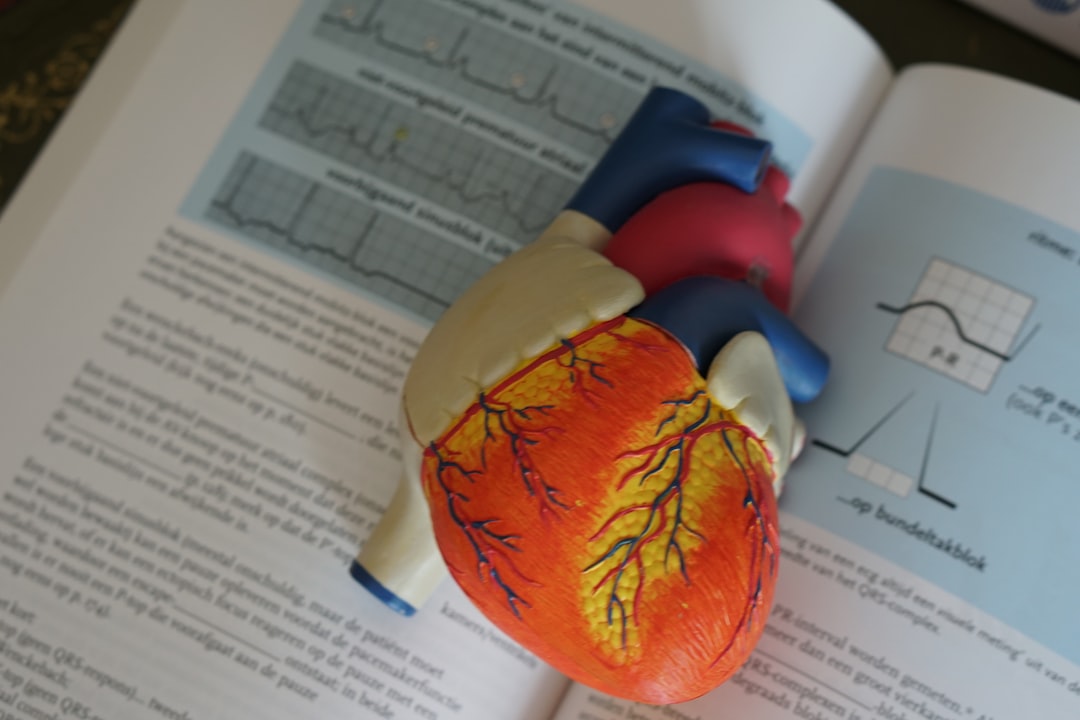
The journey of medical education is both rewarding and challenging. Aspiring healthcare professionals face numerous obstacles that test their determination and resilience. From the rigorous coursework to the demanding clinical experiences, the path to becoming a medical practitioner requires careful planning and dedication. This article will explore the various stages and offer tips to make the journey more manageable.
Understanding the Medical School Timeline
The medical education timeline varies among countries and institutions, but it generally follows a predictable structure. The initial stage involves undergraduate education, where students take essential courses in biology, chemistry, and physics. After obtaining a bachelor’s degree, students apply to medical school, which typically lasts four years. During the first two years, students focus on foundational medical sciences and theory. The following years shift to clinical experiences, where students apply theoretical knowledge in real-world settings.
If the traditional path won’t cut it for your needs, you can look into online degrees and coursework. For a Psychiatric Mental Health Nurse Practitioner, an MSN PMHNP online program will help them gain insights into advanced practice nursing roles. Completing medical education may include internship or residency programs that further refine skills in specific specialties. As a prospective doctor, this timeline can give you a hands-on approach to help you stay on track and achieve your goals.
Preparing for Medical School Admission
Admission to medical school requires strategic preparation. Students need to take the Medical College Admission Test (MCAT), which assesses understanding of scientific concepts and critical thinking skills. Preparing for this exam may involve comprehensive study plans that incorporate practice tests and study groups. You must build a strong application: volunteer work, research experience, and strong letters of recommendation are all excellent starting points.
Candidates should also consider shadowing healthcare professionals for exposure to the medical field. Dedication to academic excellence and relevant experiences can significantly enhance a candidate’s chances of being accepted into competitive medical programs.
Thriving During Medical School
Once accepted, students find themselves immersed in a rigorous academic environment. Balancing coursework with clinical responsibilities requires impeccable time management and strong organizational skills. Many students benefit from forming study groups, which can provide support and camaraderie while tackling challenging subjects. Official support systems, including academic advising and mental health services, are also invaluable resources during this strenuous period.
Engage with faculty and participate in extracurricular activities to foster professional relationships that may open doors to future opportunities. Adopting effective study techniques tailored to individual learning styles can also aid in maximizing academic success.
Clinical Rotations and Experience
Clinical rotations mark a pivotal aspect of medical education where theory meets practice. During these rotations, students work directly with patients and healthcare teams, allowing them to apply their knowledge in various healthcare settings. Exposure to multiple specialties helps students identify their strengths and interests. This hands-on experience will help them develop patient communication, diagnostic reasoning, and clinical documentation.
Feedback from supervising physicians will refine competencies and improve performance over time. Building rapport with mentors during clinical rotations can lead to valuable networking opportunities, including research collaborations and job prospects post-graduation. When you engage with peers in these settings, you can cultivate an essential support network that persists throughout your career.
Choosing a Specialty and Residency Training
Selecting a medical specialty is a significant decision influenced by personal interests and professional experiences. During the later stages of medical school, students begin exploring specialties that resonate with their goals and values. Residency applications typically require careful consideration of program strengths, locations, and the overall fit with personal career aspirations.
The residency training period allows for deeper immersion into chosen specialties and provides opportunities for increased responsibilities and autonomy. Residents are expected to engage in lifelong learning, as medicine is an ever-evolving field requiring continuous skill and knowledge development. Networking with professionals in their desired field can provide insights into potential pathways and career trajectories. This stage will prove pivotal for professional development and personal growth as residents learn to navigate real-life medical scenarios and challenges.
The Transition from Residency to Practice
Transitioning from residency to independent practice poses unique challenges and triumphs. New physicians feel a sense of empowerment mixed with apprehension as they step into their roles. Establishing a practice can involve securing a position, negotiating contracts, and understanding institutional policies. Networking with peers can provide insights into best practices for early career decisions. Many new doctors actively seek mentorship from seasoned professionals to help navigate the complexities of institutional integration and patient management.
Do not overlook continuing education: successful practitioners keep up with advancements in medicine and new treatment methodologies. This phase marks a significant milestone as physicians begin to build their reputation and contribute to the health and well-being of their patients.

Building a career in medicine is a dynamic journey that demands commitment, resilience, and adaptability. Each stage of medical education offers learning opportunities essential for personal and professional growth. By preparing thoroughly, engaging actively with mentors and peers, and prioritizing self-care, aspiring healthcare professionals can successfully navigate this rewarding path.


Moving to a new place is exciting, but it can also be a nerve-wracking experience, especially when it comes to packing fragile items. From delicate glassware to precious artwork, ensuring these items arrive at your new home unscathed requires careful planning and execution. In this guide, we’ll walk you through the dos and don’ts of packing fragile items, so you can bid farewell to shattered glass and damaged electronics, ensuring a safe and seamless experience between you and your moving company.
Dos:
1. Start with the Right Materials
When it comes to packing fragile items, the right materials can make all the difference. Opt for sturdy boxes in various sizes to accommodate different items. Invest in bubble wrap, packing paper, foam peanuts, and sturdy tape to provide ample cushioning and protection. Don’t skimp on these supplies; they’re your first line of defense against breakage.
2. Wrap Each Item Individually
One of the most common mistakes people make when packing fragile items is cramming multiple items into the same box without adequate protection. Take the time to wrap each item individually in bubble wrap or packing paper. For extra protection, consider double wrapping particularly delicate items. This ensures that even if one layer fails, there’s still a barrier against potential damage.
3. Use the Right Packing Technique
Proper packing technique can significantly reduce the risk of damage during transit. Start by lining the bottom of the box with a generous layer of packing peanuts or crumpled paper to create a cushioning base. Place the heaviest items at the bottom and lighter items on top. Fill any empty spaces with additional packing material to prevent shifting during transit. Finally, seal the box securely with tape, making sure to reinforce the seams and corners.
4. Label Boxes Appropriately
Clear and concise labeling is key to ensuring fragile items receive the care and attention they need during the moving process. Clearly mark boxes containing fragile items with “Fragile” or “Handle with Care” labels. Additionally, consider including specific instructions such as “This Side Up” or “Glassware Inside” to guide movers and prevent mishandling.
5. Consider Specialized Packing for Electronics and Artwork
Certain fragile items, such as electronics and artwork, may require specialized packing techniques to ensure their safety during transit. For electronics, remove any detachable parts and pack them separately in padded containers. Use anti-static bubble wrap to protect delicate components from static electricity. When packing artwork, use acid-free tissue paper to protect against moisture and environmental damage. Consider investing in custom crates or boxes for particularly valuable or delicate pieces.
Don’ts:
1. Don’t Overpack Boxes
While it may be tempting to maximize space by cramming as many items as possible into a single box, overpacking can increase the risk of damage. Boxes that are too heavy or tightly packed are more likely to collapse or rupture during transit, putting your fragile items at risk. Instead, distribute fragile items across multiple boxes, taking care not to exceed the weight limit recommended by your moving company.
2. Don’t Skimp on Cushioning
Inadequate cushioning is a recipe for disaster when it comes to packing fragile items. Avoid the temptation to cut corners by using insufficient packing material or skipping the cushioning altogether. Remember, it’s better to err on the side of caution and provide too much cushioning than too little. Your fragile items will thank you for the extra protection.
3. Don’t Neglect Proper Sealing
A securely sealed box is essential for protecting fragile items during transit. Don’t rely solely on tape to keep your boxes closed; reinforce the seams and corners with additional tape to prevent accidental openings. Inspect each box carefully before loading it onto the moving truck, and reseal any boxes that show signs of damage or tampering.
4. Don’t Rush the Packing Process
Packing fragile items requires time, patience, and attention to detail. Rushing through the process increases the likelihood of mistakes and oversights that could result in damage during transit. Start packing well in advance of your move date, and set aside dedicated time each day to focus on packing fragile items. By taking your time and packing methodically, you’ll minimize the risk of accidents and ensure that your fragile items arrive safely at their destination.
5. Don’t Forget to Insure Your Fragile Items
Despite your best efforts, accidents can still happen during a move. That’s why it’s essential to protect your valuable and fragile items with appropriate insurance coverage. Check with your moving company or insurance provider to see what options are available for insuring your belongings during transit. While insurance may incur an additional cost, it provides peace of mind knowing that you’re financially protected in the event of damage or loss.
Handle with Care
Once your fragile items are securely packed, it’s essential to handle them with the utmost care throughout the moving process. Communicate with your movers or helpers about the fragile nature of the items and provide clear instructions on how to handle them safely. Encourage them to use lifting techniques to avoid dropping or jostling the boxes and to navigate doorways and staircases with caution. If possible, supervise the loading and unloading of fragile items to ensure they’re treated with the care they deserve.
Plan for Transportation
Transportation is another crucial aspect of ensuring the safety of your fragile items during a move. If you’re hiring a moving company, inquire about their experience with handling fragile items and whether they offer specialized transportation services for delicate belongings. If you’re transporting fragile items yourself, take extra precautions to secure them in your vehicle. Avoid placing heavy items on top of fragile boxes and use straps or bungee cords to prevent shifting during transit. Consider using a separate vehicle or designated area for fragile items to minimize the risk of damage.
Prepare for Unpacking
The journey doesn’t end once you’ve arrived at your new home. Proper unpacking is just as important as packing when it comes to protecting fragile items. Designate a dedicated area for unpacking fragile items away from high-traffic areas to minimize the risk of accidents. Take your time carefully unpacking each item, removing packing material with care to avoid accidental damage. Inspect each item for any signs of damage during transit and document any issues for insurance purposes. Once unpacked, store fragile items in a safe location away from potential hazards such as direct sunlight, extreme temperatures, or moisture.
Conclusion
Packing fragile items doesn’t have to be a daunting task. With the right materials, techniques, and precautions, you can ensure that your delicate possessions arrive at your new home safe and sound. Remember to start with the right materials, wrap each item individually, use proper packing techniques, label boxes appropriately, and consider specialized packing for electronics and artwork. Avoid overpacking, skimping on cushioning, neglecting proper sealing, rushing the packing process, and forgetting to insure your fragile items. By following these dos and don’ts, you’ll be well-equipped to protect your fragile items during your next move. Happy packing!

In the heart of Jersey City, a transformative educational journey is underway at The Waldo International School. Renowned for its exceptional Jersey City Daycares offering, this institution stands as a vanguard of early childhood education, redefining the preschool experience with an innovative blend of creativity, discovery, and learning.
The Unique Appeal of The Waldo International School’s Preschool Program
At the core of The Waldo International School’s philosophy is a commitment to STEAM education—Science, Technology, Engineering, Arts, and Mathematics. This interdisciplinary approach does more than just acquaint children with a range of subjects; it actively engages their curiosity and fosters a love of learning that is both deep and enduring.
A Day in the Life: Exploring New Horizons
Imagine a place where each day is an adventure, a space where children embark on a journey of discovery from the moment they arrive. Mornings might begin with an art project that channels Picasso, followed by an exploration into the basics of coding, laying the foundation for digital fluency in the years to come. Here, technology is embraced as a tool for creativity, enabling children to express their ideas in innovative ways.
STEAM Education: A Pathway to Innovation
The Waldo International School excels in seamlessly integrating STEAM into daily activities, making complex concepts accessible to young minds. This approach nurtures critical thinking and problem-solving skills, essential tools for the innovators and leaders of tomorrow. Through hands-on projects and collaborative learning experiences, children learn to see connections between different fields of study, understanding the world in a more holistic way.
Personalized Learning: Celebrating Individuality
Recognizing the unique potential within each child, The Waldo International School offers personalized learning paths. This individualized approach ensures that each student can explore their interests and develop their strengths at their own pace. Whether building intricate models to understand engineering principles or delving into the wonders of the natural world, students receive the support and encouragement they need to thrive.
Fostering Global Citizenship
Beyond academic skills, the preschool program at The Waldo International School places a strong emphasis on social and emotional learning. Students are introduced to concepts of empathy, diversity, and cultural awareness, preparing them to become compassionate global citizens. Through stories, discussions, and community engagement, children learn the importance of kindness, respect, and understanding in an increasingly interconnected world.
The Role of Physical Activity
Understanding the importance of physical well-being to overall development, the curriculum incorporates ample opportunities for movement and play. These activities not only support physical health but also promote social interaction and teamwork. From organized sports to free play in the school’s outdoor spaces, students learn the value of staying active and working together.
Parental Involvement: A Collaborative Approach
The Waldo International School deeply values the partnership between educators and families. By fostering open lines of communication and offering numerous opportunities for parental involvement, the school ensures that families are an integral part of their child’s educational journey. This collaborative approach strengthens the learning community, providing a supportive network for students and parents alike.
Preparing for the Future
Through its comprehensive and forward-thinking preschool program, The Waldo International School lays a solid foundation for future academic success and personal growth. By emphasizing STEAM education, individualized learning, and social development, the school equips children with the skills and knowledge they need to navigate the challenges of the 21st century.
As families in Jersey City search for a preschool that offers more than just a traditional education, The Waldo International School emerges as a clear choice. With its dynamic curriculum, commitment to innovation, and focus on holistic development, the school is not just preparing students for the next step in their educational journey; it is inspiring them to embark on a lifelong adventure of learning and discovery.
This dedication to excellence in early childhood education is what sets The Waldo International School apart as a leader in the field, offering a preschool experience that is as enriching as it is transformative. Here, children are not only learning—they are thriving, exploring, and growing in a nurturing environment that celebrates their individuality and prepares them for a bright future.

In the sprawling urban landscape of New York City, the skyline is not a symbol of architectural prowess. It is an emblem of the city’s commitment to a sustainable future.
At the heart of this commitment lies the ambitious Climate Mobilization Act, Local Law 97 (LL97). This piece of legislation is not just regulatory jargon. It represents a significant pivot towards reducing carbon emissions across the city’s building stock.
For building owners within the metropolis, this means navigating new compliance landscapes. Enter the Local Law 97 calculator, a tool that is becoming indispensable.
Read on to better understand the very reasons why every building owner needs a Local Law 97 calculator.
Read on!
Compliance Monitoring
One of the biggest challenges that building owners face with LL97 is compliance monitoring. The law requires buildings over 25,000 square feet to reduce their carbon emissions by a specific percentage each year. This means continuous tracking and reporting of energy usage and carbon emissions.
The Local Law 97 calculator simplifies this process. This is done by collecting data from various sources and calculating the building’s compliance status. This allows building owners to track their progress and identify areas for improvement.
Emissions Reporting
Building owners are also required to report their emissions annually. This can be a daunting task for those who do not have the necessary tools and resources.
The Local Law 97 calculator streamlines this process. This is made possible by generating comprehensive reports that can be submitted to the city. This reduces the burden on building owners and ensures accurate reporting of emissions data.
Cost Estimation
Complying with Local Law 97 may require building owners to invest in energy-efficient upgrades and systems. The cost of these upgrades can be a major concern for many. This is especially true for smaller building owners.
The Local Law 97 calculator takes the guesswork out of cost estimation. This is also made possible by providing accurate calculations.
Such calculations are based on the building’s data and potential upgrade options. This allows building owners to plan and budget accordingly. Thus, making ll97 compliance more manageable.
Identification of Efficiency Measures
One of the key benefits of using a Local Law 97 calculator is its ability to identify potential efficiency measures for a building. The ll97 calculator can suggest specific upgrades and improvements that will help buildings meet compliance targets. This is achieved by analyzing energy usage and emissions data.
This not only makes it easier for building owners to follow LL97. It also helps them save money in the long run by reducing energy consumption and costs. Plus, these efficiency measures contribute to the goal of creating a more sustainable and safe environment.
Optimization of Investments
The Local Law 97 calculator not only helps building owners follow the law. It also enables them to optimize their investments. Building owners can make informed decisions about which upgrades or changes will have the most significant impact on their emissions. This can be done by estimating costs and identifying efficiency measures.
This means that building owners can invest in improvements that not only help them meet compliance targets. They also provide long-term cost savings and environmental benefits.
Risk Mitigation
Non-compliance with Local Law 97 can result in hefty fines and penalties. By using a Local Law 97 calculator, building owners can ensure that they are on track to meet compliance targets and avoid these risks. As you get to know more about these local law 97 penalties, you will understand why it is essential to have a reliable tool like the ll97 calculator on your side.
Additionally, the calculator can help identify potential areas of non-compliance. This allows building owners to take corrective action before it becomes an issue with the city. This helps mitigate risks and ensures a smoother compliance process.
Benchmarking Performance
Using a Local Law 97 calculator also allows building owners to benchmark their performance against other buildings in the city. This can provide valuable insights and help identify areas for improvement.
Building owners can see how they stack up and make necessary changes. That way, they can improve their overall efficiency and compliance status. They can achieve this by comparing data with similar buildings.
This not only helps the individual building. It also contributes to the city’s overall goal of reducing carbon emissions. Moreover, benchmarking can also be a form of healthy competition.
It encourages building owners to strive for better efficiency and sustainability scores. This can lead to a more significant positive impact on the city’s carbon footprint.
Environmental Stewardship
Using a Local Law 97 calculator also demonstrates a commitment to environmental stewardship. Building owners are actively contributing to creating a more sustainable city for future generations. They can achieve this by complying with LL97 and investing in energy-efficient upgrades and systems.
Furthermore, building owners are promoting transparency and accountability within the community. They can achieve this by accurately tracking and reporting emissions data. This can inspire others to take similar actions and contribute to a cleaner, greener environment.
Enhanced Property Value
Using a Local Law 97 calculator can also have a positive impact on the value of a building. Buildings that are compliant with LL97 and actively working towards reducing their carbon footprint may be more desirable. This comes along as sustainability becomes an increasingly important factor for potential buyers and tenants.
This not only benefits building owners in terms of marketability. It also contributes to the city’s overall efforts towards a sustainable future. Plus, the property value may also increase in the long run. This comes along as energy-efficient upgrades can lead to cost savings.
Moreover, being compliant with Local Law 97 can also provide a competitive advantage in the real estate market. This comes along with the potential for future regulations and incentives related to sustainability.
It also makes the use of a Local Law 97 calculator not only essential for compliance. It is also a smart business decision.
Ensure Regulatory Compliance With a Local Law 97 Calculator
Overall, the use of a Local Law 97 calculator is essential for building owners. This helps them ensure regulatory compliance and make informed decisions about their investments. The calculator plays a crucial role in achieving New York City’s sustainability goals.
So if you are a building owner affected by LL97, don’t wait any longer! Start using a Local Law 97 calculator today! Together, we can create a cleaner, greener, and more sustainable city for all.
If you want to read more articles, you can visit our blog. We have more! Keep exploring!




 HOME IMPROVEMENT1 year ago
The Do’s and Don’ts of Renting Rubbish Bins for Your Next Renovation
- BUSINESS1 year ago
Exploring the Benefits of Commercial Printing

 BUSINESS1 year ago
Brand Visibility with Imprint Now and Custom Poly Mailers
- HOME IMPROVEMENT9 months ago
Get Your Grout to Gleam With These Easy-To-Follow Tips
- TECHNOLOGY11 months ago
Dizipal 608: The Tech Revolution Redefined
- HEALTH9 months ago
The Surprising Benefits of Weight Loss Peptides You Need to Know
- HEALTH9 months ago
Your Guide to Shedding Pounds in the Digital Age

 HEALTH12 months ago
Happy Hippo Kratom Reviews: Read Before You Buy!